


Kilimanjaro Climbing Guides & Resources
Plan your climb with practical guides on routes, cost, safety and altitude, training, packing, camp life, group and private climbs, and the safari or Zanzibar days either side of the summit.
Local Tanzania team · Licensed mountain crew · Real Safari Soles itineraries
Thirty-two guides, written by the Safari Soles team in Arusha and grouped in the order the questions usually arrive.
One place to plan your Kilimanjaro climb properly
Most Kilimanjaro questions come in the same order: which route, how much it costs, how hard it is, what to pack, and what happens on summit night. This hub groups our guides in that order and supports our main Kilimanjaro climbing page, so you can read what matters now and skip the rest until later.
Choose your route
Compare Lemosho, Machame, Marangu, Rongai, Northern Circuit, Shira and Umbwe.
Prepare safely
Understand altitude and safety, training, packing and summit night, with background from the NHS and CDC.
Plan the full trip
Connect Kilimanjaro with safari, Zanzibar, private climbs or group departures.
Find the guide you need.
Pick the decision you are stuck on and we will send you to the guide that settles it.
- Which route suits me Read guide
- What a climb actually costs Read guide
- Whether it is safe for me Read guide
- How altitude will affect me Read guide
- When in the year to climb Read guide
- What to pack and rent Read guide
- How to train for it Read guide
- What summit night is like Read guide
- Group departure or private climb Read guide
- What camp life is like Read guide
- How the crew is treated and tipped Read guide
- What to do after the climb Read guide
Tell us the decision you're stuck on.
Send your dates and how many days you can spend on the mountain. We will tell you which route fits and what it costs, before you read anything else.
Talk to a local planner- Planned and run from Arusha, by our own crew
- Route and day count matched to you, not to a catalogue
- An itemised quote, not an estimate
Start with these six.
Six guides answer the questions we are asked most before a climb is booked: which route, what it costs, how safe it is, what to pack, how to train and whether to join a group departure.
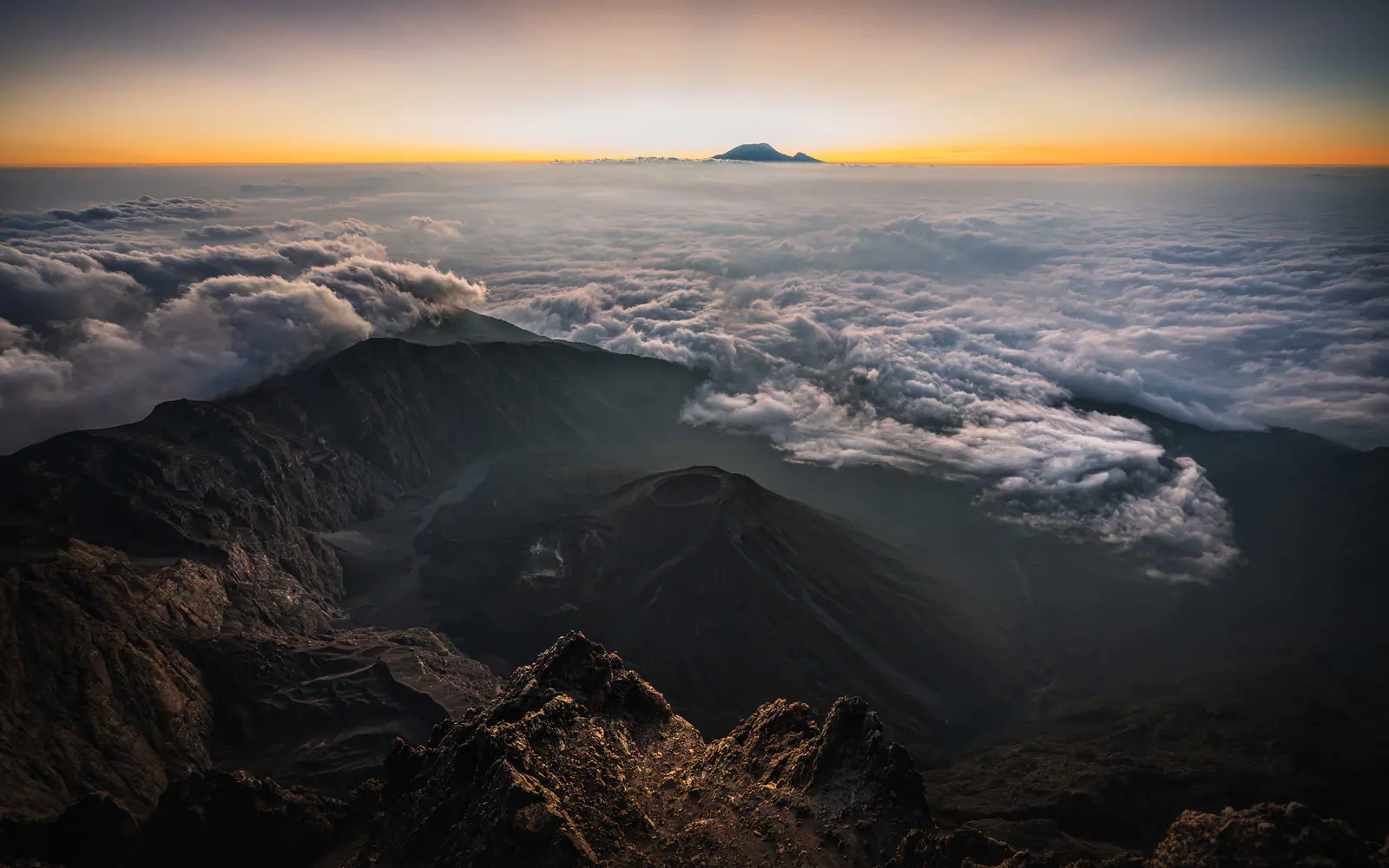
 Kilimanjaro Routes Compare every Kilimanjaro route side by side: days on the mountain, acclimatisation profile, scenery and comfort. Routes
Read the guide
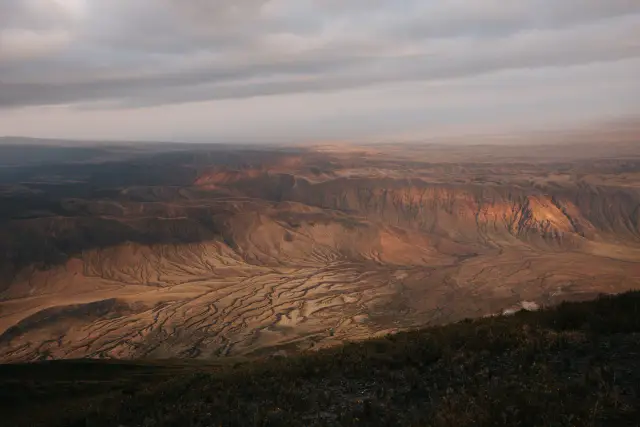
 Kilimanjaro Climb Cost Where your money goes: park fees, crew wages, food, gear, transfers and route length. Cost
Read the guide
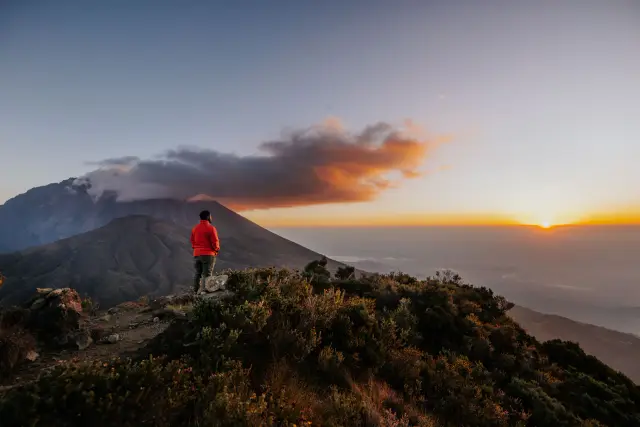
 Kilimanjaro Safety How pacing, guide checks, oxygen, evacuation planning and honest turnaround decisions keep a climb safe. Safety
Read the guide
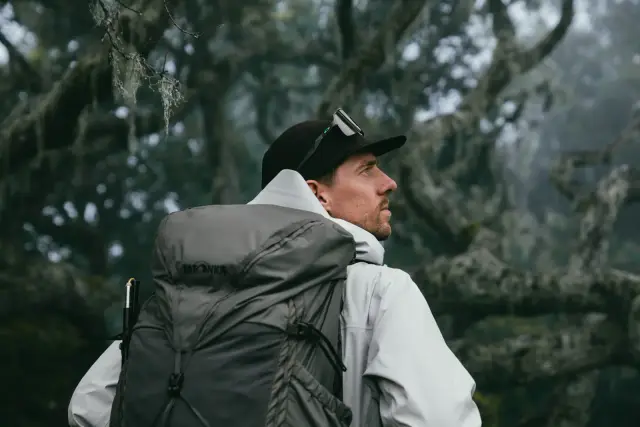 Kilimanjaro Packing List Layer by layer gear checklist covering boots, sleeping systems, summit-night warmth and what to rent locally. Preparation
Read the guide
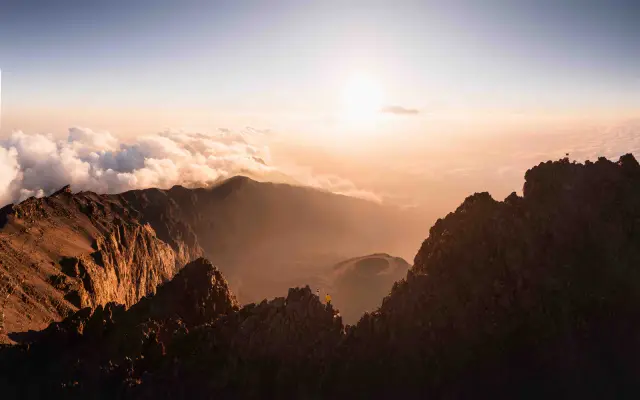 Kilimanjaro Training Guide A practical build-up of hill walking, loaded hikes, stamina and back-to-back days before you fly. Preparation
Read the guide
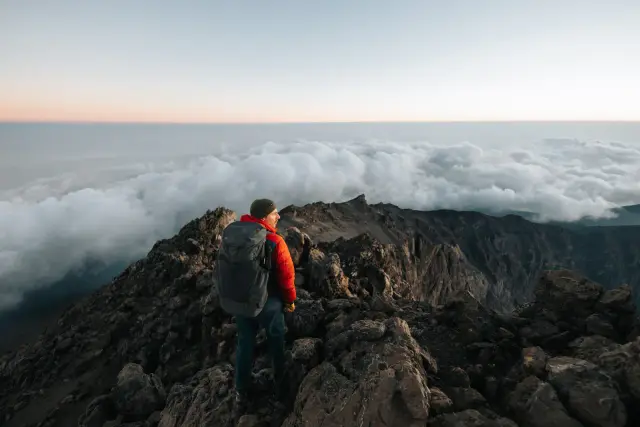 Kilimanjaro Group Climbs Join a scheduled departure to share crew costs, meet other climbers and keep your dates flexible. Group Climbs
Read the guide
The full Kilimanjaro library.
32 guides, grouped the way the questions arrive: route first, then safety, preparation, cost, crew and camp, and what happens after the summit.
- Kilimanjaro Routes Compare every Kilimanjaro route side by side: days on the mountain, acclimatisation profile, scenery and comfort. Routes
Read the guide
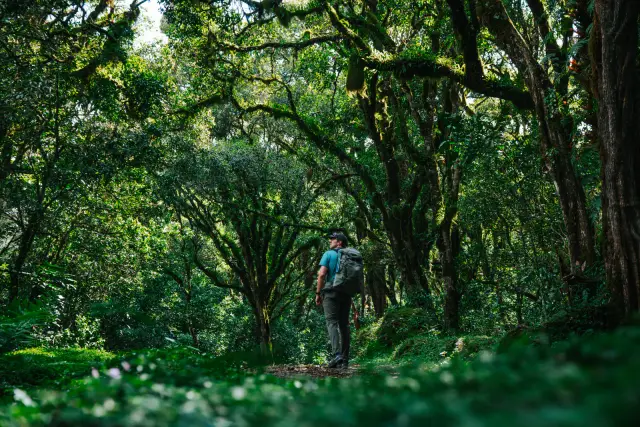 Lemosho Route A longer western approach with a gradual altitude profile and quiet early days through rainforest and moorland. Routes
Read the guide
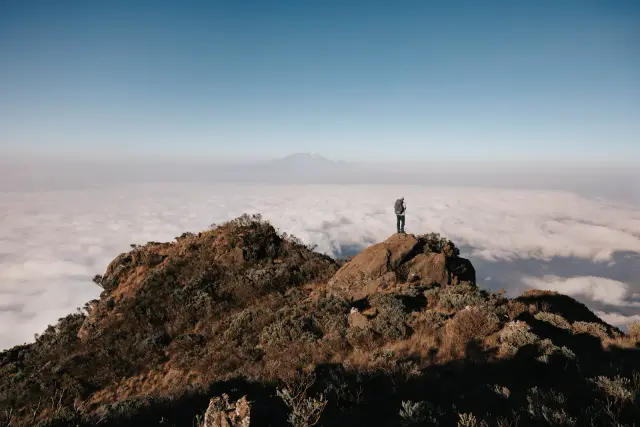 Machame Route The classic 'Whiskey' route: dramatic scenery, the Barranco Wall and a well-loved 6 to 7 day rhythm. Routes
Read the guide
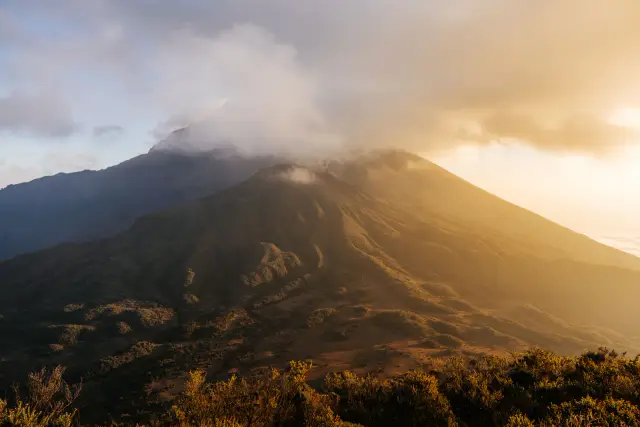 Marangu Route The only hut-based route on the mountain, with shared dormitory accommodation and the same up-and-down trail. Routes
Read the guide
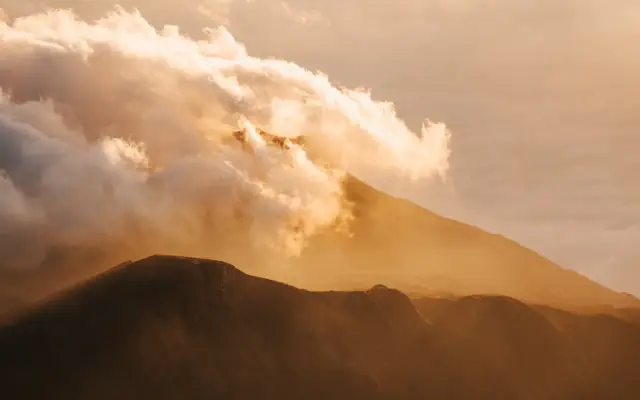 Rongai Route Approaching from the drier northern side, with wide open views towards Kenya and fewer trekkers on the trail. Routes
Read the guide
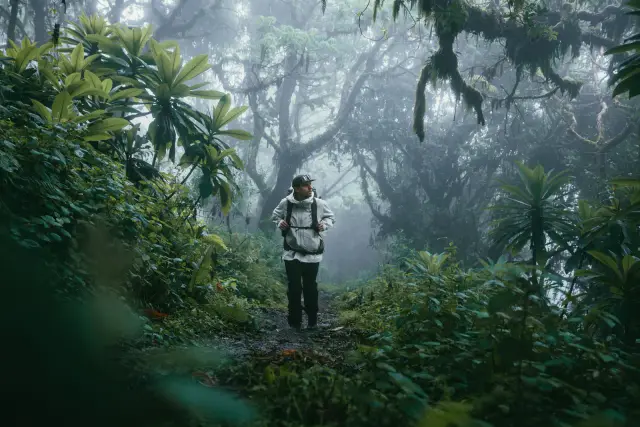 Northern Circuit Route The longest way to Uhuru Peak, circling the northern slopes for maximum time to adjust to altitude. Routes
Read the guide
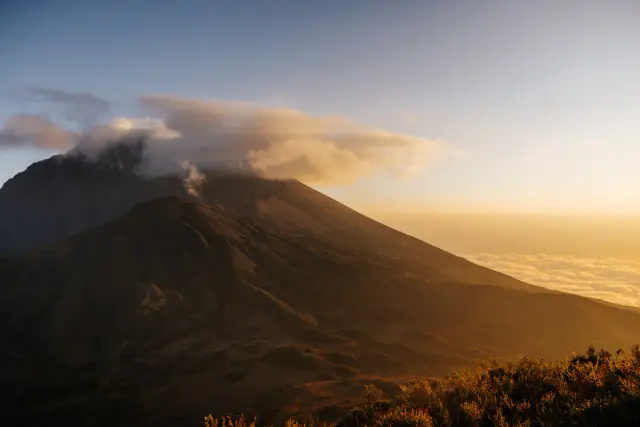 Shira Route A high plateau start across the Shira caldera, often combined with Lemosho for a gentler opening day. Routes
Read the guide
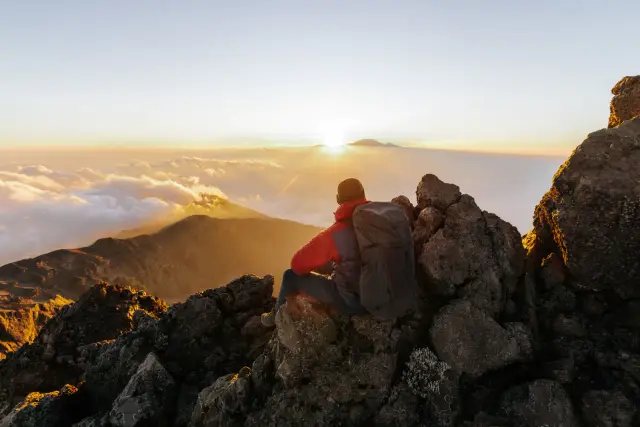 Umbwe Route Steep, direct and demanding: a short approach best suited to experienced, well-acclimatised trekkers. Routes
Read the guide
- Kilimanjaro Safety How pacing, guide checks, oxygen, evacuation planning and honest turnaround decisions keep a climb safe. Safety
Read the guide
- Kilimanjaro Training Guide A practical build-up of hill walking, loaded hikes, stamina and back-to-back days before you fly. Preparation
Read the guide
- Best Time to Climb Kilimanjaro Month-by-month guide to the dry seasons, wet seasons, weather by altitude and how to time your climb. Preparation
Read the guide
- Kilimanjaro Packing List Layer by layer gear checklist covering boots, sleeping systems, summit-night warmth and what to rent locally. Preparation
Read the guide
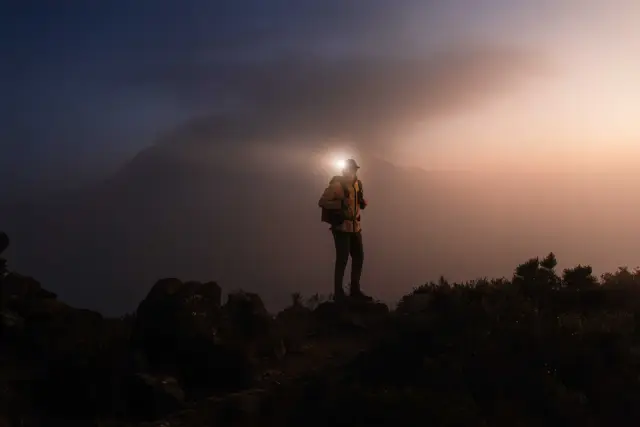 Kilimanjaro Summit Night What really happens between midnight and sunrise: cold, pace, layers, food and reaching Uhuru Peak. Safety
Read the guide
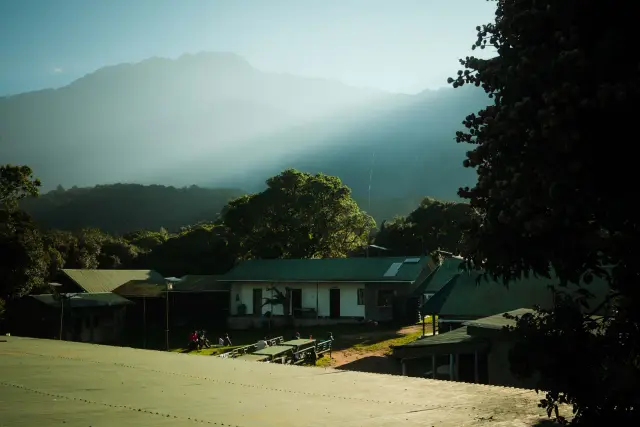 Kilimanjaro Altitude Sickness Recognising early symptoms, understanding acclimatisation and knowing when to descend. Safety
Read the guide
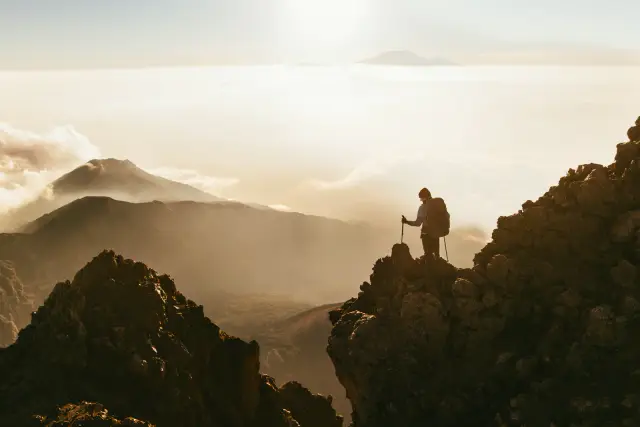 Kilimanjaro for Beginners First big mountain? Start with realistic expectations, route length and how much fitness you actually need. Preparation
Read the guide
- Kilimanjaro Climb Cost Where your money goes: park fees, crew wages, food, gear, transfers and route length. Cost
Read the guide
- Kilimanjaro Group Climbs Join a scheduled departure to share crew costs, meet other climbers and keep your dates flexible. Group Climbs
Read the guide
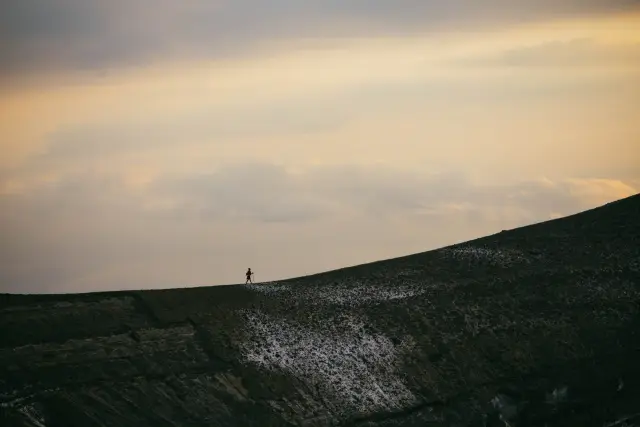 Kilimanjaro Tipping Guide Fair, transparent tipping ranges for guides, cooks and porters, and how the ceremony usually works. Cost
Read the guide
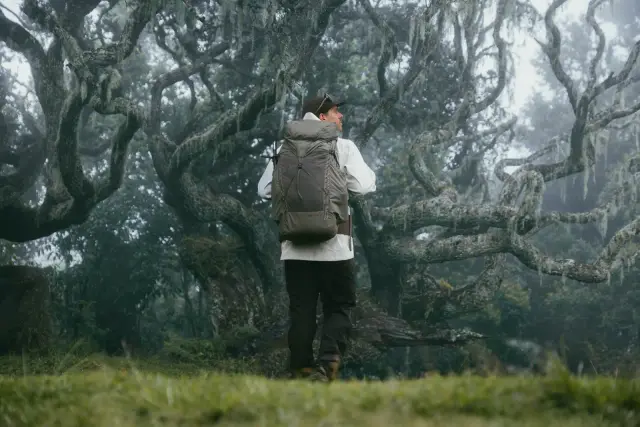 Private Kilimanjaro Climb Build a private climb around your dates, pace, route and add-ons with a tailored itemised quote. Cost
Read the guide
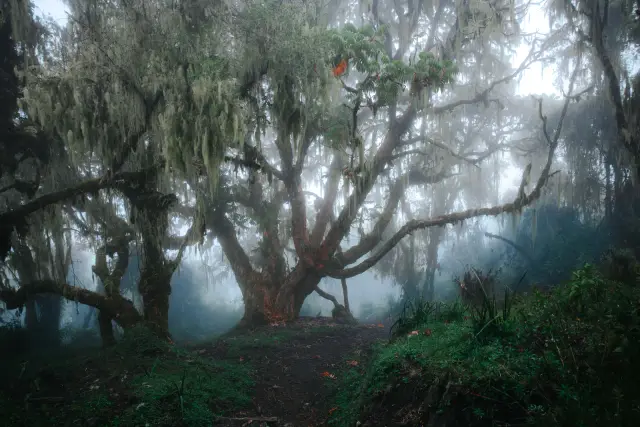 Booking Process From first enquiry to deposit, permits and pre-climb briefing: what happens at each step. Cost
Read the guide
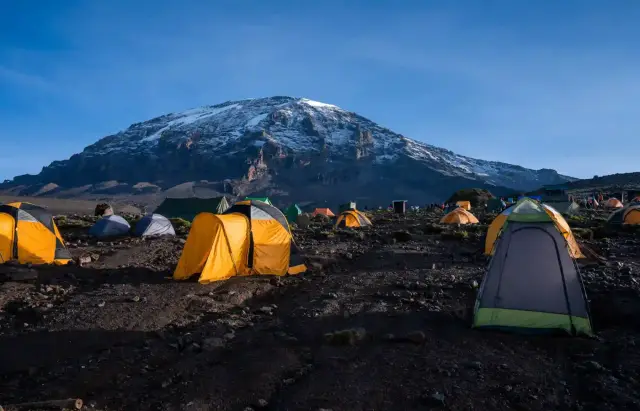 Equipment & Camp Comfort Tents, mattresses, mess tents, toilets and the small comforts that make high camps genuinely restful. Crew & Equipment
Read the guide
- Porter Welfare Load limits, wages, meals, sleeping gear and why porter treatment is part of climbing responsibly. Crew & Equipment
Read the guide
- Kilimanjaro Food and Meals What mountain cooks actually serve, how appetite changes with altitude and handling dietary needs. Crew & Equipment
Read the guide
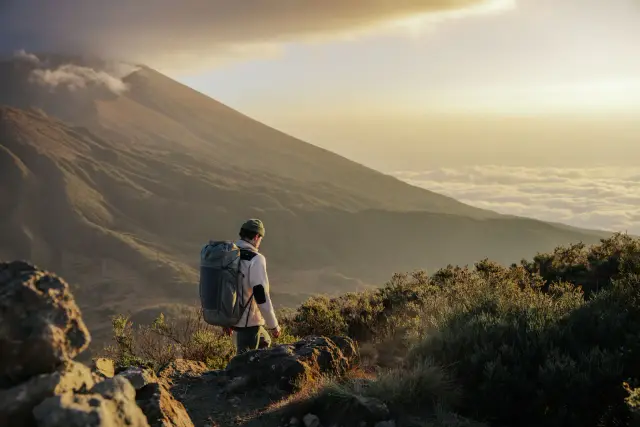 Kilimanjaro Camp Life A day in camp: arrival tea, health checks, washing, evening briefings and sleeping at altitude. Crew & Equipment
Read the guide
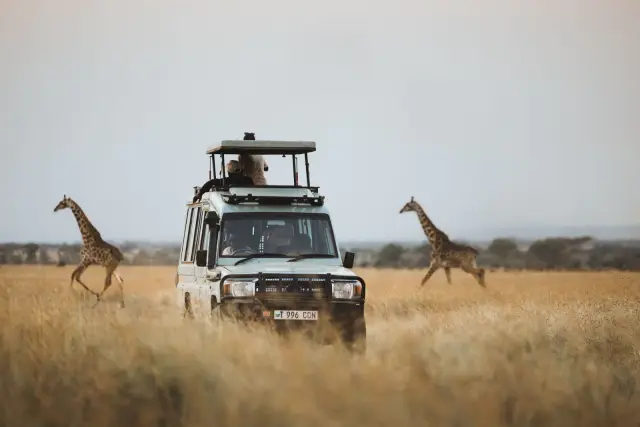 Vehicles & Transfers JRO airport pickups, drive times to every trailhead gate, and the safari 4x4s used after the climb. Crew & Equipment
Read the guide
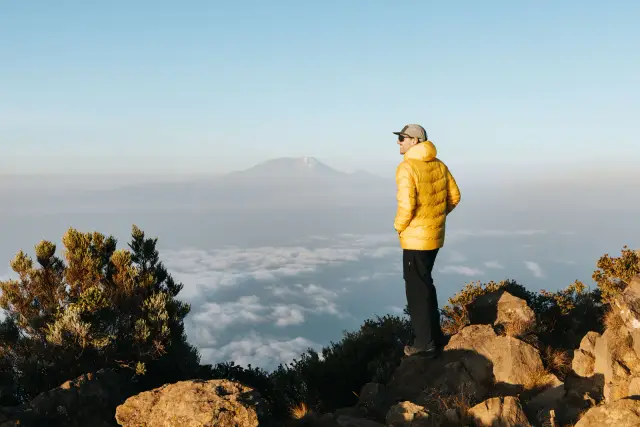 Kilimanjaro Reviews Read what past Safari Soles climbers say about their crew, route choice and summit day. Reviews
Read the guide
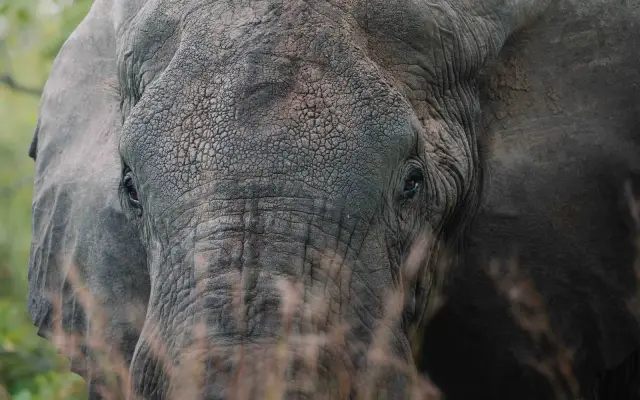 Kilimanjaro and Safari Package Climb first, then unwind on a northern-circuit safari with Serengeti and Ngorongoro game drives. Combinations
Read the guide
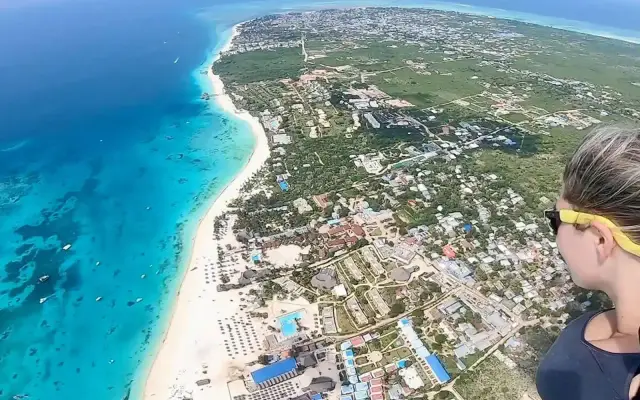 Kilimanjaro and Zanzibar Trade altitude for the Indian Ocean with a beach recovery week after your summit. Combinations
Read the guide
- Kilimanjaro Safari Zanzibar The full Tanzania trilogy (mountain, wildlife and island) in one carefully paced itinerary. Combinations
Read the guide
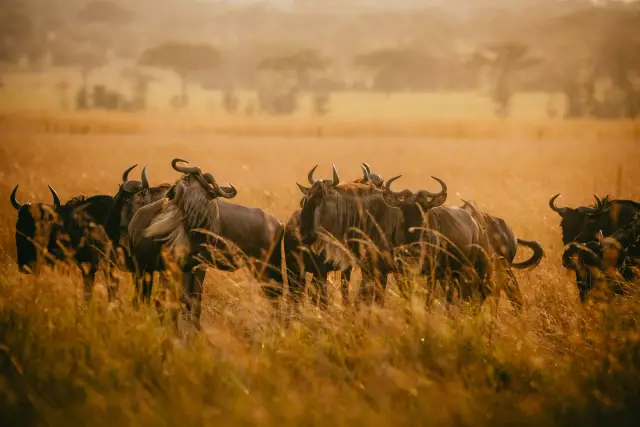 Kilimanjaro Serengeti Safari Pair your climb with Serengeti plains game drives timed around the migration months. Combinations
Read the guide
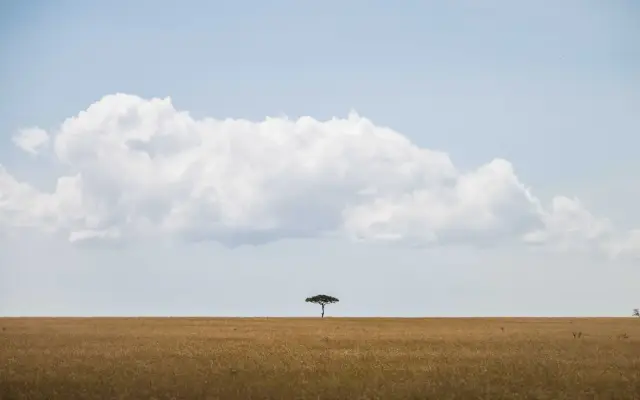 Kilimanjaro Honeymoon A private climb followed by quieter lodges and a slower, more romantic pace afterwards. Combinations
Read the guide
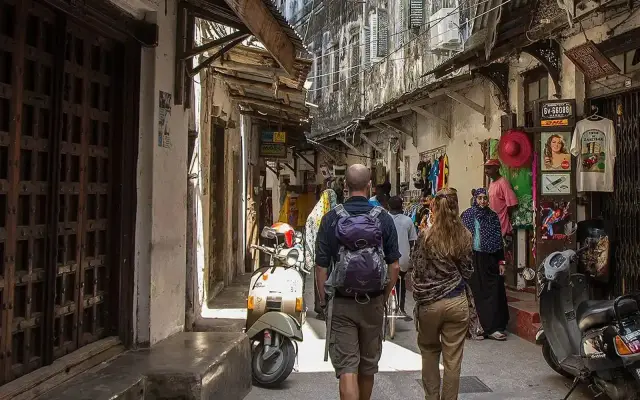 Kilimanjaro, Kenya and Zanzibar Climb in Tanzania, safari in Amboseli and the Masai Mara, then finish on the island, border logistics included. Combinations
Read the guide
Kilimanjaro route snapshot
A quick way to narrow eight routes down to the two or three worth reading properly.
Your route sets the number of days, the scenery, how busy the trail is and how gradually you gain altitude, and through all of that, the cost. Most climbers should not choose a route only because it is popular or cheap.
The better question is which route gives you enough time, pacing and support for your fitness and comfort level. Extra nights on the mountain are the single most reliable way to improve how you feel above 4,000m. For the full breakdown, read the Kilimanjaro Routes guide, then compare it against your available days and budget.
- Best overall scenery and acclimatisation
- Lemosho Route
- A popular adventure route
- Machame Route
- Hut accommodation
- Marangu Route
- A quieter northern approach
- Rongai Route
- The best acclimatisation profile
- Northern Circuit
- A steep challenge
- Umbwe Route
Read a route guide
-
Kilimanjaro Routes
Every route compared side by side: days, altitude profile, scenery and comfort.
Compare all routes -
Lemosho Route
The longer western approach, with the most gradual altitude gain of the popular routes.
Read route guide -
Machame Route
The classic 'Whiskey' route: dramatic scenery, the Barranco Wall, six to seven days.
Read route guide
Which route fits your climb?
Three questions (days, priority and experience) and we will name the route to read first. It is a starting point for the conversation, not a booking.
0 of 3 answered
Answer all 3 questions and your result appears here.
Safety-first Kilimanjaro planning
What actually keeps climbers safe on Kilimanjaro, and where to read more when altitude is your main worry.
Kilimanjaro is not a technical climb, but altitude makes it serious. A safe climb depends on route duration, slow pacing, guide decisions, daily health checks, emergency readiness, hydration, nutrition and knowing when to descend.
Almost every problem on the mountain is an altitude problem in disguise: too few nights, too fast a pace, too little food and water. Adding a day is usually a better investment than adding gear. If altitude is your main concern, start with Kilimanjaro safety and then read the altitude sickness guide.
What to confirm before you book
- Daily health checks, and who on the crew is responsible for them
- That you and your guides can recognise altitude symptoms early
- What emergency support travels with your climb, in writing
- Guide-led pacing, and who makes the turnaround decision
- Travel insurance that covers trekking to 5,895m and evacuation
Your summit matters, but your safety comes first. A guide who turns a climber around early is doing the job properly.
What really affects Kilimanjaro climb cost?
Understand the cost drivers before you compare quotes. Most of the difference is days and crew, not marketing.
A Kilimanjaro price is not really about the route name. The quote depends on route duration, park fees, crew size, food, equipment, safety support, private versus group setup, hotels, transfers, gear rental and any safari or Zanzibar days you add.
Park fees and crew wages are largely fixed, so a very low quote usually means fewer days, thinner support, or a crew carrying the cost. Read the climb cost guide before requesting quotes, and our published Kilimanjaro prices alongside it.
| Cost factor | Why it matters |
|---|---|
| Route duration | More days mean more crew days, food, park fees and logistics |
| Private or group | Private climbs offer flexibility; group climbs share the fixed costs |
| Equipment and camp setup | Tents, meals, safety gear and comfort are most of the difference in value |
| Crew welfare | Wages, meals and load limits are not the place to make a climb cheaper |
| Add-ons | Safari, Zanzibar, hotels and gear rental change the total trip cost |
Route duration
- Why it matters
- More days mean more crew days, food, park fees and logistics
Private or group
- Why it matters
- Private climbs offer flexibility; group climbs share the fixed costs
Equipment and camp setup
- Why it matters
- Tents, meals, safety gear and comfort are most of the difference in value
Crew welfare
- Why it matters
- Wages, meals and load limits are not the place to make a climb cheaper
Add-ons
- Why it matters
- Safari, Zanzibar, hotels and gear rental change the total trip cost
Want the figures for your own dates and group size?
What camp life feels like on Kilimanjaro
Comfort questions answered before you start worrying about them: sleeping, food, water, toilets and the crew behind all of it.
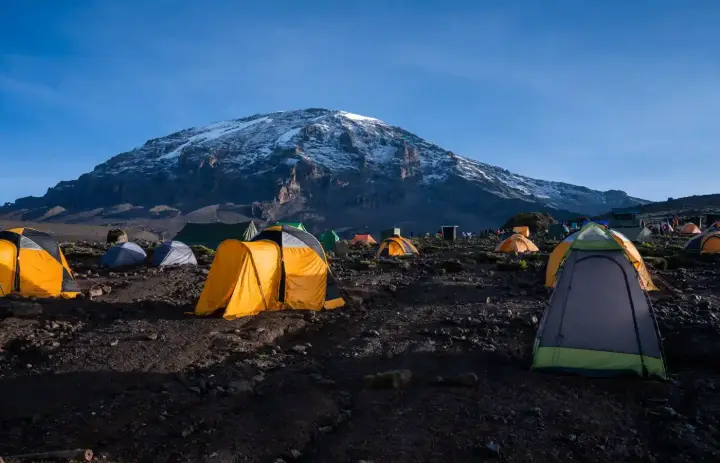
A high camp below the summit
Dome tents pitched on bare volcanic rock with Kibo's glaciers directly above. Ground this hard and this cold is why a proper sleeping mat is not optional.
Most climbers worry about sleeping, food, toilets, cold and what the mountain crew actually provides. Camp comfort comes down to tents, sleeping setup, the dining tent, meals, hot drinks, the water system, porter logistics and safety equipment.
Routine matters more than luxury: warm food, treated water and an early night are what get you to the crater rim. Fair porter loads and wages are part of that: read porter welfare for how we handle it, and camp life for what a day actually looks like.
What a climb day includes
- Mountain tents and the sleeping setup, described before you book
- A dining tent and hot cooked meals
- Treated drinking water and hot drinks at camp
- Duffel weight and porter load guidance
- A private toilet where you want one, confirmed for your dates
- First-aid and emergency equipment, confirmed in writing
After Kilimanjaro: safari, Zanzibar or both?
How to shape the days either side of your summit without exhausting yourself.
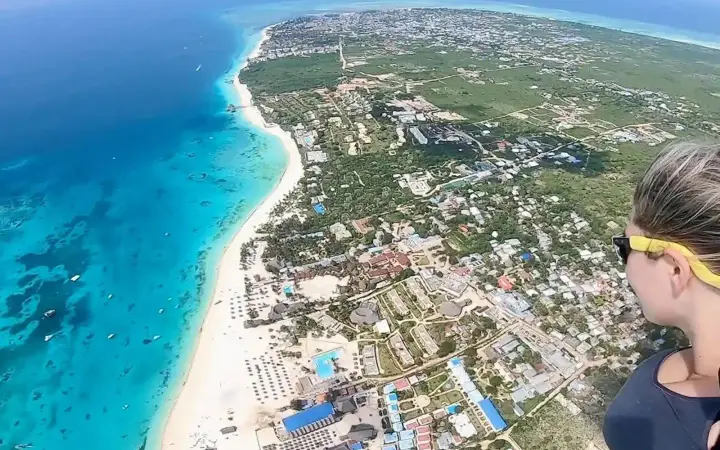
Many climbers add a safari or Zanzibar because they are already in Tanzania. The right combination depends on your route, recovery time, number of days and budget.
A rest day after the summit makes the safari or beach days far better. If your days are tight, take one extension and do it properly rather than three rushed transfers.
-
Kilimanjaro & Safari
The climb followed by the northern circuit parks, paced for recovery.
Plan this trip -
Kilimanjaro & Zanzibar
Summit first, then the coast: how many days the beach half really needs.
Plan this trip -
Kilimanjaro, Safari & Zanzibar
All three in one trip, and the day counts that keep it from being a rush.
Plan this trip
Other Kilimanjaro pages on this site
This hub supports our main Kilimanjaro pages rather than replacing them. When you are ready to look at itineraries, inclusions and prices, these are the pages to open next.
-
Climb Kilimanjaro
The main climbing page: itineraries, inclusions and how a Safari Soles climb runs.
Open the main guide -
Kilimanjaro prices
Published climb prices by route and group size.
See prices -
Get climb ready
The pre-departure checklist we send climbers before they fly.
Get ready -
Other Tanzanian mountains
Mount Meru and the peaks worth climbing before or instead of Kibo.
See other climbs
For official background: Kilimanjaro National Park is a UNESCO World Heritage site managed by TANAPA, entry permits are issued through the Tanzania eVisa portal, and seasonal advice is published by the Tanzania Tourist Board.
Local Kilimanjaro operators, licensed crew, honest guidance
Written and reviewed by the Safari Soles team in Arusha, who plan and run Kilimanjaro climbs from beside the mountain rather than brokering them from an overseas office.
- Reviewed by the Safari Soles Kilimanjaro planning team
- Updated for 2026 climbing seasons
- Route and day count matched to your fitness and altitude history
- Daily health monitoring and descent decisions agreed before you book
Kilimanjaro climbing guides FAQ
-
Start with route choice, then read about altitude and safety. Once you know roughly how many days you want on the mountain, cost and packing become much easier decisions.
Tell us your dates and we will build the climb around them.
Send your travel dates, group size and how many days you can spend on the mountain. A local Safari Soles planner replies with a route, a day count and an itemised quote.