


Kilimanjaro, Kenya and Zanzibar
Climb in Tanzania, safari in Kenya, finish on an Indian Ocean island. It is the most ambitious of the combination trips we plan, and the one where sequencing matters most. This guide covers the border logistics, the day counts that actually work, and how to time all three legs so none of them are wasted.
- Guide
- Combinations
- Reading time
- 16minutes
- In this guide
- 10sections
- 16–20 days
- Two countries, one itinerary
- Border crossing handled
- Beach finish
Local Tanzania team · Licensed mountain crew · Real Safari Soles itineraries
A Kilimanjaro, Kenya and Zanzibar trip pairs a 6–9 day climb in Tanzania with a 3–5 day Kenyan safari (usually Amboseli, the Masai Mara, or both) and finishes with 4–6 nights on Zanzibar.
- Budget 16–20 total days; anything shorter forces you to cut one leg to a token visit.
- You need both a Tanzanian and a Kenyan visa, or the East Africa Tourist Visa if Uganda is also on your route.
- Amboseli gives you Kilimanjaro views from the Kenyan side; the Masai Mara gives you the migration between July and October.
- Always build a low-altitude buffer night between summit day and the border crossing.
- The Zanzibar flight from Nairobi routes via Mombasa, Dar es Salaam or direct depending on the season: confirm before booking lodges.
01 / 10
Why combine three countries' worth of scenery in one trip
Where this fits: this guide is part of the Kilimanjaro climbing guides hub, which supports our main Kilimanjaro climbing page and our published Kilimanjaro climb prices.
Plan each stage with the route comparison, the Serengeti safari guide and the Kilimanjaro and Zanzibar guide, and check entry rules through the official Tanzania eVisa portal plus Wikivoyage Tanzania for cross-border context.
Most people fly to East Africa once in their lives. Kilimanjaro, the Kenyan plains and Zanzibar sit within short flying distance of each other but offer three completely different experiences: high-altitude trekking, open-plains wildlife, and a warm Indian Ocean island with its own Swahili culture. Combining them means one long-haul flight cost spread across three trips rather than one.
The other argument is physiological. Kilimanjaro is hard on the body: broken sleep, thin air, and a summit night that takes several days to recover from. A safari asks almost nothing of you physically (you sit in a vehicle, watch, and eat well), which makes it near-ideal recovery. By the time you reach Zanzibar, your appetite and sleep are usually back to normal and you can actually enjoy the beach rather than sleep through it.
What makes this specific combination different from the all-Tanzania trilogy is Kenya. Amboseli looks back at Kilimanjaro from the north, so you spend two days photographing the mountain you just stood on top of. The Masai Mara, in season, holds the densest big-cat and migration game viewing in East Africa. Those are genuinely different from the Serengeti and Ngorongoro, not just a rebranded version of them.
02 / 10
How the days actually break down
These are the three shapes that work. Below sixteen days, something has to give, usually the safari, which stops being worth the border crossing.
| Total days | Climb | Buffer | Kenya safari | Zanzibar | Verdict |
|---|---|---|---|---|---|
| 16 days | 7-day Machame or Lemosho | 1 night Moshi/Arusha | 3 days Amboseli only | 4 nights | Workable, but tight on transfer days |
| 18 days | 8-day Lemosho | 1 night Moshi/Arusha | 4 days Amboseli + Mara | 5 nights | The sweet spot for most travellers |
| 20+ days | 8–9 day Lemosho or Northern Circuit | 2 nights | 5–6 days Mara-focused | 6 nights | Unhurried; best in migration season |
16 days
- Climb
- 7-day Machame or Lemosho
- Buffer
- 1 night Moshi/Arusha
- Kenya safari
- 3 days Amboseli only
- Zanzibar
- 4 nights
- Verdict
- Workable, but tight on transfer days
18 days
- Climb
- 8-day Lemosho
- Buffer
- 1 night Moshi/Arusha
- Kenya safari
- 4 days Amboseli + Mara
- Zanzibar
- 5 nights
- Verdict
- The sweet spot for most travellers
20+ days
- Climb
- 8–9 day Lemosho or Northern Circuit
- Buffer
- 2 nights
- Kenya safari
- 5–6 days Mara-focused
- Zanzibar
- 6 nights
- Verdict
- Unhurried; best in migration season
What an 18-day version looks like
One example sequence: yours will shift with flight schedules and your climb route.
- Days 1–2
Arrive Kilimanjaro (JRO)
Arrive, gear check and briefing in Moshi or Arusha. One full night's sleep at low altitude before the mountain.
- Days 3–10
Eight-day Lemosho climb
The longer itinerary buys acclimatisation days, which matters more here than on a climb-only trip. An evacuation mid-climb would unravel the rest of the booking.
- Day 11
Buffer night
Descend, shower, eat properly, sleep. No travel. This is the day that protects the whole itinerary from mountain delays.
- Day 12
Cross to Kenya
Road transfer via Namanga into Amboseli, or fly Arusha–Nairobi and connect. Arrive in time for an afternoon game drive.
- Days 13–15
Amboseli and the Masai Mara
Amboseli for elephants and Kilimanjaro views, then a light-aircraft hop to the Mara for big cats and, in season, migration river crossings.
- Day 16
Fly to Zanzibar
Mara airstrip to Nairobi, then on to Zanzibar. A full travel day: expect to arrive at your lodge in the late afternoon.
- Days 17–20
Zanzibar
Nothing scheduled for the first day. Snorkelling, a dhow sunset or a Stone Town morning once you feel like it, then fly home from Zanzibar.
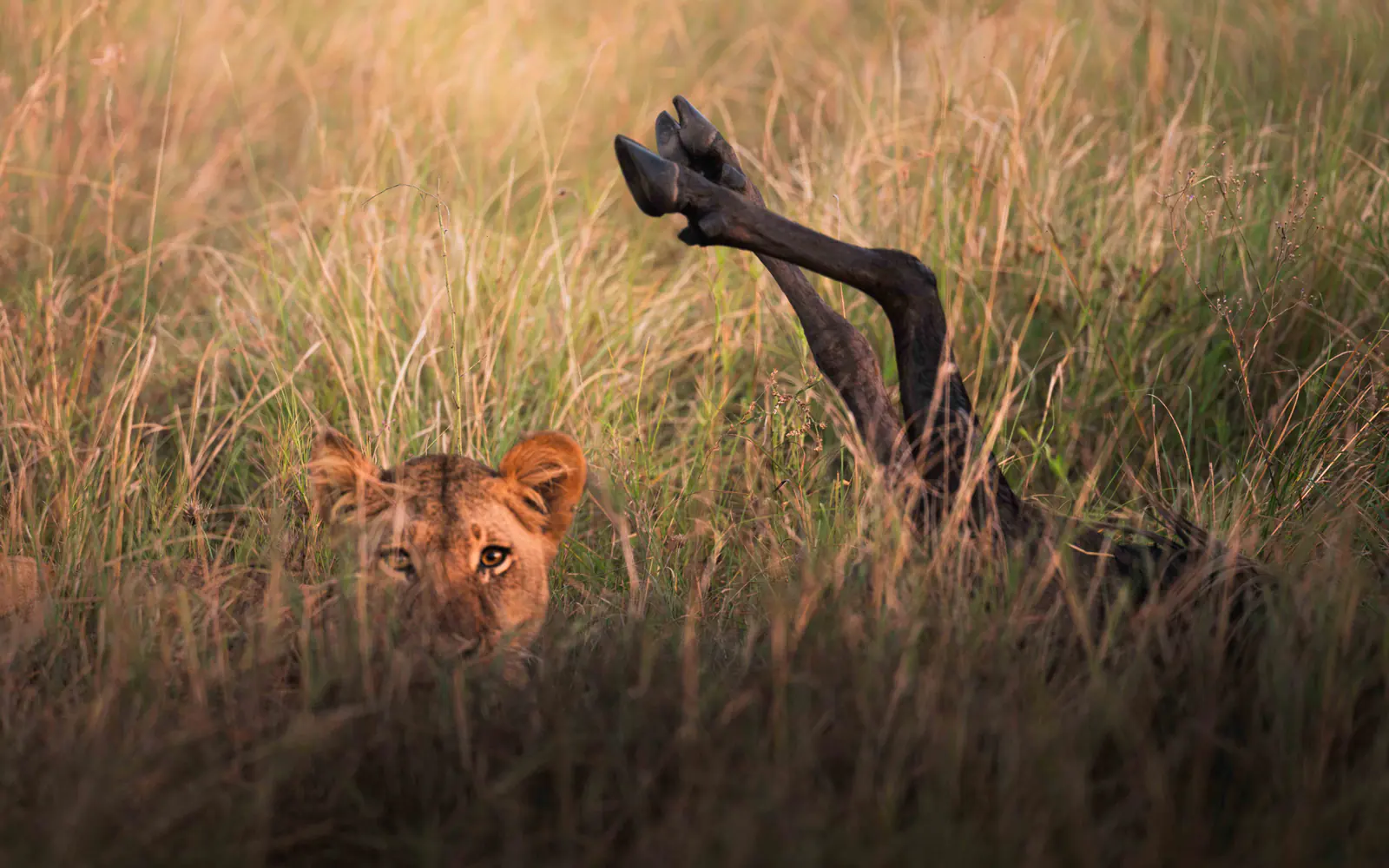
A lioness crouched in tall grass, looking straight at the camera.
03 / 10
Crossing between Tanzania and Kenya
There are two practical ways to move between the Kilimanjaro region and the Kenyan parks. The road crossing at Namanga is the common one: roughly two hours from Arusha to the border, formalities on both sides, then another two to three hours to Amboseli. It is straightforward with a pre-arranged transfer and a driver on each side, and it is considerably cheaper than flying.
The alternative is to fly Kilimanjaro or Arusha to Nairobi, then take a light aircraft to Amboseli or the Mara. This costs more but saves several hours and avoids a long road day for anyone still tired from the mountain. For travellers going straight to the Masai Mara rather than Amboseli, flying is usually the better choice regardless of budget.
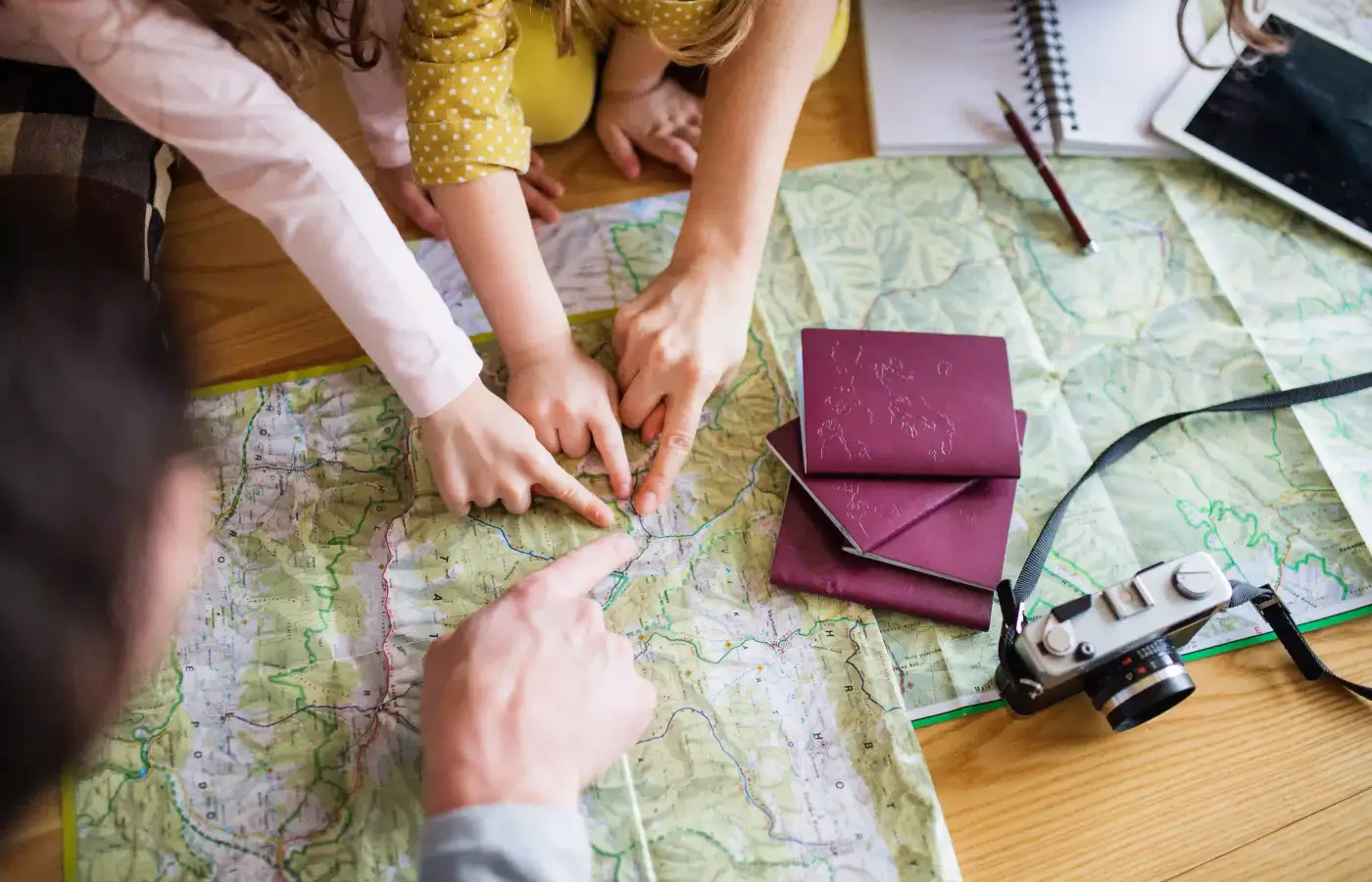
Paperwork to sort before you travel
- A Tanzanian visa for the climb and the Zanzibar leg: Zanzibar is part of Tanzania, so one visa covers both.
- A Kenyan travel authorisation (eTA) for the safari leg, applied for online in advance.
- The East Africa Tourist Visa is worth considering if Uganda or Rwanda is also on your route; for Tanzania–Kenya only it usually is not.
- A yellow fever certificate is commonly requested when arriving in Kenya from Tanzania or re-entering Tanzania afterwards: carry the card, not a photo of it.
- Passport valid at least six months beyond your return date, with blank pages for multiple entry stamps.
- Travel insurance that covers trekking to 6,000m as well as the safari and island legs.
The most common failure mode on this trip is booking the climb with one operator and the Kenya safari with another, then discovering the handover day does not work: a driver waiting at the wrong border post, or a Mara flight that departs before the transfer arrives. We sequence the whole thing as one itinerary so the handovers are somebody's explicit responsibility.
Typical transfers and connections
Exact routings depend on your chosen lodges and flight schedules. This shows the shape of the logistics, not a fixed itinerary.
| Leg | Typical mode | Notes |
|---|---|---|
| JRO airport → Moshi/Arusha | Private road transfer | 45–90 minutes depending on your hotel. |
| Arusha → Amboseli | Road via Namanga border | 4–5 hours total including formalities on both sides. |
| Arusha/JRO → Nairobi | Scheduled flight | About an hour; the faster option if you are Mara-bound. |
| Amboseli → Masai Mara | Light aircraft | Roughly 1.5 hours with a stop; road is possible but takes most of a day. |
| Masai Mara → Zanzibar | Light aircraft to Nairobi, then flight | A full travel day; a direct seasonal option sometimes exists. |
JRO airport → Moshi/Arusha
- Typical mode
- Private road transfer
- Notes
- 45–90 minutes depending on your hotel.
Arusha → Amboseli
- Typical mode
- Road via Namanga border
- Notes
- 4–5 hours total including formalities on both sides.
Arusha/JRO → Nairobi
- Typical mode
- Scheduled flight
- Notes
- About an hour; the faster option if you are Mara-bound.
Amboseli → Masai Mara
- Typical mode
- Light aircraft
- Notes
- Roughly 1.5 hours with a stop; road is possible but takes most of a day.
Masai Mara → Zanzibar
- Typical mode
- Light aircraft to Nairobi, then flight
- Notes
- A full travel day; a direct seasonal option sometimes exists.
04 / 10
Amboseli, the Masai Mara, or both
Two very different parks. With four safari days you can do both; with three, pick one.
| Park | Best for | Ideal days | Getting there from Kilimanjaro |
|---|---|---|---|
| Amboseli | Large elephant herds, Kilimanjaro views, open swamp landscapes | 2 | Closest: a half-day road transfer via Namanga |
| Masai Mara | Big cats, migration river crossings (Jul–Oct), classic plains | 3 | Fly via Nairobi; a road trip would cost two days |
| Both | Contrast between mountain-backed and open-plains wildlife | 4–5 | Amboseli by road, then a light aircraft to the Mara |
| Tsavo (alternative) | Red elephants, fewer vehicles, lower cost | 2 | Road or short flight; a good budget substitute for Amboseli |
Amboseli
- Best for
- Large elephant herds, Kilimanjaro views, open swamp landscapes
- Ideal days
- 2
- Getting there from Kilimanjaro
- Closest: a half-day road transfer via Namanga
Masai Mara
- Best for
- Big cats, migration river crossings (Jul–Oct), classic plains
- Ideal days
- 3
- Getting there from Kilimanjaro
- Fly via Nairobi; a road trip would cost two days
Both
- Best for
- Contrast between mountain-backed and open-plains wildlife
- Ideal days
- 4–5
- Getting there from Kilimanjaro
- Amboseli by road, then a light aircraft to the Mara
Tsavo (alternative)
- Best for
- Red elephants, fewer vehicles, lower cost
- Ideal days
- 2
- Getting there from Kilimanjaro
- Road or short flight; a good budget substitute for Amboseli
How it compares with staying in Tanzania
If you have already decided on Serengeti and Ngorongoro, adding Kenya is not necessary. The Tanzanian northern circuit is excellent and involves no border crossing at all. The reason to cross is either the Masai Mara in migration season, when the river crossings concentrate on the Kenyan side, or Amboseli's specific appeal of photographing Kilimanjaro from a distance days after standing on it.
For travellers who want the maximum wildlife per day and are indifferent to which country provides it, we usually suggest comparing this itinerary against the all-Tanzania trilogy before committing. The Tanzanian version is simpler, slightly cheaper and loses only the Mara.
05 / 10
Lining up climb weather, migration and the island season
Three legs, three seasonal calendars. These are the windows where all of them overlap well.
| Window | Climb conditions | Kenya wildlife | Zanzibar |
|---|---|---|---|
| Late June – Oct | Best of the year: dry, stable, cold at altitude | Peak: Mara migration and river crossings | Dry, breezy, reliably sunny |
| Jan – early Mar | Excellent, warmer, fewer climbers than August | Good resident game; no migration in the Mara | Hot and dry: the classic beach months |
| Apr – May | Long rains: not recommended | Green season, lush and quiet | Wettest period |
| Nov – mid Dec | Short rains, unpredictable | Good; quieter camps and lower rates | Mixed, improving through December |
Late June – Oct
- Climb conditions
- Best of the year: dry, stable, cold at altitude
- Kenya wildlife
- Peak: Mara migration and river crossings
- Zanzibar
- Dry, breezy, reliably sunny
Jan – early Mar
- Climb conditions
- Excellent, warmer, fewer climbers than August
- Kenya wildlife
- Good resident game; no migration in the Mara
- Zanzibar
- Hot and dry: the classic beach months
Apr – May
- Climb conditions
- Long rains: not recommended
- Kenya wildlife
- Green season, lush and quiet
- Zanzibar
- Wettest period
Nov – mid Dec
- Climb conditions
- Short rains, unpredictable
- Kenya wildlife
- Good; quieter camps and lower rates
- Zanzibar
- Mixed, improving through December
If the migration matters to you, the trip effectively has to run between July and October, and Mara camps in those months sell out six to twelve months ahead. If it does not, January to early March is arguably the more pleasant version of this itinerary: the climb is warmer, Amboseli is excellent, and Zanzibar is at its best.
Avoid April and May entirely. The long rains make the climb genuinely miserable, and the Zanzibar leg (the part meant to be the reward) is the wettest of the year.
-
Best Time to Climb Kilimanjaro
Month-by-month weather on the mountain, and which windows suit first-time climbers.
See the monthly breakdown -
Compare Kilimanjaro Routes
How day count and acclimatisation profile change with the season you travel in.
Compare all routes -
Safety and Altitude
Why the number of acclimatisation days matters more than the month you pick.
Read the safety guide
06 / 10
What drives the cost of a three-country trip
This is the most expensive combination we plan, and the reasons are structural rather than a matter of luxury. You pay park fees in two countries, internal flights that a single-country trip avoids, and cross-border transfers with a vehicle and driver on each side. Masai Mara camps in migration season also price at a premium that has nothing to do with your operator.
The main cost drivers, in rough order of impact
- Number of mountain days. Each extra day adds park fees, crew wages and food.
- Masai Mara camp choice and season. The same camp can double in price between March and August.
- Internal flights versus road transfers on the Kenya legs.
- Zanzibar lodge standard and whether you are on the north or east coast.
- Group size: private vehicles and private climbs cost more per person than shared.
- Two sets of visas, park entry fees and conservancy levies.
The wrong place to economise is the climb: dropping from eight mountain days to six saves a modest amount and materially lowers your summit chances, which is a bad trade on a trip this size.
The right places are the Kenya leg (Tsavo or Amboseli instead of the Mara, or travelling outside migration season) and the Zanzibar lodge standard, where the difference between a good mid-range beach hotel and a luxury one is largely presentation.
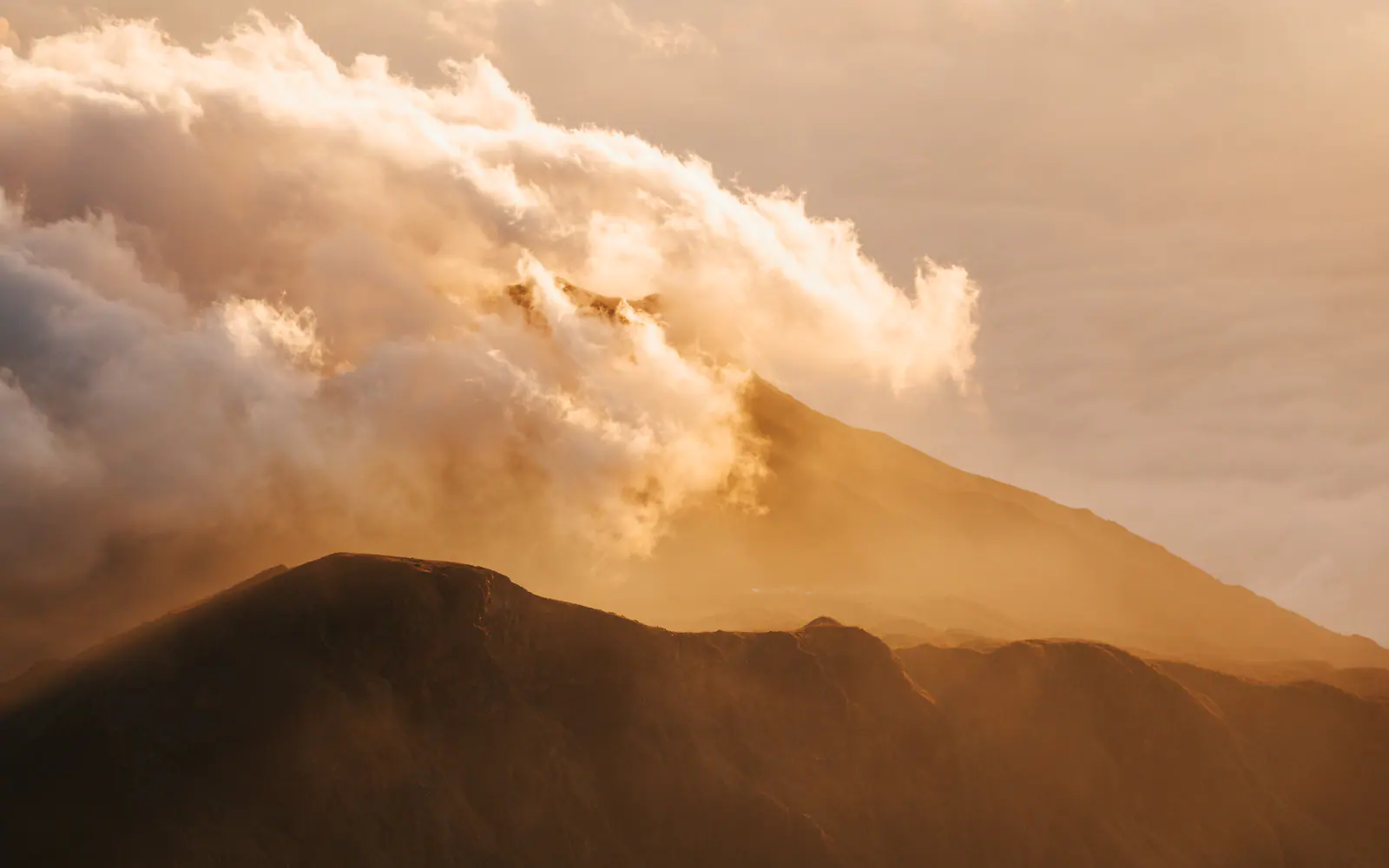
Cloud boiling over the rim of a mountain in warm light.
07 / 10
Sequencing the trip around your recovery
Summit night finishes with a long, tiring descent, usually arriving back at a lower camp or the gate in the early afternoon. Most climbers are dehydrated, short on sleep and running on adrenaline rather than energy. This is a day for a hot shower, a real meal and an early night, not a flight or a long drive.
We build at least one buffer night at lower altitude, near Moshi or Arusha, between the mountain and the next leg of the trip. It absorbs delays on the mountain, gives your body a genuine chance to rehydrate and sleep properly, and means you arrive at the next stage of the trip as a traveller again rather than as someone still recovering.
On this itinerary the buffer night does double duty: it also absorbs any delay on the mountain without knocking over a cross-border transfer and a non-refundable safari camp booking behind it.
The safari days are the quiet win of this trip. Game drives start early and finish by mid-morning, with long afternoons at camp, which is close to a perfect recovery pattern for someone four days off a summit. Most climbers report feeling properly themselves again by the second or third safari day, which is exactly when the Mara's best game viewing rewards attention.
By Zanzibar you should be recovered rather than recovering. Keep the first island day empty anyway: after a full travel day from the Mara, a lie-in and a swim beats an excursion.
08 / 10
Combination Trip Builder
Answer a few questions and we will suggest a realistic shape for your climb, safari and beach legs.
Combination Trip Builder
Answer six quick questions about your time, priorities and pace, and we will suggest a realistic trip shape to discuss with our team, not a fixed package, just a sensible starting point.
0 of 6 answered
Answer all 6 questions and your result appears here.
This tool suggests a trip shape based on your answers. It is not a quote or an availability check: actual day counts, routing and internal flight timings are confirmed with our team before booking.
09 / 10
Other ways to combine your climb
Explore the other combination guides
-
Kilimanjaro and Safari Package
Climb first, then the Tanzanian northern circuit: Tarangire, Ngorongoro and the Serengeti.
Read the safari combination -
Kilimanjaro and Zanzibar
The simplest two-part trip: summit, then a beach recovery week on the island.
See the beach version -
Kilimanjaro Safari Zanzibar
Mountain, wildlife and island entirely within Tanzania, with no border crossing.
See the full trilogy -
Kilimanjaro Honeymoon
A private climb paired with a slower, more romantic lodge and beach finish.
Plan a honeymoon climb
10 / 10
How Safari Soles approaches this
We plan the Tanzanian legs directly and work with long-standing Kenyan partners for the safari, so the border day, the light-aircraft connections and the Zanzibar flight are sequenced as one itinerary rather than three separate bookings.
Tell us your total days, whether the migration matters to you, and your preferred climb route, and we will come back with a realistic day-by-day shape and where the cost sits.
Common mistakes to avoid
Most unsuccessful climbs come from a handful of avoidable planning decisions, not from the mountain.
- Trying to fit all three legs into fourteen days and losing most of the safari to transfers.
- Booking the climb and the Kenya safari with separate operators, so nobody owns the handover day.
- Crossing the border the day after summit night instead of taking a buffer night first.
- Applying for the Kenyan travel authorisation at the last minute, or leaving the yellow fever card at home.
- Assuming the Masai Mara is a short drive from Amboseli: by road it costs most of a day.
- Booking Mara migration-season camps late and finding only the most expensive options left.
- Planning excursions for the first Zanzibar day, straight off a full travel day from the Mara.
Get these right and the climb follows
Every one of these comes down to the same thing: matching the route and the day count to the climber before booking anything. Send us your dates and we will tell you honestly what is realistic.
Plan this climb with a local expertQuestions worth asking any operator
Ask these of any operator you are comparing, including us. The answers tell you more about a climb than the price does.
- How many days are on the mountain, and how many of those are genuine acclimatisation days?
- Who leads the climb, and how many assistant guides travel with our group size?
- What daily health monitoring happens, and what triggers a descent decision?
- What is included in the quoted price, and what is paid separately?
- What equipment is provided, what can be rented locally and what must I bring?
- How are crew tips collected and distributed at the end of the climb?
What Safari Soles puts in writing
Everything below is confirmed before you pay, so nothing about your climb is left to be discovered on the mountain.
-
Your route, day count and acclimatisation profile
Confirmed in writing before you pay, with our honest view on whether the number of days suits you.
-
How your health is monitored on the mountain
The daily check routine and who is responsible for it are explained at your pre-climb briefing.
-
First-aid and emergency response for your itinerary
You are told what travels with the climb and what happens at each camp if someone needs to descend.
-
Who is on your crew and what each person does
Lead guide, assistant guides, cook and porters are set out for your group size, not left vague.
-
Porter load handling for your climb
Duffel limits and how loads are weighed are confirmed before departure, so there are no gate surprises.
-
Tent, sleeping mat and dining arrangements
Camp comfort is described in the quote rather than discovered on the first night.
-
Meals, drinking water and hot drinks
How your food is cooked and your water treated is explained, including dietary requirements.
-
Gear rental list, sizes and prices
Shared before you shop, so you buy what matters at home and hire the rest on arrival.
-
An itemised quote with fees shown separately
Park and camping fees, crew, equipment, transfers and hotels appear as their own lines.
-
Tipping guidance for your group size
The customary range and how tips are collected are agreed before you fly, in writing.
Local Kilimanjaro operators, licensed crew, honest guidance
Written and reviewed by the Safari Soles team in Arusha, who plan and run Kilimanjaro climbs from beside the mountain rather than brokering them from an overseas office.
- Reviewed by the Safari Soles Kilimanjaro planning team
- Updated for 2026 climbing seasons
- Route and day count matched to your fitness and altitude history
- Daily health monitoring and descent decisions agreed before you book
- Read Safari Soles reviews on TripAdvisor
- Read Safari Soles reviews on SafariBookings
- Read Safari Soles reviews on Google
Where these facts come from (4)
- Tanzania Tourist Board Government tourism information on travelling in Tanzania, seasons and destinations.
- Tanzania Immigration: eVisa Official portal for visa requirements and online applications before you travel.
- Wikivoyage: Zanzibar Secondary travel background on Zanzibar's regions, transport and beaches.
- Wikipedia: Mount Kilimanjaro Secondary background context on the mountain's geology, glaciers and climbing history.
Related Safari Soles guides
Continue with the guides travellers usually read next.
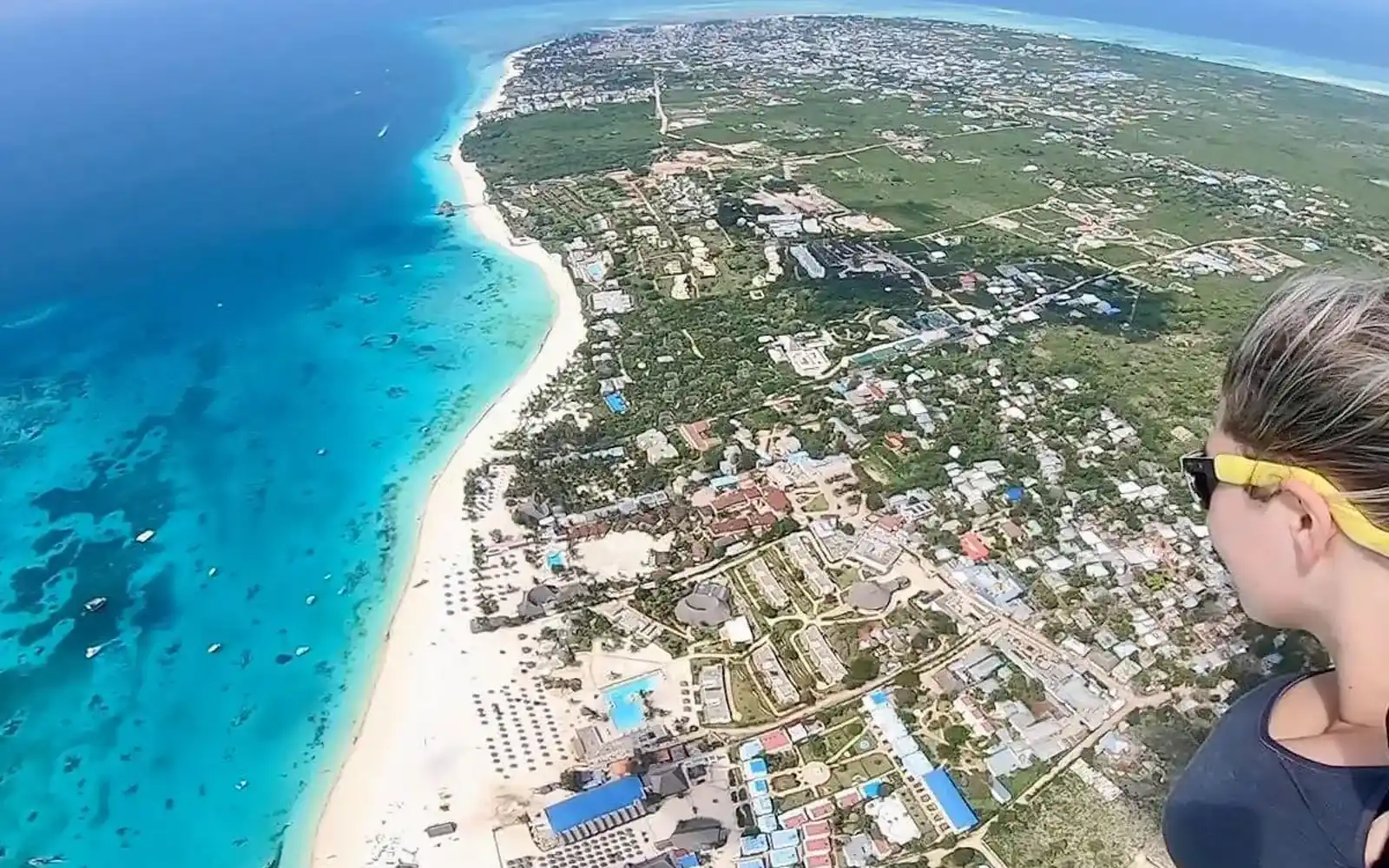 Kilimanjaro Safari Zanzibar The full Tanzania trilogy (mountain, wildlife and island) in one carefully paced itinerary. Combinations
Read the guide
Kilimanjaro Safari Zanzibar The full Tanzania trilogy (mountain, wildlife and island) in one carefully paced itinerary. Combinations
Read the guide
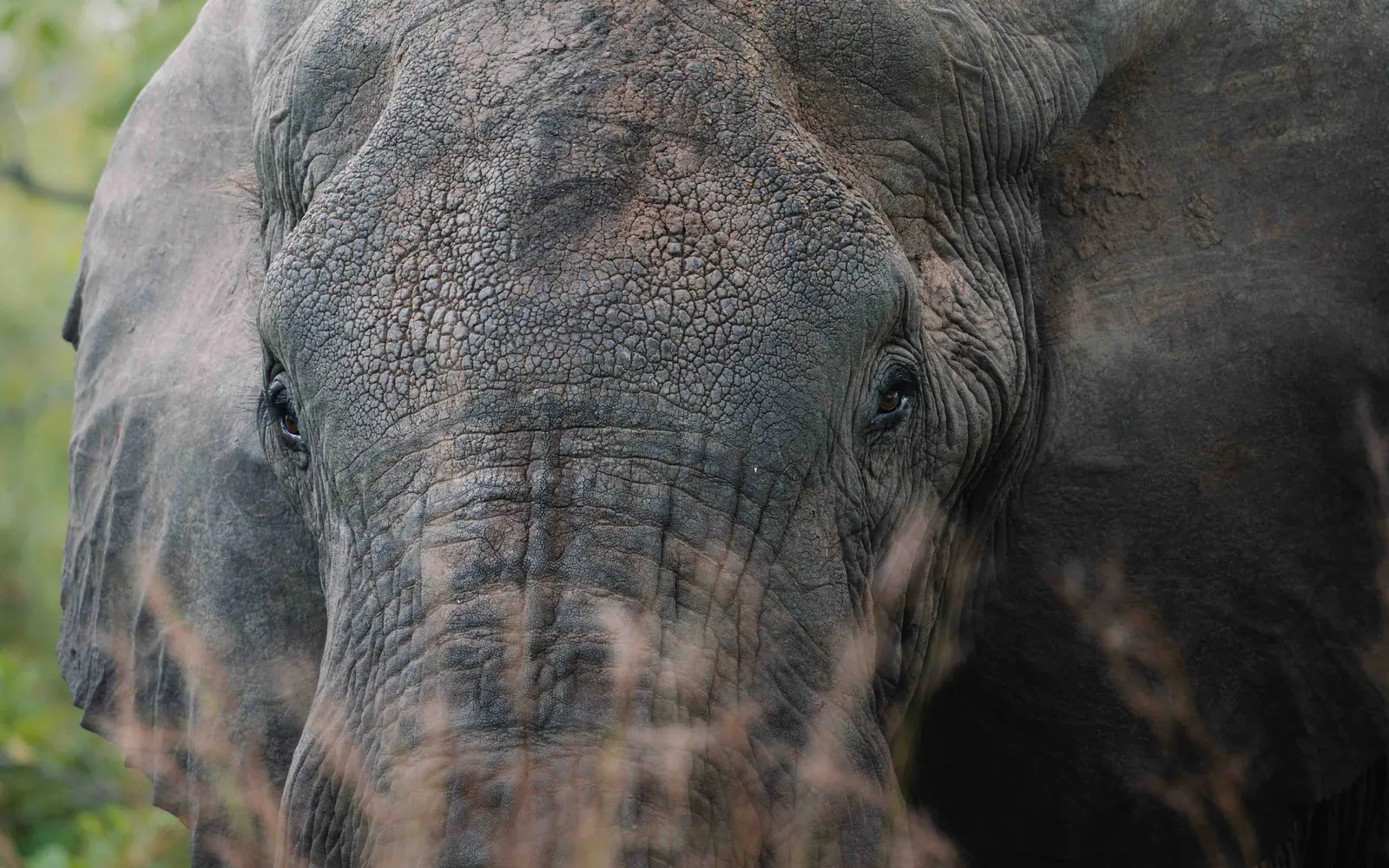 Kilimanjaro and Safari Package Climb first, then unwind on a northern-circuit safari with Serengeti and Ngorongoro game drives. Combinations
Read the guide
Kilimanjaro and Safari Package Climb first, then unwind on a northern-circuit safari with Serengeti and Ngorongoro game drives. Combinations
Read the guide
- Kilimanjaro and Zanzibar Trade altitude for the Indian Ocean with a beach recovery week after your summit. Combinations
Read the guide
Frequently Asked Questions
-
Sixteen days is the practical minimum and eighteen to twenty is far more comfortable: a 7–8 day climb, a buffer night, three to five safari days in Kenya, and four to six nights on Zanzibar, plus the transfer days between them.
Ready to plan your Kilimanjaro, Kenya and Zanzibar trip?
Send us your total days, your preferred climb route and whether the migration matters, and we will build the border crossings, internal flights and beach nights into one connected itinerary.