| Season | High Season (June – October) | Short Rain Season (November – December) | Calving Season (January – February) | Low Season (March – May) |
| Average Rainfall | - 45 mm / 1.7 inches
- Dry overall with light showers starting in October
| - 145 mm / 5.7 inches
- Short sudden bursts of rain, usually in the afternoon
| - 110 mm / 4.3 inches
- Sporadic rain and afternoon thunderstorms
| - 125 mm / 4.9 inches
- Long heavy rain showers
- May is the driest month in the low season (70 mm / 2.7 inches)
|
| Average Temperature* | - Max: 28°C / 82°F
- Min: 17°C / 62°F
- Humidity: 65%
| - Max: 27°C / 80°F
- Min: 19°C / 66°F
- Humidity: 75%
| - Max: 27°C / 80°F
- Min: 19°C / 66°F
- Humidity: 75%
| - Max: 28°C / 82°F
- Min: 18°C / 64°F
- Humidity: 73%
|
| Road & Trail Conditions | - Dry, dusty, and easy to navigate
- Can be bumpy
| - Roads are muddier than in the dry season but not enough to disrupt safaris
| - Mostly dry and dusty, getting softer in February
| - Muddy, slippery roads - possibility of flooding and impassable roads
|
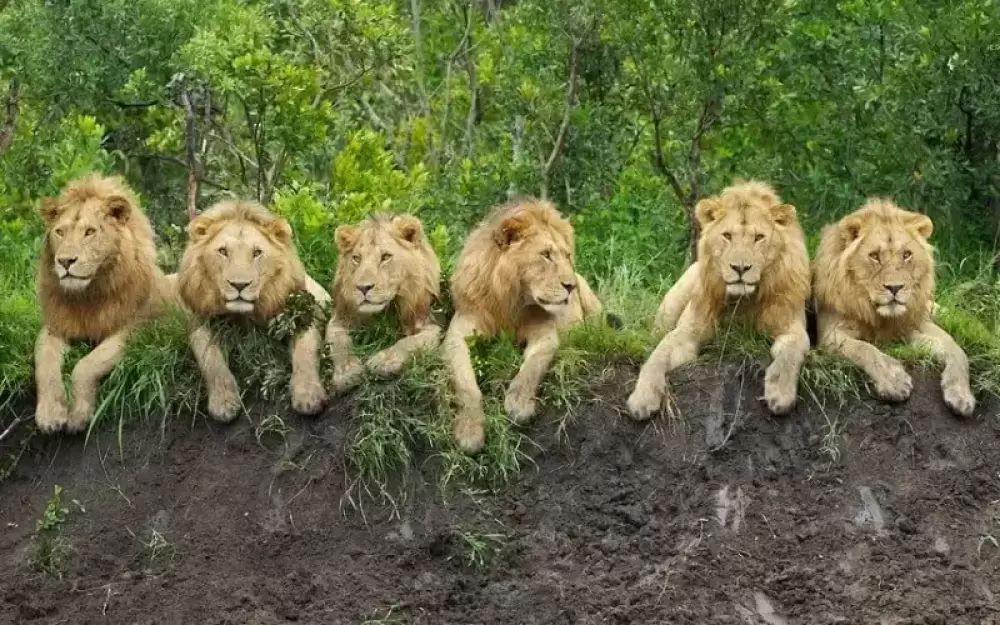
| Wildlife | - Best time to spot the “Big 5” (lions, leopards, rhinos, elephants, Cape buffalos) due to low vegetation and limited water
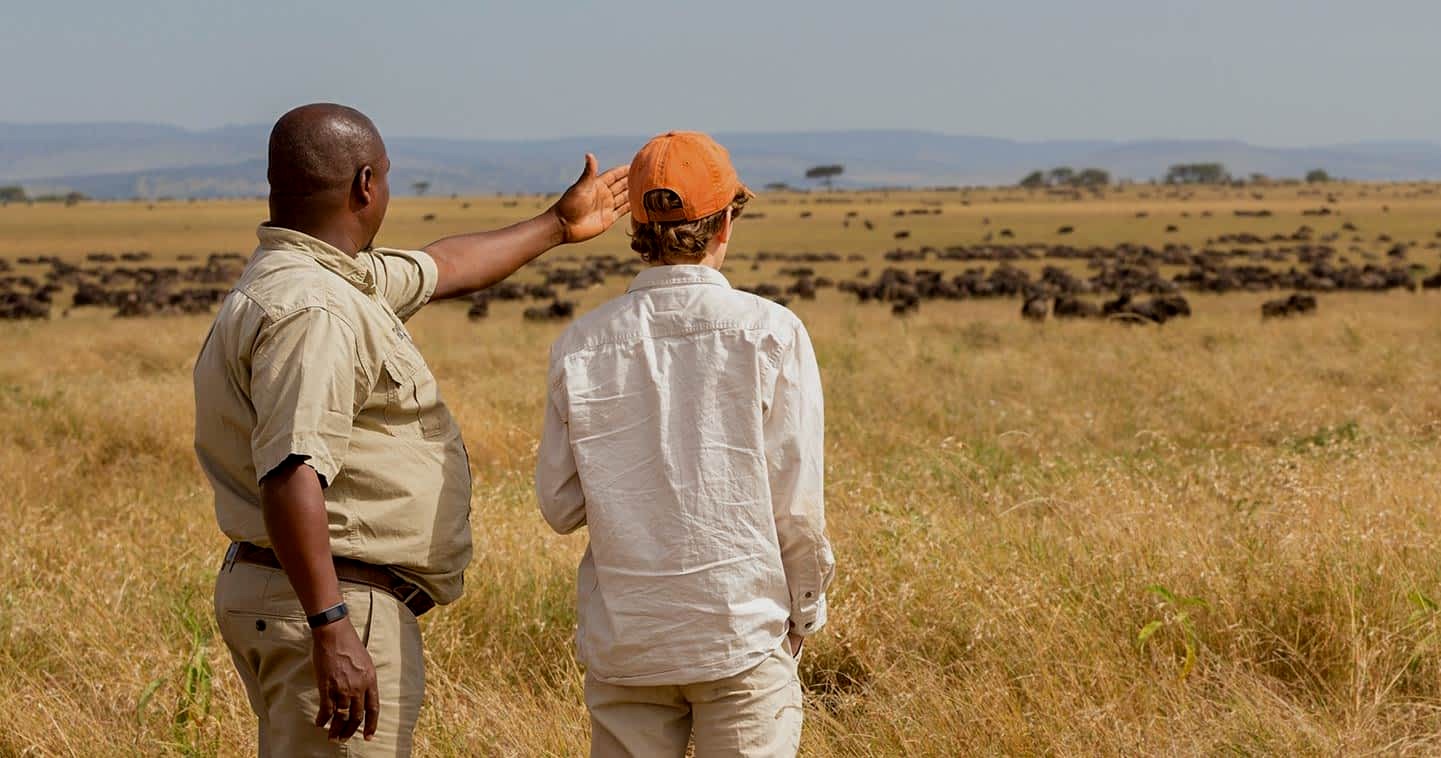
- Height of the Great Wildebeest Migration
| - Wildebeest calving season gets underway
- December is popular for birdwatching, especially in Tarangire National Park
- November is a hidden gem for safaris with small crowds making it easier to spot elusive animals
| - Wildebeest calving season
- January is the best month for birdwatching
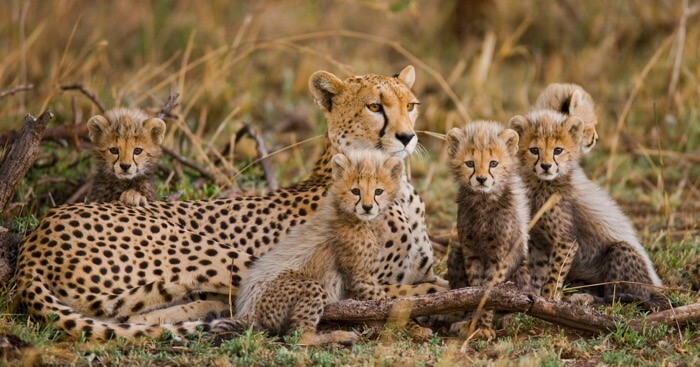
- February offer high chances to see hunting predators (lions, cheetahs, hyenas etc.)
| - Excellent seasons for birdwatching with African fish eagles, superb starlings, and Southern ground hornbills present
- Hard time of year to see the “Big 5” due to lower visibility and thick vegetation
|
| Scenery | | - Lush green plains grazed by clountless wildebeest, with the landscape rejuvenated by short rain.
| - Incredible views of calving wildebeests across the Southern Serengeti and Ndutu Plains
| - Dramatic skies caused by heavy rainfall make this a popular season for photographers
|
| Pricing & Popularity | - The most popular months thanks to ideal safari conditions
- Expect the highest prices and largest crowds
| - Budget-friendly alternative to the high season
- Prices are higher closer to the popular Christmas and New Year period
- November is a hidden gem for Tanzania safaris
| - Average tourism levels
- Lower prices than main dry season
- February tends to be slightly cheaper than January as it’s further from the New Year
| - Lowest prices and smallest crowds due to poor weather
- May is a mini shoulder season with higher prices than the rest of the low season
|