


Kilimanjaro Transfers and Vehicles: Airport, Gate and Safari Logistics
Every Kilimanjaro trip starts and ends on a road. This guide covers how airport pickups at Kilimanjaro International work, how long the drive is to each trailhead gate, the difference between a transfer van and a safari-spec Land Cruiser, what to do if you land at midnight or fly into Nairobi instead, and exactly which transfer legs should be itemised on your quote.
- Guide
- Crew & Equipment
- Reading time
- 20minutes
- In this guide
- 12sections
- JRO pickup tracked by flight number
- All gate transfers included
- Safari-spec 4x4 Land Cruisers
- Guaranteed window seats
- Licensed, serviced vehicles
Local Tanzania team · Licensed mountain crew · Real Safari Soles itineraries
A properly built Kilimanjaro package includes four ground transfers as standard:
- Airport pickup, both gate transfers and the departure run should all be named on your quote.
- JRO to Moshi is roughly 45–60 minutes; JRO to Arusha is about 60–80 minutes.
- Drivers track your flight number, so delays and late landings are covered.
- Londorossi Gate is the longest trailhead drive at three to four hours.
- Mweka Gate is the exit for most routes, about an hour from Moshi.
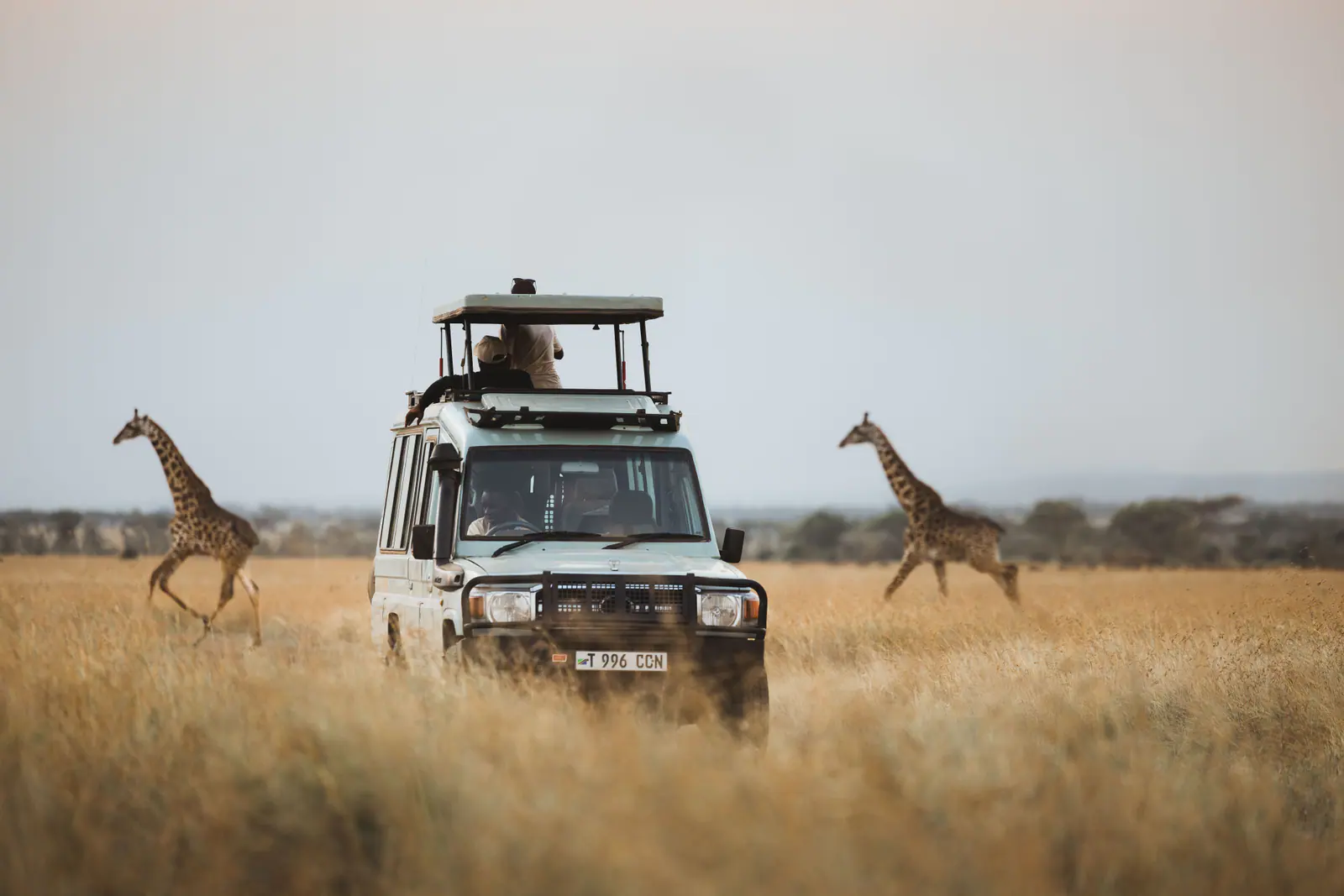
- Safari game drives need a 4x4 Land Cruiser, not the transfer van.
01 / 12
What actually happens when you land at Kilimanjaro International
Where this fits: this guide is part of the Kilimanjaro climbing guides hub, which supports our main Kilimanjaro climbing page and our published Kilimanjaro climb prices.
Use it with the booking process guide, the best time to climb guide and our Kilimanjaro and safari packages; arrival formalities start with the official Tanzania eVisa portal and general country background is on Wikivoyage.
Kilimanjaro International Airport sits on the plain between Moshi and Arusha, roughly 45 minutes from one and 70 from the other. It is a small, single-terminal airport: you walk off the aircraft onto the apron, cross to the terminal building and join the immigration queue directly. On a busy evening with two wide-bodied arrivals close together, that queue can take an hour, so do not panic if the process feels slow.
Tanzania requires a visa for most nationalities. Many travellers apply online in advance through the official immigration portal, which makes the arrival queue considerably shorter; the alternative is a visa on arrival paid in cash US dollars at the desk. Whichever you choose, you will also have your fingerprints and photograph taken, and you may be asked to show proof of onward travel and a yellow fever certificate if you have transited through a country where it is required.
Once you clear baggage reclaim you walk out into a small arrivals hall where your driver will be waiting with a Safari Soles name board. Your flight number is tracked, so a delayed or diverted arrival does not leave anyone stranded, the driver waits. From there it is a straight, tarmac drive to your hotel, and someone will confirm the briefing time for the following morning before they leave you at reception.
If your checked bag does not arrive, tell us before you leave the airport. Delayed luggage on the Amsterdam, Doha and Addis routes is common enough that we have a routine for it: we file the claim with the airline, arrange rental of the critical items from our own stores, and have the bag brought up to your hotel or forwarded to a later camp gate if it lands after you start walking. This is exactly why boots and waterproofs belong in hand luggage.
Keep these in your hand luggage
- Boots: the single hardest item to replace or break in at short notice
- Waterproof jacket and trousers
- Any prescription medication, including altitude medication if you are taking it
- Head torch, sunglasses and sun cream
- Passport, visa confirmation, insurance certificate and vaccination records
- One warm base layer, in case the bag is a day behind you
02 / 12
Every transfer, in the order you will use them
This is the ground-logistics spine of a typical climb with a safari extension. A climb-only trip simply drops the safari legs.
- Arrival day
JRO to your hotel
Met in arrivals with a name board, 45–60 minutes to Moshi or 60–80 to Arusha. Bottled water in the vehicle, and your briefing time confirmed at check-in.
- Briefing evening
No transfer, but kit checks
Your lead guide runs the kit check and briefing at the hotel. Rental gear is delivered here, so nothing extra needs collecting in town.
- Climb day one
Hotel to the trailhead gate
Departure between 07:00 and 08:30 depending on the gate. Anything from 45 minutes to four hours of driving, with a lunch box provided on the longer runs.
- Descent day
Exit gate back to the hotel
Usually Mweka Gate, about an hour from Moshi. Certificates are issued at the gate, then it is a short drive to a hot shower and a real bed.
- Safari transfer day
Hotel to the parks in a 4x4
A different vehicle and a different driver-guide. Arusha to the Ngorongoro area is roughly four hours; the central Serengeti is a long day by road, or a short light-aircraft hop.
- Departure day
Hotel to JRO
Timed to have you at the airport three hours before an international departure, or two hours for a domestic flight to Zanzibar.
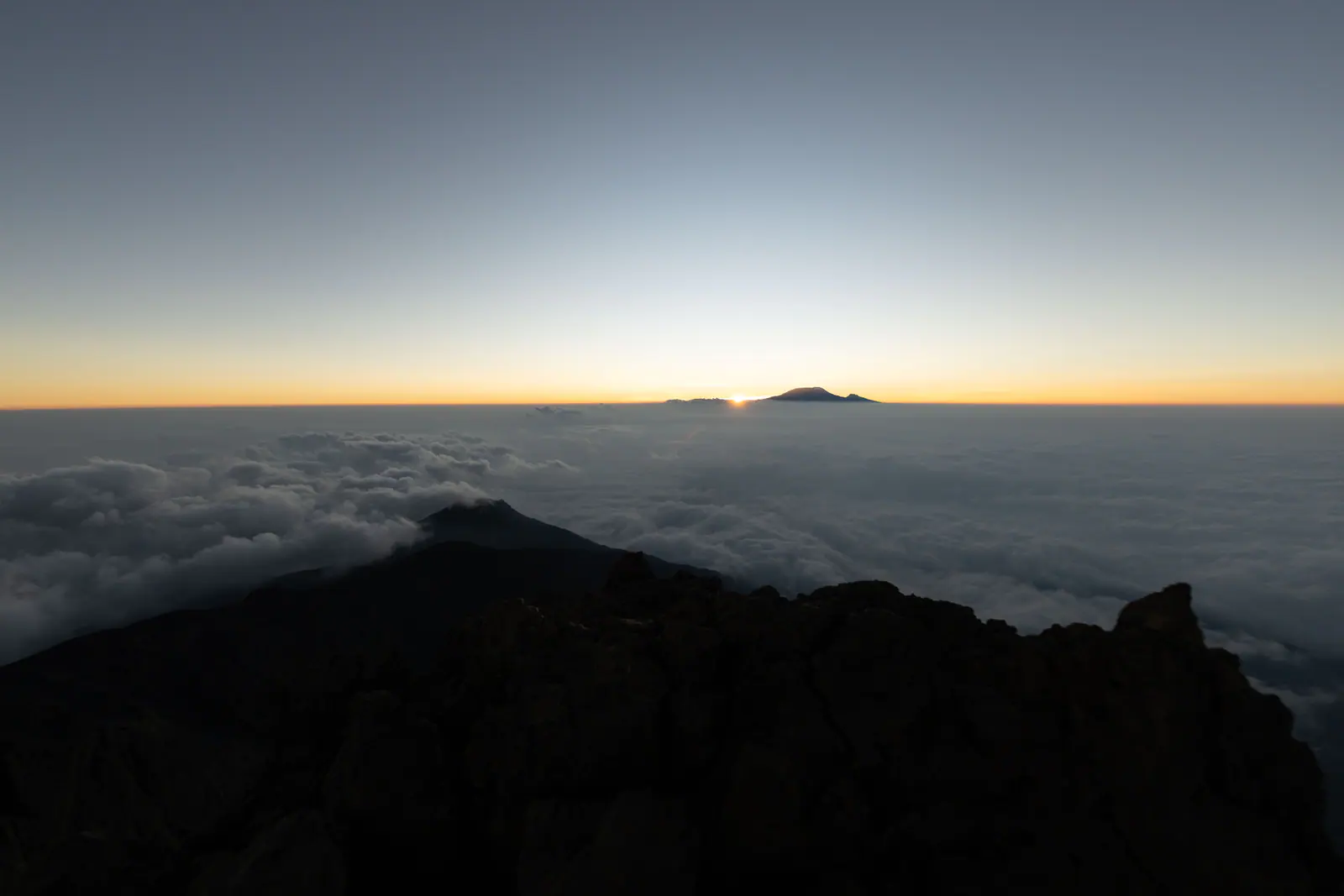
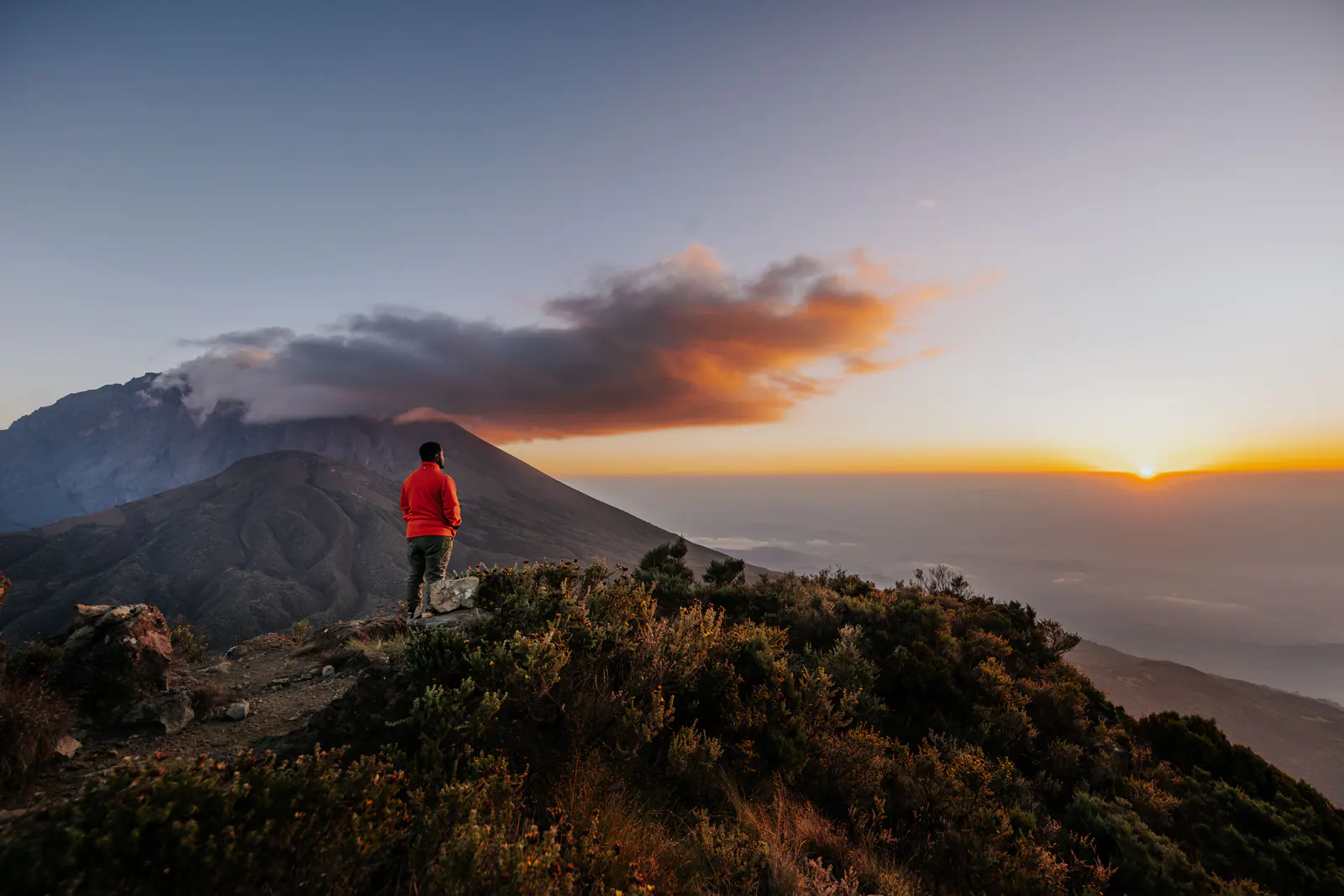
The first line of orange light on the horizon above a flat sea of cloud, seen from a dark ridge.
03 / 12
How far each Kilimanjaro gate is from your hotel
Times are from Moshi in normal conditions. Add roughly 45 minutes from Arusha to any of them, and allow extra in the March to May rains when the unsealed final sections slow right down.
Machame Gate
Route it serves Machame
- Drive from Moshi
- 45–60 min
- What the road is like
- Tarmac almost all the way through coffee and banana villages, then a short surfaced climb to the gate.
Marangu Gate
Route it serves Marangu
- Drive from Moshi
- 45–60 min
- What the road is like
- Good tarmac the entire way. The easiest gate morning of the lot and the shortest drive back on descent.
Umbwe Gate
Route it serves Umbwe
- Drive from Moshi
- 60–75 min
- What the road is like
- Tarmac then a narrow forest track. Quiet, with very few other vehicles at the gate.
Londorossi Gate
Lemosho, Northern Circuit, Shira
- Drive from Moshi
- 3–4 hrs
- What the road is like
- Long tarmac run around the west of the mountain, then an unsealed forest road. Registration happens at Londorossi before a further drive to the trailhead itself.
Rongai / Nalemuru Gate
Route it serves Rongai
- Drive from Moshi
- 3–4 hrs
- What the road is like
- Around the northern side towards the Kenyan border. Mostly tarmac with a rough final stretch to the gate.
Mweka Gate
Exit for Machame, Lemosho, Umbwe, Northern Circuit
- Drive from Moshi
- 60 min
- What the road is like
- The standard descent gate. Certificates are handed out here before the drive back.
Marangu Gate (exit)
Exit for Marangu and Rongai
- Drive from Moshi
- 45–60 min
- What the road is like
- Same gate you started from on Marangu; Rongai climbers descend here too, which is why the return is shorter than the outward drive.
Lemosho and the Northern Circuit are our two highest-success itineraries, and the price of that is a long first morning in a vehicle. Expect an early breakfast, a packed lunch, a registration stop at Londorossi and a short walking day once you finally start. It is worth it, but knowing it in advance is the difference between an adventure and an unpleasant surprise.
04 / 12
Transfer vans and safari Land Cruisers are not the same vehicle
Operators use two distinct fleets. Road transfers between the airport, hotels and park gates run in air-conditioned minibuses or vans, which are comfortable, quick on tarmac and cheap to run. Game drives run in Toyota Land Cruiser 4x4s that have been rebuilt for safari work: raised roof, reinforced suspension, extra fuel range and seating arranged so nobody is stuck in a middle seat.
The distinction matters because some cheap quotes use a minibus for the safari as well. On the Ngorongoro crater floor or a wet Serengeti track that is genuinely limiting. A two-wheel-drive van cannot go where the animals are, and you spend the day watching other vehicles reach sightings you cannot. If a quote does not say 'Land Cruiser 4x4', ask.
What each vehicle is for
What to insist on in a safari vehicle
- Toyota Land Cruiser 4x4 named explicitly in the quote
- Pop-up roof and a window seat for every single passenger
- Charging points, so cameras and phones survive a full game-drive day
- Cooler box with drinking water included
- Radio contact between vehicles for sightings and safety
- Seatbelts fitted and working in every seat
05 / 12
Work out which transfers your trip needs
Arrival airport, landing time, party size and what follows the climb decide the whole ground plan. Answer four questions for a specific recommendation.
Transfer planner
Four questions about how you are arriving and what follows the climb. We will tell you which transfers you need, whether to add a night, and what vehicle should be in your quote.
0 of 4 answered
Answer all 4 questions and your result appears here.
Drive times are typical rather than guaranteed and vary with road works, weather and park gate queues. Always confirm your specific transfer plan in writing before paying a deposit.
06 / 12
What a day in the safari vehicle is really like
Game-drive days are long. You leave camp or lodge around 06:30 to catch the cool early hours when predators are still moving, return for lunch and a rest, then head out again from mid-afternoon until the park closes at sunset. Between those bookends you are in the vehicle for six or seven hours, which is why the specification of that vehicle changes the trip more than most people expect.
The roof goes up as soon as you are inside the park, and most photography happens standing through it rather than out of a window. Your driver-guide is a different professional from your mountain guide: they are licensed wildlife guides who know the park circuits, read the radio traffic between vehicles and decide when to sit still at a sighting rather than chase the next one. Tipping for them is separate from the mountain crew.
Roads inside the parks are corrugated dirt and, in the rains, deep mud. It is dusty, bumpy and occasionally slow. This is normal, not a fault. Sit at the front if you are prone to motion sickness, keep camera gear in a soft bag on your lap rather than on the floor, and take a scarf or buff for dust on the Serengeti approach roads.
Seat planning by group size
Small groups (1–5)
- One Land Cruiser, everyone has a window
- Space to spread camera gear across empty seats
- Easy to change the day's plan on the move
- One driver-guide, one tipping envelope
Larger groups (6+)
- Usually two vehicles, linked by radio
- Ask in advance how passengers are split between them
- Rotate seats daily so nobody keeps the same spot
- Confirm both vehicles are the same 4x4 specification
07 / 12
Nairobi, Arusha Airport, Dar es Salaam and Zanzibar
JRO is by far the simplest arrival point, but it is not the only one, and fares from Europe or North America sometimes make an alternative worth considering.
| Arrival point | Getting to Moshi or Arusha | When it makes sense |
|---|---|---|
| Kilimanjaro International (JRO) | 45–80 minutes by road, direct transfer | Almost always the right answer. Simplest, fastest, and the only arrival with no extra connection risk. |
| Nairobi (NBO), Kenya | Short regional flight to JRO, or a 6–8 hour shuttle bus via the Namanga border | Cheaper long-haul fares, or when you are combining Kenya with Tanzania. Needs a buffer day and possibly a Kenyan visa. |
| Arusha Airport (ARK) | About 50 minutes to Moshi, 20 to central Arusha | Domestic and light-aircraft connections only. Easy to confuse with JRO when booking, always check the code on your ticket. |
| Dar es Salaam (DAR) | Domestic flight to JRO, roughly an hour | Occasionally cheaper on certain carriers, and sensible if you are already elsewhere in Tanzania. Too far to drive. |
| Zanzibar (ZNZ) | Direct domestic flight to JRO, about 80 minutes | When the beach comes before the mountain, or you are flying home from the island afterwards. |
Kilimanjaro International (JRO)
- Getting to Moshi or Arusha
- 45–80 minutes by road, direct transfer
- When it makes sense
- Almost always the right answer. Simplest, fastest, and the only arrival with no extra connection risk.
Nairobi (NBO), Kenya
- Getting to Moshi or Arusha
- Short regional flight to JRO, or a 6–8 hour shuttle bus via the Namanga border
- When it makes sense
- Cheaper long-haul fares, or when you are combining Kenya with Tanzania. Needs a buffer day and possibly a Kenyan visa.
Arusha Airport (ARK)
- Getting to Moshi or Arusha
- About 50 minutes to Moshi, 20 to central Arusha
- When it makes sense
- Domestic and light-aircraft connections only. Easy to confuse with JRO when booking, always check the code on your ticket.
Dar es Salaam (DAR)
- Getting to Moshi or Arusha
- Domestic flight to JRO, roughly an hour
- When it makes sense
- Occasionally cheaper on certain carriers, and sensible if you are already elsewhere in Tanzania. Too far to drive.
Zanzibar (ZNZ)
- Getting to Moshi or Arusha
- Direct domestic flight to JRO, about 80 minutes
- When it makes sense
- When the beach comes before the mountain, or you are flying home from the island afterwards.
Never let an international flight land on the same day as your climb briefing if you can avoid it. A single missed connection turns into a missed gate morning, and rescheduling a park permit is far harder than booking an extra hotel night.
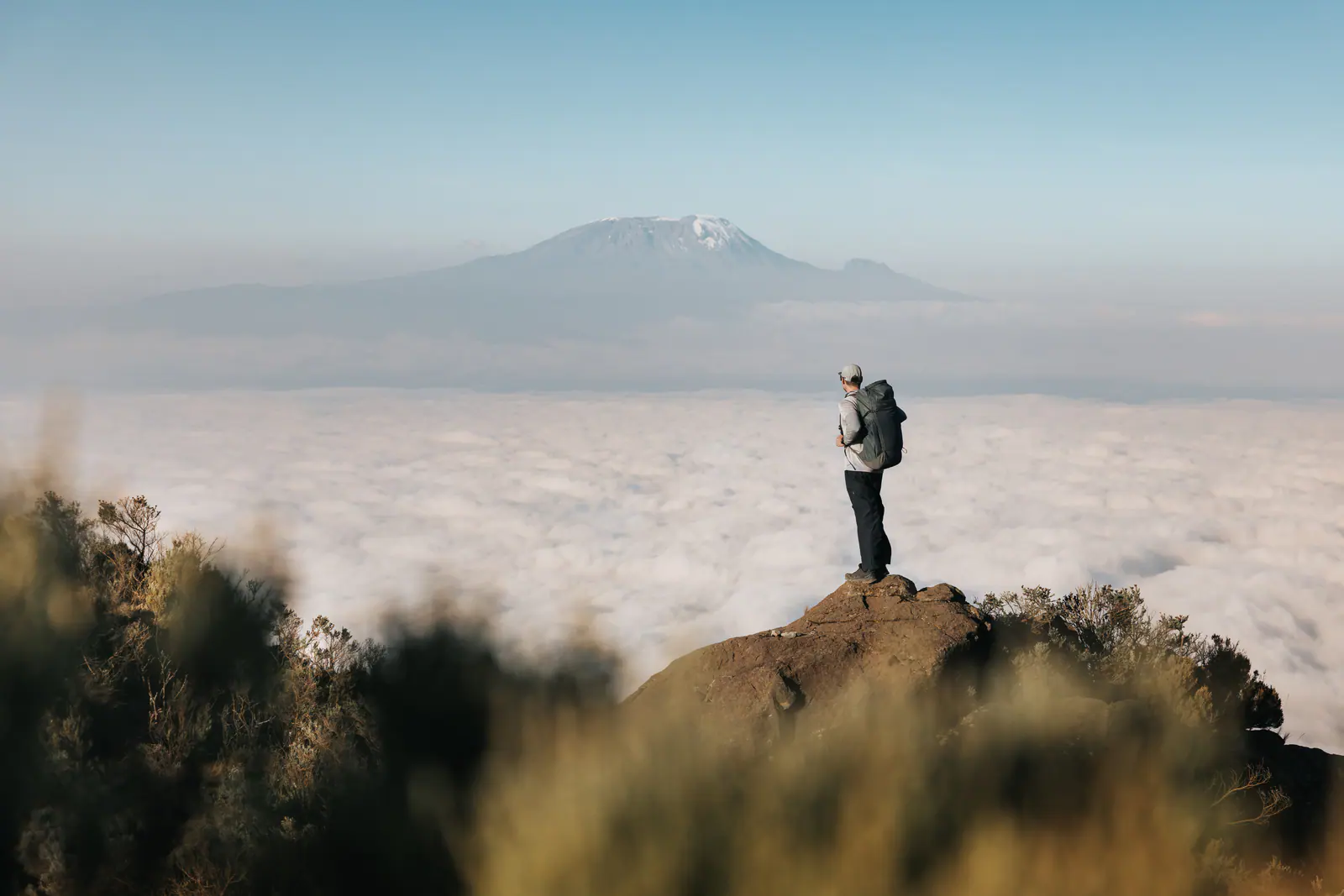
A trekker stands on a rock above the cloud layer, with Kilimanjaro rising in the distance.
08 / 12
Domestic flights versus long road transfers
For the safari and beach legs you usually have a choice. Neither is wrong; they trade money against hours.
| Leg | By road | By air | Our usual advice |
|---|---|---|---|
| Arusha to central Serengeti | 7–9 hours, spectacular but tiring | About 1 hour on a light aircraft | Fly at least one direction on a short safari; drive out and fly back if you want the Rift Valley scenery. |
| Arusha to Ngorongoro | 3.5–4.5 hours on good roads | Not usually worth it | Drive. The road is fine and the scenery is part of the trip. |
| Moshi to Zanzibar | Not practical: a full day plus a ferry | 80 minutes direct from JRO | Always fly. Book it as part of the package so a delayed climb does not strand the booking. |
| Arusha to Tarangire | 2–2.5 hours | Rarely offered | Drive. It is an easy morning and you often see wildlife before the gate. |
Arusha to central Serengeti
- By road
- 7–9 hours, spectacular but tiring
- By air
- About 1 hour on a light aircraft
- Our usual advice
- Fly at least one direction on a short safari; drive out and fly back if you want the Rift Valley scenery.
Arusha to Ngorongoro
- By road
- 3.5–4.5 hours on good roads
- By air
- Not usually worth it
- Our usual advice
- Drive. The road is fine and the scenery is part of the trip.
Moshi to Zanzibar
- By road
- Not practical: a full day plus a ferry
- By air
- 80 minutes direct from JRO
- Our usual advice
- Always fly. Book it as part of the package so a delayed climb does not strand the booking.
Arusha to Tarangire
- By road
- 2–2.5 hours
- By air
- Rarely offered
- Our usual advice
- Drive. It is an easy morning and you often see wildlife before the gate.
Luggage rules on domestic flights
- Typical allowance is 15kg total including hand luggage
- Soft duffel bags only: hard suitcases are routinely refused on light aircraft
- Excess can often be paid for, but only if the aircraft has capacity that day
- Store what you do not need for the safari at your Moshi or Arusha hotel, free of charge
- Camera gear counts towards the allowance, so weigh it before you fly
09 / 12
Luggage, seating and surviving the long drives
Tanzanian main roads are good tarmac with occasional heavy speed bumps through villages, and drivers stick to the limits because of frequent police checks. The rough sections are the last few kilometres to the western and northern gates, the descent tracks into the Ngorongoro crater, and everything inside the Serengeti. On those stretches expect corrugations and dust rather than danger.
Bring what you want for the drive into the cabin with you: water, snacks, a buff for dust, sunglasses and a downloaded playlist. Duffels go in the back or on a roof rack and will not be accessible until you arrive. On gate mornings your climb duffel is weighed before departure: the park limits porter loads to 20kg per porter, of which roughly 15kg is your gear.
If you get motion sick, say so at the start rather than an hour in. The front passenger seat is the smoothest place in any of the vehicles, and drivers are happy to rotate people through it. Take your medication thirty minutes before departure, not once the symptoms begin.
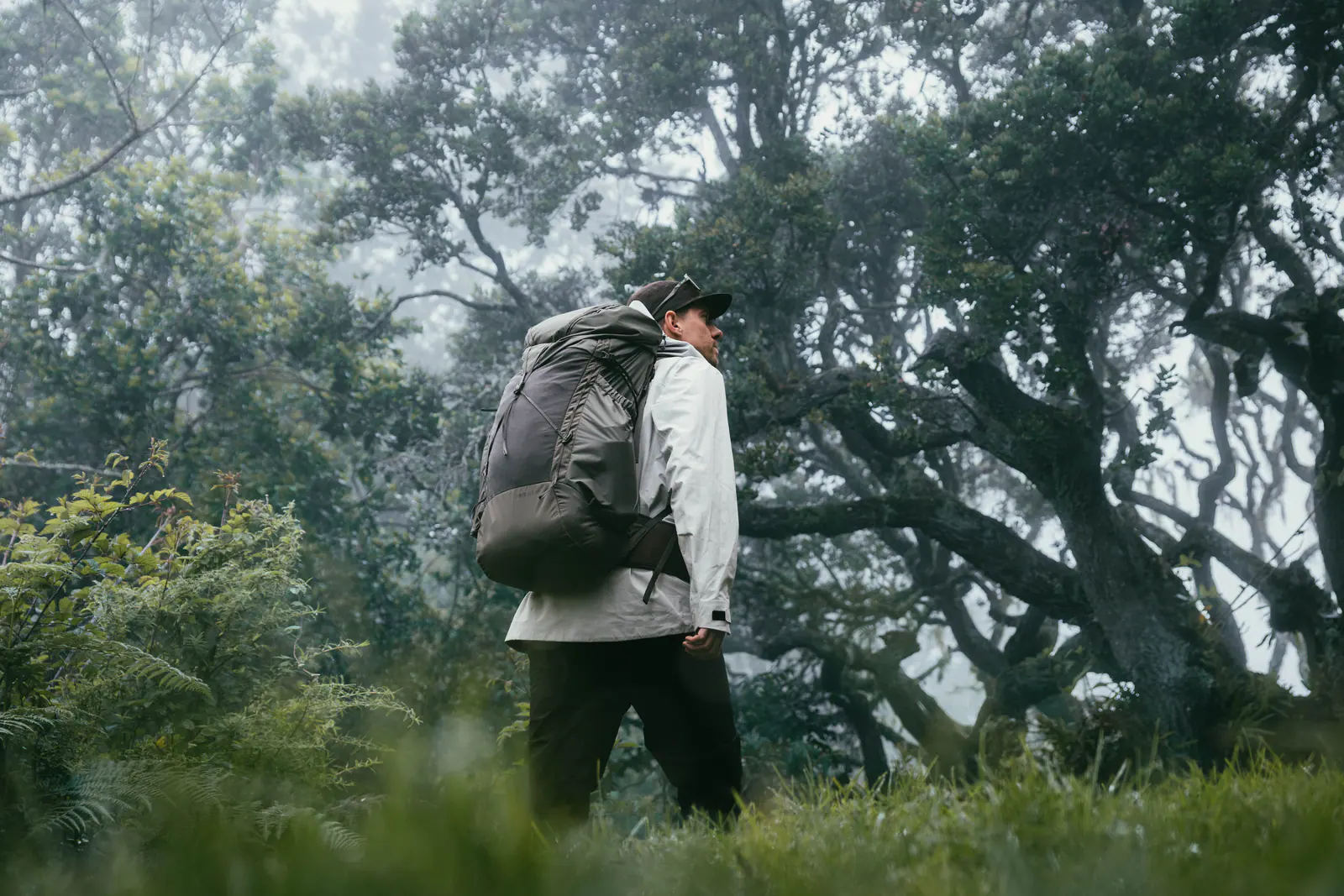
Comfort kit for transfer days
- Refillable water bottle, plus the bottled water in the vehicle
- Buff or light scarf for dust on unsealed roads
- Sunglasses and sun cream: the equatorial sun through glass is fierce
- Motion sickness tablets taken before departure
- Power bank and cable for long safari days
- Small amount of Tanzanian shillings for roadside stops and toilets
10 / 12
Driver, vehicle and insurance standards
Road travel is statistically the riskiest part of a Tanzanian trip, far more so than the mountain. These are the standards we hold ourselves to, and the ones you should hold any operator to.
- Licensed and insured vehicles operating under a registered tour licence, not private cars
- Working seatbelts in every seat, including the rear rows
- Vehicles serviced on a fixed schedule with tyres, brakes and spares checked before every departure
- Professional drivers with commercial licences, and driver-guides separately licensed for park work
- Limits on driving hours, with a second driver on the longest safari transfers
- Radio or phone contact between vehicles and the office throughout every transfer
- No night driving in the parks: game drives end at the official park closing time
- A documented breakdown and evacuation plan, including which hospital is used from each region
Check that your policy covers road transfers and game drives as well as trekking to 5,895m. Most specialist policies do, but budget travel insurance sometimes excludes activities in national parks or caps medical repatriation well below the real cost of an air evacuation from a remote park.
11 / 12
Related planning guides
-
How booking works
Deposits, timelines, documents and what happens between enquiry and arrival.
Read the process -
What a climb costs
Where the money goes, including park fees, crew wages and every transfer leg.
See the cost breakdown -
Kilimanjaro and safari
How the mountain and the northern parks fit together in one itinerary.
Plan the combination -
Kilimanjaro and Zanzibar
The beach recovery week, and how the flights and transfers connect.
See the itinerary -
Packing list
What travels in hand luggage, what goes in the duffel and what we rent locally.
Open the list -
Compare the routes
Gate drives, days on the mountain and summit success by route.
Compare routes
12 / 12
How Safari Soles approaches this
Transfers are the cheapest part of a Kilimanjaro trip to get right and one of the most expensive to get wrong. A missed gate morning costs a park permit; a missed connection costs a flight.
Send us your flight numbers rather than just your dates. We build the ground plan around the actual schedule, including the buffer nights that arrivals after 22:00 really need.
Common mistakes to avoid
Most unsuccessful climbs come from a handful of avoidable planning decisions, not from the mountain.
- Booking a flight into Arusha Airport (ARK) when the transfer was arranged for Kilimanjaro International (JRO).
- Landing the same day as the climb briefing, leaving no room for a delayed connection.
- Assuming 'transfers included' covers the gate runs as well as the airport: ask for each leg by name.
- Choosing Lemosho or the Northern Circuit without realising the gate drive is three to four hours.
- Accepting a minibus for a safari extension instead of a 4x4 Land Cruiser.
- Packing boots and waterproofs in checked luggage that then arrives a day late.
- Bringing a hard suitcase for a trip that includes a light-aircraft flight to the Serengeti or Zanzibar.
- Booking the Zanzibar flight separately, so a weather-delayed descent breaks the connection.
Get these right and the climb follows
Every one of these comes down to the same thing: matching the route and the day count to the climber before booking anything. Send us your dates and we will tell you honestly what is realistic.
Plan this climb with a local expertQuestions worth asking any operator
Transfers are usually summarised in a single line on a quote. These questions turn that line into something you can hold an operator to.
- Which specific transfers are included: airport pickup, gate transfer, exit gate pickup and departure run?
- Which airport is the transfer booked against, and how is my flight tracked if it is delayed?
- How long is the drive to my trailhead gate, and what time will we leave the hotel?
- What vehicle is used for road transfers, and what vehicle is used for the safari?
- Is every safari passenger guaranteed a window seat, and how many vehicles will my group use?
- Are the vehicles licensed, insured and fitted with working seatbelts in every seat?
- What is the luggage allowance on any domestic flights in my itinerary?
- What equipment is provided, what can be rented locally and what must I bring?
- How are crew tips collected and distributed at the end of the climb?
What Safari Soles puts in writing
Everything below is confirmed before you pay, so nothing about your climb is left to be discovered on the mountain.
-
Your route, day count and acclimatisation profile
Confirmed in writing before you pay, with our honest view on whether the number of days suits you.
-
How your health is monitored on the mountain
The daily check routine and who is responsible for it are explained at your pre-climb briefing.
-
First-aid and emergency response for your itinerary
You are told what travels with the climb and what happens at each camp if someone needs to descend.
-
Who is on your crew and what each person does
Lead guide, assistant guides, cook and porters are set out for your group size, not left vague.
-
Porter load handling for your climb
Duffel limits and how loads are weighed are confirmed before departure, so there are no gate surprises.
-
Tent, sleeping mat and dining arrangements
Camp comfort is described in the quote rather than discovered on the first night.
-
Meals, drinking water and hot drinks
How your food is cooked and your water treated is explained, including dietary requirements.
-
Gear rental list, sizes and prices
Shared before you shop, so you buy what matters at home and hire the rest on arrival.
-
An itemised quote with fees shown separately
Park and camping fees, crew, equipment, transfers and hotels appear as their own lines.
-
Tipping guidance for your group size
The customary range and how tips are collected are agreed before you fly, in writing.
Local Kilimanjaro operators, licensed crew, honest guidance
Written and reviewed by the Safari Soles team in Arusha, who plan and run Kilimanjaro climbs from beside the mountain rather than brokering them from an overseas office.
- Reviewed by the Safari Soles Kilimanjaro planning team
- Updated for 2026 climbing seasons
- Route and day count matched to your fitness and altitude history
- Daily health monitoring and descent decisions agreed before you book
- Read Safari Soles reviews on TripAdvisor
- Read Safari Soles reviews on SafariBookings
- Read Safari Soles reviews on Google
Where these facts come from (3)
- TANAPA: Tanzania National Parks Official park authority information on regulations, park fees and permitted activities.
- UNESCO: Kilimanjaro National Park The World Heritage listing for Kilimanjaro National Park, which records Africa's highest point at 5,895m.
- Tanzania Tourist Board Government tourism information on travelling in Tanzania, seasons and destinations.
Related Safari Soles guides
Continue with the guides travellers usually read next.
 Booking Process From first enquiry to deposit, permits and pre-climb briefing: what happens at each step. Cost
Read the guide
 Kilimanjaro Climb Cost Where your money goes: park fees, crew wages, food, gear, transfers and route length. Cost
Read the guide
 Kilimanjaro and Safari Package Climb first, then unwind on a northern-circuit safari with Serengeti and Ngorongoro game drives. Combinations
Read the guide
Frequently Asked Questions
-
In a properly built package, yes: pickup at Kilimanjaro International on arrival and a return run on departure are both standard. So are the drives to the trailhead gate and back from the exit gate. Ask for each of those four legs to be listed by name on your quote rather than summarised as 'transfers included'.
Send us your flight numbers and we will build the ground plan
Give us your arrival airport, flight times and what you want to do after the mountain, and we will confirm every transfer leg, drive time and vehicle in writing alongside an itemised price. Prefer to talk it through? Message our Tanzania team on WhatsApp at +255766322264 or explore the full trip range at safarisolestours.com.