


Kilimanjaro and Safari Package
Climb first, then trade cold camps for open plains. This guide explains why safari after the mountain works better than before it, how the transfers between the two actually happen, and how to shape the days so both halves of the trip get a fair share of your energy.
- Guide
- Combinations
- Reading time
- 11minutes
- In this guide
- 9sections
- Climb first
- Recovery day matters
- Safari after summit
- Custom route builder
Local Tanzania team · Licensed mountain crew · Real Safari Soles itineraries
Kilimanjaro and a northern-circuit safari pair naturally because they ask different things of your body.
- Climbing before the safari, not after, is the better order for most travellers.
- A buffer night at lower altitude between the two legs is not optional. It is where real recovery happens.
- Road transfers between Arusha and the northern parks are scenic but long; flights save a full day at a cost.
- Wildlife seasons shift the value of different parks: Tarangire and Ngorongoro are strong year-round, the Serengeti's migration position changes month to month.
- Vehicle-based safari days are genuinely restful compared with trekking, which is why this order works physiologically.
- Total day count and park selection should be set before flights are booked, not adjusted afterwards.
01 / 09
Why climb first, then safari: not the other way round
The order of a combination trip changes how both halves feel, and it is worth deciding deliberately rather than by default.
Where this fits: this guide is part of the Kilimanjaro climbing guides hub, which supports our main Kilimanjaro climbing page and our published Kilimanjaro climb prices.
Plan the climb half with the route comparison and the safety guide, then read our Kilimanjaro and Serengeti itinerary; the Serengeti is a UNESCO World Heritage site and general country background is on Wikivoyage.
Kilimanjaro asks a lot of your legs, your sleep and your appetite, especially in the final 24 hours around summit night. A safari that follows is close to the opposite: long, unhurried vehicle days, early starts but no walking effort, and meals and beds that reset quickly after each drive. Put the climb first and the safari becomes the reward your body is actually ready for.
Reverse the order and you carry two disadvantages onto the mountain: several days of early mornings and dusty roads before you even reach the trailhead, and less mental freshness for what is genuinely the hardest physical thing many climbers will do. We have planned it both ways, and the climb-first sequence produces noticeably better summit outcomes and happier post-trip feedback.
There is one exception worth naming: travellers who want the safari as a gentle warm-up to Tanzania before tackling something hard, purely for jet-lag recovery. Even then, we usually keep the safari short (two or three days) so it functions as arrival buffer rather than pre-climb fatigue.
Summit night finishes with a long, tiring descent, usually arriving back at a lower camp or the gate in the early afternoon. Most climbers are dehydrated, short on sleep and running on adrenaline rather than energy. This is a day for a hot shower, a real meal and an early night, not a flight or a long drive.
We build at least one buffer night at lower altitude, near Moshi or Arusha, between the mountain and the next leg of the trip. It absorbs delays on the mountain, gives your body a genuine chance to rehydrate and sleep properly, and means you arrive at the next stage of the trip as a traveller again rather than as someone still recovering.
02 / 09
What a combined trip actually looks like
These are trip shapes, not fixed packages. The exact camps, lodges and driving distances are set once your route and parks are confirmed.
A sample 12-day shape: Lemosho route plus 3-park safari
- Days 1–8
Kilimanjaro climb via Lemosho
An 8-day route with proper acclimatisation days, summit night on day 6 or 7, then descent to Mweka Gate.
- Day 9
Recovery day near Moshi or Arusha
Hot shower, laundry, a full night's sleep and a relaxed morning: no early alarm, no long drive.
- Day 10
Transfer to Tarangire National Park
A half-day drive west, arriving in time for an afternoon game drive among Tarangire's baobabs and elephant herds.
- Day 11
Ngorongoro Crater
Descend into the crater floor for a full day among dense wildlife concentrations, then climb back to the rim for the night.
- Day 12
Serengeti plains
Drive or fly into the southern or central Serengeti for open-plains game viewing, with a final night before departure.
Trip length options compared
| Length | Parks included | Best suited to |
|---|---|---|
| 10 days | Climb + Tarangire + Ngorongoro | Travellers with limited leave who still want a real wildlife contrast to the mountain |
| 12–13 days | Climb + Tarangire + Ngorongoro + Serengeti | Most travellers: the balanced version we plan most often |
| 15+ days | Climb + full northern circuit + extra Serengeti nights | Travellers prioritising the migration or wanting unhurried park time |
10 days
- Parks included
- Climb + Tarangire + Ngorongoro
- Best suited to
- Travellers with limited leave who still want a real wildlife contrast to the mountain
12–13 days
- Parks included
- Climb + Tarangire + Ngorongoro + Serengeti
- Best suited to
- Most travellers: the balanced version we plan most often
15+ days
- Parks included
- Climb + full northern circuit + extra Serengeti nights
- Best suited to
- Travellers prioritising the migration or wanting unhurried park time
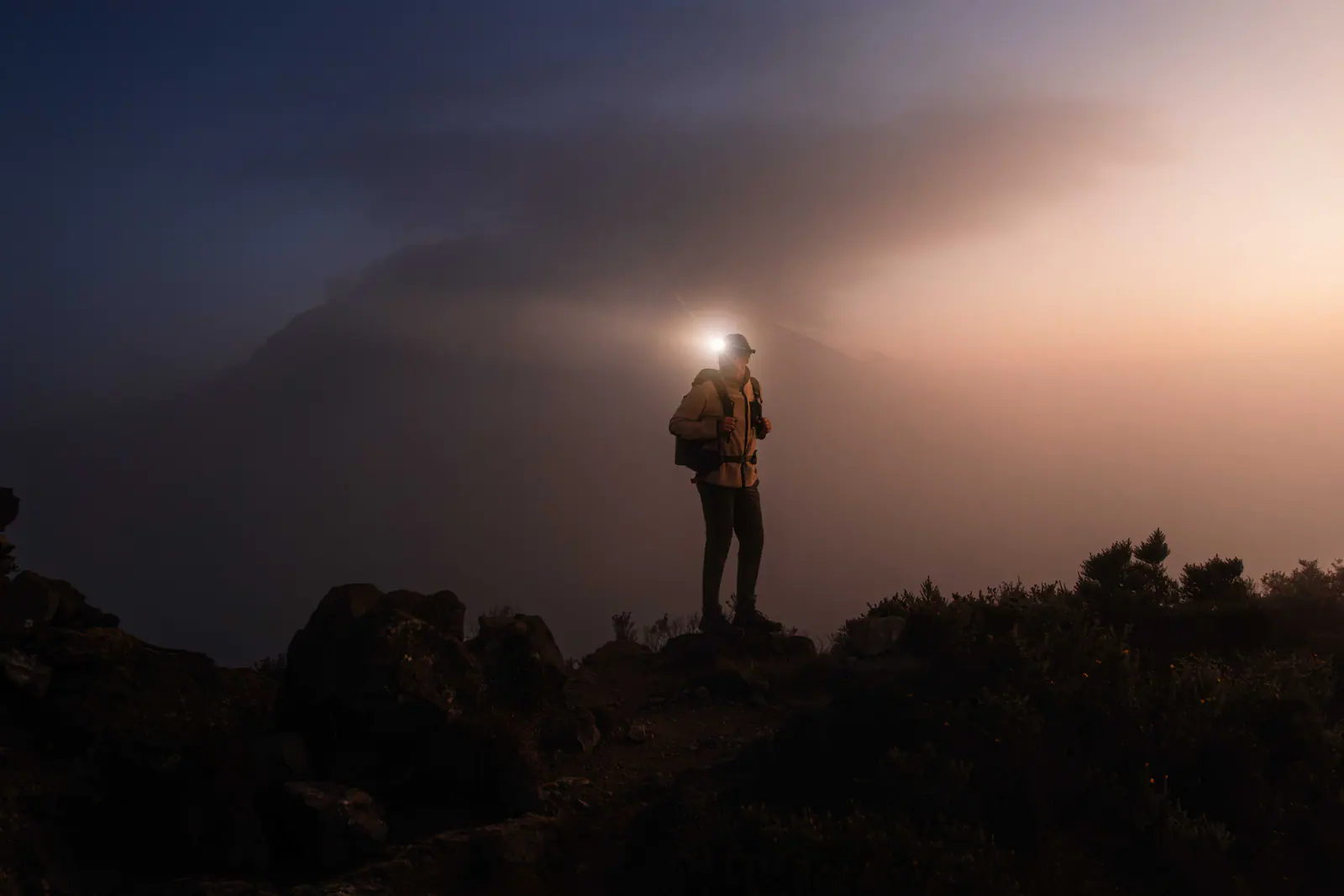
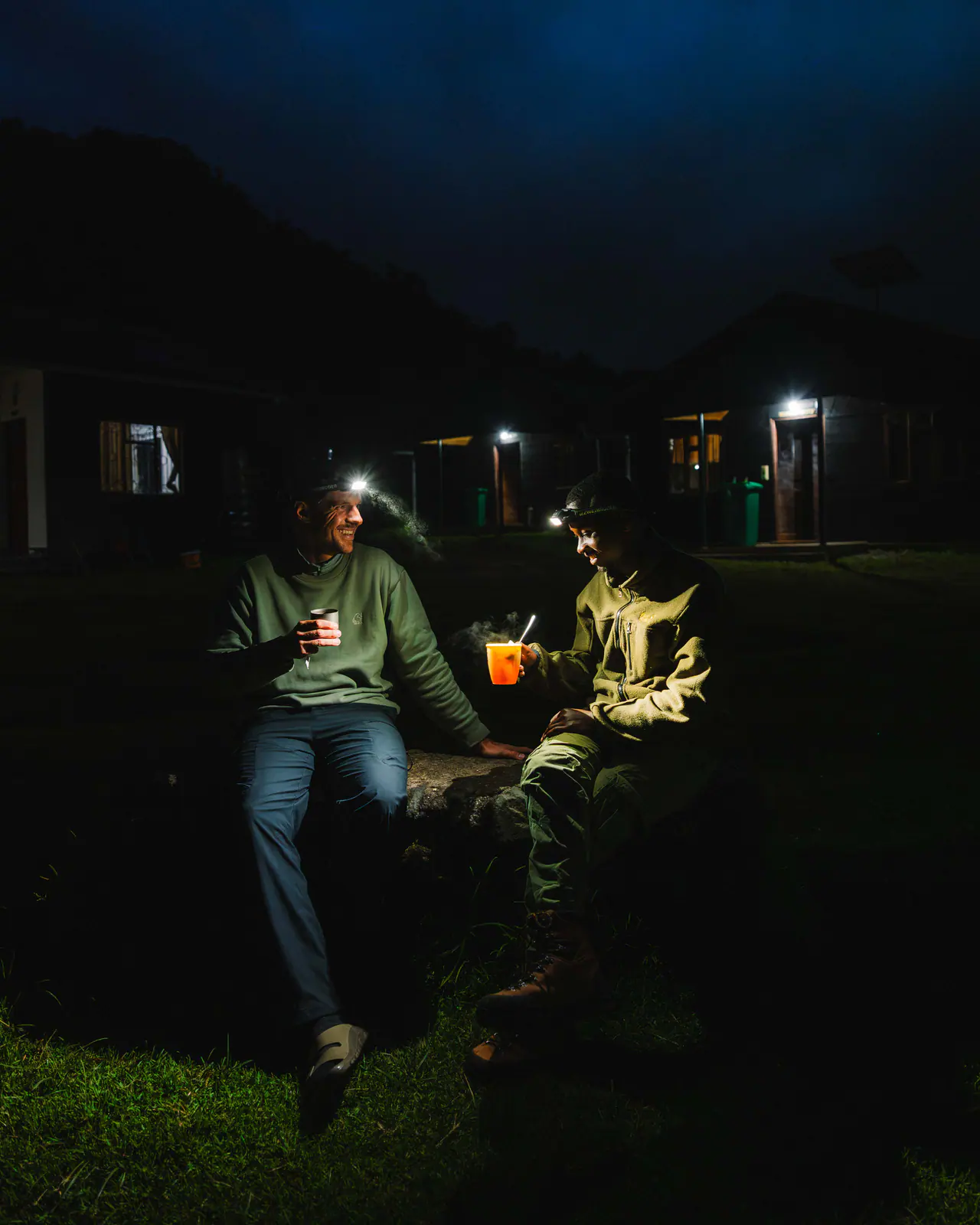
A trekker's headlamp lights the way in the half-light before dawn, with a dark mountain behind in haze.
03 / 09
Getting from the mountain to the plains
The practical link between the two halves of this trip is the drive or flight between Moshi/Arusha and the northern safari circuit. Almost every combination trip starts with a road transfer to Arusha, since that is where safari vehicles are based and where most itineraries begin regardless of which parks you visit.
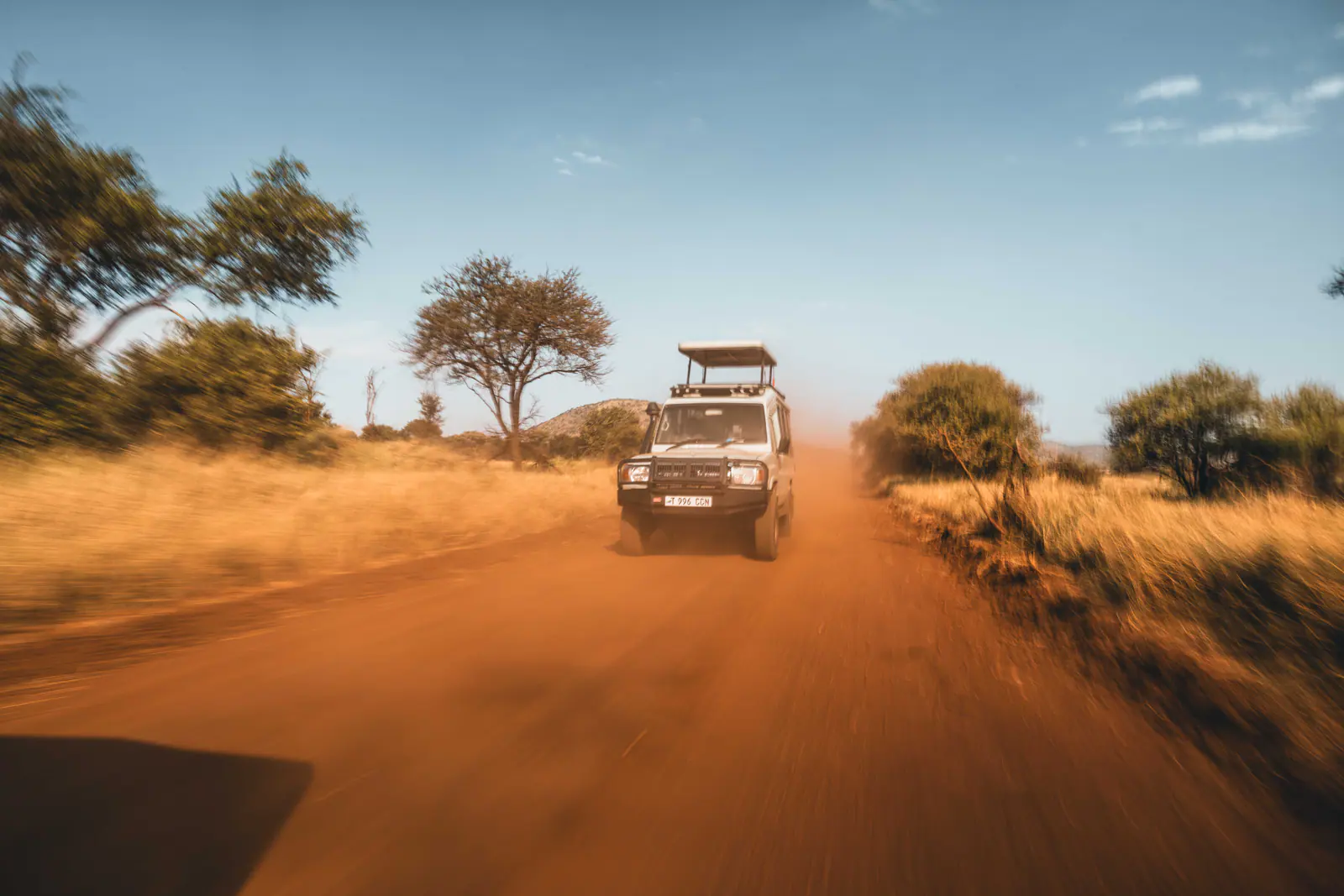
From there, road safaris are the default for Tarangire and Ngorongoro because the driving distances are short and scenic. The longer leg is Arusha to the Serengeti, where a light-aircraft flight can save close to a full day of driving on rougher roads: worth considering if your total day count is tight.
Typical transfers and connections
Exact routings depend on your chosen lodges and flight schedules. This shows the shape of the logistics, not a fixed itinerary.
| Leg | Typical mode | Notes |
|---|---|---|
| Mweka Gate → Moshi/Arusha hotel | Road transfer | Same day as descent; short and low-stress |
| Arusha → Tarangire | Road transfer | Roughly half a day; scenic driving through farmland and Maasai settlements |
| Tarangire → Ngorongoro | Road transfer | A few hours, often combined with a stop at Lake Manyara viewpoint |
| Ngorongoro → Serengeti | Road or light-aircraft flight | Road takes most of a day; flying is faster but adds a cost and a fixed schedule |
| Serengeti → Kilimanjaro/Arusha airport | Light-aircraft flight (usual) or road | Flights typically depart from airstrips near your safari camp |
Mweka Gate → Moshi/Arusha hotel
- Typical mode
- Road transfer
- Notes
- Same day as descent; short and low-stress
Arusha → Tarangire
- Typical mode
- Road transfer
- Notes
- Roughly half a day; scenic driving through farmland and Maasai settlements
Tarangire → Ngorongoro
- Typical mode
- Road transfer
- Notes
- A few hours, often combined with a stop at Lake Manyara viewpoint
Ngorongoro → Serengeti
- Typical mode
- Road or light-aircraft flight
- Notes
- Road takes most of a day; flying is faster but adds a cost and a fixed schedule
Serengeti → Kilimanjaro/Arusha airport
- Typical mode
- Light-aircraft flight (usual) or road
- Notes
- Flights typically depart from airstrips near your safari camp
04 / 09
Wildlife seasons across the parks
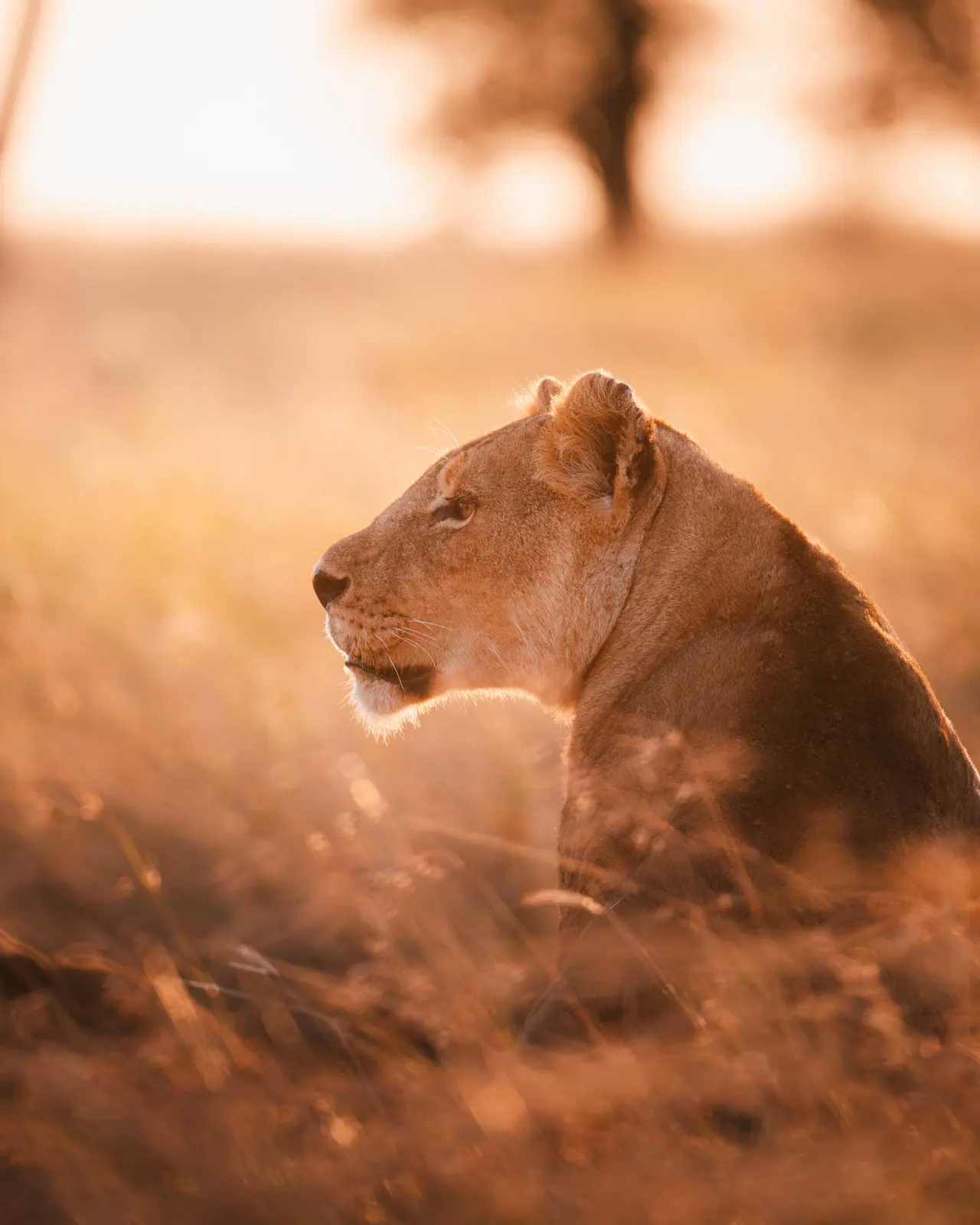
Tarangire and Ngorongoro Crater carry resident wildlife populations that are strong for most of the year, which makes them forgiving choices if your climb dates are fixed and the safari has to fit around them. The crater in particular concentrates a dense variety of species on a relatively small, accessible floor.
The Serengeti is different: it is defined by the seasonal movement of wildebeest and zebra across its plains, and where that movement is positioned changes through the year. Rather than promise a specific sighting, we set expectations by general pattern: southern plains in the first part of the year, central and western areas as the dry season develops, and the northern reaches later on, and match your park sections to your travel month.
Wildlife movement is a natural pattern, not a schedule, and no operator can guarantee a specific sighting on specific dates. We plan your safari sections around the general seasonal pattern for your travel month, and focus equally on parks like Ngorongoro and Tarangire where wildlife viewing is reliably strong year-round.
05 / 09
Combination Trip Builder
A short planning tool to suggest a realistic trip shape for your climb-and-safari combination.
Combination Trip Builder
Answer six quick questions about your time, priorities and pace, and we will suggest a realistic trip shape to discuss with our team, not a fixed package, just a sensible starting point.
0 of 6 answered
Answer all 6 questions and your result appears here.
This tool suggests a trip shape based on your answers. It is not a quote or an availability check: actual day counts, routing and internal flight timings are confirmed with our team before booking.
06 / 09
What your body actually needs between the two halves
Recovery day priorities vs safari-day priorities
The day after summit night
- Rehydration and a full, unhurried night of sleep
- A hot shower and clean clothes rather than trekking gear
- Simple, appetising food after days of camp meals
- No early alarm and no long vehicle transfer
Once safari days begin
- Early starts for the best light and wildlife activity
- Long but seated vehicle time: legs recover while eyes work
- Proper lodge beds and regular meals rebuilding energy
- A noticeably lighter pace than any day on the mountain
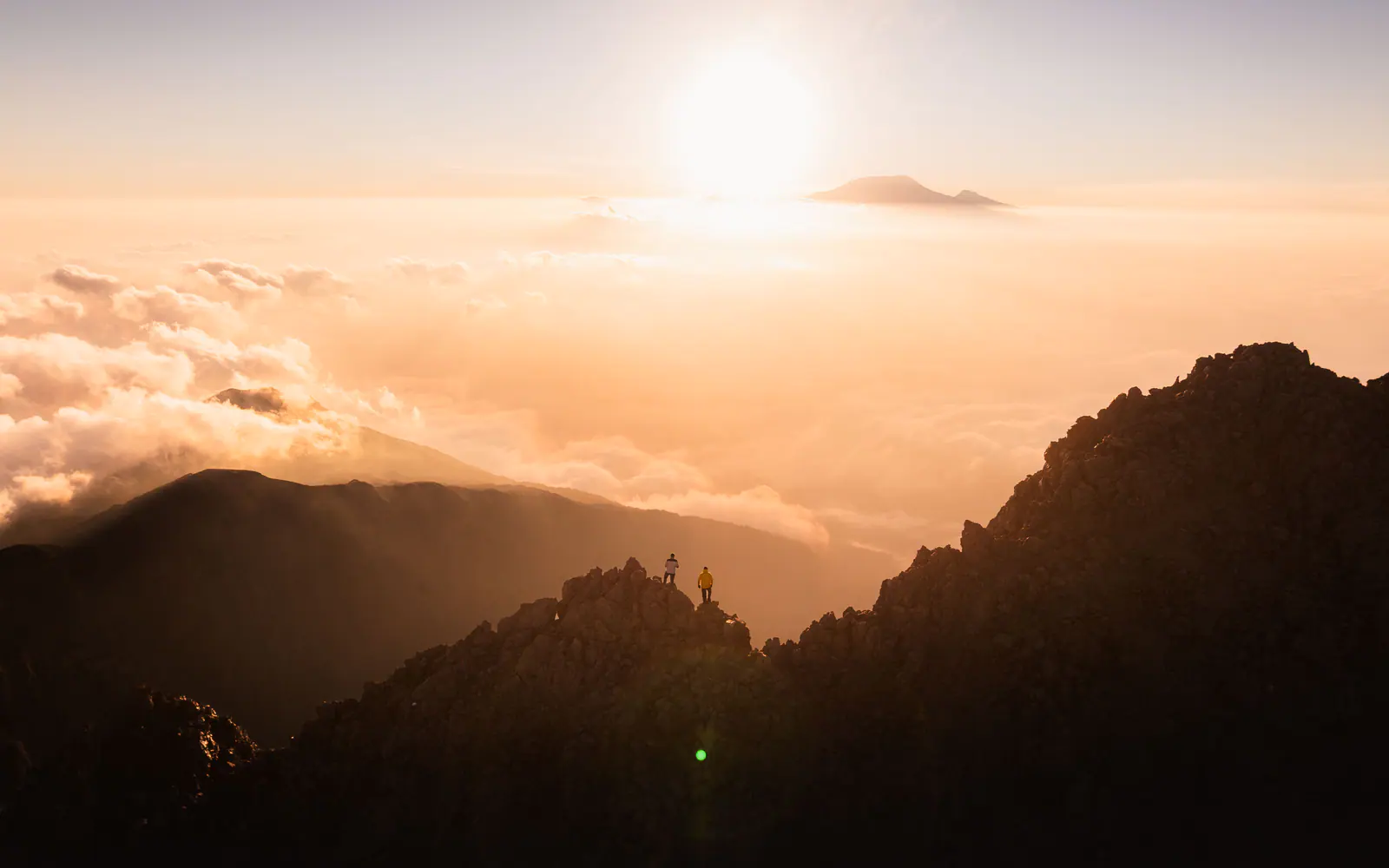
The sun low over a sea of cloud, with dark ridgelines in the foreground.
07 / 09
Adjusting your kit between mountain and vehicle
Mountain kit and safari kit overlap less than people expect. Warm layers, trekking poles and a summit-night down jacket can mostly be left behind or stored once you descend, replaced by lighter clothing, sun protection and a pair of binoculars. Ask your operator whether a duffel of climb gear can be stored in Moshi or Arusha while you're on safari, which saves carrying it through every game drive.
Dust is a bigger factor on safari than most first-timers expect, particularly in the dry season, so a scarf or buff and a case for cameras and phones earn their space in the bag.
08 / 09
Other ways to combine your climb
Explore the other combination guides
-
Kilimanjaro and Zanzibar
Swap the plains for the Indian Ocean with a beach recovery week after the summit.
Read the beach combination -
Kilimanjaro Safari Zanzibar
The full trilogy (mountain, wildlife and island) sequenced across one longer trip.
See the full trilogy -
Kilimanjaro Serengeti Safari
A safari built specifically around Serengeti plains time and seasonal wildlife patterns.
Focus on the Serengeti -
Kilimanjaro Honeymoon
A private climb paired with a slower, more romantic finish for couples.
Plan a honeymoon climb
09 / 09
How Safari Soles approaches this
We plan the mountain and the safari as one connected itinerary, not two separate bookings stitched together, which is why the buffer night, transfer timing and park order are set before any flights are confirmed.
Tell us your total available days and your appetite for driving versus flying, and we will propose a specific park sequence rather than leaving you to guess which combination fits.
Common mistakes to avoid
Most unsuccessful climbs come from a handful of avoidable planning decisions, not from the mountain.
- Booking the safari before the climb, which adds fatigue and dust exposure ahead of summit night.
- Skipping the buffer night and transferring straight from Mweka Gate into a long safari drive.
- Assuming the Serengeti migration will be in a specific location on specific dates.
- Choosing the cheapest road transfer without checking total driving hours across the whole safari.
- Packing full mountain gear for every safari day instead of storing it during the wildlife leg.
- Underestimating how tired legs feel on the first Tarangire walk-in safari option, if one is included.
- Trying to fit four parks into a very short trip and spending more time driving than viewing wildlife.
Get these right and the climb follows
Every one of these comes down to the same thing: matching the route and the day count to the climber before booking anything. Send us your dates and we will tell you honestly what is realistic.
Plan this climb with a local expertQuestions worth asking any operator
Ask these of any operator you are comparing, including us. The answers tell you more about a climb than the price does.
- How many days are on the mountain, and how many of those are genuine acclimatisation days?
- Who leads the climb, and how many assistant guides travel with our group size?
- What daily health monitoring happens, and what triggers a descent decision?
- What is included in the quoted price, and what is paid separately?
- What equipment is provided, what can be rented locally and what must I bring?
- How are crew tips collected and distributed at the end of the climb?
What Safari Soles puts in writing
Everything below is confirmed before you pay, so nothing about your climb is left to be discovered on the mountain.
-
Your route, day count and acclimatisation profile
Confirmed in writing before you pay, with our honest view on whether the number of days suits you.
-
How your health is monitored on the mountain
The daily check routine and who is responsible for it are explained at your pre-climb briefing.
-
First-aid and emergency response for your itinerary
You are told what travels with the climb and what happens at each camp if someone needs to descend.
-
Who is on your crew and what each person does
Lead guide, assistant guides, cook and porters are set out for your group size, not left vague.
-
Porter load handling for your climb
Duffel limits and how loads are weighed are confirmed before departure, so there are no gate surprises.
-
Tent, sleeping mat and dining arrangements
Camp comfort is described in the quote rather than discovered on the first night.
-
Meals, drinking water and hot drinks
How your food is cooked and your water treated is explained, including dietary requirements.
-
Gear rental list, sizes and prices
Shared before you shop, so you buy what matters at home and hire the rest on arrival.
-
An itemised quote with fees shown separately
Park and camping fees, crew, equipment, transfers and hotels appear as their own lines.
-
Tipping guidance for your group size
The customary range and how tips are collected are agreed before you fly, in writing.
Local Kilimanjaro operators, licensed crew, honest guidance
Written and reviewed by the Safari Soles team in Arusha, who plan and run Kilimanjaro climbs from beside the mountain rather than brokering them from an overseas office.
- Reviewed by the Safari Soles Kilimanjaro planning team
- Updated for 2026 climbing seasons
- Route and day count matched to your fitness and altitude history
- Daily health monitoring and descent decisions agreed before you book
- Read Safari Soles reviews on TripAdvisor
- Read Safari Soles reviews on SafariBookings
- Read Safari Soles reviews on Google
Where these facts come from (4)
- TANAPA: Tanzania National Parks Official park authority information on regulations, park fees and permitted activities.
- Tanzania Tourist Board Government tourism information on travelling in Tanzania, seasons and destinations.
- Wikivoyage: Tanzania Secondary travel background on getting around Tanzania and regional highlights.
- Wikipedia: Mount Kilimanjaro Secondary background context on the mountain's geology, glaciers and climbing history.
Related Safari Soles guides
Continue with the guides travellers usually read next.
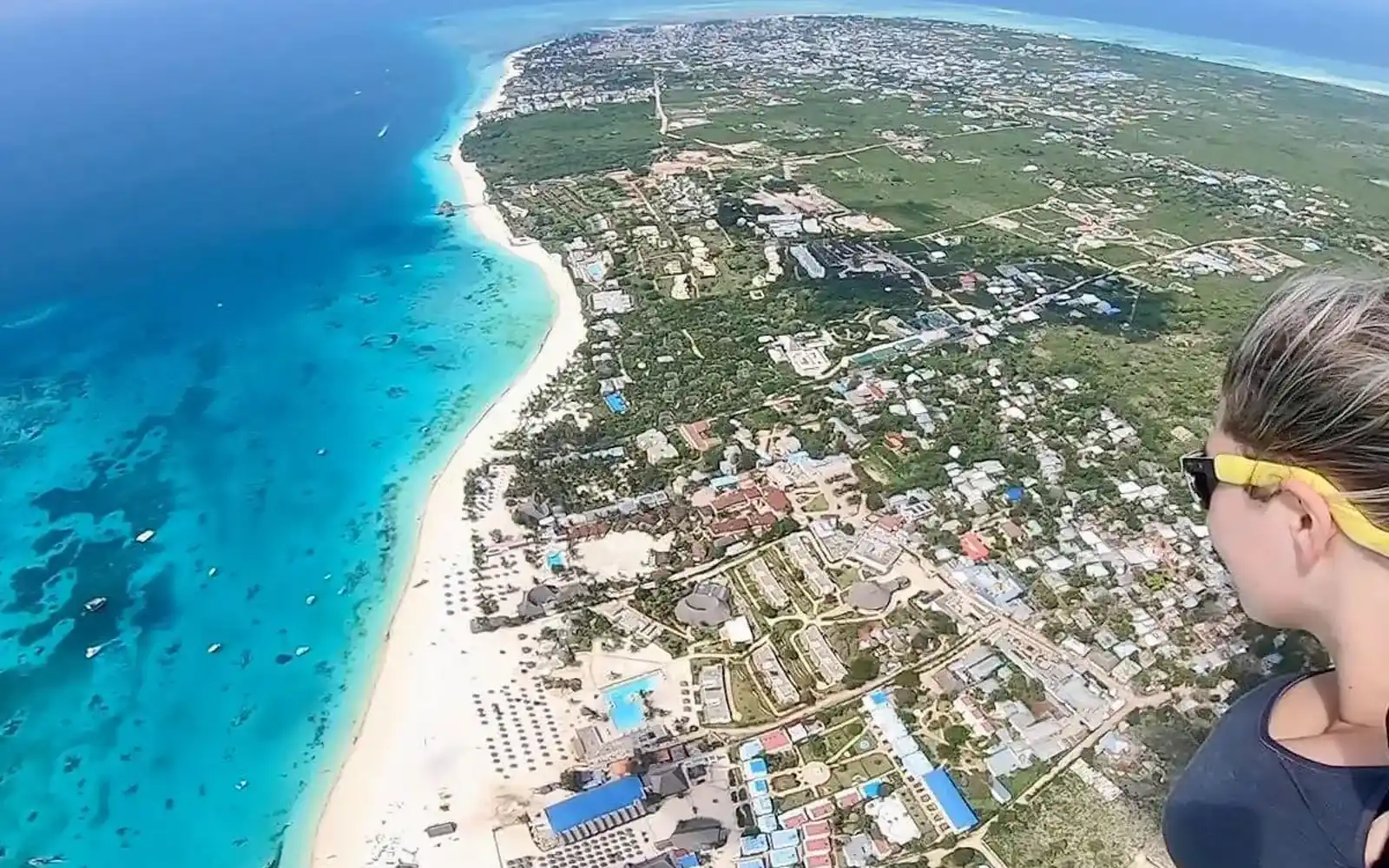 Kilimanjaro and Zanzibar Trade altitude for the Indian Ocean with a beach recovery week after your summit. Combinations
Read the guide
Kilimanjaro and Zanzibar Trade altitude for the Indian Ocean with a beach recovery week after your summit. Combinations
Read the guide
- Kilimanjaro Safari Zanzibar The full Tanzania trilogy (mountain, wildlife and island) in one carefully paced itinerary. Combinations
Read the guide
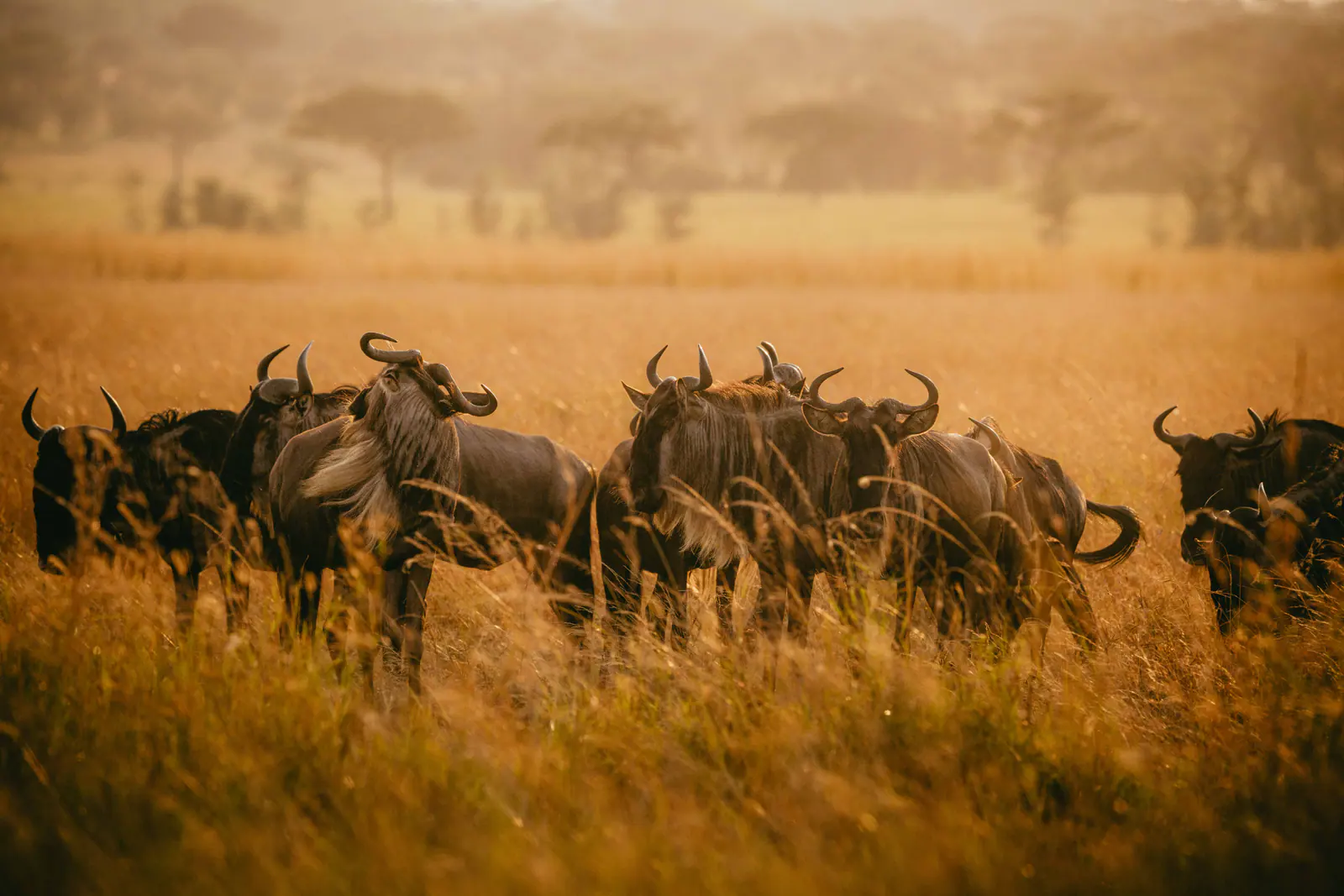 Kilimanjaro Serengeti Safari Pair your climb with Serengeti plains game drives timed around the migration months. Combinations
Read the guide
Kilimanjaro Serengeti Safari Pair your climb with Serengeti plains game drives timed around the migration months. Combinations
Read the guide
Frequently Asked Questions
-
Climb first for almost every itinerary. The safari that follows is largely seated and restful, which suits a body recovering from summit night far better than starting the climb tired from early safari mornings.
Ready to plan your Kilimanjaro and safari combination?
Tell us your total days, your climb route preference and how you feel about road transfers versus flights, and we will propose a specific park sequence with a realistic day count.