


Best Time to Climb Kilimanjaro: Month-by-Month Season Guide
Kilimanjaro can be climbed year-round, but the best months are January to March and June to October. This guide breaks down the two dry seasons, the rainy months, how weather changes by altitude, and how to pick a month that fits your route, budget and safari plans.
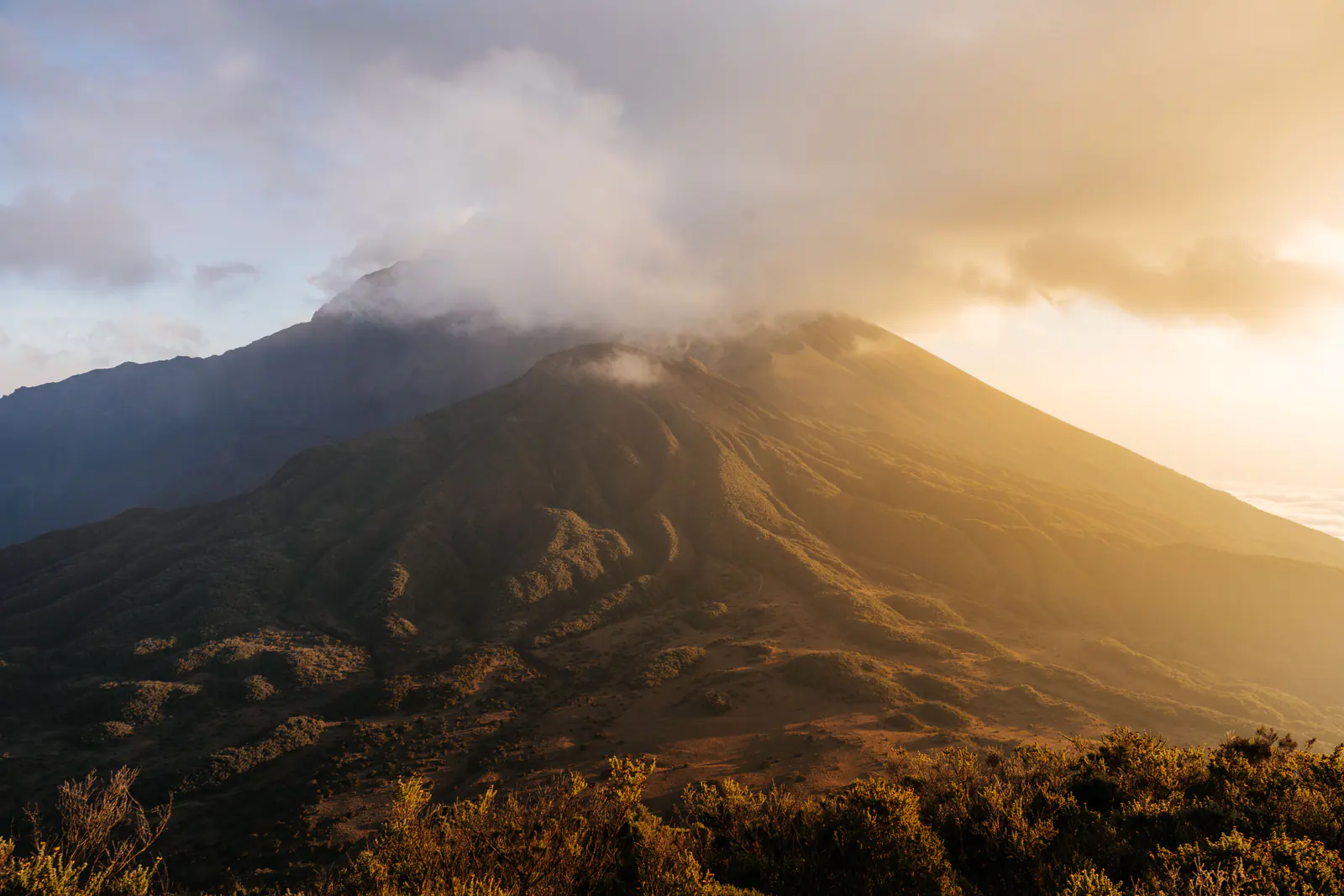
- Guide
- Preparation
- Reading time
- 11minutes
- In this guide
- 8sections
- January–March dry season
- June–October dry season
- April–May rains
- November short rains
- Month-by-month weather table
Local Tanzania team · Licensed mountain crew · Real Safari Soles itineraries
The two best windows to climb Kilimanjaro are January to March and June to October.
- January to March and June to October are the two dry climbing seasons.
- January to March is warmer and quieter; June to October is drier and colder but busiest.
- April, May and November are rainy; only consider these if you have flexible dates and experience with wet trekking.
- Summit night is below freezing in every month; the right layers matter more than the calendar.
- Rongai is the most practical route if you must climb outside the dry windows.
- For a safari add-on, January to February offers calving; June to October offers the migration river crossings.
01 / 08
The two dry climbing seasons on Kilimanjaro
Kilimanjaro can be climbed year-round, but most climbers aim for one of the two dry seasons: January through March and June through October. These windows deliver the driest trails, the clearest views and the most predictable summit conditions.
Where this fits: this guide is part of the Kilimanjaro climbing guides hub, which supports our main Kilimanjaro climbing page and our published Kilimanjaro climb prices.
Compare it with the route options, the climb cost breakdown and the altitude and safety guide; seasonal context is also published by the Tanzania Tourist Board.
January to March versus June to October
Both dry seasons work well, but they feel different. January to March is warmer and quieter, while June to October is cooler, busier and often a little clearer.
January to March
- Warmest nights of the year; summit temperatures are slightly less harsh
- Trails are generally quieter than July to August
- Good clear mornings, with occasional afternoon cloud build-up
- A good window if you want to combine with a calving-season safari in the Serengeti
June to October
- Most reliably clear skies and dry trails
- Peak season: more climbers and busier camps
- Cold summit nights, often well below freezing
- Best overlap with the Great Migration river crossings in the Serengeti
The dry seasons are safest on routes that already have rough or exposed sections. Rain turns the Barranco Wall and the loose scree higher up more slippery and unpleasant, which is why climbers often avoid the wetter months on Machame, Umbwe and the Western Breach. The northern circuit is also more comfortable in the dry season because it spends longer in the open, exposed northern slopes.
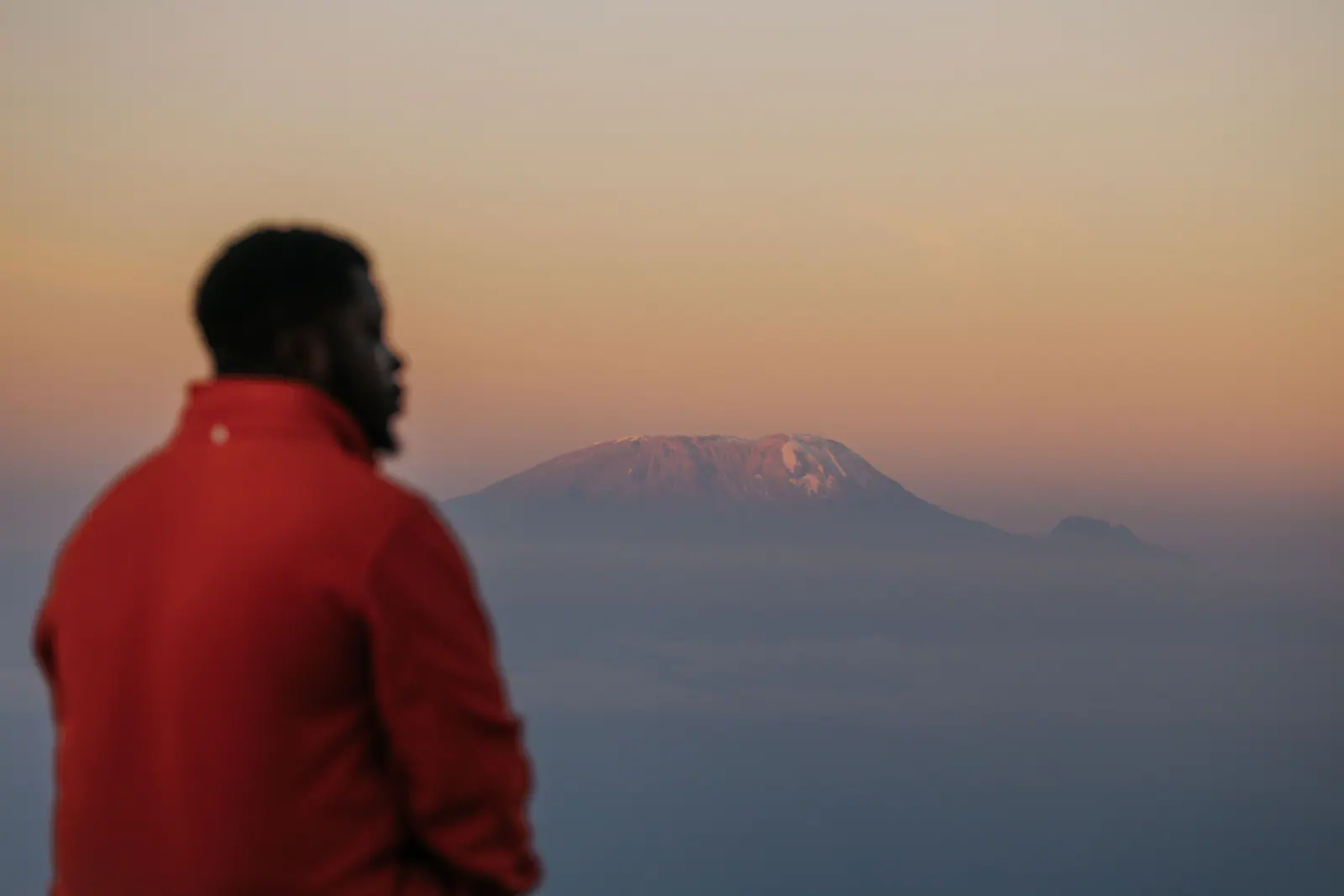
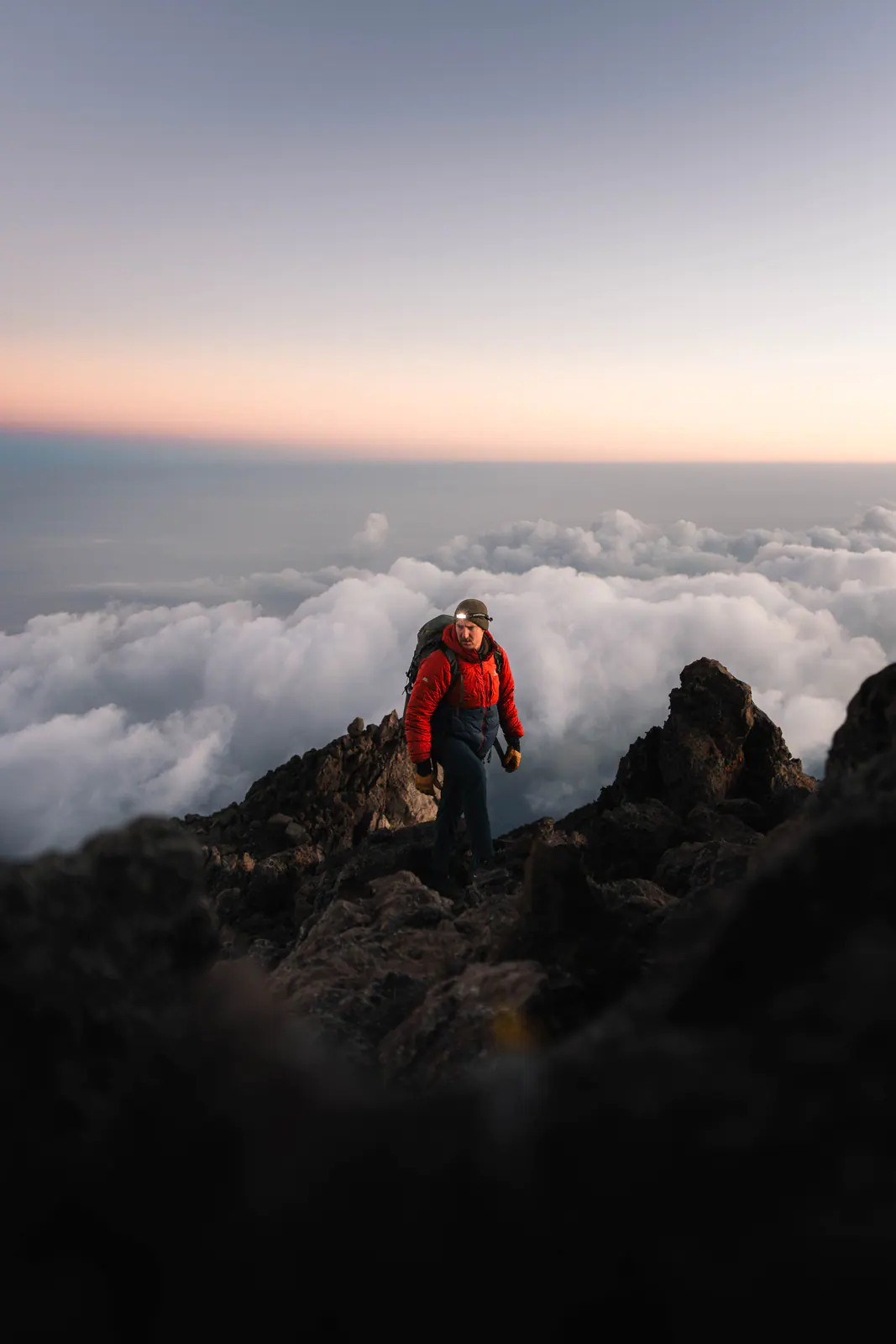
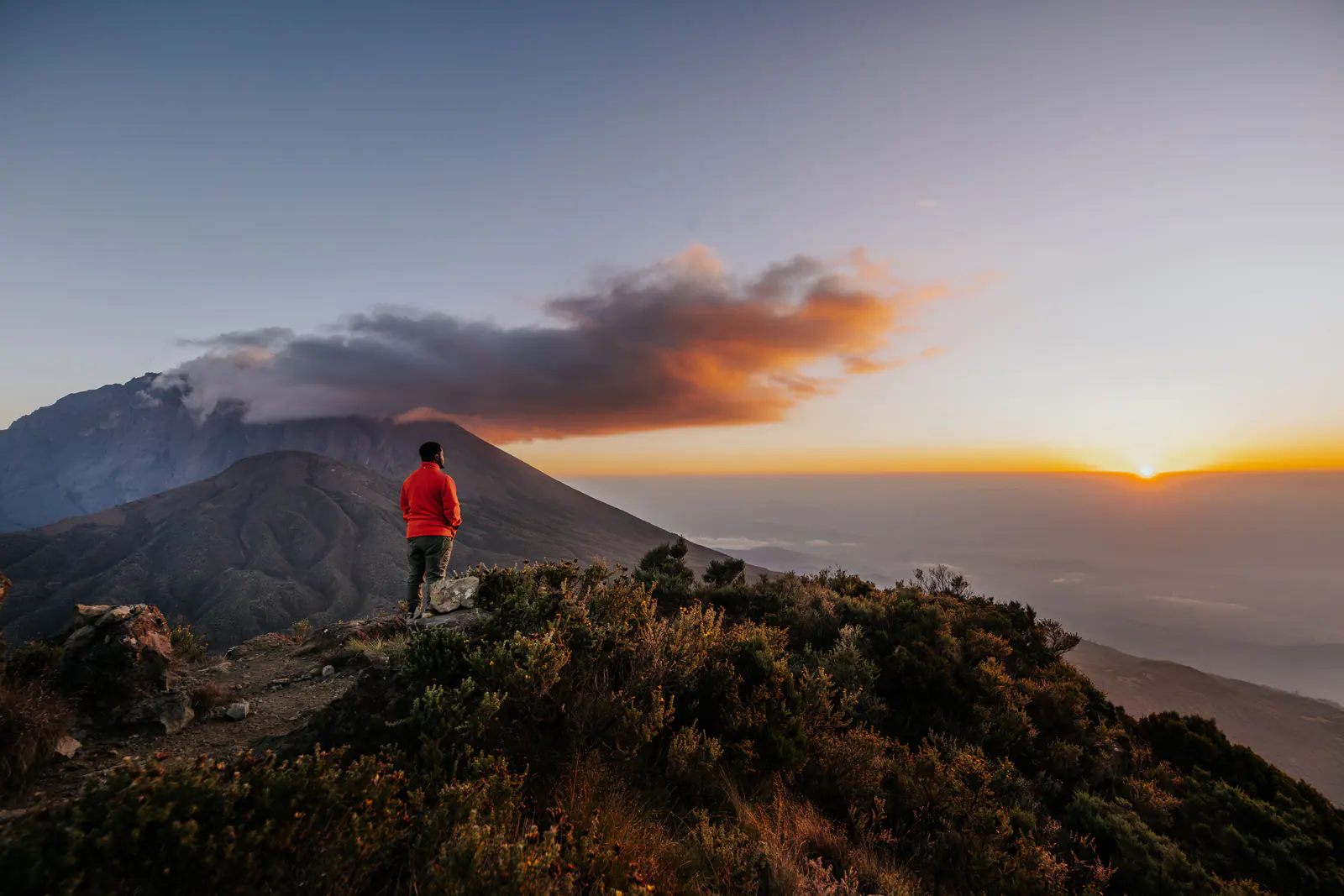
A guide in a red jacket looks toward Kilimanjaro's summit over a layer of cloud at sunset.
02 / 08
Month-by-month weather table
This table gives a practical overview for planning. Mountain weather is always variable, and conditions change with altitude. The lower forest is warmer and wetter than the alpine desert and summit.
Verdict Excellent Avoid This month
October Good early; risk late
- Trail conditions
- Dry early; short rains can start late in month
- Temperature feel
- Warming slightly
- Rain
- Low to moderate
- Crowds
- Moderate
03 / 08
The rainy seasons: April, May and November
The long rains arrive from April to May and the short rains usually fall in November. These months are less crowded and prices can be lower, but climbers need to be realistic about wet, muddy conditions and lower summit success rates.
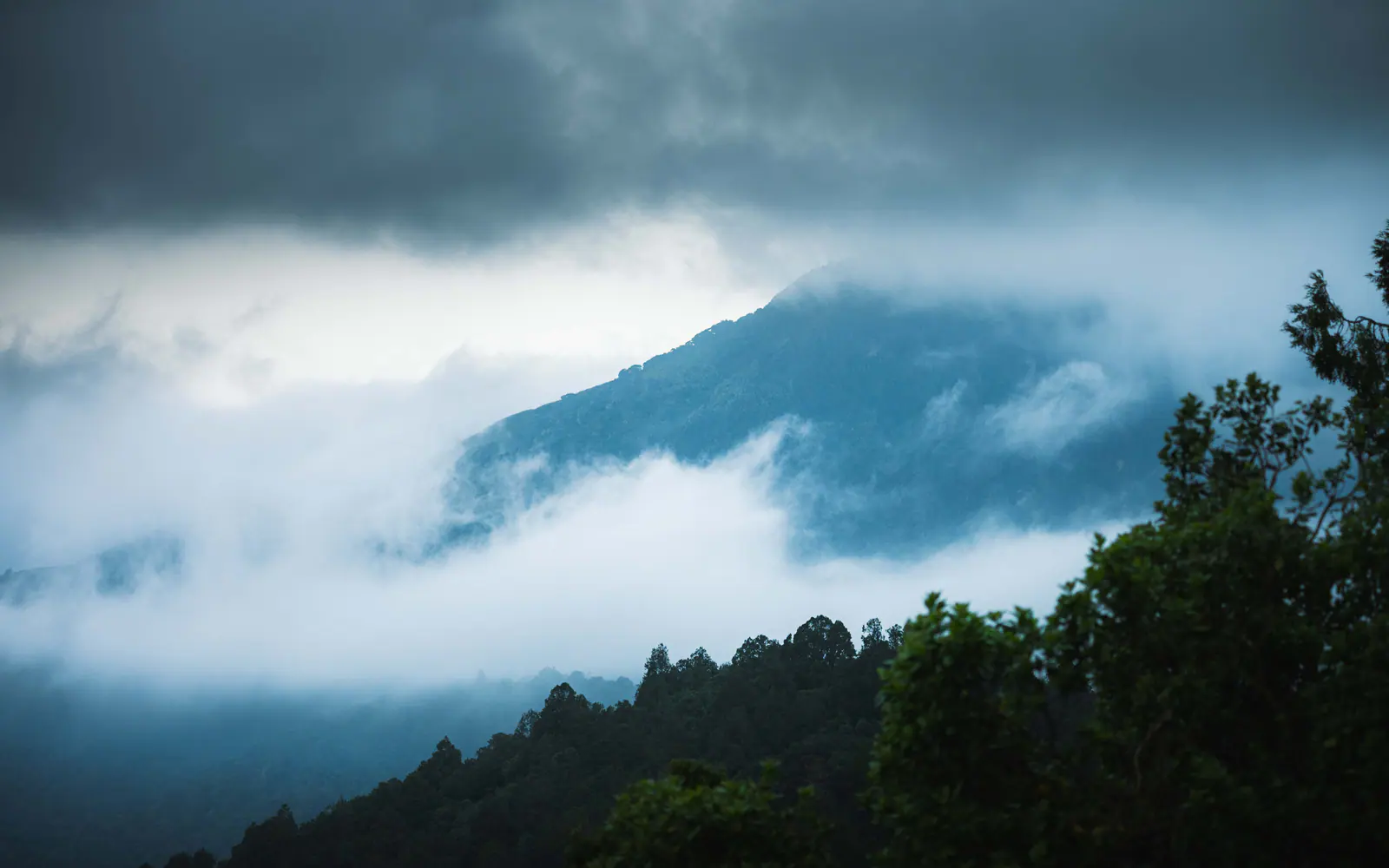
April and May are the wettest months. Trails become muddy, cloud can obscure views for days, and the Barranco Wall, scree slopes and path crossings can become unpleasant or hazardous. Some operators reduce departures or only run certain routes during this period. If you are set on climbing then, the Rongai route, which approaches from the drier northern side, is often the most practical choice, though it is not immune to rain either.
November is a mixed month. The short rains are usually lighter and more intermittent than the long rains, and some years are almost climbable. However, it is unpredictable, and the combination of wet rock and cold at altitude is harder on morale and safety than most first-time climbers expect. Only experienced trekkers with flexible itineraries should consider it.
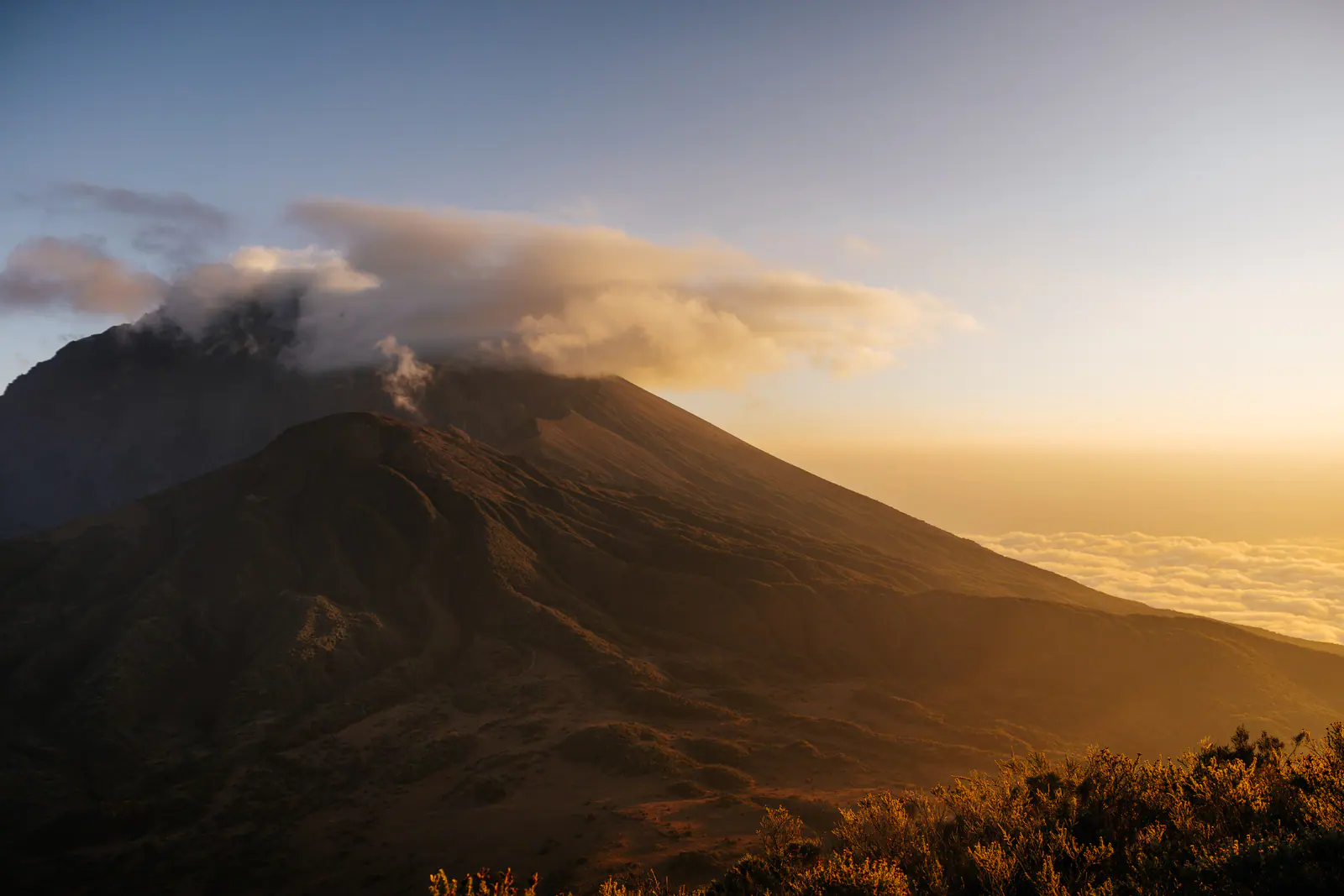
What to expect if you climb in the wet season
- Muddy and slippery trails, especially in the forest and moorland zones.
- Reduced visibility; you may miss the iconic summit views entirely.
- Wet gear and clothing management becomes a daily challenge.
- Colder nights because damp clothing and condensation lose heat faster.
- Some group departures may not run; private climbs are more likely to be available.
- Summit success rates are generally lower because conditions and morale both suffer.
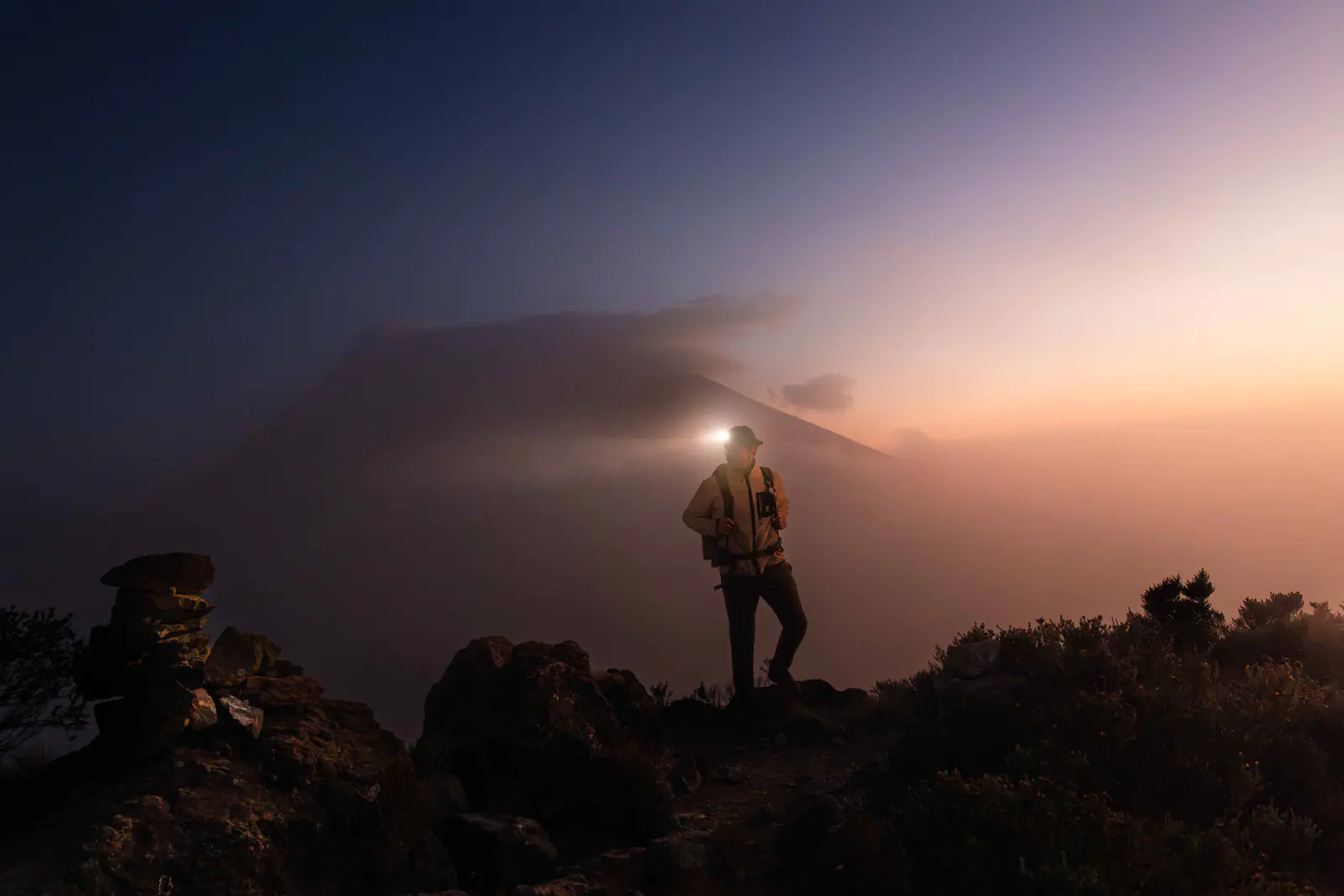
04 / 08
How weather changes by altitude on Kilimanjaro
The weather at the gate and the weather at the summit can feel like different seasons on the same day. Understanding the altitude zones helps you pack and pace correctly.
| Zone | Altitude | Typical weather | What to expect |
|---|---|---|---|
| Rainforest | 1,800m – 2,800m | Warm, humid, highest rainfall | Mud, insects, afternoon showers; often wettest part of the climb |
| Heath / Moorland | 2,800m – 4,000m | Cooler, clearer, windier | Temperature drops noticeably; less rainfall than the forest |
| Alpine Desert | 4,000m – 5,000m | Dry, cold, intense sun and wind | Very low humidity; big day-to-night temperature swings |
| Summit / Arctic | 5,000m – 5,895m | Freezing, thin air, icy wind | Coldest and windiest part of the climb; weather can change fast |
Rainforest
- Altitude
- 1,800m – 2,800m
- Typical weather
- Warm, humid, highest rainfall
- What to expect
- Mud, insects, afternoon showers; often wettest part of the climb
Heath / Moorland
- Altitude
- 2,800m – 4,000m
- Typical weather
- Cooler, clearer, windier
- What to expect
- Temperature drops noticeably; less rainfall than the forest
Alpine Desert
- Altitude
- 4,000m – 5,000m
- Typical weather
- Dry, cold, intense sun and wind
- What to expect
- Very low humidity; big day-to-night temperature swings
Summit / Arctic
- Altitude
- 5,000m – 5,895m
- Typical weather
- Freezing, thin air, icy wind
- What to expect
- Coldest and windiest part of the climb; weather can change fast
The key takeaway is that summit night is cold and exposed in every month. Even if you climb in January, the warmest period, you can still expect temperatures well below freezing at the top, with wind chill making it feel colder. The right clothing layers and a good sleeping bag matter more than the calendar month.
05 / 08
Route-specific season notes
Some routes handle rain better than others. If you are restricted to dates that fall outside the main dry windows, the route choice matters even more.
- Lemosho and Machame: excellent in both dry seasons; the Barranco Wall and scree sections become unpleasant in heavy rain.
- Marangu: hut-based and sheltered, so rain is less of a camp comfort issue, but the trail is still slippery and the same-up-and-down route is less scenic in cloud.
- Rongai: approaches the drier northern side, making it the most practical choice if you must climb in April, May or November.
- Northern Circuit: best in the dry season; it spends a long time in exposed, open terrain.
- Umbwe: steep and direct; not recommended in wet weather because the trail is already demanding and rain increases rockfall and slip risk.
- Shira: starts high on the plateau; dry weather makes the first day far more comfortable and the views more reliable.
Compare routes in detail
These guides help you match route length and scenery to your chosen season.
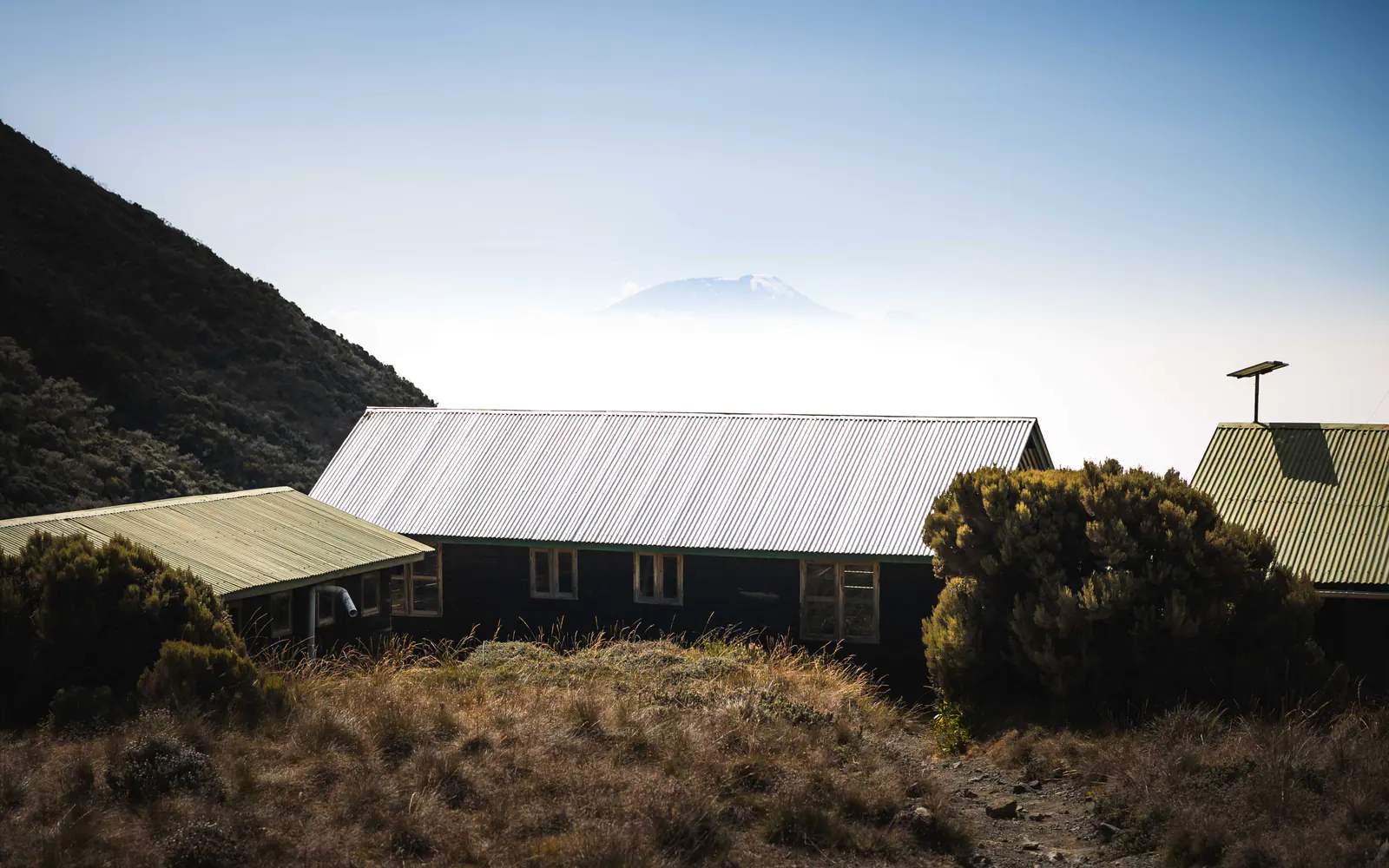
A mountain hut with a pale metal roof on open moorland, with a distant peak above the horizon.
06 / 08
How climbing season affects your safari or Zanzibar add-on
Many climbers pair Kilimanjaro with a northern-circuit safari or a Zanzibar beach break. The best month for the climb and the best month for wildlife do not always line up perfectly, but they usually overlap.
January and February are excellent for combining the climb with the southern Serengeti calving season, when wildebeest give birth and predators are highly active. The migration is spread across the south and east, and the weather is warm and green.
June to October is the classic dry-season safari window. The vegetation is thinner, animals gather around water sources, and the Great Migration is concentrated in the western and northern Serengeti, with dramatic river crossings in July and August. This is the busiest and most expensive safari period, but the wildlife viewing is outstanding.
Zanzibar works well after a climb in either dry season. The island is warm and coastal, with the least rain from June to October and from December to February. The long rains from March to May make beach time less reliable.
07 / 08
Find the best month for your climb
Answer four questions about your priorities and we will recommend a climbing window.
Find the best month for your Kilimanjaro climb
Answer four quick questions about your priorities and we will point you at the month or season that fits your climb best. This is a planning guide, not a weather guarantee.
0 of 4 answered
Answer all 4 questions and your result appears here.
08 / 08
How Safari Soles approaches this
We are honest about seasonal trade-offs. If your dates fall in a rainy month, we will tell you which route is most practical and whether a different month would give you a much better experience.
Weather on Kilimanjaro is always variable, even in the dry season. The table on this page is a planning guide, not a guarantee.
Common mistakes to avoid
Most unsuccessful climbs come from a handful of avoidable planning decisions, not from the mountain.
- Booking only by holiday dates without checking where those dates fall in the rainy season.
- Assuming Kilimanjaro is warm because Tanzania is near the equator; the summit is below freezing year-round.
- Choosing the cheapest month without realising the rainy season can lower summit success rates.
- Picking a scenic route like Machame or Umbwe for a rainy month, where cloud and mud erase the views.
- Not building flexibility into a late-October or November climb, when the short rains can arrive early.
- Ignoring how safari timing links to the climb; the best safari months often overlap with the busiest climbing months.
- Underestimating how much wet gear management drains energy and morale on a multi-day climb.
Get these right and the climb follows
Every one of these comes down to the same thing: matching the route and the day count to the climber before booking anything. Send us your dates and we will tell you honestly what is realistic.
Plan this climb with a local expertQuestions worth asking any operator
Ask these of any operator you are comparing, including us. The answers tell you more about a climb than the price does.
- How do your recommended dates fit into the dry or rainy season on my chosen route?
- What happens to the itinerary if heavy rain makes a section unsafe?
- Which route would you recommend if I can only climb in April, May or November?
- Do you adjust group departure schedules around the rainy seasons?
- How cold should I expect summit night to be in my chosen month?
- If I want to add a safari, which month gives the best wildlife viewing for my route?
What Safari Soles puts in writing
Everything below is confirmed before you pay, so nothing about your climb is left to be discovered on the mountain.
-
Your route, day count and acclimatisation profile
Confirmed in writing before you pay, with our honest view on whether the number of days suits you.
-
How your health is monitored on the mountain
The daily check routine and who is responsible for it are explained at your pre-climb briefing.
-
First-aid and emergency response for your itinerary
You are told what travels with the climb and what happens at each camp if someone needs to descend.
-
Who is on your crew and what each person does
Lead guide, assistant guides, cook and porters are set out for your group size, not left vague.
-
Porter load handling for your climb
Duffel limits and how loads are weighed are confirmed before departure, so there are no gate surprises.
-
Tent, sleeping mat and dining arrangements
Camp comfort is described in the quote rather than discovered on the first night.
-
Meals, drinking water and hot drinks
How your food is cooked and your water treated is explained, including dietary requirements.
-
Gear rental list, sizes and prices
Shared before you shop, so you buy what matters at home and hire the rest on arrival.
-
An itemised quote with fees shown separately
Park and camping fees, crew, equipment, transfers and hotels appear as their own lines.
-
Tipping guidance for your group size
The customary range and how tips are collected are agreed before you fly, in writing.
Local Kilimanjaro operators, licensed crew, honest guidance
Written and reviewed by the Safari Soles team in Arusha, who plan and run Kilimanjaro climbs from beside the mountain rather than brokering them from an overseas office.
- Reviewed by the Safari Soles Kilimanjaro planning team
- Updated for 2026 climbing seasons
- Route and day count matched to your fitness and altitude history
- Daily health monitoring and descent decisions agreed before you book
- Read Safari Soles reviews on TripAdvisor
- Read Safari Soles reviews on SafariBookings
- Read Safari Soles reviews on Google
Where these facts come from (4)
- UNESCO: Kilimanjaro National Park The World Heritage listing for Kilimanjaro National Park, which records Africa's highest point at 5,895m.
- TANAPA: Tanzania National Parks Official park authority information on regulations, park fees and permitted activities.
- Tanzania Tourist Board Government tourism information on travelling in Tanzania, seasons and destinations.
- Wikipedia: Mount Kilimanjaro Secondary background context on the mountain's geology, glaciers and climbing history.
Related Safari Soles guides
Continue with the guides travellers usually read next.
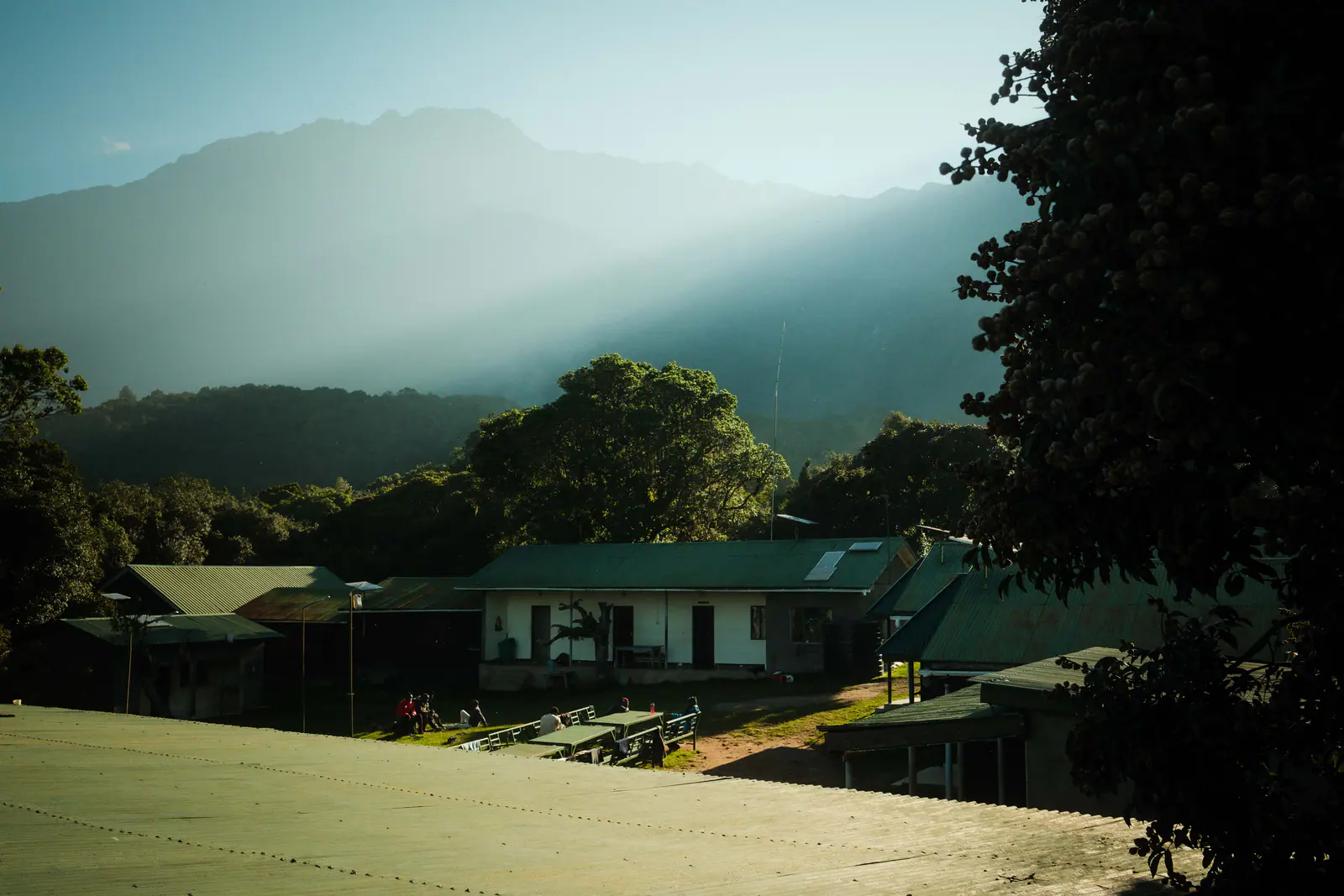 Kilimanjaro Altitude Sickness Recognising early symptoms, understanding acclimatisation and knowing when to descend. Safety
Read the guide
Kilimanjaro Altitude Sickness Recognising early symptoms, understanding acclimatisation and knowing when to descend. Safety
Read the guide
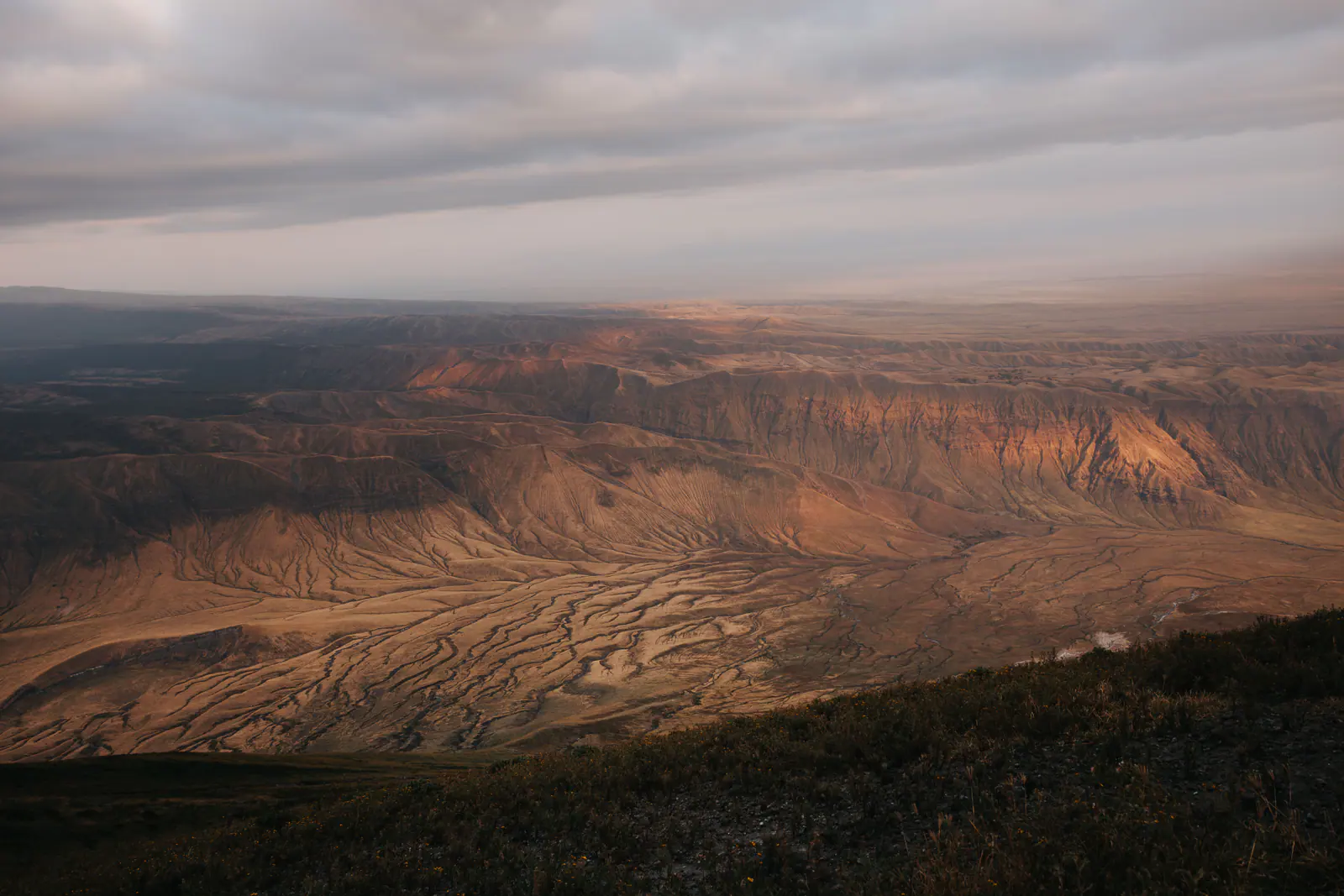 Kilimanjaro Routes Compare every Kilimanjaro route side by side: days on the mountain, acclimatisation profile, scenery and comfort. Routes
Read the guide
Kilimanjaro Routes Compare every Kilimanjaro route side by side: days on the mountain, acclimatisation profile, scenery and comfort. Routes
Read the guide
 Kilimanjaro Climb Cost Where your money goes: park fees, crew wages, food, gear, transfers and route length. Cost
Read the guide
Kilimanjaro Climb Cost Where your money goes: park fees, crew wages, food, gear, transfers and route length. Cost
Read the guide
Frequently Asked Questions
-
January, February, July, August and September are usually the best months. They sit inside the two dry seasons, offering dry trails, clear skies and the most stable summit conditions. February is often the warmest of these, while July and August are the clearest but coldest.
Not sure which month is right for your climb?
Tell us your preferred dates, the route you are considering, and whether you want to add a safari or Zanzibar. We will give you an honest, season-by-season recommendation without pressure to book more than you need.