


Kilimanjaro for Beginners: Can a Normal Person Really Climb It?
Kilimanjaro is one of the very few 5,895m mountains an ordinary person can climb without ropes, ice axes or any mountaineering background. It is a long, steep, cold walk at altitude, and that is exactly why preparation, route length and pace matter far more than athletic ability. This guide is written for someone standing at the very start of that decision.
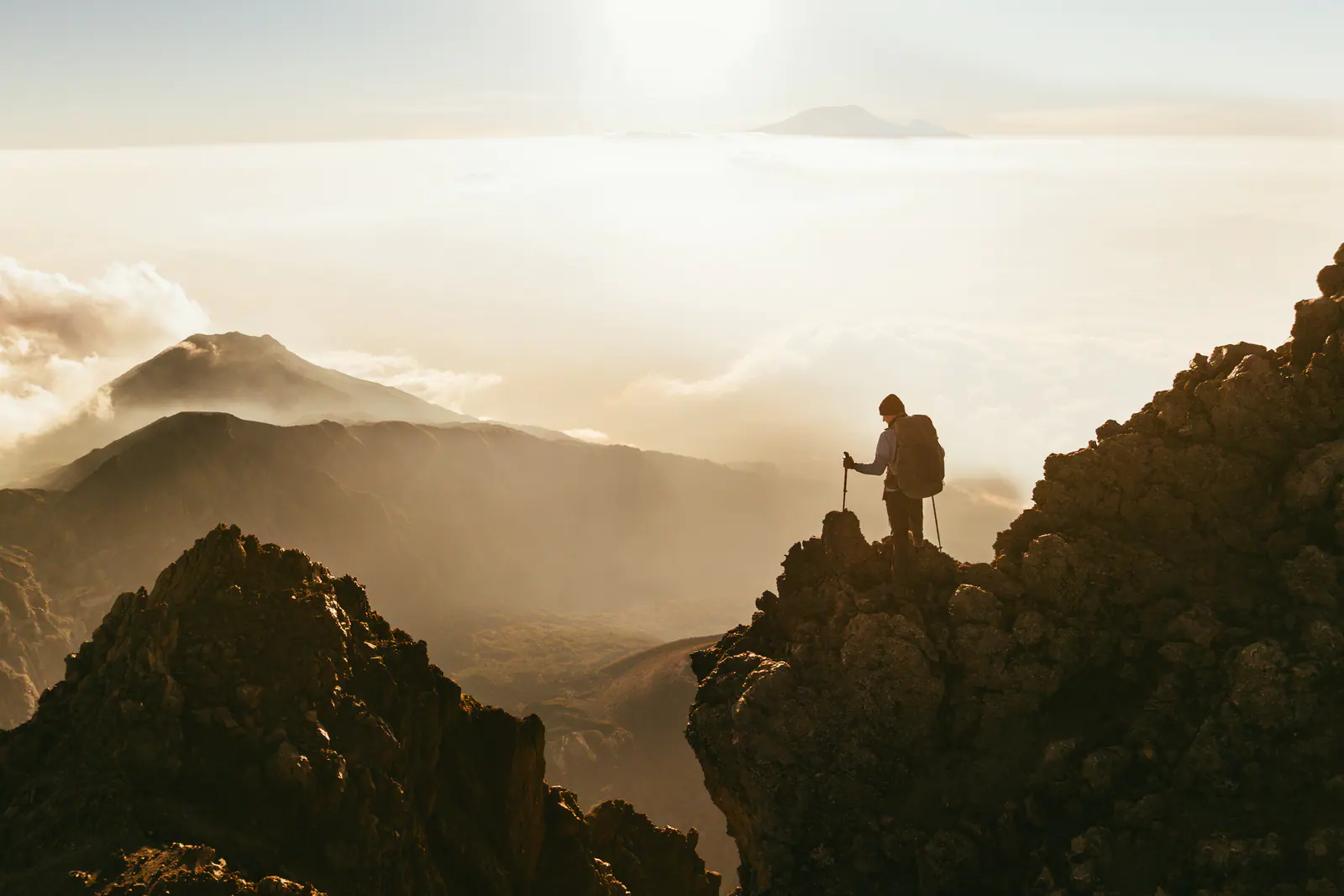
- Guide
- Preparation
- Reading time
- 13minutes
- In this guide
- 10sections
- No climbing skill needed
- Altitude beats fitness
- 7–8 days recommended
- First-timer route advice
Local Tanzania team · Licensed mountain crew · Real Safari Soles itineraries
Yes: a reasonably healthy person with no climbing experience can summit Kilimanjaro.
- Kilimanjaro is a trekking peak. No technical climbing skill or equipment is required.
- Altitude is the main reason people do not summit, not fitness or strength.
- Route length matters more than route difficulty for a first-time climber.
- Seven or eight days is the sensible beginner range; five to six days is a false economy.
- Three to four months of hill walking with a loaded daypack is enough preparation from a moderate base.
- Summit night is the hardest part: it starts around midnight, in the cold and dark, at very slow pace.
01 / 10
What climbing Kilimanjaro actually involves
Where this fits: this guide is part of the Kilimanjaro climbing guides hub, which supports our main Kilimanjaro climbing page and our published Kilimanjaro climb prices.
Continue with the route comparison, the training guide and the altitude and safety guide, and read the NHS overview of altitude sickness before you decide how many days you need.
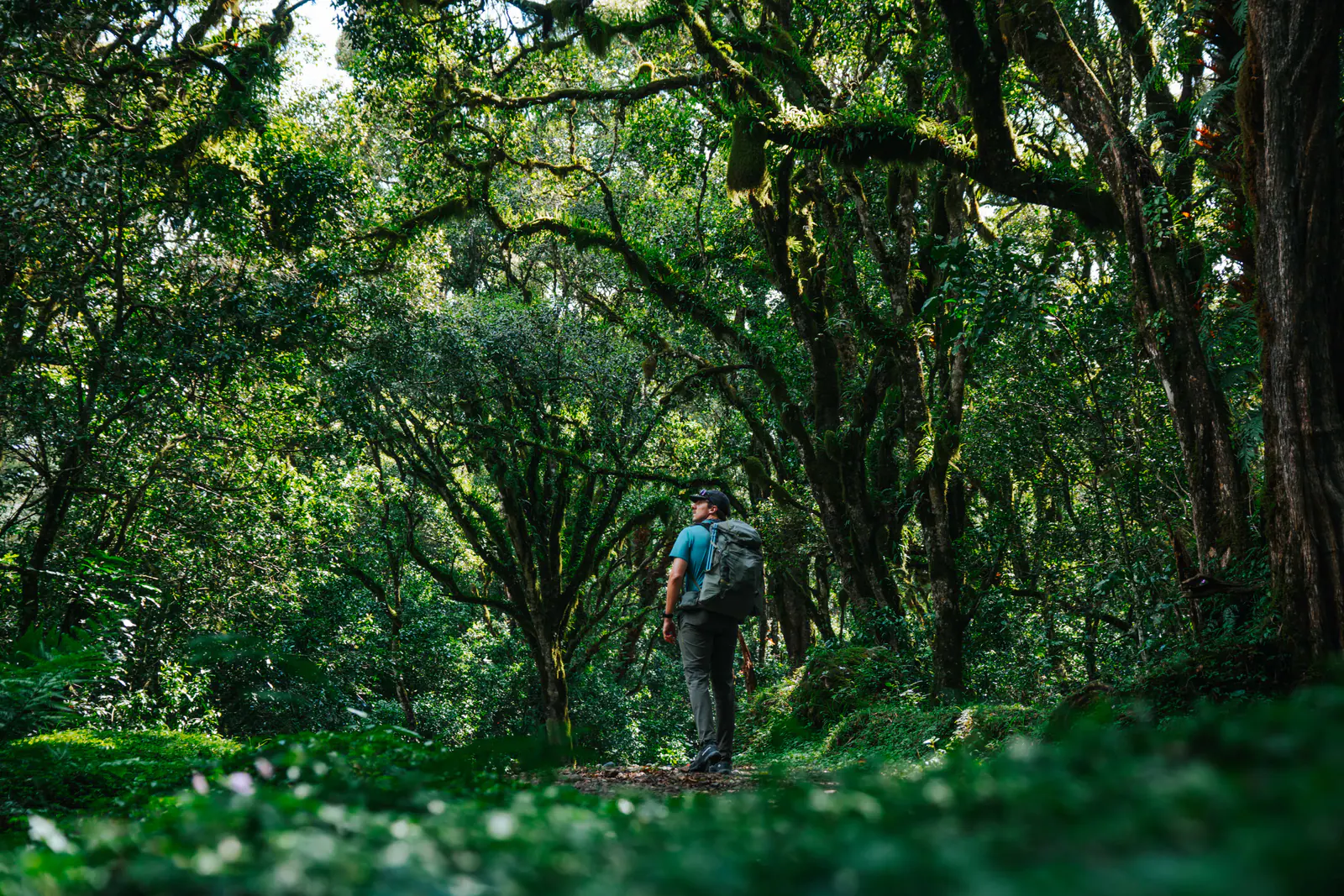
Most days on Kilimanjaro look surprisingly ordinary. You wake in a tent, eat a cooked breakfast, and walk for four to seven hours on a well-defined trail with a guide setting a slow pace. Porters carry the camp, the food and your main duffel; you carry a daypack with water, snacks, a warm layer and a rain shell. You arrive at camp in the afternoon, get a health check, eat, and sleep early.
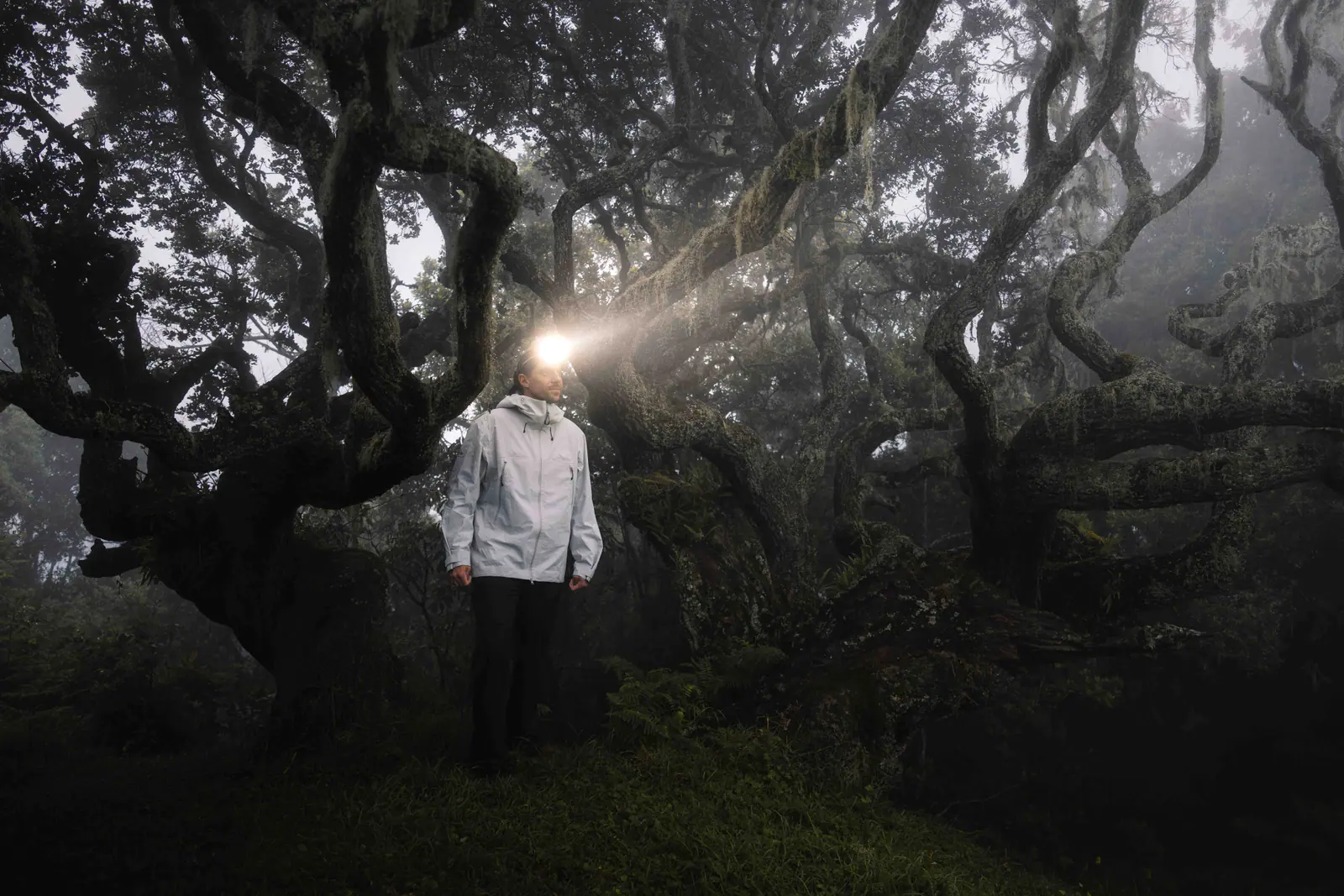
The scenery changes completely as you climb: rainforest, moorland with giant lobelias, high alpine desert, and finally glaciers and volcanic scree. That variety is part of why people find the walking days enjoyable even when they are long.
Summit night is the exception and the reason the mountain earns its reputation. You are woken around 23:00 or midnight, dress in every layer you own, and walk uphill in the dark for six to eight hours on loose ground in temperatures that commonly fall well below freezing. You reach Stella Point at sunrise, then walk the crater rim to Uhuru Peak, then descend a very long way the same day.
What it is and isn't
What it is
- A long uphill walk at high altitude
- Multiple consecutive days of 4–7 hours walking
- Camping (or huts on Marangu) with a full support crew
- One very hard night at the end
- Cold, dusty and physically wearing
What it isn't
- Technical climbing with ropes or ice axes
- A test that requires mountaineering experience
- Something you carry all your own kit for
- A race: the pace is deliberately slow
- Impossible without an athletic background
02 / 10
Are you fit enough to climb Kilimanjaro?
The useful question is not how much you can lift or how fast you run, but whether you can keep walking gently uphill for hours, then do it again the next day, while sleeping badly and eating less than usual. That is stamina and resilience rather than athletic performance.
A realistic beginner baseline
Where you should be by the time you fly, from a standing start.
Continuous walking
6–7 hours at an easy pace without dread
- Why it matters
- That is a normal Kilimanjaro day, repeated for a week.
Back-to-back days
Two long walks on consecutive days, at least twice
- Why it matters
- Recovery overnight is what the mountain actually tests.
Hills
Sustained uphill walking of an hour or more
- Why it matters
- Flat training does not prepare your legs or lungs for ascent.
Loaded daypack
Comfortable with 5–8kg all day
- Why it matters
- Water, layers and camera add up more than people expect.
Descent
Long downhills without knee pain
- Why it matters
- Descent day is brutally long and injures more people than the climb.
Cardio base
3–4 sessions a week of 30–45 minutes
- Why it matters
- Builds the engine that copes with reduced oxygen.
Kilimanjaro is regularly summited by climbers in their sixties and seventies, and the minimum age in the park is ten. Age matters far less than consistency of preparation. If you have a heart, lung or blood-pressure condition, are pregnant, or take regular medication, get a doctor's opinion before booking, and tell us about it, because it changes how we monitor you and which route we recommend.
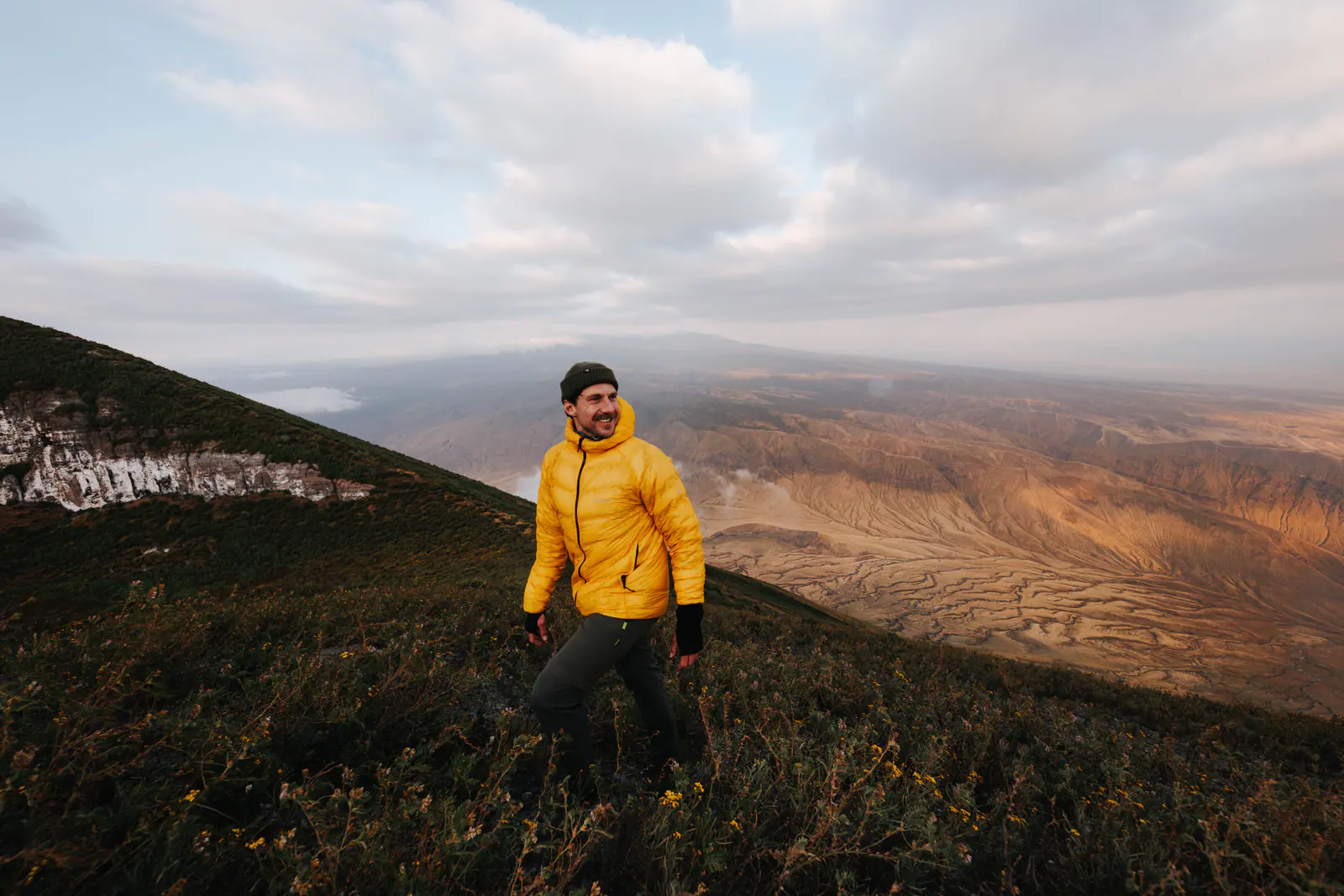
A trekker in a yellow jacket stands on a grassy ridge, with a broad crater and dry valley behind.
03 / 10
Beginner readiness check
Answer five questions for an honest view of whether you are ready, and what to fix first.
Beginner readiness check
Five quick questions. We will tell you honestly whether Kilimanjaro is realistic for you right now, what route and length to aim for, and what to fix before you book.
0 of 5 answered
Answer all 5 questions and your result appears here.
This is general guidance, not medical advice. If you have a heart, lung or blood-pressure condition, or take regular medication, speak to your doctor before booking a high-altitude trek.
04 / 10
Which route and how many days for a first climb
First-time climbers often ask which route is easiest. The more useful question is which route gives your body the most time to adjust, because that is what decides whether you summit and whether you enjoy the process.
Lemosho
Days 8
- Beginner verdict
- Our default first-timer recommendation. Excellent acclimatisation profile, superb scenery, quiet start, gradual build.
Machame
Days 7
- Beginner verdict
- Strong all-rounder. Steeper daily profile than Lemosho and busier, but the classic 'climb high, sleep low' shape works well.
Rongai
Days 7
- Beginner verdict
- Good if you want quieter trails or are travelling in the wetter months: drier northern approach, gentler gradient, less scenic variety.
Marangu
Days 6
- Beginner verdict
- Hut accommodation appeals to nervous campers, but the short profile and steady ascent give the weakest acclimatisation of the popular routes.
Northern Circuit
Days 9
- Beginner verdict
- The best acclimatisation on the mountain if you have the time and budget for a longer trip.
Umbwe
Days 6
- Beginner verdict
- Not for beginners. Very steep, very fast ascent, experienced trekkers only.
Do not book the shortest itinerary you can find. The difference between six days and eight days is a couple of extra nights of cost, and it is the single biggest lever a beginner has over summit success and enjoyment.
05 / 10
Altitude, explained simply
At Uhuru Peak there is roughly half the oxygen per breath that you get at sea level. Your body compensates over days by breathing faster and producing more red blood cells. Give it time and most people adjust well; take it too quickly and you get acute mountain sickness: headache, nausea, poor sleep, loss of appetite and fatigue.
Mild symptoms are common and manageable. What matters is that they are reported honestly and monitored, which is why guides do health checks twice daily with a pulse oximeter and ask the same slightly boring questions every evening. Hiding a headache to avoid disappointing yourself is the most dangerous thing a beginner can do on Kilimanjaro.
Three things reduce your risk, and none of them are about fitness: more days on the mountain, walking slowly enough that you could hold a conversation the entire way, and drinking three to four litres of water a day. Strong walkers are more at risk than weak ones precisely because they find it easy to go too fast early.
Beginner altitude habits that work
- Walk at a pace that feels almost embarrassingly slow, pole pole
- Drink consistently through the day, not in big gulps at camp
- Eat even when your appetite disappears above 4,000m
- Take acclimatisation walks in the afternoon rather than resting flat
- Report headaches and nausea to your guide immediately, every time
- Never take painkillers to hide symptoms so you can keep going
06 / 10
What first-timers most often get wrong
Almost every unsuccessful first climb we hear about traces back to one of a handful of decisions, and nearly all of them were made months before anyone reached the gate.
- Booking a five or six-day itinerary because it was cheaper, then running out of acclimatisation.
- Training on flat ground and in the gym, then meeting real sustained ascent for the first time on day two.
- Buying brand-new boots weeks before departure and summiting with blisters.
- Walking fast on day one because it felt easy at 2,800m.
- Choosing an operator on price alone, then discovering the crew, food and safety kit reflect that price.
- Under-drinking because stopping to use the toilet is inconvenient.
- Packing for the summit but not for the rainforest: day one is often warm and wet.
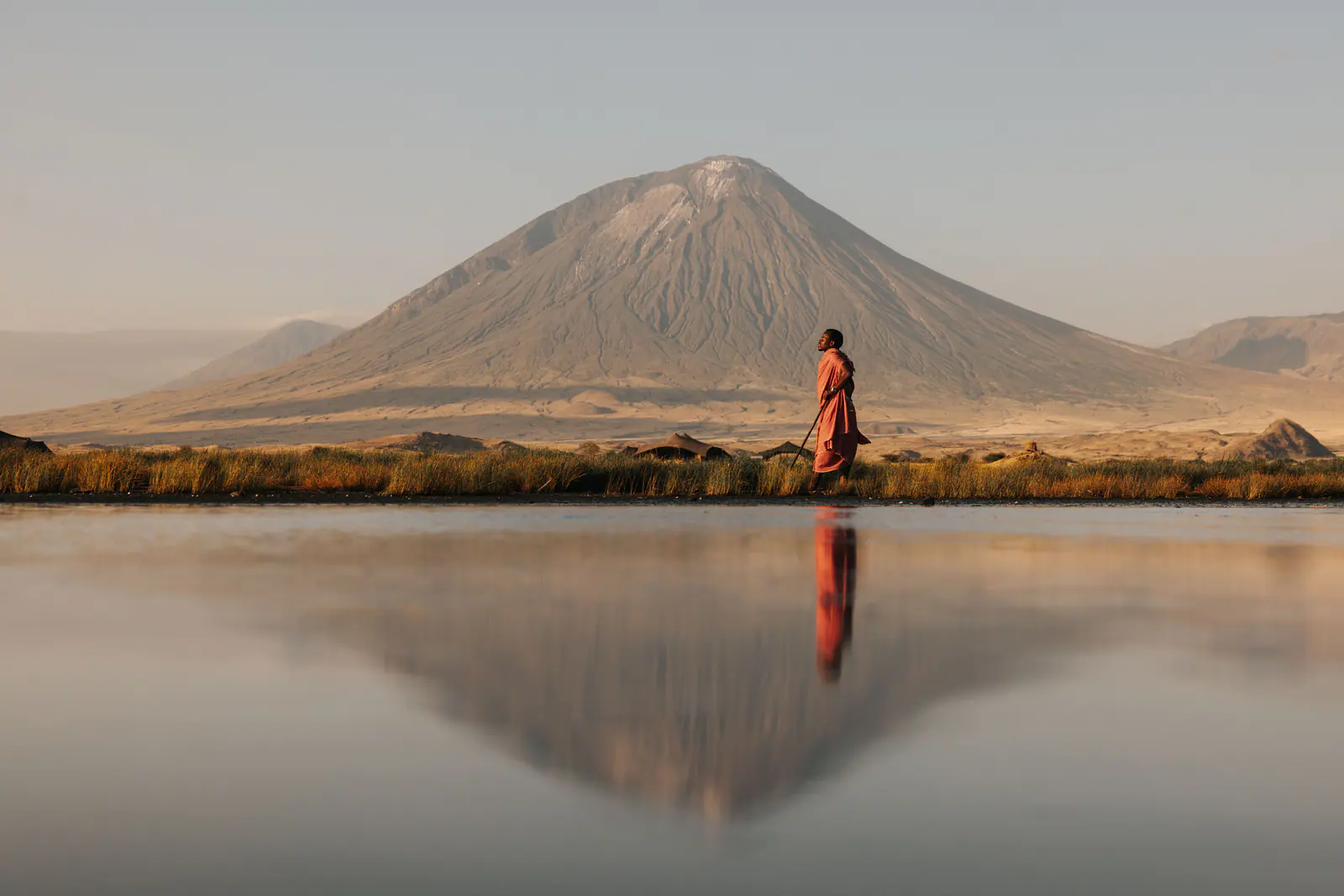
A Maasai man in a red shuka walks along the shore of a still lake, with Ol Doinyo Lengai reflected in the water.
07 / 10
Your first twelve weeks of preparation
A simple build-up from a moderate starting point. Our full training guide expands each phase.
| Weeks | Focus | A typical week |
|---|---|---|
| 1–3 | Build the habit | Three 45-minute walks plus one longer weekend walk of 2–3 hours. |
| 4–6 | Add hills | Two hill sessions, one gym or bodyweight leg session, one 4-hour hill walk at the weekend. |
| 7–9 | Add load and length | Weekend walks of 5–6 hours with a 6–8kg daypack; one back-to-back weekend. |
| 10–11 | Peak | One 7-hour hill day, a second long day the following morning, boots and poles fully tested. |
| 12 | Taper | Short easy walks, sleep, pack, rest your legs before you fly. |
1–3
- Focus
- Build the habit
- A typical week
- Three 45-minute walks plus one longer weekend walk of 2–3 hours.
4–6
- Focus
- Add hills
- A typical week
- Two hill sessions, one gym or bodyweight leg session, one 4-hour hill walk at the weekend.
7–9
- Focus
- Add load and length
- A typical week
- Weekend walks of 5–6 hours with a 6–8kg daypack; one back-to-back weekend.
10–11
- Focus
- Peak
- A typical week
- One 7-hour hill day, a second long day the following morning, boots and poles fully tested.
12
- Focus
- Taper
- A typical week
- Short easy walks, sleep, pack, rest your legs before you fly.
-
Full training guide
Endurance, hills, strength, load carrying and summit-night practice.
Open training guide -
Summit night explained
What the hardest night actually feels like and how to prepare.
Read summit guide -
Safety and altitude
Monitoring, oxygen, evacuation and turnaround decisions.
Read safety guide
08 / 10
Gear without overspending
Beginners routinely spend more on equipment than they need to. Some items must be yours and well used before you travel; plenty of the bulky, expensive things are better rented in Moshi, where quality kit is available for a fraction of the purchase price.
Worth buying and breaking in
- Broken-in waterproof hiking boots
- Merino or synthetic base layers
- Good hiking socks: several pairs
- A daypack that fits you properly
- Sun hat, warm hat, gloves and glacier-grade sunglasses
- Headtorch with spare batteries
Sensible to rent in Moshi
- Down summit jacket
- Four-season sleeping bag
- Insulated over-trousers
- Trekking poles
- Duffel bag for porters
- Gaiters
Our packing list covers every layer in detail, including what to keep in your daypack versus your duffel and what summit night specifically requires.
09 / 10
What a first climb costs and how booking works
A Kilimanjaro price is built from park and camping fees, crew wages, food, transport, camp equipment and hotels, not from a marketing figure. Park fees alone are a substantial per-person, per-day cost set by the park authority, which is why genuinely cheap climbs almost always cut crew pay, food quality or safety equipment instead.
For a beginner, the important comparison is not the headline number but what each quote excludes. Flights, visa, insurance, tips and personal gear sit outside most quotes, and those lines are where two similar-looking prices diverge by hundreds of dollars.
Booking itself is straightforward: enquiry, itemised quote, deposit to secure dates and permits, then balance before departure. We arrange permits, crew and logistics; you handle flights, visa, insurance and training.
-
Kilimanjaro climb cost
Where every part of your money goes, and what cheap quotes leave out.
View cost guide -
Booking process
Enquiry, deposit, permits, insurance and the pre-climb briefing.
See how booking works -
Private first climb
Your own dates, pace and crew, often ideal for nervous first-timers.
Explore private climbs
10 / 10
How Safari Soles approaches this
Tell us your fitness, your travel window and your worries, and we will tell you honestly whether Kilimanjaro is realistic for you now, and what route and length we would actually recommend for a first climb.
If we think you need more months of preparation or more days on the mountain, we will say so before you pay anything.
Common mistakes to avoid
Most unsuccessful climbs come from a handful of avoidable planning decisions, not from the mountain.
- Assuming Kilimanjaro requires mountaineering skill, and never seriously considering it.
- Assuming it is easy because it is a walk, and booking too few days.
- Training only on flat ground or in a gym.
- Buying new boots close to departure.
- Walking too fast in the first two days because the altitude has not bitten yet.
- Hiding altitude symptoms from the guide to avoid being turned around.
- Choosing an operator on price without asking how crew are paid and what safety kit is carried.
Get these right and the climb follows
Every one of these comes down to the same thing: matching the route and the day count to the climber before booking anything. Send us your dates and we will tell you honestly what is realistic.
Plan this climb with a local expertQuestions worth asking any operator
Ask these of any operator you are comparing, including us. The answers tell you more about a climb than the price does.
- How many days are on the mountain, and how many are genuine acclimatisation days?
- What route do you recommend for a first-time climber, and why that one?
- What is the guide-to-climber ratio, and how often are health checks done?
- What safety equipment is carried: pulse oximeters, emergency oxygen, stretcher?
- How experienced is my lead guide with nervous first-timers?
- What is excluded from the price: tips, gear rental, insurance, visa, flights?
- How are porters paid, and how are their loads weighed?
- What happens if I have to turn back before the summit?
What Safari Soles puts in writing
Everything below is confirmed before you pay, so nothing about your climb is left to be discovered on the mountain.
-
Your route, day count and acclimatisation profile
Confirmed in writing before you pay, with our honest view on whether the number of days suits you.
-
How your health is monitored on the mountain
The daily check routine and who is responsible for it are explained at your pre-climb briefing.
-
First-aid and emergency response for your itinerary
You are told what travels with the climb and what happens at each camp if someone needs to descend.
-
Who is on your crew and what each person does
Lead guide, assistant guides, cook and porters are set out for your group size, not left vague.
-
Porter load handling for your climb
Duffel limits and how loads are weighed are confirmed before departure, so there are no gate surprises.
-
Tent, sleeping mat and dining arrangements
Camp comfort is described in the quote rather than discovered on the first night.
-
Meals, drinking water and hot drinks
How your food is cooked and your water treated is explained, including dietary requirements.
-
Gear rental list, sizes and prices
Shared before you shop, so you buy what matters at home and hire the rest on arrival.
-
An itemised quote with fees shown separately
Park and camping fees, crew, equipment, transfers and hotels appear as their own lines.
-
Tipping guidance for your group size
The customary range and how tips are collected are agreed before you fly, in writing.
Local Kilimanjaro operators, licensed crew, honest guidance
Written and reviewed by the Safari Soles team in Arusha, who plan and run Kilimanjaro climbs from beside the mountain rather than brokering them from an overseas office.
- Reviewed by the Safari Soles Kilimanjaro planning team
- Updated for 2026 climbing seasons
- Route and day count matched to your fitness and altitude history
- Daily health monitoring and descent decisions agreed before you book
- Read Safari Soles reviews on TripAdvisor
- Read Safari Soles reviews on SafariBookings
- Read Safari Soles reviews on Google
Where these facts come from (4)
- UNESCO: Kilimanjaro National Park The World Heritage listing for Kilimanjaro National Park, which records Africa's highest point at 5,895m.
- TANAPA: Tanzania National Parks Official park authority information on regulations, park fees and permitted activities.
- Tanzania Tourist Board Government tourism information on travelling in Tanzania, seasons and destinations.
- Tanzania Immigration: eVisa Official portal for visa requirements and online applications before you travel.
Related Safari Soles guides
Continue with the guides travellers usually read next.
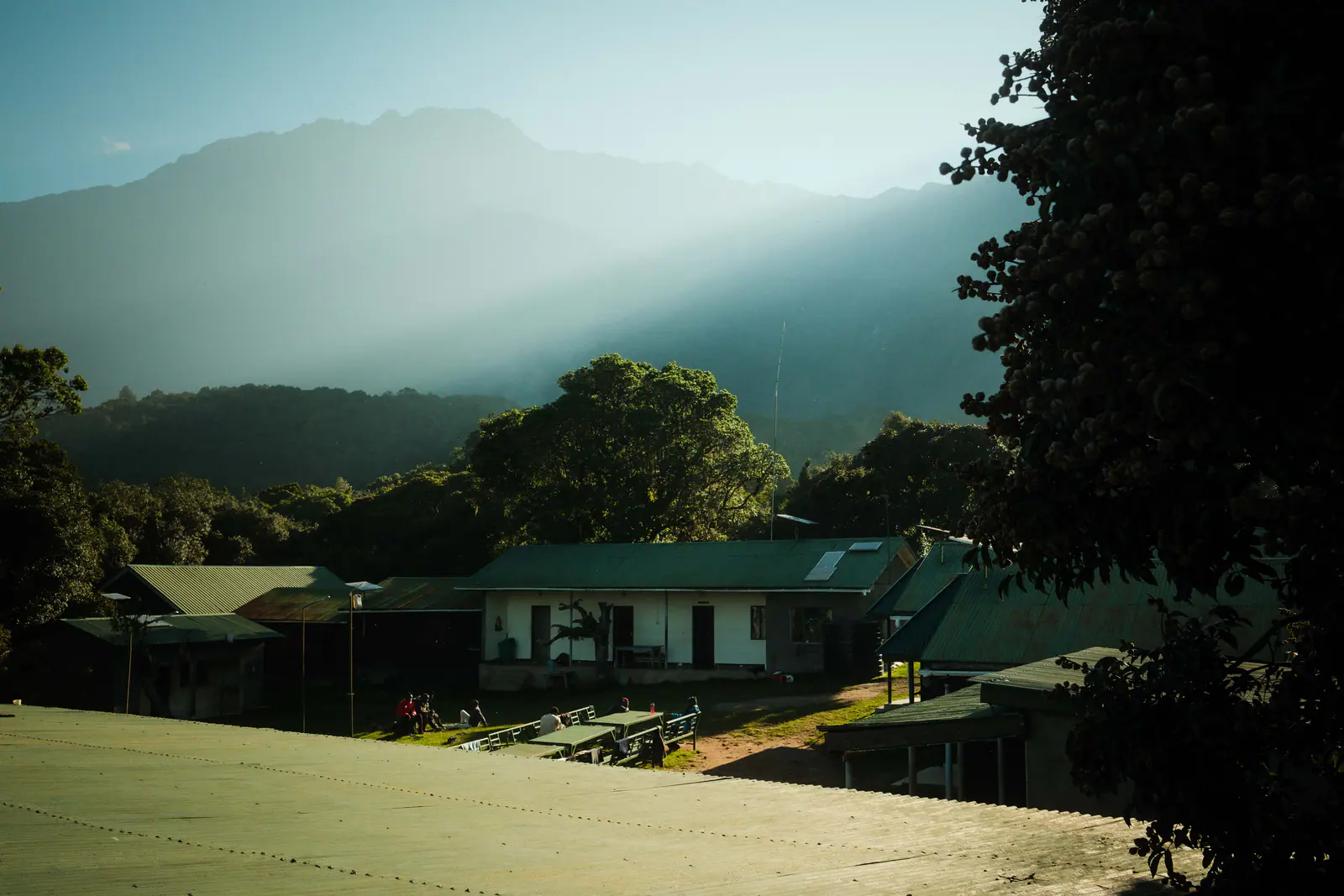 Kilimanjaro Altitude Sickness Recognising early symptoms, understanding acclimatisation and knowing when to descend. Safety
Read the guide
Kilimanjaro Altitude Sickness Recognising early symptoms, understanding acclimatisation and knowing when to descend. Safety
Read the guide
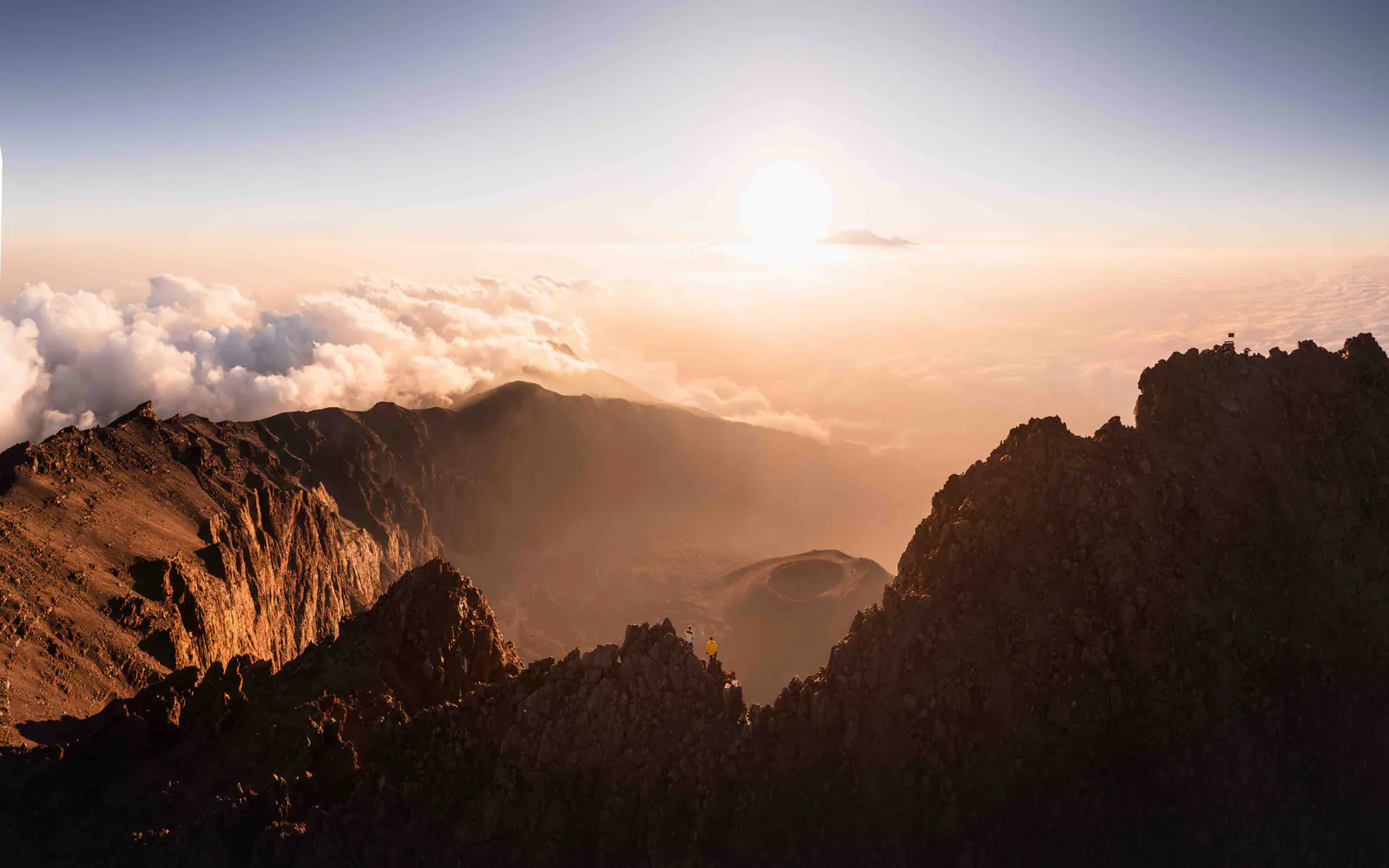 Kilimanjaro Training Guide A practical build-up of hill walking, loaded hikes, stamina and back-to-back days before you fly. Preparation
Read the guide
Kilimanjaro Training Guide A practical build-up of hill walking, loaded hikes, stamina and back-to-back days before you fly. Preparation
Read the guide
 Kilimanjaro Packing List Layer by layer gear checklist covering boots, sleeping systems, summit-night warmth and what to rent locally. Preparation
Read the guide
Kilimanjaro Packing List Layer by layer gear checklist covering boots, sleeping systems, summit-night warmth and what to rent locally. Preparation
Read the guide
Frequently Asked Questions
-
Yes. Kilimanjaro is a trekking peak with no technical climbing on the standard routes, so beginners with no mountaineering background summit every week. What you need is the ability to walk six to seven hours a day for several consecutive days, and an itinerary long enough to acclimatise.
Not sure if you're ready? Ask us honestly
Send us your fitness level, travel window and what worries you most, and our Tanzania mountain team will tell you plainly whether Kilimanjaro is realistic now, plus the route, day count and preparation we would recommend for a first climb. Message us on WhatsApp at +255766322264 or explore the full trip range at safarisolestours.com.