Rwanda
- Mountain gorillas and rainforest primates
- Compact multi-ecosystem route
- Akagera for Big Five savannah safari
- Scenic road travel between regions
 English
 Deutsch
 Français
 Español
 Italiano
 Português
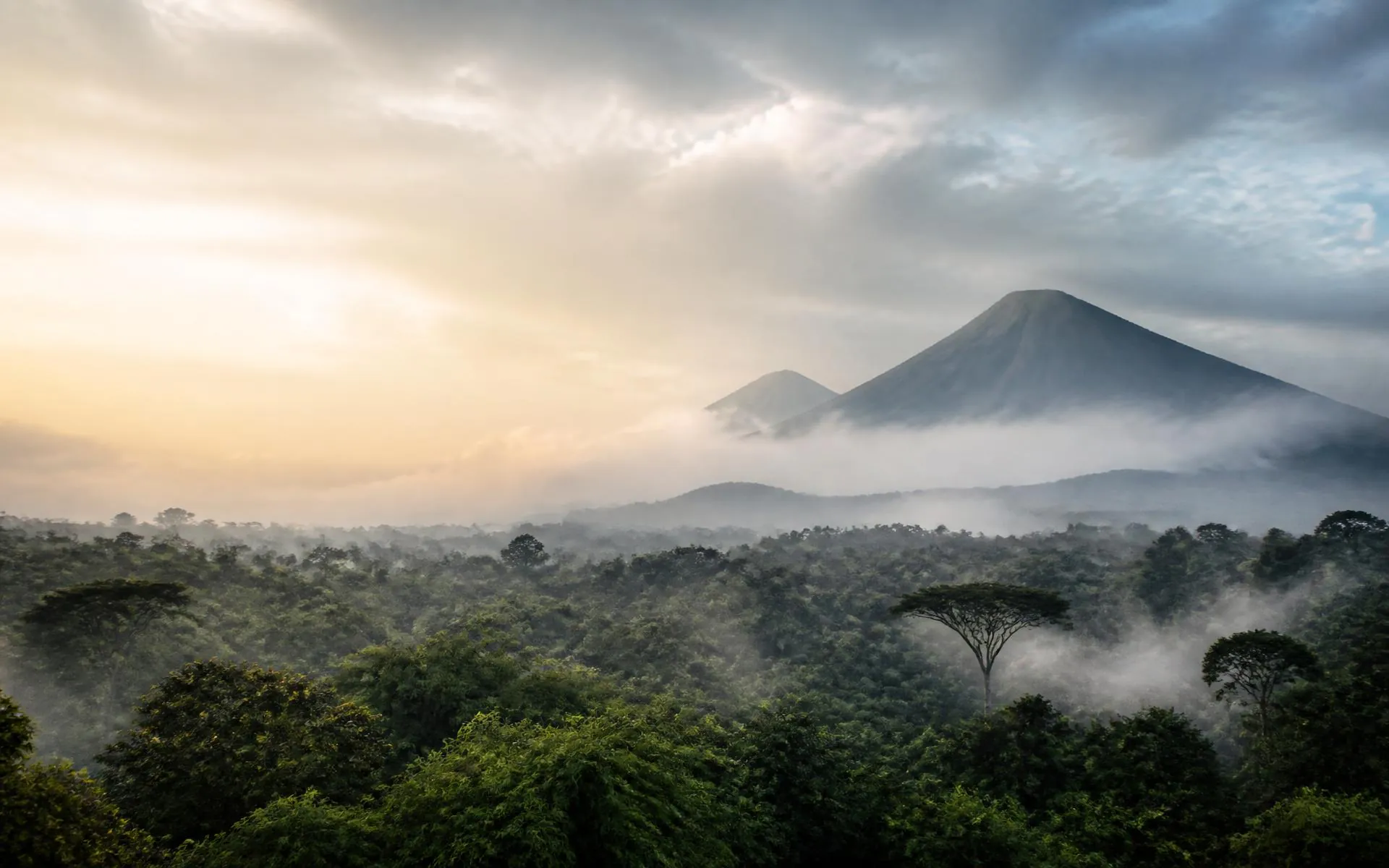
Rwanda safari guide
Rwanda is compact enough to combine mountain gorillas, Big Five safari, chimpanzee rainforest and Lake Kivu in one journey — but the experiences are very different from one another. This guide explains how the pieces fit together before you start choosing parks or booking permits.
Content reviewed 16 September 2026 · Official sources listed at the end of this guide
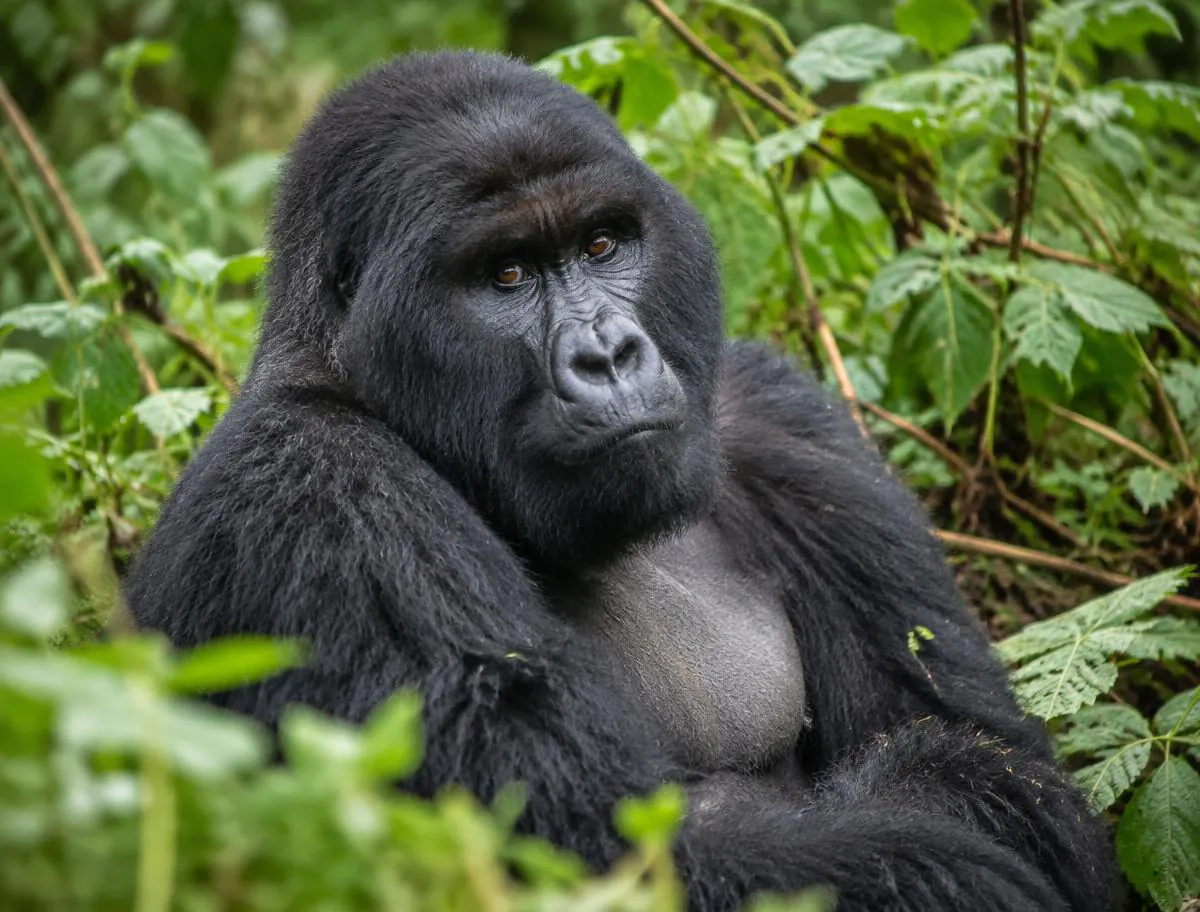
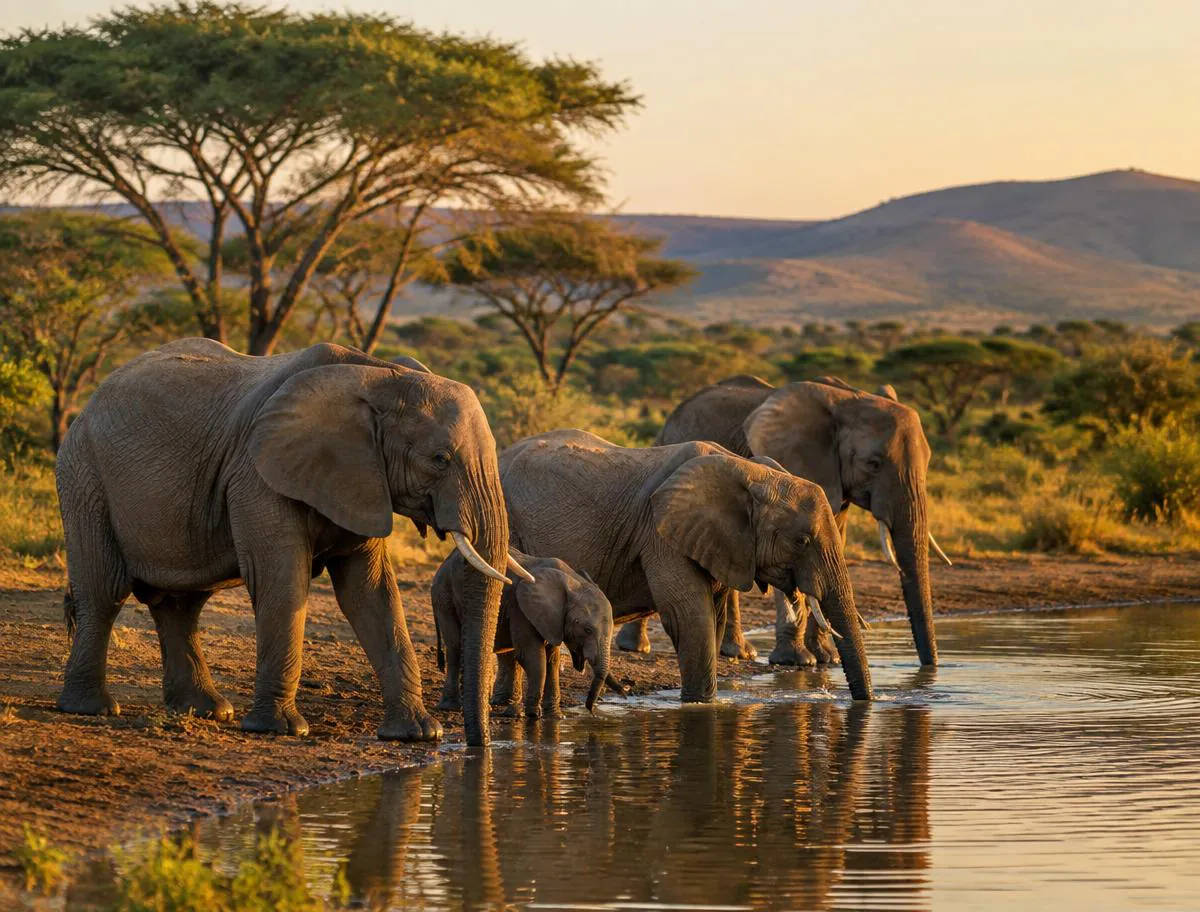
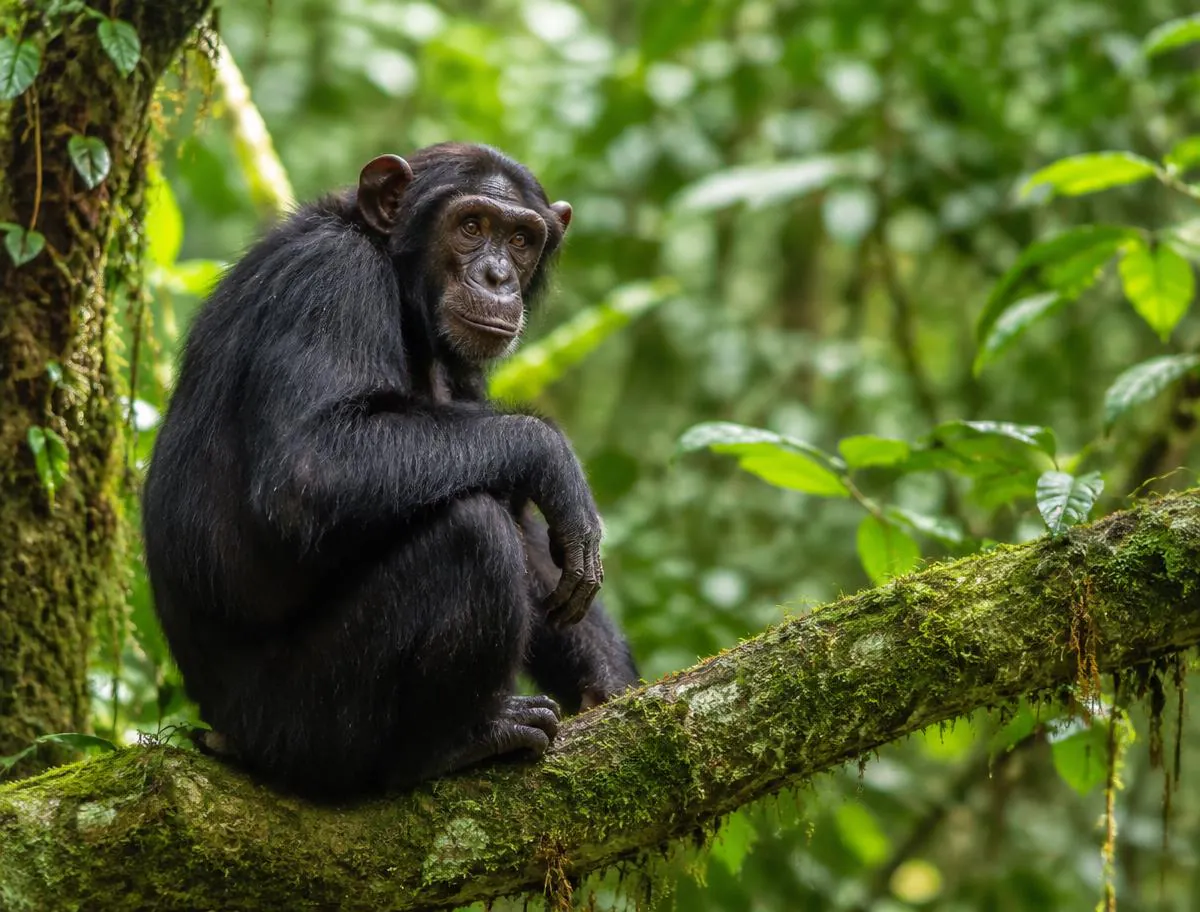
Kigali, the capital, is the gateway that starts and ends almost every one of these routes.
Start here
Most people arrive at Rwanda through a single image: a gorilla in dense green forest. That image is accurate, and the encounter behind it is genuinely one of the most remarkable wildlife experiences in the world. It is also, on its own, an incomplete picture of what a Rwanda trip can be.
The useful way to think about Rwanda is not as one destination with one activity, but as three distinct wildlife environments within a few hours' drive of each other, plus a lake and a capital city that make the route work. The country is small, and that compactness is the single most important planning fact about it: in a week or slightly more you can walk into montane forest to see gorillas, drive through open savannah looking for elephant and lion, and hike a rainforest trail after chimpanzees.
This page is written for someone starting from zero. It explains what each place actually is, what you would do there, how the pieces connect, roughly how long you need, what drives the cost, and which deeper guide to read once you know what kind of trip you want.
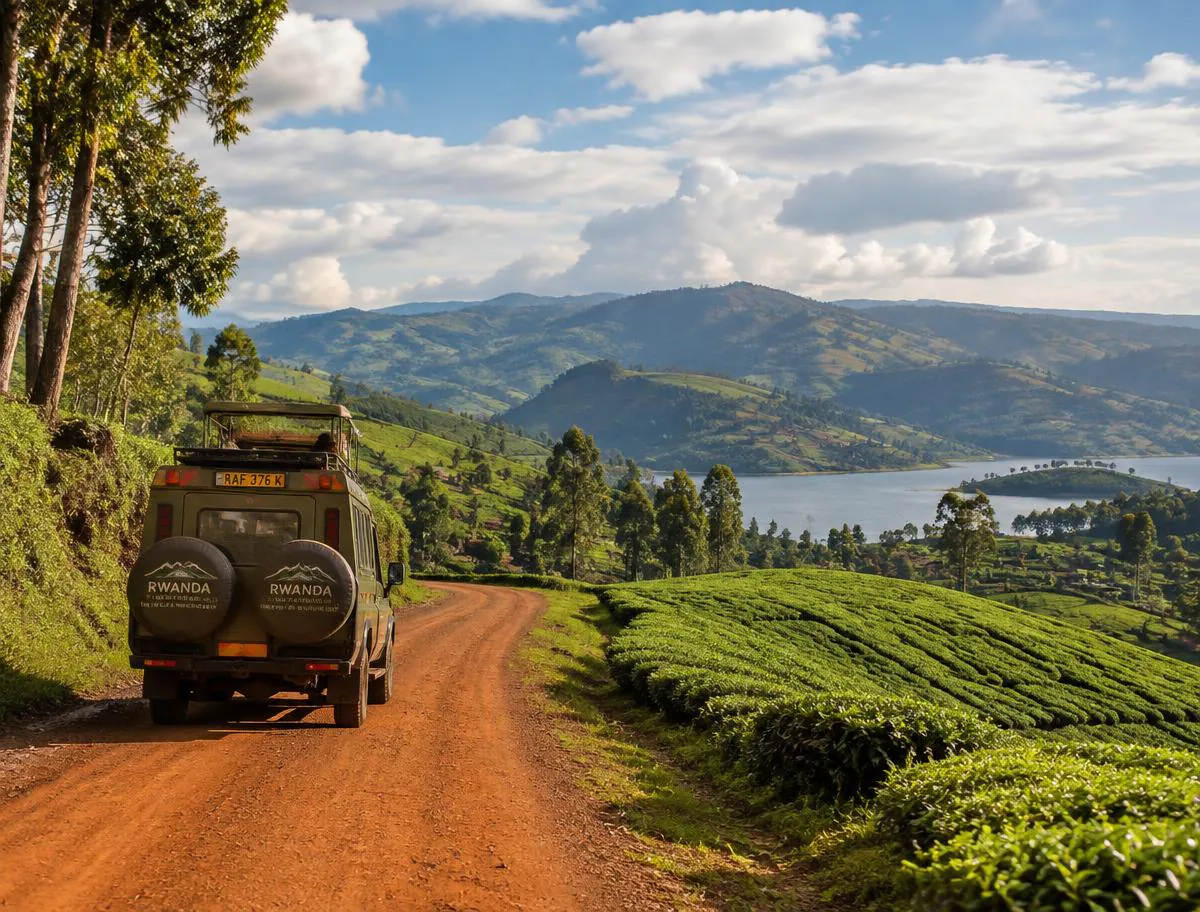
Rwanda is not better or worse than Kenya or Tanzania; it is a different shape of trip. Rwanda's major regions can be connected by road, making road-based itineraries practical. Some broader circuits use air transfers to reduce long cross-country legs. The drives are scenic — terraced hills, tea estates, forest edges — and the three parks are not three versions of the same place: montane forest on volcanic slopes, savannah and wetland, and old rainforest.
Rwanda is the weaker choice if the purpose of your trip is many consecutive days of classic savannah safari across several very large ecosystems — the Serengeti, Ngorongoro, the Maasai Mara, the great migration. Akagera is a real and rewarding Big Five park, but it is one savannah park, not a circuit of them.
Rwanda pairs particularly naturally with Tanzania; the Rwanda + Tanzania safari guide explains how to sequence the two countries.
How it works
Four steps shape almost every Rwanda itinerary, in this order. A Rwanda safari is not one activity repeated daily — each step changes the kind of day you have.
 01
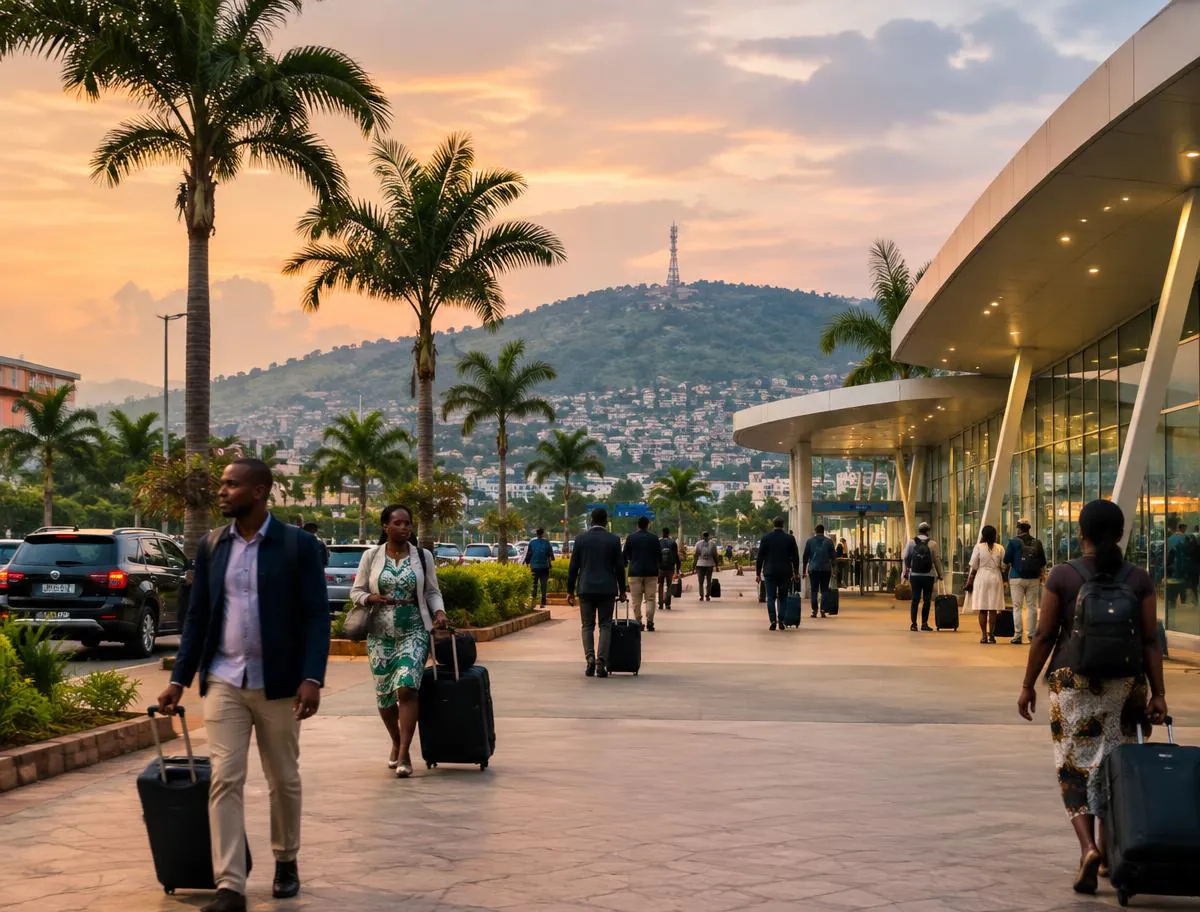
Almost every international itinerary begins in the capital before moving out to the national parks. An arrival night here is sensible insurance against a delayed flight.
02For many travellers the anchor is gorilla trekking, but it can equally be an Akagera safari, Nyungwe's chimpanzees, or a full country circuit. Choose one before choosing anything else.
 03
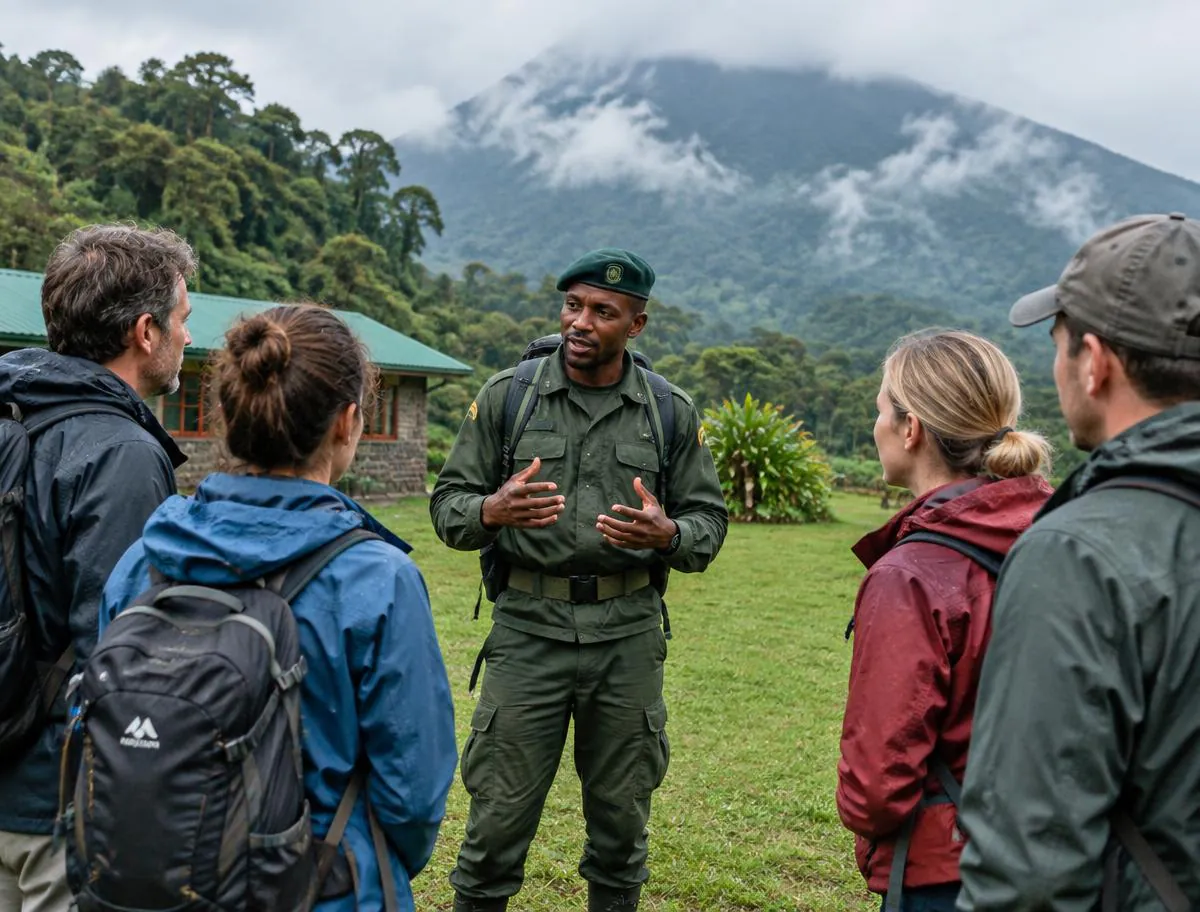
Gorilla and primate activities need advance planning and fixed dates, so they should set the order of the route rather than being slotted in afterwards.
04The experience changes completely between mountain forest, savannah, rainforest, lake country and city. A Rwanda safari is not the same activity repeated every day.
Where to go
Learn these five names and the rest of Rwanda planning becomes straightforward. Each one does a different job in an itinerary.
Northwestern Rwanda, on the Virunga Massif shared with Uganda and the DR Congo. This is where mountain gorilla trekking happens, alongside golden monkey trekking and hikes on volcanic peaks including Karisimbi and Bisoke. The town of Musanze is the usual gateway and base.
Explore Volcanoes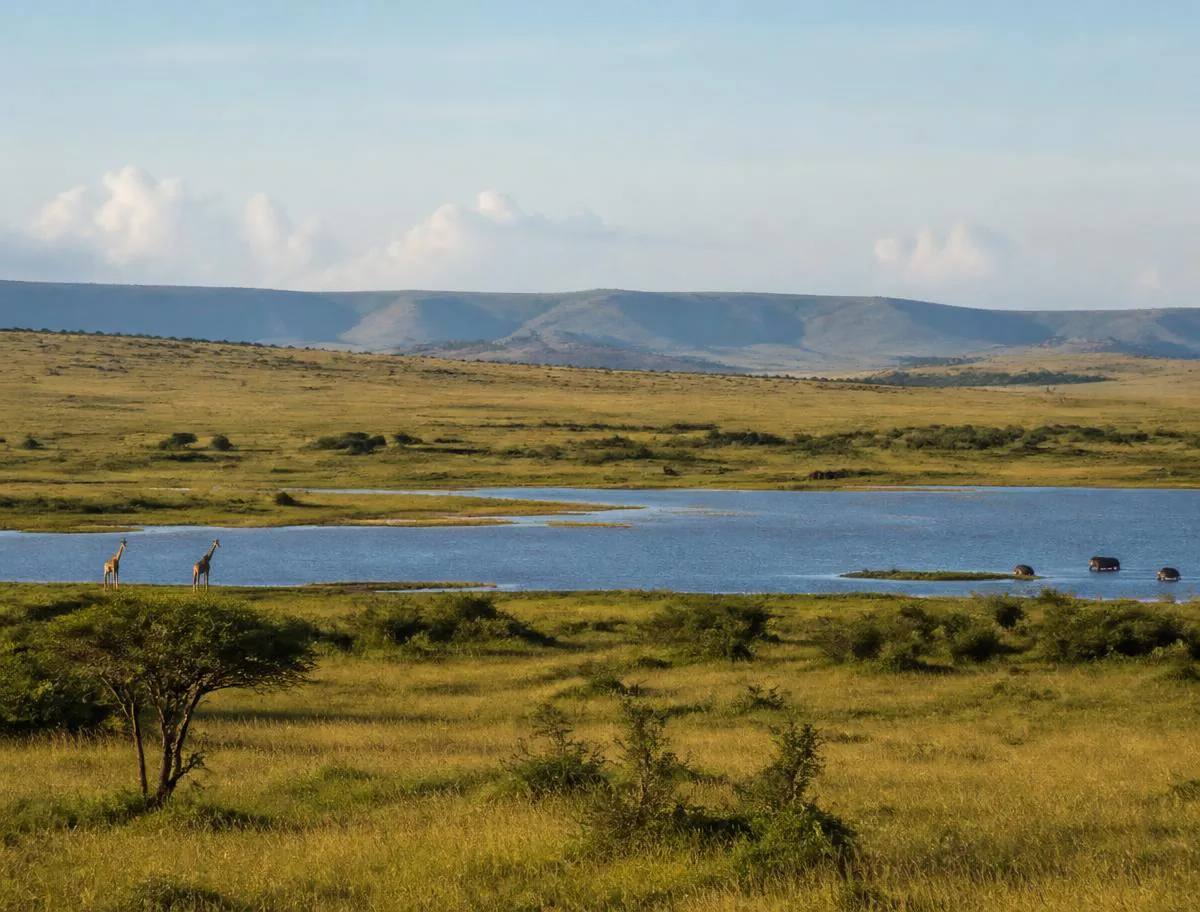
Eastern Rwanda, on the Tanzanian border. Savannah, woodland, wetlands and a chain of lakes. Akagera is again home to the Big Five, and wildlife viewing happens both on game drives and on boat trips on Lake Ihema.
Explore Akagera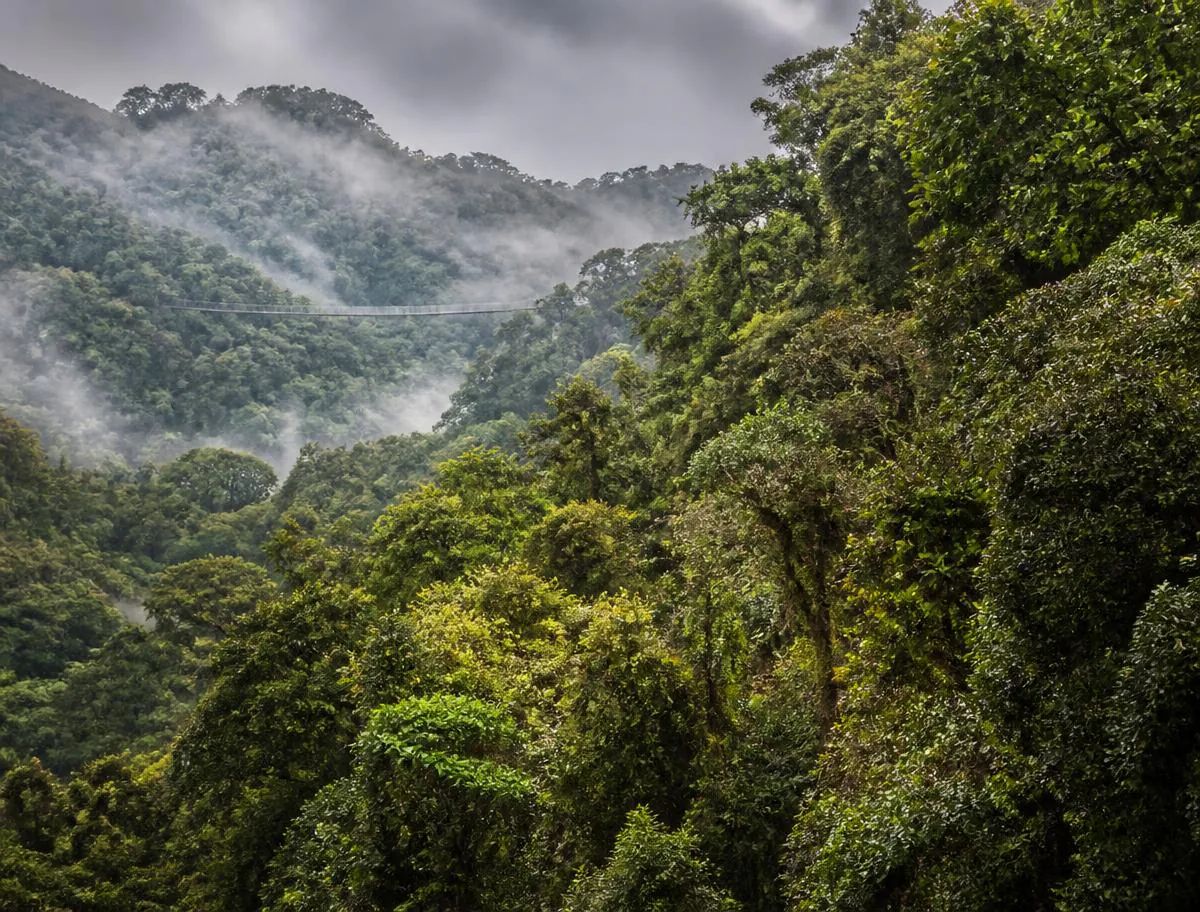
Southwestern Rwanda. One of Africa's large surviving montane rainforests, inscribed as a UNESCO World Heritage property in 2023. Chimpanzee tracking, other primates, long forest trails, a canopy walkway and exceptional birding.
Explore Nyungwe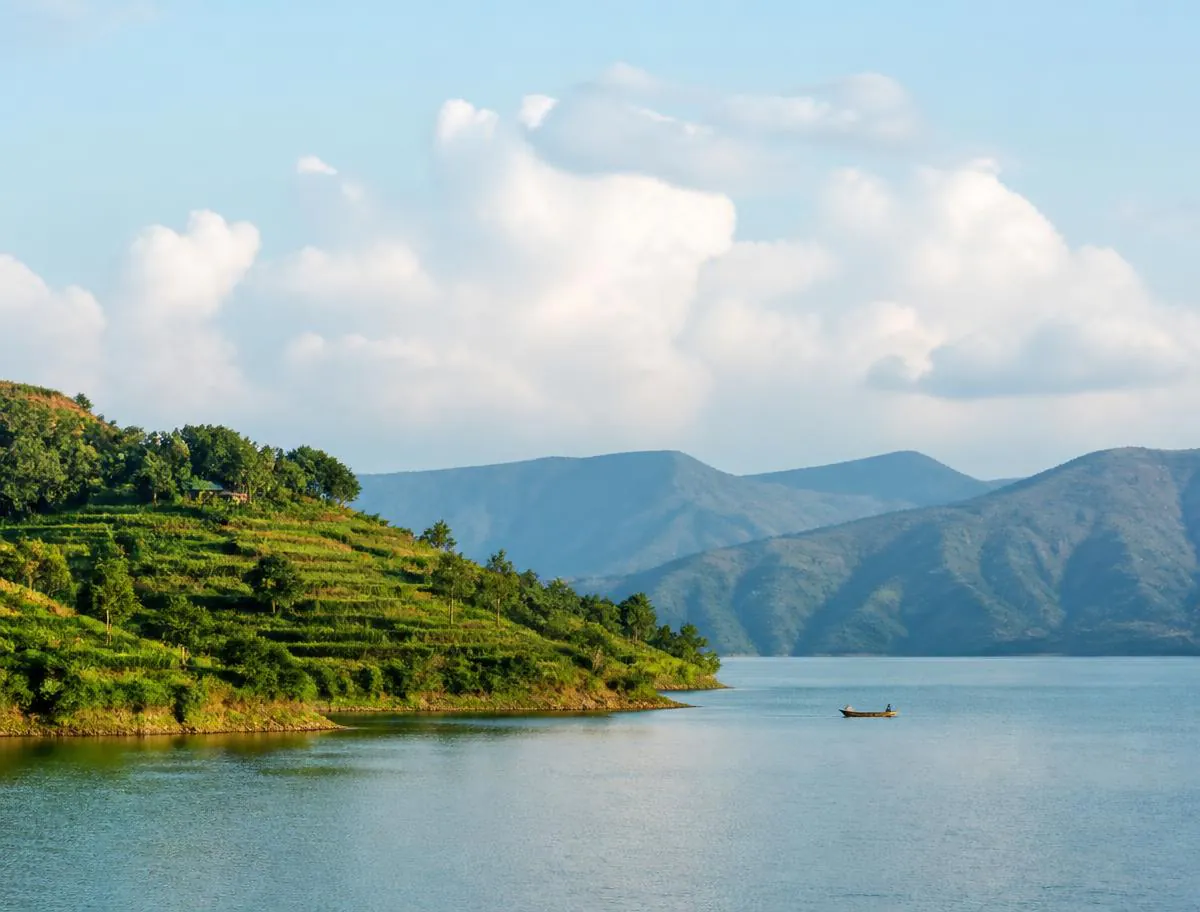
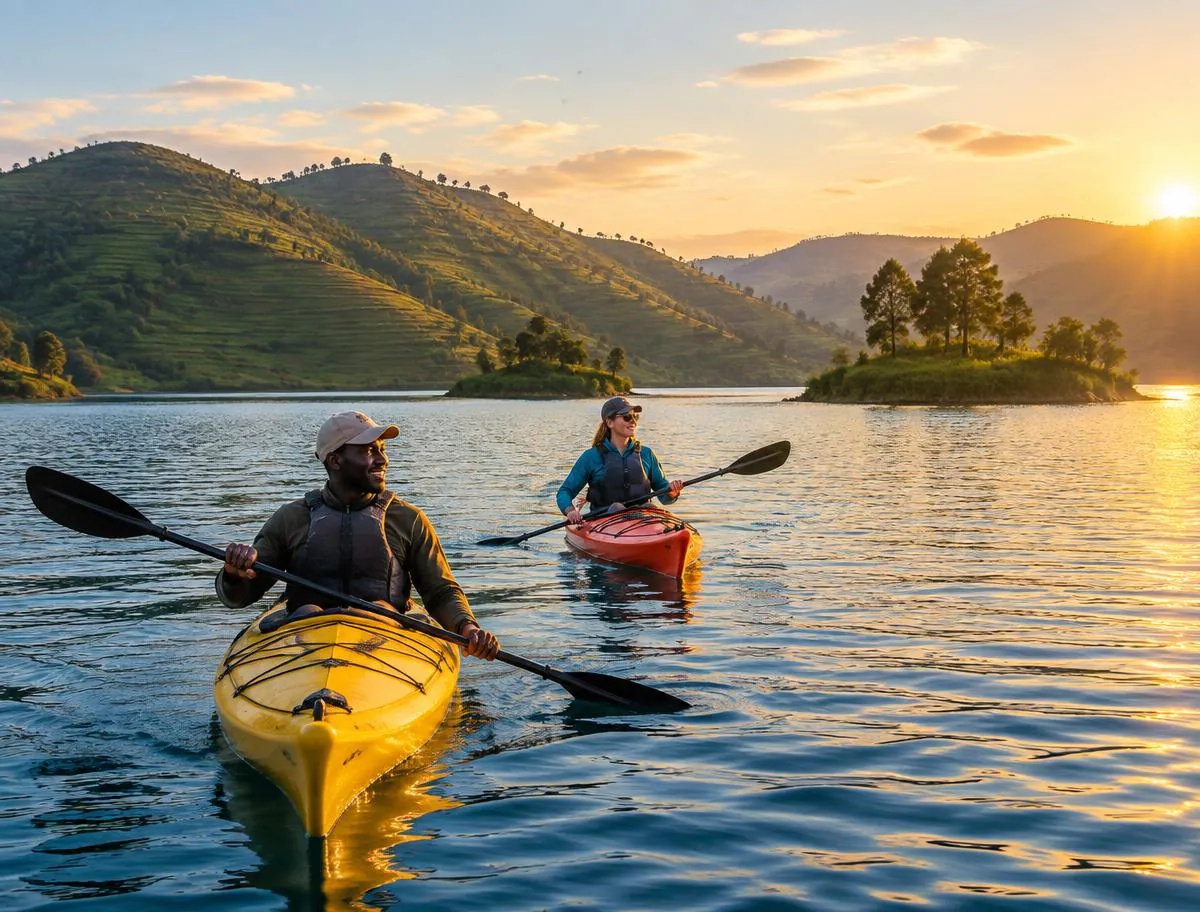
Western Rwanda, along the Congolese border. Not a wildlife area — a lake with shoreline stays, kayaking, boat time and cycling. Rubavu, at the northern end, sits roughly an hour from Volcanoes, which makes it a natural place to slow down after trekking.
Explore Lake Kivu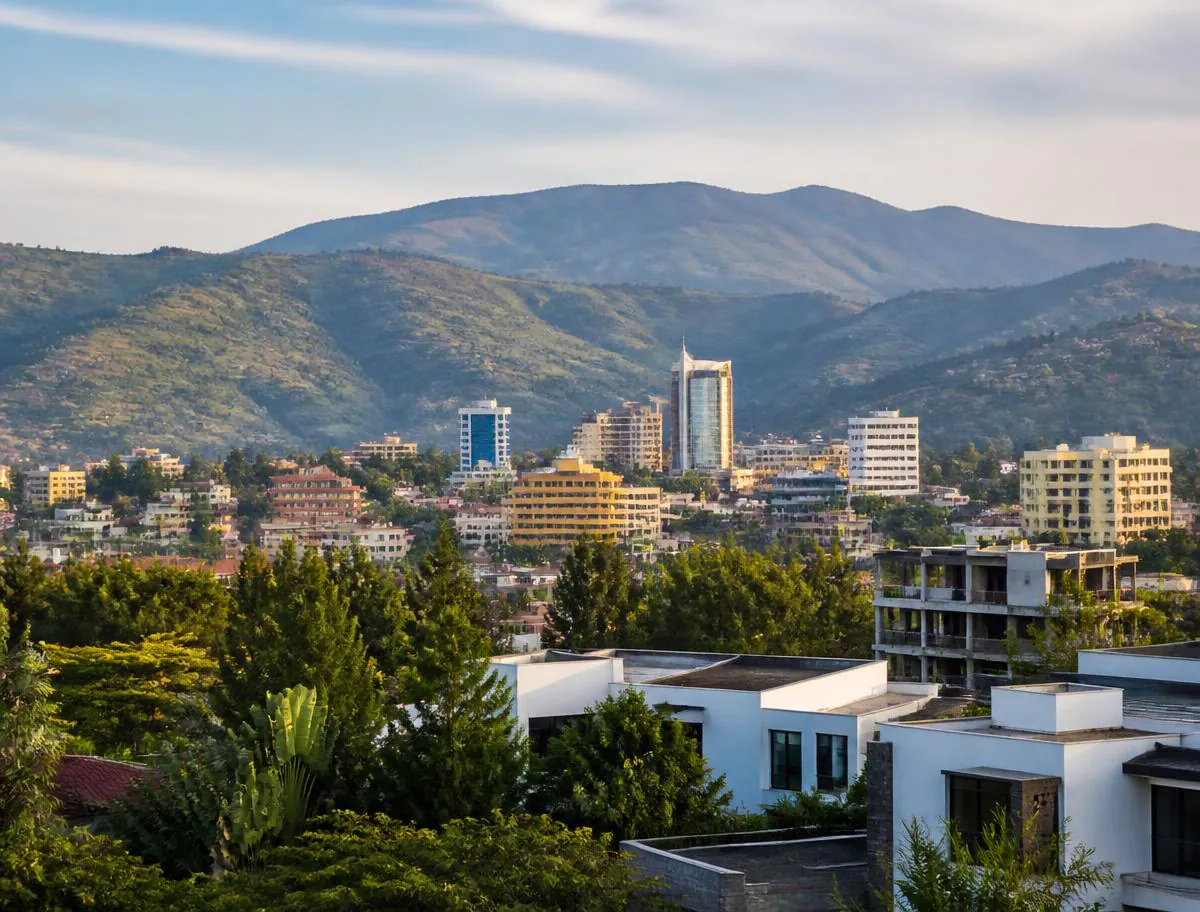
The capital and the country's main international gateway. Almost every Rwanda trip starts and ends here, and most routes pass back through it. It also carries the country's most significant memorial and cultural sites, and rewards more than a single transfer night.
Explore KigaliAkagera National Park sits on the Tanzanian border, about two and a half to three hours east of Kigali. It is a mosaic rather than a single landscape: open savannah, acacia woodland, papyrus wetland and a chain of lakes. Alongside the game drive you can take a boat trip on Lake Ihema among hippos, crocodiles and water birds. It does not have the scale or migration spectacle of the Serengeti or the Maasai Mara; what it has is genuine Big Five country, far fewer vehicles at a sighting, and one of Africa's most-discussed conservation recovery stories. Two nights is a reasonable starting assumption.
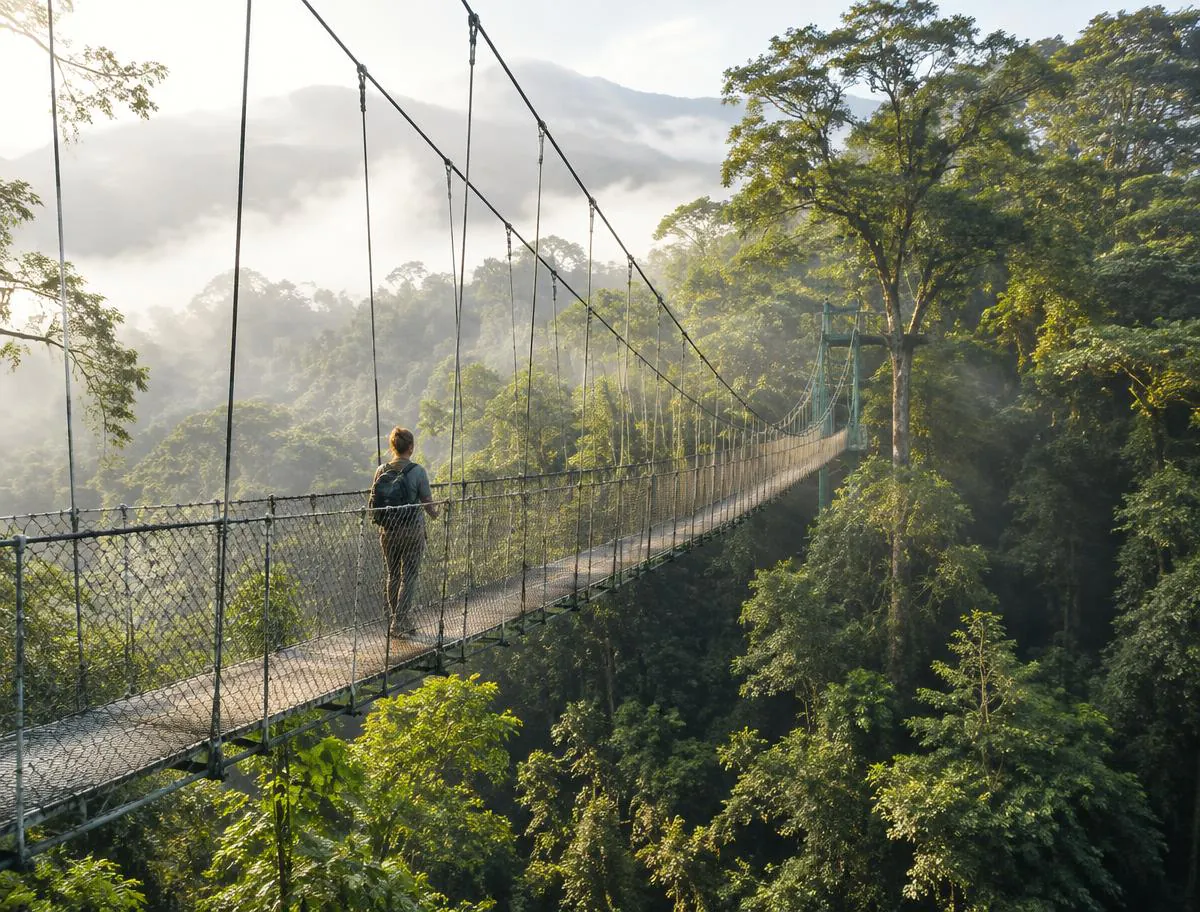
Nyungwe in the southwest is a large montane rainforest — cool, wet and dense. The headline activity is chimpanzee tracking: like gorilla trekking it means walking with trackers, but chimpanzees move quickly and high, so the experience is more fleeting and less certain, and starts are often before dawn. Beyond chimpanzees there are large troops of colobus monkeys, a network of forest trails, a suspended canopy walkway and birding that attracts specialists. Nyungwe was inscribed as a UNESCO World Heritage property in 2023 for its rainforest biodiversity and primate habitat. It is the furthest region from Kigali, so it rewards at least two nights and sits awkwardly in a short trip.
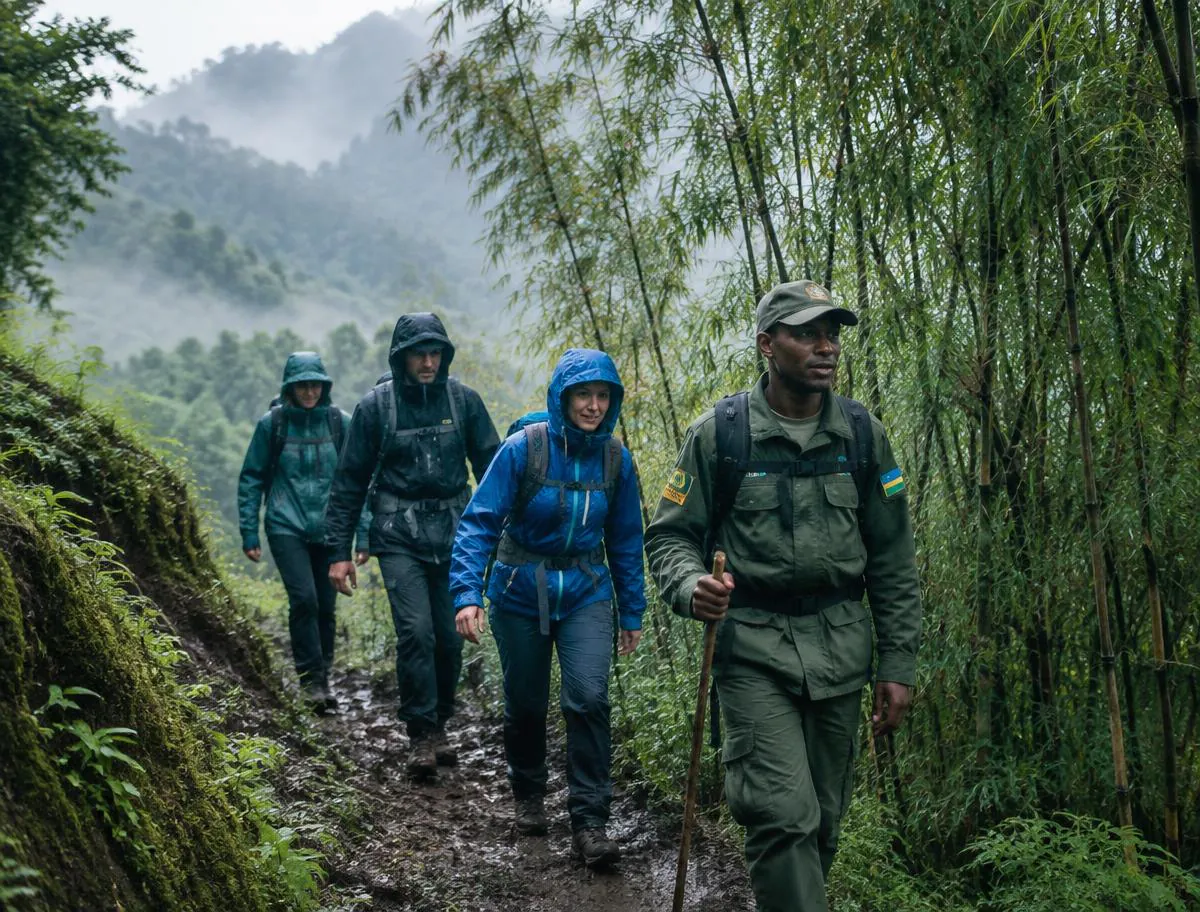
Northwestern Rwanda, on the Virunga Massif shared with Uganda and the DR Congo. This is where mountain gorilla trekking happens, alongside golden monkey trekking and hikes on volcanic peaks including Karisimbi and Bisoke. The town of Musanze is the usual gateway and base.
Lake Kivu is a very large freshwater lake along the western border, with lakeside towns and hills running down to the water. Rubavu, at the northern end, is roughly an hour from Volcanoes, which is why Visit Rwanda positions the lake as a natural place to relax after gorilla trekking. In an itinerary it does four jobs: recovery after a hard trek day, scenery that is not another park, active but unhurried time on the water or a bike, and a logical waypoint between the northwest and the southwest. Beginners often cut it first because it has no game drives — usually the wrong cut.
Kigali holds the international airport, sits centrally, and starts and ends most routes. An arrival night before a gorilla trek is sensible insurance against a delayed flight. Beyond logistics the city is worth half a day to a day in its own right: hillside neighbourhoods, a strong food and coffee culture, markets, art and design. Kigali also holds the country's principal memorial sites relating to the 1994 genocide against the Tutsi. Many visitors choose to include one; it is a place of remembrance and historical record rather than a sightseeing attraction. Allow unhurried time if you go, and do not schedule it directly against a flight.
Definitions first
The word safari covers three very different kinds of day in Rwanda. Knowing which one you are picturing is the first real planning decision.
You walk into montane forest with park rangers and guides to spend a regulated period with a habituated family of mountain gorillas. Habituated means the group is used to brief, controlled human visits. There is no vehicle involved once you reach the trailhead — this is a hike, and the length of it depends on where the gorillas moved overnight.
This is the experience most people picture when they hear the word safari: a game drive, meaning slow driving through open country in a safari vehicle with a guide, looking for elephant, buffalo, lion, rhino, giraffe, zebra and antelope. Akagera is savannah, woodland, wetland and lakes, and it is the only part of Rwanda where this style of wildlife viewing happens.
Primate trekking means walking forest trails with trackers to find chimpanzees, colobus monkeys and other primates. Nyungwe is a large montane rainforest, so the days are built around hiking, birding and a canopy walkway rather than driving. Sightings are less predictable than in open savannah, and the walking is the point as much as the animals.
These are not competing options. Many visitors combine two, and a longer trip can include all three — but they demand different clothing, fitness, pacing and expectations.
Kigali and Volcanoes National Park, usually three to four days, sometimes with golden monkey trekking or a night beside Lake Kivu added on. The permit date fixes everything else, so this shape is built backwards from it.
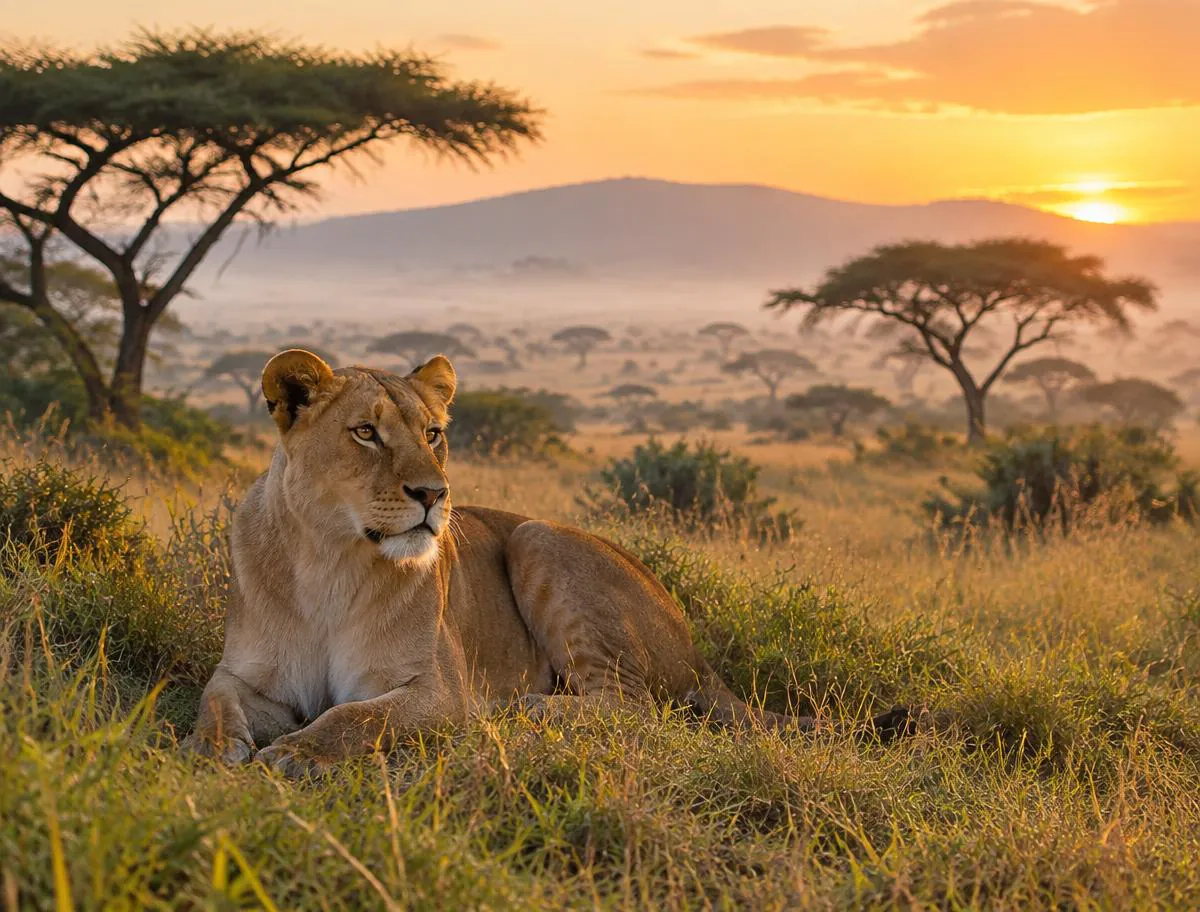
Kigali and Akagera National Park in the east, with game drives morning and afternoon and usually a boat trip on Lake Ihema. It is the only part of Rwanda where the vehicle-based safari most people picture actually happens.
Nyungwe National Park in the southwest, generally reached through Lake Kivu or on a long drive from Kigali. Early starts, steep trails and a canopy walkway, with sightings less predictable than in open country.
Volcanoes, Nyungwe and Akagera with Kigali and usually a Lake Kivu night. Eight to ten days. This is the shape that shows how different the three wildlife regions really are from one another.
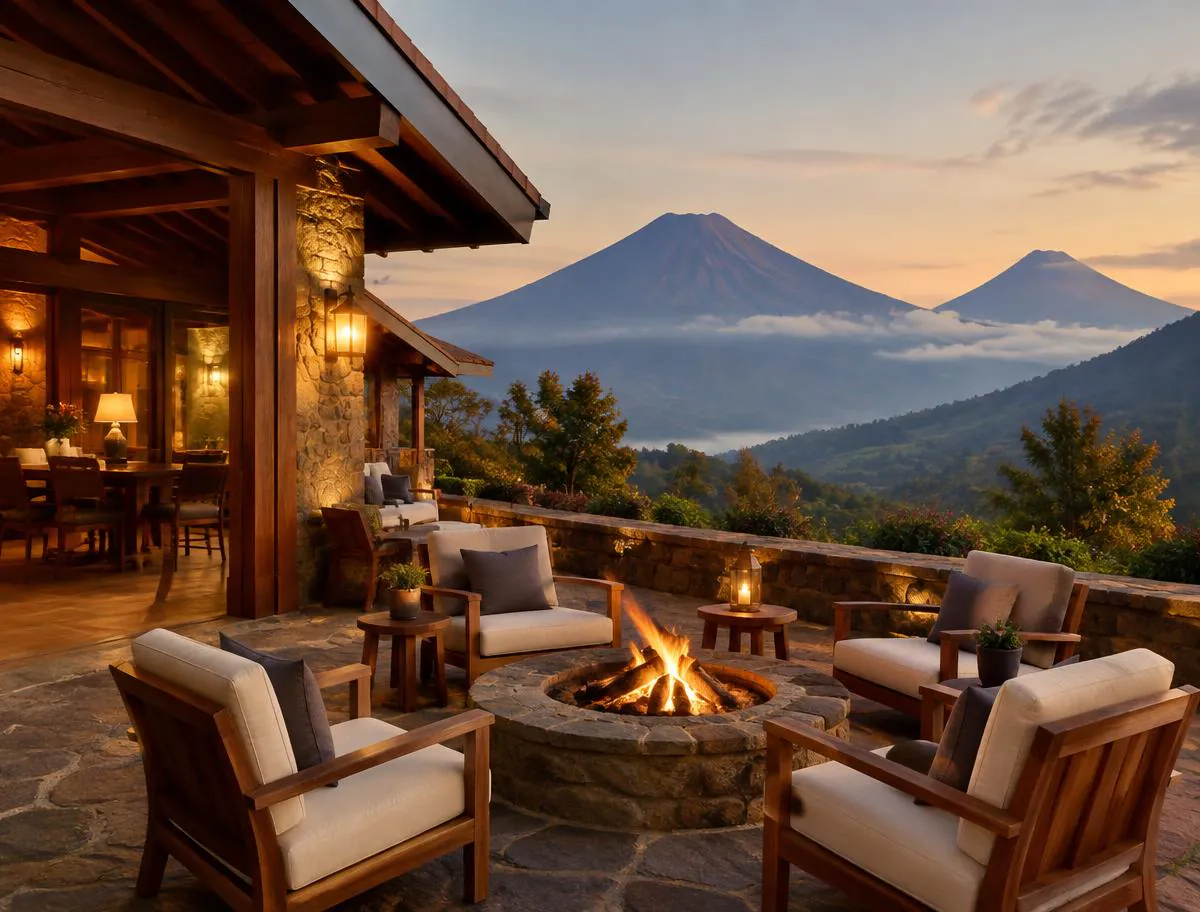
Rwanda has invested heavily at the top end, particularly around Volcanoes and Nyungwe. Small lodge capacity, private guiding and short transfers make a slower, high-comfort route straightforward to build.
Rwanda supplies mountain gorillas and rainforest primates; Tanzania supplies the Serengeti and Ngorongoro. The two halves share almost nothing, which is precisely why the combination works rather than repeats.
Wildlife
Rwanda's wildlife is best understood by ecosystem rather than as one long species list — what you can see depends entirely on which park you are standing in.
VolcanoesForest and bamboo on volcanic slopes.
AkageraSavannah, wetland and lakeshore.
NyungweMontane rainforest.
A necessary caution: no park guarantees sightings. Akagera is home to the Big Five, but leopard in particular is seen rarely anywhere in Africa, and chimpanzees in Nyungwe move fast through dense forest. Gorilla trekking has a high success rate because the groups are habituated and tracked daily, but nothing in wildlife travel is promised.
Volcanoes National Park · Virunga MassifThe signature experience
Gorilla trekking takes place in Volcanoes National Park, in the northwest, roughly two to three hours by road from Kigali.
On the morning of the trek you gather at the park headquarters for a briefing and are allocated to a gorilla family, then drive to a trailhead and walk into the forest with park personnel. How long you walk is unpredictable — sometimes under an hour, sometimes most of the morning. The terrain is steep in places, often muddy, and at altitude, so ordinary fitness matters more than athleticism. A permit is required, and permit availability is one of the first constraints to check, before flights are booked.
Permit details checked: 16 September 2026. The Rwanda Development Board booking portal currently lists the minimum age as 15 and the foreign-visitor permit fee as USD 1,500. Permit rules and prices can change — confirm current conditions on the RDB mountain gorilla tracking booking page before booking.
Read the full Rwanda Gorilla Trekking GuideTiming
Rwanda has a tropical highland climate: much of the country sits at altitude, so it is milder and greener than people expect from a country almost on the equator.
Official Visit Rwanda weather guidance identifies rainy periods broadly from mid-February to May and from mid-September to mid-December, with the named dry season from June to mid-September. Roads and forest trails are generally easier in that dry period. Check live permit and lodge availability for the exact dates being considered rather than assuming a published sell-out pattern. Akagera in the east is noticeably warmer and lower than the Virunga highlands.
Three pieces of nuance matter more than the headline seasons: gorilla trekking runs year-round; drier conditions mostly make the walking easier rather than the wildlife better; and rain can fall in any month at these altitudes, so a waterproof travels with you regardless.
Visit Rwanda identifies this as the country's dry season, with easier trail and park-road conditions. Fixed-capacity activities should still be checked for the exact dates being considered.
Rainier and noticeably lush. Forest trekking can be muddier underfoot, and a proper waterproof matters more than usual.
Safari Soles planning interpretation: this interval sits outside Visit Rwanda's two named rainy periods, but Visit Rwanda does not classify it as a second dry season. Conditions can still vary by region and elevation.
The wettest stretch of the year. Parks stay open and gorilla trekking continues, but roads and forest trails are harder work.
For the full month-by-month picture, see the best time to visit Rwanda guide.
Build your trip
Kigali sits centrally. Volcanoes is north, Akagera is east, Nyungwe is southwest and Lake Kivu runs down the western edge. Almost every route is a loop out from the capital and back.
Conceptual circuit
The most varied shape, requiring a measured pace and careful permit-led order.
What decides the order is rarely the map. It is your gorilla permit date, which parks matter most to you, how many days you have, where you can get the accommodation you want, and how your flights are timed.
Approximate driving times are deliberately omitted here. Road journey estimates will be published once verified rather than repeated from secondary sources.
Interactive
Set a trip length and choose what matters. The tool returns a starting point, not a final itinerary.
A focused route with space to experience each landscape.
Budget
Rather than quote a daily rate we cannot yet stand behind, here is the structure a Rwanda quote is actually built from.
Currently USD 1,500 per person for foreign visitors, as listed by the Rwanda Development Board. On a short gorilla-focused trip this single line can rival the cost of several nights of accommodation.
Akagera entry and game-drive fees, Nyungwe chimpanzee and canopy-walk activities, golden monkey trekking. Each region adds its own charges.
Rwanda has everything from simple guesthouses to some very high-end lodges, particularly around Volcanoes. This is usually the largest swing factor in a quote.
Most Rwanda trips are driven. A private vehicle with a driver-guide for the full route costs more than shared or road-transfer arrangements, and more days on the road means more of it.
Every additional region adds transfer time, another set of fees and often another minimum-stay requirement. A tighter route is usually a cheaper route.
Private activities, helicopter or light-aircraft transfers where offered, and exclusive-use arrangements. These are add-ons rather than the baseline.
One known figure, dated: the foreign-visitor gorilla permit is currently listed by the Rwanda Development Board at USD 1,500 per person, checked 16 September 2026. On a short gorilla-focused trip that single fixed cost can be the largest line in the budget, which is why comparing only a price per day is misleading. Continue with the Rwanda safari cost guide or the gorilla trekking cost guide for detailed budgeting.
Practicalities
Rwanda asks for a slightly different bag from a savannah-only safari, because you will be walking in wet forest at altitude as well as driving in warm open country.
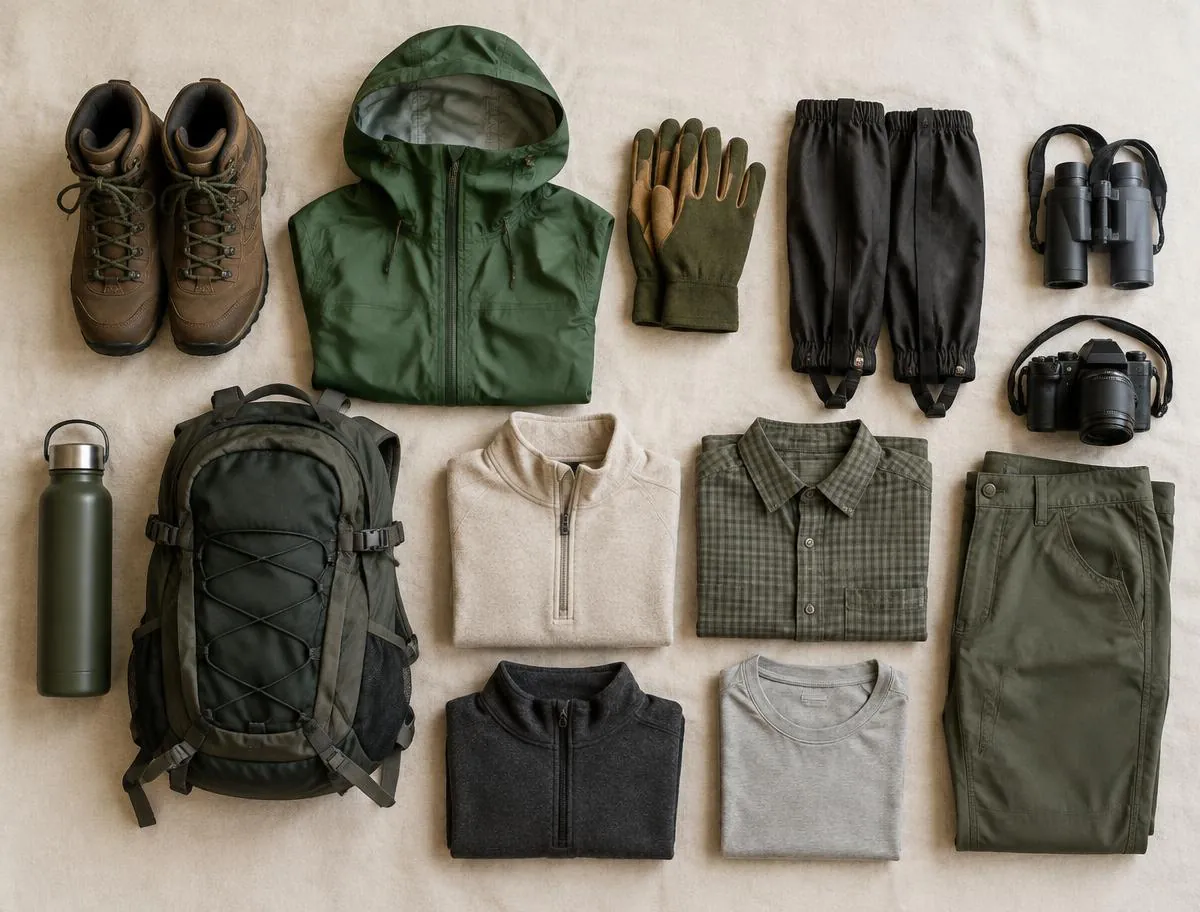
Official Volcanoes guidance specifically recommends sturdy clothing, solid walking shoes and a lightweight waterproof for rain; gaiters help in wet conditions. Health and vaccination questions should go to a travel health professional. For the complete clothing, footwear and equipment checklist, use the Rwanda safari packing list.
What it feels like
The days are not interchangeable. That variety is the strongest argument for planning the order of the route carefully.
An early breakfast and the drive to the park headquarters.
Briefing, allocation to a gorilla family, then the drive to a trailhead.
The walk into the forest, which may last under an hour or most of the morning, and a strictly limited period with the gorillas.
The walk out and an afternoon that is usually deliberately empty.
Rwanda works best when the itinerary deliberately alternates demanding trekking mornings with slower scenic or game-drive days. Operators structure days differently, so treat these as typical rather than universal.
Planning
Six decisions, in the order that causes the least backtracking.
01Gorillas, Big Five, chimpanzees or the complete circuit. Everything downstream is easier once this is settled, and trying to give all four equal weight is the most common way a Rwanda plan stalls.
02Three to four days covers one main focus. Five to seven covers two major regions. Eight to ten covers a broad circuit. Official Rwandan tourism publishes three-, six- and nine-day examples, which shows these lengths are plausible rather than mandatory.
03Gorilla permits in particular, and chimpanzee activities where they matter to you. Permit availability is one of the first constraints to check, before flights are booked.
04Accommodation style, whether you want a private vehicle and driver-guide for the whole route, and whether any part of the trip is worth upgrading. This is the largest swing factor in a quote.
05Kigali is central, Volcanoes is north, Akagera is east, Nyungwe is southwest and Lake Kivu runs down the western edge. Squeezing every region into a short trip turns the holiday into a series of drives.
06Rwanda pairs naturally with Tanzania, and can be combined with Kenya or a coastal extension afterwards. Add a second country only when the Rwandan half is already comfortable rather than compressed.
Enough for a single anchor experience and the travel around it. In practice that usually means Kigali plus Volcanoes for gorilla trekking, or Kigali plus a short Akagera safari. It is a real trip, not a compromise, but it does not leave room for a second region.
A practical shape for a first visit. Gorillas plus Akagera gives you primates and classic savannah safari. Gorillas plus Lake Kivu gives you the trek and genuine recovery time. Gorillas plus Nyungwe is the primate-led version, though the drive south is long enough to need planning.
Volcanoes, Nyungwe and Akagera with Kigali and usually a Lake Kivu night. This is where Rwanda's range becomes the point: three genuinely different ecosystems in one country. Rwanda's official tourism material publishes a nine-day three-parks-plus-Kivu circuit, which is useful evidence that the shape is plausible.
Official Rwandan tourism publishes three-, six- and nine-day examples. These shapes follow that logic as planning references only; they are not Safari Soles itineraries and carry no operational timings.
A good fit if you value short drives and varied experiences over vast wilderness. Rwanda's major safari regions can be connected by road, making road-based itineraries practical. Some broader circuits use air transfers to shorten longer cross-country legs.
The strongest fit. Rwanda's trekking is in Volcanoes, reached in a few hours by road from Kigali, which makes it one of the more straightforward ways to build a trip around gorillas.
Akagera delivers a genuine Big Five safari and is well worth including. If the whole point of the trip is many consecutive days of savannah game viewing across several large ecosystems, it is fair to also compare Kenya and Tanzania.
Rwanda has invested heavily at the top end, particularly around Volcanoes and Nyungwe. Privacy, small lodge capacity and short transfers suit an unhurried, high-end route.
Unusual range for one country: gorillas in dense green forest, volcanic silhouettes, rainforest canopy, and open savannah with water. Forest light is challenging and worth preparing for.
The important limitation: the minimum age for gorilla trekking is currently 15. Families with younger children need to plan around that — Akagera, Lake Kivu, golden monkeys where age rules allow, and Kigali all remain open.
Fitness and health questions — altitude, mobility, terrain confidence — are personal and should be discussed with a medical professional rather than resolved from a travel page.
Getting there
Rwanda is one of the more straightforward East African countries to move around, largely because of its size. Kigali sits centrally, and the regions loop out from it.
Official immigration guidance currently states that accepted travel documents generally need at least six months' validity.
Requirements, categories and fees vary by nationality and visitor status — there is no single rule that applies to everyone.
Kigali International Airport is the primary gateway, and an arrival night before an early activity is sensible insurance.
Rwanda's major regions can be connected by road. Some broader circuits use air transfers to reduce long cross-country legs.
The primary international gateway and the start and end of almost every route. Its central position is part of why Rwandan circuits loop out from the capital and back rather than running one-way across the country.
Rwanda's major regions can be connected by road, making road-based itineraries practical. Some broader circuits use air transfers to reduce long cross-country legs. Official tourism material notes the country is easy to explore by car, with the main park circuit passing through varied scenery. Verified journey times will be published once confirmed rather than repeated from secondary sources.
Light-aircraft and helicopter transfers exist in the market and are sometimes used to shorten long legs, particularly to the southwest. Specific services, routes and prices are not listed here until verified.
Checked 16 September 2026. Entry rules depend on your nationality and visitor category, and can change at short notice. Always verify with the Directorate General of Immigration and Emigration before travel. Before travel, review the current Rwanda entry requirements.
Where to stay
Accommodation in Rwanda is chosen as much for position as for comfort, because the activities start early and the trailheads are fixed.
Gorilla lodges and premium forest or mountain stays clustered around Musanze, chosen largely for how early you can reach the trekking headquarters on your permit morning.
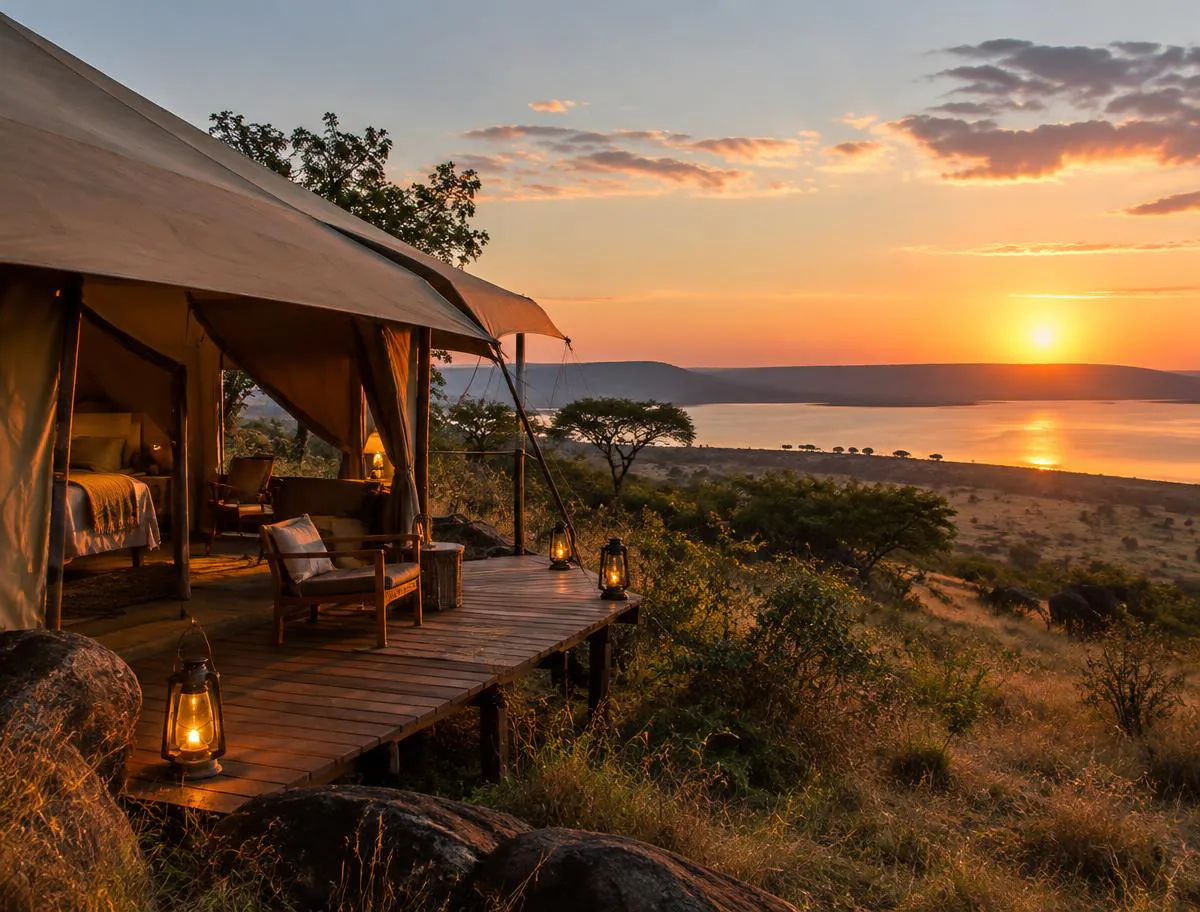
Park lodges and tented camps in savannah or lakeside settings, where the atmosphere of the stay is part of the safari rather than just a bed between drives.
Forest lodges and tea-country style properties near the tracking areas, which matters because chimpanzee starts are the earliest of any Rwandan activity.
Resorts and boutique lakefront stays built around relaxation, water activities and slower days rather than wildlife access.
City hotels and boutique properties, used for arrival and departure nights, route transitions and time in the city itself.
Comfortable, well-run properties chosen for practical routing. The wildlife experience is the same; the surroundings are simpler.
Stronger locations, better service and more considered design, often shortening morning drives to trailheads or park gates.
Premium lodges with privacy, space, high service levels and unhurried routing. Rwanda's top-end properties, particularly near Volcanoes, include some very high-end lodges.
Nightly rates are deliberately not quoted here. Compare where to stay by region in the Rwanda safari lodges guide.
Responsible travel
In Rwanda the link between what a visit costs and what it protects is unusually direct, and worth understanding before you book.
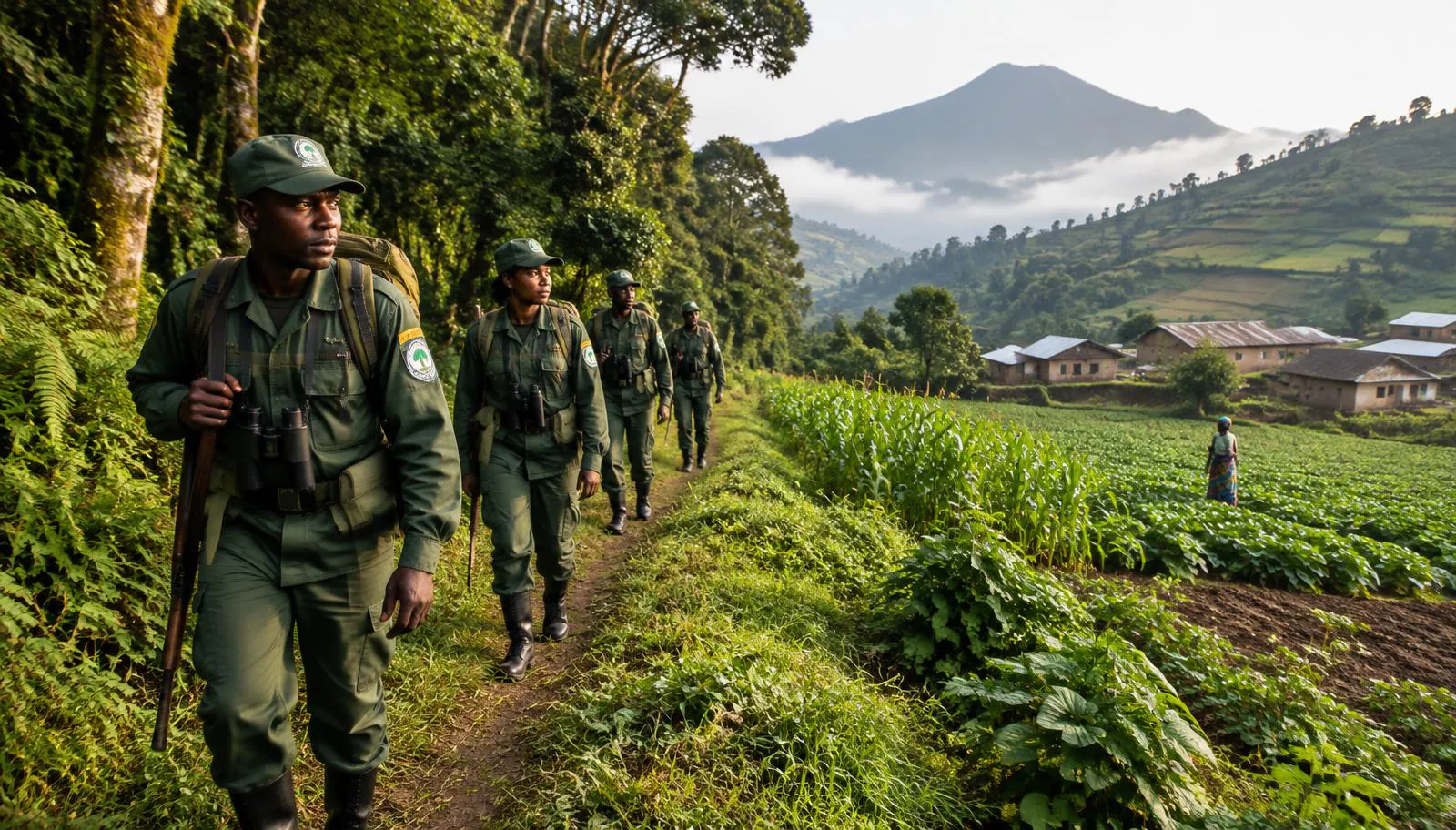
Official Visit Rwanda material notes that revenue from gorilla permits supports gorilla conservation and the communities living around Volcanoes National Park. The permit price is high partly because it funds protection of a small, recovering population and the people who live alongside it.
Akagera's wildlife has been rebuilt over the past two decades, including the reintroduction of lions and rhinos, which is why the park is described as a Big Five destination again today. Visiting is part of what sustains that work.
Nyungwe was inscribed as a UNESCO World Heritage property in 2023 for its exceptional rainforest biodiversity and globally important primate habitat. It is one of the largest surviving montane rainforests in the region.
Follow ranger instructions without negotiation, keep the required distance from wildlife, never feed animals, take waste out with you, respect the time limits on primate visits, and do not pressure guides for closer or longer encounters than the rules allow.
FAQ
Yes, with a caveat worth understanding. Rwanda offers mountain gorilla trekking, chimpanzee and rainforest trekking, and a classic Big Five game-drive safari in Akagera — all within a compact country. It is not the place for a two-week savannah-only game-drive itinerary across several huge ecosystems; that is Kenya and Tanzania's strength.
No. Gorilla trekking in Volcanoes National Park is the signature experience, but Akagera in the east is a savannah park with the Big Five, and Nyungwe in the southwest is a rainforest known for chimpanzees and other primates. Rwanda's own tourism material promotes circuits combining all three parks with Lake Kivu.
Yes, in Akagera National Park, which is again home to lion, leopard, elephant, buffalo and rhino. As anywhere, sightings are never guaranteed and leopard in particular is rarely seen. The rest of Rwanda's wildlife areas are forest, not savannah, so Akagera is the only place this applies.
Three to four days covers one main objective, usually gorillas plus Kigali. Five to seven days allows two major regions. Eight to ten days allows the broad circuit of Volcanoes, Nyungwe and Akagera with Kigali and Lake Kivu. Official Rwandan tourism itineraries illustrate three-day, six-day and nine-day shapes.
The Rwanda Development Board currently lists the gorilla trekking permit at USD 1,500 per person for foreign visitors, checked 16 September 2026. Different rates apply to other visitor categories. Prices and rules can change, so verify with RDB before booking.
The minimum age is currently 15, as listed in official Rwanda Development Board booking information, checked 16 September 2026. Families with younger children can still visit Akagera, Lake Kivu and Kigali, and should plan the rest of the route around that restriction.
The main dry period runs from June to mid-September, when forest trails and park roads are generally easier. Official guidance describes rainy periods broadly from mid-February to May and from mid-September to mid-December. Gorilla trekking runs year-round and rain is possible in any month.
Yes, and it is one of the more natural pairings in East Africa. Rwanda supplies gorillas and rainforest primates; Tanzania supplies the Serengeti and Ngorongoro savannah circuit. The two do not duplicate each other, which is exactly why the combination works.
It depends on your nationality and visitor category, so check before you travel. Official immigration guidance states that accepted travel documents generally need at least six months' validity, and East African Community citizens currently receive a visitor pass on arrival subject to official conditions. Always verify with Rwanda's Directorate General of Immigration and Emigration.
It is worth adding if forest, primates and hiking genuinely interest you, and worth skipping if they do not. Nyungwe is a UNESCO World Heritage rainforest with chimpanzees and a canopy walkway, but it is a long drive from the north and rewards at least two nights.
Go deeper
Choose the specialist guide that matches your next planning question.
Permits, terrain, timing and the full trek day
Read guideThe complete Rwanda research library
Read guideGorillas, golden monkeys and volcano hikes
Read guideMonth-by-month planning across the whole route
Read guideFull budgeting beyond the permit
Read guideChimpanzees, canopy walkway and forest trails
Read guideGame drives, boat safaris and Big Five planning
Read guidePremium lodges, privacy and unhurried pacing
Read guidePairing gorillas with the Serengeti circuit
Read guideContinue planning
Follow the pathway that matches your priority rather than reading everything at once.
Sources & verification
This guide combines current official Rwanda tourism, immigration, conservation and permit information with Safari Soles' broader East Africa trip-planning framework. Where a claim is time-sensitive — permit price, minimum age, entry rules — it carries a verification date and a link to the official source. Competitor operator websites are not used as factual authorities.
Plan with perspective
Gorillas, Big Five, rainforest primates or the full circuit — the route follows the priority, not the other way round.
Trip planning