5 Things To Consider When Planning a Tanzania Safari

Thinking of going on a Tanzania safari? You’re not alone! But choosing the perfect African safari package can feel overwhelming with so many options.

Luckily, we’re here to help — we’ve highlighted the most important things to consider when planning a safari in Tanzania, from what to see (and do), to budgeting, to what type of safari you want.

Four lionesses in tall grass in Tanzania. Four are lying down and one is standing.

Safari Types

Group vs. Private Safari

One of the first decisions to make when planning your Tanzania safari is whether to travel as part of a group or book a private experience.

At Safari Soles Tours, we recommend a private safari for a more personalized and flexible adventure. On a group safari, itineraries are shared, meaning you may need to compromise on which animals to track, how long to spend at each sighting, or when to depart. With a private safari, you make every decision, including where to go, when to move on, and which animals to look for.

Day vs. Night Safaris

Day safaris are the most popular type of safari, but you might consider spending a few days on a night game drive if you want a different perspective on Tanzania’s wildlife.

  • Day safaris - Best for seeing Tanzania’s stunning landscape and a wide variety of animals and plants. Perfect for photography and long-distance views. National parks and reserves are accessible.
  • Night safaris - Night game drives are specialized safaris, better for seeing nocturnal animals, like hippos, and hunting predators like lions, hyenas, and leopards. But, there’s limited access to national parks and reserves at night — most night game drives are limited to authorized areas.

Overall, we think day safaris are better for first-time visitors, but if you’re looking for an exhilarating alternative to traditional safaris, night game drives are an excellent option.

Accommodation: Lodge, Tented Camp, or Campsite

Where you rest after a day is key to your safari experience. Tanzania offers a wide range of accommodation to suit every budget and travel style, from authentic bush campsites to mid-range tented camps and upscale safari lodges.

When choosing your accommodation, consider the following:

  • Budget - How much you're comfortable spending per night will significantly narrow your options.
  • Location - Staying closer to key wildlife areas such as the Serengeti or Ngorongoro Crater can maximize your time on game drives.
  • Comfort level - Decide how important amenities are to you, whether that's a hot shower, dining options, or simply a tent under the stars.

Four adults and two children are sitting on a picnic blanket while on a Tanzania safari. The adults are holding glasses of white wine.


Safari Transportation

Choosing the right mode of transport changes your entire safari experience, and there are probably way more options than you’d initially thought. Here's a quick overview of your safari transport options in Tanzania:

  • Fly-In Safari - Arrive directly into remote parks and reserves by light aircraft, saving hours of road travel and accessing areas otherwise difficult to reach by vehicle.
  • Walking Safari - Explore the bush on foot with an expert guide, gaining a ground-level perspective of wildlife, tracks, and ecosystems that a vehicle simply can't offer.
  • Cycling Safari - Covering more ground than on foot while staying quiet, cycling is a great option for nature lovers seeking an active adventure off the beaten track.
  • Canoeing Safari - Paddle across Lake Manyara or Lake Momella for a unique vantage point of elephants, hippos, and giraffes.
  • Horseback Safari - Ride a horse alongside zebras and gazelles for a truly immersive and memorable way to experience the African bush.
  • Hot Air Balloon Safari - Take in spectacular panoramas of the landscape and wildlife below — a bucket-list experience for Serengeti safari goers.
  • 4X4 Vehicle Safari - The classic Tanzania safari experience. 4x4 jeeps and pop-top Land Cruisers provide access to all terrains and are ideal for game drives across parks like the Serengeti and Ngorongoro Crater.

Safari Length

Tanzania has much to offer beyond the bush, from climbing Mount Kilimanjaro to unwinding on the beaches of Zanzibar. It's worth factoring these experiences into your overall trip length.

When it comes to the safari itself, more days mean more opportunities. Wildlife roams freely, so there are no guarantees, but a longer safari significantly improves your chances of spotting animals like the Big 5 (lions, leopards, elephants, rhinos, and Cape buffaloes).

We recommend a minimum of 5 days on safari. If you plan to visit multiple parks, consider extending your trip or adding internal flights to reduce long drives between destinations.

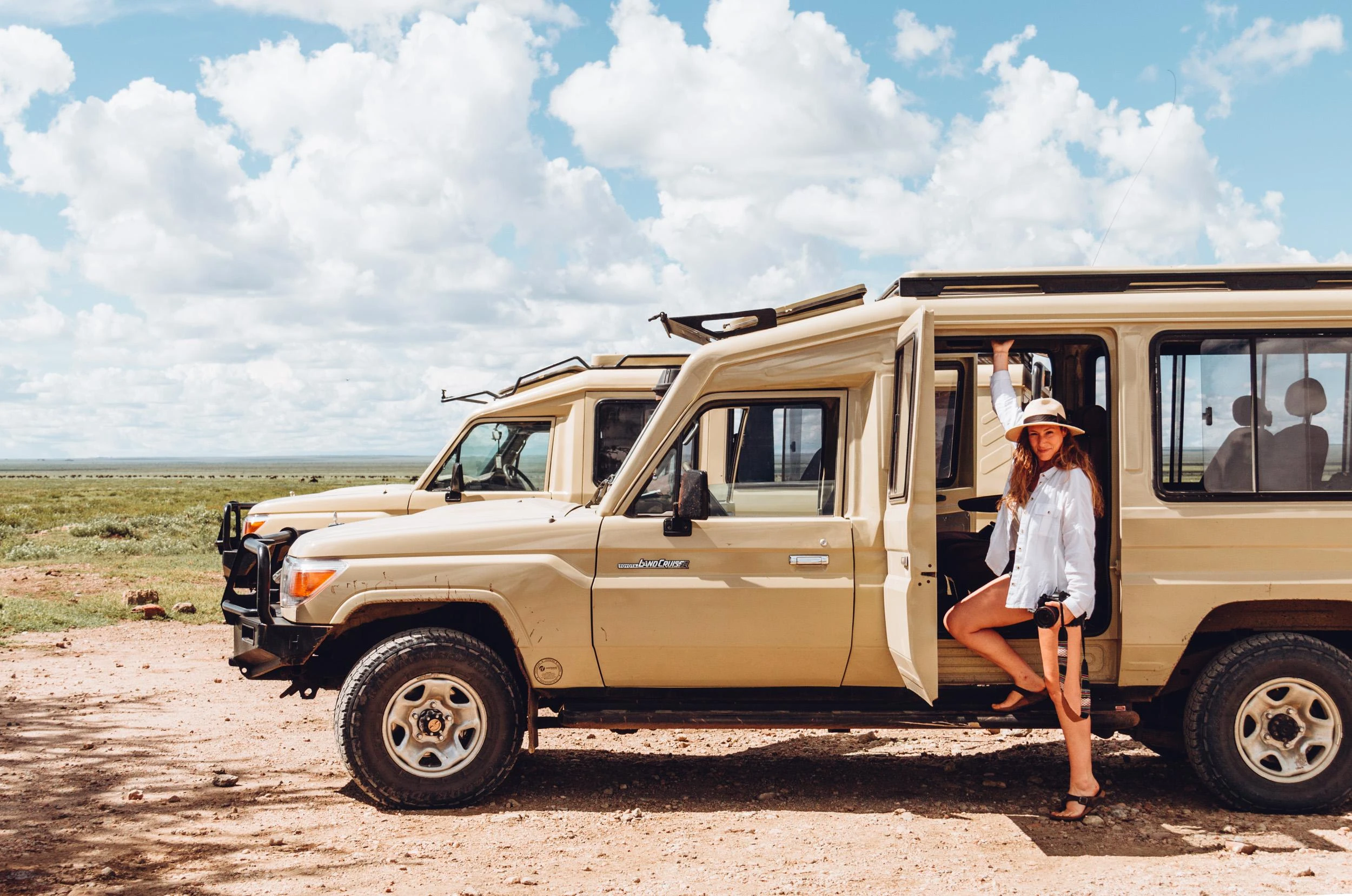
A redheaded woman standing on the side step of a safari vehicle holding a camera.

Tip: One-night Serengeti itineraries allow less than 24 hours in the park. In fact, 100% of travelers who chose this option said they wished they had stayed an extra day. 

Explore our Serengeti safari packages here

Safari Destinations

Tanzania's safari destinations are divided into three main circuits: the northern, southern, and western circuits. Each one combines attractions you can visit in a region.

These circuits are far away from each other (around a 10-hour drive), so you’ll have to decide which circuit to pick for your safari based on what you want to see and experience. Below is a brief breakdown of the circuits and what they are famous for.

  • Northern Circuit - This is the most popular circuit, home to Serengeti National Park, Ngorongoro Crater, Lake Natron (home to over 1.5 million flamingos), Mount Kilimanjaro, and the Masai. Other minor attractions on the Northern Circuit include Tarangire National Park, Lake Manyara, Mount Ol Doinyo Lengai (which is still volcanically active), Mount Meru, and Chemka Hot Springs.

Note: The Northern Circuit is popular for its accessibility; you can fly directly to Kilimanjaro International Airport, only needing a local flight to Zanzibar for the beach stay.

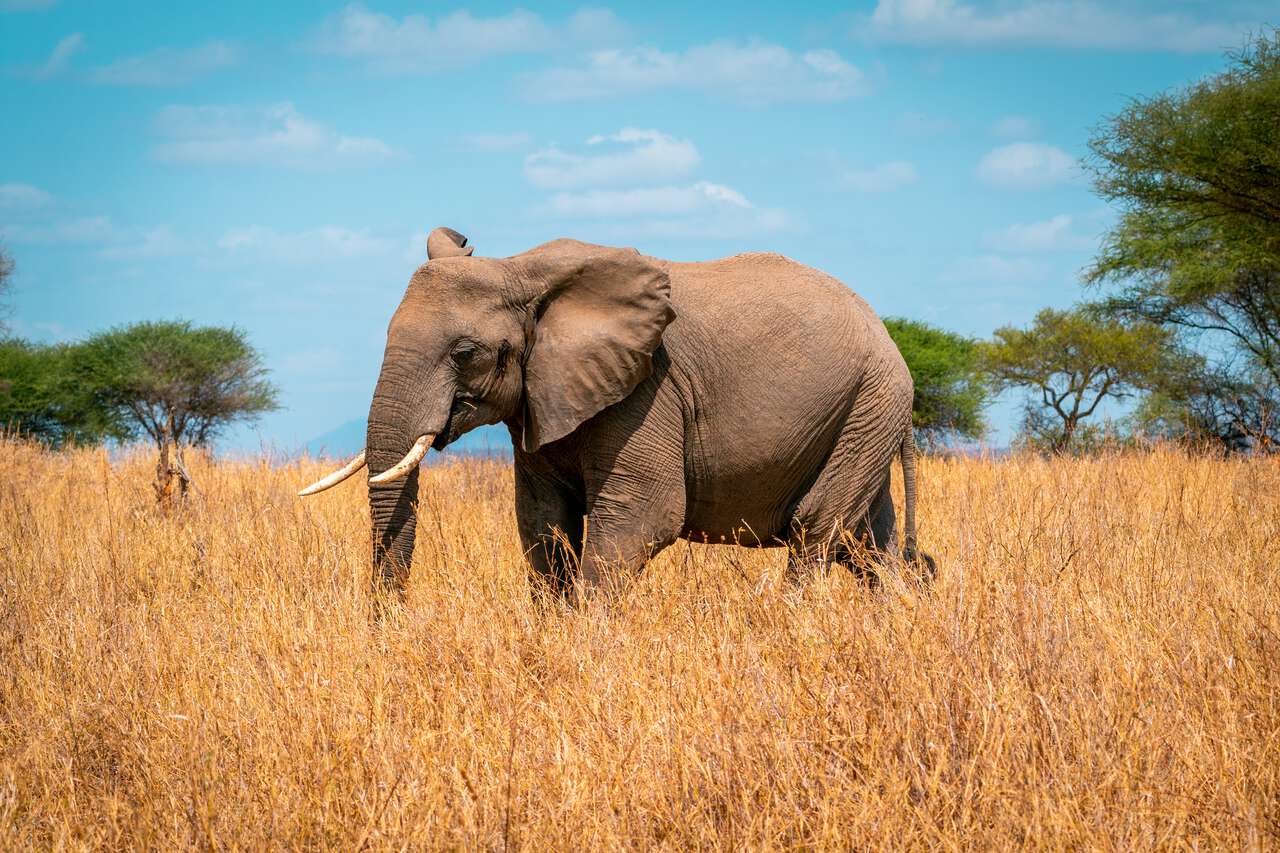
A elephant standing in long grass on the savanna on a sunny day.

Pro tip: If you want to focus on the Great Wildebeest Migration or migratory birds like flamingoes, the northern circuit is your best option!

  • Southern Circuit - With parks such as Mikumi, Selous, and Ruaha (home to over 10% of the world's lion population and the highest number of elephants in Tanzania), the Southern Circuit is great, but it’s not as accessible as the Northern Circuit. You’ll need to fly into Dar es Salaam International Airport and then take another flight to reach this circuit.
  • Western Circuit - This circuit features chimpanzee treks in Gombe National Park & Kitulo National Park, which were primarily established to protect “the Serengeti of Flowers,” home to over 350 plant species. This circuit offers some unique experiences; however, like the Southern Circuit, it’s less accessible and requires a second flight after you land at Dar es Salaam International Airport.

Safari Budget

Budgeting is one of the most important things to consider when planning a Tanzanian safari. If you’re visiting for more than a few days, there are quite a few possible add-ons to consider alongside your daily allowance. Here’s an estimated daily budget per person* for a safari in Tanzania:

  • Budget group camping safaris: $100 to $200
  • Private camping safaris: $250 to $400
  • Private lodging safaris: $275 to $700
  • Tanzania luxury safaris: $700 to $900+
  • Tanzania balloon safaris: $550 and $750 (per session)
  • Tipping: $10 to $20 per day on a group tour or $25 to $50 per day on a private tour
  • In park flights: $150 to $450 per leg

Read more about tipping guidelines for Tanzania here.

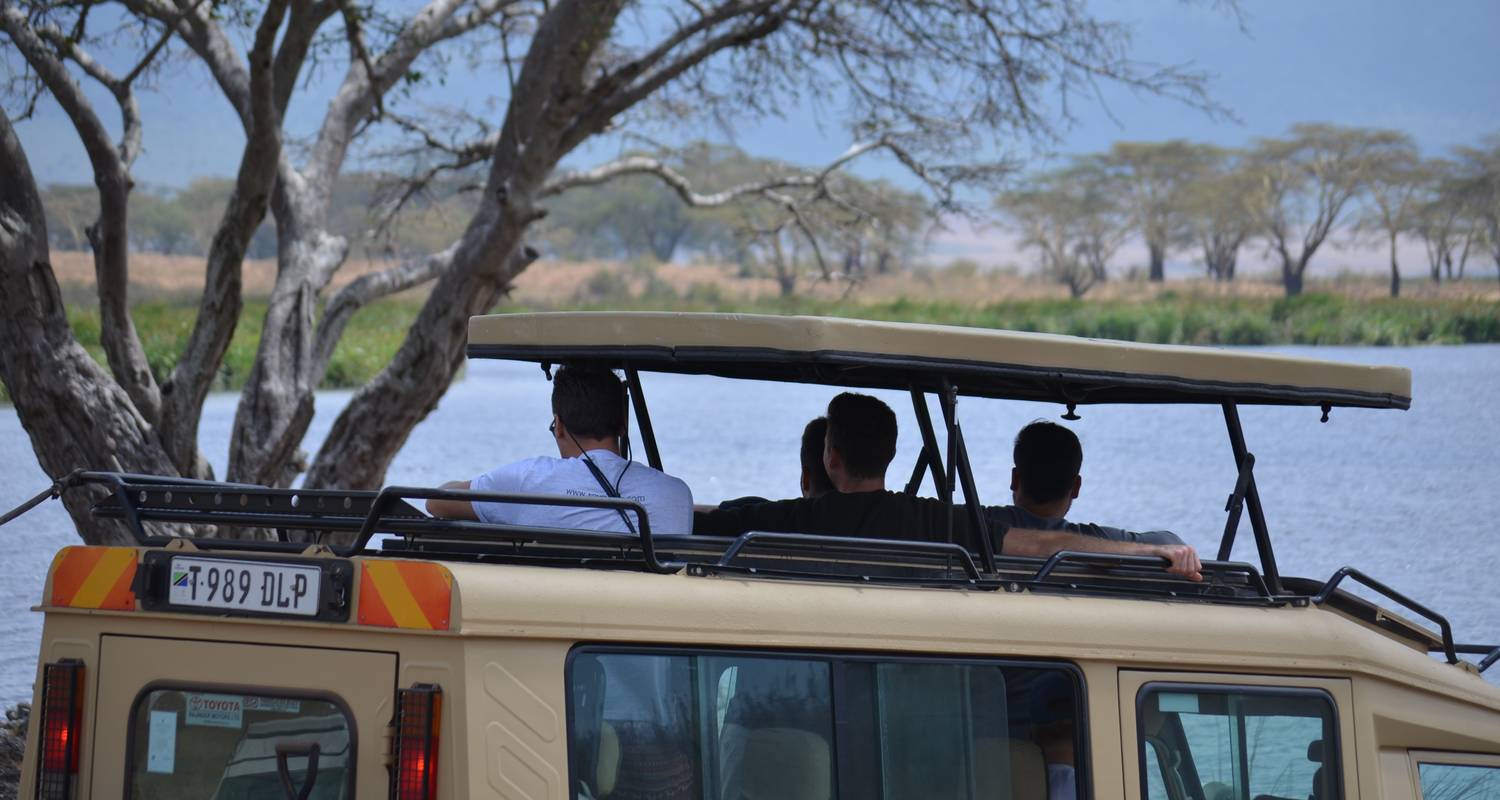
Several tourists with their heads poking through the roof the pop-up roof.

Safari Add-ons

Here are some common add-ons you’ll want to factor into your daily safari budget*:

  • Full-day Tanzania walking safari: $100 to $200
  • Archeological sites: $15 to $30
  • Full-day horseback safari: $200 to $450
  • Night game drives: $50 to $250
  • Maasai village stop: $10 to $20
  • Bush lunch: $5 to $10
  • Full-day canoeing safari: $400 to $750

*Prices are a rough estimate and can vary significantly based on season, location, and safari company. Add-ons may only be possible on private tours.