


Marangu Route
An honest Marangu route guide: what hut accommodation is really like, why 5 days is risky, how the acclimatisation profile compares and who should choose this route over Machame or Rongai.
- Guide
- Route Guide
- Reading time
- 15minutes
- In this guide
- 10sections
- 5–6 days recommended
- Hut accommodation
- Fastest ascent profile
- Best for those wanting huts
- Route fit checker
Local Tanzania team · Licensed mountain crew · Real Safari Soles itineraries
Marangu is the oldest and only hut-based route on Kilimanjaro.
- The only Kilimanjaro route with huts instead of tents.
- Take 6 days with the Horombo acclimatisation day; 5 days is where most failures happen.
- Same path up and down means less scenic variety than other routes.
- Often the cheapest route, partly because it is shorter.
- Good choice in wetter months since you sleep under a roof.
01 / 10
Understanding the Marangu Route
The only route with hut accommodation: shorter, drier underfoot and often cheapest, but with the weakest acclimatisation profile of the main routes.
Where this fits: this guide is part of the Kilimanjaro climbing guides hub, which supports our main Kilimanjaro climbing page and our published Kilimanjaro climb prices. Compare it against every other option in the Kilimanjaro route comparison and the closest alternative route, then read the altitude and safety guide and the cost breakdown; the park is a UNESCO World Heritage site and background on the mountain itself is on Wikipedia.
Marangu is the historic way up Kilimanjaro and still the only route where you sleep indoors. The trail climbs from Marangu Gate through beautiful rainforest to Mandara Hut, continues into moorland at Horombo, then crosses the saddle to Kibo Hut before the final ascent to Gilman's Point and along the rim to Uhuru Peak.
The huts are simple: wooden A-frame buildings at Mandara and Horombo with bunk beds, mattresses and shared dining halls, and a more basic stone building at Kibo. There are no showers, and toilets are shared. What you gain is shelter, a proper floor and somewhere dry to change, which matters more than you expect in a wet season.
Its weakness is the shape of the climb. You gain height on a fairly direct line and then return down the same trail, so there is less of the up-and-down that trains your body to cope with altitude. On the 5-day itinerary you go from Horombo at roughly 3,700m to Kibo at roughly 4,700m and start for the summit the same night. That is a big ask.
We are not against Marangu; we are against the 5-day version of it. With the extra acclimatisation day at Horombo, plenty of climbers summit happily and enjoy the hut experience. Without it, the route deserves its reputation for turning people around at Gilman's Point.
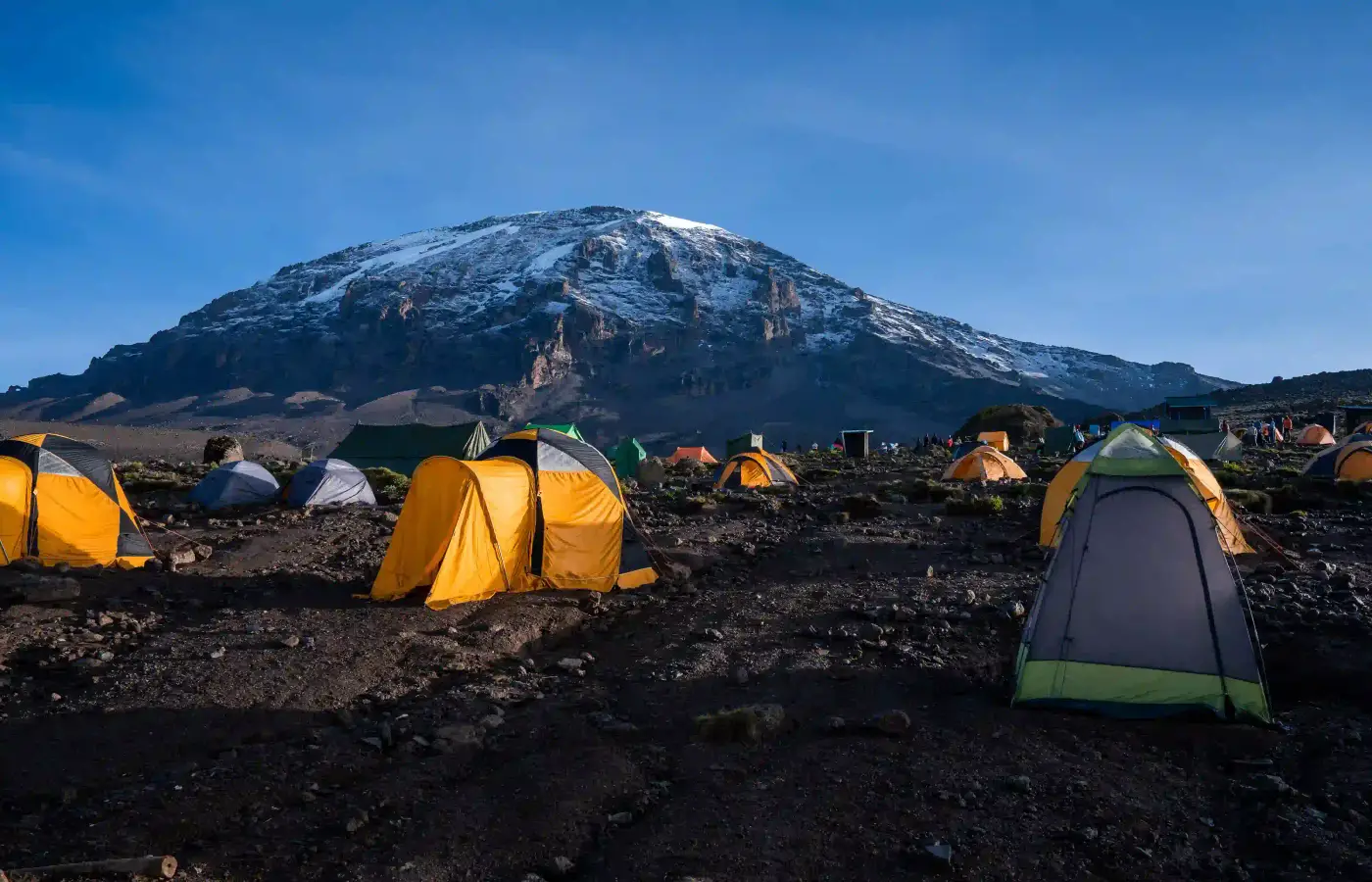
A high camp below the summit
Dome tents pitched on bare volcanic rock with Kibo's glaciers directly above. Ground this hard and this cold is why a proper sleeping mat is not optional.
02 / 10
Quick facts and route profile
Use this as your planning snapshot. Exact distances and camp altitudes vary slightly between itineraries, so confirm the final version of your itinerary with Safari Soles before booking flights.
- Recommended duration
- 6 days with an acclimatisation day at Horombo (5 days not recommended)
- Distance
- Roughly 72km return on the same trail: confirm exact figures with our team
- Difficulty
- Gentler gradients than Machame, but a hard final ascent from Kibo
- Accommodation
- Shared mountain huts with bunk beds and mattresses
- Best for
- Travellers who want a bed, short schedules, wetter seasons
- Crowd level
- Busy: huts concentrate everyone in the same buildings
- Acclimatisation profile
- Weakest of the main routes; the extra Horombo day is essential
- Starting gate
- Marangu Gate on the south-eastern side
- Descent route
- Marangu: the same way you came up
- Nickname
- The Coca-Cola Route
Who this route suits: and who it does not
The Marangu Route is a good fit if…
- You want a bed, a roof and a dining hall rather than a tent.
- You are travelling in a wetter month and want to sleep dry.
- You have a tight schedule but can still commit to six days.
- You value a sociable, communal climb atmosphere.
- You prefer gentler daily gradients over dramatic scrambling.
- You are budget-conscious and understand the trade-off you are making.
Consider another route if…
- Acclimatisation is your top priority: choose Lemosho or Northern Circuit.
- You want varied scenery: Marangu repeats the same trail on descent.
- You want quiet nights: huts are shared and busy.
- You are only willing to book five days.
- You want the classic Kilimanjaro camping experience with your own tent.
A male lion looking just off camera, his full mane lit from the side against soft golden grass.
03 / 10
5-day vs 6-day Marangu: why the extra day is not optional
The 6-day Marangu itinerary adds a full acclimatisation day at Horombo, usually with a walk towards Zebra Rocks or Mawenzi Ridge and a return to sleep at the same altitude. It is the classic acclimatisation trick: gain height during the day, sleep lower at night.
Without that day, the itinerary compresses to a fast ascent with almost no adaptation built in. Many climbers reach Kibo Hut with a headache, sleep badly for a few hours, and then attempt a 1,200m night ascent: the point at which altitude illness most often ends a climb.
The cost difference is one day of park fees, hut fees, crew wages and food. On a trip that already includes international flights, it is the cheapest insurance available.
If your schedule genuinely cannot fit six days, we would rather talk to you about moving your dates than sell you a 5-day summit attempt.
Duration options compared
| Option | Mountain days | Horombo acclimatisation day | Acclimatisation | Recommendation |
|---|---|---|---|---|
| 6-day Marangu | 6 | Yes | Acceptable | Recommended if you want huts |
| 5-day Marangu | 5 | No | Weak | Not recommended |
| 7-day Machame instead | 7 | Karanga night | Good | Better profile if you can camp |
6-day Marangu
- Mountain days
- 6
- Horombo acclimatisation day
- Yes
- Acclimatisation
- Acceptable
- Recommendation
- Recommended if you want huts
5-day Marangu
- Mountain days
- 5
- Horombo acclimatisation day
- No
- Acclimatisation
- Weak
- Recommendation
- Not recommended
7-day Machame instead
- Mountain days
- 7
- Horombo acclimatisation day
- Karanga night
- Acclimatisation
- Good
- Recommendation
- Better profile if you can camp
04 / 10
Marangu Route day-by-day and camp progression
This is the typical flow of the climb. Camp names stay consistent across operators, while walking hours change with weather, group pace and how your guide manages acclimatisation.
- Day 1
Marangu Gate to Mandara Hut
Three to four hours through lush rainforest on a well-maintained path. Mandara is a cluster of A-frame huts in a forest clearing with an optional short walk to Maundi Crater for views.
- Day 2
Mandara Hut to Horombo Hut
Out of the forest into giant heather and open moorland, with Mawenzi appearing ahead. Five to six hours of steady climbing to the biggest hut complex on the route.
- Day 3
Acclimatisation day at Horombo
A day walk towards Zebra Rocks or the Mawenzi Ridge, gaining height and returning to sleep at Horombo. The single most valuable day on this route.
- Day 4
Horombo Hut to Kibo Hut
Across the saddle (a stark high-altitude desert between the two peaks) to Kibo Hut at roughly 4,700m. Eat early, prepare kit, and try to sleep before a midnight wake-up.
- Day 5
Summit night to Gilman's Point, Uhuru Peak, then down to Horombo
A steep, relentless zigzag ascent to Gilman's Point on the crater rim, then along the rim to Uhuru Peak. Descend all the way to Horombo for the night: a very long day.
- Day 6
Horombo Hut to Marangu Gate
A long but straightforward descent back through moorland and rainforest to the gate, certificates and your transfer to Moshi.
What camp progression feels like
Mandara and Horombo are the comfortable ends of the route: solid huts, mattresses, dining halls where climbers from every nationality compare notes, and hot drinks served indoors. Horombo is large and can hold well over a hundred climbers in peak season.
Kibo Hut is different. It is a stone building at high altitude with basic dormitories, cold air and a room full of people trying to sleep before a midnight start. Almost nobody sleeps well there, and that is normal.
Because everyone shares the same buildings, Marangu is the most sociable route on the mountain, and the least private. Earplugs and an eye mask are genuinely useful items on this route.
05 / 10
Altitude, acclimatisation and difficulty
Marangu's altitude profile is its weak point. The trail gains height efficiently, which sounds good but gives your body fewer of the day-high, night-low cycles that drive adaptation. The Horombo acclimatisation day exists precisely to compensate.
The jump from Horombo to Kibo is significant, and you attempt the summit within hours of arriving. Climbers who have used their acclimatisation day well, hydrated properly and walked slowly across the saddle cope much better than those who rushed.
Our guides check oxygen saturation and pulse daily on Marangu just as on every other route, and will turn a climber around at Kibo or on the ascent if the signs point that way. Descending on Marangu is fast, which is one genuine safety advantage of the route.
How hard the walking actually is
Day to day, Marangu is one of the gentler routes. Paths are well-maintained, gradients are moderate and there is no scrambling: no equivalent of the Barranco Wall.
The difficulty is concentrated in the final ascent. From Kibo Hut to Gilman's Point is a steep, loose zigzag climb of roughly 1,000m in the dark, and it is widely considered one of the tougher summit approaches on the mountain. Many climbers reach Gilman's and stop there rather than continuing to Uhuru.
Descending on the same trail is easier on the lungs and harder on the knees than the Mweka descent. Trekking poles help enormously on day six.
Your summit matters, but your safety comes first. Every extra day on the mountain buys your body time to produce the red blood cells that make the summit push realistic, which is why we rarely recommend the shortest possible version of any route.
Ask us to walk you through the acclimatisation profile of your exact itinerary rather than comparing day counts alone.
06 / 10
Scenery, crowds and camp experience
Scenery highlights
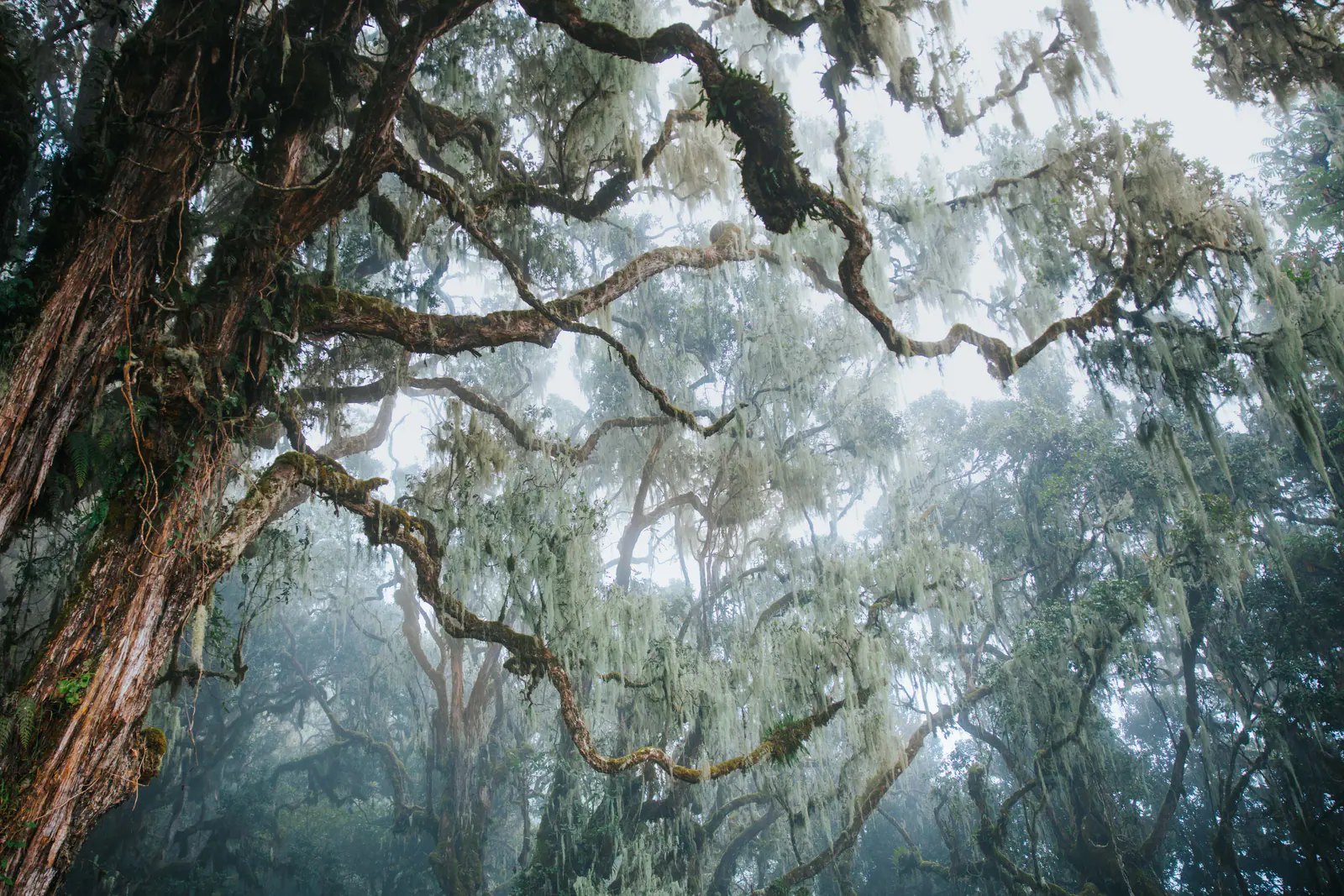
The rainforest section on day one is genuinely lovely: dense, green and full of birdsong, with a well-graded path that lets you look around instead of watching your feet.
The moorland around Horombo, with Mawenzi's jagged silhouette ahead and the Kibo dome above, is the visual highlight. Zebra Rocks on the acclimatisation walk is a striking and much-photographed spot.
The saddle crossing to Kibo is bleak and impressive in its emptiness. What Marangu lacks is variety on the way down: you retrace the same views rather than descending through new terrain.
Crowd levels
Marangu is busy, and the huts make it feel busier because everyone gathers in the same dining halls each evening. Horombo in peak season is the most crowded overnight stop on the mountain.
Because the route is used for both ascent and descent, you also pass groups coming down while you are going up, which is not the case on the circuit routes.
If crowds matter to you but huts do not, Rongai on the northern side is far quieter and shares the same eastern character.
Safety plan on this route
Marangu's biggest safety strengths are quick descent and shelter. If a climber deteriorates, losing altitude on this route is straightforward, and there is always a solid building to shelter in on the way down.
Its biggest safety weakness is the temptation of the 5-day itinerary. We quote six days as standard because the extra acclimatisation day materially reduces the chance of altitude illness.
Emergency oxygen, a first-aid kit and a pulse oximeter travel with every group, and insurance covering trekking to 6,000m with evacuation is required for all climbers.
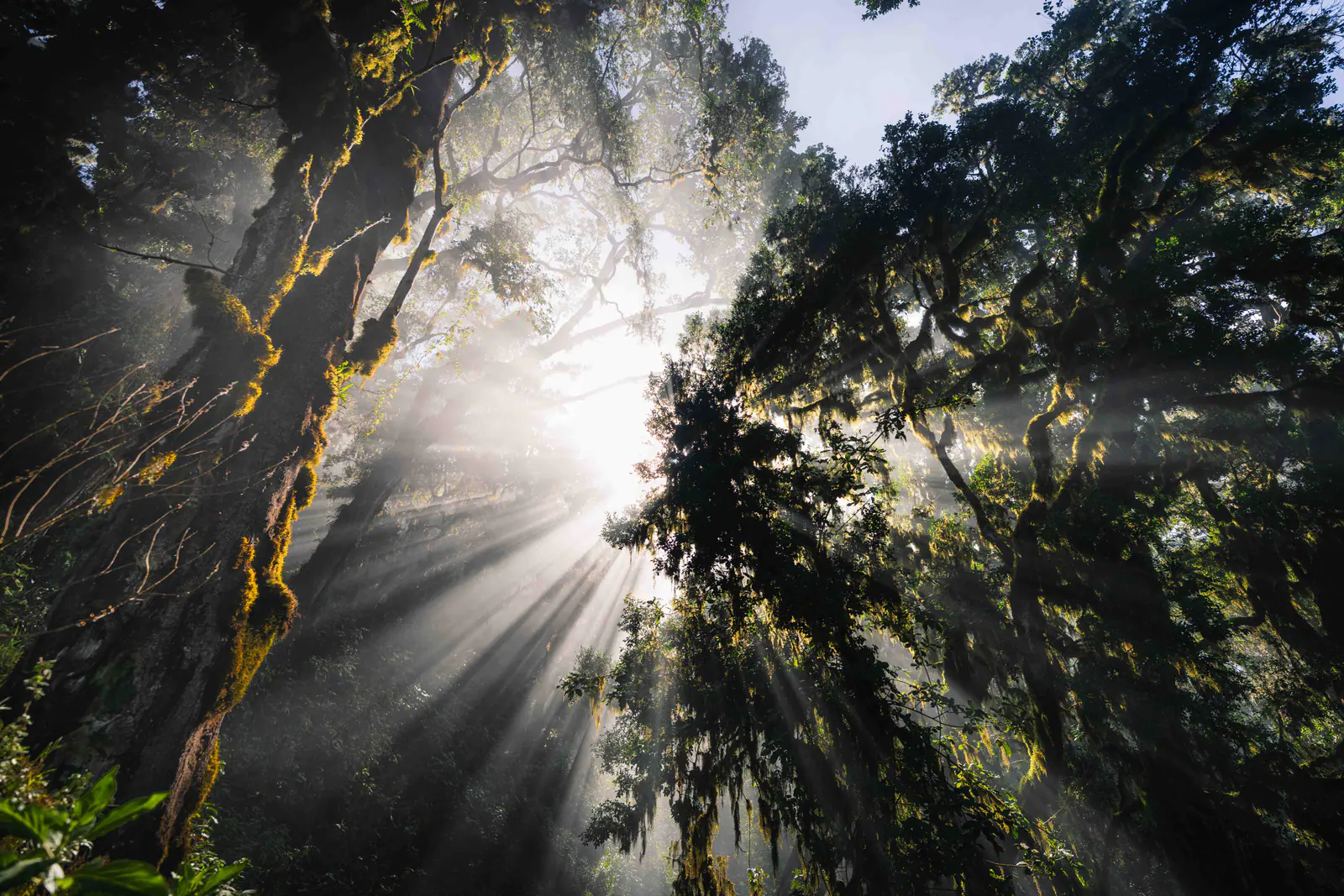
Sunbeams pour through gaps in the forest canopy, with moss on the tree trunks.
07 / 10
Route fit checker
A short planning tool, not a booking form. It tells you whether this route matches your days, fitness and comfort preferences, and which guide to read next.
Is the Marangu Route right for you?
Answer six quick questions and we will tell you whether the Marangu Route suits your days, fitness and comfort preferences, or which route to compare it against instead.
0 of 6 answered
Answer all 6 questions and your result appears here.
08 / 10
What drives the cost of this route
Marangu is often the cheapest way up Kilimanjaro, mostly because it is shorter and because no camping equipment or tent porters are needed. Hut fees replace camping fees, and fewer porters are required overall.
That saving is real but modest, and it is smaller than the cost of a failed summit attempt. The 6-day version costs one more day of fees and wages than the 5-day and is worth every dollar.
Watch quotes that combine 'cheapest route' with 'shortest itinerary' and 'largest group'. Each of those individually is a reasonable choice; together they stack the odds against you.
Usually included and usually excluded
Inclusions vary between operators and between private and group departures. Safari Soles confirms every line in writing before you pay, so use this as a checklist rather than a price list.
Usually included
- Park entry, hut and rescue fees for the days quoted
- Lead guide plus assistant guides at a safe ratio
- Cook, crew and porters for group equipment
- Hut accommodation with mattress at Mandara, Horombo and Kibo
- Three cooked meals a day plus treated drinking water
- Hotel to gate transfers both ways
- Emergency oxygen and pulse oximeter with the guide team
Usually excluded
- Flights and Tanzanian visa
- Trekking and evacuation insurance (required)
- Hotel nights before and after the climb unless quoted
- Personal clothing, boots and sleeping bag
- Gear rental if needed
- Crew tips
- Drinks, snacks and personal extras
Go deeper on planning
-
Kilimanjaro climb cost
What actually drives the price of a climb, and which parts of a quote should never be cut to save money.
View cost guide -
Kilimanjaro safety
Daily health checks, altitude monitoring, turnaround decisions and evacuation planning explained.
Read safety guide -
Packing list
Layer by layer gear list with an interactive checklist, plus what is worth renting in Moshi.
Open packing checklist
09 / 10
How the Marangu Route compares
The decision to climb Marangu should almost always be driven by accommodation preference or season rather than price. If sleeping in a hut is what makes the climb possible or enjoyable for you, Marangu is the only option and a legitimate one.
If you are choosing it purely because it is cheapest and shortest, pause. A 7-day Machame costs more but gives you a stronger altitude profile, better scenery and a much more forgiving day before summit night.
Marangu vs Machame
Marangu vs Rongai
Both approach from the drier eastern side, but only one of them has huts.
| Factor | Marangu | Rongai |
|---|---|---|
| Accommodation | Huts | Tents |
| Crowds | Busy | Quietest of the main routes |
| Rain exposure | Lowest: sleep indoors | Low: driest side of the mountain |
| Recommended days | 6 | 7 |
| Best for | Bed and dining hall | Quiet trails and dry weather |
Accommodation
- Marangu
- Huts
- Rongai
- Tents
Crowds
- Marangu
- Busy
- Rongai
- Quietest of the main routes
Rain exposure
- Marangu
- Lowest: sleep indoors
- Rongai
- Low: driest side of the mountain
Recommended days
- Marangu
- 6
- Rongai
- 7
Best for
- Marangu
- Bed and dining hall
- Rongai
- Quiet trails and dry weather
10 / 10
How Safari Soles approaches this
We will happily plan a Marangu climb, and we will always quote it at six days with the Horombo acclimatisation day. If someone offers you five days at a lower price, understand what has been removed.
Tell us your dates and preferences and we will lay out the hut-by-hut plan with altitudes so you can see exactly how the climb builds.
Common mistakes to avoid
Most unsuccessful climbs come from a handful of avoidable planning decisions, not from the mountain.
- Choosing a route only by price, then discovering the cheapest option also has the fewest days on the mountain.
- Booking too few days and giving your body almost no time to adjust to altitude.
- Ignoring altitude entirely because Kilimanjaro is a walking climb rather than a technical one.
- Assuming the most popular route is automatically the best route for you.
- Leaving gear checks until the final week, then renting whatever is left over.
- Underestimating summit night: the cold, the darkness and the very slow pace.
- Booking without understanding the camp style, meals and toilet arrangements you are paying for.
Get these right and the climb follows
Every one of these comes down to the same thing: matching the route and the day count to the climber before booking anything. Send us your dates and we will tell you honestly what is realistic.
Plan this climb with a local expertQuestions worth asking any operator
Ask these of any operator you are comparing, including us. The answers tell you more about a climb than the price does.
- How many days are on the mountain, and how many of those are genuine acclimatisation days?
- Who leads the climb, and how many assistant guides travel with our group size?
- What daily health monitoring happens, and what triggers a descent decision?
- What is included in the quoted price, and what is paid separately?
- What equipment is provided, what can be rented locally and what must I bring?
- How are crew tips collected and distributed at the end of the climb?
What Safari Soles puts in writing
Everything below is confirmed before you pay, so nothing about your climb is left to be discovered on the mountain.
-
Your route, day count and acclimatisation profile
Confirmed in writing before you pay, with our honest view on whether the number of days suits you.
-
How your health is monitored on the mountain
The daily check routine and who is responsible for it are explained at your pre-climb briefing.
-
First-aid and emergency response for your itinerary
You are told what travels with the climb and what happens at each camp if someone needs to descend.
-
Who is on your crew and what each person does
Lead guide, assistant guides, cook and porters are set out for your group size, not left vague.
-
Porter load handling for your climb
Duffel limits and how loads are weighed are confirmed before departure, so there are no gate surprises.
-
Tent, sleeping mat and dining arrangements
Camp comfort is described in the quote rather than discovered on the first night.
-
Meals, drinking water and hot drinks
How your food is cooked and your water treated is explained, including dietary requirements.
-
Gear rental list, sizes and prices
Shared before you shop, so you buy what matters at home and hire the rest on arrival.
-
An itemised quote with fees shown separately
Park and camping fees, crew, equipment, transfers and hotels appear as their own lines.
-
Tipping guidance for your group size
The customary range and how tips are collected are agreed before you fly, in writing.
Safety standards on a Safari Soles climb
What safety means in practice on the mountain, rather than as a promise on a page.
-
Mountain safety preparation
Safety planning starts long before the gate. Your route, day count and acclimatisation profile are chosen for how you actually travel, and every climb is briefed as a plan rather than an ambition.
-
Altitude monitoring
Your guides monitor how you are adjusting each day (how you are sleeping, eating, drinking and breathing) and record what they see so the pattern across the climb is visible, not guessed at.
-
Guide-led pacing
Pace is set by your guide, deliberately slower than most climbers expect. Walking slowly is the single most effective acclimatisation tool on the mountain, and our guides hold that pace even when a group feels strong.
-
First-aid readiness
A mountain first-aid kit travels with every climb and your guide team is briefed on how it is used and when a symptom stops being discomfort and becomes a reason to act.
-
Emergency planning
Each itinerary has a worked-out response for illness or injury at every camp (who escorts you, which way you go down and who is contacted) agreed before day one rather than improvised.
-
Summit-night support
Summit night is the hardest part of the climb, so it is guided most closely: assistant guides stay with slower climbers, layering and hydration are checked before departure, and turning back early is treated as a normal outcome, not a failure.
-
Clear descent decisions
Your lead guide has final authority on descent. The reasoning is explained to you and to your group in advance, so nobody is negotiating a health decision at 5,000m in the dark.
-
Client briefing before the climb
The day before you walk, we go through the itinerary, the daily routine, your gear, the health checks and the descent process, and answer every question while there is still time to act on the answers.
What your climb includes at camp
The parts of a climb you sleep in, eat from and depend on, described before you book rather than discovered on the first night.
-
Tents and sleeping setup
You are told before booking what tent you sleep in, how many climbers share it and what sleeping mat is provided, including where a thicker mat is worth adding.
-
Dining and camp meals
Climbs are planned around hot cooked meals prepared by your own mountain kitchen crew, eaten in a dining setup rather than hunched inside a sleeping tent.
-
Water and hot drinks
Drinking water is collected and treated by your crew each day, and hot drinks come with meals and on arrival at camp. You never need to buy water on the mountain.
-
Gear rental guidance
We tell you what can be rented in Moshi or Arusha, in which sizes, and share the current list and prices so you only buy at home what is genuinely worth owning.
-
Private toilet option
A private portable toilet can be added to a climb where you want it. We confirm availability and the cost for your dates in writing before you book.
-
What you bring yourself
Personal items (boots, layers, gloves, headlamp, sunglasses and a broken-in daypack) stay with you, and we check them with you at the pre-climb briefing.
How we work with our mountain crew
A climb runs on the people carrying it. This is how their loads, meals, pay and tips are handled.
-
Porter load guidance
Loads are managed to the national park limit and your personal duffel is weighed before the climb, so no porter starts the day carrying more than they should.
-
Responsible crew support
Crew wages, hot meals and sleeping arrangements are built into the price of a climb. A quote that undercuts everything else is usually taking it out of the people carrying your bag.
-
Tipping guidance
We explain the customary tipping range for your group size and crew before you travel, and how tips are collected and shared at the end of the climb, so nothing is improvised on the last morning.
-
Respect for guides, cooks and porters
Your crew are named colleagues, introduced to you at the start of the climb, not anonymous labour. That expectation is set with clients as well as crew.
-
Clear explanation of crew roles
Before you book you know who travels with you and why: lead guide, assistant guides, mountain cook and the porters carrying camp, food, water and personal kit.
-
Crew meals and sleeping arrangements
Guides, cooks and porters are supported with planned meals and sleeping arrangements on the mountain, because a safe climb depends on the whole crew being properly cared for, not only the climbers.
Local Kilimanjaro operators, licensed crew, honest guidance
Written and reviewed by the Safari Soles team in Arusha, who plan and run Kilimanjaro climbs from beside the mountain rather than brokering them from an overseas office.
- Reviewed by the Safari Soles Kilimanjaro planning team
- Updated for 2026 climbing seasons
- Route and day count matched to your fitness and altitude history
- Daily health monitoring and descent decisions agreed before you book
- Read Safari Soles reviews on TripAdvisor
- Read Safari Soles reviews on SafariBookings
- Read Safari Soles reviews on Google
Where these facts come from (4)
- UNESCO: Kilimanjaro National Park The World Heritage listing for Kilimanjaro National Park, which records Africa's highest point at 5,895m.
- TANAPA: Tanzania National Parks Official park authority information on regulations, park fees and permitted activities.
- Tanzania Tourist Board Government tourism information on travelling in Tanzania, seasons and destinations.
- Wikipedia: Mount Kilimanjaro Secondary background context on the mountain's geology, glaciers and climbing history.
Related Safari Soles guides
Continue with the guides travellers usually read next.
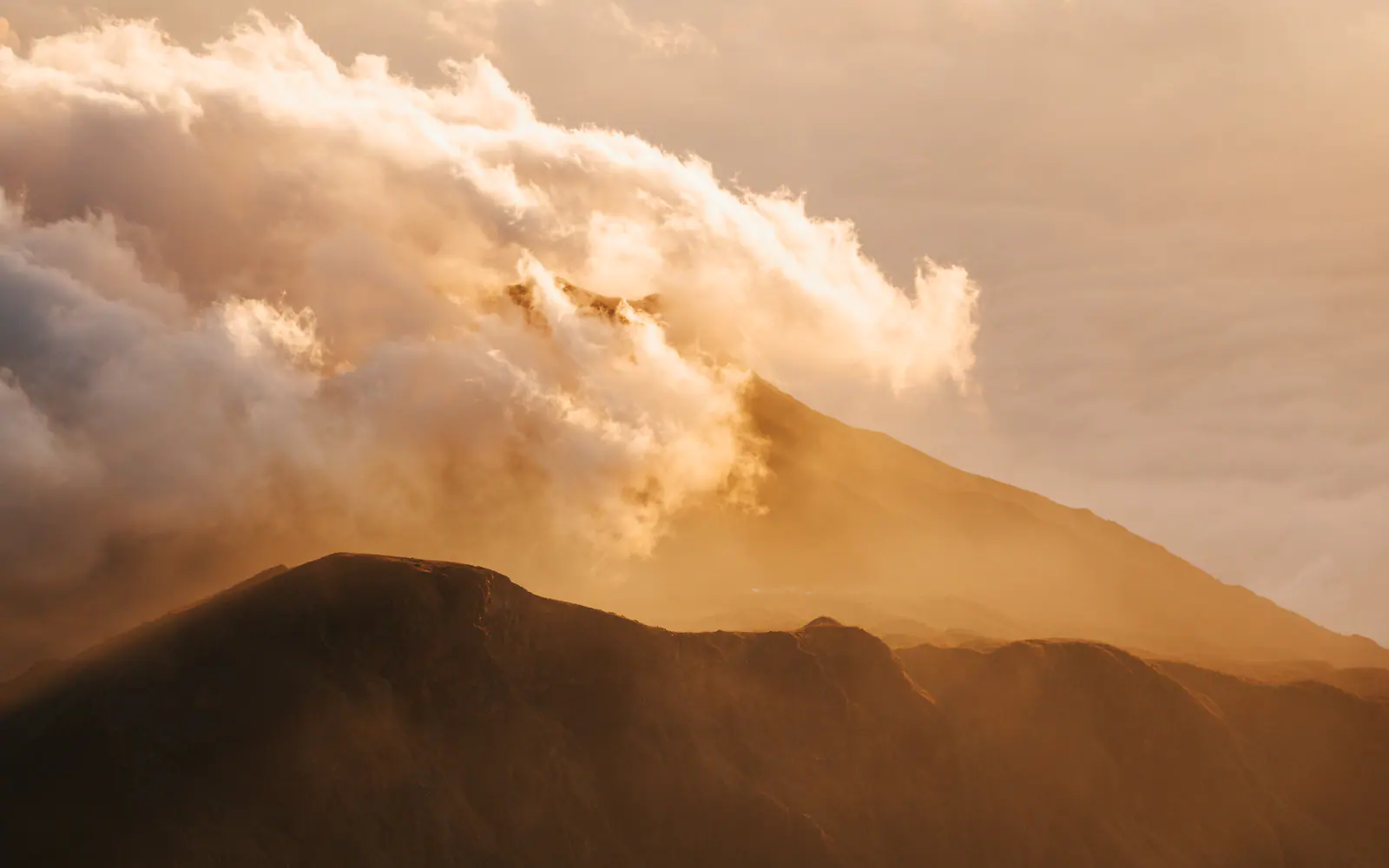 Rongai Route Approaching from the drier northern side, with wide open views towards Kenya and fewer trekkers on the trail. Routes
Read the guide
Rongai Route Approaching from the drier northern side, with wide open views towards Kenya and fewer trekkers on the trail. Routes
Read the guide
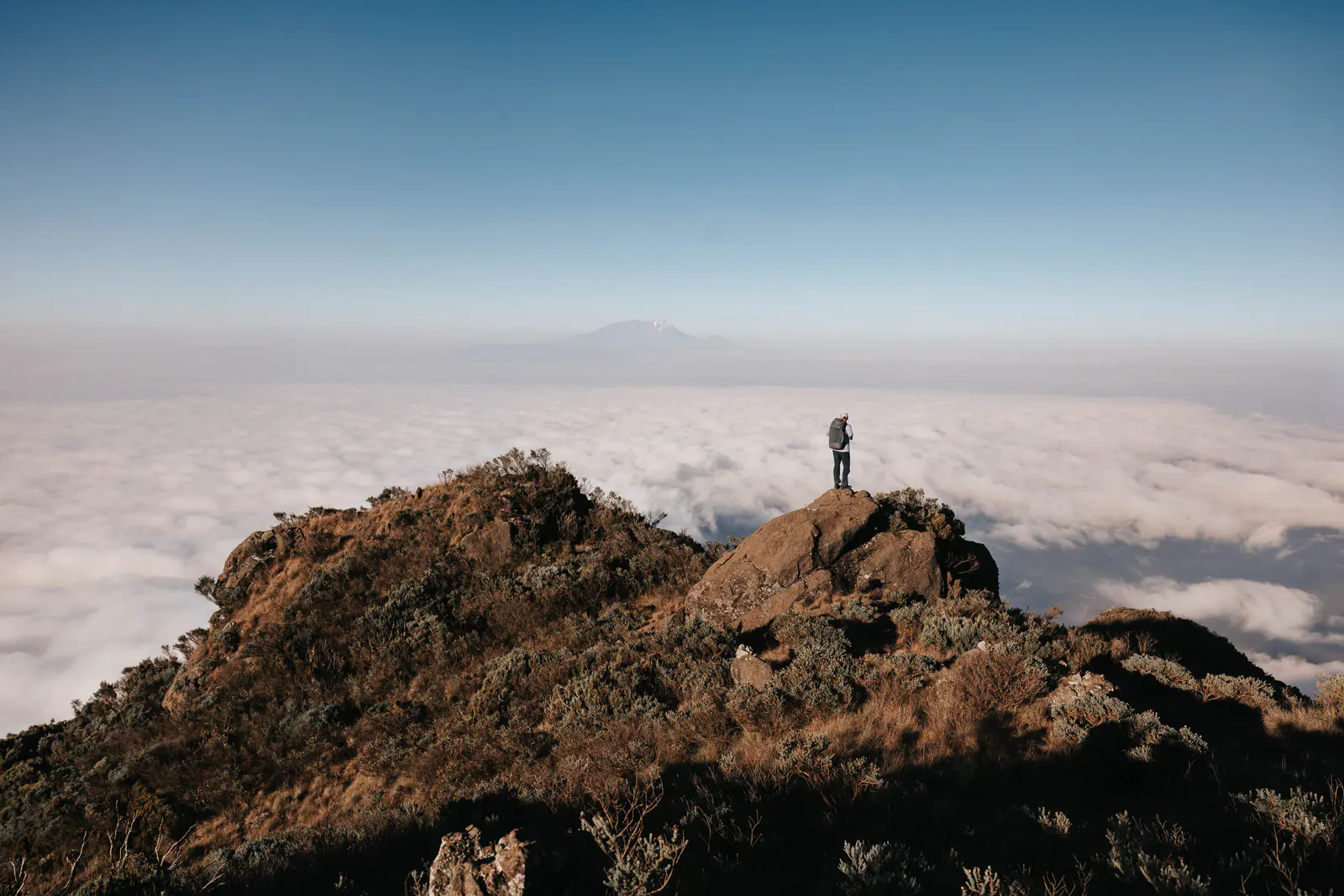 Machame Route The classic 'Whiskey' route: dramatic scenery, the Barranco Wall and a well-loved 6 to 7 day rhythm. Routes
Read the guide
Machame Route The classic 'Whiskey' route: dramatic scenery, the Barranco Wall and a well-loved 6 to 7 day rhythm. Routes
Read the guide
- Equipment & Camp Comfort Tents, mattresses, mess tents, toilets and the small comforts that make high camps genuinely restful. Crew & Equipment
Read the guide
Frequently Asked Questions
-
It has the gentlest daily gradients and huts to sleep in, but the short itinerary and weaker acclimatisation make summiting harder, not easier. 'Most comfortable' is more accurate than 'easiest'.
Ready to plan your Marangu Route climb?
Tell us your dates, fitness level and group size and we will build a Marangu Route itinerary with the right number of acclimatisation days, or recommend a different route if it suits you better.