


Kilimanjaro Altitude Sickness: Symptoms, Prevention and When to Descend
Altitude, not technical difficulty, is what turns climbers back on Kilimanjaro. This guide explains what acute mountain sickness is, which symptoms are normal and which are not, how acclimatisation is actually earned, and how descent decisions are made on the mountain.
- Guide
- Safety
- Reading time
- 16minutes
- In this guide
- 10sections
- AMS, HACE and HAPE explained
- Symptom-by-symptom table
- Days matter more than fitness
- Twice-daily health checks
- General info, not medical advice
Local Tanzania team · Licensed mountain crew · Real Safari Soles itineraries
Altitude sickness on Kilimanjaro is caused by gaining height faster than your body can adapt to thinner air.
- AMS is common and usually mild; HACE and HAPE are rare and are emergencies.
- Itinerary length is the single biggest factor you control.
- Fitness does not prevent altitude sickness: pace and nights on the mountain do.
- Report symptoms early; guides can only act on what they see and what you say.
- Descent is the treatment. Oxygen and medication support it, they do not replace it.
- Medication decisions belong with your doctor, never with a tour operator.
01 / 10
What altitude sickness actually is on Kilimanjaro
Everything below is general planning information. It is not medical advice, and it does not replace a conversation with your own doctor before you travel.
Where this fits: this guide sits inside the Kilimanjaro climbing guides hub and supports our main Kilimanjaro climbing page.
Read it alongside the Kilimanjaro safety guide, the route comparison and the summit night guide, and cross-check the medical background with NHS advice on altitude sickness and CDC guidance on travel to high altitudes.
Altitude sickness is not caused by cold, by fitness, or by how heavy your pack is. It is caused by air pressure. At Uhuru Peak, 5,895m, the air still contains the same proportion of oxygen as at sea level, but each breath delivers roughly half as many oxygen molecules into your blood. Your body notices immediately and starts compensating: you breathe faster and deeper, your heart rate rises, and over several days your blood chemistry shifts to move oxygen more efficiently.
Acute mountain sickness, AMS, is what happens when you arrive at a new altitude faster than that adaptation can keep up. The symptoms are unglamorous and easy to dismiss: a headache that will not shift, no appetite at dinner, broken sleep, nausea, and a flat, heavy tiredness that rest does not fix.
Mild symptoms are extremely common on Kilimanjaro. Most climbers get a headache somewhere above 4,000m and most sleep badly at Barafu or Kibo. That in itself is not an emergency. What matters is the direction of travel: symptoms that stay mild and settle overnight are normal acclimatisation; symptoms that keep worsening at the same altitude are the signal to stop going up.
The critical thing to understand before booking is that altitude illness is almost entirely a scheduling problem. You cannot train it away, and no amount of gear or willpower substitutes for nights spent adapting. The number of days in your itinerary is the strongest lever you have.
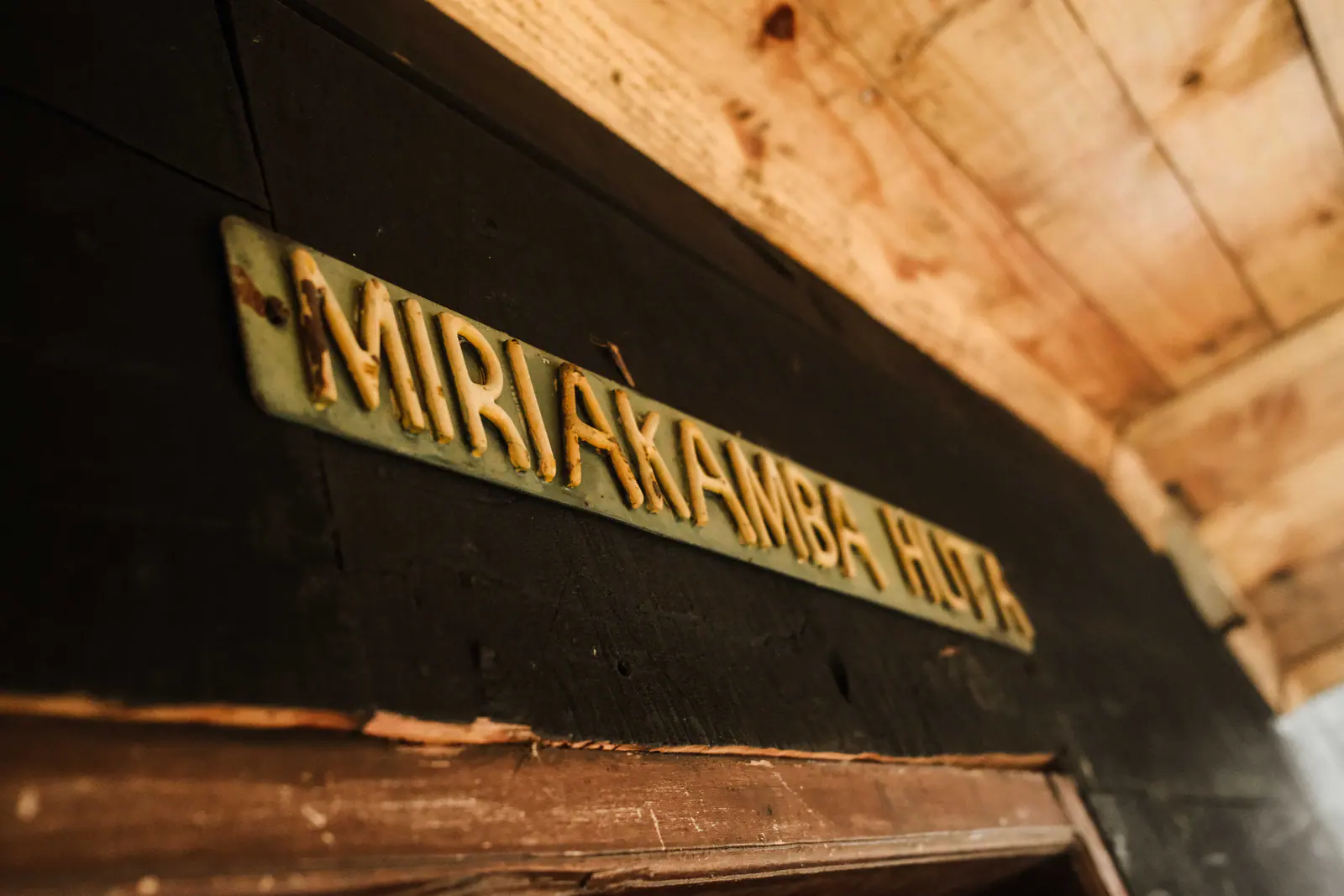
A wooden door frame under a painted sign that reads Miriakamba Hut.
02 / 10
How high you actually sleep, night by night
Sleeping altitude drives acclimatisation far more than the highest point you touch during the day. These are typical figures on the main routes. Your exact camps depend on the itinerary.
Percentages describe the oxygen available per breath compared with sea level and are approximate planning figures, not medical measurements.
- 1,800–2,900m
Trailhead gates and first forest camps
Roughly what a breath delivers: About 80% of sea level · What most people notice: Very little beyond warm, humid walking
- 3,000–3,600m
Shira, Moir, Second Cave, Horombo
Roughly what a breath delivers: About 68% of sea level · What most people notice: Breathlessness on climbs, lighter sleep
- 3,900–4,200m
Barranco, Karanga, Third Cave
Roughly what a breath delivers: About 62% of sea level · What most people notice: Headaches appear, appetite starts dropping
- 4,600–4,700m
Barafu, Kibo, School Hut
Roughly what a breath delivers: About 57% of sea level · What most people notice: Poor sleep, low appetite, everything feels slow
- 5,000–5,700m
Summit night to Stella and Gilman's Point
Roughly what a breath delivers: About 50–54% of sea level · What most people notice: Very slow pace, cold, laboured breathing
- 5,895m
Uhuru Peak
Roughly what a breath delivers: About 49% of sea level · What most people notice: Short stay, then straight back down
Notice how much of the mountain sits in the 3,000–4,200m band. That is deliberate on the longer routes: those nights are where acclimatisation is earned, and they are the nights compressed itineraries cut. A six-day Machame and an eight-day Lemosho both finish at the same summit, but they arrive there with very different amounts of adaptation behind them.
It also explains why summit night is scheduled at midnight from a camp you barely slept at. Barafu is not somewhere you acclimatise. It is somewhere you stage from. The plan is to be high for a few hours and then descend thousands of metres the same day.
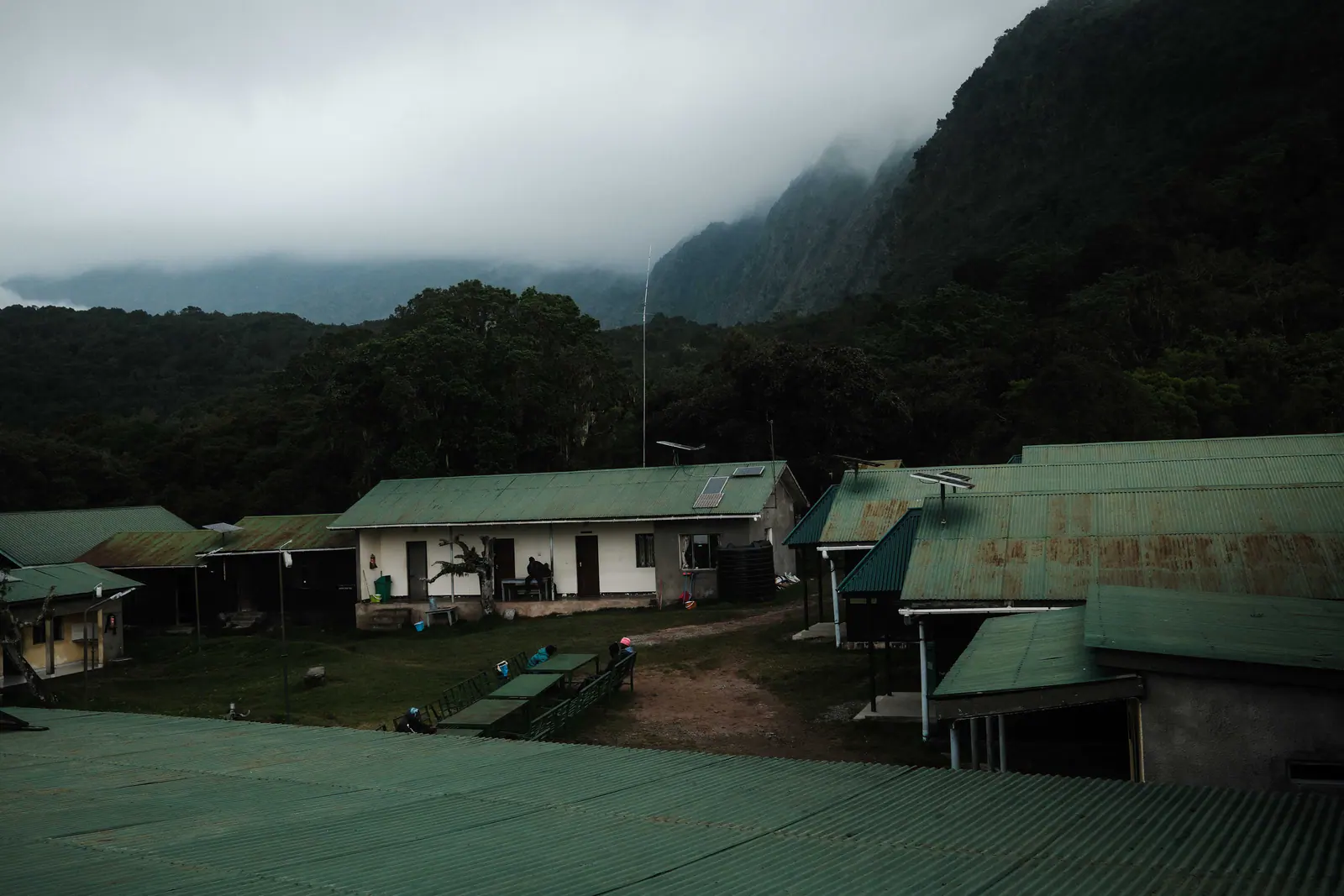
Green-roofed buildings under low cloud at the edge of the forest, with steep wooded slopes rising behind.
03 / 10
AMS, HACE and HAPE explained plainly
Three different conditions get grouped under 'altitude sickness'. They are not the same thing, and only one of them is common.
General planning information only. See NHS altitude sickness guidance and CDC high-altitude travel guidance, and speak to a doctor before you travel.
| Condition | What it is | Typical signs | What it means for the climb |
|---|---|---|---|
| AMS (acute mountain sickness) | The common, usually mild reaction to gaining altitude faster than your body adapts | Headache plus nausea, poor appetite, fatigue or broken sleep | Often manageable: rest, fluids, food, and no further ascent until it settles |
| HACE (high altitude cerebral oedema) | Rare but serious swelling affecting the brain, usually preceded by worsening AMS | Confusion, unsteady walking, unusual behaviour, severe headache, drowsiness | A medical emergency: immediate descent, no discussion, no waiting for morning |
| HAPE (high altitude pulmonary oedema) | Rare but serious fluid accumulation affecting the lungs | Breathlessness at rest, a persistent cough, chest tightness, blue-tinged lips | A medical emergency: immediate descent and oxygen where available |
AMS (acute mountain sickness)
- What it is
- The common, usually mild reaction to gaining altitude faster than your body adapts
- Typical signs
- Headache plus nausea, poor appetite, fatigue or broken sleep
- What it means for the climb
- Often manageable: rest, fluids, food, and no further ascent until it settles
HACE (high altitude cerebral oedema)
- What it is
- Rare but serious swelling affecting the brain, usually preceded by worsening AMS
- Typical signs
- Confusion, unsteady walking, unusual behaviour, severe headache, drowsiness
- What it means for the climb
- A medical emergency: immediate descent, no discussion, no waiting for morning
HAPE (high altitude pulmonary oedema)
- What it is
- Rare but serious fluid accumulation affecting the lungs
- Typical signs
- Breathlessness at rest, a persistent cough, chest tightness, blue-tinged lips
- What it means for the climb
- A medical emergency: immediate descent and oxygen where available
The two rules that matter most
- Never ascend to sleep higher while you still have symptoms that are not improving.
- Any sign of confusion, unsteadiness on the feet, or breathlessness while sitting still means descent: the climb stops there.
- Descent is the treatment. Oxygen, medication and rest support it; they do not replace it.
- Symptoms that appear suddenly and severely are more concerning than symptoms that build slowly and settle.
- Never take medication to hide symptoms so you can keep climbing. Masking a warning sign is how a manageable situation becomes an emergency.
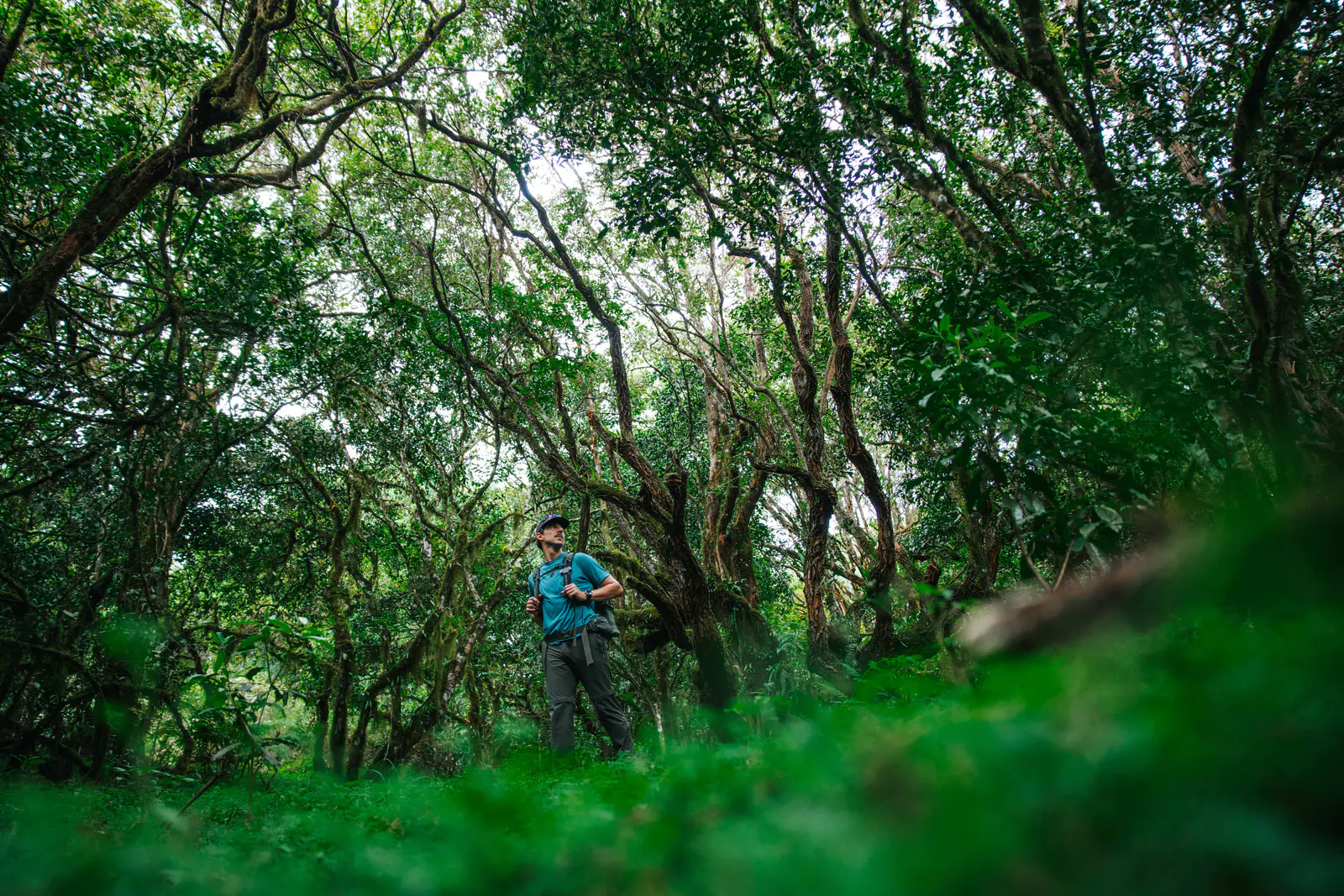
A trekker pauses on a trail under a green forest canopy, seen from low in the undergrowth.
04 / 10
Symptoms, what they usually mean, and what happens next
This table is a planning aid so you know what to expect and what to report. Your guide's judgement on the mountain always overrides anything you read here.
Mild headache that eases with water and food
Usually means Normal early adaptation
- What your guide will typically do
- Note it, check your oxygen saturation, encourage fluids
- Descend?
- No
Poor sleep and vivid, broken dreams
Usually means Very common above 3,500m
- What your guide will typically do
- Reassure, review pacing and evening fluids
- Descend?
- No
Low appetite at dinner
Common: but eating matters anyway
- What your guide will typically do
- Adjust food, encourage soup, carbohydrates and warm drinks
- Descend?
- No
Persistent headache with nausea
Usually means Mild to moderate AMS
- What your guide will typically do
- Rest, fluids, no further ascent until it settles
- Descend?
- Not yet: hold height
Vomiting or dizziness
Usually means Moderate AMS
- What your guide will typically do
- Stop ascent, monitor closely, prepare to go down
- Descend?
- Likely
Breathless while sitting still, wet cough
Usually means Possible HAPE
- What your guide will typically do
- Oxygen where available and immediate descent
- Descend?
- Yes, immediately
Confusion, stumbling, unusual behaviour
Usually means Possible HACE
- What your guide will typically do
- Immediate assisted descent, emergency plan activated
- Descend?
- Yes, immediately
The single most useful thing you can do on the mountain is report symptoms early and honestly. Guides are experienced at spotting the difference between a tired climber and a deteriorating one, but they are working with what you tell them plus what they can observe. Downplaying a headache to avoid slowing the group is the most common, and most avoidable, mistake on Kilimanjaro.
Pulse oximeter readings are part of the picture, not the whole of it. Oxygen saturation falls for everyone with altitude, and a low reading in a climber who feels well is treated very differently from a moderate reading in a climber who is deteriorating. Guides read the trend across days alongside how you look and how you walk.
05 / 10
How to reduce your risk of altitude sickness
In order of how much difference each one makes
- Choose a longer itinerary. Seven days minimum, eight or more if you have any doubt. This outranks everything else on the list combined. See the route comparison.
- Walk slowly from the first hour of the first day. 'Pole pole' is a physiological strategy, not a local saying. Strong walkers who push early are more likely to feel altitude, not less.
- Use the climb-high, sleep-low days properly. The Lava Tower and Barranco sections exist to take you high and bring you back down to sleep.
- Drink three to four litres a day and keep eating even when you do not feel like it. The food and meals guide covers appetite loss at altitude.
- Sleep as well as conditions allow: warm bag, proper mat, and a camp set up for rest. See equipment and camp comfort.
- Speak to a doctor in advance about your own history, any medication and whether preventive medication is appropriate for you.
- Avoid alcohol and sedatives on the mountain, both of which affect breathing at altitude.
- Train so the walking itself does not exhaust you. See the training guide. Fitness does not prevent AMS, but exhaustion makes everything harder to cope with.
Two things people get backwards
Does not prevent altitude sickness
- Being very fit or a regular runner
- Being young
- Having summited a lower mountain quickly
- Carrying a lighter pack
- Taking medication and then climbing faster
Genuinely reduces risk
- More nights on the mountain
- A slower daily pace
- Sleeping lower than your daily high point
- Steady hydration and eating
- Reporting symptoms early to your guide
06 / 10
Diamox and other medication: what we can and cannot tell you
Acetazolamide, usually known by the brand name Diamox, is widely discussed among Kilimanjaro climbers. It is a prescription medicine, and whether it is appropriate for you, at what dose and when to start it is a decision for a doctor who knows your medical history. We are a trekking operator, not a medical provider, and we do not advise on medication.
What we can tell you is what climbers commonly report and what the published guidance says. Both the NHS and CDC describe preventive medication as an adjunct to sensible ascent rates, never a replacement for them. Commonly reported side effects include tingling in fingers and toes, increased urination and a changed taste to fizzy drinks.
Painkillers for altitude headache, anti-nausea medication and any regular prescriptions you already take should all be part of the same conversation with your doctor. Bring what you are advised to bring, in original packaging, and tell your lead guide at the briefing what you are carrying and why.
One rule is not negotiable regardless of what you take: medication must never be used to push through worsening symptoms. If you are getting worse at a given altitude, you go down.
This page is general planning information about climbing Kilimanjaro. It is not medical advice and must not be used to diagnose, treat or manage any condition. Speak with a doctor experienced in travel or altitude medicine before your climb: travel health advice for Tanzania is a useful starting point, and always follow your guide's judgement on the mountain over anything you have read in advance.
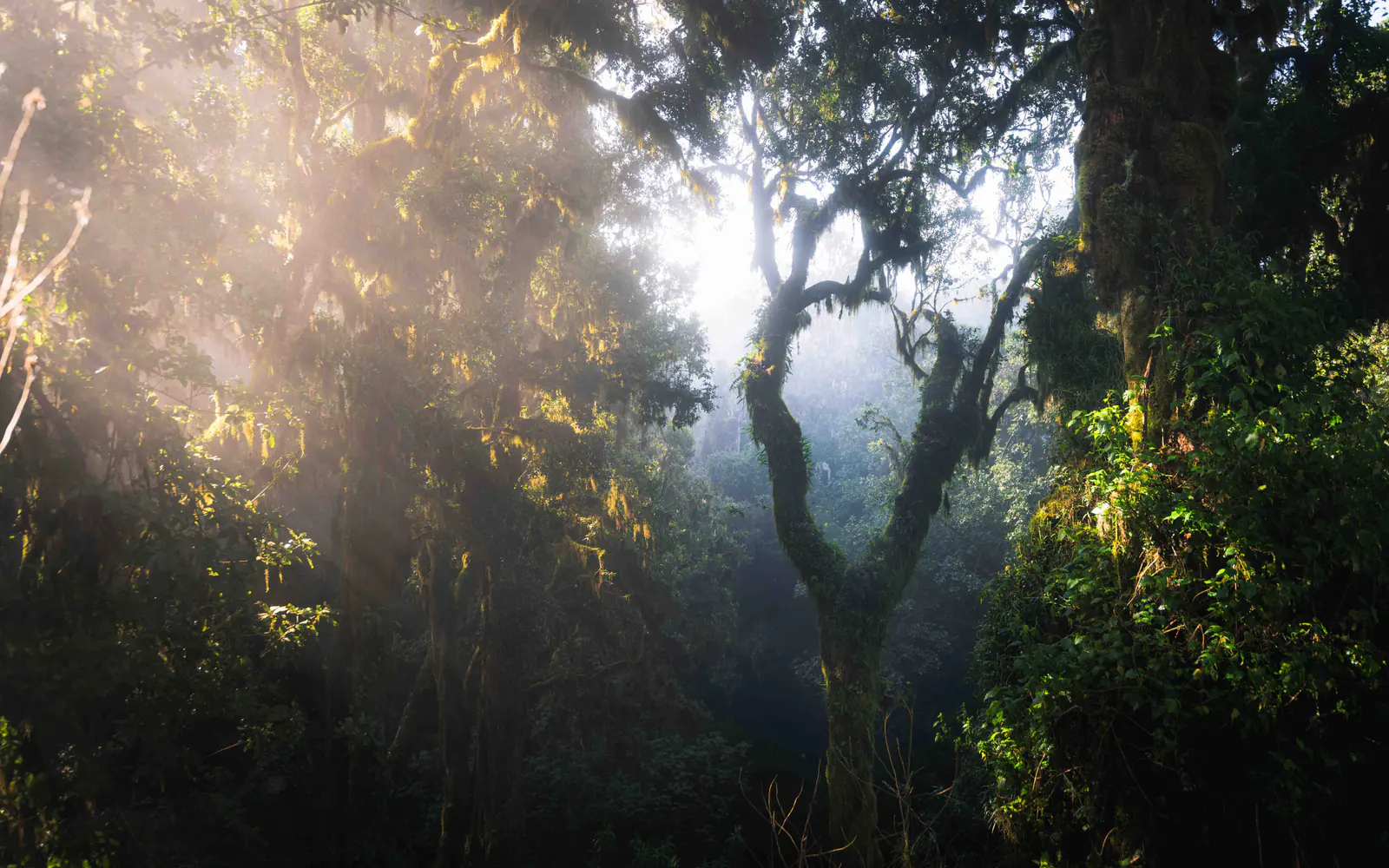
Sunlight pushing through mist between old forest trees, with moss on the trunks.
07 / 10
How altitude is monitored day by day
The daily routine
- Twice-daily health checks: pulse, oxygen saturation and a direct conversation about headache, appetite and sleep.
- Readings recorded across days so the trend is visible, not just a single morning number.
- Guides trained to watch how you walk and eat, not only what you say.
- Emergency oxygen carried with the guide team for emergency use, not for routine climbing.
- A clear evening briefing covering the next day's altitude gain and expected conditions.
- Lead guide authority over pace, rest and descent decisions, explained to you before the climb starts.
Descent decisions are the part climbers dread and the part that matters most. A guide who calls a descent early is doing exactly the job you hired them for. On Kilimanjaro, going down works fast: most people improve noticeably within a few hundred metres of descent, and many feel completely normal by the time they reach a lower camp.
Evacuation options range from a guided walking descent for milder cases, to a stretcher-assisted descent to a vehicle-accessible point, to helicopter evacuation from certain locations where conditions allow. No operator can guarantee helicopter availability, which is exactly why your insurance needs to cover high-altitude trekking and emergency evacuation: check it against the safety guide before you travel.
08 / 10
Check your altitude risk before you book
Altitude risk check
A planning tool, not a medical assessment. Answer five questions about your trip and we will tell you honestly where your biggest altitude risk sits and what to change before you book.
0 of 5 answered
Answer all 5 questions and your result appears here.
This tool provides general trip-planning information only. It is not medical advice and cannot diagnose or predict altitude illness. Speak with a doctor before you travel.
09 / 10
Choosing a route for acclimatisation
Day counts are typical rather than fixed. Compare all of them in the route guide.
Northern Circuit
Typical days 9
- Acclimatisation profile
- Longest, most gradual on the mountain
- Altitude verdict
- Best profile if altitude worries you
Lemosho
Typical days 8
- Acclimatisation profile
- Gentle build with climb-high, sleep-low days
- Altitude verdict
- Excellent all-round choice
Machame
Typical days 7
- Acclimatisation profile
- Good profile at 7 days, tight at 6
- Altitude verdict
- Strong, but take the 7-day version
Rongai
Typical days 7
- Acclimatisation profile
- Drier northern approach, steadier gain
- Altitude verdict
- Good, quieter alternative
Marangu
Typical days 5–6
- Acclimatisation profile
- Same trail up and down, fewer acclimatisation days
- Altitude verdict
- Weakest profile of the main routes
Umbwe
Typical days 6
- Acclimatisation profile
- Steep and fast to altitude
- Altitude verdict
- Only for experienced, acclimatised trekkers
Read next
-
Kilimanjaro Safety
Health checks, oxygen, evacuation planning and how descent decisions are made.
Read safety guide -
Compare all routes
Days, acclimatisation profile, scenery and comfort side by side.
Compare routes -
Lemosho Route
The eight-day western approach with the gentlest realistic altitude build.
Read route guide -
Summit Night
What happens between midnight and sunrise at the highest altitude of the trip.
Read summit guide -
Training Guide
Build the walking base so tiredness is not stacked on top of altitude.
Open training guide -
Kilimanjaro for Beginners
First big mountain? Start with realistic expectations and route length.
Start here
10 / 10
How Safari Soles approaches this
We plan itineraries around acclimatisation first and will tell you plainly when a compressed schedule looks like a poor idea for your circumstances, even if that means recommending a longer and more expensive trip.
Nothing here replaces a conversation with your own doctor. Use it to arrive at that appointment with good questions about your own history, medication and the specific itinerary you are considering.
Common mistakes to avoid
Most unsuccessful climbs come from a handful of avoidable planning decisions, not from the mountain.
- Booking the shortest itinerary available and assuming fitness will make up the difference.
- Walking fast on the first two days because the trail feels easy.
- Hiding a worsening headache so the group is not slowed down.
- Taking preventive medication and then treating it as permission to ascend faster.
- Skipping meals and fluids because appetite has dropped at altitude.
- Buying travel insurance that excludes trekking above a low altitude threshold.
- Arguing with a guide's descent decision at 4,600m in the dark.
- Assuming helicopter evacuation is always available from anywhere on the mountain.
Get these right and the climb follows
Every one of these comes down to the same thing: matching the route and the day count to the climber before booking anything. Send us your dates and we will tell you honestly what is realistic.
Plan this climb with a local expertQuestions worth asking any operator
Altitude risk is decided long before you reach the gate. Put these questions to us and to every operator you compare, and expect written answers rather than reassurance.
- Does the guide team carry emergency oxygen and a pulse oximeter on this itinerary, and how often are checks recorded?
- What is in the mountain first-aid kit, and who on the crew is trained to use it?
- What exactly happens if a climber has to descend, who escorts them, by which route, and how quickly?
- What training and mountain qualifications do the lead guide and assistant guides hold?
- What insurance do you require, including trekking cover to 6,000m and helicopter or vehicle evacuation?
- Who has final authority over a turnaround decision, and is that explained to the group before day one?
- How many acclimatisation days does this itinerary contain, and would you recommend more for my situation?
What Safari Soles puts in writing
Everything below is confirmed before you pay, so nothing about your climb is left to be discovered on the mountain.
-
Your route, day count and acclimatisation profile
Confirmed in writing before you pay, with our honest view on whether the number of days suits you.
-
How your health is monitored on the mountain
The daily check routine and who is responsible for it are explained at your pre-climb briefing.
-
First-aid and emergency response for your itinerary
You are told what travels with the climb and what happens at each camp if someone needs to descend.
-
Who is on your crew and what each person does
Lead guide, assistant guides, cook and porters are set out for your group size, not left vague.
-
Porter load handling for your climb
Duffel limits and how loads are weighed are confirmed before departure, so there are no gate surprises.
-
Tent, sleeping mat and dining arrangements
Camp comfort is described in the quote rather than discovered on the first night.
-
Meals, drinking water and hot drinks
How your food is cooked and your water treated is explained, including dietary requirements.
-
Gear rental list, sizes and prices
Shared before you shop, so you buy what matters at home and hire the rest on arrival.
-
An itemised quote with fees shown separately
Park and camping fees, crew, equipment, transfers and hotels appear as their own lines.
-
Tipping guidance for your group size
The customary range and how tips are collected are agreed before you fly, in writing.
Safety standards on a Safari Soles climb
What safety means in practice on the mountain, rather than as a promise on a page.
-
Mountain safety preparation
Safety planning starts long before the gate. Your route, day count and acclimatisation profile are chosen for how you actually travel, and every climb is briefed as a plan rather than an ambition.
-
Altitude monitoring
Your guides monitor how you are adjusting each day (how you are sleeping, eating, drinking and breathing) and record what they see so the pattern across the climb is visible, not guessed at.
-
Guide-led pacing
Pace is set by your guide, deliberately slower than most climbers expect. Walking slowly is the single most effective acclimatisation tool on the mountain, and our guides hold that pace even when a group feels strong.
-
First-aid readiness
A mountain first-aid kit travels with every climb and your guide team is briefed on how it is used and when a symptom stops being discomfort and becomes a reason to act.
-
Emergency planning
Each itinerary has a worked-out response for illness or injury at every camp (who escorts you, which way you go down and who is contacted) agreed before day one rather than improvised.
-
Summit-night support
Summit night is the hardest part of the climb, so it is guided most closely: assistant guides stay with slower climbers, layering and hydration are checked before departure, and turning back early is treated as a normal outcome, not a failure.
-
Clear descent decisions
Your lead guide has final authority on descent. The reasoning is explained to you and to your group in advance, so nobody is negotiating a health decision at 5,000m in the dark.
-
Client briefing before the climb
The day before you walk, we go through the itinerary, the daily routine, your gear, the health checks and the descent process, and answer every question while there is still time to act on the answers.
Local Kilimanjaro operators, licensed crew, honest guidance
Written and reviewed by the Safari Soles team in Arusha, who plan and run Kilimanjaro climbs from beside the mountain rather than brokering them from an overseas office.
- Reviewed by the Safari Soles Kilimanjaro planning team
- Updated for 2026 climbing seasons
- Route and day count matched to your fitness and altitude history
- Daily health monitoring and descent decisions agreed before you book
- Read Safari Soles reviews on TripAdvisor
- Read Safari Soles reviews on SafariBookings
- Read Safari Soles reviews on Google
Where these facts come from (8)
- UNESCO: Kilimanjaro National Park The World Heritage listing for Kilimanjaro National Park, which records Africa's highest point at 5,895m.
- TANAPA: Tanzania National Parks Official park authority information on regulations, park fees and permitted activities.
- Tanzania Tourist Board Government tourism information on travelling in Tanzania, seasons and destinations.
- Wikipedia: Mount Kilimanjaro Secondary background context on the mountain's geology, glaciers and climbing history.
- NHS: Altitude sickness Plain-language NHS overview of altitude sickness symptoms, prevention and treatment.
- CDC: Travel to high altitudes US Centers for Disease Control guidance on altitude illness, ascent rates and when to descend.
- TravelHealthPro (NaTHNaC): Tanzania UK travel health advice for Tanzania, including altitude illness, HACE and HAPE, where immediate descent is required.
- Wilderness Medical Society Publishes clinical practice guidelines on acute altitude illness used widely by expedition medics.
Related Safari Soles guides
Continue with the guides travellers usually read next.
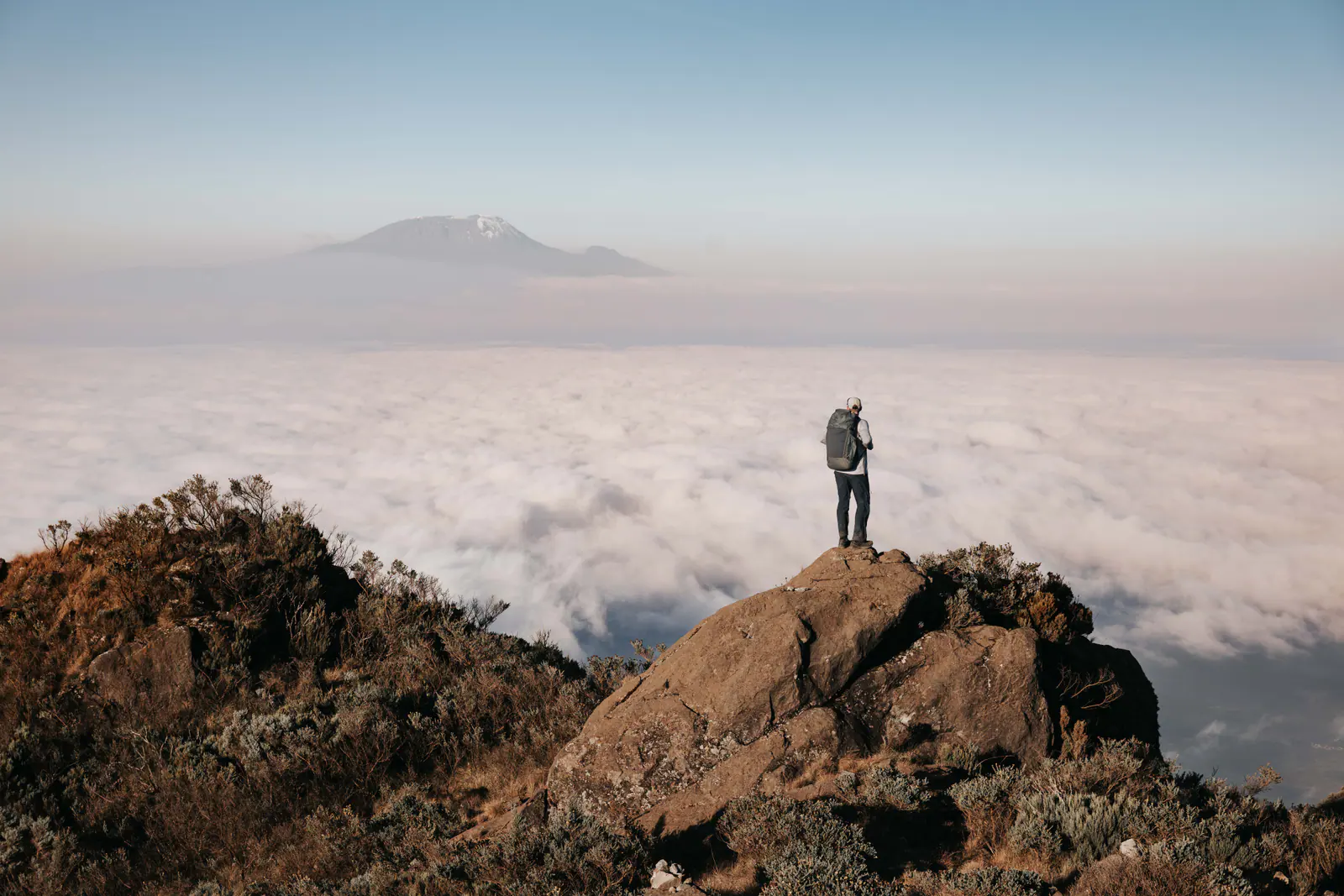 Kilimanjaro Safety How pacing, guide checks, oxygen, evacuation planning and honest turnaround decisions keep a climb safe. Safety
Read the guide
Kilimanjaro Safety How pacing, guide checks, oxygen, evacuation planning and honest turnaround decisions keep a climb safe. Safety
Read the guide
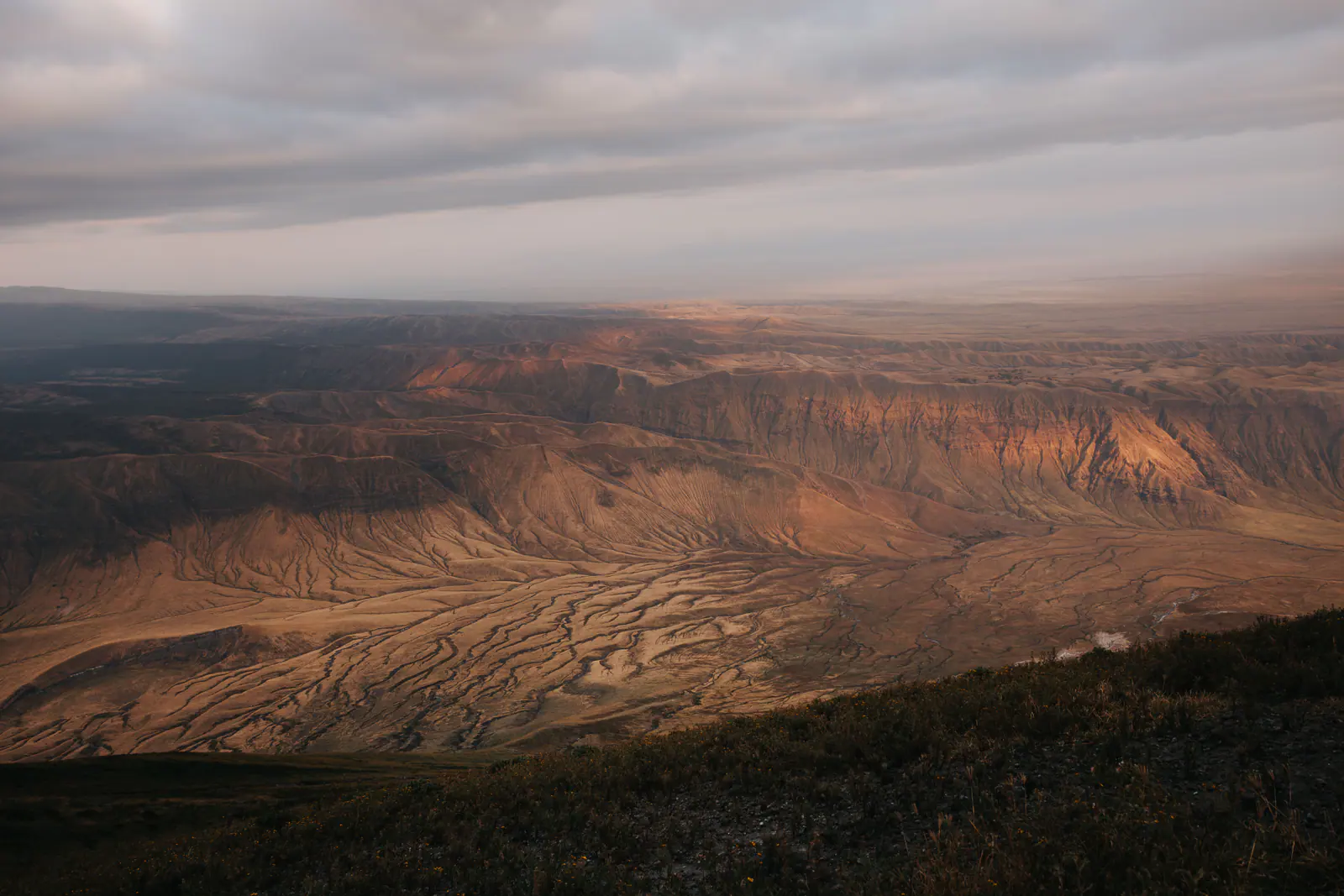 Kilimanjaro Routes Compare every Kilimanjaro route side by side: days on the mountain, acclimatisation profile, scenery and comfort. Routes
Read the guide
Kilimanjaro Routes Compare every Kilimanjaro route side by side: days on the mountain, acclimatisation profile, scenery and comfort. Routes
Read the guide
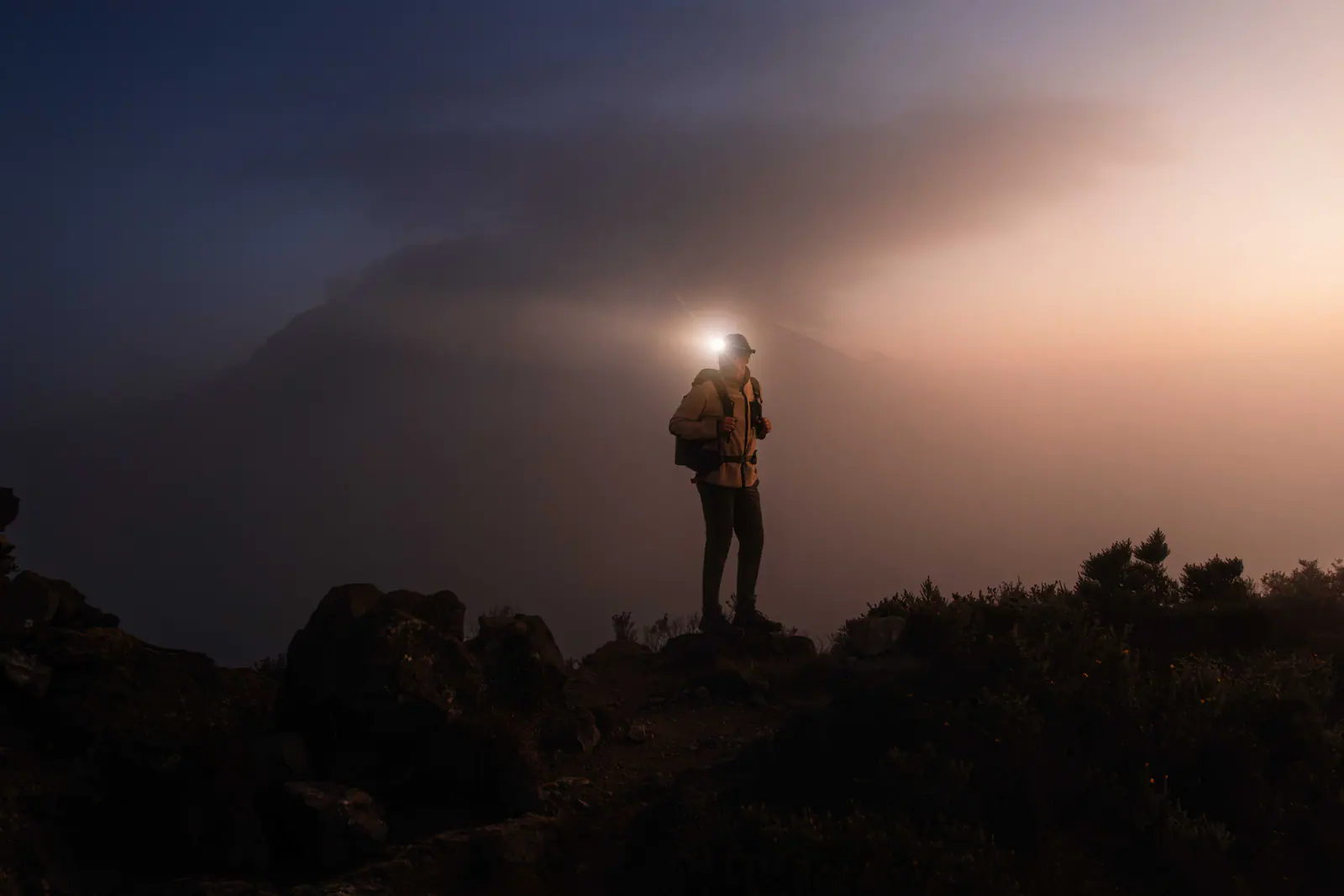 Kilimanjaro Summit Night What really happens between midnight and sunrise: cold, pace, layers, food and reaching Uhuru Peak. Safety
Read the guide
Kilimanjaro Summit Night What really happens between midnight and sunrise: cold, pace, layers, food and reaching Uhuru Peak. Safety
Read the guide
Frequently Asked Questions
-
It is your body reacting to reduced air pressure, which means less oxygen reaches your blood with each breath. Acute mountain sickness typically shows as headache, nausea, low appetite, fatigue and poor sleep above roughly 3,500m. This is general information, not medical advice.
Worried about altitude? Let's plan the itinerary around it.
Tell us your dates, your altitude history and any health considerations, and we will recommend a route and day count that gives your body a fair chance, even if that means a longer trip than you first had in mind.