


Private Kilimanjaro Climb: How a Tailored Trek Is Built and Priced
A private Kilimanjaro climb means the mountain is still shared, but your team is not. You choose the dates, the route, the number of days and the pace, and the crew works to your party alone. This guide explains what a private climb actually changes on the mountain, what drives the price, and how to brief us so your quote reflects the climb you want.
- Guide
- Cost
- Reading time
- 10minutes
- In this guide
- 8sections
- Your dates, your pace
- Any route, any length
- Dedicated guide team
- Itemised written quote
Local Tanzania team · Licensed mountain crew · Real Safari Soles itineraries
A private Kilimanjaro climb is a departure built for your party only.
- Private means a dedicated crew for your party only, not a private mountain or a different trail.
- You choose the route, the number of days and the departure date, including mid-week and shoulder-season starts.
- Pace is set by your party, which matters most on acclimatisation days and summit night.
- Adding one acclimatisation day is the single most effective private-climb upgrade for summit odds.
- Cost per person falls sharply as party size grows from one to four.
- Comfort upgrades (private toilet tent, larger sleeping tents, walk-in mess tent) are easiest to arrange on a private climb.
01 / 08
What a private climb actually changes
Where this fits: this guide is part of the Kilimanjaro climbing guides hub, which supports our main Kilimanjaro climbing page and our published Kilimanjaro climb prices.
Compare it with the group climb guide, the cost breakdown and the booking process guide; the fixed park components are published by TANAPA.
The trails on Kilimanjaro are public and busy in season, so a private climb does not give you an empty mountain. What it gives you is a dedicated team and a schedule that answers only to your party. Your lead guide is not balancing your pace against six strangers, your cook is catering for your group's preferences, and your camp is pitched for you.
In practice this shows up in small decisions that compound. Starting an hour later because someone slept badly. Taking a longer lunch at Shira because the weather is good. Walking the Barranco Wall at a genuinely slow pace without feeling watched. Turning summit night into a slightly earlier or later departure based on how your party is actually doing rather than a fixed group time.
It also shows up in health monitoring. On a private climb the guide-to-climber ratio is usually better, which means twice-daily checks, pulse oximeter readings and symptom conversations are less rushed and more individual.
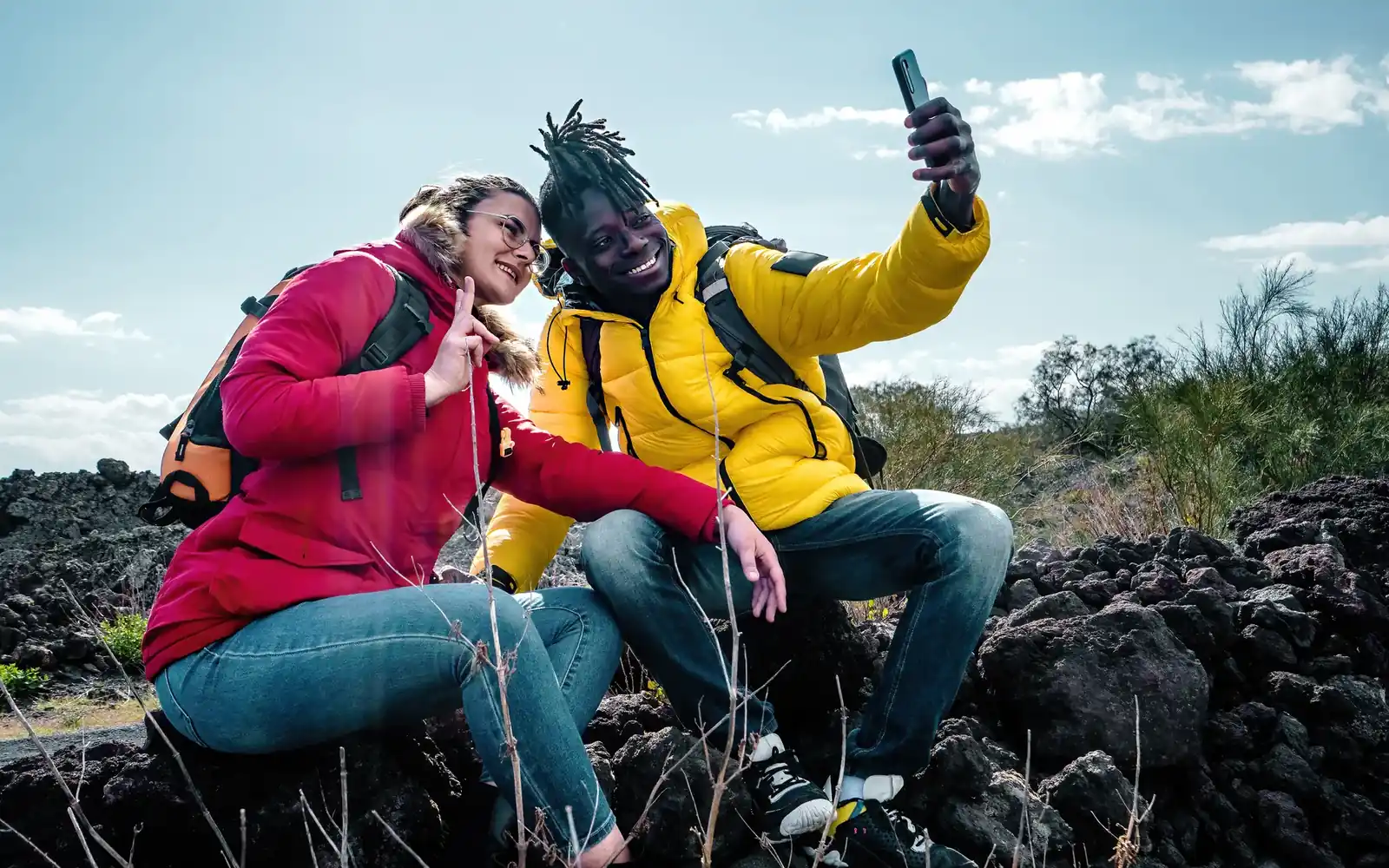
Private climb vs group departure
Private climb
- Any start date, including mid-week and shoulder season
- Route and day count chosen by you
- Pace set by your party alone
- Better guide-to-climber ratio
- Extra acclimatisation days easy to add
- Comfort upgrades straightforward to arrange
- Higher cost per person, especially for one or two climbers
Group departure
- Published departure dates only
- Fixed route and itinerary
- Pace is a compromise across the group
- Crew shared across more climbers
- Itinerary changes generally not possible
- Standard camp setup
- Lower cost per person through shared crew costs
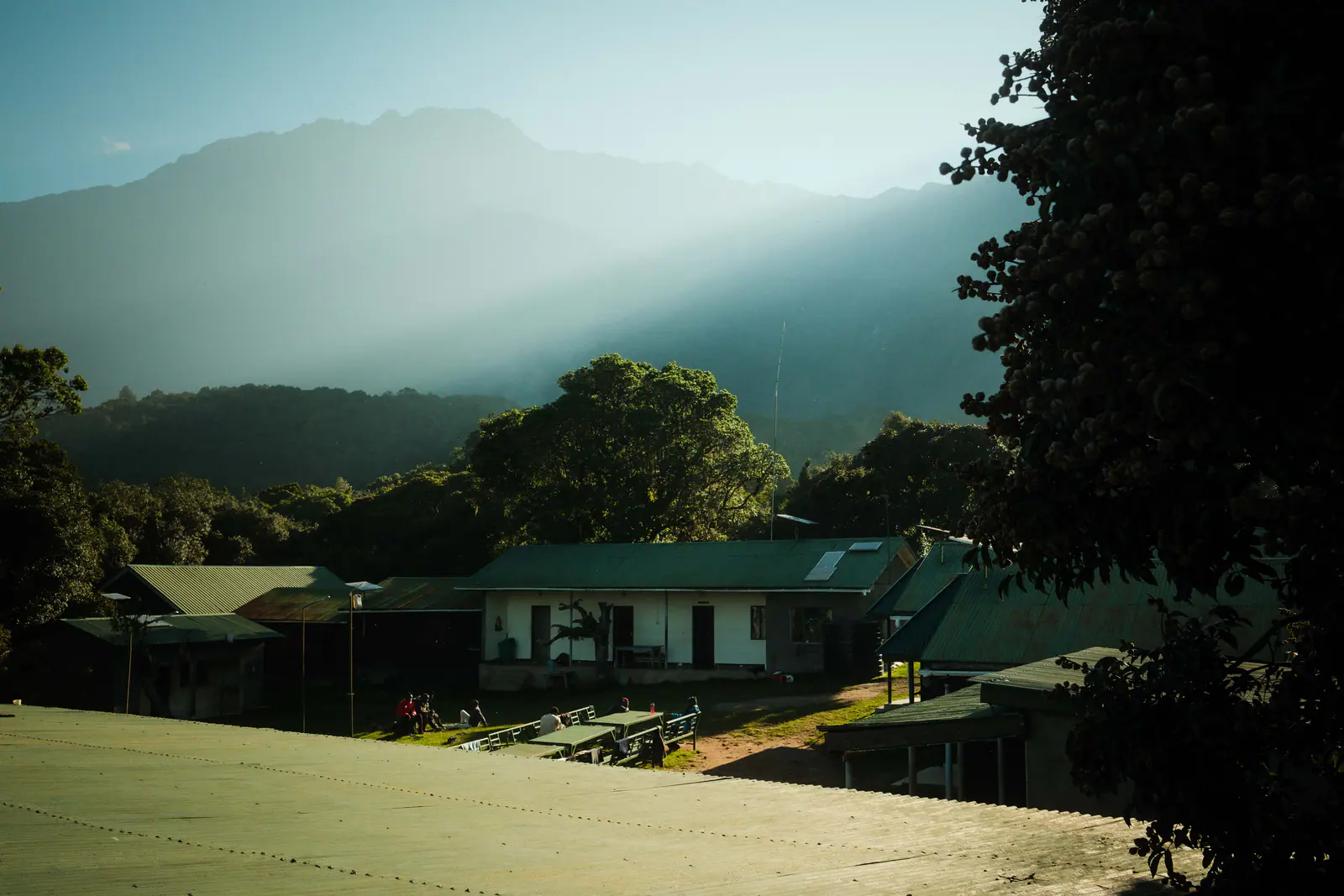
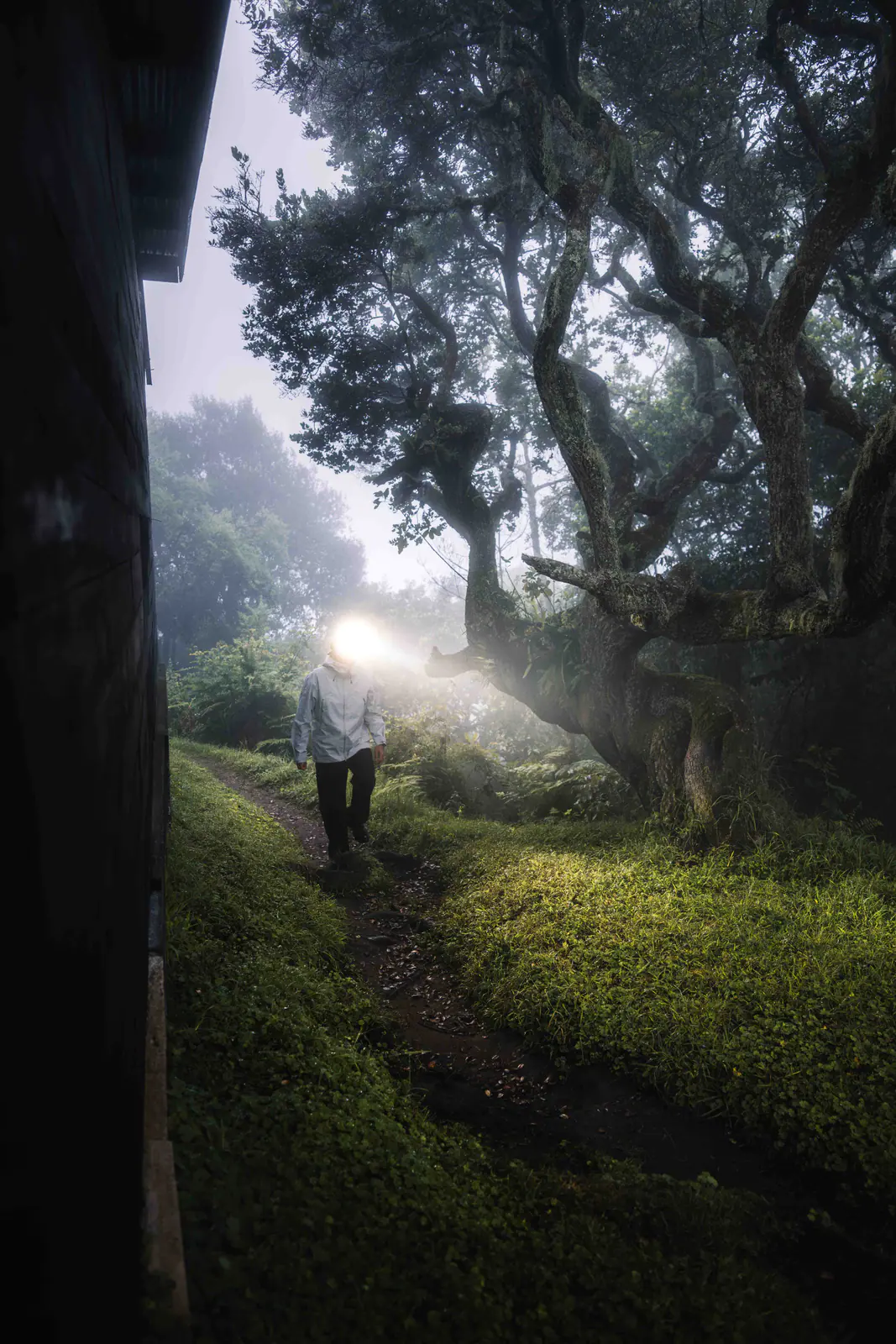
Hut roofs and trees lit by a low beam of light, with a mountain rising behind in blue haze.
02 / 08
Who a private climb genuinely suits
Private is not automatically better. It is better for specific situations. This is how we usually advise.
Couple or two friends with fixed leave dates
Private or group? Private
- Why
- Dates rarely line up with published departures, and two people share crew costs reasonably well.
Family with teenagers or mixed fitness
Private or group? Private
- Why
- Pace, rest stops and turnaround decisions need to flex around the slowest walker without group pressure.
Solo climber on a budget
Private or group? Group
- Why
- A solo private climb carries the full crew cost alone; a group departure is far more economical.
Solo climber wanting maximum summit odds
Private or group? Private
- Why
- Full control of pace and an added acclimatisation day, at a premium.
Group of four to eight friends or colleagues
Private or group? Private
- Why
- Cost per person approaches group pricing while keeping full control of dates and route.
Corporate, charity or milestone climb
Private or group? Private
- Why
- Branding, briefings, extra rest days and documentation needs are easier on a dedicated departure.
Flexible traveller, cost-led
Private or group? Group
- Why
- If your dates can move to suit a departure, you are paying less for the same mountain.
03 / 08
The five decisions that shape a private climb
- Route: Lemosho and Northern Circuit favour acclimatisation, Machame balances scenery and cost, Rongai suits quieter and drier approaches, Marangu is hut-based, Umbwe is steep and experienced-only.
- Length: the difference between a rushed itinerary and a comfortable one is usually one or two nights, and it affects summit odds more than gear or fitness.
- Dates: dry-season months are busier and more settled; shoulder dates are quieter and can be significantly more pleasant on the trail.
- Comfort level: sleeping tent size, mattress thickness, walk-in mess tent, private toilet tent, hot water arrangements and pre/post hotel standard.
- Extensions. A northern-circuit safari, a Serengeti add-on or a Zanzibar recovery week are best planned in the same booking rather than bolted on later.
If you only change one thing from a standard itinerary, add a day. An extra acclimatisation night does more for summit odds and enjoyment than any gear purchase, and on a private climb it is a simple change to make.
04 / 08
What actually drives a private climb price
We quote private climbs from the ground up rather than discounting a brochure figure, because the cost is genuinely built from park fees, crew, food, transport and equipment. Understanding which parts move helps you see where a quote can flex and where it cannot.
Park and camping fees
Per person, per day: the largest fixed block
- Can it flex?
- No: set by the park authority
Number of days
Each extra night adds fees, food, crew wages and logistics
- Can it flex?
- Yes: but shortening days lowers summit odds
Party size
Crew and transfer costs spread across fewer or more climbers
- Can it flex?
- Yes: cost per person falls as your group grows
Route choice
Longer, remoter routes need more crew days and transport
- Can it flex?
- Yes: within what suits your acclimatisation
Crew size and wages
Fair wages and correct porter loads are a real, non-negotiable cost
- Can it flex?
- No: this is where cut-price operators cut
Camp equipment standard
Larger tents, thicker mattresses and private toilets add porter loads
- Can it flex?
- Yes: a genuine comfort choice
Hotels and transfers
Pre/post nights, airport transfers, gate transport
- Can it flex?
- Yes: hotel standard is easy to adjust
Extensions
Safari and Zanzibar add-ons priced separately
- Can it flex?
- Yes: planned alongside the climb
For a full breakdown of where the money goes on any Kilimanjaro climb, including how park fees are structured and what a suspiciously cheap quote is usually leaving out, read our cost guide: this page assumes that context rather than repeating it.
Keep reading before you request a quote
-
Kilimanjaro climb cost
Park fees, crew wages, food, gear and transfers, where every part of your money goes.
View cost guide -
Compare group climbs
How scheduled departures work, who they suit, and how the arithmetic differs from private.
Compare options -
Choose your route
Lemosho, Machame, Rongai, Marangu, Northern Circuit and Umbwe compared side by side.
Read route guide
05 / 08
Private climb readiness checklist
Work through this and your quote will come back accurate the first time rather than after three rounds of email.
Private climb readiness checklist
A private climb is only better than a group departure if you actually use the flexibility it buys you. Work through this before you ask us for a quote so your itinerary is built around real preferences rather than defaults.
Early stage: worth deciding a few basics before requesting a quote
0 / 16 sorted
Decide your non-negotiables
Shape the climb
Plan the wider trip
Before you pay a deposit
This checklist helps you prepare the information we need to quote accurately. Final costs, dates and crew arrangements are confirmed in writing by our team.
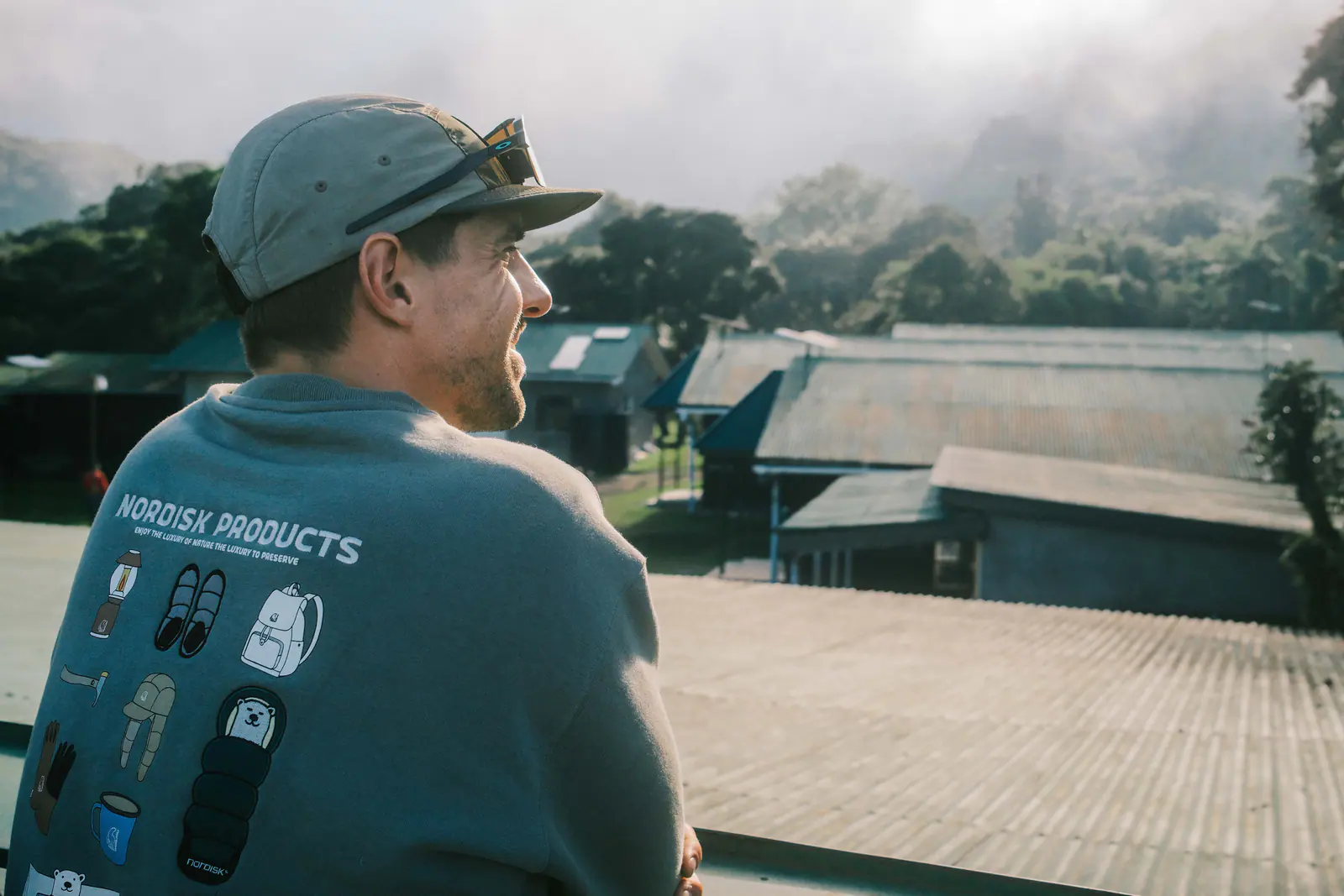
A trekker sits on a rooftop looking across a mountain camp, with misty forest behind.
06 / 08
How we build your private itinerary
- Step 1
Your brief
You send dates, party size, fitness, route preference if you have one, and anything that matters: a birthday summit, a slow walker, a Zanzibar week afterwards.
- Step 2
Our recommendation
We come back with a route and day count we would actually put our own family on, plus one alternative, and we say plainly why.
- Step 3
Itemised quote
A written breakdown: days on the mountain, crew, park fees, hotels, transfers, inclusions and exclusions, line by line.
- Step 4
Refine
You adjust length, comfort level, hotels or extensions until the itinerary matches your budget and priorities.
- Step 5
Confirm
Deposit secures your dates, crew and park permits. Balance is due before the climb on agreed terms.
- Step 6
Pre-climb
Gear list, training guidance, arrival briefing in Moshi, kit check and a face-to-face meeting with your lead guide.
The full step-by-step of enquiry, deposit, permits and the pre-climb briefing is covered in our booking process guide, which applies to private and group climbs alike.
07 / 08
Adding safari or Zanzibar to a private climb
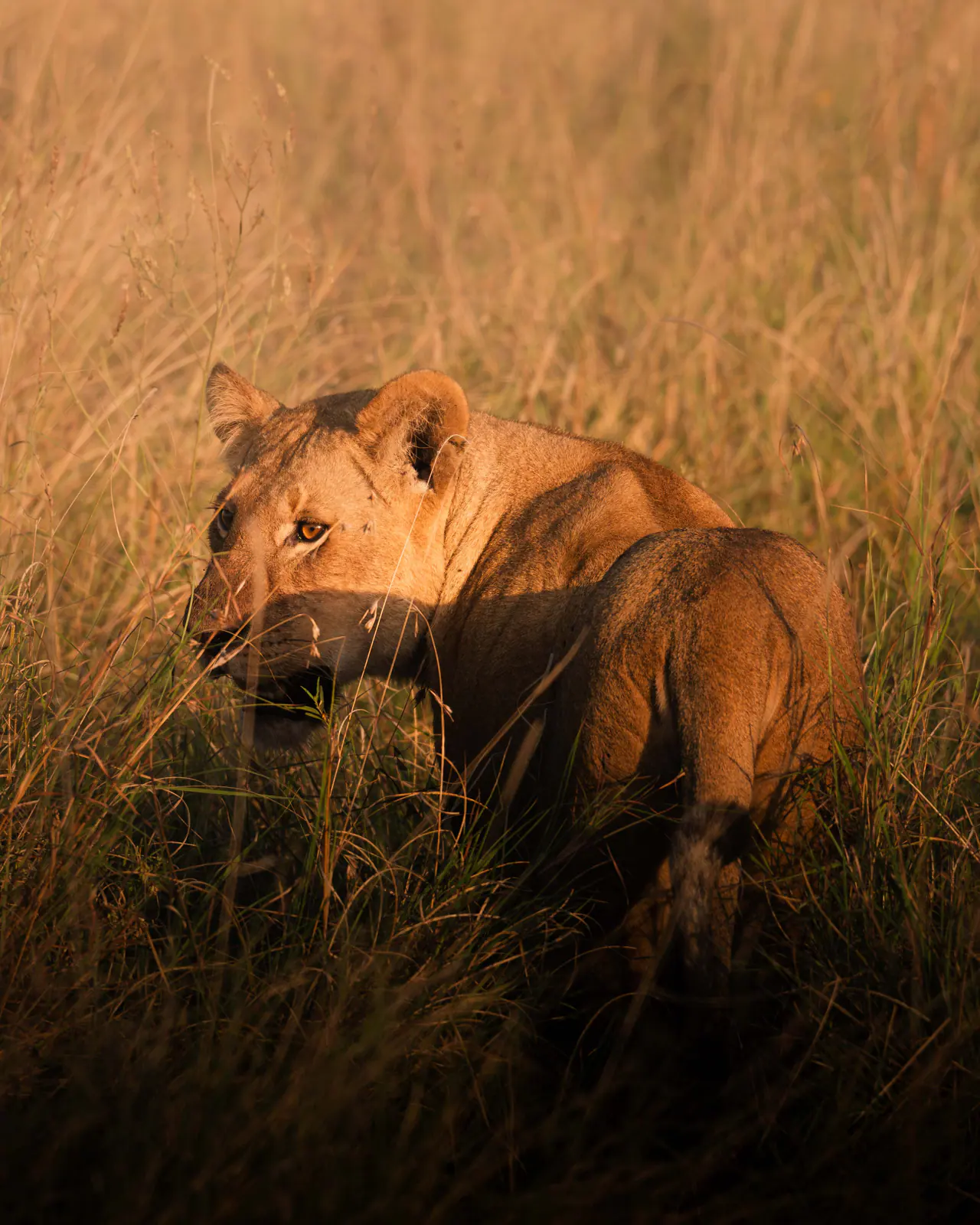
Most climbers fly a long way to reach Tanzania, and the country rewards a longer trip. Because a private climb already fixes your dates, adding a safari or beach week is straightforward. The same team handles transfers, so there is no gap where nobody is responsible for you.
Practically, the ordering matters. Climb first, then rest. A safari or Zanzibar stay after the summit turns recovery into the best part of the trip, whereas a safari before the climb eats into acclimatisation time and arrives with you tired.
08 / 08
How Safari Soles approaches this
Send us your dates, party size and fitness range and we will come back with a route recommendation, a day count we genuinely stand behind, and an itemised quote, not a brochure price.
If you are undecided between private and a group departure, tell us your dates and we will show you both so you can compare the real numbers.
Common mistakes to avoid
Most unsuccessful climbs come from a handful of avoidable planning decisions, not from the mountain.
- Assuming private means an empty mountain rather than a dedicated crew.
- Booking a private climb but keeping the shortest possible itinerary to save money.
- Requesting a quote without dates, party size or fitness detail, then comparing incomparable numbers.
- Comparing a private quote against a group price as if they were the same product.
- Leaving a safari or Zanzibar extension until after the climb is booked.
- Paying a deposit before receiving itemised inclusions and exclusions in writing.
- Choosing the cheapest private quote without asking how crew are paid and loaded.
Get these right and the climb follows
Every one of these comes down to the same thing: matching the route and the day count to the climber before booking anything. Send us your dates and we will tell you honestly what is realistic.
Plan this climb with a local expertQuestions worth asking any operator
Ask these of any operator you are comparing, including us. The answers tell you more about a climb than the price does.
- Exactly what is included and excluded in this private climb quote, line by line?
- How many crew will be on my climb, and what is the guide-to-climber ratio?
- How many genuine acclimatisation days are in this itinerary, and what would adding one cost?
- Who will my lead guide be, and how many Kilimanjaro summits have they led?
- What safety equipment is carried (pulse oximeters, emergency oxygen, stretcher) and what is the evacuation plan?
- How are porters paid and how are loads weighed and limited?
- What are the deposit, balance and cancellation terms in writing?
- Can this quote be adjusted for a longer route, better hotels or a safari extension?
What Safari Soles puts in writing
Everything below is confirmed before you pay, so nothing about your climb is left to be discovered on the mountain.
-
Your route, day count and acclimatisation profile
Confirmed in writing before you pay, with our honest view on whether the number of days suits you.
-
How your health is monitored on the mountain
The daily check routine and who is responsible for it are explained at your pre-climb briefing.
-
First-aid and emergency response for your itinerary
You are told what travels with the climb and what happens at each camp if someone needs to descend.
-
Who is on your crew and what each person does
Lead guide, assistant guides, cook and porters are set out for your group size, not left vague.
-
Porter load handling for your climb
Duffel limits and how loads are weighed are confirmed before departure, so there are no gate surprises.
-
Tent, sleeping mat and dining arrangements
Camp comfort is described in the quote rather than discovered on the first night.
-
Meals, drinking water and hot drinks
How your food is cooked and your water treated is explained, including dietary requirements.
-
Gear rental list, sizes and prices
Shared before you shop, so you buy what matters at home and hire the rest on arrival.
-
An itemised quote with fees shown separately
Park and camping fees, crew, equipment, transfers and hotels appear as their own lines.
-
Tipping guidance for your group size
The customary range and how tips are collected are agreed before you fly, in writing.
Local Kilimanjaro operators, licensed crew, honest guidance
Written and reviewed by the Safari Soles team in Arusha, who plan and run Kilimanjaro climbs from beside the mountain rather than brokering them from an overseas office.
- Reviewed by the Safari Soles Kilimanjaro planning team
- Updated for 2026 climbing seasons
- Route and day count matched to your fitness and altitude history
- Daily health monitoring and descent decisions agreed before you book
- Read Safari Soles reviews on TripAdvisor
- Read Safari Soles reviews on SafariBookings
- Read Safari Soles reviews on Google
Where these facts come from (4)
- TANAPA: Tanzania National Parks Official park authority information on regulations, park fees and permitted activities.
- UNESCO: Kilimanjaro National Park The World Heritage listing for Kilimanjaro National Park, which records Africa's highest point at 5,895m.
- Tanzania Immigration: eVisa Official portal for visa requirements and online applications before you travel.
- Tanzania Tourist Board Government tourism information on travelling in Tanzania, seasons and destinations.
Related Safari Soles guides
Continue with the guides travellers usually read next.
 Kilimanjaro Climb Cost Where your money goes: park fees, crew wages, food, gear, transfers and route length. Cost
Read the guide
Kilimanjaro Climb Cost Where your money goes: park fees, crew wages, food, gear, transfers and route length. Cost
Read the guide
 Kilimanjaro Group Climbs Join a scheduled departure to share crew costs, meet other climbers and keep your dates flexible. Group Climbs
Read the guide
Kilimanjaro Group Climbs Join a scheduled departure to share crew costs, meet other climbers and keep your dates flexible. Group Climbs
Read the guide
 Kilimanjaro Routes Compare every Kilimanjaro route side by side: days on the mountain, acclimatisation profile, scenery and comfort. Routes
Read the guide
Kilimanjaro Routes Compare every Kilimanjaro route side by side: days on the mountain, acclimatisation profile, scenery and comfort. Routes
Read the guide
Frequently Asked Questions
-
A departure run for your party alone, with a dedicated guide, cook and porter team. You choose the dates, route, number of days and pace, and no other climbers join your group.
Get an itemised private climb quote
Send your dates, party size and fitness range and our Tanzania mountain team will build a private itinerary around them, with every cost itemised before you commit. Prefer to talk it through? Message us on WhatsApp at +255766322264 or browse the full trip range at safarisolestours.com.