


How to Read Kilimanjaro Operator Reviews Properly
A glossy brochure and a well-designed website tell you almost nothing about how an operator actually runs a climb. Independent reviews, read carefully, tell you far more, if you know what to look for and what a star rating cannot show you.
- Guide
- Reviews
- Reading time
- 9minutes
- In this guide
- 8sections
- What reviews can show
- What reviews cannot show
- Questions to ask
- Verified sources only
Local Tanzania team · Licensed mountain crew · Real Safari Soles itineraries
Reviews matter more for a Kilimanjaro climb than for almost any other type of trip, because so much of what determines a good or bad experience (guide judgement, crew treatment, honest communication about pace and risk) happens away from anything an operator's own marketing can show you. A brochure can describe a route; only a past climber can tell you how it actually felt to be on it.
- Reviews reveal operational details (crew treatment, honest pacing, communication) that brochures cannot show.
- Specific, detailed reviews describing particular days are far more useful than short generic praise.
- Reading across independent platforms gives a fuller picture than relying on one source alone.
- Some review patterns are worth treating with caution, including bursts of near-identical wording.
- Reviews cannot tell you about departures, dates or conditions that have changed since they were written.
- A review audit checklist helps you read with a critical eye rather than skimming star ratings.
01 / 08
Why reviews matter more than brochures for a climb
Where this fits: this guide is part of the Kilimanjaro climbing guides hub, which supports our main Kilimanjaro climbing page and our published Kilimanjaro climb prices.
Use it with the safety guide, the porter welfare guide and the booking process guide, and read operator reviews on independent platforms such as SafariBookings and TripAdvisor rather than testimonials alone.
Check that any operator you shortlist is licensed to work in the park via TANAPA and the Tanzania Tourist Board, then compare the private climb and group climb options.
Almost any operator's website can describe a route accurately, list what is included, and show attractive photographs of the mountain. None of that tells you how the guides actually behave when a client is struggling with altitude, whether the crew are properly equipped at a cold high camp, or whether the itinerary you are quoted is the itinerary you actually get once you are on the trail.
Those operational details are exactly what past climbers can describe and marketing material cannot. A review that mentions how a guide responded when someone in the group developed a headache at altitude tells you something a glossy itinerary PDF never will.
This is why it is worth treating review research as a genuine part of your planning process, not an afterthought after you have already chosen based on price or route alone.

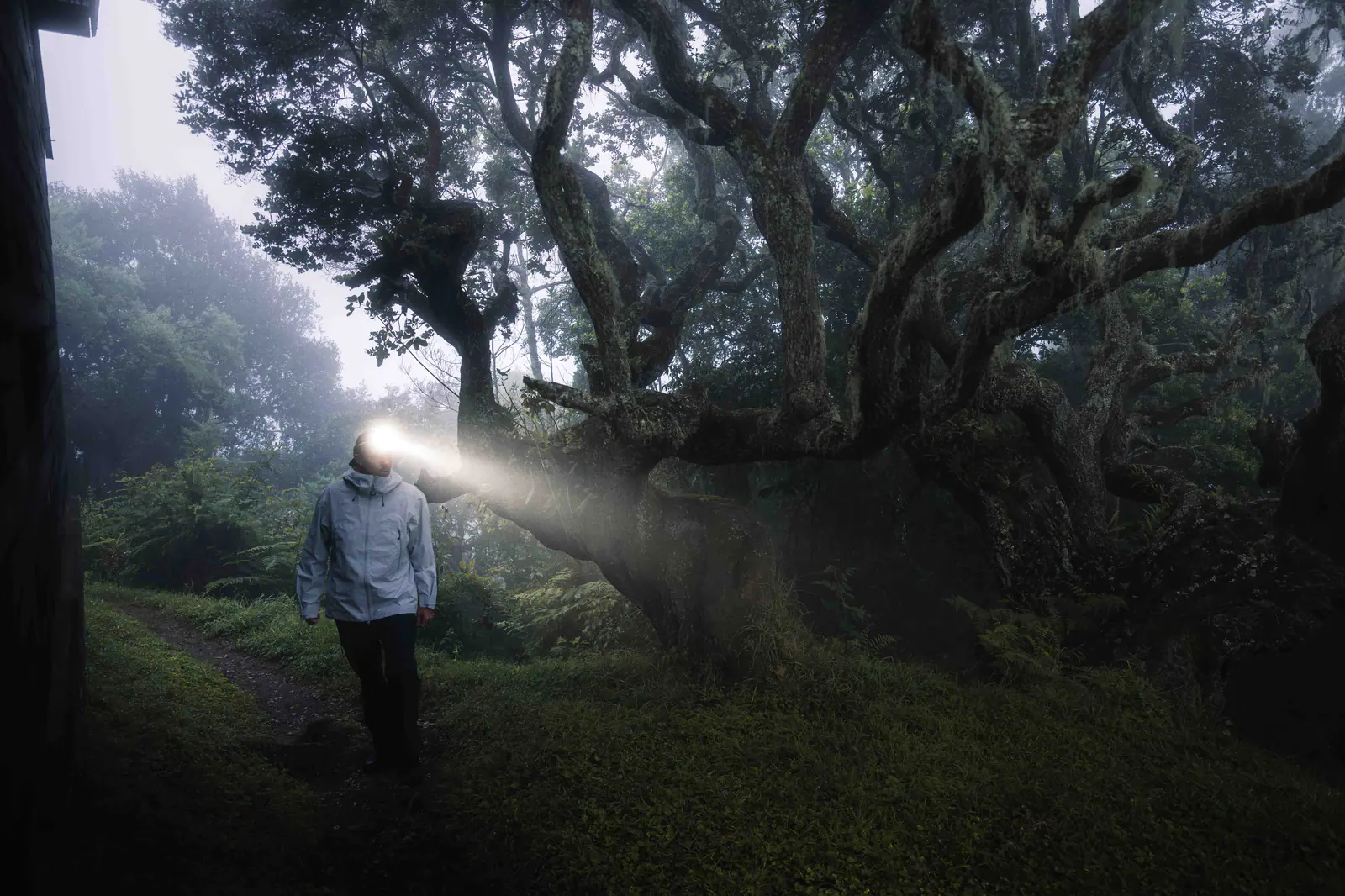
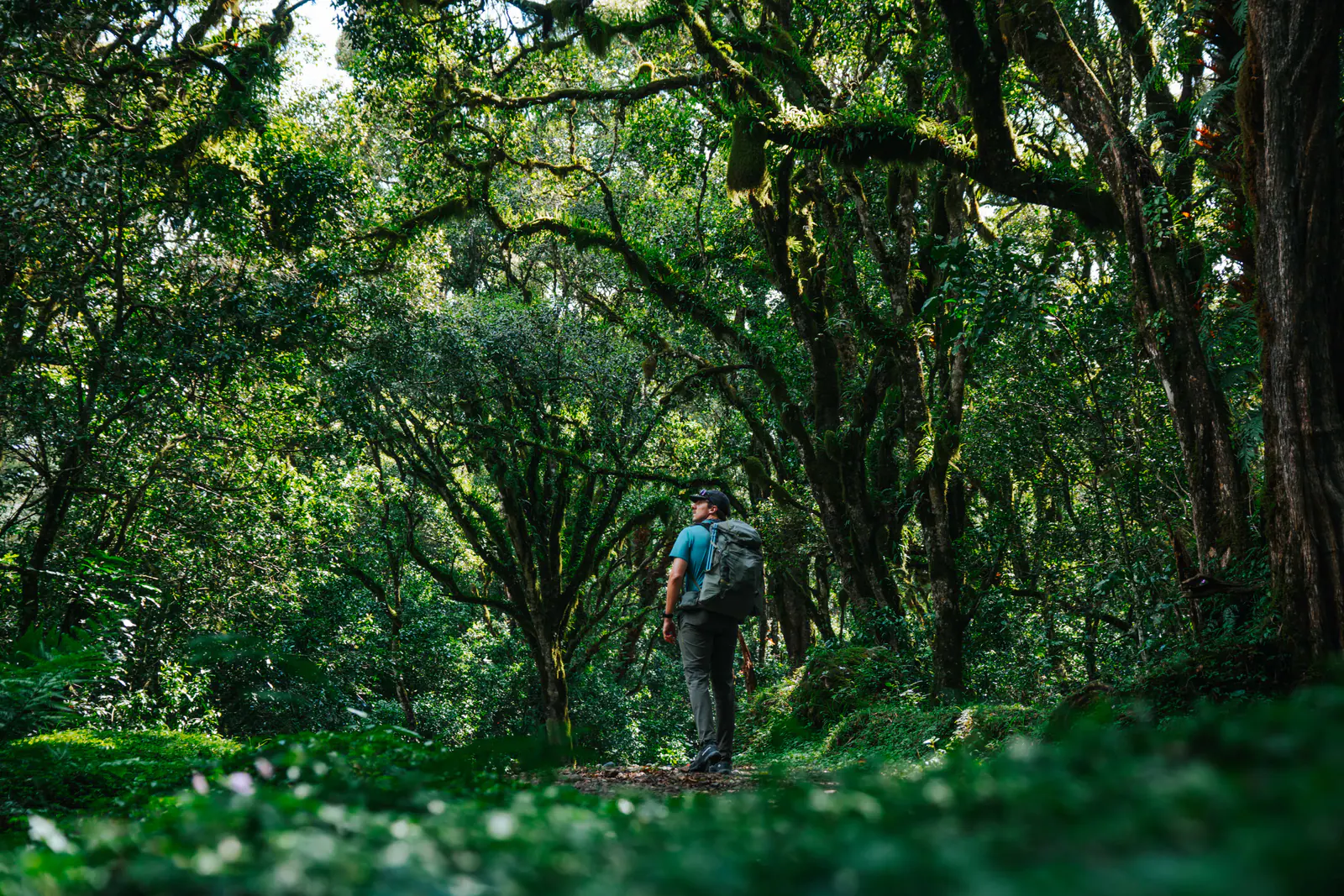
A trekker with a headlamp walks under an old, twisted tree in misty forest at dawn.
02 / 08
Categories of detail worth reading for
Look specifically for mentions of
- Safety handling: how altitude symptoms were noticed and managed, and how descent decisions were made
- Guide quality: whether guides were experienced, communicative, and made climbers feel informed rather than just directed
- Food: whether meals were varied, hot and adapted for the climb, not just 'the food was fine'
- Crew welfare: any mention of how porters and cooks seemed to be treated, equipped and fed
- Pre-travel communication: how clearly questions were answered before the trip, and how promptly
- Problem handling: how the operator responded when something did not go to plan, since problems happen on every mountain
Notice which of these categories a review simply does not mention. A review that praises scenery and says nothing about the guides or crew for an entire multi-day account is not necessarily negative, but it is also not telling you much about the things that most affect how a climb actually goes.
03 / 08
How to spot unreliable or incentivised reviews
Not every review is a fair, independent account. Some are written under gentle pressure (a guide asking for a good rating before the group leaves the mountain, for instance) and some platforms are easier to post to anonymously than others, which can affect reliability.
A cluster of reviews posted within days of each other, using similar phrasing or unusually generic praise, is worth reading more sceptically than a spread of detailed reviews posted naturally over months or years. Genuine reviewers tend to describe different things because their trips were genuinely different; a batch of very similar wording suggests something else is going on.
- Multiple reviews posted within a short window using near-identical phrasing
- Reviews that read like marketing copy rather than a personal, specific account
- No mention at all of guides, crew or food across many reviews
- A total absence of any less-than-perfect account, on a multi-day physical challenge where things occasionally do go wrong

04 / 08
What reviews cannot answer for you
Reviews describe someone else's trip, on someone else's dates, sometimes with a different route, group size or season than the one you are planning. An excellent review from two years ago does not guarantee the same crew, standards or itinerary today, and a difficult review does not necessarily reflect current practice either.
Reviews also cannot tell you what will suit your specific fitness, altitude sensitivity or comfort preferences. Someone else's account of an easy, enjoyable climb is not a guarantee that the same route and pace will feel the same way for you.
This is exactly why reviews are best used as one input among several: alongside a direct conversation with the operator about your specific plans, questions and concerns.
05 / 08
Operator review audit checklist
Work through this while reading reviews on any platform, for any operator, including us.
Operator review audit checklist
Use this while you read through reviews on any Kilimanjaro operator, including us. It will help you notice the details that matter rather than skimming star ratings.
Just getting started: read a wider spread of reviews before deciding
0 / 17 sorted
Safety signals
Crew treatment signals
Itinerary honesty signals
Red flags
This checklist is a reading guide, not a rating system. It does not certify or score any specific operator, including Safari Soles.
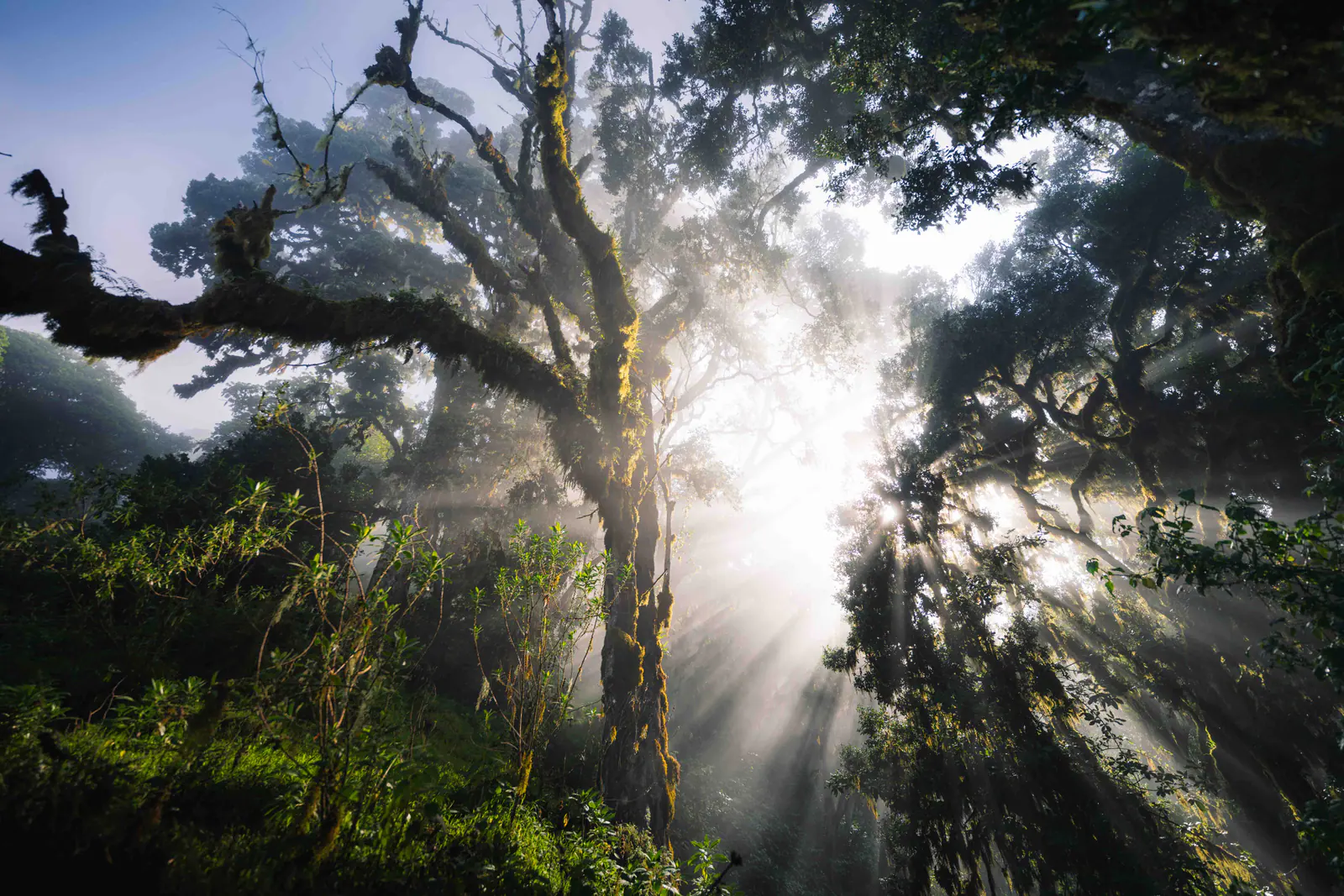
Sunbeams fan out through a tall, moss-covered tree in misty forest.
06 / 08
Where to find independent reviews
Reading beyond an operator's own website matters, because a company controls exactly what appears there. Independent third-party platforms are generally more reliable, though each has its own limitations worth understanding.
- Independent traveller reviews. Ask our team for the current direct profile link. Search for the operator by name and read a spread of reviews across different dates rather than only the most recent.
- Independent safari and climb operator review platform used widely by Tanzania travellers. It focuses specifically on African safari and climb operators, which can make comparisons between companies more relevant than a general travel platform.
- Search Safari Soles Tours on Google Maps to read verified visitor reviews. Google reviews are often easiest to post to, which makes volume useful context but also worth reading critically alongside other sources.
If you cannot find the specific detail you are looking for in a review, ask us directly. We would rather answer a specific question about crew, safety practice or itinerary honestly than have you guess from an incomplete review.
07 / 08
How to use reviews as part of your decision
- Read a spread of reviews across at least two independent platforms, not just one
- Prioritise detailed, specific accounts over short generic praise
- Note any recurring themes (positive or negative) across multiple independent reviewers
- Treat single outlier reviews, in either direction, with some caution
- Bring any specific concerns a review raises directly to the operator before booking
08 / 08
How Safari Soles approaches this
We are glad to discuss anything you read in a review, on any platform, honestly and directly, including questions about crew treatment, safety practice or itinerary changes.
We do not manage or curate what appears on independent platforms, and we would rather you read widely than rely on any single source, including our own website.
Common mistakes to avoid
Most unsuccessful climbs come from a handful of avoidable planning decisions, not from the mountain.
- Relying only on reviews shown on an operator's own website.
- Trusting a star rating without reading any of the actual written reviews behind it.
- Assuming a review from several years ago reflects current practice.
- Ignoring a cluster of similarly worded reviews posted in a short window.
- Skipping reviews entirely and choosing based on price or route description alone.
- Reading only the most recent reviews and missing longer-term patterns.
- Not asking the operator directly about something a review raised as a concern.
Get these right and the climb follows
Every one of these comes down to the same thing: matching the route and the day count to the climber before booking anything. Send us your dates and we will tell you honestly what is realistic.
Plan this climb with a local expertQuestions worth asking any operator
Ask these of any operator you are comparing, including us. The answers tell you more about a climb than the price does.
- Can you help me understand a specific review I read, positive or negative?
- How has your itinerary or crew practice changed since older reviews were written?
- How do you usually respond when a climb does not go entirely to plan?
- What would you want a first-time climber to ask before booking with any operator?
- How can I verify current information about your climbs beyond reviews alone?
What Safari Soles puts in writing
Everything below is confirmed before you pay, so nothing about your climb is left to be discovered on the mountain.
-
Your route, day count and acclimatisation profile
Confirmed in writing before you pay, with our honest view on whether the number of days suits you.
-
How your health is monitored on the mountain
The daily check routine and who is responsible for it are explained at your pre-climb briefing.
-
First-aid and emergency response for your itinerary
You are told what travels with the climb and what happens at each camp if someone needs to descend.
-
Who is on your crew and what each person does
Lead guide, assistant guides, cook and porters are set out for your group size, not left vague.
-
Porter load handling for your climb
Duffel limits and how loads are weighed are confirmed before departure, so there are no gate surprises.
-
Tent, sleeping mat and dining arrangements
Camp comfort is described in the quote rather than discovered on the first night.
-
Meals, drinking water and hot drinks
How your food is cooked and your water treated is explained, including dietary requirements.
-
Gear rental list, sizes and prices
Shared before you shop, so you buy what matters at home and hire the rest on arrival.
-
An itemised quote with fees shown separately
Park and camping fees, crew, equipment, transfers and hotels appear as their own lines.
-
Tipping guidance for your group size
The customary range and how tips are collected are agreed before you fly, in writing.
Local Kilimanjaro operators, licensed crew, honest guidance
Written and reviewed by the Safari Soles team in Arusha, who plan and run Kilimanjaro climbs from beside the mountain rather than brokering them from an overseas office.
- Reviewed by the Safari Soles Kilimanjaro planning team
- Updated for 2026 climbing seasons
- Route and day count matched to your fitness and altitude history
- Daily health monitoring and descent decisions agreed before you book
- Read Safari Soles reviews on TripAdvisor
- Read Safari Soles reviews on SafariBookings
- Read Safari Soles reviews on Google
Where these facts come from (3)
- Safari Soles on TripAdvisor Independent traveller reviews. Ask our team for the current direct profile link.
- SafariBookings operator reviews Independent safari and climb operator review platform used widely by Tanzania travellers.
- Google Reviews Search Safari Soles Tours on Google Maps to read verified visitor reviews.
Related Safari Soles guides
Continue with the guides travellers usually read next.
 Kilimanjaro Group Climbs Join a scheduled departure to share crew costs, meet other climbers and keep your dates flexible. Group Climbs
Read the guide
Kilimanjaro Group Climbs Join a scheduled departure to share crew costs, meet other climbers and keep your dates flexible. Group Climbs
Read the guide
 Porter Welfare Load limits, wages, meals, sleeping gear and why porter treatment is part of climbing responsibly. Crew & Equipment
Read the guide
Porter Welfare Load limits, wages, meals, sleeping gear and why porter treatment is part of climbing responsibly. Crew & Equipment
Read the guide
 Kilimanjaro Safety How pacing, guide checks, oxygen, evacuation planning and honest turnaround decisions keep a climb safe. Safety
Read the guide
Kilimanjaro Safety How pacing, guide checks, oxygen, evacuation planning and honest turnaround decisions keep a climb safe. Safety
Read the guide
Frequently Asked Questions
-
Much of what determines a good or bad climb (guide judgement, crew treatment, honest pacing) happens away from anything a brochure or website can show you. Past climbers can describe those details in a way marketing material cannot.
Read widely, then ask us directly
Once you have read reviews across a few independent platforms, bring your questions straight to us. We would rather answer them honestly than have you guess.