


Kilimanjaro Camp Life: What a Week on the Mountain Is Really Like
You will spend far more hours in camp than walking. Camp is where you eat, wash, sleep badly, get your oxygen checked and find out what tomorrow looks like. This guide sets out the daily camp routine hour by hour, what the tents and toilets are really like, how to sleep at altitude, what your crew is doing while you rest, and which comfort upgrades genuinely change the week.
- Guide
- Crew & Equipment
- Reading time
- 18minutes
- In this guide
- 11sections
- Tents pitched before you arrive
- Dining tent and hot meals
- Daily health checks
- Warm washing water twice a day
- Private toilet available
Local Tanzania team · Licensed mountain crew · Real Safari Soles itineraries
Every night except on the Marangu route is spent in tents.
- Porters go ahead and set up camp, you never pitch or carry a tent.
- Expect arrival tea and popcorn, a dining tent, hot meals and warm washing water twice a day.
- Marangu is the only route with huts; every other route is tented throughout.
- Broken sleep at altitude is normal and does not stop people summiting.
- A thicker sleeping mat does more for warmth and sleep than almost any other upgrade.
- Park long-drop toilets are basic; a private portable toilet is the most-appreciated add-on.
01 / 11
What happens when you walk into camp
Where this fits: this guide is part of the Kilimanjaro climbing guides hub, which supports our main Kilimanjaro climbing page and our published Kilimanjaro climb prices.
Read it with the equipment and camp comfort guide, the food and meals guide and the packing list, and see KPAP for how crew sleeping and meal standards are assessed.
For wider context on sleeping high, see CDC high-altitude guidance and NHS advice on altitude sickness, and plan your dates with the best time to climb guide.
Your porters leave camp after you each morning, overtake you on the trail carrying loads on their heads and shoulders, and arrive one to two hours ahead. By the time you walk in, your tent is pitched, your duffel is inside it, the mess tent has a table and chairs, and the kitchen is already working. Someone will greet you with a bowl of warm water and a flask of tea.
The first job is signing the ranger register: every climber records their name, passport number, age and nationality at each camp, which is how the park tracks who is on the mountain. Your guide handles the paperwork; you queue for a few minutes and then you are done for the day.
After that the afternoon is genuinely yours. Most people wash, change out of walking clothes into dry warm layers, lie down for an hour, then reappear for afternoon tea. On acclimatisation days you may do a short walk higher above camp before returning to sleep low, which is the single most effective thing you do for your summit chances.
Afternoon to morning, hour by hour
- 13:00–15:00
Arrival and sign-in
Tents already up, duffels delivered, warm washing water and hot tea. Sign the ranger register with your guide.
- 15:00–16:00
Wash, change and rest
Out of damp walking layers, into dry clothes and a warm jacket. Lie down: resting properly at altitude is part of acclimatising, not laziness.
- 16:00
Afternoon tea
Popcorn, roasted peanuts, biscuits and hot drinks in the mess tent. Often the most sociable hour of the day.
- 16:30–18:00
Acclimatisation walk or downtime
On some days a short climb-high-sleep-low walk above camp. Otherwise cards, reading, journals, and watching the light go off the peaks.
- 18:30
Dinner and health check
Soup, a hot main and fruit. Your lead guide takes oxygen saturation and pulse readings and runs through altitude symptom questions with each climber.
- 19:30
Briefing for tomorrow
Distance, ascent, walking hours, terrain, weather and what to wear at the start. Ask everything here. It is the designated question window.
- 20:00–21:00
Lights out
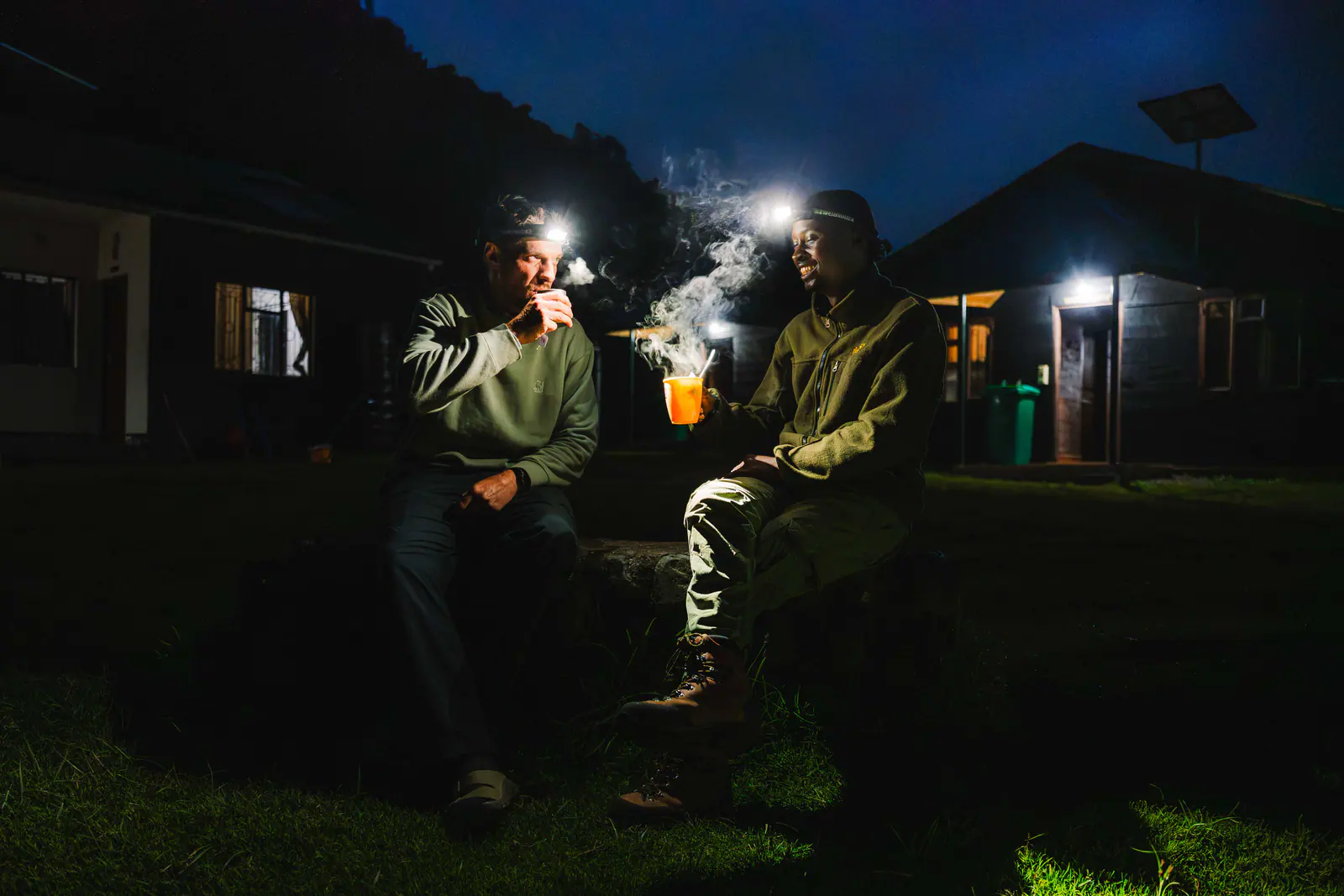
Fill a bottle with hot water for your sleeping bag, set out tomorrow's layers inside the tent, headtorch within reach. Camps go quiet early.
- 06:30
Bed tea
A porter brings hot drinks and warm washing water to your tent door. Pack your duffel before breakfast so the porters can strike camp.
02 / 11
What a Kilimanjaro camp actually looks like
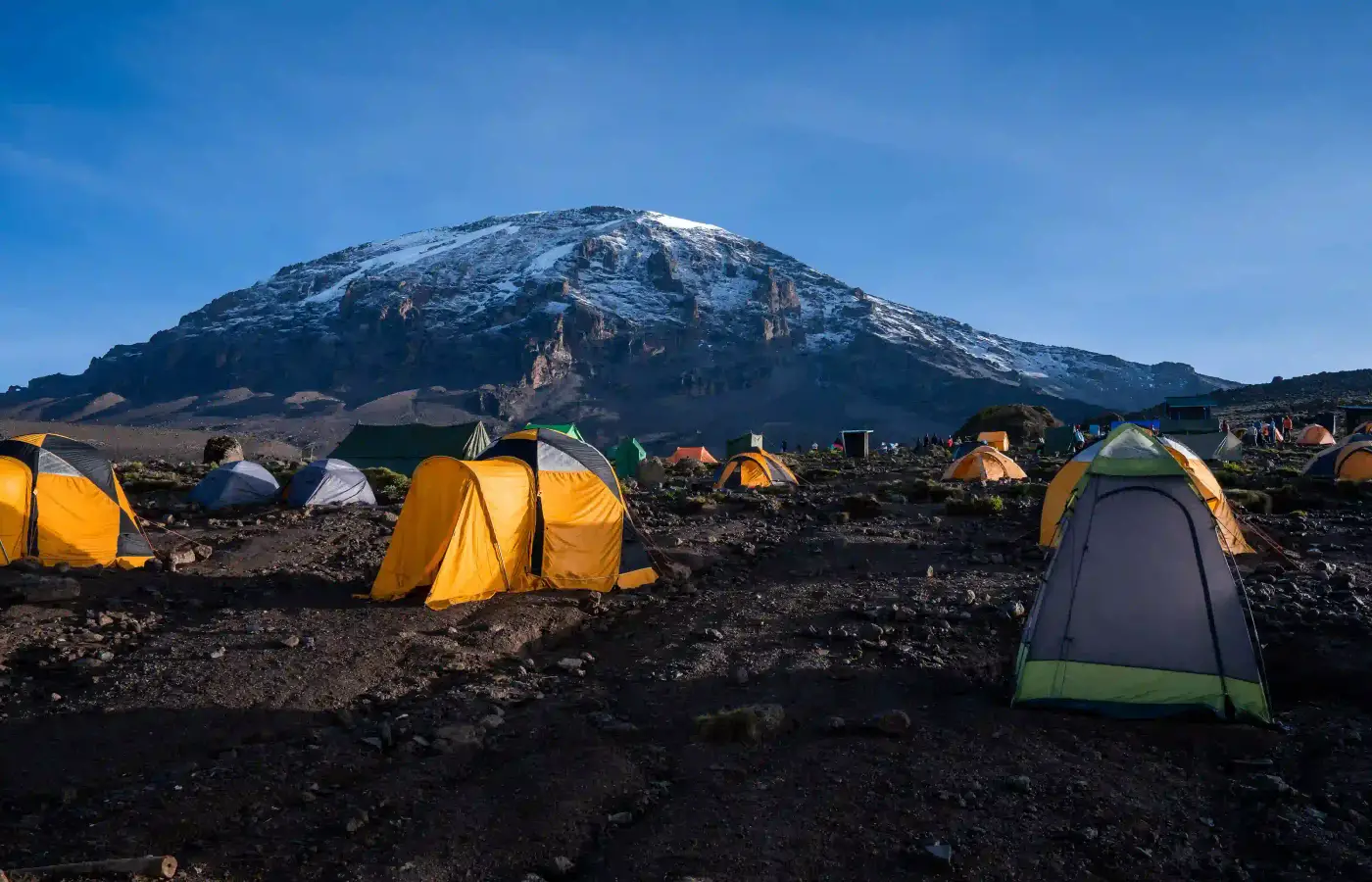
Camps sit on cleared, often rocky ground at designated sites. Nothing is permanent except the ranger hut and the long-drop toilets.
Sleeping tents
Three-person mountain tents used by two climbers
- What to expect
- Room for two people, two duffels and boots in the porch. Warm enough with a good mat; condensation on the inner in the morning is normal.
Mess tent
Standing dining tent with table, chairs and often a tablecloth
- What to expect
- Where you eat, get briefed and warm up. On very cheap climbs it quietly disappears: check before you book.
Kitchen tent
Separate cooking tent for the cook and kitchen crew
- What to expect
- Off limits to climbers, and it should be a tent of its own rather than cooking beside sleeping tents.
Crew tents
Sleeping tents for guides, cooks and porters
- What to expect
- Your crew should have proper tents and mats of their own, not the dining tent floor after you go to bed.
Ranger hut
Park station where every climber signs in
- What to expect
- Short queue on arrival. Some huts sell nothing at all; do not count on buying anything.
Park toilets
Wooden long-drop huts over a pit
- What to expect
- Basic, no light, no paper, and progressively less pleasant as camps fill. Bring your own paper and sanitiser.
Private toilet
Portable toilet in its own small tent, carried by an extra porter
- What to expect
- Optional upgrade, cleaned daily, used only by your group. The most appreciated add-on we sell.
Water point
Stream or tap where porters collect water
- What to expect
- Water is boiled and treated by the crew before you drink it. Never fill your bottle here yourself.
How crowded is it?
It depends entirely on route and season. Machame and Marangu camps in July, August and the Christmas period can hold hundreds of climbers and their crews, which means queues at the ranger hut and toilets, and voices around you until late. Lemosho and the Northern Circuit are noticeably quieter for the first days, and Rongai is the quietest of all until the routes converge.
If camp atmosphere matters to you, choose your route with that in mind rather than trying to fix it later. Our routes guide compares crowding alongside acclimatisation profile and scenery.
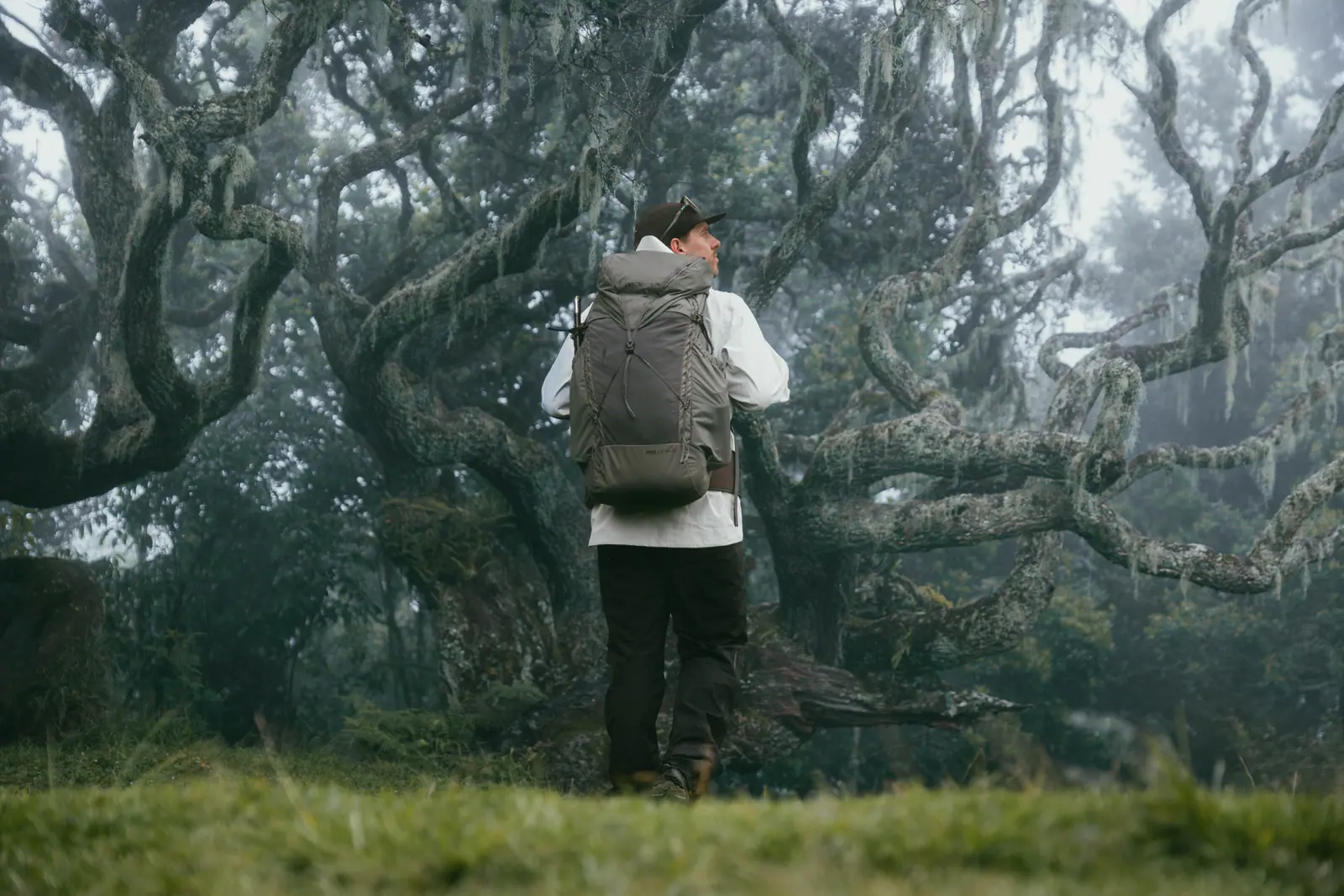
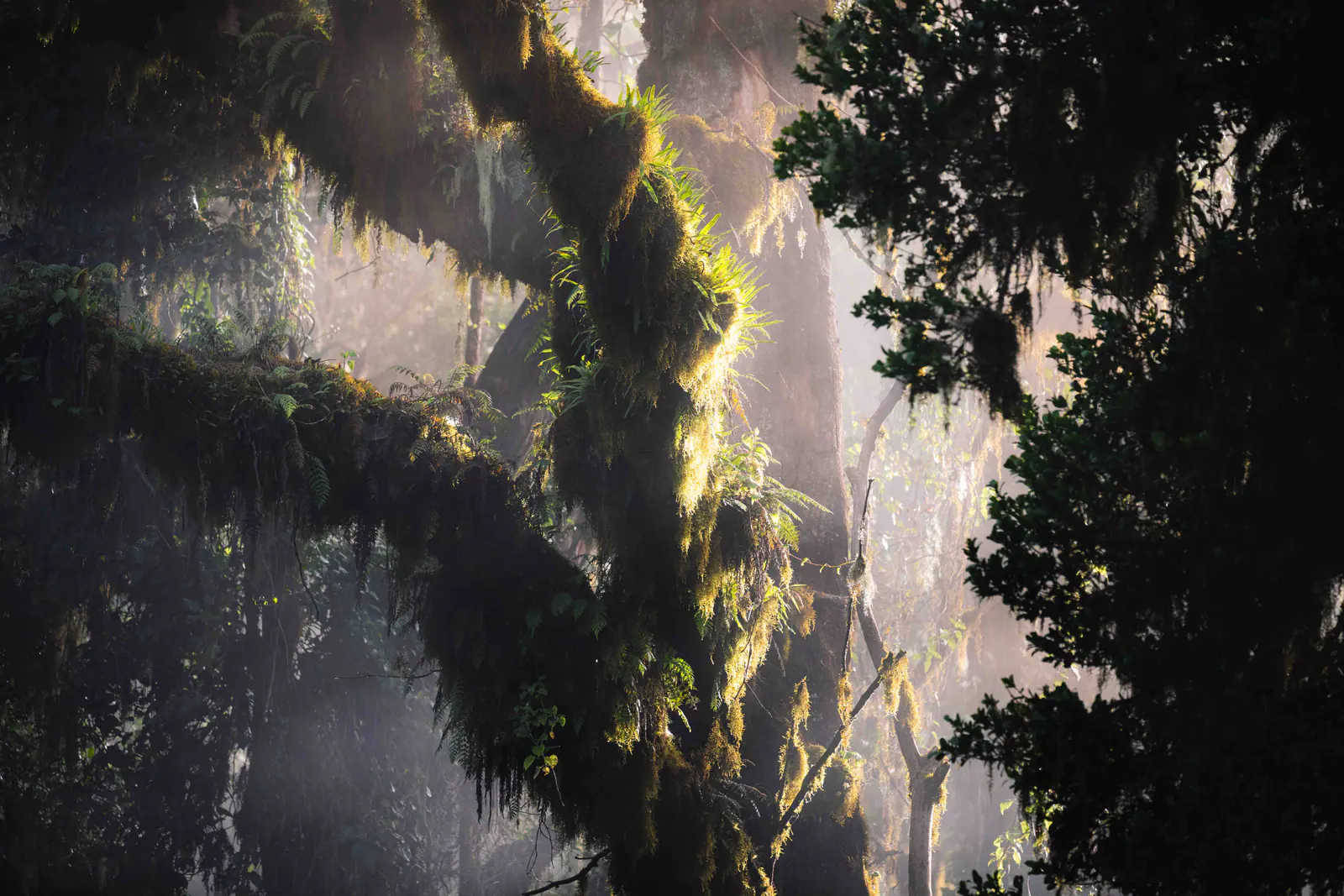
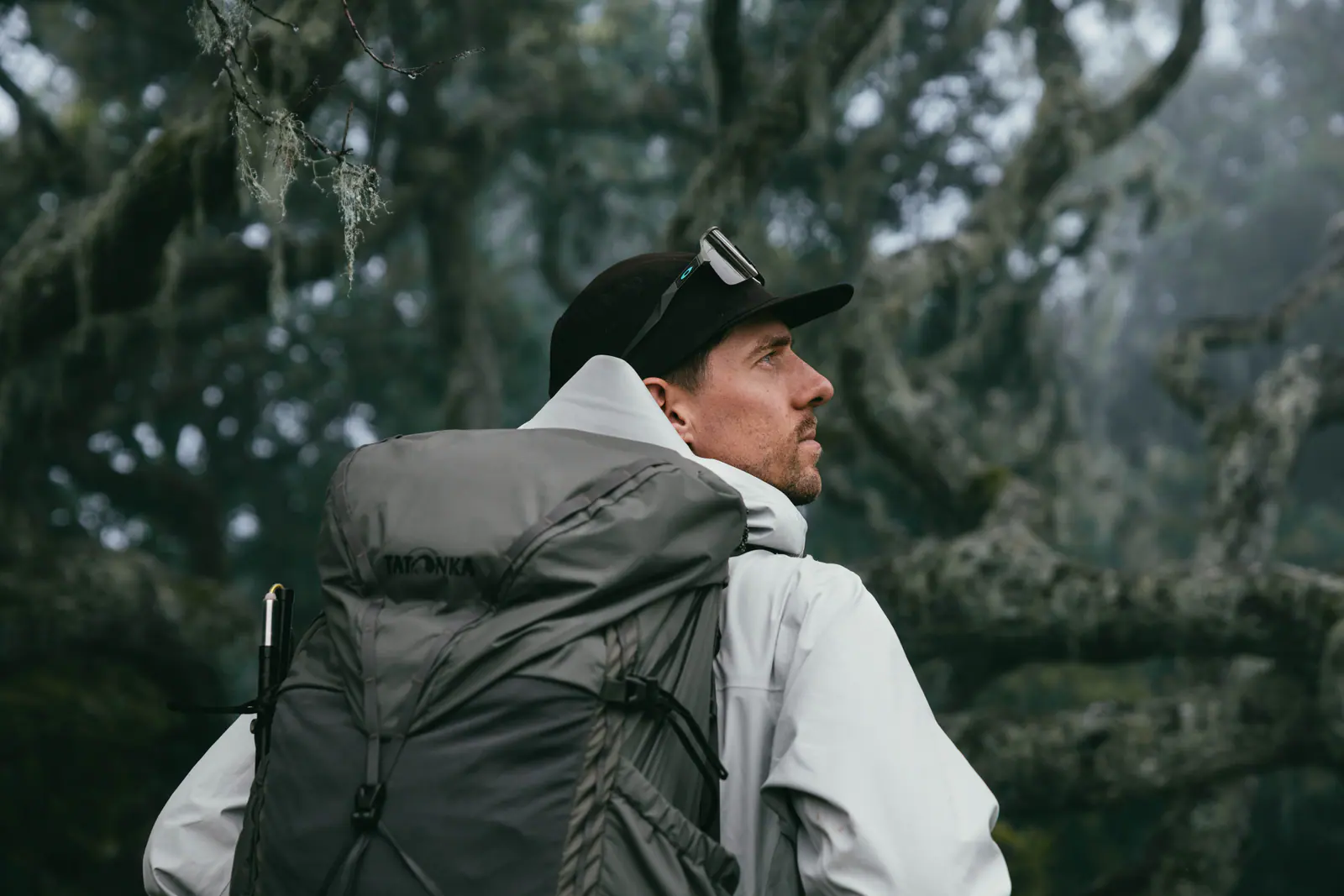
A trekker with a pack looks up at twisted, moss-draped trees in misty highland forest.
03 / 11
Sleeping at altitude: what to expect and what helps
Almost nobody sleeps well above 3,500m. Thin air changes your breathing pattern overnight: periodic breathing, where you breathe fast, pause, then gasp, is common and disconcerting the first time it wakes you. You will also be cold at some point, and you will need the toilet at 02:00 because you have been drinking three to four litres a day.
None of this stops people summiting. Two or three broken nights is the normal Kilimanjaro experience, and lying still and warm in the dark recovers you far more than you would guess. The mistake is fighting it, or reaching for sleeping tablets, which suppress breathing at altitude and should never be taken without medical advice.
Sleeping better, practically
Do this
- Ask for the thickest mat available: insulation underneath beats an extra jacket on top
- Use a bag with a comfort rating around -10°C or lower, plus a liner
- Fill a bottle with hot water at dinner and put it in your bag before you get in
- Change into dry sleeping clothes; damp base layers make you cold all night
- Keep a pee bottle in the tent so a 02:00 trip does not mean boots and cold
- Earplugs and an eye mask: camps wake up loudly and early
- Wear a beanie and dry socks; most heat is lost from head and feet
Avoid this
- Sleeping tablets or strong sedatives at altitude without a doctor's advice
- Alcohol, which worsens both sleep and altitude symptoms
- Cutting fluids in the evening to avoid night toilet trips
- Burying yourself fully inside the bag: breath condensation soaks the down
- Leaving boots, batteries and water bottles outside the tent overnight to freeze
- Big naps late in the afternoon that push bedtime into the small hours
Sleep quality is one of the things your guide asks about at the evening health check, and it matters. A headache that wakes you, breathlessness at rest, or vomiting in the night are altitude signals, not just a bad night. Report them honestly: descent decisions are far easier to make early.
04 / 11
Washing, toilets and staying clean for a week
There are no showers on Kilimanjaro. What you get is a bowl of warm water delivered to your tent morning and evening, which is enough for face, hands, feet and a rough wash-down. Add biodegradable wet wipes and dry shampoo and you will feel far more human than you expect on day five.
Toilets are the part people worry about most. Park long-drops are wooden huts over a pit, unlit, with no paper and no soap. They are fine early in the day and much less fine at a busy camp in the evening. A private portable toilet (a proper seat inside your own small tent, emptied and cleaned by a dedicated porter) removes the issue entirely and is the upgrade climbers thank us for most often.
Personal hygiene kit that earns its weight
- Biodegradable wet wipes: the single most useful non-essential on the mountain
- Hand sanitiser in a pocket, used before every meal without exception
- Your own toilet paper in a zip bag, plus a bag for used paper
- Quick-dry small towel and a bar of soap in a case
- Dry shampoo, lip balm with SPF and heavy-duty moisturiser for dry high-altitude air
- A pee bottle (and a female urination device if useful) for night trips
- Spare zip bags for damp clothes and rubbish: everything is carried off the mountain
05 / 11
Which camp upgrades are worth it for you?
Comfort upgrades are real but they are not all equal value. Answer four questions and we will tell you where your money actually changes the week.
Camp comfort checker
Four questions about how you sleep and what you can tolerate. We will tell you which camp upgrades are genuinely worth paying for on your climb, and which are money you can keep.
0 of 4 answered
Answer all 4 questions and your result appears here.
Camp setups vary between operators and routes. Always confirm tents, mats, dining arrangements and toilet options in writing before paying a deposit.
06 / 11
The evening health check and briefing
Every evening after dinner your lead guide should check each climber individually: oxygen saturation and pulse with a fingertip oximeter, then symptom questions covering headache, nausea, dizziness, appetite, sleep and fatigue. Readings are recorded so trends across days are visible, which matters far more than any single number.
Answer honestly. Playing down a headache to avoid seeming weak is the most common mistake on the mountain, and it removes the one advantage your guide has: time. Caught early, altitude symptoms are usually managed with a slower pace, more fluids, or a night spent lower. Caught late, the only remaining option is a fast descent.
What a good briefing covers
- Tomorrow's distance, altitude gain and expected walking hours
- Terrain and any scrambling sections, such as the Barranco Wall
- Weather outlook and what to wear at the start versus what to pack
- Water and packed-lunch arrangements for the day
- Start time, and how the pace will be set for slower walkers
- Any changes to the plan based on how the group is acclimatising
07 / 11
Camp comfort upgrades and what each one changes
All of these need to be arranged at booking, because most require an extra porter or extra equipment carried from Moshi.
Thicker or inflatable sleeping mat
Serious insulation from cold ground and a far more comfortable night
- Worth it for
- Almost everyone. The best value upgrade on the list.
Warmer sleeping bag
A comfort rating around -10°C or lower rather than a borderline bag
- Worth it for
- Cold sleepers, and anyone climbing in the June to August cold season.
Single-occupancy tent
Your own tent, space and quiet in the evenings
- Worth it for
- Solo travellers, light sleepers, couples wanting room, longer itineraries.
Private portable toilet
A clean seated toilet in its own tent, used only by your group
- Worth it for
- Anyone anxious about park long-drops. The most requested add-on.
Larger dining setup
More space, better chairs and a warmer shared area at high camps
- Worth it for
- Bigger private groups and families climbing together.
Extra personal porter
Someone to carry additional personal kit beyond the standard allowance
- Worth it for
- Climbers wanting extra clothing, camera gear or medical equipment.
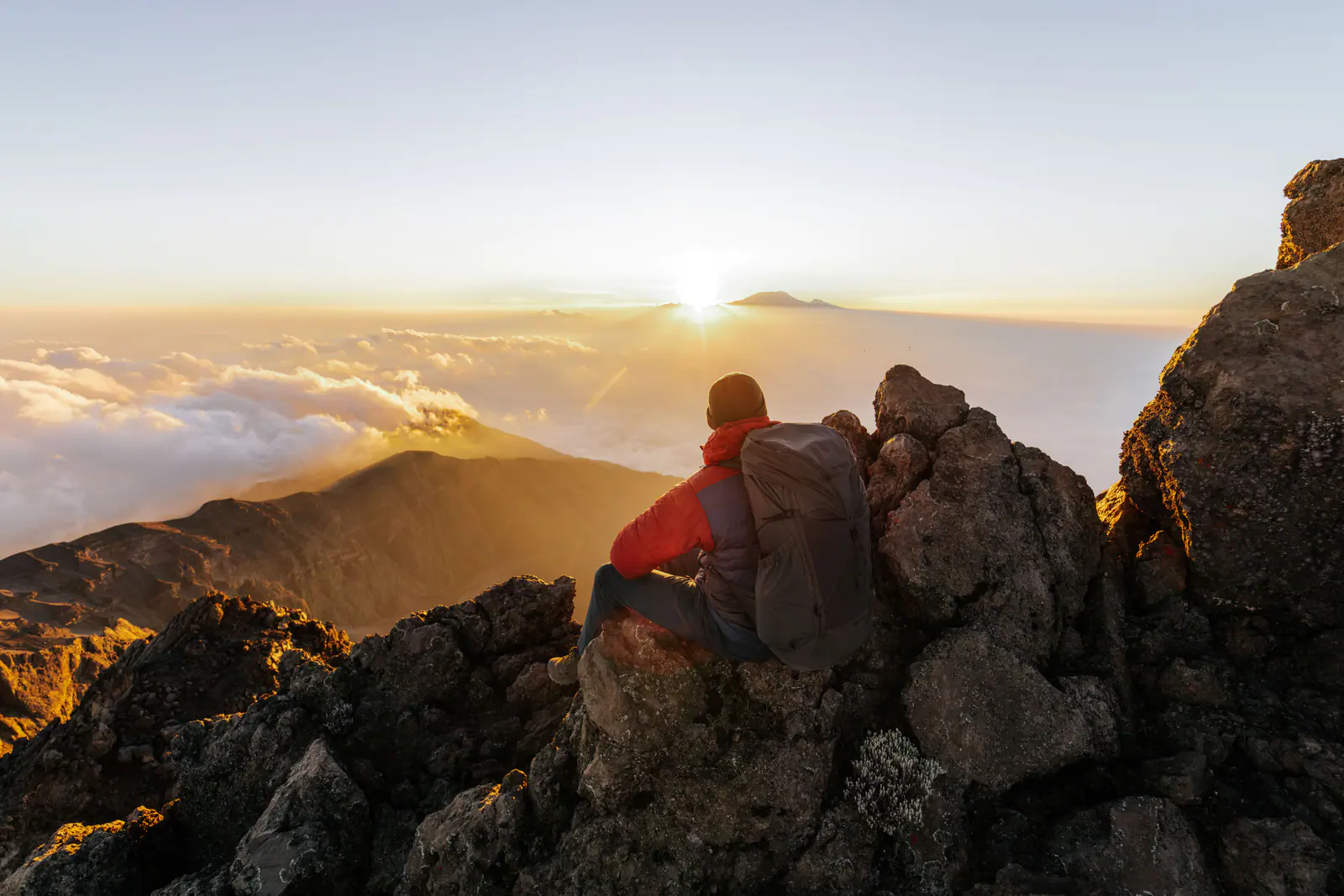
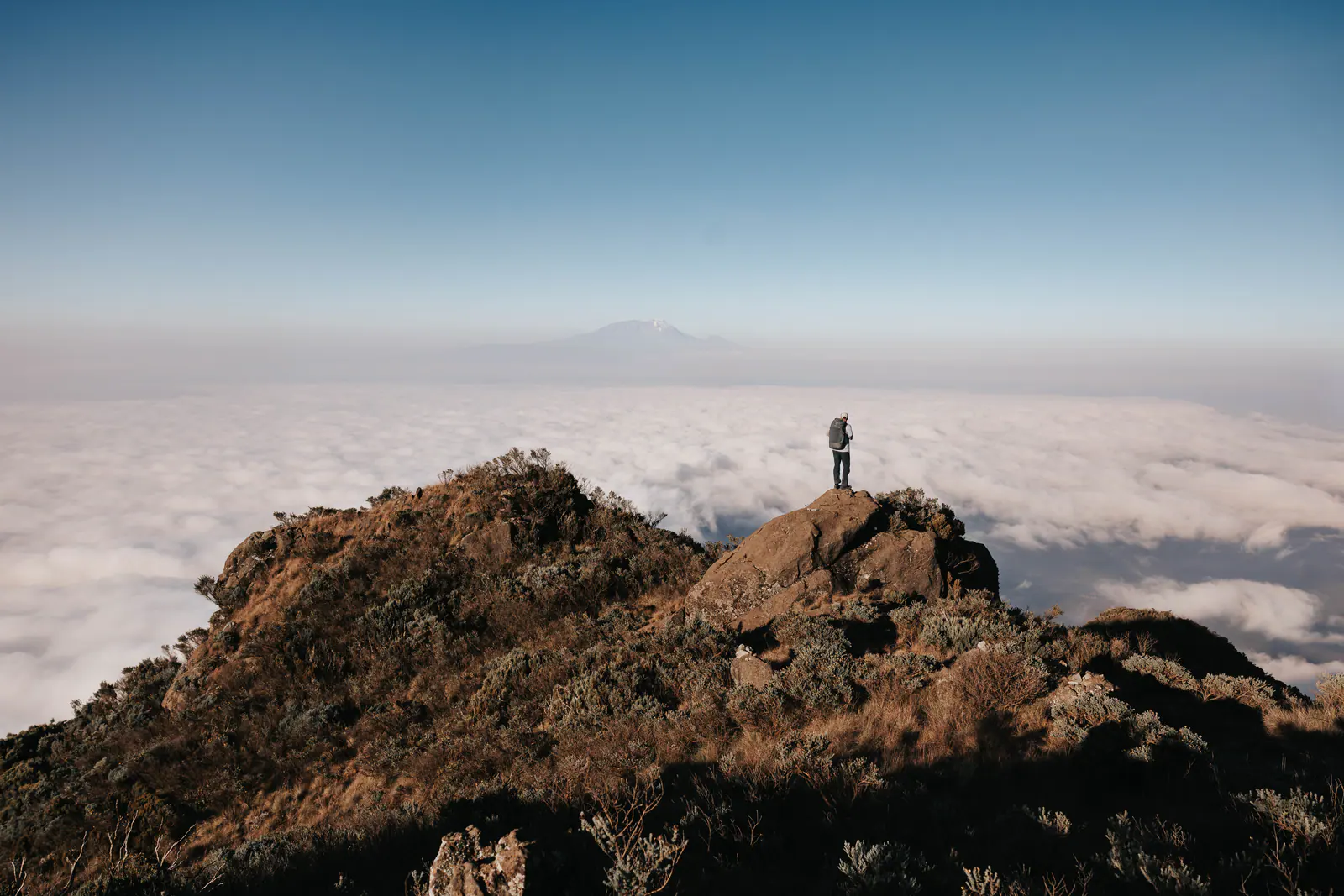
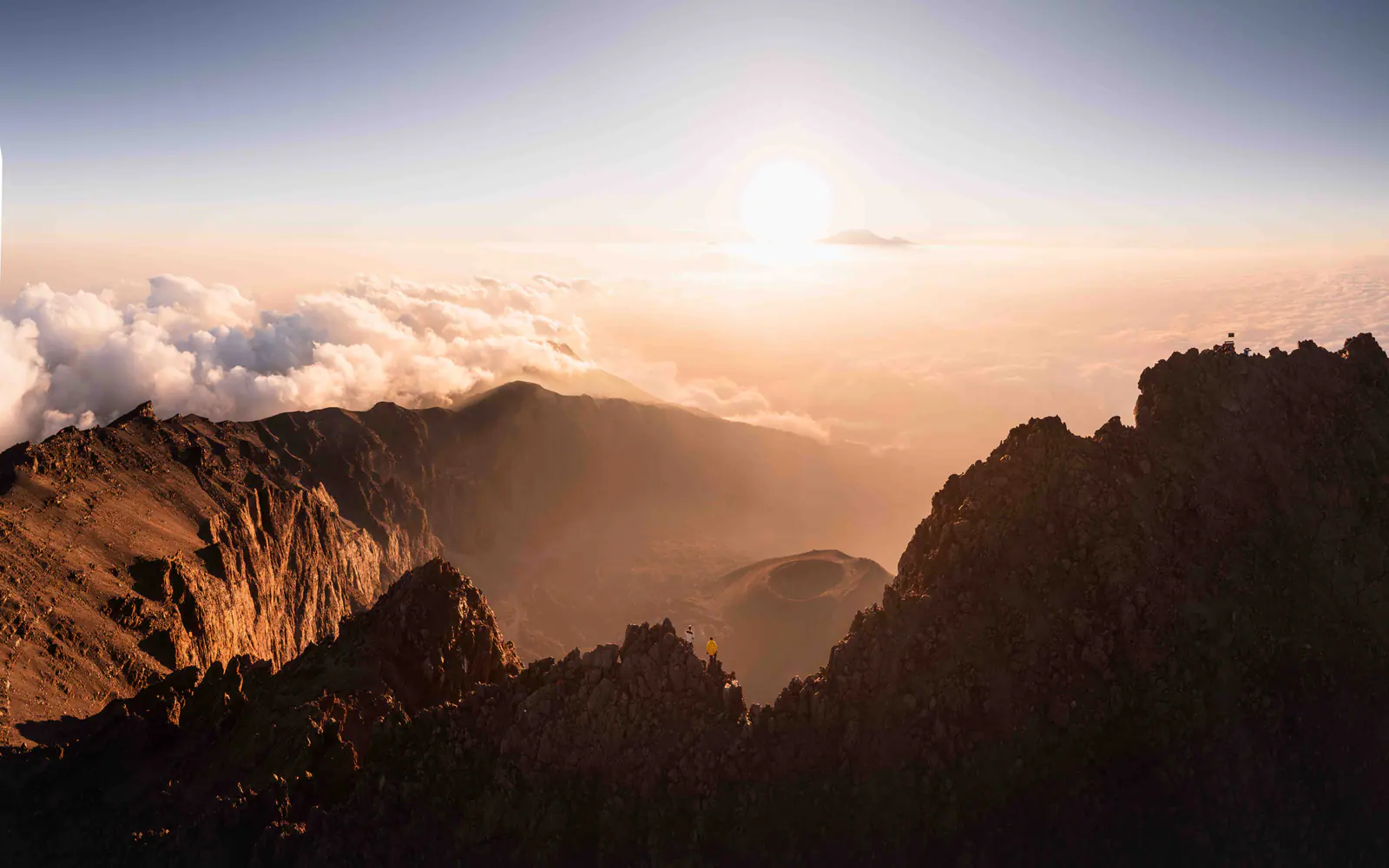
A trekker sits on the rocks watching the sun rise above the clouds, with a distant peak on the horizon.
08 / 11
Marangu huts versus tented camps
Marangu is the only route with permanent huts. It is often sold as the comfortable option, which is only half true.
Comfort at night matters far less than the acclimatisation profile of the route you pick. If tents are genuinely the deal-breaker, Marangu with the extra day at Horombo is the version to book, but for most climbers a longer tented route is the better trade, and our routes guide sets out why.
09 / 11
What your crew is doing while you rest
For every climber there are typically three to four crew: a lead guide and assistant guides, a cook and kitchen assistants, and porters carrying tents, food, water, kitchen equipment and your duffel. They pitch camp before you arrive, cook every meal, fetch and treat water, and strike the whole camp again after you leave in the morning.
How well that crew lives is a direct reflection of how a climb is priced. Porters should have their own sleeping tents and mats, three hot meals a day cooked by the kitchen crew, proper clothing and boots, and enforced load limits: 20kg of climb load is the widely accepted maximum on Kilimanjaro. When a quote is dramatically cheaper than others, this is usually where the difference was found.
Related planning
-
Porter welfare
Load limits, wages, crew meals and the questions that reveal how an operator really treats its team.
See the standards -
Food and meals
What the mountain cook serves, how altitude kills appetite and how drinking water is treated.
Read the guide -
Equipment and camp comfort
Tents, mats, dining setup and toilets: exactly what should be inside your quote.
Compare setups
10 / 11
Camp etiquette and staying warm
Small habits that make the week much easier
- Pack your duffel before breakfast so porters can strike camp on time.
- Change into dry clothes the moment you arrive, before you cool down.
- Keep your headtorch, water bottle and next-day layers inside the tent, not the porch.
- Sleep with batteries, phone and water bottles inside your bag so they do not freeze.
- Learn your crew's names: it changes the tone of the whole climb.
- Keep voices down after dark; other groups start summit night at midnight.
- Carry everything out. No litter, no wipes, no fruit peel left at camp.
- Do not tip individually along the way: tips are pooled and presented at the end.
There is no electricity at camp. Bring a 20,000mAh power bank, keep it warm inside your jacket or sleeping bag, and expect batteries to drain unusually fast in the cold. Mobile signal appears in patches at some camps and disappears entirely at others: treat the week as offline and tell people at home in advance.
11 / 11
How Safari Soles approaches this
Ask us for a written breakdown of exactly what your camp includes (tent type and occupancy, mat type, dining tent, toilet arrangement and how water is treated) before you compare any two quotes.
If sleep, cold or privacy worry you, tell us at enquiry. Upgrades need an extra porter or extra kit and have to be planned before departure, not requested at the trailhead.
Common mistakes to avoid
Most unsuccessful climbs come from a handful of avoidable planning decisions, not from the mountain.
- Choosing a route by bed type instead of by acclimatisation profile.
- Accepting a thin foam mat and then blaming the sleeping bag for cold nights.
- Taking sleeping tablets at altitude without medical advice.
- Booking a very cheap climb and discovering there is no dining tent.
- Deciding to add a private toilet on arrival, when the crew list is already fixed.
- Leaving boots, batteries and water bottles outside the tent to freeze overnight.
- Playing down a headache at the evening health check to seem tougher.
- Assuming there will be somewhere to charge a phone or buy supplies at camp.
Get these right and the climb follows
Every one of these comes down to the same thing: matching the route and the day count to the climber before booking anything. Send us your dates and we will tell you honestly what is realistic.
Plan this climb with a local expertQuestions worth asking any operator
Camp quality is where cheap quotes cut hardest, because nothing about it appears on an invoice. These questions turn a price into something you can actually compare.
- What tents are used, how old are they, and how many climbers share one?
- What sleeping mats are provided, and can I upgrade to a thicker or inflatable mat?
- Is a dining tent with table and chairs included at my group size?
- Is a private portable toilet available, what does it cost, and is it cleaned daily?
- Where do porters and the kitchen crew sleep, and do they have their own tents and mats?
- Is warm washing water provided morning and evening?
- Are evening health checks with a pulse oximeter carried out and recorded every day?
- What gear can I rent locally, in what sizes and condition, and can I see the rental list and prices?
- What do I have to bring myself that cannot be rented on arrival?
What Safari Soles puts in writing
Everything below is confirmed before you pay, so nothing about your climb is left to be discovered on the mountain.
-
Your route, day count and acclimatisation profile
Confirmed in writing before you pay, with our honest view on whether the number of days suits you.
-
How your health is monitored on the mountain
The daily check routine and who is responsible for it are explained at your pre-climb briefing.
-
First-aid and emergency response for your itinerary
You are told what travels with the climb and what happens at each camp if someone needs to descend.
-
Who is on your crew and what each person does
Lead guide, assistant guides, cook and porters are set out for your group size, not left vague.
-
Porter load handling for your climb
Duffel limits and how loads are weighed are confirmed before departure, so there are no gate surprises.
-
Tent, sleeping mat and dining arrangements
Camp comfort is described in the quote rather than discovered on the first night.
-
Meals, drinking water and hot drinks
How your food is cooked and your water treated is explained, including dietary requirements.
-
Gear rental list, sizes and prices
Shared before you shop, so you buy what matters at home and hire the rest on arrival.
-
An itemised quote with fees shown separately
Park and camping fees, crew, equipment, transfers and hotels appear as their own lines.
-
Tipping guidance for your group size
The customary range and how tips are collected are agreed before you fly, in writing.
Local Kilimanjaro operators, licensed crew, honest guidance
Written and reviewed by the Safari Soles team in Arusha, who plan and run Kilimanjaro climbs from beside the mountain rather than brokering them from an overseas office.
- Reviewed by the Safari Soles Kilimanjaro planning team
- Updated for 2026 climbing seasons
- Route and day count matched to your fitness and altitude history
- Daily health monitoring and descent decisions agreed before you book
- Read Safari Soles reviews on TripAdvisor
- Read Safari Soles reviews on SafariBookings
- Read Safari Soles reviews on Google
Where these facts come from (4)
- TANAPA: Tanzania National Parks Official park authority information on regulations, park fees and permitted activities.
- UNESCO: Kilimanjaro National Park The World Heritage listing for Kilimanjaro National Park, which records Africa's highest point at 5,895m.
- Kilimanjaro Porters Assistance Project (KPAP) Industry context on porter wages, load limits, meals and equipment standards on Kilimanjaro. Linked as background reading, not as a membership claim.
- Tanzania Tourist Board Government tourism information on travelling in Tanzania, seasons and destinations.
Related Safari Soles guides
Continue with the guides travellers usually read next.
 Equipment & Camp Comfort Tents, mattresses, mess tents, toilets and the small comforts that make high camps genuinely restful. Crew & Equipment
Read the guide
- Kilimanjaro Food and Meals What mountain cooks actually serve, how appetite changes with altitude and handling dietary needs. Crew & Equipment
Read the guide
 Kilimanjaro Packing List Layer by layer gear checklist covering boots, sleeping systems, summit-night warmth and what to rent locally. Preparation
Read the guide
Frequently Asked Questions
-
Tents on every route except Marangu, which uses shared dormitory huts with bunks and mattresses. On tented routes your crew pitches and strikes camp for you each day: you never carry or set up a tent yourself.
Know exactly what your camp will look like before you book
Send your travel window and party size and we will confirm in writing the tents, mats, dining setup, toilet arrangements and crew standards behind your quote, alongside an itemised price. Prefer to talk it through? Message our Tanzania team on WhatsApp at +255766322264 or explore the full trip range at safarisolestours.com.