


Kilimanjaro Porter Welfare: What Fair Treatment Looks Like
Every Kilimanjaro climb runs on the work of a large support crew. This guide explains who is on that crew, what fair treatment involves, how bargain pricing can quietly squeeze porter conditions, and what you as a climber can actually do about it.
- Guide
- Crew & Equipment
- Reading time
- 11minutes
- In this guide
- 8sections
- Crew respect
- Load awareness
- Fair tipping guidance
- Responsible climbing
Local Tanzania team · Licensed mountain crew · Real Safari Soles itineraries
A Kilimanjaro climb crew is far larger than most climbers expect, usually several porters for every one climber, alongside guides and cooks.
- A typical crew includes far more porters than climbers, plus guides, assistant guides and cooks.
- Fair treatment covers pay, food, shelter, sleeping gear, medical care and enforced load limits, not one factor alone.
- Extremely cheap quotes usually save money somewhere, and crew conditions are an easy place to hide that saving.
- The park-enforced porter load limit exists specifically to protect porters from being overloaded for profit.
- Your own duffel weight is part of this picture: packing sensibly reduces pressure on the crew carrying it.
- Asking direct questions before booking is more effective than hoping conditions are good once you are on the mountain.
01 / 08
Who is actually on a Kilimanjaro climb crew
Climbers often picture a guide and maybe a cook. In reality, a Kilimanjaro climb is a small expedition, and most of the people making it happen are porters you may barely speak to.
Where this fits: this guide is part of the Kilimanjaro climbing guides hub, which supports our main Kilimanjaro climbing page and our published Kilimanjaro climb prices.
Read it with the tipping guide, the cost breakdown and the equipment and camp standards guide, and use the Kilimanjaro Porters Assistance Project as independent background on wages, loads and meals.
Crew numbers are shaped by park regulation as well as ethics, so see TANAPA and the Tanzania Tourist Board, then read the camp life guide and group climb guide.
Typical crew roles
- Lead guide: makes the daily calls on pace, route and turnaround decisions, and carries out health checks
- Assistant guide(s): support the lead guide, often walk with slower members of a group, and can escort a descent if needed
- Cook: prepares three meals a day from a mobile kitchen, working with genuinely limited equipment at altitude
- Kitchen porter: assists the cook and helps move kitchen equipment between camps
- Waiter/mess porter: sets up and serves in the dining tent
- Porters: the largest group by far, carrying tents, food, fuel, toilet equipment, tables and your duffel bag between camps
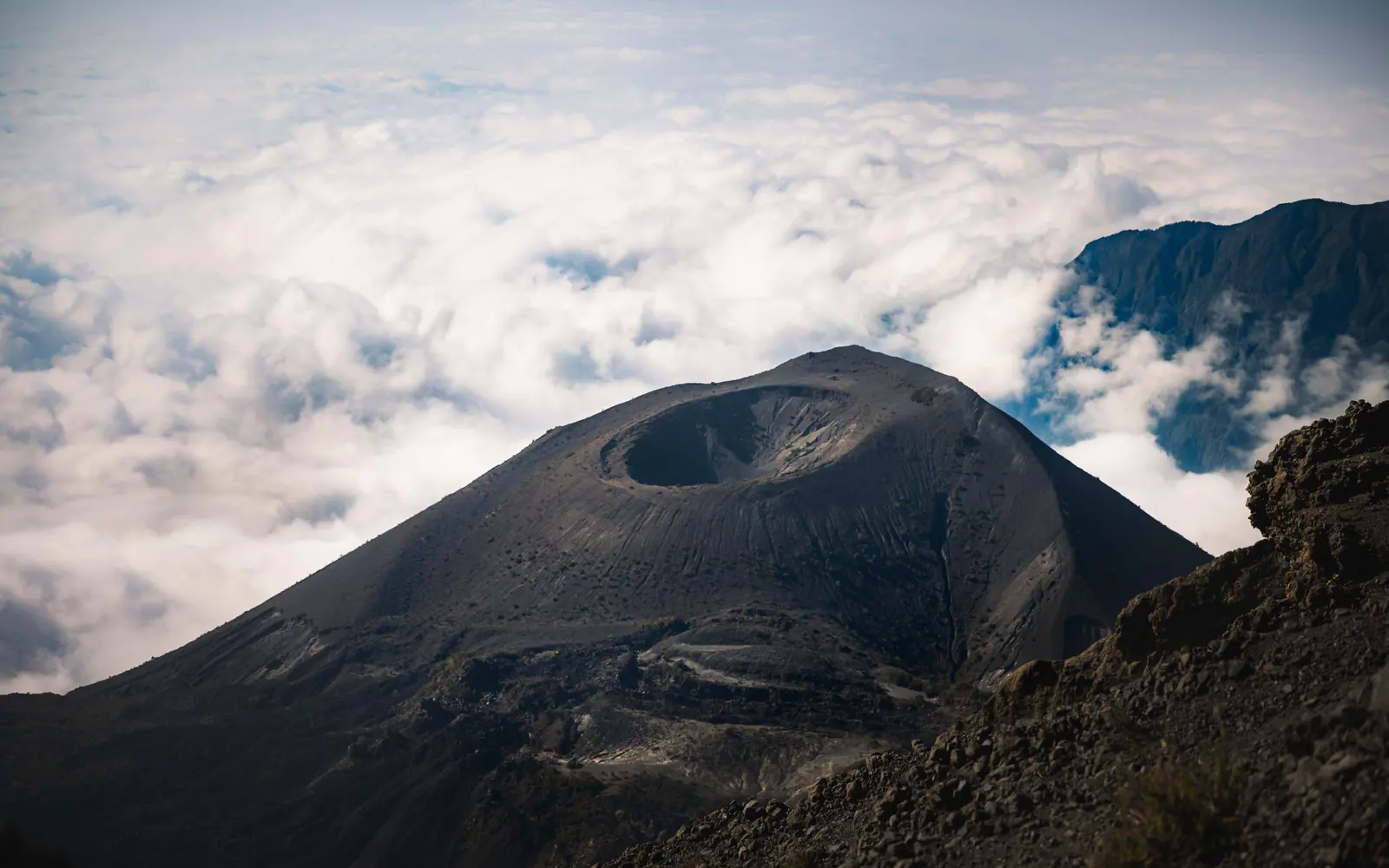
A small volcanic cone and crater sit above the clouds, with a larger crater wall behind.
Porters generally set off ahead of the climbing group each morning, carrying loads at a pace that looks effortless but is genuinely hard physical work at altitude. They need to reach the next camp, unpack, and have tents up, water boiled and the dining tent ready before the slower-moving climbing group arrives. That timing pressure is one reason load limits and fair scheduling matter so much. A crew that is overloaded or understaffed for the terrain has less margin for a bad day.
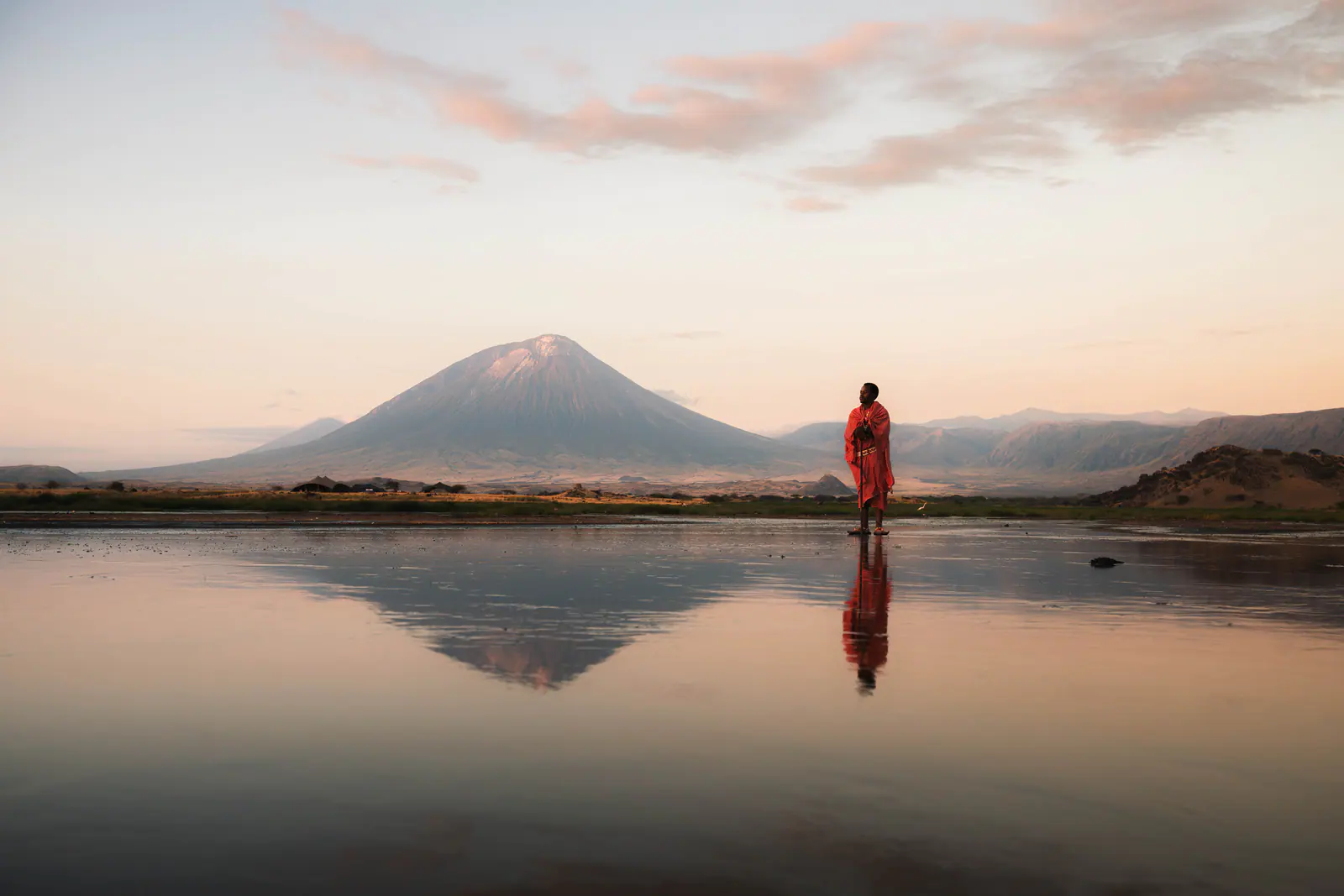
A Maasai man in red stands at the edge of a still lake in soft early light, with Ol Doinyo Lengai mirrored in the water.
02 / 08
What fair treatment of a climb crew actually involves
Signs of good practice vs signs to question
Generally reassuring signs
- Crew have their own tents, separate from equipment storage
- Crew are seen eating hot, substantial meals, not just leftovers
- Porters have proper boots, waterproofs and warm layers for camp altitude
- Wages and tip distribution are explained clearly when you ask
- A visible, enforced weighing point for porter loads at the gate
Worth asking more about
- Crew sleeping in the mess tent or overcrowded shared shelter
- Porters without weatherproof outer layers at cold, high camps
- Vague or evasive answers when you ask how wages are paid
- No clear explanation of how tips reach porters versus guides
- A price that seems too low compared with every other quote for the same route
Pay is the most obvious factor but not the only one. A porter who is paid reasonably but sleeps cold at 4,000m, or eats poorly because the kitchen budget has been trimmed, is still being treated unfairly. Medical care matters too, if a porter falls ill or is injured, does the operator have a plan for descent and treatment, or is the assumption that they will push through?
Sleeping gear is an area worth asking about directly. Climbers are told to bring a sleeping bag rated well below expected camp temperatures. Crew deserve the same standard, and an operator that skimps on porter sleeping bags and mats to save money is making a choice that shows up in nobody's brochure.
03 / 08
How bargain prices reach the crew, or don't
Kilimanjaro climbs have largely fixed costs that do not vary much between operators: park entry fees, camping fees, rescue fees and permits are set by the park authority and paid per person per day regardless of who you book with. That means the visible daily cost floor is broadly similar across reputable operators.
When you see a climb priced well below that floor, the saving has to come from somewhere in the parts of the trip climbers see least: crew wages, crew meals, crew shelter, or by carrying fewer porters than the workload actually requires and pushing individual loads higher. None of this appears in a brochure or an itinerary PDF; it only becomes visible if you ask directly or notice it on the mountain.
This is not a reason to assume every affordable quote is exploitative, or every expensive quote is fair: price alone is a blunt signal. It is a reason to ask specific questions about crew numbers, pay timing and conditions rather than comparing headline prices in isolation.
04 / 08
The porter load limit: and why your duffel weight matters
Kilimanjaro National Park enforces a maximum carry weight per porter, checked at official weighing points at the gate. The rule exists because, without it, the economic pressure runs one way: fewer porters carrying more each is cheaper for an operator, and the extra weight is absorbed by the crew rather than shown on a price list.
Your duffel is part of that total load, alongside food, fuel, tents and shared equipment. A duffel packed sensibly (sticking to the weight guidance your operator gives you, and not treating it as a place to bring everything you might conceivably want) makes a genuine difference to how loads are distributed across the crew.
If you are unsure what your duffel weight allowance is, ask before you pack rather than after you land in Moshi. It is a small, practical way that your own choices connect directly to porter welfare on the mountain.
05 / 08
Responsible climber checklist
A working checklist rather than a lecture: use it while you plan and while you are on the mountain.
Responsible climber checklist
Work through this before, during and after your climb. It will not tell you what to pay, but it will help you ask the right questions and notice the right things.
Just getting started: work through the questions before you book
0 / 17 sorted
Before you book
Choosing your operator
On the mountain
At the end of the climb
This checklist is planning guidance, not a certification or membership claim. Confirm current practice directly with Safari Soles before you travel.
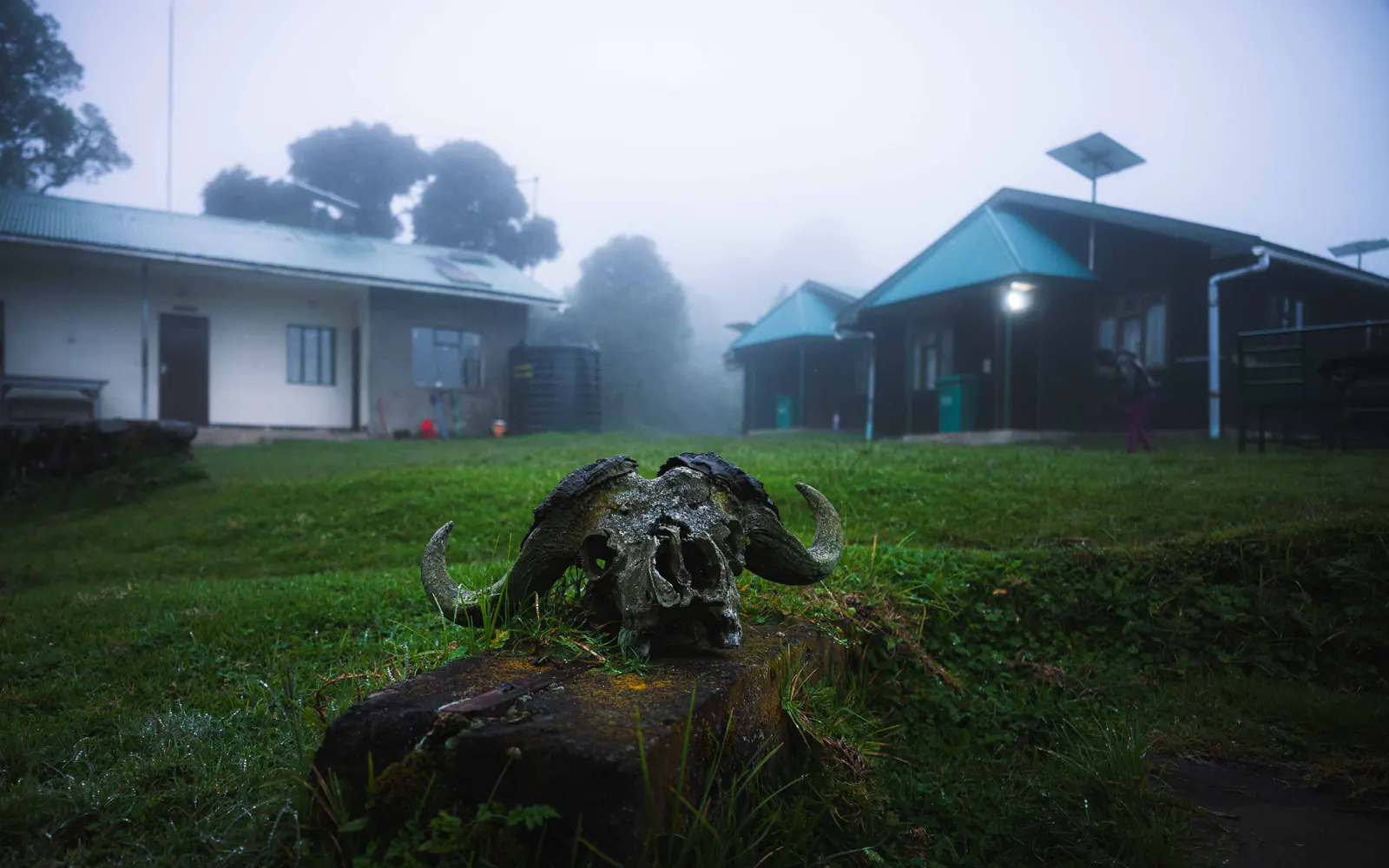
A buffalo skull on a rock in front of mountain huts in the mist.
06 / 08
Questions worth asking any Kilimanjaro operator
- How many porters travel per climber on this route, and what does each one typically carry?
- How and when are porters paid: daily, at the end of the trip, or by another schedule?
- What sleeping bags, mats and tents are provided to porters and are they rated for camp altitude?
- What do crew members eat, and is it prepared separately from climber meals?
- What happens if a porter becomes ill, injured or exhausted on the mountain?
- Is the daily park-enforced load limit checked and respected on every climb, not just when convenient?
Industry context on porter wages, load limits, meals and equipment standards on Kilimanjaro. Linked as background reading, not as a membership claim. It is worth reading before you book so you know what good practice generally looks like, but no operator listing should be read as a formal membership or certification claim without you confirming it directly.
07 / 08
What fair crew practice looks like next to a cut-price climb
Crew treatment is usually the invisible difference between two quotes for the same route and the same number of days.
None of the fair-practice column is expensive on its own. Together it adds a real amount per climber per day, which is why the cheapest quotes almost always cut here first. It is the part of the trip you never see on a brochure.
Ask us directly how our crew are paid, fed, housed and equipped, and ask the same of anyone you compare us against. Specific answers are the evidence; warm language is not.
08 / 08
How Safari Soles approaches this
We are happy to answer specific questions about how our crew are paid, fed, housed and equipped, and about our porter load practice: ask before you book, not just on the mountain.
If porter welfare is important to your decision, tell us that directly when you enquire so we can address it in detail rather than in generalities.
Common mistakes to avoid
Most unsuccessful climbs come from a handful of avoidable planning decisions, not from the mountain.
- Choosing the cheapest quote available without asking how that price is possible.
- Assuming crew welfare is someone else's responsibility once you have booked.
- Packing a duffel far heavier than the guidance you were given.
- Never speaking to or acknowledging the crew carrying your trip.
- Handing over all tips to the lead guide without seeing how they are divided.
- Assuming a well-known operator name is automatically a guarantee of fair crew practice.
- Not asking about crew sleeping arrangements at high, cold camps.
Get these right and the climb follows
Every one of these comes down to the same thing: matching the route and the day count to the climber before booking anything. Send us your dates and we will tell you honestly what is realistic.
Plan this climb with a local expertQuestions worth asking any operator
Porter welfare is verifiable if you ask specific questions. Vague answers about 'treating our crew like family' are not evidence: loads, wages, meals and sleeping arrangements are.
- What is the maximum load a porter carries on your climbs, and how is it weighed and checked?
- What daily wage do porters and assistant guides receive, and is it at or above the recommended rate?
- Do porters receive three hot meals a day on the mountain, cooked by your kitchen crew?
- Where do porters sleep, and are sleeping tents and mats provided rather than shared dining space?
- What clothing, boots and sleeping gear are porters issued, and what happens if a porter arrives underequipped?
- How are tips collected, recorded and distributed, and can I hand them over in person?
- Which porter welfare standards or programmes do you follow, and can you show current documentation?
What Safari Soles puts in writing
Everything below is confirmed before you pay, so nothing about your climb is left to be discovered on the mountain.
-
Your route, day count and acclimatisation profile
Confirmed in writing before you pay, with our honest view on whether the number of days suits you.
-
How your health is monitored on the mountain
The daily check routine and who is responsible for it are explained at your pre-climb briefing.
-
First-aid and emergency response for your itinerary
You are told what travels with the climb and what happens at each camp if someone needs to descend.
-
Who is on your crew and what each person does
Lead guide, assistant guides, cook and porters are set out for your group size, not left vague.
-
Porter load handling for your climb
Duffel limits and how loads are weighed are confirmed before departure, so there are no gate surprises.
-
Tent, sleeping mat and dining arrangements
Camp comfort is described in the quote rather than discovered on the first night.
-
Meals, drinking water and hot drinks
How your food is cooked and your water treated is explained, including dietary requirements.
-
Gear rental list, sizes and prices
Shared before you shop, so you buy what matters at home and hire the rest on arrival.
-
An itemised quote with fees shown separately
Park and camping fees, crew, equipment, transfers and hotels appear as their own lines.
-
Tipping guidance for your group size
The customary range and how tips are collected are agreed before you fly, in writing.
How we work with our mountain crew
A climb runs on the people carrying it. This is how their loads, meals, pay and tips are handled.
-
Porter load guidance
Loads are managed to the national park limit and your personal duffel is weighed before the climb, so no porter starts the day carrying more than they should.
-
Responsible crew support
Crew wages, hot meals and sleeping arrangements are built into the price of a climb. A quote that undercuts everything else is usually taking it out of the people carrying your bag.
-
Tipping guidance
We explain the customary tipping range for your group size and crew before you travel, and how tips are collected and shared at the end of the climb, so nothing is improvised on the last morning.
-
Respect for guides, cooks and porters
Your crew are named colleagues, introduced to you at the start of the climb, not anonymous labour. That expectation is set with clients as well as crew.
-
Clear explanation of crew roles
Before you book you know who travels with you and why: lead guide, assistant guides, mountain cook and the porters carrying camp, food, water and personal kit.
-
Crew meals and sleeping arrangements
Guides, cooks and porters are supported with planned meals and sleeping arrangements on the mountain, because a safe climb depends on the whole crew being properly cared for, not only the climbers.
Local Kilimanjaro operators, licensed crew, honest guidance
Written and reviewed by the Safari Soles team in Arusha, who plan and run Kilimanjaro climbs from beside the mountain rather than brokering them from an overseas office.
- Reviewed by the Safari Soles Kilimanjaro planning team
- Updated for 2026 climbing seasons
- Route and day count matched to your fitness and altitude history
- Daily health monitoring and descent decisions agreed before you book
- Read Safari Soles reviews on TripAdvisor
- Read Safari Soles reviews on SafariBookings
- Read Safari Soles reviews on Google
Where these facts come from (3)
- Kilimanjaro Porters Assistance Project (KPAP) Industry context on porter wages, load limits, meals and equipment standards on Kilimanjaro. Linked as background reading, not as a membership claim.
- TANAPA: Tanzania National Parks Official park authority information on regulations, park fees and permitted activities.
- Tanzania Tourist Board Government tourism information on travelling in Tanzania, seasons and destinations.
Related Safari Soles guides
Continue with the guides travellers usually read next.
 Kilimanjaro Tipping Guide Fair, transparent tipping ranges for guides, cooks and porters, and how the ceremony usually works. Cost
Read the guide
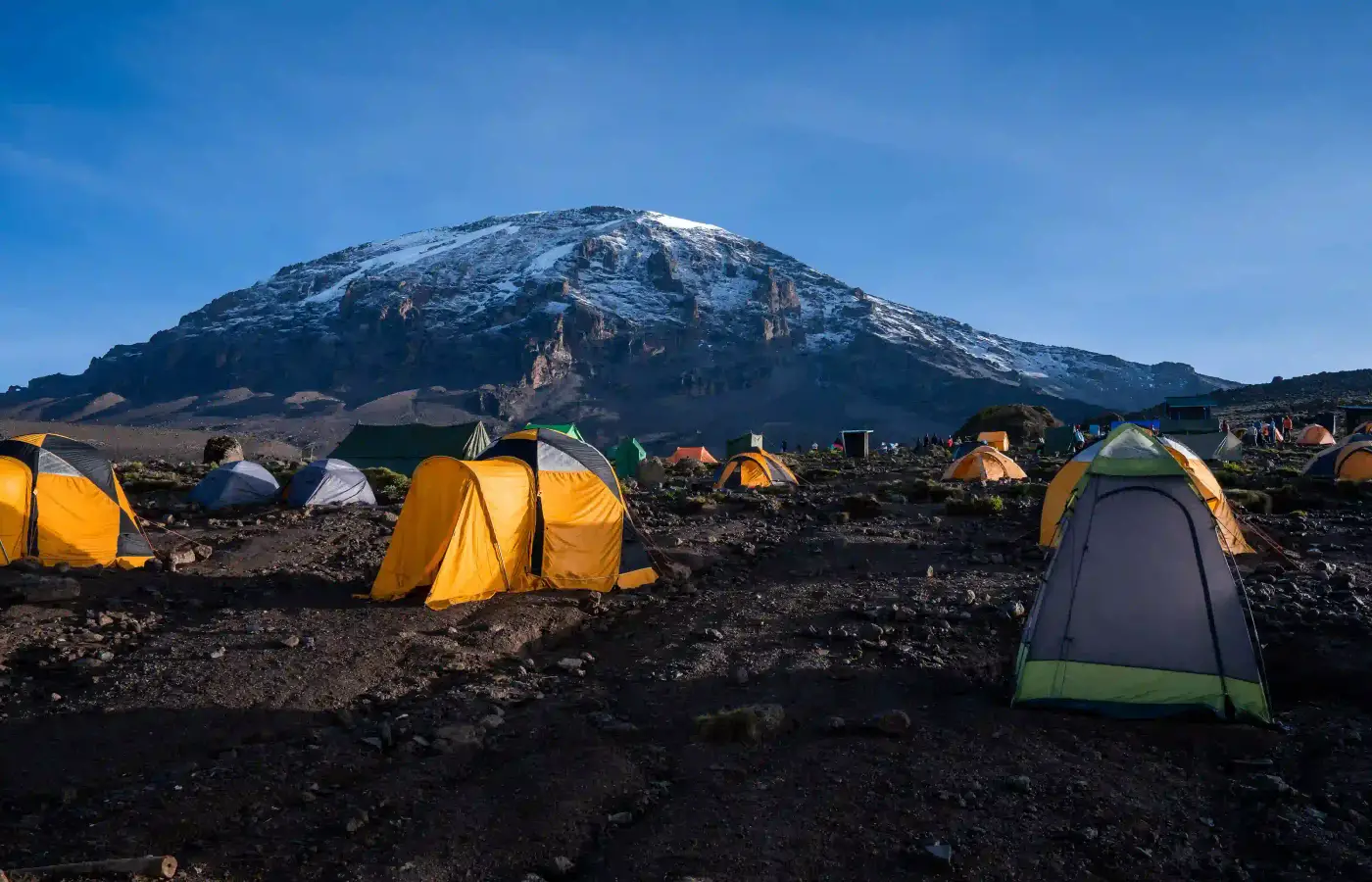 Equipment & Camp Comfort Tents, mattresses, mess tents, toilets and the small comforts that make high camps genuinely restful. Crew & Equipment
Read the guide
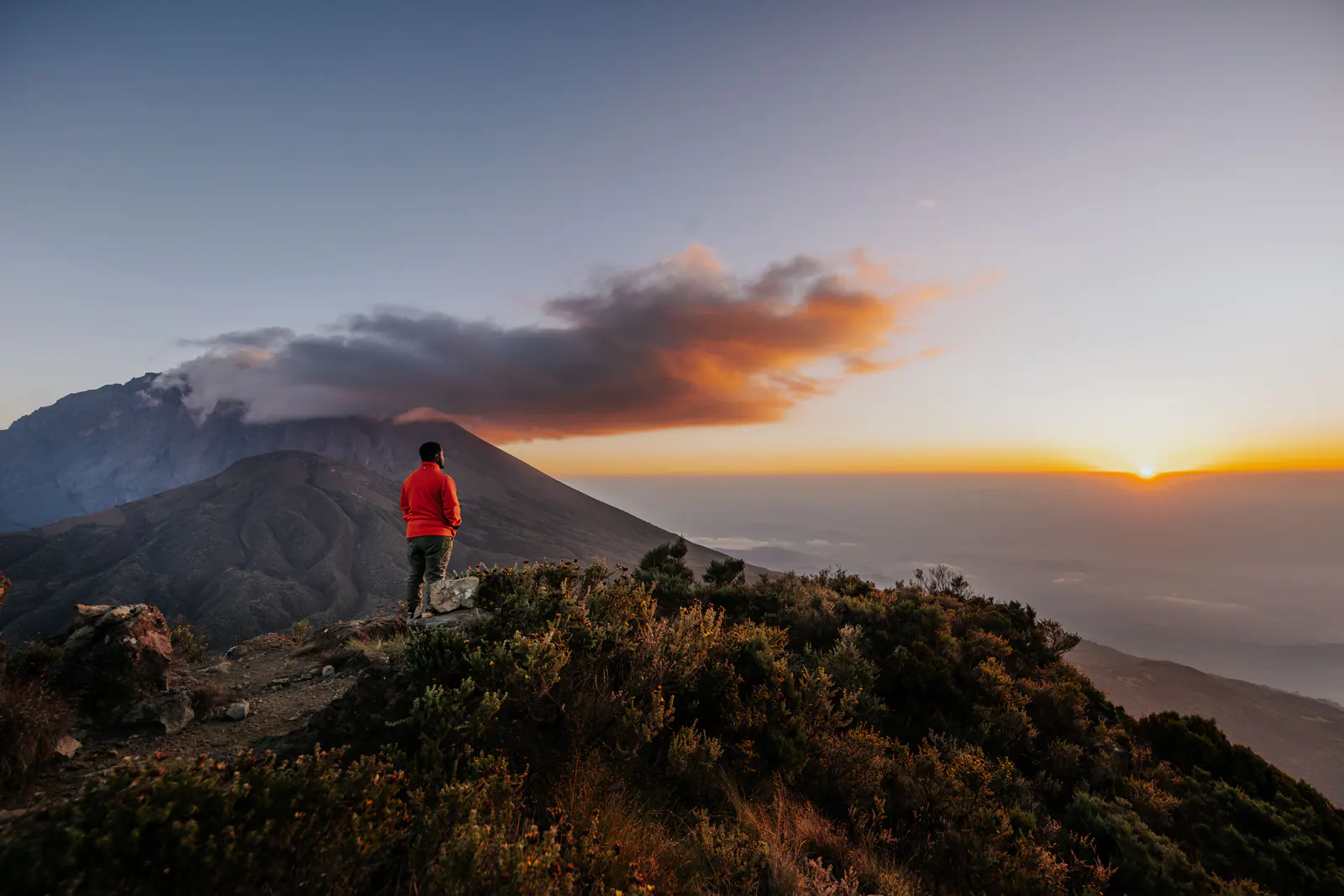 Kilimanjaro Climb Cost Where your money goes: park fees, crew wages, food, gear, transfers and route length. Cost
Read the guide
Frequently Asked Questions
-
It varies by route, group size and season, but porters typically outnumber climbers several times over once you include those carrying shared camp equipment, food and fuel alongside personal duffels.
Ask us how our crew is looked after
We are glad to answer specific questions about crew pay, conditions, load limits and tipping practice before you book: get in touch and we will talk you through it.