


Kilimanjaro Tipping Guide: How It Works and What to Plan For
Tipping is one of the last things most climbers think about and one of the first things that goes wrong when it is left until the final morning. This guide explains why tipping is customary on Kilimanjaro, how the crew and roles work, and how to plan for it properly, without us stating fixed figures we cannot guarantee.
- Guide
- Cost
- Reading time
- 10minutes
- In this guide
- 10sections
- Crew tipping guidance
- Group vs private differs
- Cash and currency notes
- Tipping is not included
Local Tanzania team · Licensed mountain crew · Real Safari Soles itineraries
Tipping is a well-established, widely discussed part of a Kilimanjaro climb, forming a meaningful part of how guides, cooks and porters are compensated for genuinely demanding physical work.
- Tipping is customary and forms a meaningful part of crew compensation on Kilimanjaro, though we avoid stating fixed figures here.
- Different crew roles (lead guide, assistant guides, cook, porters) are typically tipped at different levels reflecting their role.
- Tips are usually pooled and distributed at a ceremony on the final morning, rather than handed to individuals privately.
- There are no ATMs on the mountain, so tipping cash must be sourced and organised before the climb starts.
- Small notes matter, since change is not readily available at camp.
- Group climbs and private climbs both use similar tipping structures, just divided across different numbers of climbers.
01 / 10
Why tipping is customary on Kilimanjaro
Where this fits: this guide is part of the Kilimanjaro climbing guides hub, which supports our main Kilimanjaro climbing page and our published Kilimanjaro climb prices.
Read it with the porter welfare guide, the cost breakdown and the group climb guide; KPAP publishes useful background on how crew pay and tips fit together.
For independent context on crew standards and licensing, see KPAP, TANAPA and the Tanzania Tourist Board, then read the camp life guide.
Kilimanjaro climbs run on a large support crew doing physically demanding work at altitude, often for wages that form only part of their overall earnings from the climb. Tipping has become an established, widely expected part of that earnings structure across the industry, discussed openly by operators, guides and past climbers alike.
This is different from tipping culture in many other travel contexts, where it is a discretionary bonus for good service. On Kilimanjaro, tipping is generally treated as an expected component of the trip, and most climbers budget for it as part of their overall trip cost rather than as an optional extra decided on the day.
Because guidance on amounts varies by source and changes over time, we treat this page as an explanation of structure and method, and direct you to ask Safari Soles directly for current planning guidance closer to your departure.
02 / 10
Crew roles and the typical split
A Kilimanjaro crew includes several distinct roles, and tipping is generally structured to reflect the different levels of responsibility and skill across them, rather than a single flat amount per crew member.
Roles typically tipped at different levels
- Lead guide: carries overall responsibility for the climb, health monitoring and route decisions
- Assistant guide(s): support the lead guide and often manage pacing for slower climbers
- Cook: plans and prepares meals for the entire crew and climbing group from a mobile kitchen
- Kitchen and mess porters: support food preparation and dining tent setup
- Porters: the largest group, carrying camp equipment, food, fuel and personal duffels between camps
The general pattern across the industry is that lead guides receive the highest individual tip, assistant guides and cooks somewhat less, and porters an amount reflecting their role, but exact figures depend on your operator's current guidance, your route length and your group size. Ask us directly rather than relying on any fixed number from a general guide like this one.
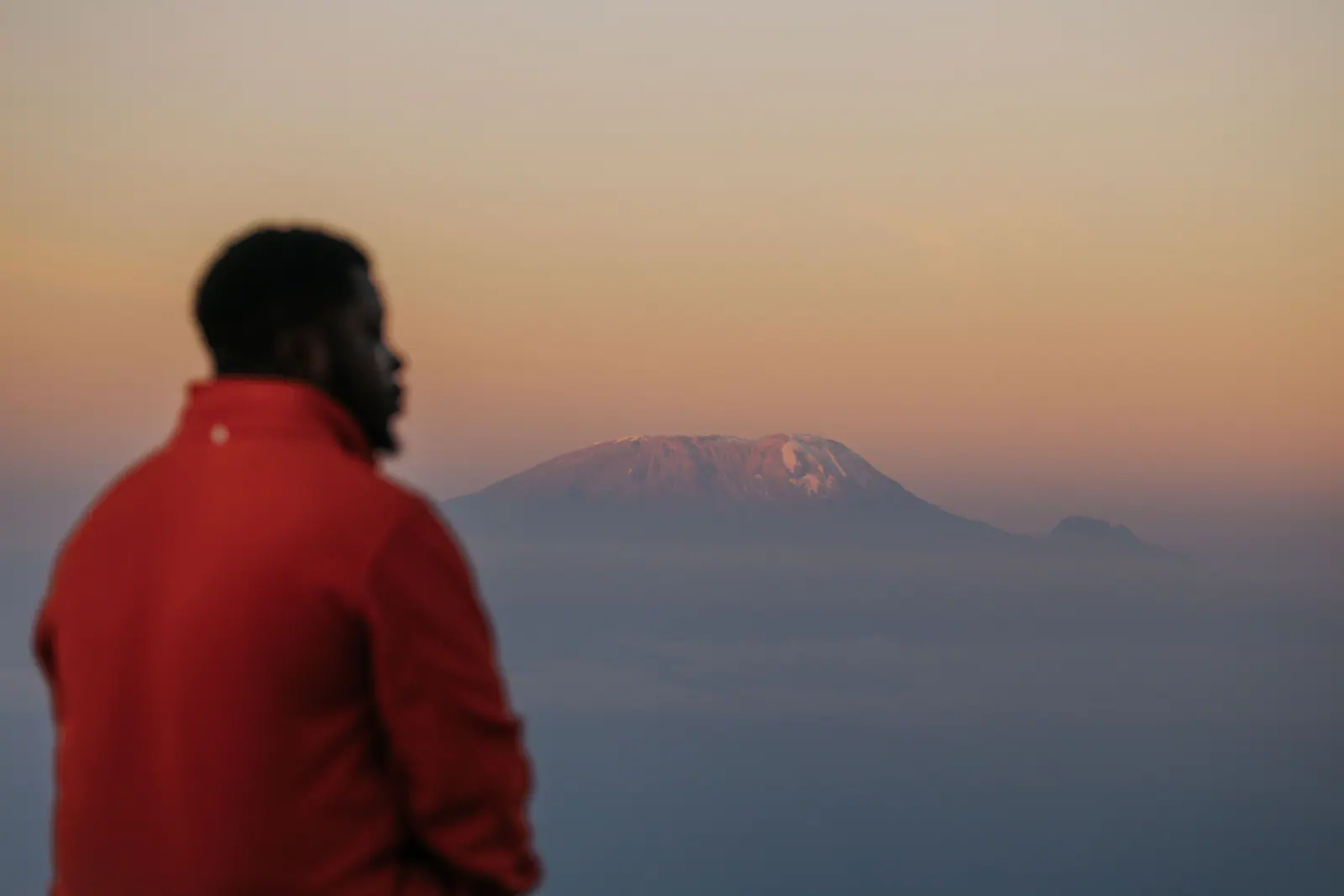
A guide in a red jacket looks toward Kilimanjaro's summit over a layer of cloud at sunset.
03 / 10
Tipping pools vs individual envelopes
Most operators handle tipping as a pooled system: climbers contribute to a shared total for each crew role, which is then divided among that role's members, for example, one porter tip pool split evenly among all porters on the climb, rather than each climber individually tipping each porter.
This is generally simpler and fairer than individual envelopes for large crews, since it avoids the situation where a porter who happened to interact more with certain climbers receives noticeably more than one who worked equally hard but was less visible. It also avoids climbers needing to carry separate cash amounts for every individual crew member.
Some climbers prefer to add a smaller personal thank-you to an individual who went out of their way to help them, on top of the pooled amount. This is a personal choice rather than an expectation, and should not replace the group pool.
04 / 10
Currency, small notes and withdrawing before the climb
There are no ATMs, card machines or currency exchange facilities anywhere on the mountain, so all tipping cash needs to be sourced and set aside before you start climbing, either withdrawn in Moshi or Arusha, or brought with you from home if you are using foreign currency.
Small denomination notes matter more than most first-time climbers expect. Camps have no practical way to give change, so arriving with only large notes can make dividing a tip pool awkward on the final morning. Ask your operator in advance which currency and note sizes work best.
Keeping tipping cash physically separate from your general travel money (in its own envelope or pouch) makes it far less likely to be accidentally spent on something else before the climb ends.
05 / 10
Group vs private tipping arithmetic
The general method used across the industry is to think in terms of a per-day, per-crew-role guideline, then multiply by the number of climbing days and divide the total pool for that role across however many crew members hold it. We describe the method here rather than fixed figures, since operator guidance changes and depends on route length and crew size.
On a group climb, the total pool for each crew role is generally split across all climbers in the group, which can mean a lower individual contribution per climber for the same crew size, since more people are sharing the total. On a private climb, the same total pool is carried by a smaller party, so each climber's individual contribution is typically higher for an equivalent crew.
Either way, the crew size itself usually scales with the group size (a bigger group brings more porters) so the total pool being divided also tends to grow. This is exactly the kind of arithmetic worth confirming directly with your operator using current guidance for your specific route and party size, rather than estimating from a generic guide.
06 / 10
Tipping planning checklist
Work through this before you fly so tipping day is simple rather than stressful.
Tipping planning checklist
Tipping catches many first-time climbers off guard. Work through this before you fly so the end of your climb is straightforward rather than stressful.
Just starting to plan: work through the list before you fly
0 / 16 sorted
Before you fly
Cash and currency
On the mountain
Tipping ceremony day
This checklist explains planning steps and the general method used for tipping. It does not state fixed amounts: confirm current guidance directly with Safari Soles before you travel.
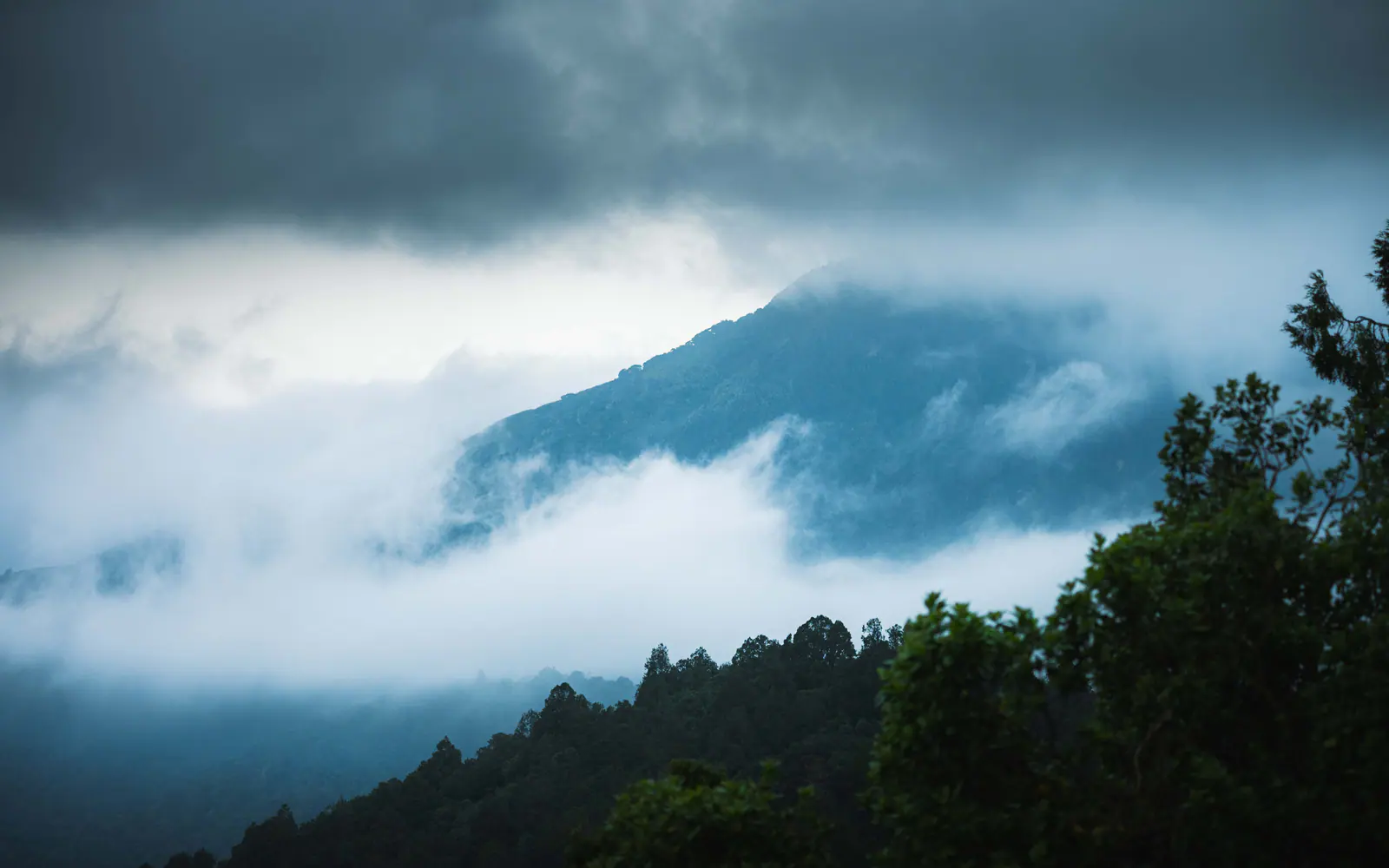
Low cloud rolling over a dark, wooded ridge under a stormy sky.
07 / 10
The tipping ceremony
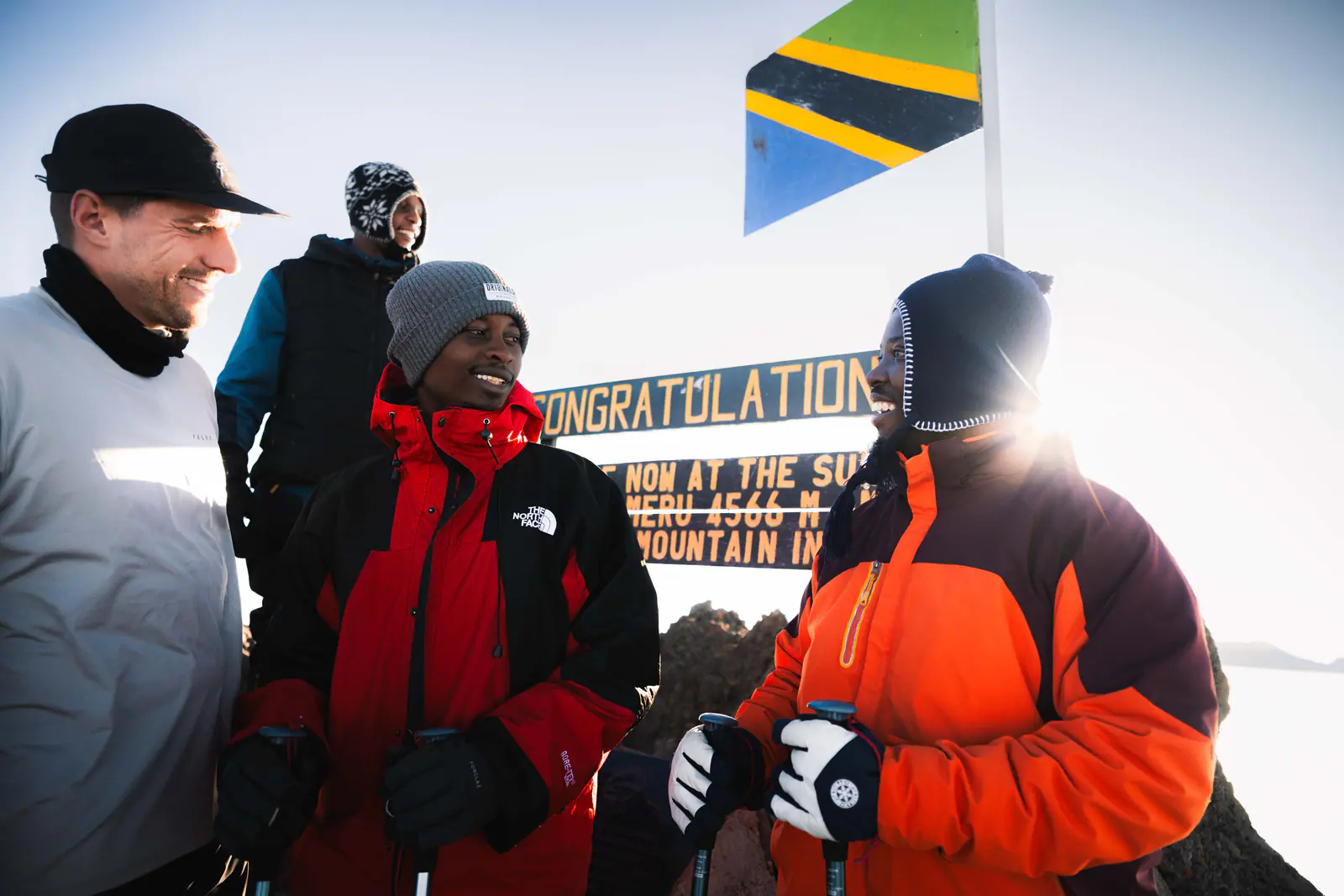
On the final morning of the climb, most operators bring the whole crew together with the climbing group for a short ceremony where tips are presented, often accompanied by songs and a shared sense of achievement after a demanding week. This is generally the appropriate moment to hand over the tip pools you have prepared for each role.
Attending this ceremony yourself, rather than handing an envelope privately to the lead guide beforehand, is worth doing where possible. It lets you see the crew who supported your climb, say thank you directly, and understand roughly how the total is being divided rather than trusting the process unseen.
08 / 10
What to do if service genuinely falls short
Occasionally something on a climb genuinely does not go well: a specific individual's conduct, not a general grumble about tiredness or difficult weather, which are simply part of climbing a mountain. If that happens, it is worth separating the crew as a whole from the individual involved rather than reducing tips across the board for everyone.
Raise the specific issue with your lead guide or with Safari Soles directly, ideally before the final tipping ceremony rather than after you have already flown home. A direct, specific conversation gives the operator a chance to understand and address what happened, which is more constructive than adjusting tips silently and leaving without explanation.

09 / 10
Tipping beyond the mountain
If your trip includes transfers, a safari extension or a Zanzibar stay after the climb, tipping customs continue in a similar spirit: drivers, safari guides and hotel staff are generally tipped separately from your mountain crew, using the same principle of small notes set aside in advance.
Ask us for guidance covering your whole itinerary rather than treating the mountain portion in isolation, particularly if you are combining a climb with a safari or beach stay on the same trip.
10 / 10
How Safari Soles approaches this
We are happy to give you current, specific tipping guidance for your route, crew size and group size before you travel: ask us directly rather than relying on general figures from any single guide, including this one.
If you would like help thinking through the arithmetic for a group versus private climb, tell us your numbers and we can talk it through with you.
Common mistakes to avoid
Most unsuccessful climbs come from a handful of avoidable planning decisions, not from the mountain.
- Assuming you can withdraw cash or get change on the mountain.
- Bringing only large denomination notes with no way to divide them evenly.
- Handing all tips to the lead guide privately instead of attending the ceremony.
- Reducing tips for the whole crew because of one individual's conduct.
- Not discussing group tipping arithmetic with fellow climbers until the final morning.
- Relying on a fixed figure from an outdated blog post instead of asking your operator directly.
- Forgetting to plan tipping cash for transfers, safari or hotel staff beyond the mountain portion.
Get these right and the climb follows
Every one of these comes down to the same thing: matching the route and the day count to the climber before booking anything. Send us your dates and we will tell you honestly what is realistic.
Plan this climb with a local expertQuestions worth asking any operator
Ask these of any operator you are comparing, including us. The answers tell you more about a climb than the price does.
- What is your current guidance on tipping ranges for each crew role on my route?
- Is tipping handled as a pooled amount, individually, or a mix of both on your climbs?
- How is the tipping ceremony usually run at the end of the climb?
- What currency and note sizes work best for tipping in Tanzania right now?
- How would the tipping arithmetic differ between a group and a private climb for my party size?
- What should I do if I have a specific concern about a crew member before the ceremony?
What Safari Soles puts in writing
Everything below is confirmed before you pay, so nothing about your climb is left to be discovered on the mountain.
-
Your route, day count and acclimatisation profile
Confirmed in writing before you pay, with our honest view on whether the number of days suits you.
-
How your health is monitored on the mountain
The daily check routine and who is responsible for it are explained at your pre-climb briefing.
-
First-aid and emergency response for your itinerary
You are told what travels with the climb and what happens at each camp if someone needs to descend.
-
Who is on your crew and what each person does
Lead guide, assistant guides, cook and porters are set out for your group size, not left vague.
-
Porter load handling for your climb
Duffel limits and how loads are weighed are confirmed before departure, so there are no gate surprises.
-
Tent, sleeping mat and dining arrangements
Camp comfort is described in the quote rather than discovered on the first night.
-
Meals, drinking water and hot drinks
How your food is cooked and your water treated is explained, including dietary requirements.
-
Gear rental list, sizes and prices
Shared before you shop, so you buy what matters at home and hire the rest on arrival.
-
An itemised quote with fees shown separately
Park and camping fees, crew, equipment, transfers and hotels appear as their own lines.
-
Tipping guidance for your group size
The customary range and how tips are collected are agreed before you fly, in writing.
How we work with our mountain crew
A climb runs on the people carrying it. This is how their loads, meals, pay and tips are handled.
-
Porter load guidance
Loads are managed to the national park limit and your personal duffel is weighed before the climb, so no porter starts the day carrying more than they should.
-
Responsible crew support
Crew wages, hot meals and sleeping arrangements are built into the price of a climb. A quote that undercuts everything else is usually taking it out of the people carrying your bag.
-
Tipping guidance
We explain the customary tipping range for your group size and crew before you travel, and how tips are collected and shared at the end of the climb, so nothing is improvised on the last morning.
-
Respect for guides, cooks and porters
Your crew are named colleagues, introduced to you at the start of the climb, not anonymous labour. That expectation is set with clients as well as crew.
-
Clear explanation of crew roles
Before you book you know who travels with you and why: lead guide, assistant guides, mountain cook and the porters carrying camp, food, water and personal kit.
-
Crew meals and sleeping arrangements
Guides, cooks and porters are supported with planned meals and sleeping arrangements on the mountain, because a safe climb depends on the whole crew being properly cared for, not only the climbers.
Local Kilimanjaro operators, licensed crew, honest guidance
Written and reviewed by the Safari Soles team in Arusha, who plan and run Kilimanjaro climbs from beside the mountain rather than brokering them from an overseas office.
- Reviewed by the Safari Soles Kilimanjaro planning team
- Updated for 2026 climbing seasons
- Route and day count matched to your fitness and altitude history
- Daily health monitoring and descent decisions agreed before you book
- Read Safari Soles reviews on TripAdvisor
- Read Safari Soles reviews on SafariBookings
- Read Safari Soles reviews on Google
Where these facts come from (3)
- Kilimanjaro Porters Assistance Project (KPAP) Industry context on porter wages, load limits, meals and equipment standards on Kilimanjaro. Linked as background reading, not as a membership claim.
- TANAPA: Tanzania National Parks Official park authority information on regulations, park fees and permitted activities.
- Tanzania Tourist Board Government tourism information on travelling in Tanzania, seasons and destinations.
Related Safari Soles guides
Continue with the guides travellers usually read next.
 Porter Welfare Load limits, wages, meals, sleeping gear and why porter treatment is part of climbing responsibly. Crew & Equipment
Read the guide
Porter Welfare Load limits, wages, meals, sleeping gear and why porter treatment is part of climbing responsibly. Crew & Equipment
Read the guide
 Kilimanjaro Climb Cost Where your money goes: park fees, crew wages, food, gear, transfers and route length. Cost
Read the guide
Kilimanjaro Climb Cost Where your money goes: park fees, crew wages, food, gear, transfers and route length. Cost
Read the guide
 Kilimanjaro Group Climbs Join a scheduled departure to share crew costs, meet other climbers and keep your dates flexible. Group Climbs
Read the guide
Kilimanjaro Group Climbs Join a scheduled departure to share crew costs, meet other climbers and keep your dates flexible. Group Climbs
Read the guide
Frequently Asked Questions
-
It is not legally compulsory, but it is a well-established, widely expected part of how crew are compensated across the industry, and most climbers treat it as a required part of their trip budget rather than optional.
Get current tipping guidance for your climb
Ask us for up-to-date planning guidance on tipping ranges, currency and the ceremony for your specific route and group size.