


Kilimanjaro and Serengeti Safari
For travellers who want the mountain and then as much open-plains time as possible, this guide weighs the Serengeti against the rest of the northern circuit. It covers how to get there, what a day actually looks like once you arrive, and how to think about wildlife timing without chasing a guarantee that no operator can honestly make.
- Guide
- Combinations
- Reading time
- 11minutes
- In this guide
- 9sections
- Climb first
- Recovery day matters
- Serengeti after summit
- Custom route builder
Local Tanzania team · Licensed mountain crew · Real Safari Soles itineraries
A Kilimanjaro climb paired with a Serengeti-focused safari suits travellers who would rather spend their post-climb days on open plains than splitting time evenly across the whole northern circuit.
- This combination weights the safari days towards the Serengeti itself rather than splitting evenly across the whole circuit.
- Flying into the Serengeti saves close to a day of driving compared with the road route from Arusha.
- Wildlife movement follows a general seasonal pattern, not a fixed schedule: plan by pattern, not promise.
- A typical Serengeti day is built around two unhurried game drives bracketing the hottest hours, not constant movement.
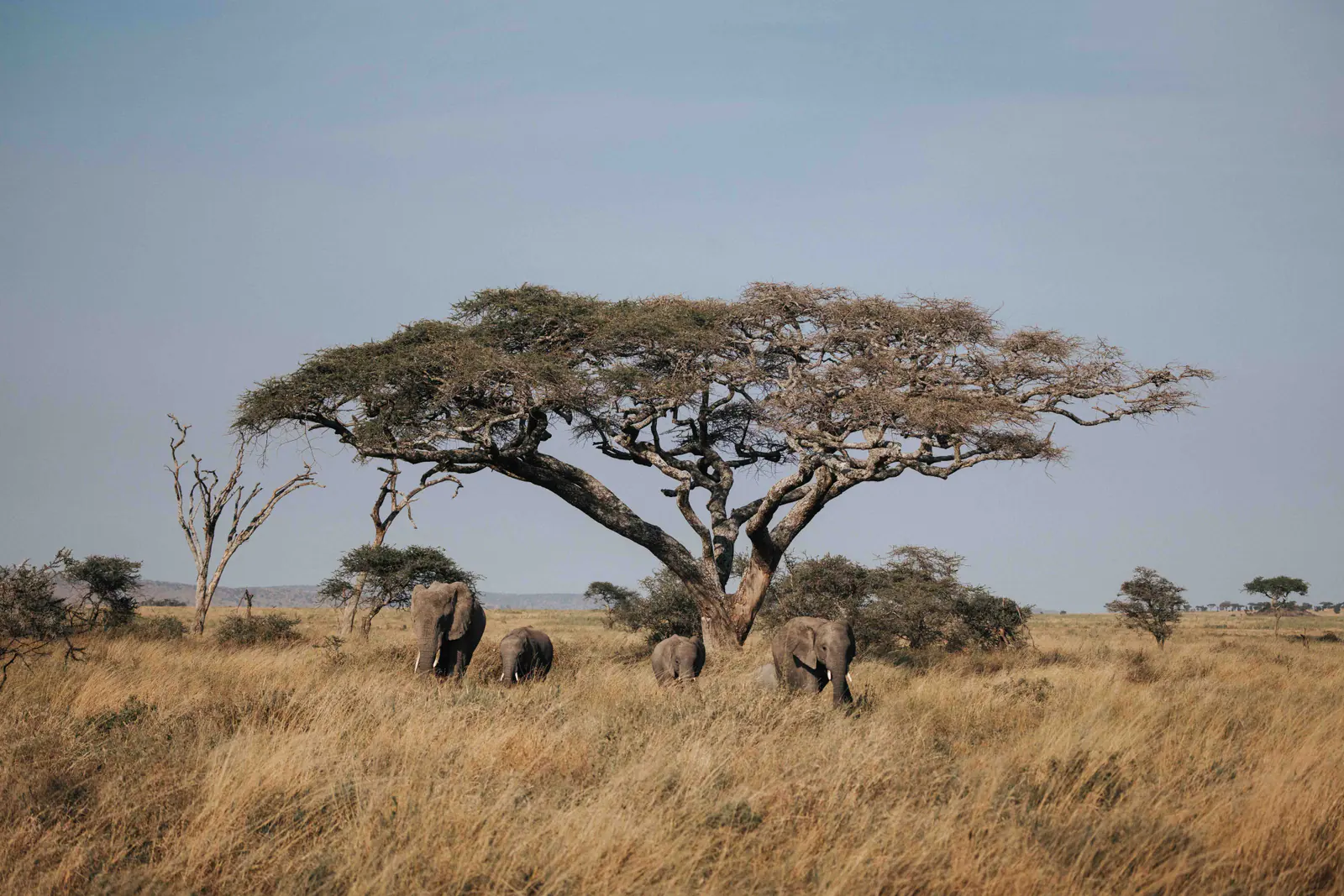
- The Serengeti's open, wide-horizon plains feel distinct from Ngorongoro's contained crater and Tarangire's baobab woodland.
- A buffer night after the climb still matters here, protecting the transfer or flight the same way it does on any combination trip.
01 / 09
Why some travellers weight their safari towards the Serengeti
Where this fits: this guide is part of the Kilimanjaro climbing guides hub, which supports our main Kilimanjaro climbing page and our published Kilimanjaro climb prices.
Pair it with the route comparison, the best time to climb guide and our climb, safari and beach itinerary; the Serengeti UNESCO listing and Wikivoyage Tanzania give independent context.
Apply for entry through the official Tanzania eVisa portal and read TANAPA on park regulations, then plan logistics with the transfers and vehicles guide.
Every northern-circuit safari can include Tarangire, Ngorongoro and the Serengeti in some proportion, and for many travellers a balanced split across all three is the right call. But if wide-open space, a sense of scale and the chance to follow wildlife movement across genuine distance matter more to you than variety of terrain, then spending more nights inside the Serengeti and fewer moving between parks makes for a calmer, more immersive safari.
This is less about excluding the other parks entirely (a short stop at Ngorongoro Crater on the way in or out still adds real value) and more about deciding where the bulk of your safari days actually go. Fewer camp changes also means less driving overall, which after a physically demanding climb is often exactly what you want.
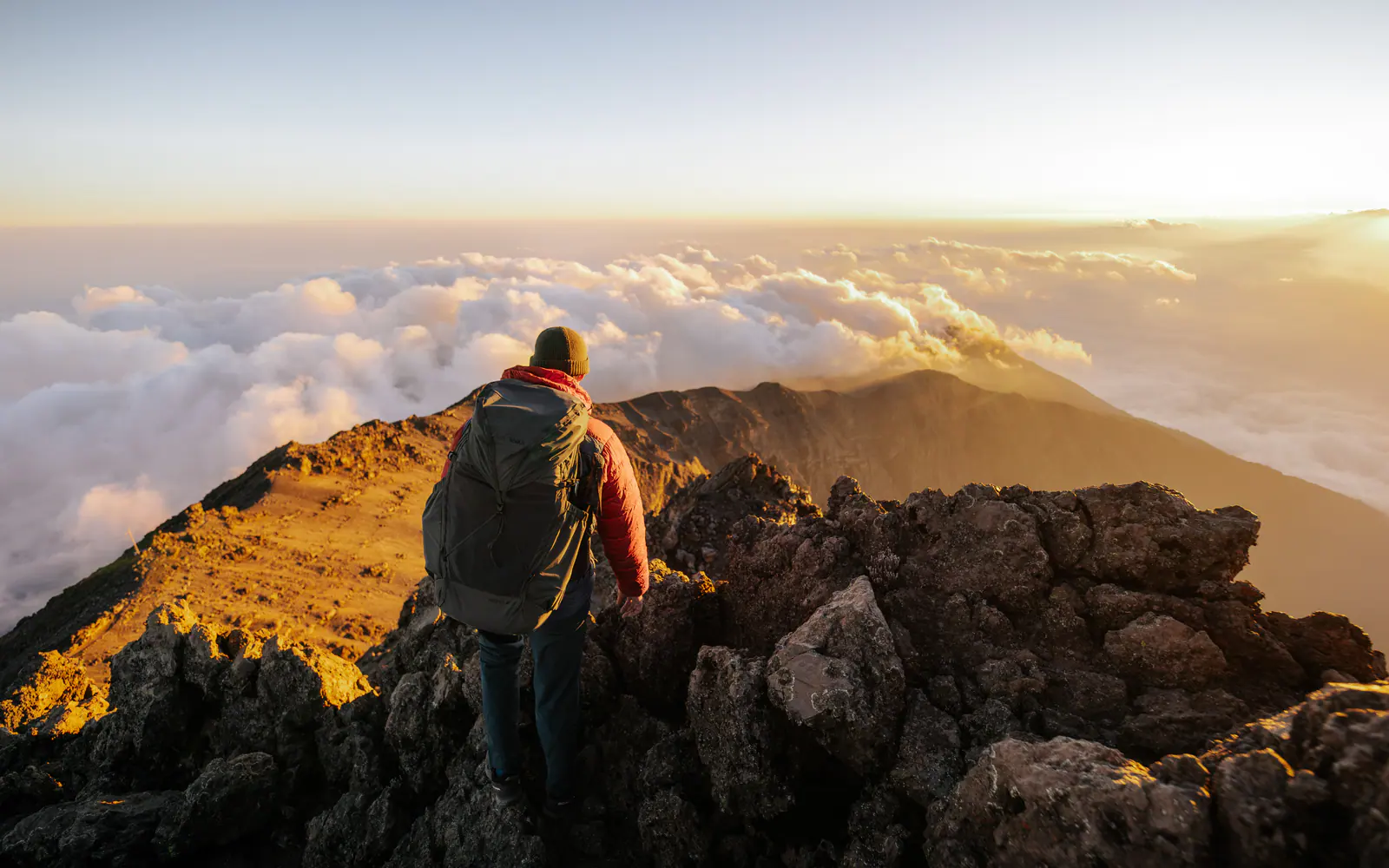
Summit night finishes with a long, tiring descent, usually arriving back at a lower camp or the gate in the early afternoon. Most climbers are dehydrated, short on sleep and running on adrenaline rather than energy. This is a day for a hot shower, a real meal and an early night, not a flight or a long drive.
We build at least one buffer night at lower altitude, near Moshi or Arusha, between the mountain and the next leg of the trip. It absorbs delays on the mountain, gives your body a genuine chance to rehydrate and sleep properly, and means you arrive at the next stage of the trip as a traveller again rather than as someone still recovering.
On this trip, the buffer night also gives you a clear head for deciding between the road and flight options into the Serengeti: a decision better made rested than in the fog of summit-night fatigue.
02 / 09
Flying versus driving into the Serengeti
The road route from Arusha to the Serengeti runs through Lake Manyara and the Ngorongoro Conservation Area, climbing over the crater rim before descending onto the plains. It is a full day of driving on a mix of surfaced and rougher roads, scenic but tiring after a demanding climb, and it works best if you are also stopping at the crater along the way.
The alternative is a light-aircraft flight from Arusha, or from an airstrip near the crater rim if you have already driven that far, landing on one of the Serengeti's several bush airstrips close to the safari camps. Flights typically take well under an hour once airborne, though total door-to-door time includes drives to and from each airstrip.
Typical transfers and connections
Exact routings depend on your chosen lodges and flight schedules. This shows the shape of the logistics, not a fixed itinerary.
| Leg | Typical mode | Notes |
|---|---|---|
| Mweka/Marangu Gate → Arusha | Road transfer | Same-day descent transfer, then a rest night before deciding your Serengeti route |
| Arusha → Serengeti (road) | Road transfer via Ngorongoro | A full day, often paired with a crater stop along the way |
| Arusha → Serengeti (flight) | Light-aircraft flight | Under an hour in the air; saves close to a full day at added cost |
| Serengeti airstrip → your safari camp | Road transfer | Usually 20–60 minutes depending on which part of the park you're in |
Mweka/Marangu Gate → Arusha
- Typical mode
- Road transfer
- Notes
- Same-day descent transfer, then a rest night before deciding your Serengeti route
Arusha → Serengeti (road)
- Typical mode
- Road transfer via Ngorongoro
- Notes
- A full day, often paired with a crater stop along the way
Arusha → Serengeti (flight)
- Typical mode
- Light-aircraft flight
- Notes
- Under an hour in the air; saves close to a full day at added cost
Serengeti airstrip → your safari camp
- Typical mode
- Road transfer
- Notes
- Usually 20–60 minutes depending on which part of the park you're in
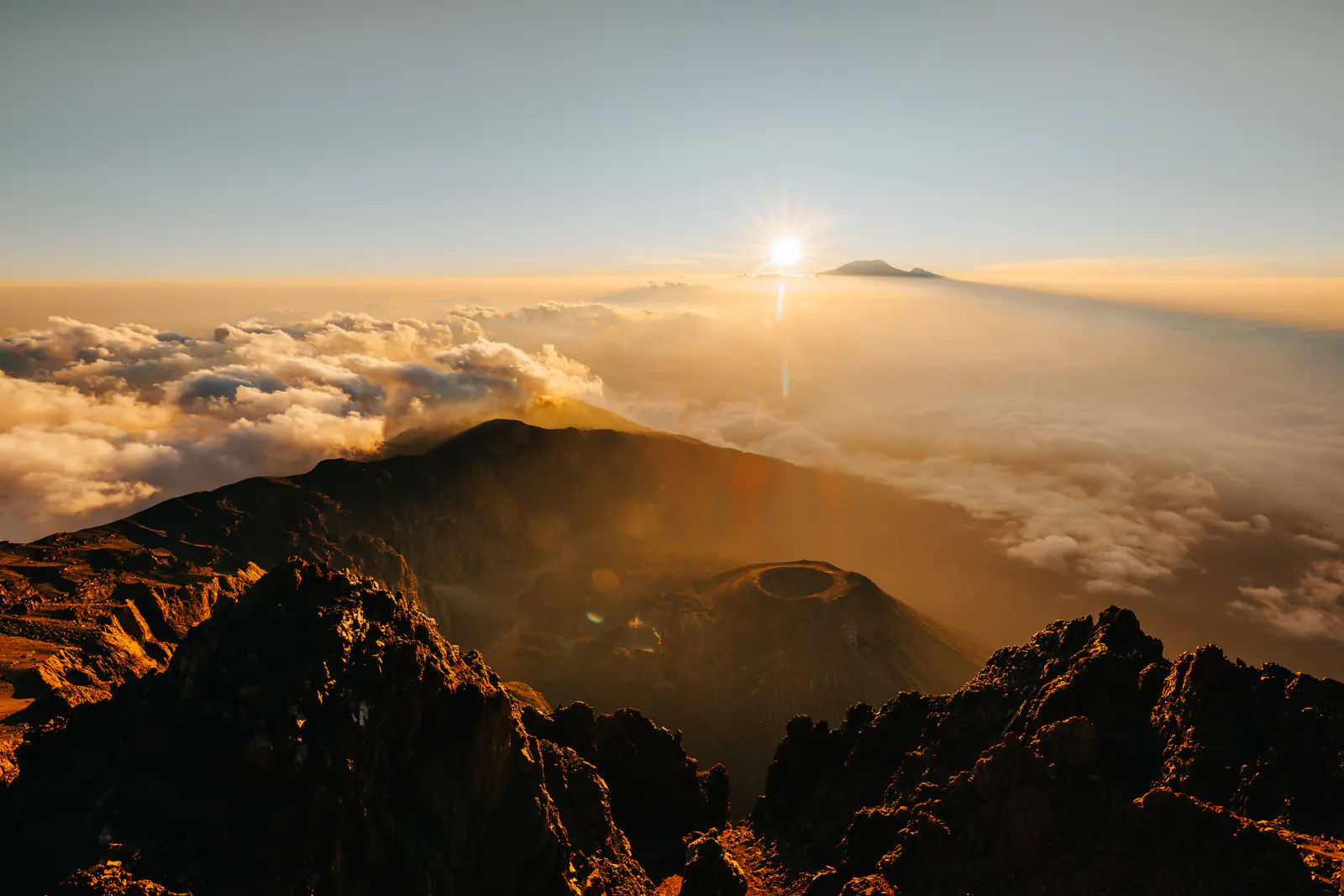
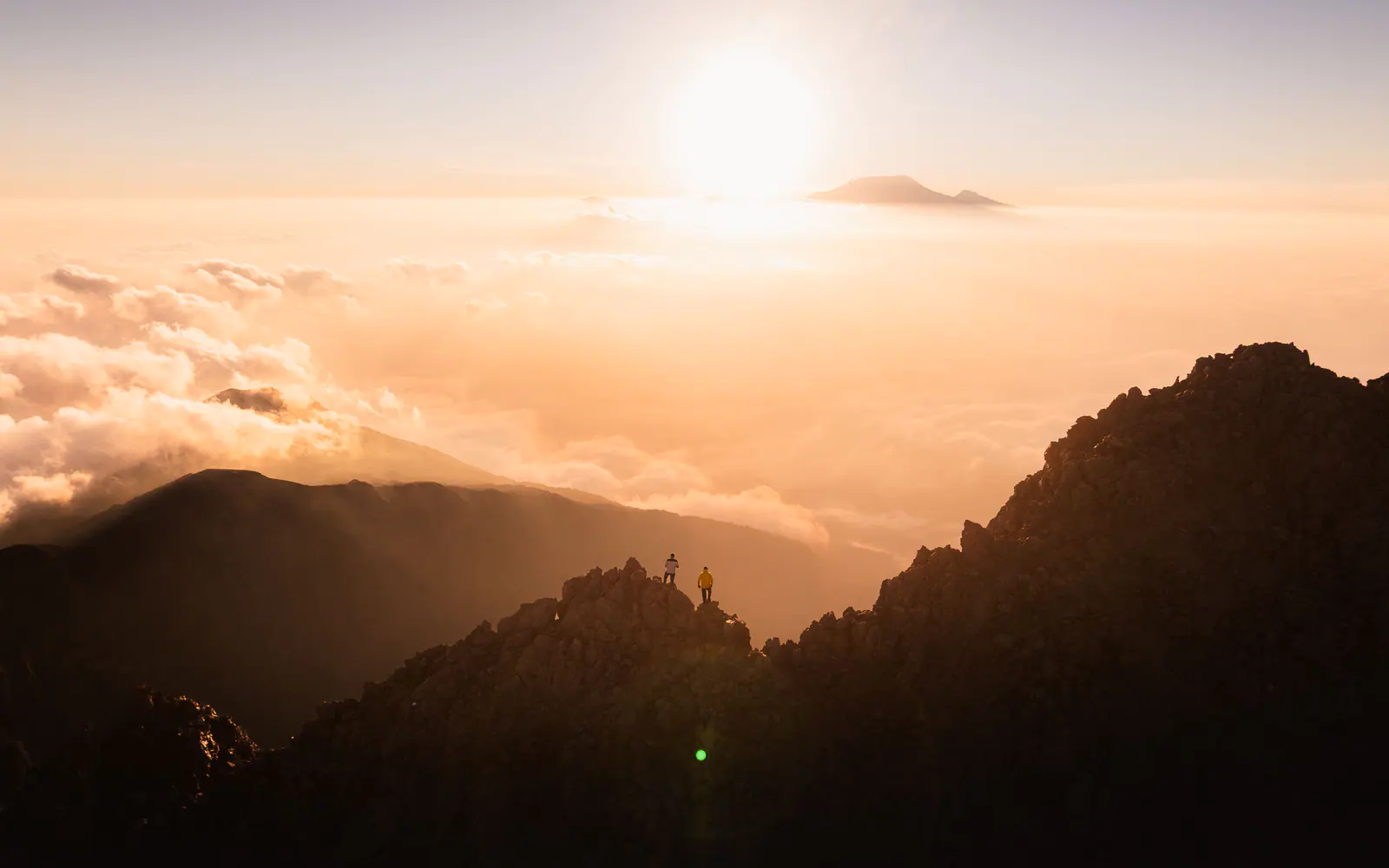
The sun rises over a bank of cloud above a mountain with a crater on its flank.
03 / 09
What a typical Serengeti day looks like
A sample day once you're inside the park
- Early morning
Dawn game drive
An early departure while temperatures are cool and predators are often most active, following tracks and radioed sightings across open grassland.
- Midday
Return to camp, rest through the heat
A relaxed lunch, downtime at camp during the hottest hours when wildlife activity naturally slows.
- Afternoon
Second game drive
A longer drive further from camp as temperatures ease, often reaching different terrain from the morning route.
- Evening
Dinner and open skies
Camp dinner and, in many areas, a night sky with very little light pollution: a quiet contrast to the mountain's headtorch-lit summit push.
A sample 12-day Serengeti-weighted shape
| Days | Focus | Notes |
|---|---|---|
| Days 1–7 | Machame route climb | Seven days with acclimatisation built in, summit push around day 5 or 6 |
| Day 8 | Buffer day near Arusha | Full rest before deciding road or flight into the Serengeti |
| Days 9–11 | Serengeti safari | Three unhurried days inside the park, based at one or two camps |
| Day 12 | Short Ngorongoro stop and departure | An optional crater morning on the way back to the airport |
Days 1–7
- Focus
- Machame route climb
- Notes
- Seven days with acclimatisation built in, summit push around day 5 or 6
Day 8
- Focus
- Buffer day near Arusha
- Notes
- Full rest before deciding road or flight into the Serengeti
Days 9–11
- Focus
- Serengeti safari
- Notes
- Three unhurried days inside the park, based at one or two camps
Day 12
- Focus
- Short Ngorongoro stop and departure
- Notes
- An optional crater morning on the way back to the airport
04 / 09
General migration patterns, not a fixed calendar
The wildebeest and zebra migration moves through the Serengeti ecosystem in a broad, repeating pattern shaped by rainfall and grass growth, not a fixed timetable. In general terms, herds tend to spend the earlier part of the year across the southern plains, shift towards the central and western areas as conditions change, and move further north later on, but the exact timing and location vary from year to year.
Rather than promise a specific herd location on specific dates, we plan which part of the Serengeti to base you in according to the general pattern for your travel month, and we are candid that this is a best estimate based on typical behaviour, not a guarantee. Even outside of any particular movement, the Serengeti carries strong resident wildlife populations year-round, so a trip timed slightly off the peak pattern is still a genuine safari, not a compromise.
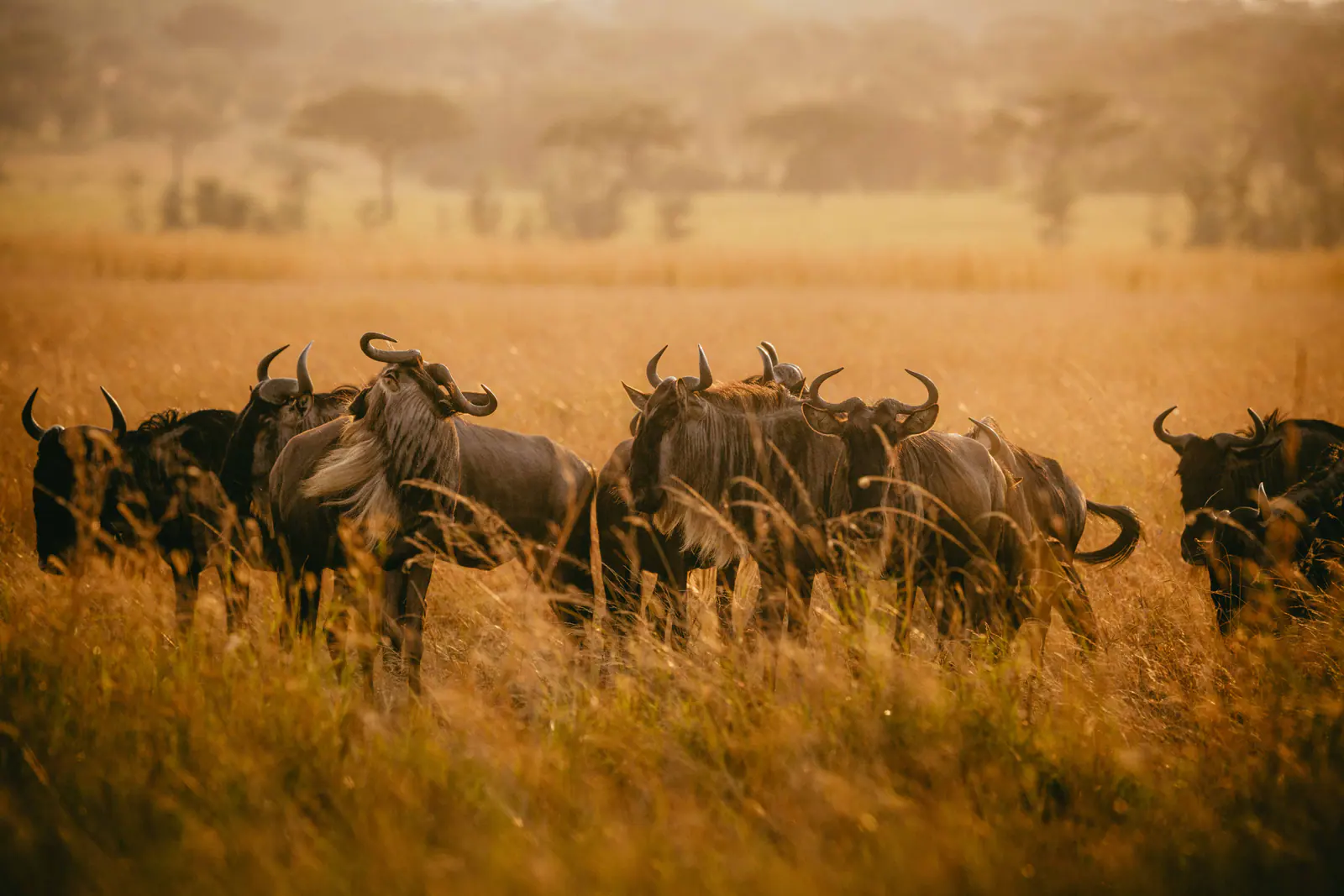
No operator can guarantee where migrating herds will be on a given date. We use general seasonal patterns to choose which area of the Serengeti to base your safari in, and we balance that with the park's strong year-round resident wildlife so your trip is not staked entirely on one sighting.
05 / 09
How the Serengeti differs from Ngorongoro and Tarangire
Three very different landscapes on the same circuit
Serengeti
- Vast, open plains with a genuine sense of scale and distance
- Wildlife spread across a huge area, sometimes requiring longer drives between sightings
- Strong for following seasonal migration patterns and predator behaviour
- Fewer fixed viewpoints, more exploration-driven game drives
Ngorongoro Crater and Tarangire
- The crater concentrates dense wildlife in a compact, contained caldera floor
- Tarangire's baobab-studded woodland gives a completely different visual character
- Both are reliably strong for wildlife viewing across most of the year
- Shorter drives and higher sighting density per hour spent in the vehicle
If you want the highest density of sightings per hour, the crater is difficult to beat. If you want the sense of being somewhere genuinely vast, with the possibility of following a migration in motion, the Serengeti offers something the crater cannot. This combination trip is built for travellers who know they want more of the latter.
06 / 09
Combination Trip Builder
Answer a few questions and we will suggest a realistic Serengeti-focused trip shape for your climb.
Combination Trip Builder
Answer six quick questions about your time, priorities and pace, and we will suggest a realistic trip shape to discuss with our team, not a fixed package, just a sensible starting point.
0 of 6 answered
Answer all 6 questions and your result appears here.
This tool suggests a trip shape based on your answers. It is not a quote or an availability check: actual day counts, routing and internal flight timings are confirmed with our team before booking.
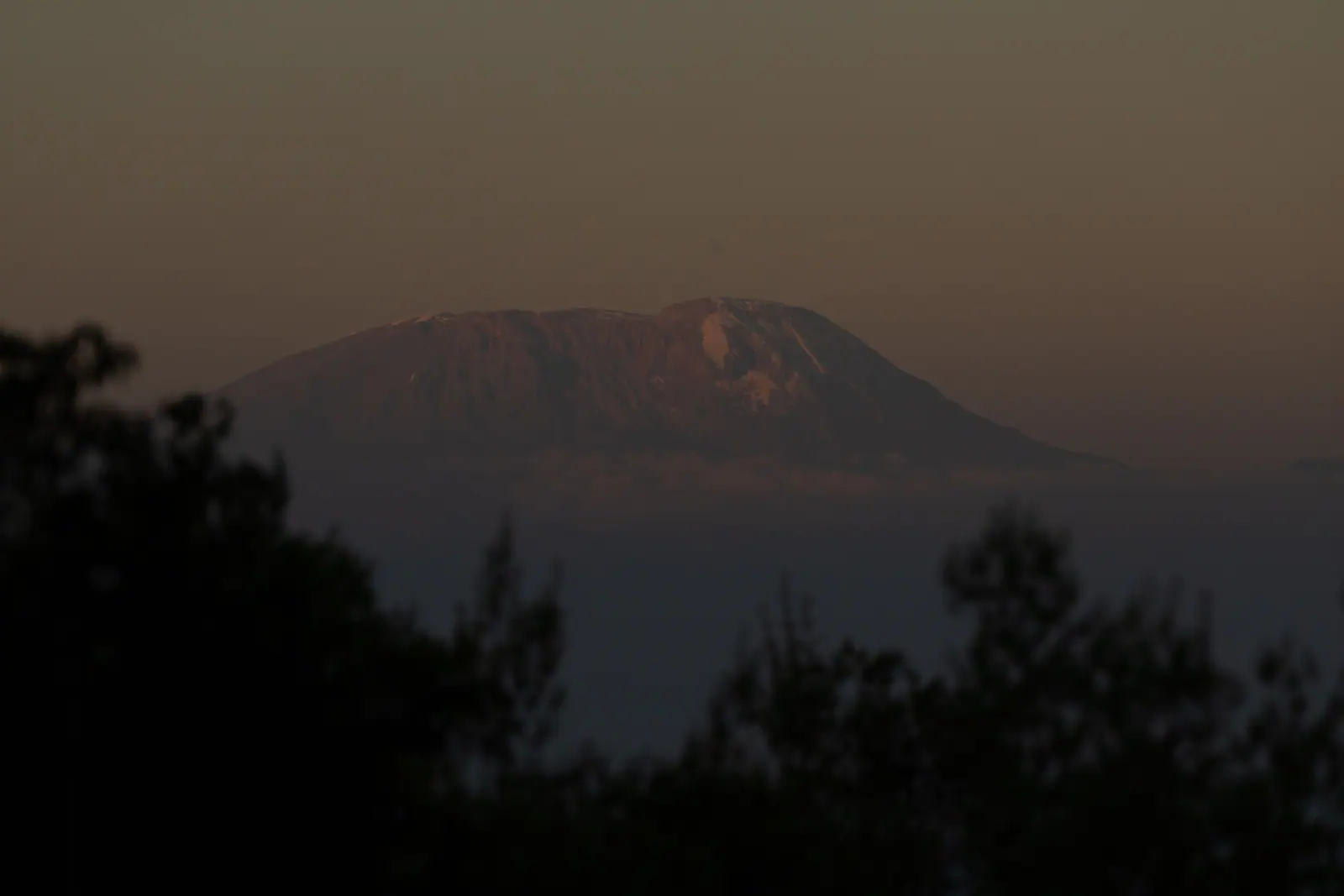
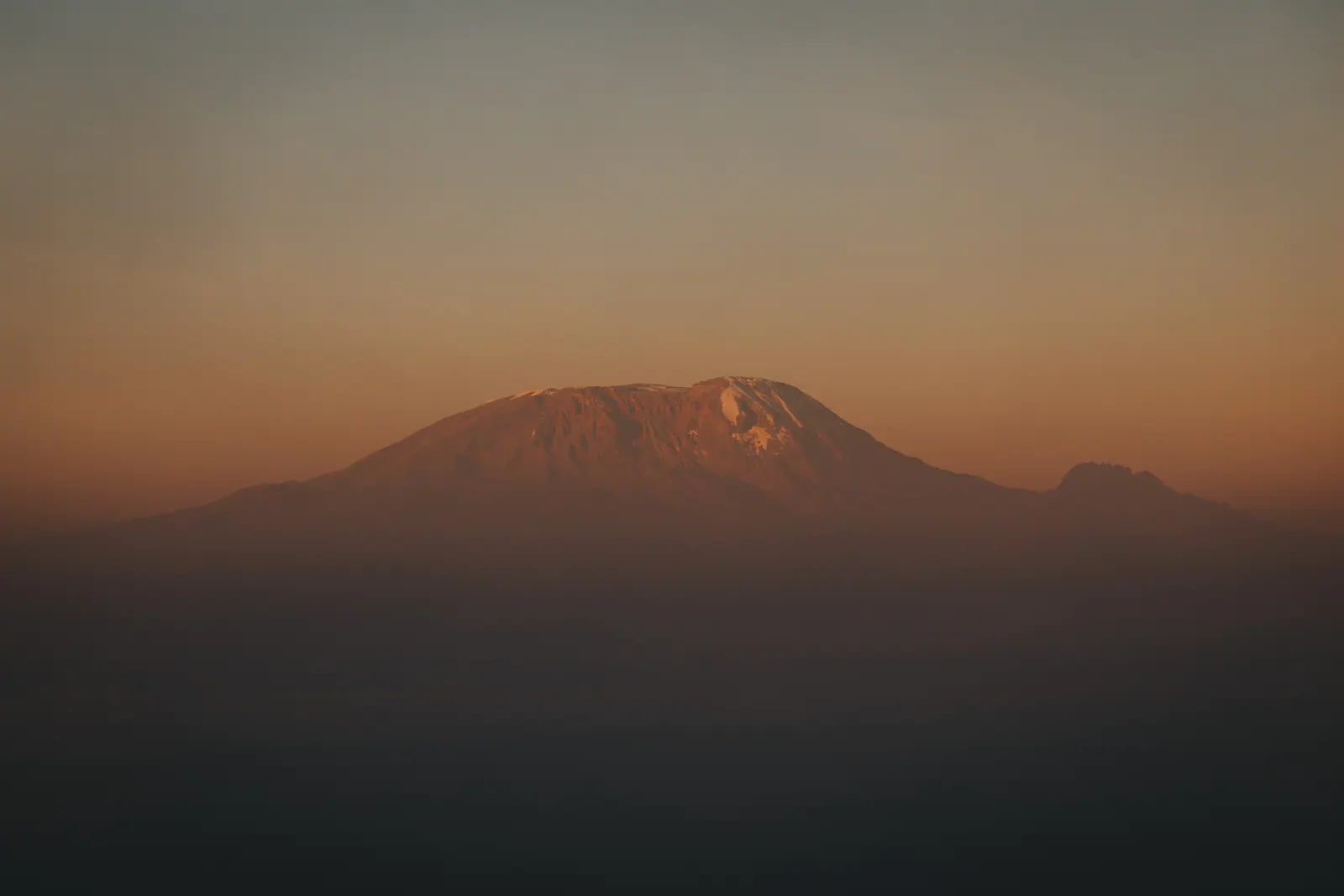
The faint outline of Kilimanjaro at first light, with dark tree silhouettes in the foreground.
07 / 09
Packing for a plains-heavy safari
Long game drives across open plains mean more sun and dust exposure than a shorter, park-hopping safari, so a wide-brimmed hat, a buff for dusty roads and a dust-proof bag for camera gear earn their place. Layers still matter: Serengeti mornings can be genuinely cool before the sun climbs, even though the middle of the day is warm.
As with any climb-and-safari combination, your mountain kit can mostly be left behind in Moshi or Arusha once the climb ends, freeing up space for the lighter, dustier kit the plains actually call for.
08 / 09
Other ways to combine your climb
Explore the other combination guides
-
Kilimanjaro and Safari Package
A balanced northern-circuit safari across Tarangire, Ngorongoro and the Serengeti.
Read the balanced safari combination -
Kilimanjaro and Zanzibar
Swap the plains for a beach recovery week after the summit.
Read the beach combination -
Kilimanjaro Safari Zanzibar
Mountain, wildlife and island together in one longer, sequenced trip.
See the full trilogy -
Kilimanjaro Honeymoon
A private climb paired with a slower, more romantic safari or beach finish.
Plan a honeymoon climb
09 / 09
How Safari Soles approaches this
We plan your Serengeti section around the general seasonal pattern for your travel month, balanced with the park's year-round resident wildlife, so the trip stands on its own regardless of exactly where any migrating herds happen to be.
Tell us how many total days you have and whether flying or driving into the park matters more to your budget or your schedule, and we will suggest a specific area and camp count.
Common mistakes to avoid
Most unsuccessful climbs come from a handful of avoidable planning decisions, not from the mountain.
- Booking a Serengeti-only safari so short that most of it is spent driving in and out rather than inside the park.
- Expecting a guaranteed migration sighting on a fixed date rather than planning by general seasonal pattern.
- Choosing the road route into the Serengeti on a tight schedule when a flight would buy back a full day.
- Skipping the buffer night and heading straight into a long transfer the day after descending.
- Changing camps every night inside the Serengeti instead of basing yourself in one or two areas.
- Underestimating dust and sun exposure on long plains drives compared with a shorter multi-park circuit.
- Assuming the Serengeti will feel similar to Ngorongoro Crater. The scale and pace of sightings are genuinely different.
Get these right and the climb follows
Every one of these comes down to the same thing: matching the route and the day count to the climber before booking anything. Send us your dates and we will tell you honestly what is realistic.
Plan this climb with a local expertQuestions worth asking any operator
Ask these of any operator you are comparing, including us. The answers tell you more about a climb than the price does.
- How many days are on the mountain, and how many of those are genuine acclimatisation days?
- Who leads the climb, and how many assistant guides travel with our group size?
- What daily health monitoring happens, and what triggers a descent decision?
- What is included in the quoted price, and what is paid separately?
- What equipment is provided, what can be rented locally and what must I bring?
- How are crew tips collected and distributed at the end of the climb?
What Safari Soles puts in writing
Everything below is confirmed before you pay, so nothing about your climb is left to be discovered on the mountain.
-
Your route, day count and acclimatisation profile
Confirmed in writing before you pay, with our honest view on whether the number of days suits you.
-
How your health is monitored on the mountain
The daily check routine and who is responsible for it are explained at your pre-climb briefing.
-
First-aid and emergency response for your itinerary
You are told what travels with the climb and what happens at each camp if someone needs to descend.
-
Who is on your crew and what each person does
Lead guide, assistant guides, cook and porters are set out for your group size, not left vague.
-
Porter load handling for your climb
Duffel limits and how loads are weighed are confirmed before departure, so there are no gate surprises.
-
Tent, sleeping mat and dining arrangements
Camp comfort is described in the quote rather than discovered on the first night.
-
Meals, drinking water and hot drinks
How your food is cooked and your water treated is explained, including dietary requirements.
-
Gear rental list, sizes and prices
Shared before you shop, so you buy what matters at home and hire the rest on arrival.
-
An itemised quote with fees shown separately
Park and camping fees, crew, equipment, transfers and hotels appear as their own lines.
-
Tipping guidance for your group size
The customary range and how tips are collected are agreed before you fly, in writing.
Local Kilimanjaro operators, licensed crew, honest guidance
Written and reviewed by the Safari Soles team in Arusha, who plan and run Kilimanjaro climbs from beside the mountain rather than brokering them from an overseas office.
- Reviewed by the Safari Soles Kilimanjaro planning team
- Updated for 2026 climbing seasons
- Route and day count matched to your fitness and altitude history
- Daily health monitoring and descent decisions agreed before you book
- Read Safari Soles reviews on TripAdvisor
- Read Safari Soles reviews on SafariBookings
- Read Safari Soles reviews on Google
Where these facts come from (4)
- TANAPA: Tanzania National Parks Official park authority information on regulations, park fees and permitted activities.
- Tanzania Tourist Board Government tourism information on travelling in Tanzania, seasons and destinations.
- Wikivoyage: Tanzania Secondary travel background on getting around Tanzania and regional highlights.
- Wikipedia: Mount Kilimanjaro Secondary background context on the mountain's geology, glaciers and climbing history.
Related Safari Soles guides
Continue with the guides travellers usually read next.
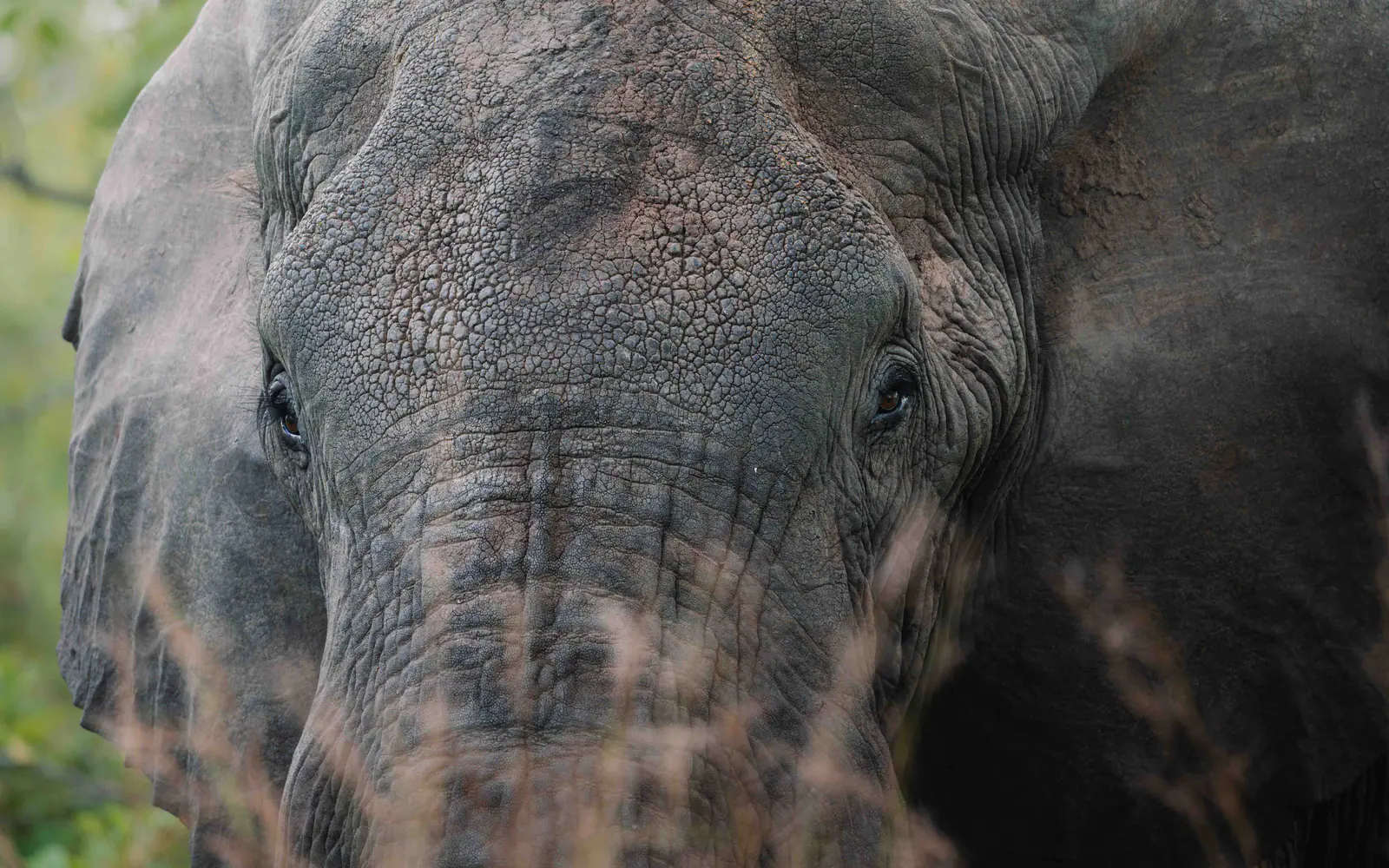 Kilimanjaro and Safari Package Climb first, then unwind on a northern-circuit safari with Serengeti and Ngorongoro game drives. Combinations
Read the guide
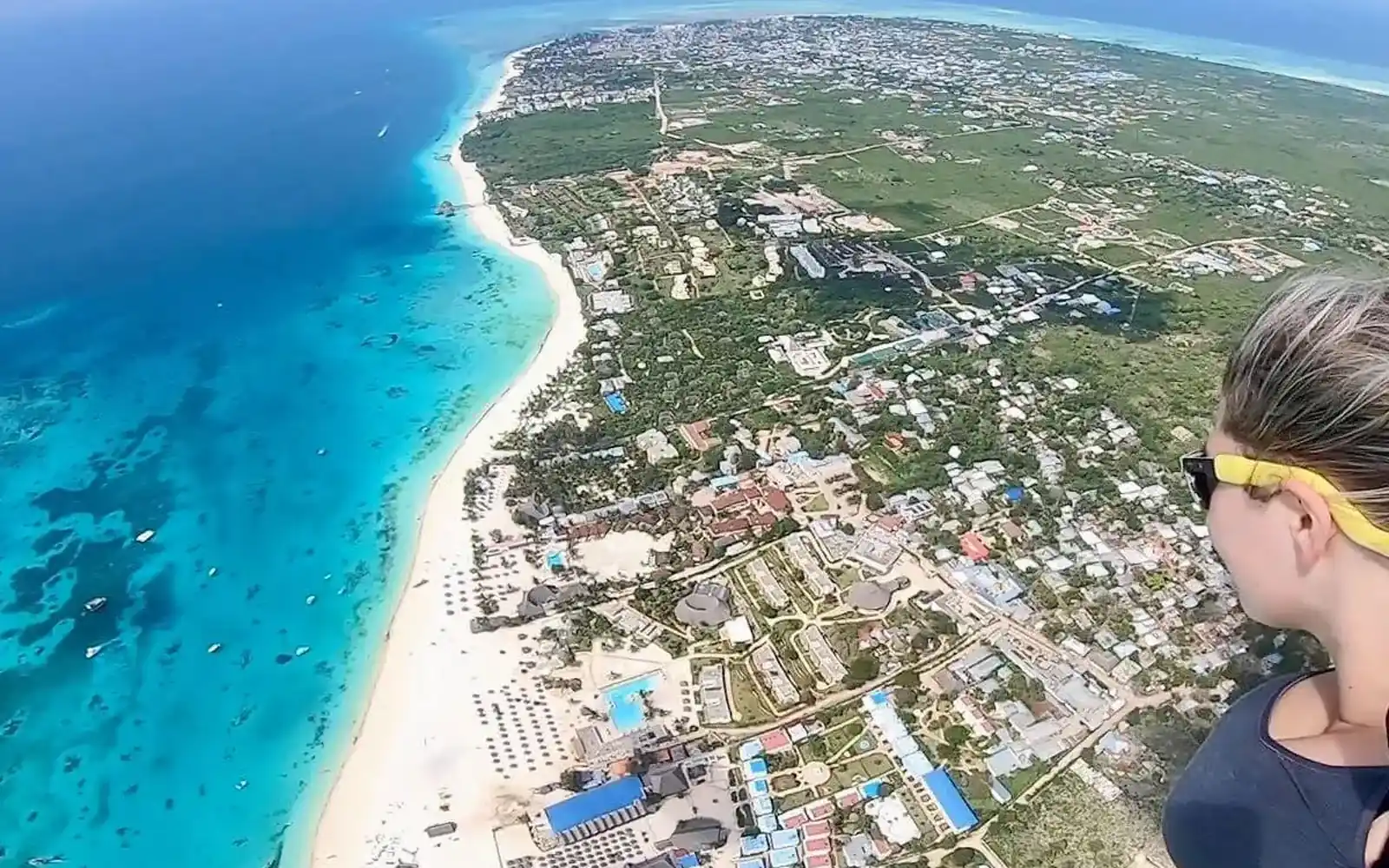 Kilimanjaro and Zanzibar Trade altitude for the Indian Ocean with a beach recovery week after your summit. Combinations
Read the guide
- Kilimanjaro Safari Zanzibar The full Tanzania trilogy (mountain, wildlife and island) in one carefully paced itinerary. Combinations
Read the guide
Frequently Asked Questions
-
This version weights most of your safari days towards the Serengeti itself, rather than splitting time evenly across Tarangire, Ngorongoro and the Serengeti.
Ready to plan your Kilimanjaro and Serengeti safari?
Tell us your total available days and whether flying or driving into the park matters more, and we will shape a Serengeti-focused safari around your climb and travel month.