


Kilimanjaro, Safari and Zanzibar
Mountain, plains and ocean in a single trip. This guide walks through how to budget your days across all three legs, the sequencing that works best, the internal flights that connect them, and how to pack for three very different climates without overpacking.
- Guide
- Combinations
- Reading time
- 9minutes
- In this guide
- 9sections
- Climb first
- Safari after summit
- Zanzibar beach finish
- Custom route builder
Local Tanzania team · Licensed mountain crew · Real Safari Soles itineraries
The full trilogy (climb, safari, beach) is the most complete way to see Tanzania in one trip, but it is also the most day-hungry:
- Budget 14–17 total days for a trip that does not feel rushed in any of its three parts.
- Sequence as climb, then safari, then beach. Each leg gets progressively lower-effort.
- Two internal flights are typical: safari-area to Serengeti (optional), and northern Tanzania to Zanzibar.
- Pack in three distinct kits (mountain, safari, beach) and plan storage for what you are not using.
- This trip suits travellers with abundant time and interest in all three experiences, not a first quick visit.
- Cutting any single leg below its minimum useful length undermines the whole trip more than skipping a leg entirely.
01 / 09
How to budget your days across three legs
Where this fits: this guide is part of the Kilimanjaro climbing guides hub, which supports our main Kilimanjaro climbing page and our published Kilimanjaro climb prices.
Build each leg with the route comparison, the Serengeti safari guide and the Kilimanjaro and Zanzibar guide; see the UNESCO Serengeti listing and Wikivoyage Zanzibar for background.
Apply for entry through the official Tanzania eVisa portal and check seasons with the Tanzania Tourist Board, then plan logistics with the transfers and vehicles guide.
The trilogy fails most often not because any single leg is badly planned, but because the total day count was decided before the three legs were, leaving each one squeezed. Start from the other direction: decide the minimum useful length for each leg, then add them together honestly.
A climb needs 6–9 days depending on route. A safari worth the internal flights needs at least 3–4 days across two or three parks. A beach stay that actually restores you after the climb needs 4–5 nights minimum. Add one buffer night after the climb and short transfer days between legs, and 14 days is close to the practical floor: 16–17 gives real breathing room.
Day budget by trip length
| Total days | Climb | Safari | Beach | Feel |
|---|---|---|---|---|
| 14 days | 7 | 3 | 3 (+1 buffer) | Workable but every leg is tight |
| 16 days | 8 | 4 | 3 (+1 buffer) | The balanced version we plan most often |
| 18+ days | 8–9 | 5–6 | 5+ (+1 buffer) | Unhurried: recommended if your schedule allows |
14 days
- Climb
- 7
- Safari
- 3
- Beach
- 3 (+1 buffer)
- Feel
- Workable but every leg is tight
16 days
- Climb
- 8
- Safari
- 4
- Beach
- 3 (+1 buffer)
- Feel
- The balanced version we plan most often
18+ days
- Climb
- 8–9
- Safari
- 5–6
- Beach
- 5+ (+1 buffer)
- Feel
- Unhurried: recommended if your schedule allows
02 / 09
Why this order works: mountain, plains, ocean
Each leg of this trip asks progressively less of your body if sequenced correctly. The climb is the only leg requiring real physical training and carries the highest stakes around summit night, so it goes first while you are freshest. The safari that follows is active in its early starts but restful in its vehicle-based days, functioning as a bridge between full exertion and full rest.
The beach goes last because it is the leg with the least structure and the most flexibility: perfect for a group that may be tired, sunburnt from the safari, or simply ready to stop moving. Reversing any part of this order tends to create friction: arriving at the mountain fatigued from early safari mornings, or reaching the beach still carrying safari dust and half-packed bags rather than a settled rhythm.
Summit night finishes with a long, tiring descent, usually arriving back at a lower camp or the gate in the early afternoon. Most climbers are dehydrated, short on sleep and running on adrenaline rather than energy. This is a day for a hot shower, a real meal and an early night, not a flight or a long drive.
We build at least one buffer night at lower altitude, near Moshi or Arusha, between the mountain and the next leg of the trip. It absorbs delays on the mountain, gives your body a genuine chance to rehydrate and sleep properly, and means you arrive at the next stage of the trip as a traveller again rather than as someone still recovering.
On the trilogy specifically, treat the buffer night as protecting two connections at once (the safari transfer and, later, the Zanzibar flight) rather than a single rest stop.
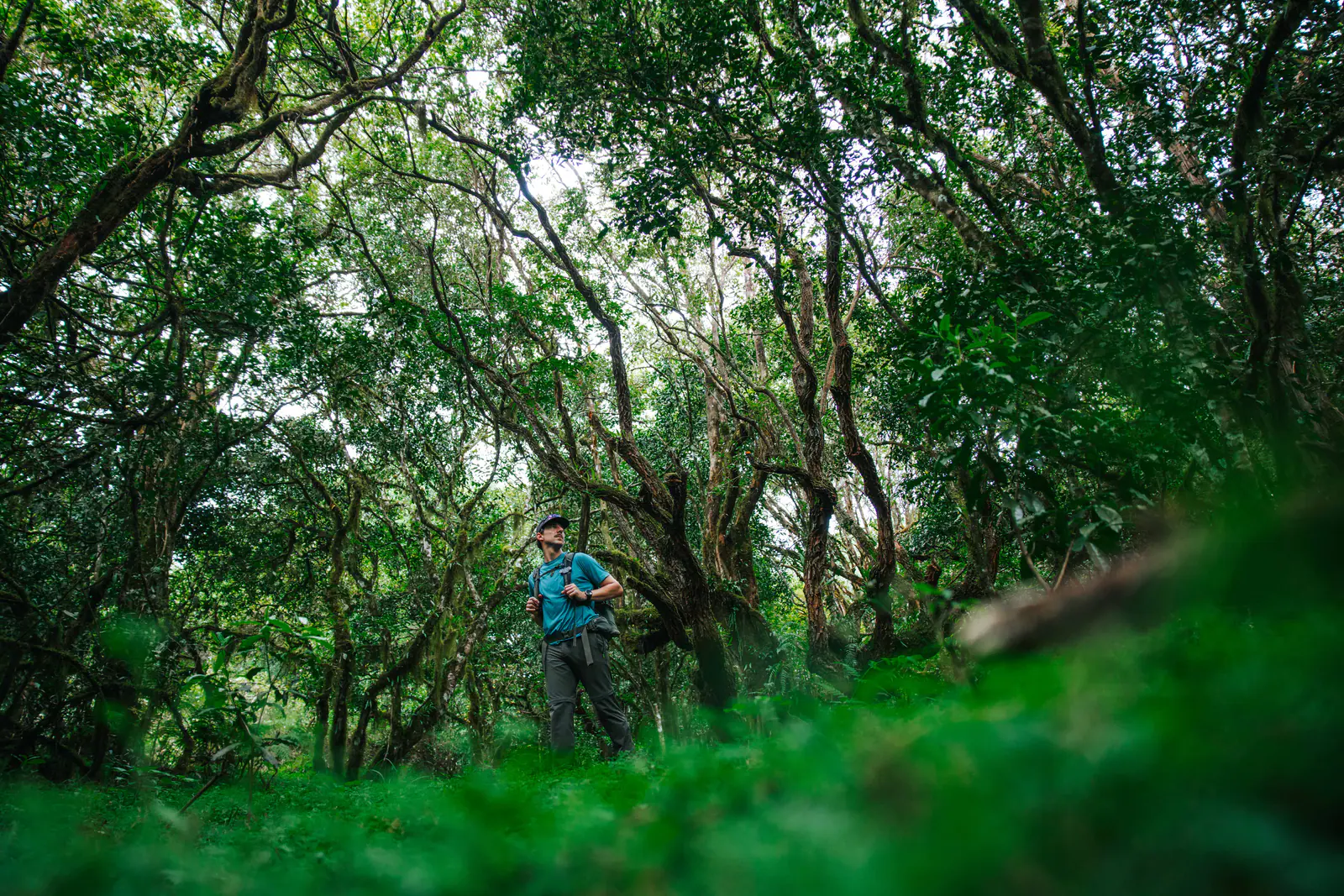
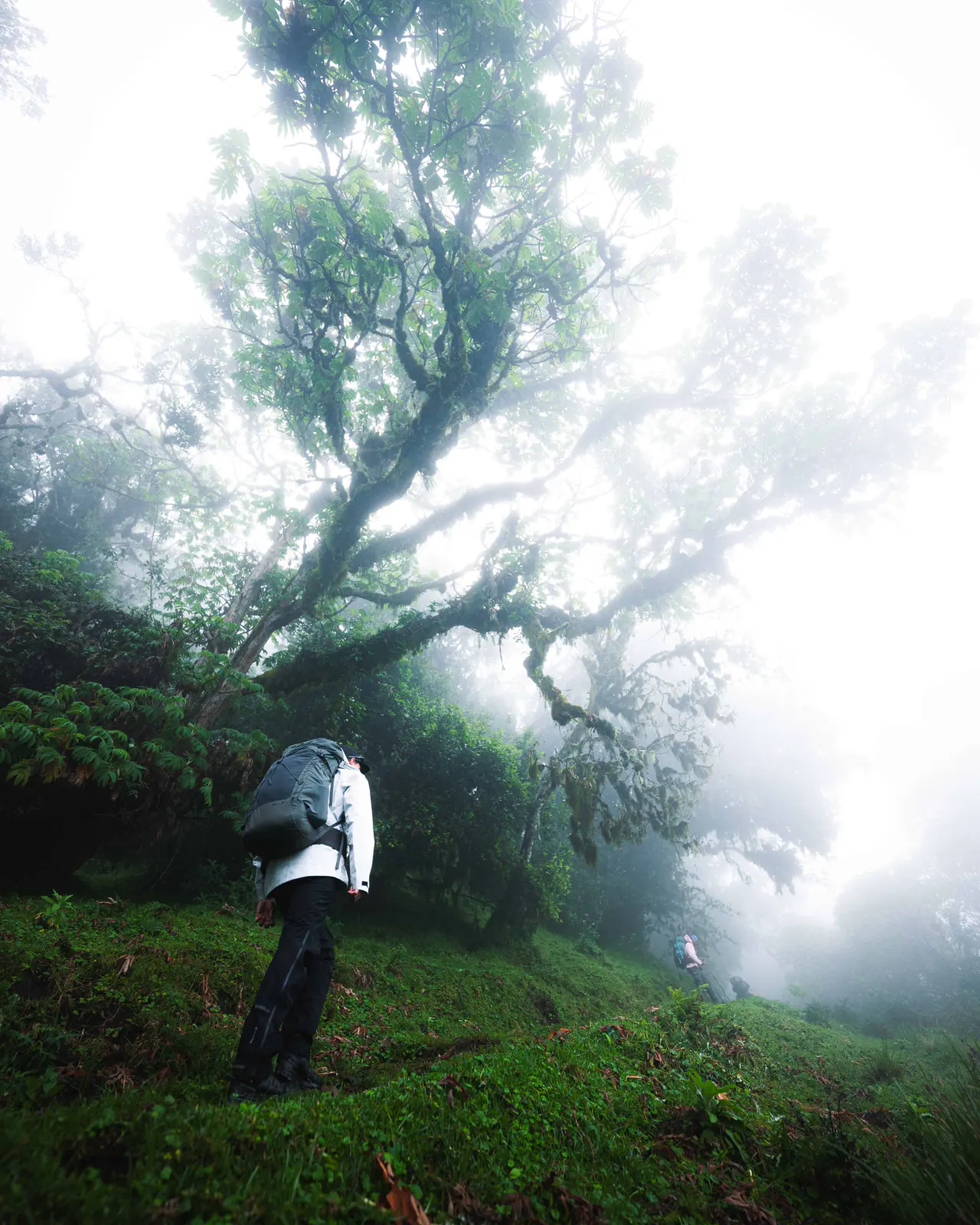
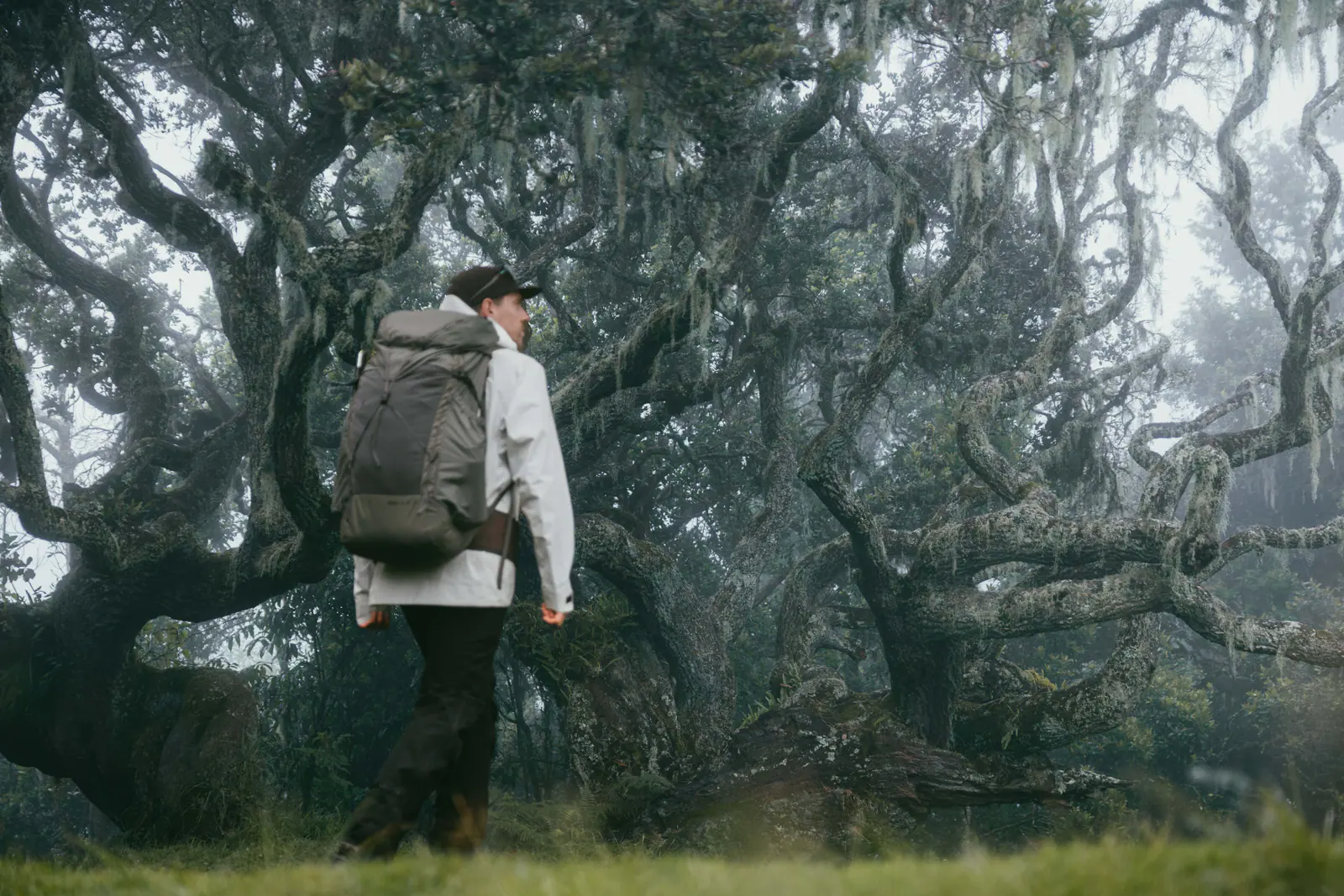
A trekker pauses on a trail under a green forest canopy, seen from low in the undergrowth.
03 / 09
A sample 16-day trilogy shape
- Days 1–8
Lemosho route climb
Eight days on the mountain with proper acclimatisation, summit night around day 6, descent to Mweka Gate.
- Day 9
Buffer day near Arusha
Full rest and recovery before the safari begins.
- Days 10–13
Northern circuit safari
Tarangire, Ngorongoro Crater and the Serengeti across four unhurried days.
- Day 14
Fly to Zanzibar
Domestic flight from the northern safari circuit or Kilimanjaro Airport to the island.
- Days 15–16
Beach recovery and departure
Two to three nights of rest by the water before flying home.
04 / 09
The internal flights that connect the trilogy
Typical transfers and connections
Exact routings depend on your chosen lodges and flight schedules. This shows the shape of the logistics, not a fixed itinerary.
| Leg | Typical mode | Notes |
|---|---|---|
| Mweka/Marangu Gate → Arusha | Road transfer | Same-day descent transfer, then a rest night |
| Arusha → Serengeti area | Road or light-aircraft flight | Flying saves close to a day if your schedule is tight |
| Serengeti/Arusha → Kilimanjaro Airport | Road or light-aircraft flight | Depends on where your safari finishes |
| Kilimanjaro Airport → Zanzibar (ZNZ) | Direct domestic flight | A little over an hour, several daily departures |
Mweka/Marangu Gate → Arusha
- Typical mode
- Road transfer
- Notes
- Same-day descent transfer, then a rest night
Arusha → Serengeti area
- Typical mode
- Road or light-aircraft flight
- Notes
- Flying saves close to a day if your schedule is tight
Serengeti/Arusha → Kilimanjaro Airport
- Typical mode
- Road or light-aircraft flight
- Notes
- Depends on where your safari finishes
Kilimanjaro Airport → Zanzibar (ZNZ)
- Typical mode
- Direct domestic flight
- Notes
- A little over an hour, several daily departures
With two internal flights in one trip, we deliberately avoid same-day connections wherever possible. A missed light-aircraft flight out of a bush airstrip is far harder to fix same-day than a missed international connection, so buffer time is built around each domestic leg.
05 / 09
Packing for the mountain, the plains and the ocean
Three kits, one trip
Mountain kit (store afterwards)
- Down jacket, thermal layers, waterproofs
- Trekking poles and broken-in boots
- Headtorch and summit-night gloves
- Store in Moshi/Arusha once the climb ends
Safari and beach kit
- Neutral-coloured lightweight clothing for game drives
- Binoculars and a dust-proof camera bag
- Swimwear, reef-safe sunscreen and light beachwear
- One shared duffel keeps the safari/beach kit compact
The trap is packing full quantities of all three kits for the entire trip. Instead, plan a mountain duffel that gets left behind after the climb and a second, lighter bag that covers both safari and beach. The two overlap far more than either does with mountain gear.
06 / 09
Who the trilogy suits: and who it does not
Trilogy fit check
This trip suits you if…
- You have two and a half to three weeks of leave available
- You want mountain, wildlife and beach in one visit, not a future trip back
- You're comfortable with two internal flights and multiple climate changes
- Your group is happy with a longer, more complex itinerary
Consider a two-part combination instead if…
- Your total trip is under two weeks
- You strongly prioritise one experience over the other two
- You prefer fewer transfers and a simpler itinerary
- This is a first Tanzania trip and you'd rather save one leg for a return visit
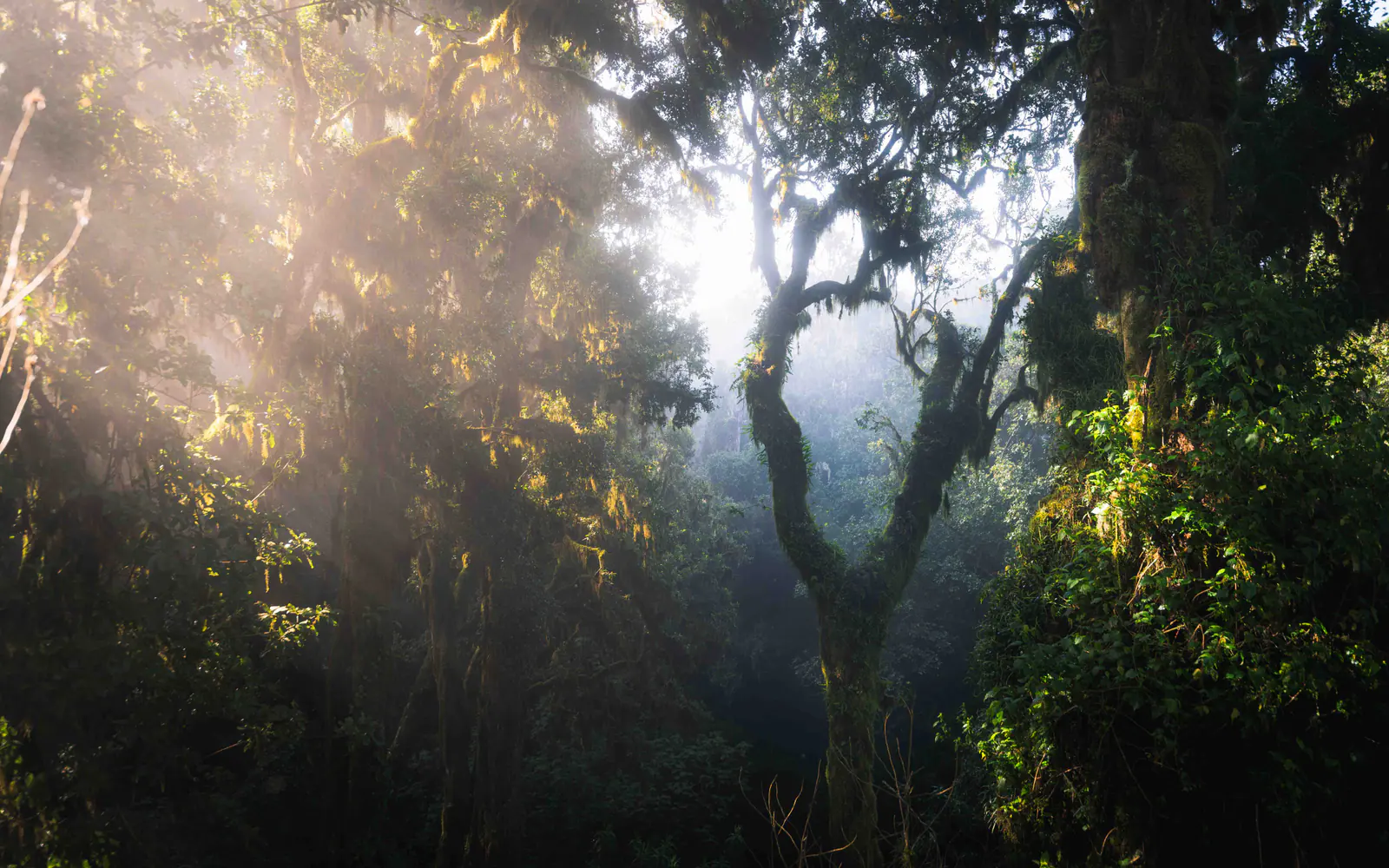
Sunlight pushing through mist between old forest trees, with moss on the trunks.
07 / 09
Combination Trip Builder
Combination Trip Builder
Answer six quick questions about your time, priorities and pace, and we will suggest a realistic trip shape to discuss with our team, not a fixed package, just a sensible starting point.
0 of 6 answered
Answer all 6 questions and your result appears here.
This tool suggests a trip shape based on your answers. It is not a quote or an availability check: actual day counts, routing and internal flight timings are confirmed with our team before booking.
08 / 09
Other ways to combine your climb
Explore the other combination guides
-
Kilimanjaro and Safari Package
Just the mountain and the plains, without the extra flight to the island.
Read the safari combination -
Kilimanjaro and Zanzibar
Just the mountain and the beach, for a simpler two-part trip.
Read the beach combination -
Kilimanjaro Serengeti Safari
A safari built specifically around Serengeti plains time and seasonal wildlife.
Focus on the Serengeti -
Kilimanjaro Honeymoon
A private climb paired with a slower, more romantic multi-leg finish.
Plan a honeymoon climb
09 / 09
How Safari Soles approaches this
We build the trilogy as one connected itinerary from day one, sequencing flights, buffer nights and park order around your actual total day count rather than treating each leg as a separate booking.
If your available days are limited, tell us honestly. We would rather recommend a two-part combination that fits well than a trilogy that feels rushed in every leg.
Common mistakes to avoid
Most unsuccessful climbs come from a handful of avoidable planning decisions, not from the mountain.
- Deciding the total trip length before checking the practical minimum for each of the three legs.
- Scheduling an internal flight on the same day as a major activity or a long drive.
- Packing full quantities of mountain, safari and beach gear all at once instead of storing what you're not using.
- Underestimating how tired the group will be by the time the beach leg starts.
- Skipping the buffer night after the climb because the safari is 'not that demanding'.
- Trying to fit this trip into under two weeks and shortchanging every leg equally.
- Not confirming which airport each leg starts and ends at before booking domestic flights.
Get these right and the climb follows
Every one of these comes down to the same thing: matching the route and the day count to the climber before booking anything. Send us your dates and we will tell you honestly what is realistic.
Plan this climb with a local expertQuestions worth asking any operator
Ask these of any operator you are comparing, including us. The answers tell you more about a climb than the price does.
- How many days are on the mountain, and how many of those are genuine acclimatisation days?
- Who leads the climb, and how many assistant guides travel with our group size?
- What daily health monitoring happens, and what triggers a descent decision?
- What is included in the quoted price, and what is paid separately?
- What equipment is provided, what can be rented locally and what must I bring?
- How are crew tips collected and distributed at the end of the climb?
What Safari Soles puts in writing
Everything below is confirmed before you pay, so nothing about your climb is left to be discovered on the mountain.
-
Your route, day count and acclimatisation profile
Confirmed in writing before you pay, with our honest view on whether the number of days suits you.
-
How your health is monitored on the mountain
The daily check routine and who is responsible for it are explained at your pre-climb briefing.
-
First-aid and emergency response for your itinerary
You are told what travels with the climb and what happens at each camp if someone needs to descend.
-
Who is on your crew and what each person does
Lead guide, assistant guides, cook and porters are set out for your group size, not left vague.
-
Porter load handling for your climb
Duffel limits and how loads are weighed are confirmed before departure, so there are no gate surprises.
-
Tent, sleeping mat and dining arrangements
Camp comfort is described in the quote rather than discovered on the first night.
-
Meals, drinking water and hot drinks
How your food is cooked and your water treated is explained, including dietary requirements.
-
Gear rental list, sizes and prices
Shared before you shop, so you buy what matters at home and hire the rest on arrival.
-
An itemised quote with fees shown separately
Park and camping fees, crew, equipment, transfers and hotels appear as their own lines.
-
Tipping guidance for your group size
The customary range and how tips are collected are agreed before you fly, in writing.
Local Kilimanjaro operators, licensed crew, honest guidance
Written and reviewed by the Safari Soles team in Arusha, who plan and run Kilimanjaro climbs from beside the mountain rather than brokering them from an overseas office.
- Reviewed by the Safari Soles Kilimanjaro planning team
- Updated for 2026 climbing seasons
- Route and day count matched to your fitness and altitude history
- Daily health monitoring and descent decisions agreed before you book
- Read Safari Soles reviews on TripAdvisor
- Read Safari Soles reviews on SafariBookings
- Read Safari Soles reviews on Google
Where these facts come from (4)
- Wikivoyage: Tanzania Secondary travel background on getting around Tanzania and regional highlights.
- Wikivoyage: Zanzibar Secondary travel background on Zanzibar's regions, transport and beaches.
- TANAPA: Tanzania National Parks Official park authority information on regulations, park fees and permitted activities.
- Tanzania Immigration: eVisa Official portal for visa requirements and online applications before you travel.
Related Safari Soles guides
Continue with the guides travellers usually read next.
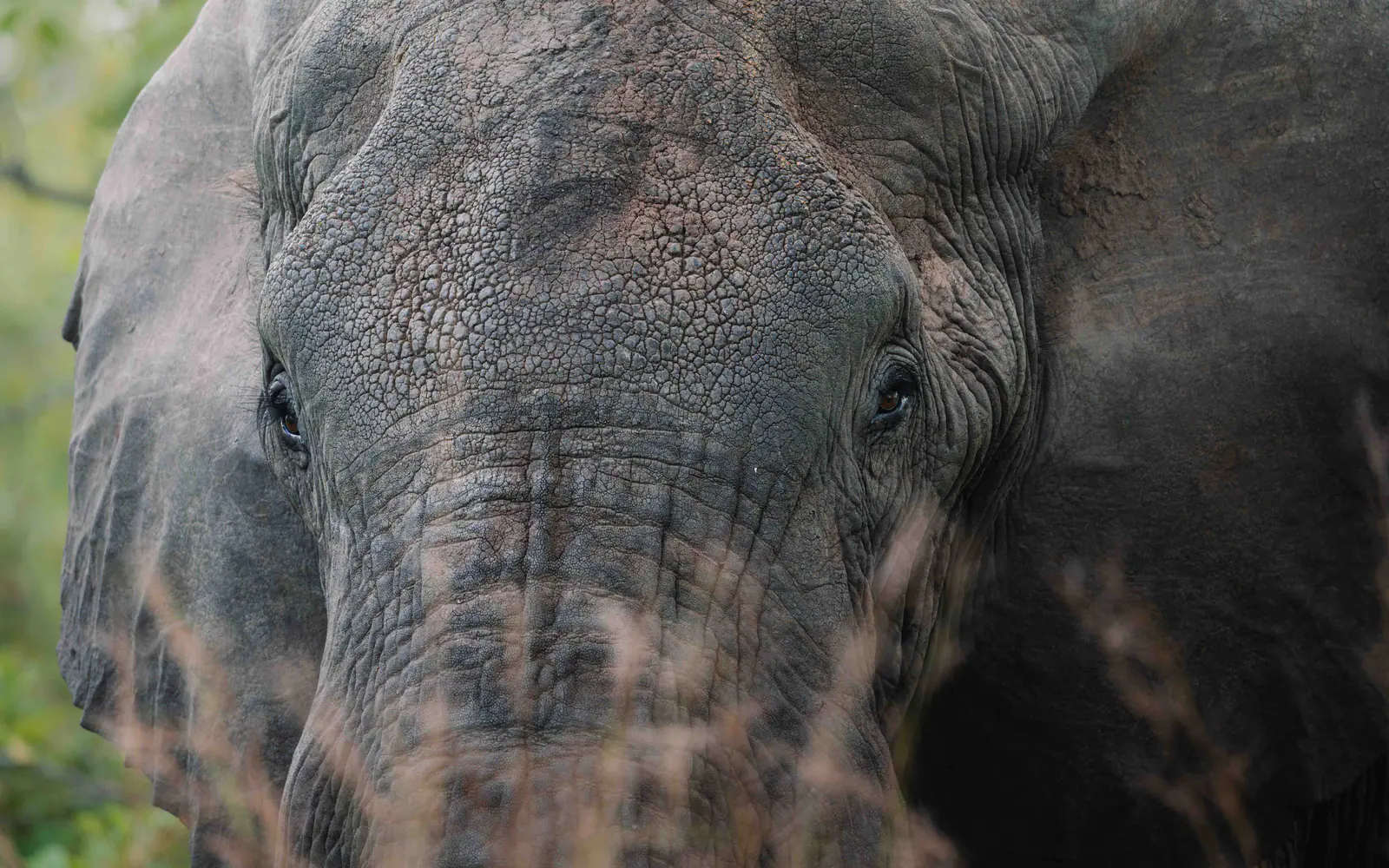 Kilimanjaro and Safari Package Climb first, then unwind on a northern-circuit safari with Serengeti and Ngorongoro game drives. Combinations
Read the guide
- Kilimanjaro and Zanzibar Trade altitude for the Indian Ocean with a beach recovery week after your summit. Combinations
Read the guide
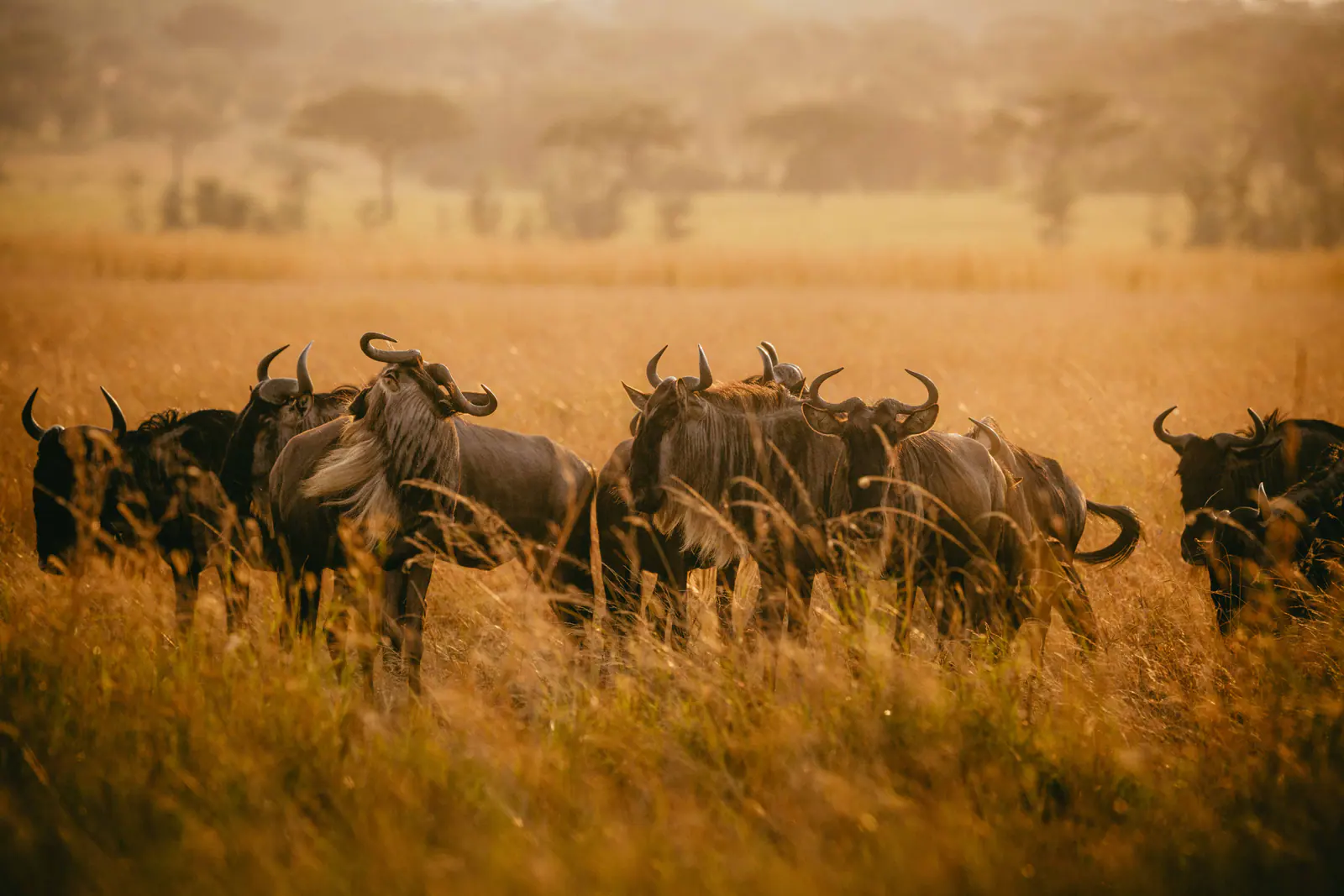 Kilimanjaro Serengeti Safari Pair your climb with Serengeti plains game drives timed around the migration months. Combinations
Read the guide
Frequently Asked Questions
-
Budget 14–17 total days for a version where none of the three legs feels rushed: fewer days means compressing all three below their practical minimum.
Ready to plan the full Kilimanjaro, safari and Zanzibar trip?
Tell us your total available days and we will build a realistic day budget across all three legs, including flights and buffer nights, rather than a rushed compromise.