


Kilimanjaro Equipment and Camp Comfort Explained
Camp comfort has a bigger effect on how you experience Kilimanjaro than most people expect. This guide walks through tents, sleeping systems, food, toilets, hygiene and charging, and what separates standard camping from a genuinely upgraded setup.
- Guide
- Crew & Equipment
- Reading time
- 8minutes
- In this guide
- 9sections
- Tents and sleeping setup
- Dining tent and meals
- Water system
- Private toilet option
- Camp comfort selector
Local Tanzania team · Licensed mountain crew · Real Safari Soles itineraries
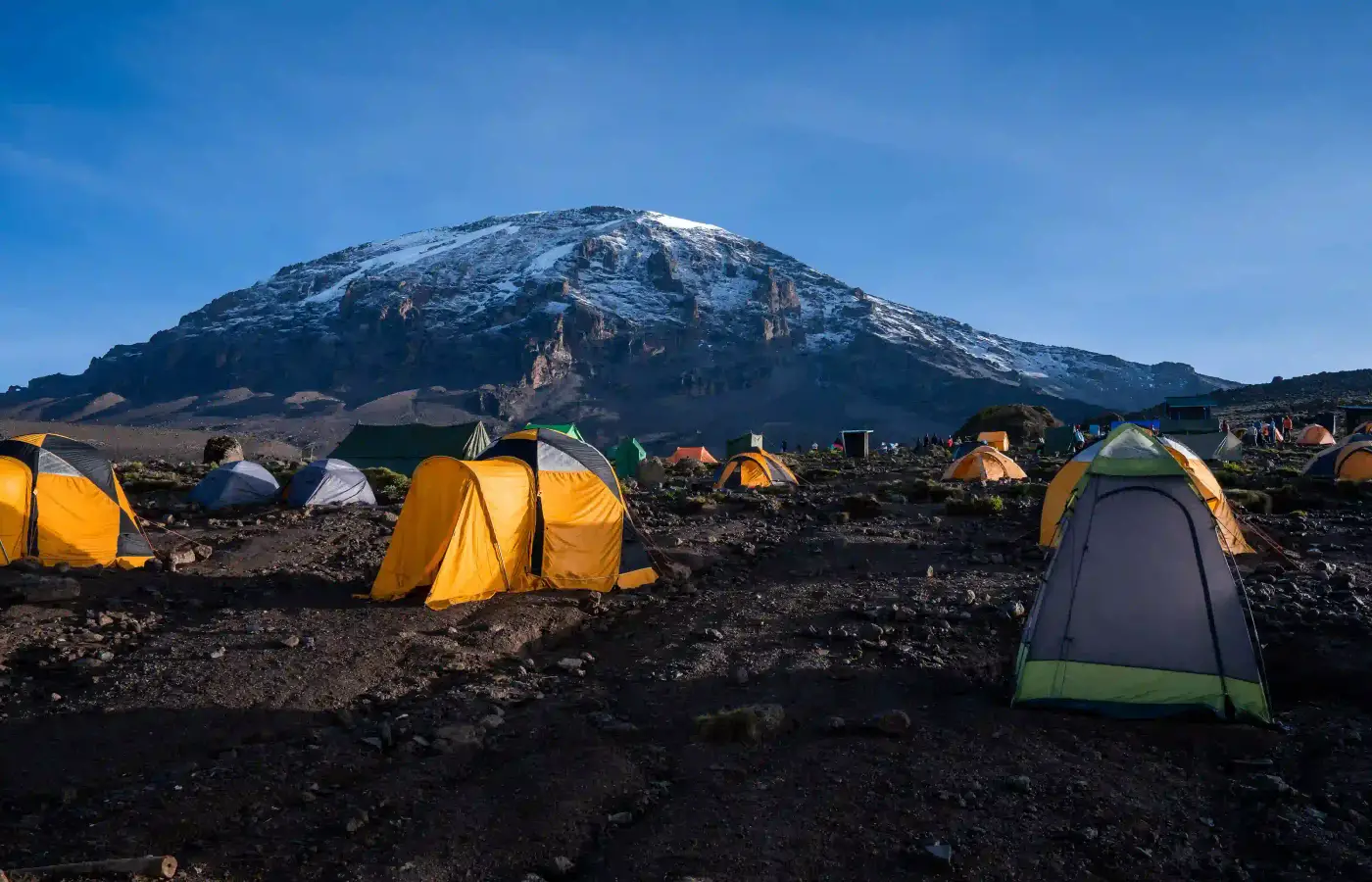
Kilimanjaro is a camping climb on every route except Marangu, which uses shared huts.
- Every route except Marangu is tented camping; Marangu uses shared dormitory huts instead.
- Tents are normally shared two-to-a-tent, with the operator providing sleeping mats and dining tent equipment.
- You bring your own sleeping bag rated for camp altitude, or arrange to rent one locally.
- Toilets are shared long-drops by default; a private toilet tent is a common and worthwhile upgrade.
- Meals are cooked fresh at each camp: quality and variety differ between operators far more than most climbers expect.
- Charging and battery management need planning, since camps have no mains power.
01 / 09
Tents and sleeping arrangements
Where this fits: this guide is part of the Kilimanjaro climbing guides hub, which supports our main Kilimanjaro climbing page and our published Kilimanjaro climb prices.
It sits next to the packing list, the camp life guide and the food and meals guide; for layering theory see this layering explainer and American Hiking Society clothing advice.
Cold and altitude interact, so read NHS altitude sickness advice and CDC high-altitude guidance alongside the summit night guide and the seasonal guide.
On a standard climb, two climbers share a three-season mountain tent designed for wind and cold rather than spaciousness. Tents are pitched by the crew ahead of your arrival at each camp, and struck again each morning as the group moves on. If you are travelling solo and would prefer your own tent, ask about a single supplement rather than assuming you will automatically get one.
Tent condition matters more than tent brand. A well-maintained tent with intact zips, a dry groundsheet and taped seams makes a genuine difference on a wet night; an old or poorly cared-for tent can turn a rainy evening into a miserable one regardless of what the model is called.
02 / 09
Mattresses and sleeping bags
Standard camping typically includes a basic closed-cell foam mat, which insulates reasonably well but offers little cushioning on uneven ground. An inflatable sleeping mat is one of the simplest upgrades available and is worth bringing yourself or requesting if comfortable sleep matters to you.
Your sleeping bag is usually your own responsibility, rated to handle summit-camp temperatures well below freezing, or arranged as a rental in Moshi before you start. A bag that is only adequate rather than genuinely warm enough is one of the most common causes of a miserable, sleepless high camp.
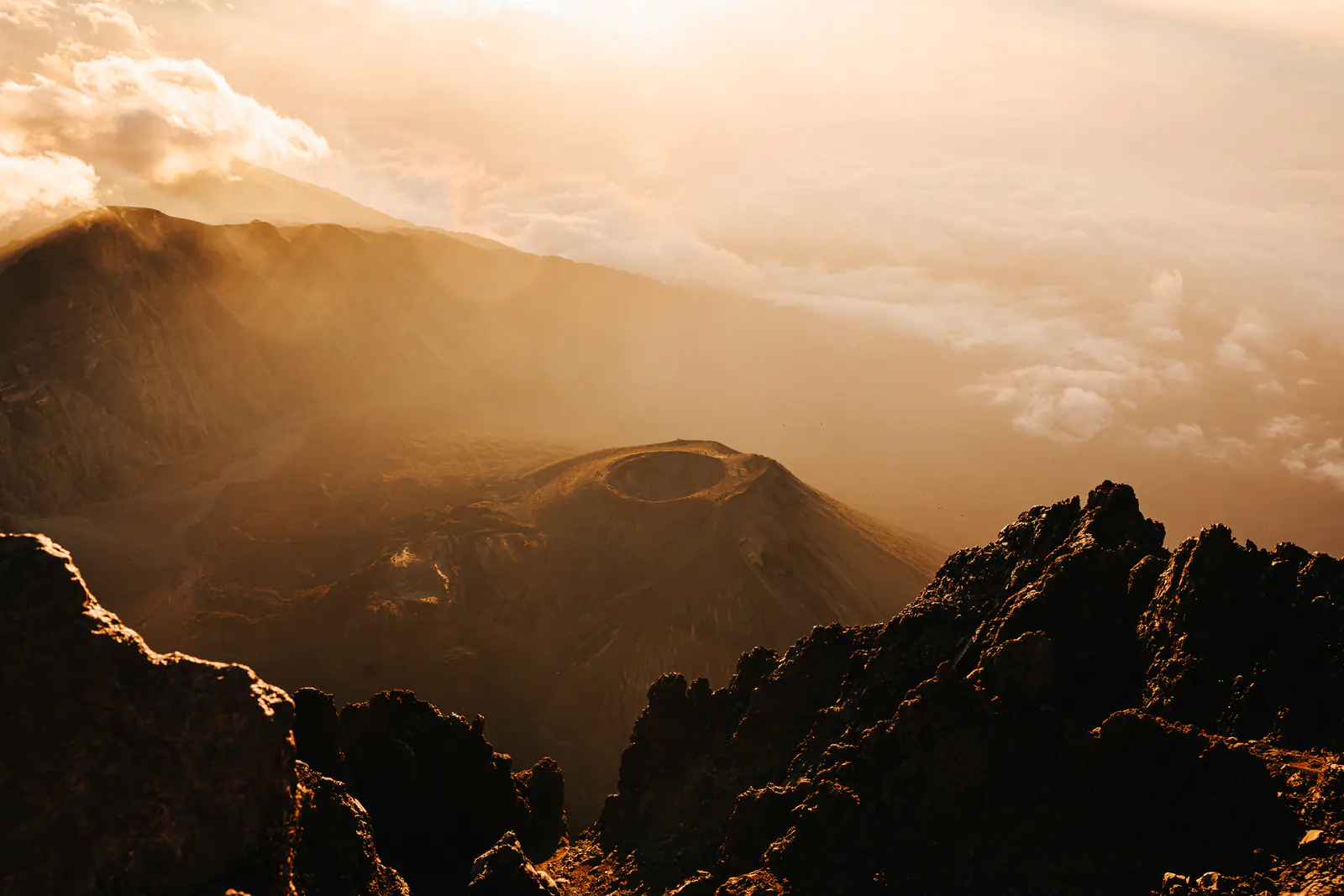
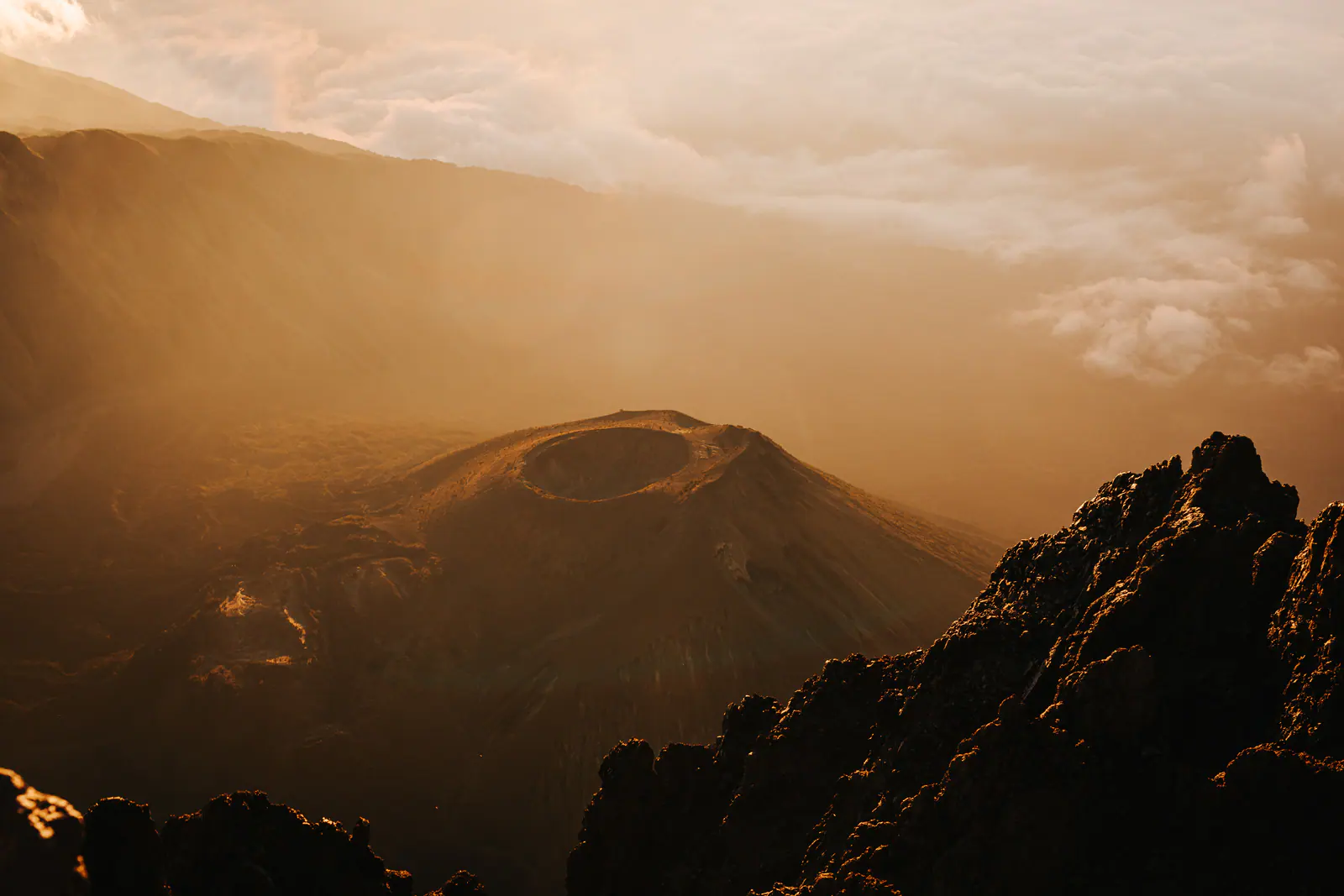
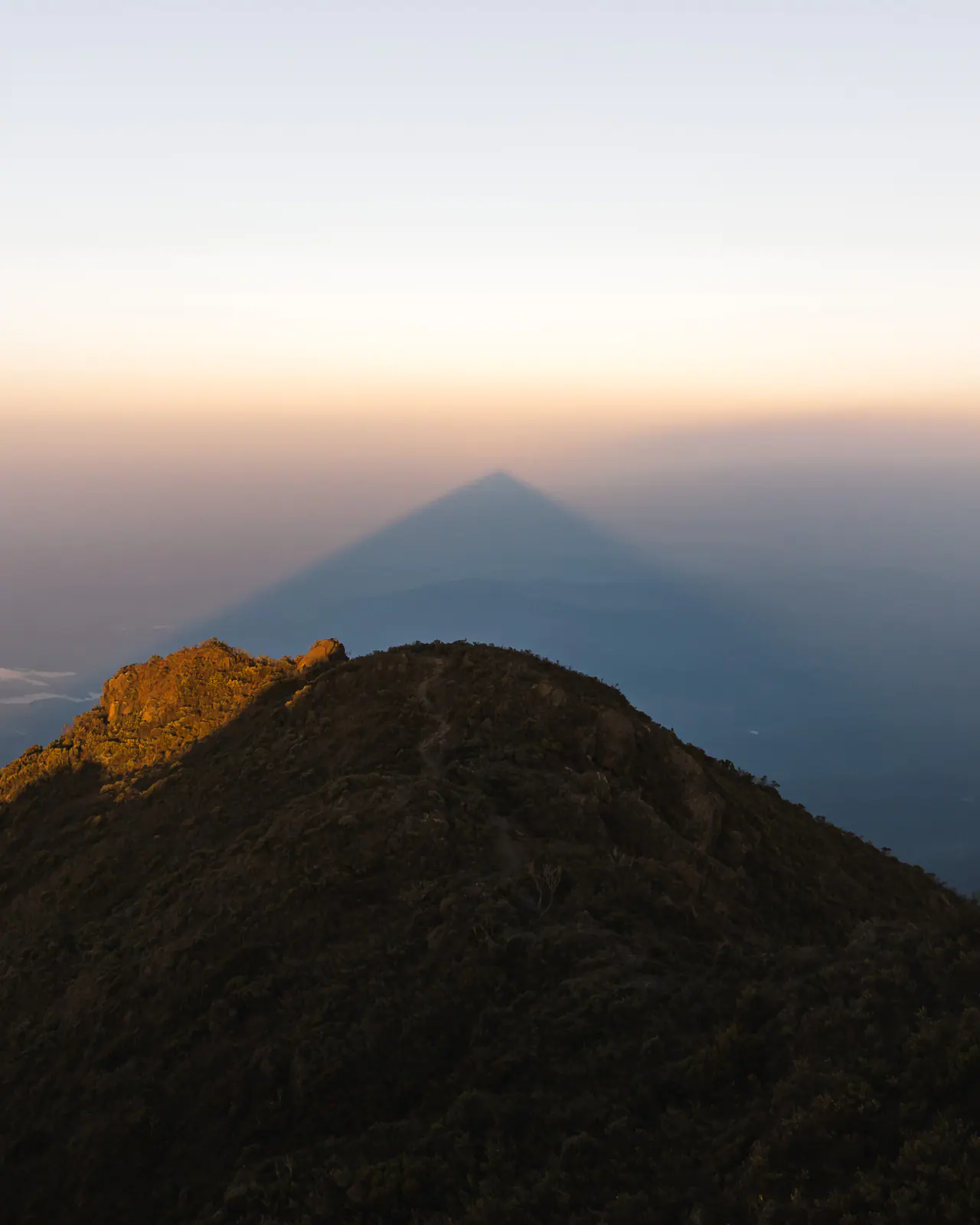
Golden light over a ridge and the crater below it, with cloud drifting across the volcano.
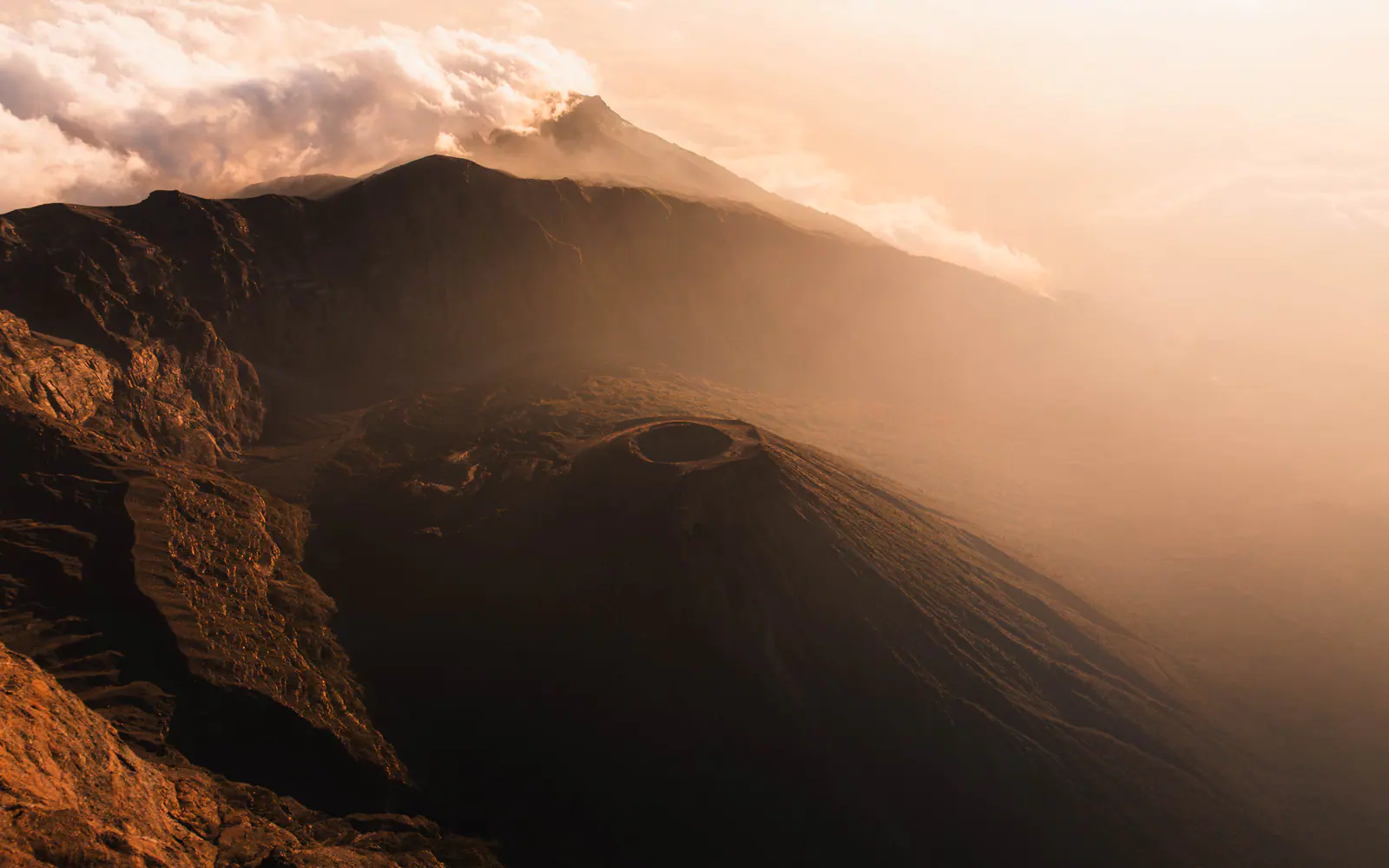
A volcano's slopes in shadow with cloud streaming over the top and craters visible on the flank.
03 / 09
The mess tent, meals and hot drinks
Meals are cooked fresh at each camp by a dedicated cook working from a portable kitchen, and served in a mess tent with a table and stools. Breakfast and dinner are usually the more substantial meals, with a packed or simple lunch on walking days. Hot drinks (tea, coffee, hot chocolate, hot water with lemon) are typically offered at multiple points through the day, which matters more than it sounds for staying hydrated and warm.
Appetite often drops with altitude regardless of food quality, so a good cook adapts the menu towards simpler, easier-to-digest food as you climb higher. If you have dietary requirements, tell your operator well before the trip so the kitchen can plan for it rather than improvising at altitude.
04 / 09
Toilets on the mountain: public long-drops vs private toilet tent
Two common setups
Shared public long-drop
- Basic pit-style facility maintained at each official campsite
- Shared with other groups camping at the same site
- Cleanliness varies with how busy the camp is and how well it is maintained
- No cost saving passed on directly, but the standard default option
Private toilet tent
- A portable toilet and tent carried and set up by your own crew
- Used only by your group, generally cleaner and more private
- One of the most commonly requested upgrades on Kilimanjaro
- Adds to your crew's carrying load, so worth checking it is quoted for
If toilet standards are a significant concern for you, a private toilet tent is usually the single upgrade that makes the biggest difference to daily comfort: more so than tent size or mattress thickness for most climbers.
05 / 09
Washing and hygiene on the mountain
Washing at camp is generally limited to a bowl of warm water brought to your tent each morning and evening, used with a small travel towel and biodegradable soap or wipes. There are no showers on the standard route camps, so most climbers accept a lower hygiene standard than at home for the duration of the climb.
Hand sanitiser and wet wipes are worth carrying in generous supply, both for general hygiene and because hand-to-mouth illness is a genuine, avoidable risk in a shared camp environment at altitude.
06 / 09
Charging, batteries and cold
There is no mains power on the mountain camps, so plan around battery capacity rather than assuming you can charge freely. A power bank, kept warm inside your jacket rather than left in an outer pocket, is the simplest solution for a phone or camera used for photos and summit-night video.
Cold drains battery life quickly, and lithium batteries in particular lose charge faster in freezing temperatures. Sleeping with your power bank and phone inside your sleeping bag overnight, rather than in your tent's outer pocket, keeps them working when you need them most on summit night.
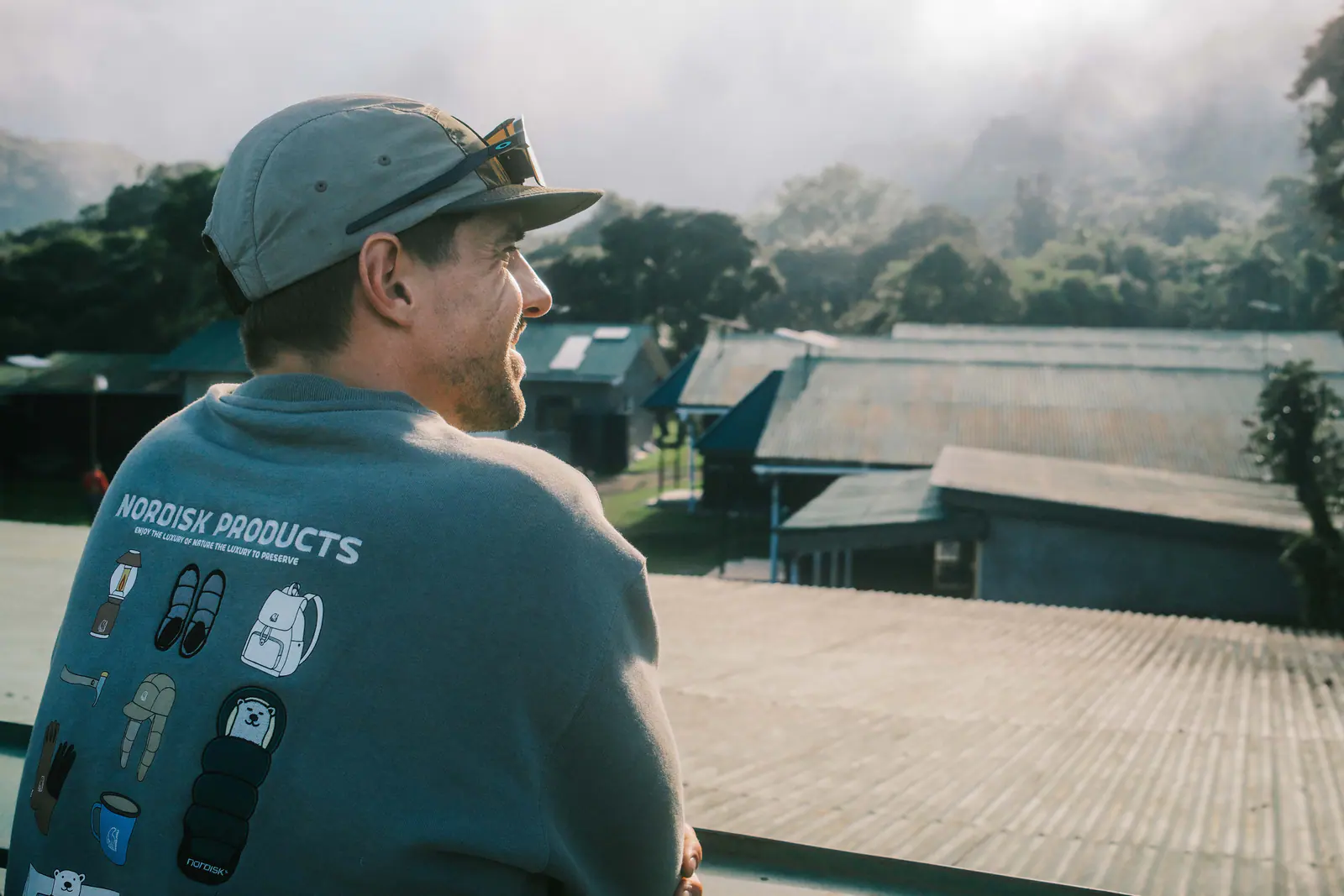
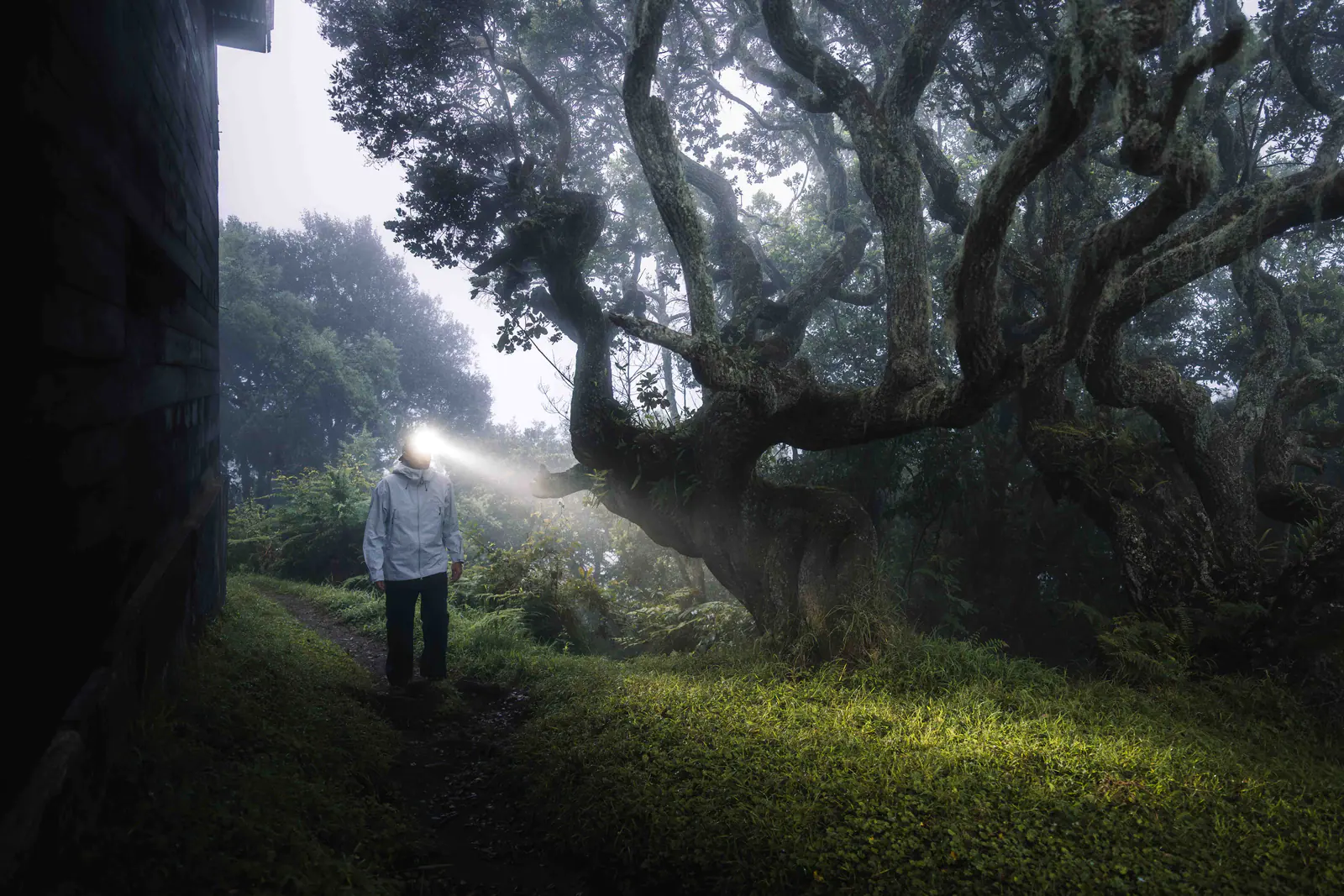
A trekker sits on a rooftop looking across a mountain camp, with misty forest behind.
07 / 09
Camp comfort expectation selector
Answer honestly about how you sleep and travel, and we will describe the comfort tier likely to suit you.
Camp comfort expectation selector
Answer a few questions about how you sleep, eat and manage on trips, and we will describe the comfort tier likely to suit you and what to ask for.
0 of 6 answered
Answer all 6 questions and your result appears here.
08 / 09
Comfort tiers compared
Standard vs upgraded vs private-comfort
| Feature | Standard | Upgraded | Private-comfort |
|---|---|---|---|
| Tent | Shared 2-person mountain tent | Same tent, better maintained stock | Larger tent or single-occupancy option |
| Mattress | Foam mat | Inflatable mat available on request | Inflatable mat as standard |
| Toilet | Shared public long-drop | Shared, well-maintained | Private toilet tent |
| Meals | Simple, filling mountain menu | Slightly more varied menu on request | Wider menu discussed with the cook in advance |
| Best for | Most climbers, cost-conscious travellers | Climbers wanting a bit more without a big cost jump | Climbers prioritising privacy and sleep quality |
Tent
- Standard
- Shared 2-person mountain tent
- Upgraded
- Same tent, better maintained stock
- Private-comfort
- Larger tent or single-occupancy option
Mattress
- Standard
- Foam mat
- Upgraded
- Inflatable mat available on request
- Private-comfort
- Inflatable mat as standard
Toilet
- Standard
- Shared public long-drop
- Upgraded
- Shared, well-maintained
- Private-comfort
- Private toilet tent
Meals
- Standard
- Simple, filling mountain menu
- Upgraded
- Slightly more varied menu on request
- Private-comfort
- Wider menu discussed with the cook in advance
Best for
- Standard
- Most climbers, cost-conscious travellers
- Upgraded
- Climbers wanting a bit more without a big cost jump
- Private-comfort
- Climbers prioritising privacy and sleep quality
Tier names are not standardised across operators, so 'premium' from one company might match 'standard' from another. Ask exactly which items are included rather than relying on a tier label alone.
09 / 09
How Safari Soles approaches this
We are happy to talk through exactly what is included in your camp setup and which upgrades are available before you book, so there are no surprises about tent standards, toilets or meals once you are on the mountain.
Common mistakes to avoid
Most unsuccessful climbs come from a handful of avoidable planning decisions, not from the mountain.
- Assuming 'camping' automatically means uncomfortable, and paying for upgrades you did not need.
- Not bringing a sleeping bag genuinely rated for summit-camp temperatures.
- Skipping a power bank and running out of phone battery on summit night.
- Not asking whether a private toilet tent is included or an extra cost.
- Assuming a tent is in good condition without asking about its age or maintenance.
- Not telling your operator about dietary needs until you are already on the mountain.
- Packing too few hygiene items for a week with no showers.
Get these right and the climb follows
Every one of these comes down to the same thing: matching the route and the day count to the climber before booking anything. Send us your dates and we will tell you honestly what is realistic.
Plan this climb with a local expertQuestions worth asking any operator
Camp comfort is where cheap quotes are quietly thinned out. Ask exactly what you will sleep in, sleep on and eat in before you compare prices.
- What tents are used, how old are they, and how many climbers share one?
- What sleeping mats are provided, and is a thicker or inflatable upgrade available?
- Is a dining tent with table and chairs included at my group size, or do we eat in sleeping tents?
- How are meals cooked and how is drinking water treated and provided each day?
- Is a private portable toilet available, and what does it cost to add?
- What gear can I rent locally, in what sizes and condition, and can I see the rental list and prices?
- What do I have to bring myself that cannot be rented on arrival?
What Safari Soles puts in writing
Everything below is confirmed before you pay, so nothing about your climb is left to be discovered on the mountain.
-
Your route, day count and acclimatisation profile
Confirmed in writing before you pay, with our honest view on whether the number of days suits you.
-
How your health is monitored on the mountain
The daily check routine and who is responsible for it are explained at your pre-climb briefing.
-
First-aid and emergency response for your itinerary
You are told what travels with the climb and what happens at each camp if someone needs to descend.
-
Who is on your crew and what each person does
Lead guide, assistant guides, cook and porters are set out for your group size, not left vague.
-
Porter load handling for your climb
Duffel limits and how loads are weighed are confirmed before departure, so there are no gate surprises.
-
Tent, sleeping mat and dining arrangements
Camp comfort is described in the quote rather than discovered on the first night.
-
Meals, drinking water and hot drinks
How your food is cooked and your water treated is explained, including dietary requirements.
-
Gear rental list, sizes and prices
Shared before you shop, so you buy what matters at home and hire the rest on arrival.
-
An itemised quote with fees shown separately
Park and camping fees, crew, equipment, transfers and hotels appear as their own lines.
-
Tipping guidance for your group size
The customary range and how tips are collected are agreed before you fly, in writing.
What your climb includes at camp
The parts of a climb you sleep in, eat from and depend on, described before you book rather than discovered on the first night.
-
Tents and sleeping setup
You are told before booking what tent you sleep in, how many climbers share it and what sleeping mat is provided, including where a thicker mat is worth adding.
-
Dining and camp meals
Climbs are planned around hot cooked meals prepared by your own mountain kitchen crew, eaten in a dining setup rather than hunched inside a sleeping tent.
-
Water and hot drinks
Drinking water is collected and treated by your crew each day, and hot drinks come with meals and on arrival at camp. You never need to buy water on the mountain.
-
Gear rental guidance
We tell you what can be rented in Moshi or Arusha, in which sizes, and share the current list and prices so you only buy at home what is genuinely worth owning.
-
Private toilet option
A private portable toilet can be added to a climb where you want it. We confirm availability and the cost for your dates in writing before you book.
-
What you bring yourself
Personal items (boots, layers, gloves, headlamp, sunglasses and a broken-in daypack) stay with you, and we check them with you at the pre-climb briefing.
Local Kilimanjaro operators, licensed crew, honest guidance
Written and reviewed by the Safari Soles team in Arusha, who plan and run Kilimanjaro climbs from beside the mountain rather than brokering them from an overseas office.
- Reviewed by the Safari Soles Kilimanjaro planning team
- Updated for 2026 climbing seasons
- Route and day count matched to your fitness and altitude history
- Daily health monitoring and descent decisions agreed before you book
- Read Safari Soles reviews on TripAdvisor
- Read Safari Soles reviews on SafariBookings
- Read Safari Soles reviews on Google
Where these facts come from (3)
- TANAPA: Tanzania National Parks Official park authority information on regulations, park fees and permitted activities.
- Tanzania Tourist Board Government tourism information on travelling in Tanzania, seasons and destinations.
- Wikipedia: Mount Kilimanjaro Secondary background context on the mountain's geology, glaciers and climbing history.
Related Safari Soles guides
Continue with the guides travellers usually read next.
 Porter Welfare Load limits, wages, meals, sleeping gear and why porter treatment is part of climbing responsibly. Crew & Equipment
Read the guide
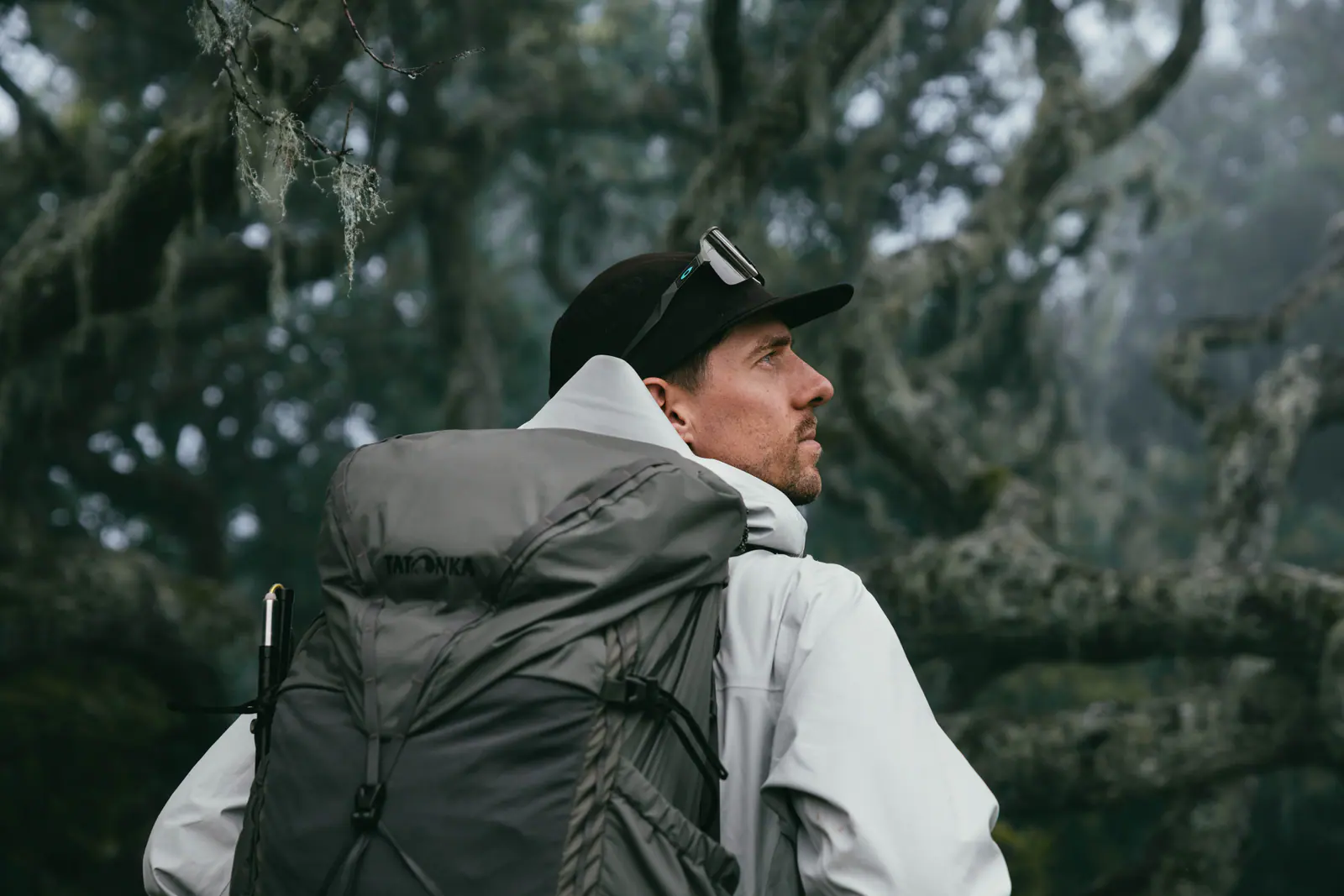 Kilimanjaro Packing List Layer by layer gear checklist covering boots, sleeping systems, summit-night warmth and what to rent locally. Preparation
Read the guide
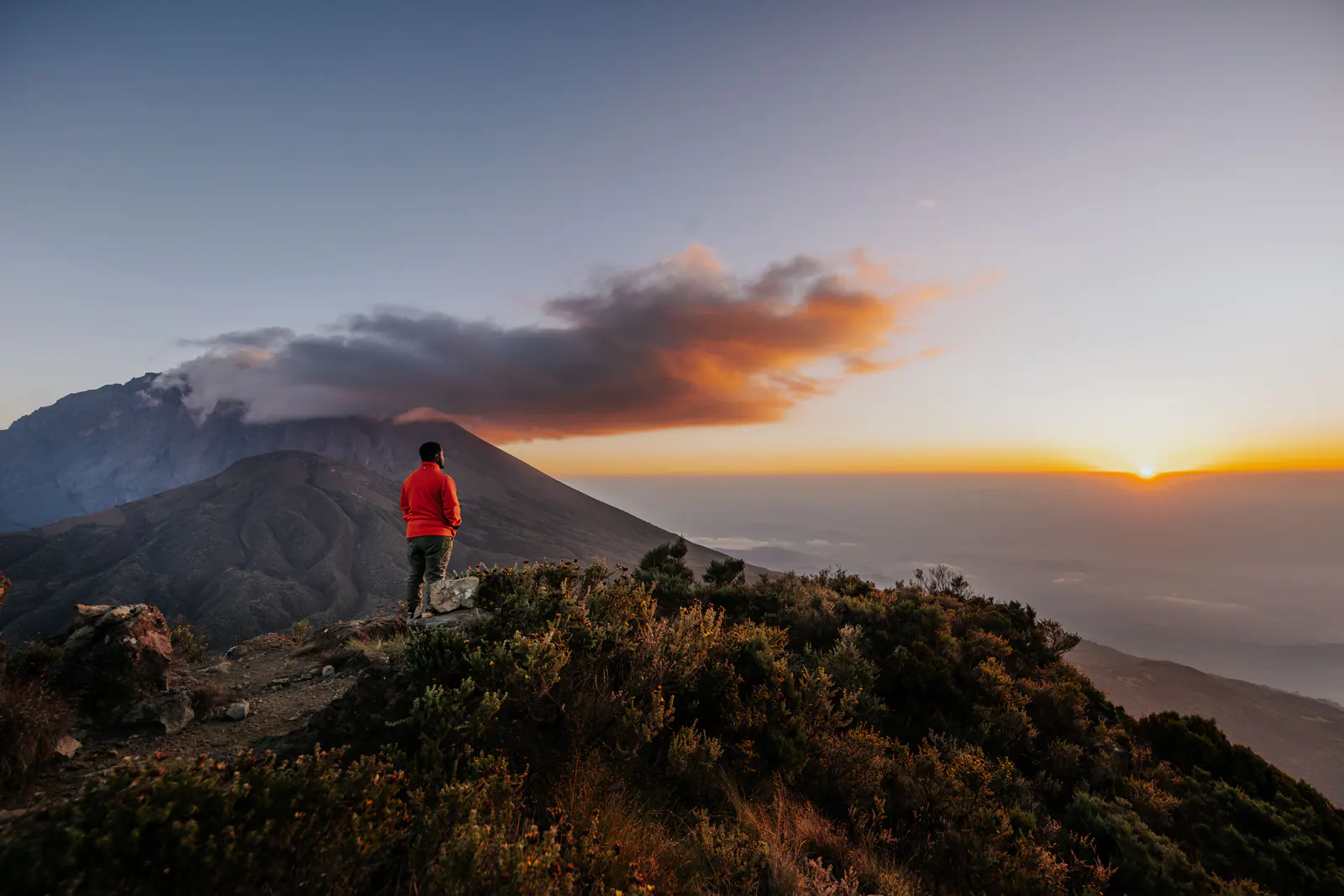 Kilimanjaro Climb Cost Where your money goes: park fees, crew wages, food, gear, transfers and route length. Cost
Read the guide
Frequently Asked Questions
-
Every route except Marangu uses tented camping. Marangu is the only route with shared dormitory-style huts at each stop.
Tell us what comfort tier suits you
Share your priorities (sleep, privacy, food or budget) and we will confirm exactly what is included in your camp setup and which upgrades make sense for you.