


Kilimanjaro Safety: Altitude, Monitoring and Evacuation Explained
Kilimanjaro is a walking climb, not a technical one, but it takes you higher than most people have ever been, and altitude is the real challenge on every route. This guide explains, in plain planning terms, how acclimatisation works, how symptoms are monitored, and how descent and evacuation decisions are made.
- Guide
- Safety
- Reading time
- 13minutes
- In this guide
- 12sections
- Altitude is the main challenge
- Daily health checks
- Guide-led pacing
- Emergency planning
- Insurance reminder
Local Tanzania team · Licensed mountain crew · Real Safari Soles itineraries
Kilimanjaro's main safety challenge is altitude, not technical climbing difficulty.
- Altitude, not technical difficulty, is Kilimanjaro's real safety challenge.
- More acclimatisation days is consistently the most effective way to reduce risk.
- Twice-daily pulse oximeter and symptom checks should be standard, not optional.
- A guide's authority over descent decisions should be clear and final before you start.
- Evacuation planning and appropriate high-altitude insurance need to be arranged in advance, not assumed.
- This guide is general information, always speak with your own doctor before travelling.
01 / 12
How altitude affects your body on Kilimanjaro
The general information below is for trip planning only. It is not medical advice, and it does not replace a conversation with your own doctor before you travel.
Where this fits: this guide is part of the Kilimanjaro climbing guides hub, which supports our main Kilimanjaro climbing page and our published Kilimanjaro climb prices.
Read it alongside the route comparison, the best time to climb our altitude sickness guide and our summit night guide, and cross-check the medical background with UK travel health advice for Tanzania and CDC high-altitude guidance before you speak to your own doctor.
Kilimanjaro's summit sits at 5,895m, well within the altitude range where reduced atmospheric pressure means each breath delivers less oxygen to your blood. Your body responds by breathing faster, your heart working harder, and over several days by producing more red blood cells to carry oxygen more efficiently: the process known as acclimatisation.
Almost everyone feels some effect of altitude above roughly 3,000m, ranging from mild breathlessness on exertion to headaches and disturbed sleep. How significantly any individual is affected has surprisingly little to do with fitness or age; a very fit person can struggle with altitude while a less fit person copes well, because the response is largely physiological rather than a matter of training.
This is precisely why the number of days built into your itinerary, and how those days are used, matters more than almost any other single planning decision. Time is the one variable that reliably improves how your body adapts.
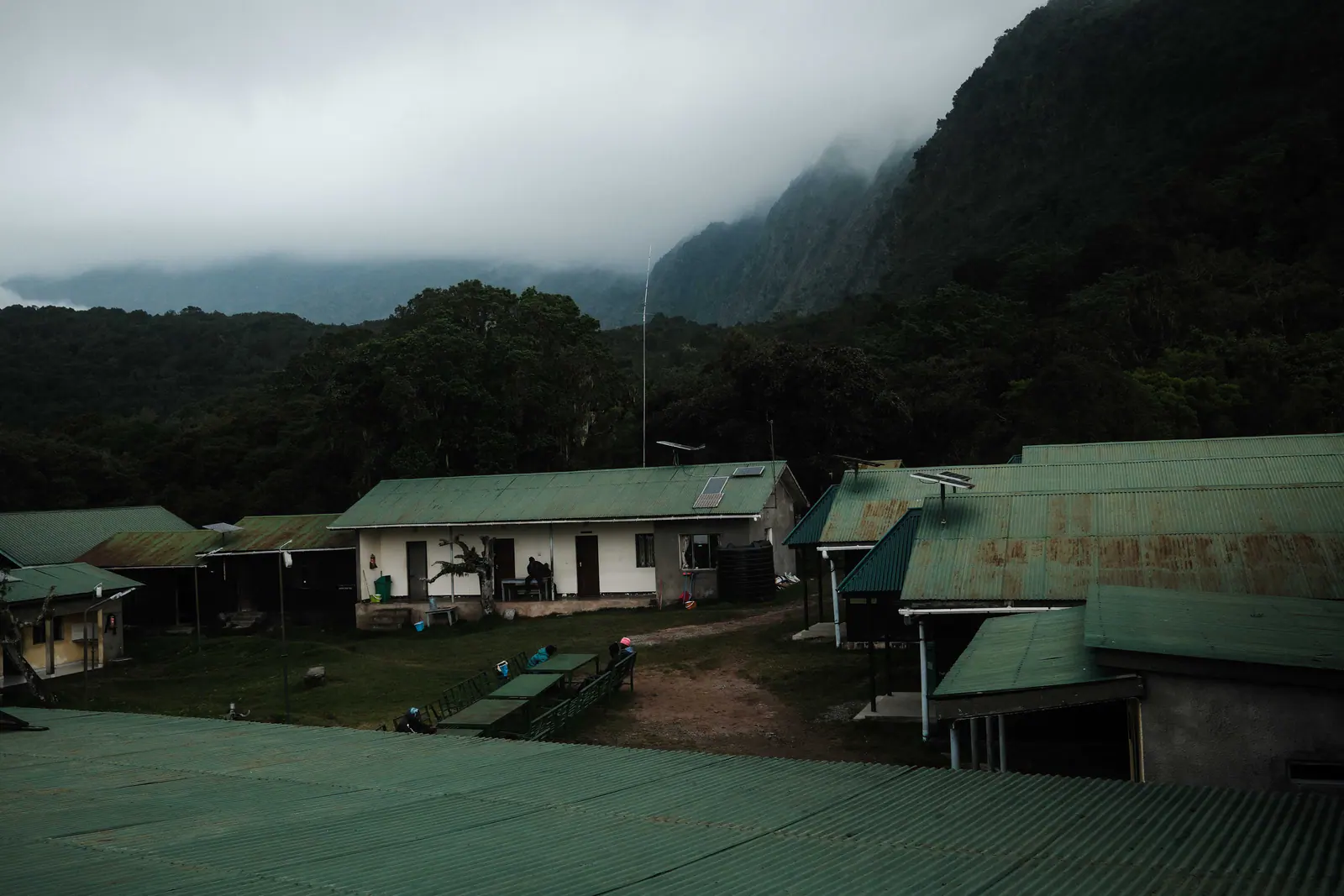
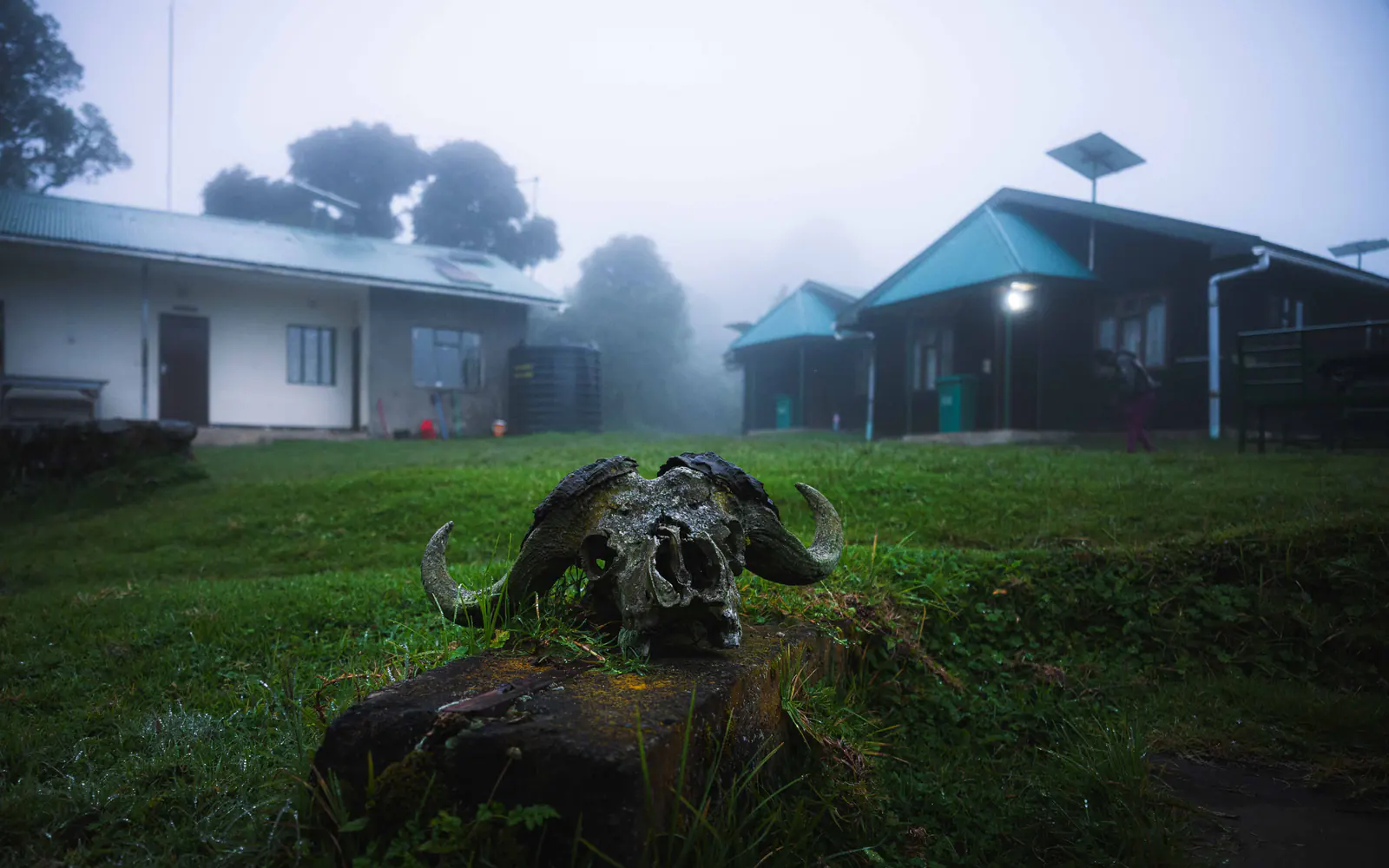
Green-roofed buildings under low cloud at the edge of the forest, with steep wooded slopes rising behind.
02 / 12
Acclimatisation strategy: why extra days matter
The single most effective altitude strategy on Kilimanjaro is the 'climb high, sleep low' principle: gaining altitude during the day, then descending to sleep at a lower camp. Routes like Lemosho and Machame build this into their itineraries, particularly around the Lava Tower and Barranco sections, deliberately pushing climbers a little higher during the day before bringing them back down to rest.
A longer itinerary is not simply a more leisurely trip. It is additional physiological adaptation time. An 8-day itinerary typically includes one or two more nights at intermediate altitudes than a 6-day version of the same route, giving your body more full acclimatisation cycles before the summit push.
If you have any concerns about altitude at all (a previous experience of symptoms, a family history, or simply uncertainty about how you will respond) the itinerary length is the first thing to discuss with Safari Soles, well before choosing a route.
What good acclimatisation planning looks like
- A route and day count chosen partly around your personal altitude history, not just your holiday dates.
- At least one dedicated acclimatisation day built into itineraries of 7 days or more.
- A pace on the mountain that is deliberately slow, 'pole pole', rather than rushed between camps.
- Hydration reminders and appetite checks built into the daily routine, since both affect how you cope.
- A guide team willing to add rest time or adjust plans if someone is struggling, rather than sticking rigidly to a schedule.
A lioness lying in tall orange grass, head up and eyes on something out of frame.
03 / 12
Acute mountain sickness: symptoms and appropriate action
This table is general planning information. Always defer to your guide's assessment on the mountain and to medical advice: do not use this table to self-diagnose or to argue against a guide's decision to descend.
| Severity | Typical signs | Appropriate action |
|---|---|---|
| Mild | Headache, mild fatigue, slightly reduced appetite, difficulty sleeping | Rest, hydrate, tell your guide, continue monitoring: do not ascend further until it settles |
| Moderate | Worsening headache not relieved by simple painkillers, nausea or vomiting, dizziness, noticeable fatigue | Stop ascending, inform your guide immediately, consider descending to a lower altitude if symptoms persist |
| Severe | Confusion, loss of coordination, severe breathlessness at rest, inability to walk unaided | This is a medical emergency: immediate descent and evacuation, following your guide and operator's emergency protocol |
Mild
- Typical signs
- Headache, mild fatigue, slightly reduced appetite, difficulty sleeping
- Appropriate action
- Rest, hydrate, tell your guide, continue monitoring: do not ascend further until it settles
Moderate
- Typical signs
- Worsening headache not relieved by simple painkillers, nausea or vomiting, dizziness, noticeable fatigue
- Appropriate action
- Stop ascending, inform your guide immediately, consider descending to a lower altitude if symptoms persist
Severe
- Typical signs
- Confusion, loss of coordination, severe breathlessness at rest, inability to walk unaided
- Appropriate action
- This is a medical emergency: immediate descent and evacuation, following your guide and operator's emergency protocol
This table summarises general planning information about acute mountain sickness. It is not medical advice and should not be used to diagnose or treat any condition. Speak with a doctor experienced in travel or altitude medicine before your climb, and always follow your guide's judgement on the mountain over any advice you have read in advance.
04 / 12
Daily health monitoring on the mountain
A well-run climb includes structured health checks at least twice a day, typically morning and evening at each camp. Guides use a pulse oximeter to measure blood oxygen saturation and heart rate, and ask directly about sleep quality, appetite, headache and general wellbeing rather than waiting for climbers to volunteer concerns.
These numbers are a guide, not a strict pass-or-fail test: oxygen saturation naturally falls with altitude for everyone, and the trend over several days matters more than any single reading. What experienced guides watch for is a reading, or a set of symptoms, that is out of step with how someone has been tracking, combined with how the climber actually looks and feels.
Ask your operator specifically how monitoring works before you book: how often checks happen, what equipment is carried, and what triggers a longer conversation about whether to continue.
What to expect from daily checks
- Pulse oximeter readings taken at each camp, morning and evening as a minimum.
- A direct conversation about sleep, appetite, headache and hydration, not just a device reading.
- Guides trained to recognise early warning signs even when a climber plays symptoms down.
- A clear internal process for escalating concerns to the lead guide.
- Willingness to slow the pace, add rest time or recommend descent based on those checks.
05 / 12
Descent and turnaround decision-making
The hardest decision on any Kilimanjaro climb is not physical, it is psychological: choosing to turn back after days of effort and expense when your body is telling you to stop. A guide's authority to make that call, and a climber's willingness to trust it, is one of the most important safety features of a well-run climb.
Good operators brief this clearly before the climb even begins: the lead guide's decision on descent is final, made using the daily monitoring data alongside direct observation, and is not up for negotiation on the mountain. This protects climbers from their own summit-fever decision-making at altitude, when judgement is often impaired.
If you are choosing an operator, ask directly how turnaround decisions are made and who has final authority. A vague answer, or one that suggests the client can override the guide, is a warning sign worth taking seriously.
06 / 12
Evacuation and rescue planning
Kilimanjaro National Park requires rescue fees as part of park entry, and reputable operators build in emergency evacuation procedures as standard, not as an optional extra. A basic evacuation plan involves descending on foot with guide support for milder cases, and a stretcher-assisted descent, sometimes with additional porters, for anyone unable to walk.
On several routes, faster vehicle-accessible evacuation points exist at lower camps, and some operators can arrange helicopter evacuation from certain locations when conditions and circumstances allow. This depends heavily on weather, location on the mountain and insurance arrangements, and should never be assumed as a guaranteed option.
Ask your operator directly what their evacuation protocol looks like, how quickly a stretcher team can be mobilised, and how the cost of evacuation is covered. This is one of the areas where your travel insurance policy needs to specifically match the altitude and activity you are undertaking.
07 / 12
Insurance requirements for high-altitude trekking
Standard travel insurance policies frequently exclude trekking above a certain altitude, sometimes as low as 3,000 to 4,000m: well below Kilimanjaro's summit. This means a policy that seems adequate for a general Tanzania holiday may not actually cover you once you are on the mountain, particularly for emergency evacuation.
When arranging cover, check specifically that your policy names high-altitude trekking up to at least 6,000m, includes emergency medical evacuation and rescue costs, and covers any pre-existing conditions you have declared. Some specialist trekking and mountaineering insurers are built specifically for this kind of trip and are worth comparing against general travel policies.
Confirm your policy details with your insurer directly in writing before you travel, and carry proof of cover with you on the mountain. This is one of the few areas of trip planning where a cheaper option can leave you seriously exposed, and it is worth getting right rather than assuming existing cover is sufficient.
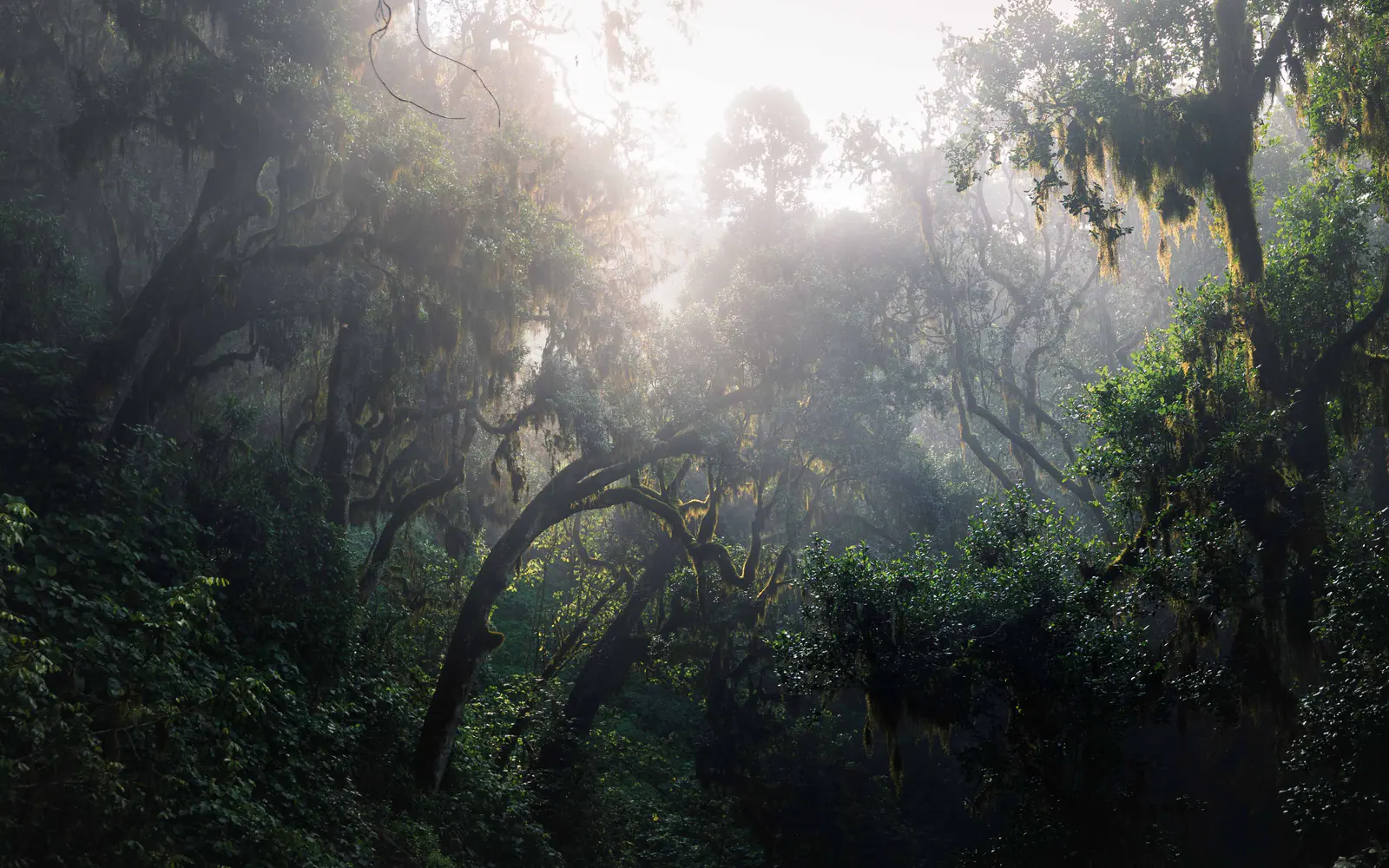
Mist and sunlight in tall, mossy forest, with the light filtering down through the canopy.
08 / 12
The pre-trip medical conversation worth having
Booking a check-up with your GP or a travel medicine clinic several weeks before departure gives time to discuss your personal risk factors, any existing conditions, and medications that may interact with altitude or with commonly used altitude medications. This conversation is genuinely useful even for climbers who feel completely healthy, since some risk factors are not obvious day to day.
Bring a copy of your planned itinerary, including route, day count and maximum altitude, to that appointment so your doctor can give advice specific to your actual trip rather than generic guidance. If you have a heart, lung or blood condition, or are taking regular medication, this conversation becomes particularly important.
We are not medically qualified to advise you individually, and nothing in this guide should be read as a substitute for that appointment. What we can do is describe clearly how our itineraries are structured and how monitoring works on the mountain, so you and your doctor have accurate information to discuss.
09 / 12
Altitude safety readiness checker
A quick planning tool to flag what is worth confirming before you fly. It is not a medical assessment.
Altitude safety readiness checker
This is a planning tool, not a medical assessment. Answer six questions about your trip and preparation and we will flag areas worth discussing with your doctor and with Safari Soles before you fly.
0 of 6 answered
Answer all 6 questions and your result appears here.
10 / 12
Safety questions worth asking any operator
Ask before you book any Kilimanjaro climb
- How many days are on the itinerary, and how many are genuine acclimatisation days rather than just travel days?
- How often is health monitoring carried out, and what equipment is used?
- Who has final authority on a descent decision, and is that explained to clients before the climb starts?
- What does the evacuation protocol actually involve, including who pays for it and how quickly it can be arranged?
- What emergency equipment and first-aid training does the guide team carry?
- What insurance is required of climbers, and does the operator check that cover is adequate before departure?
- How is guide-to-climber ratio managed on group departures versus private climbs?
11 / 12
5–6 day itineraries vs 8-day itineraries
The clearest safety comparison on Kilimanjaro is not between routes. It is between a compressed itinerary and one with real acclimatisation days built in.
If a quote looks unusually cheap, check the number of mountain days before anything else. Days on the mountain are the largest cost driver, so removing them is the easiest way to cut a price, and the change that most reduces your margin for safety.
Our honest advice is simple: if the choice is between a shorter climb now and a longer climb later, the longer climb is worth waiting for.
12 / 12
How Safari Soles approaches this
We build acclimatisation days into our recommended itineraries as standard and will tell you plainly if a compressed schedule looks unsafe for your circumstances, even if it means recommending a longer, less convenient trip.
Nothing on this page replaces a conversation with your own doctor. Use it to prepare good questions for that appointment and for our team, not as a substitute for either.
Common mistakes to avoid
Most unsuccessful climbs come from a handful of avoidable planning decisions, not from the mountain.
- Choosing a short itinerary and assuming fitness alone will offset the lack of acclimatisation time.
- Buying standard travel insurance without checking it covers trekking to Kilimanjaro's summit altitude.
- Downplaying symptoms to a guide out of a wish not to slow the group down or miss the summit.
- Not discussing existing health conditions or medications with a doctor before the trip.
- Assuming an operator has a clear evacuation plan without actually asking how it works.
- Treating a guide's descent decision as something to negotiate rather than accept.
- Skipping the pre-trip medical conversation because you feel generally fit and healthy.
- Not knowing who has final authority over safety decisions on your specific climb.
Get these right and the climb follows
Every one of these comes down to the same thing: matching the route and the day count to the climber before booking anything. Send us your dates and we will tell you honestly what is realistic.
Plan this climb with a local expertQuestions worth asking any operator
Safety on Kilimanjaro is decided in the planning stage. Put these questions to us and to every operator you compare, and insist on written answers rather than reassurance.
- Does the guide team carry emergency oxygen and a pulse oximeter on this itinerary, and how often are checks recorded?
- What is in the mountain first-aid kit, and who on the crew is trained to use it?
- What exactly happens if a climber has to descend, who escorts them, by which route, and how quickly?
- What training and mountain qualifications do the lead guide and assistant guides hold?
- What insurance do you require, including trekking cover to 6,000m and helicopter or vehicle evacuation?
- Who has final authority over a turnaround decision, and is that explained to the group before day one?
- How many acclimatisation days does this itinerary contain, and would you recommend more for my situation?
What Safari Soles puts in writing
Everything below is confirmed before you pay, so nothing about your climb is left to be discovered on the mountain.
-
Your route, day count and acclimatisation profile
Confirmed in writing before you pay, with our honest view on whether the number of days suits you.
-
How your health is monitored on the mountain
The daily check routine and who is responsible for it are explained at your pre-climb briefing.
-
First-aid and emergency response for your itinerary
You are told what travels with the climb and what happens at each camp if someone needs to descend.
-
Who is on your crew and what each person does
Lead guide, assistant guides, cook and porters are set out for your group size, not left vague.
-
Porter load handling for your climb
Duffel limits and how loads are weighed are confirmed before departure, so there are no gate surprises.
-
Tent, sleeping mat and dining arrangements
Camp comfort is described in the quote rather than discovered on the first night.
-
Meals, drinking water and hot drinks
How your food is cooked and your water treated is explained, including dietary requirements.
-
Gear rental list, sizes and prices
Shared before you shop, so you buy what matters at home and hire the rest on arrival.
-
An itemised quote with fees shown separately
Park and camping fees, crew, equipment, transfers and hotels appear as their own lines.
-
Tipping guidance for your group size
The customary range and how tips are collected are agreed before you fly, in writing.
Safety standards on a Safari Soles climb
What safety means in practice on the mountain, rather than as a promise on a page.
-
Mountain safety preparation
Safety planning starts long before the gate. Your route, day count and acclimatisation profile are chosen for how you actually travel, and every climb is briefed as a plan rather than an ambition.
-
Altitude monitoring
Your guides monitor how you are adjusting each day (how you are sleeping, eating, drinking and breathing) and record what they see so the pattern across the climb is visible, not guessed at.
-
Guide-led pacing
Pace is set by your guide, deliberately slower than most climbers expect. Walking slowly is the single most effective acclimatisation tool on the mountain, and our guides hold that pace even when a group feels strong.
-
First-aid readiness
A mountain first-aid kit travels with every climb and your guide team is briefed on how it is used and when a symptom stops being discomfort and becomes a reason to act.
-
Emergency planning
Each itinerary has a worked-out response for illness or injury at every camp (who escorts you, which way you go down and who is contacted) agreed before day one rather than improvised.
-
Summit-night support
Summit night is the hardest part of the climb, so it is guided most closely: assistant guides stay with slower climbers, layering and hydration are checked before departure, and turning back early is treated as a normal outcome, not a failure.
-
Clear descent decisions
Your lead guide has final authority on descent. The reasoning is explained to you and to your group in advance, so nobody is negotiating a health decision at 5,000m in the dark.
-
Client briefing before the climb
The day before you walk, we go through the itinerary, the daily routine, your gear, the health checks and the descent process, and answer every question while there is still time to act on the answers.
Local Kilimanjaro operators, licensed crew, honest guidance
Written and reviewed by the Safari Soles team in Arusha, who plan and run Kilimanjaro climbs from beside the mountain rather than brokering them from an overseas office.
- Reviewed by the Safari Soles Kilimanjaro planning team
- Updated for 2026 climbing seasons
- Route and day count matched to your fitness and altitude history
- Daily health monitoring and descent decisions agreed before you book
- Read Safari Soles reviews on TripAdvisor
- Read Safari Soles reviews on SafariBookings
- Read Safari Soles reviews on Google
Where these facts come from (6)
- UNESCO: Kilimanjaro National Park The World Heritage listing for Kilimanjaro National Park, which records Africa's highest point at 5,895m.
- TANAPA: Tanzania National Parks Official park authority information on regulations, park fees and permitted activities.
- Tanzania Tourist Board Government tourism information on travelling in Tanzania, seasons and destinations.
- Wikipedia: Mount Kilimanjaro Secondary background context on the mountain's geology, glaciers and climbing history.
- CDC: Travel to high altitudes US Centers for Disease Control guidance on altitude illness, ascent rates and when to descend.
- NHS: Altitude sickness Plain-language NHS overview of altitude sickness symptoms, prevention and treatment.
Related Safari Soles guides
Continue with the guides travellers usually read next.
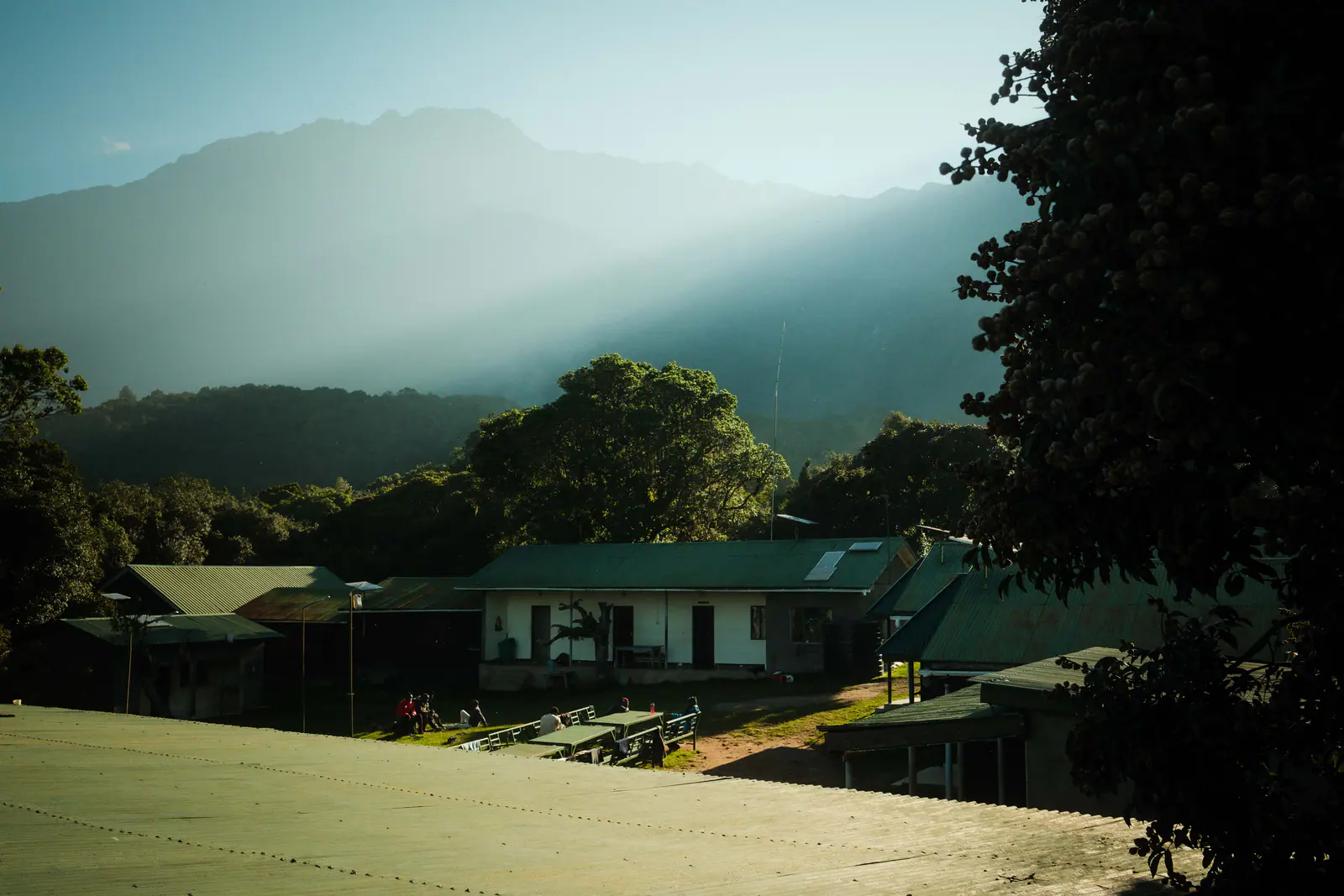 Kilimanjaro Altitude Sickness Recognising early symptoms, understanding acclimatisation and knowing when to descend. Safety
Read the guide
Kilimanjaro Altitude Sickness Recognising early symptoms, understanding acclimatisation and knowing when to descend. Safety
Read the guide
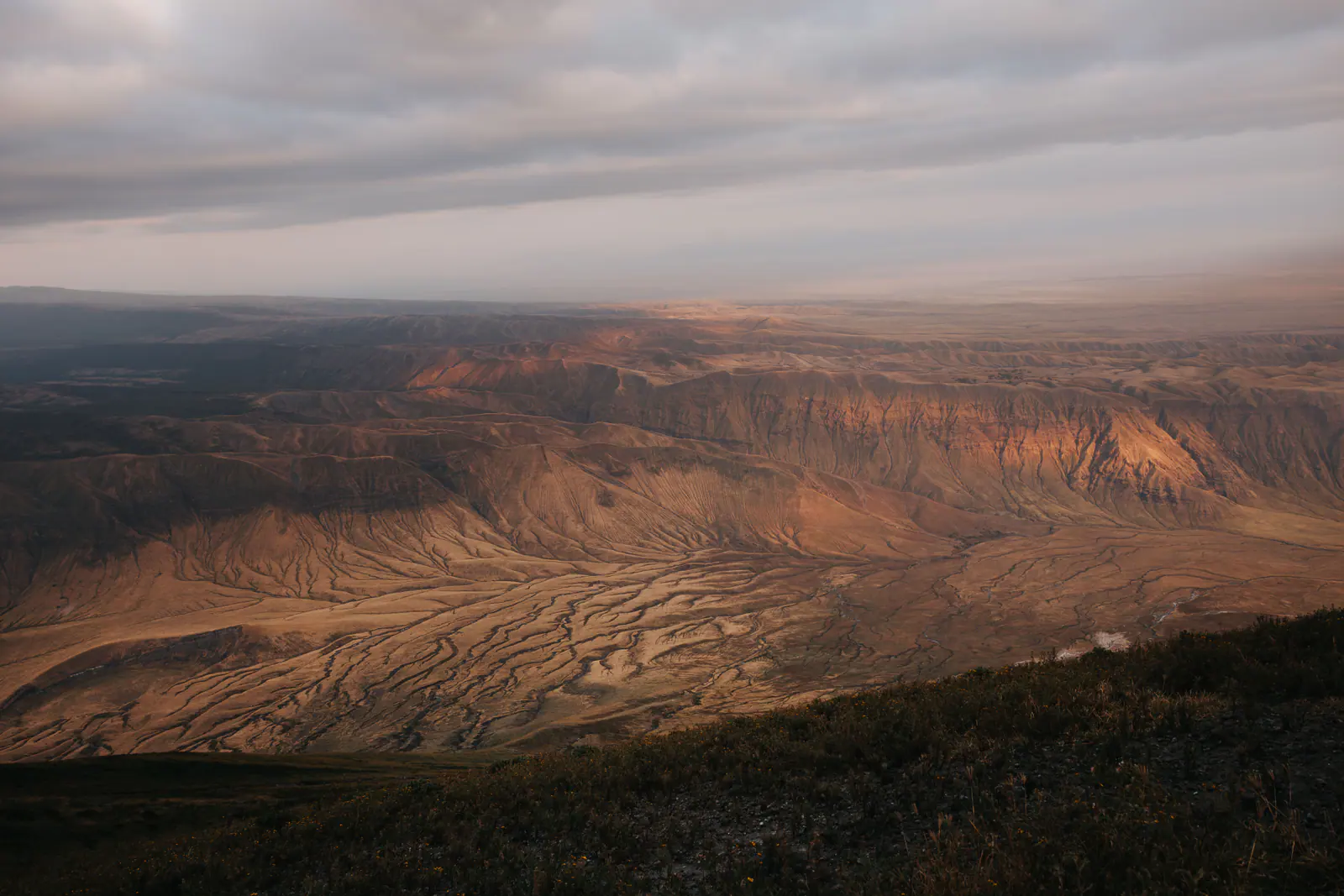 Kilimanjaro Routes Compare every Kilimanjaro route side by side: days on the mountain, acclimatisation profile, scenery and comfort. Routes
Read the guide
Kilimanjaro Routes Compare every Kilimanjaro route side by side: days on the mountain, acclimatisation profile, scenery and comfort. Routes
Read the guide
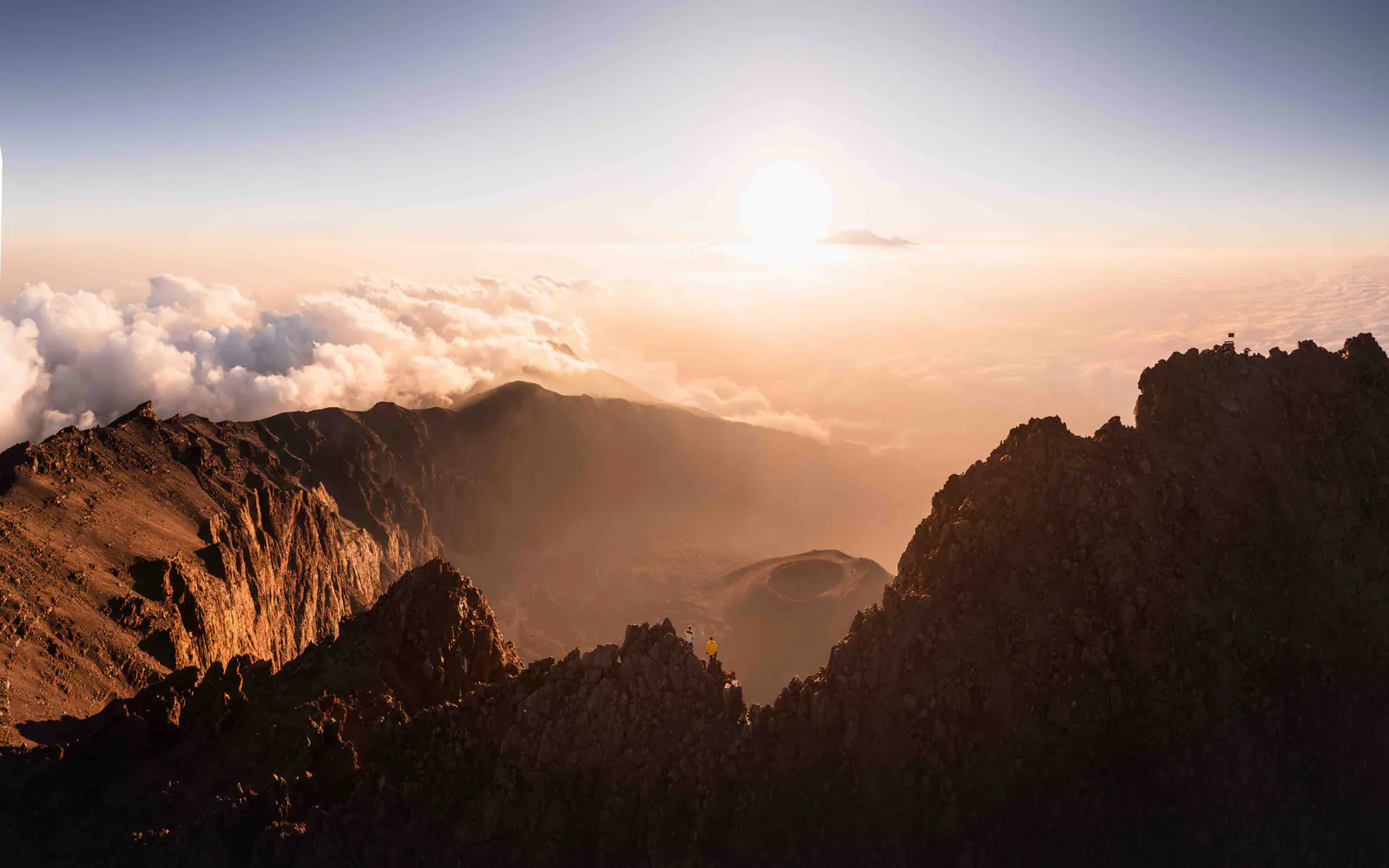 Kilimanjaro Training Guide A practical build-up of hill walking, loaded hikes, stamina and back-to-back days before you fly. Preparation
Read the guide
Kilimanjaro Training Guide A practical build-up of hill walking, loaded hikes, stamina and back-to-back days before you fly. Preparation
Read the guide
Frequently Asked Questions
-
Kilimanjaro is not a technical climb, but altitude is a genuine risk on every route above roughly 3,000m. A well-managed itinerary with enough acclimatisation days and structured health monitoring substantially reduces that risk, though nobody can guarantee how any individual will respond to altitude.
Have safety questions before you book?
Tell us your route ideas, fitness level and any health considerations, and we will talk you through how our itineraries, monitoring and evacuation planning work: honestly, and without pressure to book more than you need.