


Other Mountains in Tanzania
Tanzania is home to more than one extraordinary mountain. Mount Meru is Africa's fifth-highest peak and an ideal Kilimanjaro warm-up. Oldoinyo Lengai is one of the world's most unique active volcanoes.
Mount Meru
At 4,566 metres, Mount Meru is Africa's fifth-highest peak, located just 70 km west of Kilimanjaro inside Arusha National Park. It is dramatically underrated: its horseshoe-shaped crater rim and knife-edge ridges offer some of the most dramatic mountain scenery in East Africa.
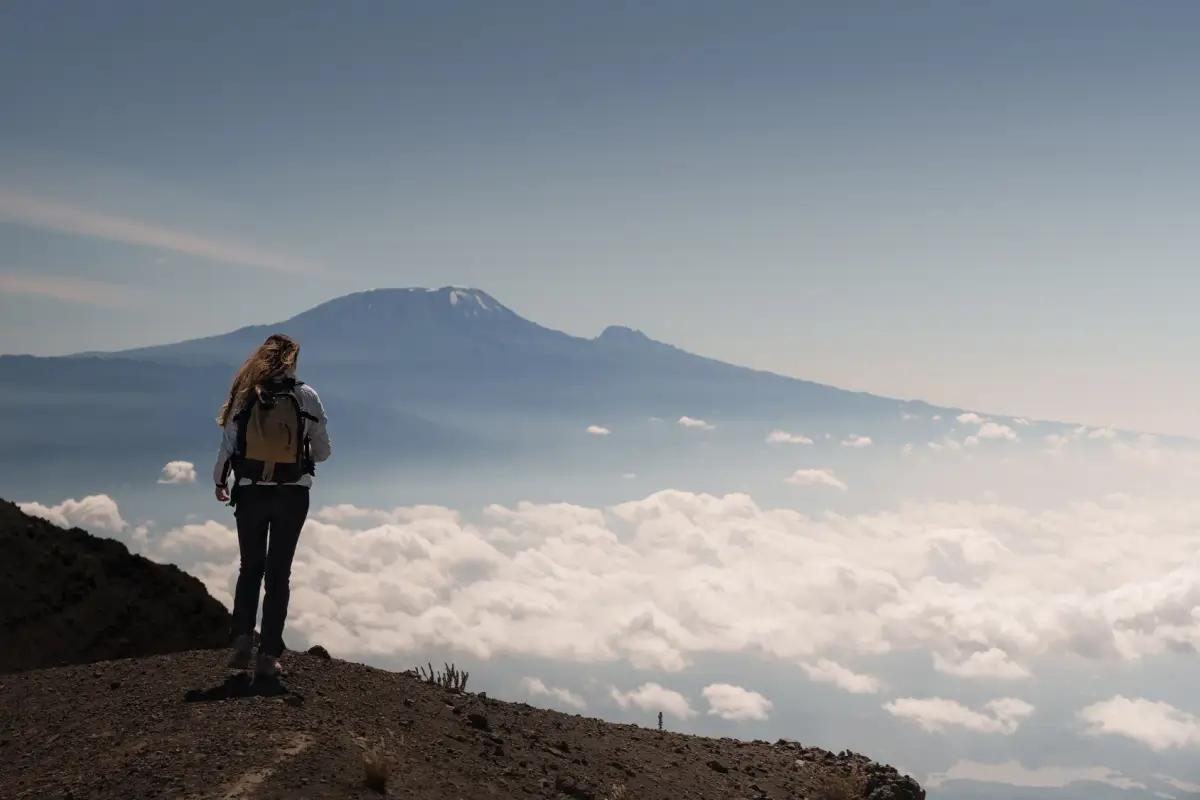
Mount Meru vs Mount Kilimanjaro
Mount Meru
Kilimanjaro
Which Mountain Is Harder to Climb?
Mount Meru is steeper and technically more demanding than Kilimanjaro. The summit ridge narrows to a knife edge with steep drops on both sides. This section requires a head for heights and steady footing. Kilimanjaro by contrast is a broader, more gradual mountain on all routes.
However, the altitude on Kilimanjaro (5,895m vs 4,566m) makes it dramatically harder from an acclimatisation standpoint. Altitude sickness is the primary summit barrier on Kilimanjaro. Meru sits well below the altitude threshold where serious AMS typically occurs.
Length of Climb
Mount Meru is typically climbed in 3–4 days (3 days up, 1 day descent, or a leisurely 4-day option). The standard route starts at Momella Gate and follows the outer crater rim before the final summit push via the narrow ridge. Rangers accompany all climbers to protect against wildlife: buffalo and giraffe are common on the lower slopes.
Mount Meru Pricing
Full guided climb includes park fees, crew, all meals, tents, and transfers from Arusha. Get a quote →
Layering Advice for Mount Meru
Temperatures on Mount Meru range from tropical at the base to near-freezing on the summit crater rim. The three-layer system is essential, though you can pack slightly lighter than Kilimanjaro since the temperatures are less extreme.
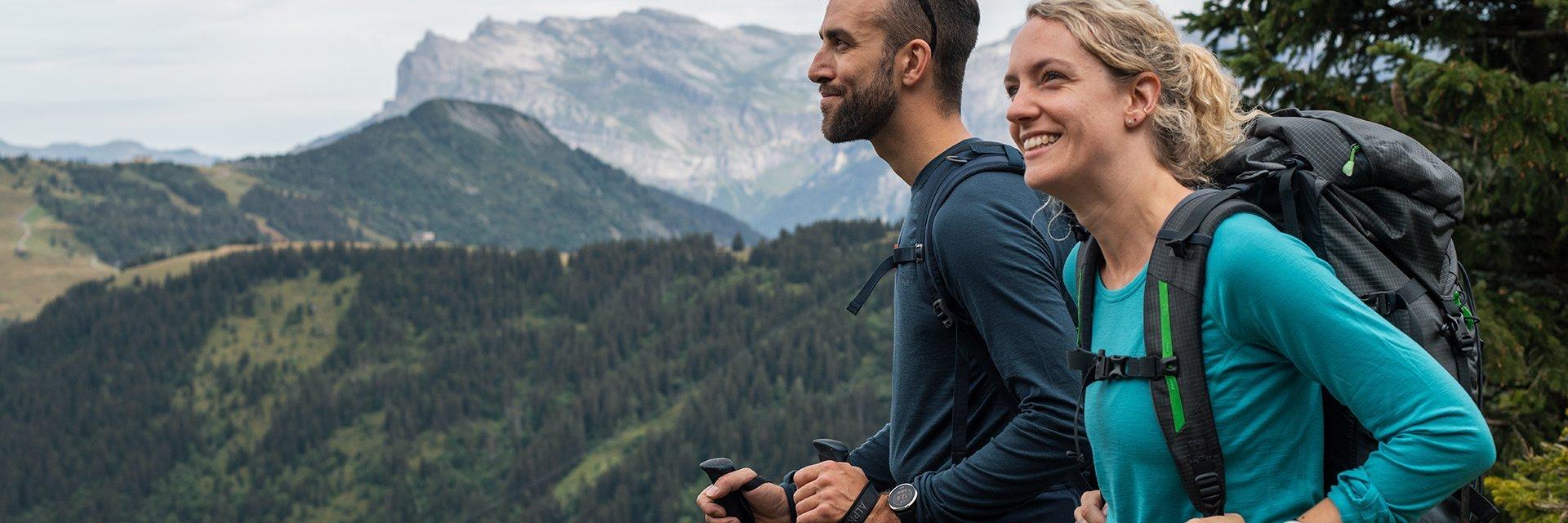
Base Layer: Merino Wool
Moisture-wicking and odour-resistant. Essential from day one as lower slopes can be warm and humid. Avoid cotton entirely. It holds sweat and becomes dangerously cold when wet.
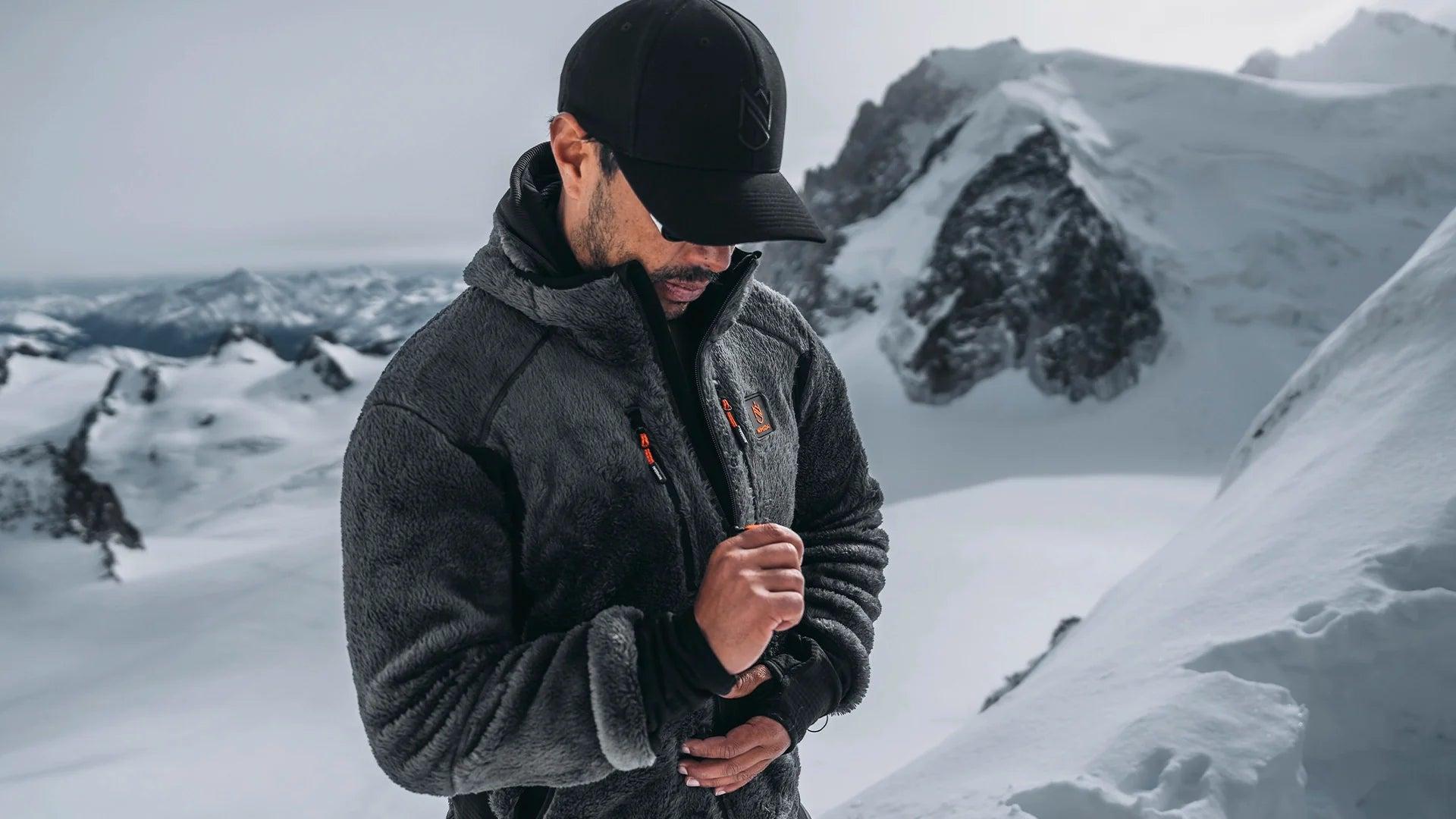
Mid Layer: Fleece Jacket
Worn at camp every evening and on the summit approach. A 200–300g polartec fleece traps body heat efficiently without adding significant weight to your pack.
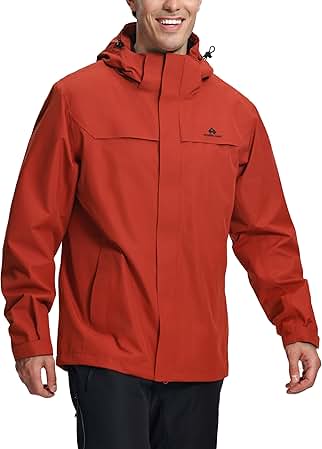
Outer Shell: Waterproof Jacket
The crater rim is fully exposed to wind and occasional rain. A hardshell waterproof jacket is your last line of defence against the elements. Armpit zips help with ventilation on steep ascents.
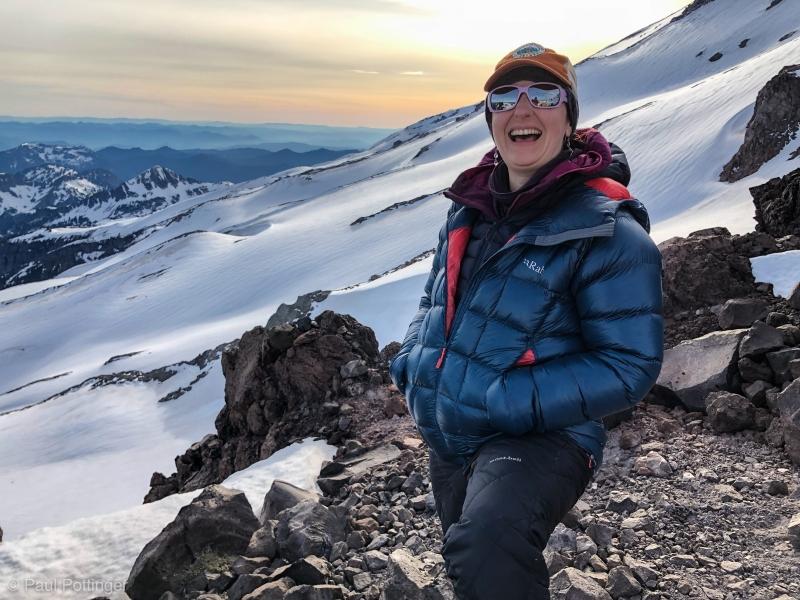
Summit Layer: Down Jacket
Pre-dawn summit pushes on Meru can be surprisingly cold on the narrow crater ridge. A packable down jacket weighs almost nothing but provides critical warmth in rest stops and at the summit.
Oldoinyo Lengai
Oldoinyo Lengai, meaning "Mountain of God" in Maasai, is a stratovolcano in the Gregory Rift Valley, rising to 2,962 metres in the Arusha Region. It is East Africa's only active volcano and one of the most unique geological formations on the planet.
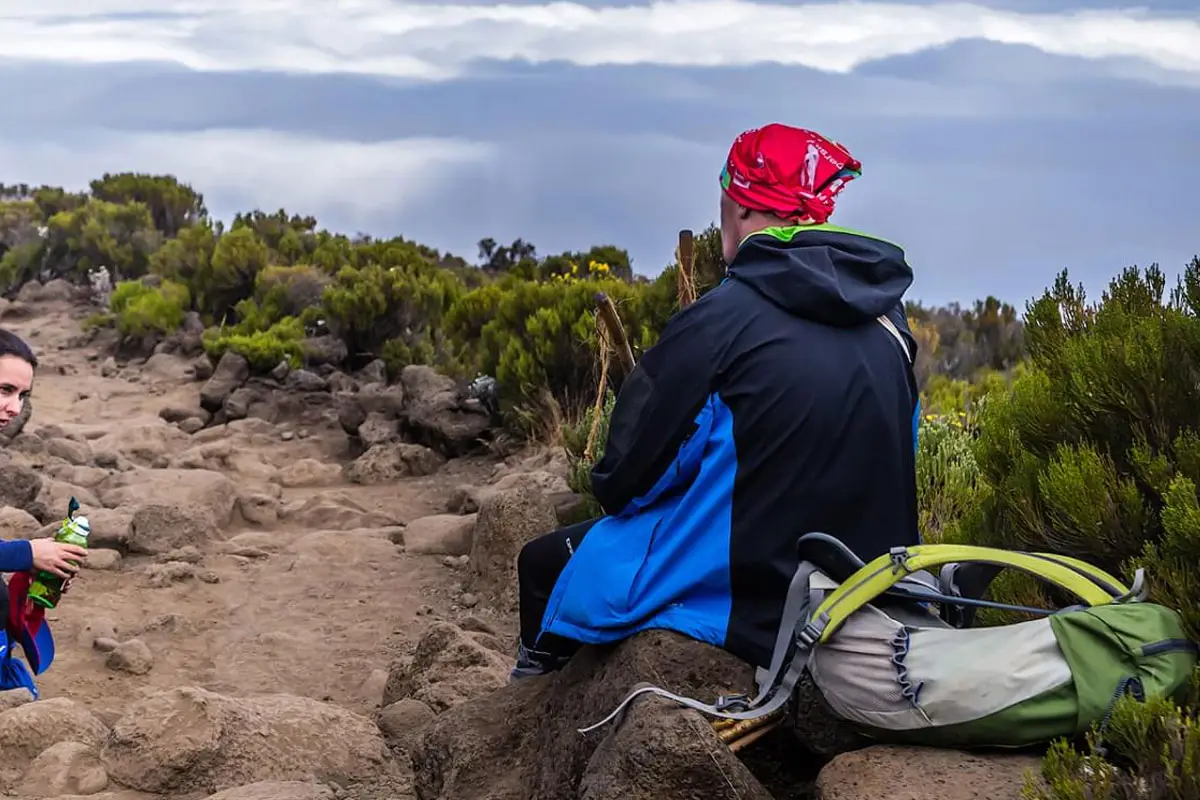
Tanzania's Only Active Volcano
Unlike most volcanoes, Oldoinyo Lengai erupts natrocarbonatite lava. A unique type of carbonatite lava that is black when it erupts and turns white within hours of exposure to air. This makes the summit crater look like a snowfield from a distance. It is the only volcano on Earth known to erupt this type of lava.
Is it safe to climb Oldoinyo Lengai?
Oldoinyo Lengai is an active volcano and can erupt with little warning. Climbing is generally safe during periods of low volcanic activity, but it is essential to check current activity reports with the Geological Survey of Tanzania before booking.
Our team monitors volcanic activity and will not take climbers to the summit if there are signs of recent eruption or increased activity. Safety is non-negotiable.
When can you climb?
The best time to climb is during the dry seasons: January–February and June–October. The climb is typically done as a night ascent, leaving camp around 11pm–midnight to reach the summit at sunrise. Daytime temperatures on the dark volcanic slopes become extremely hot: the black lava absorbs and radiates heat aggressively.
The round trip from the base takes approximately 8–10 hours for a fit climber. Most visitors combine Lengai with a visit to Lake Natron, a bright-red alkaline lake at its base that is home to one of the world's largest flamingo breeding colonies.
Price
A guided Oldoinyo Lengai climb with Safari Soles starts at approximately $350 USD per person (2+ people), including camping at the base, a guide, park and conservation fees, and transfers from Arusha. The full Natron-Lengai combination (2 nights, 3 days) including the flamingo lake is available from $580 USD per person.
Related Reading
Add a Mountain to Your Tanzania Trip
Combine Mount Meru, Kilimanjaro, and a Tanzania safari into one unforgettable expedition.