


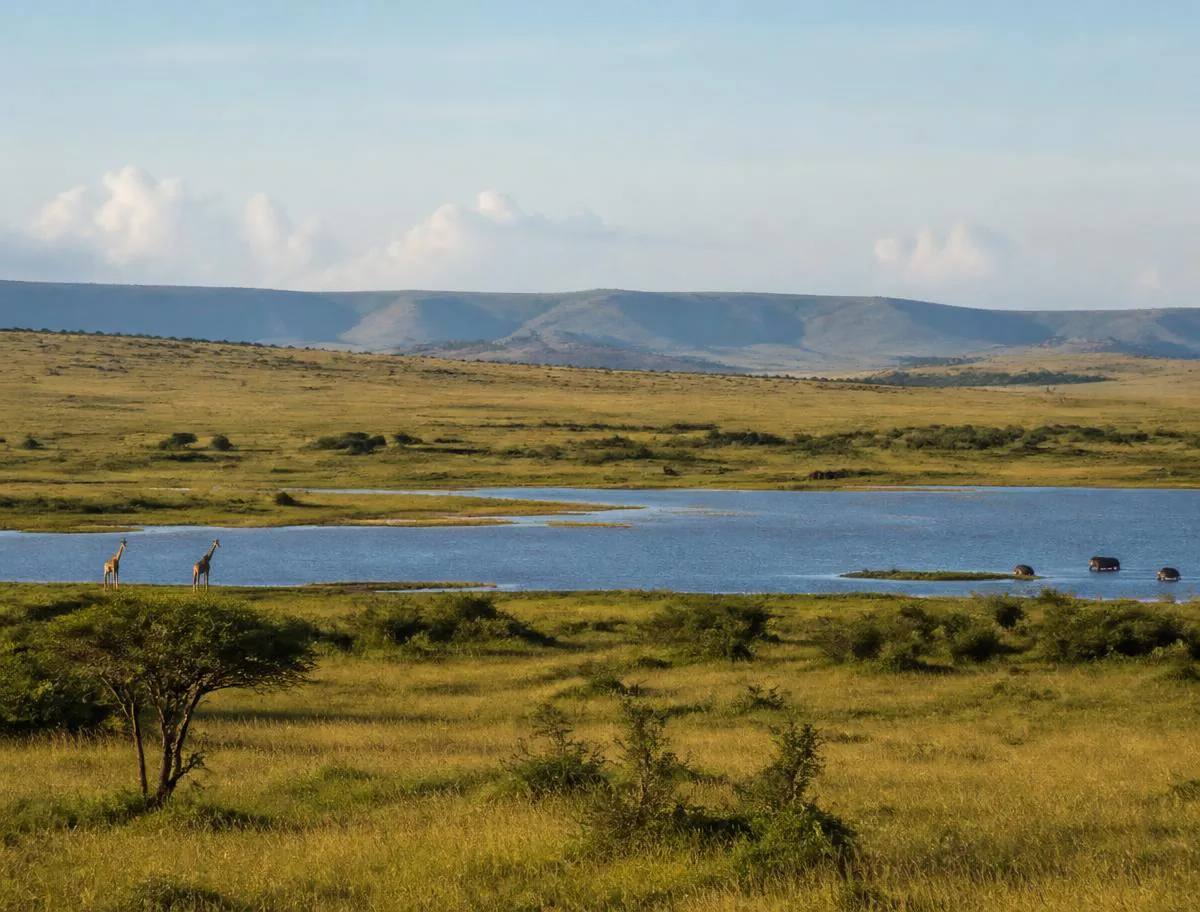
Rwanda's savannah destination
Akagera National Park: The Complete Safari Guide
Rwanda's only savannah park and Big Five destination: geography, wildlife, game drives, boat trips on Lake Ihema, night drives, seasonality and where it fits a Rwanda circuit.
Area1,122 km²
LocationEastern Rwanda, on the Tanzania border
Signature activityGame drives and Lake Ihema boat trips
From KigaliRoughly 2–3 hours by road
The destination
What Akagera National Park is
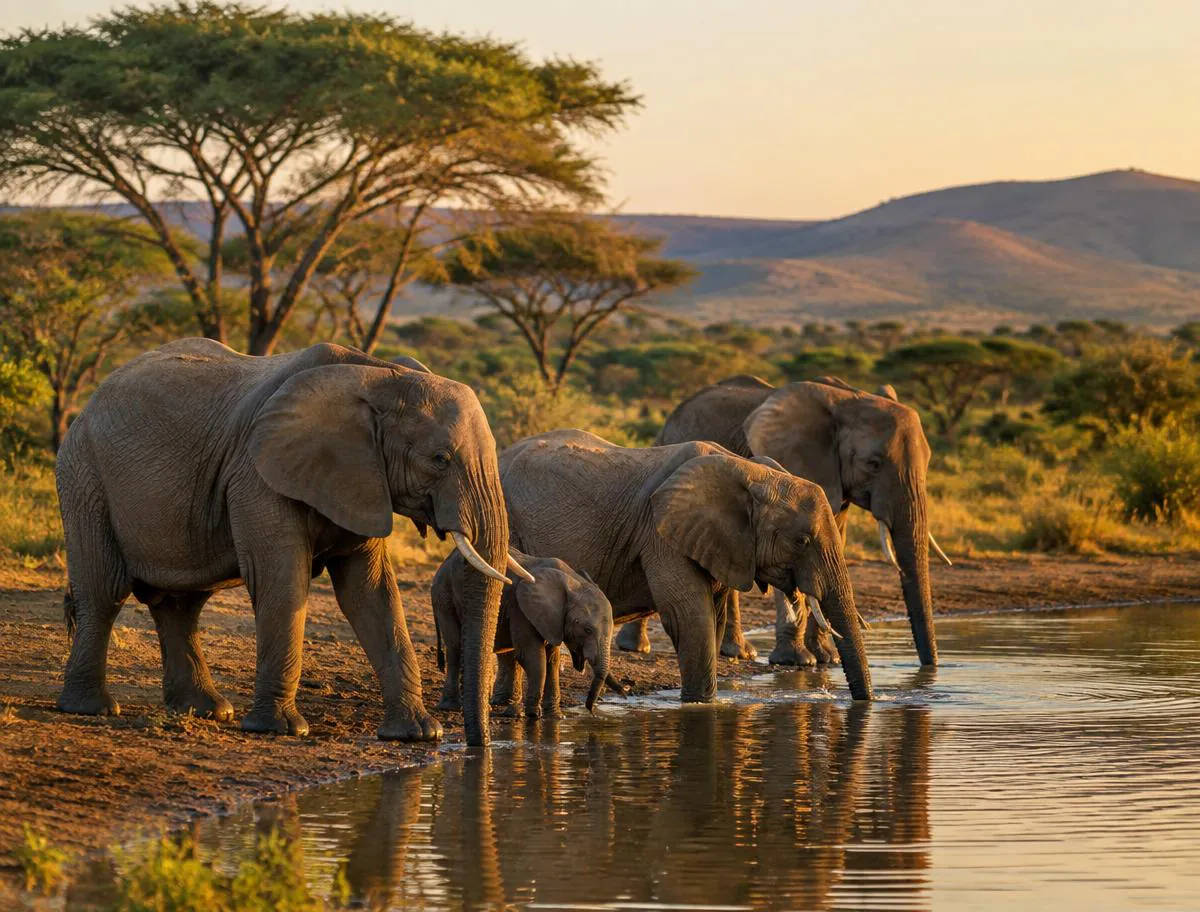
Akagera National Park is Rwanda's only savannah national park, sitting along the country's eastern border with Tanzania. It protects a mosaic of open plains, acacia woodland, rolling hills and a chain of lakes and papyrus swamp fed by the Akagera River, making it the largest protected wetland system in eastern-central Africa, according to African Parks (opens in a new tab) 1.
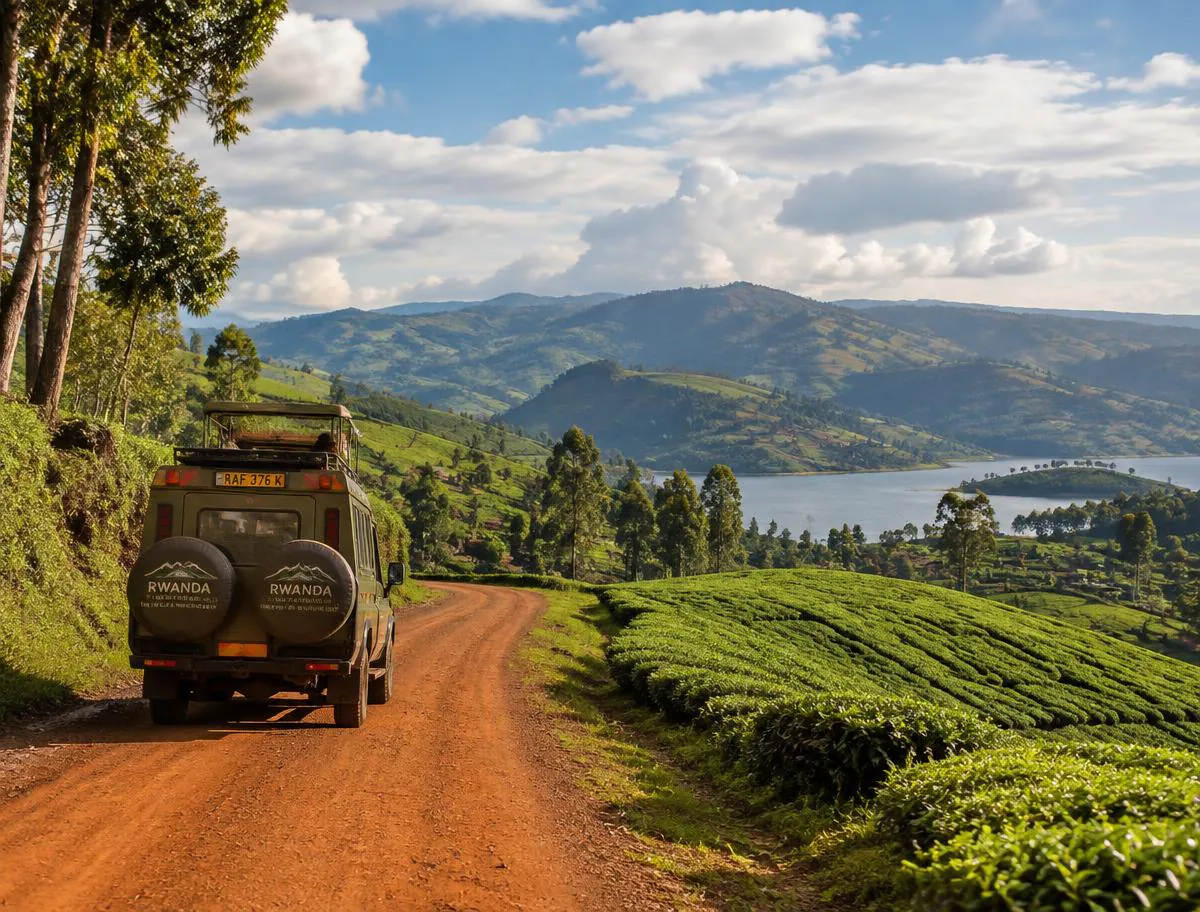
This guide owns Akagera as a whole destination: its ecosystems, its Big Five story, the activities on offer, and how to plan a visit. It does not repeat the primate-forest content that belongs to Nyungwe or Volcanoes — Akagera is Rwanda's classic vehicle-based safari chapter, closer in feel to a Tanzania or Kenya game drive than to a forest trek.
Since 2010, Akagera has been jointly managed by the Rwanda Development Board and the conservation NGO African Parks, a partnership the park's own visitor site (opens in a new tab) credits with a dramatic recovery in security and wildlife numbers after the park lost land and animals during the difficult years around the 1994 genocide 2.
Where it sits
Geography and ecosystems
Akagera covers roughly 1,122 square kilometres in Rwanda's Eastern Province, around a two-to-three-hour drive from Kigali. The Akagera River and its associated wetlands run along the park's eastern edge, feeding a dozen linked lakes, of which Lake Ihema is the largest and the focus of the park's boat activity.
Terrain shifts noticeably between the northern and southern sectors. The north holds more varied, hillier ground with open plains favoured by lion and rhino, while the south is generally lower-lying and closer to the lake system. The drive between the southern entrance and the northern exit can take several hours, so covering the whole park in a single day is genuinely ambitious.
Because the park is compact by regional standards and the road network is well maintained, Akagera is one of the more approachable self-drive safari destinations in East Africa, alongside the option of a guided private safari.
| Sector | Terrain | Wildlife emphasis |
|---|---|---|
| North | Open plains and hills | Lion, rhino, buffalo herds |
| West | Woodland belt | Leopard sightings cluster here |
| East (lakeshore) | Wetland, papyrus swamp, lakes | Hippo, crocodile, waterbirds, elephant near water |
| South | Lower-lying, closer to entrance | General plains game and first-day arrivals |
The comeback story
The Big Five, restored
Akagera is Rwanda's only Big Five destination. Lion were locally extinct for around two decades before seven animals were reintroduced from South Africa in 2015, and eastern black rhino were reintroduced starting in 2017, completing the set alongside existing elephant, buffalo and leopard populations, as detailed on the park's history page (opens in a new tab) 3.
This is a genuine conservation recovery story, not a static zoo-style guarantee, and one worth weighing against Tanzania's own safari circuits for travellers comparing Big Five odds regionally. Numbers have grown steadily since the 2010 African Parks partnership began, but sightings — especially of rhino and leopard — still depend on which sector you drive and how much time you give the park.
Beyond the Big Five, Akagera holds substantial herds of zebra, giraffe, topi, impala, eland and other antelope, plus large hippo pods and Nile crocodiles concentrated around Lake Ihema, and an official bird count above 490 species, making it a serious secondary birding destination behind Nyungwe.
Lion
Reintroduced in 2015; hold mainly to the open northern plains.
Black rhino
Reintroduced from 2017; the hardest of the five to see reliably.
Elephant, buffalo, leopard
Established populations; leopard favour the western woodland belt.
490+ bird species
A serious wetland and savannah birding destination in its own right.
Choosing an Akagera day
Match the activity to the experience you want
Akagera's activity list centres on vehicle-based game viewing, but it is broader than a single game drive. Official operators and the park itself offer day and night game drives, guided boat excursions on Lake Ihema, birding-focused outings, fishing and community or cultural add-ons near the park boundary 4.
Use the selector below to compare the main ways to spend time in the park, then confirm current departure times and any guide requirement at reception before setting out.
Akagera activity explorer
Day game drive
- Length
- Half-day or full-day, self-drive or with a hired vehicle and guide
- Feel
- Open savannah tracks through plains, woodland and lakeshore
- Good for
- First-time visitors and travellers wanting the full Big Five attempt
Confirm current departure times and guide availability at park reception before booking or setting out.
Planning the route
How the park is laid out for visitors
Akagera runs south to north along the Tanzanian border, with entry through the south/main or Mutumba gates and an exit-only north gate; routes may also return to the south/main gate. This shapes route planning: a single-day visit realistically covers the southern and central sectors, while seeing the productive northern plains means either an early, committed drive-through or an overnight stay inside or near the park.
The park operates as a self-drive destination between roughly 6am and 6pm daily, with the option to add a community guide at reception for a better chance of good sightings, since guides know current animal locations far better than a first-time visitor can 2.
| Time available | Realistic coverage | Trade-off |
|---|---|---|
| Single day trip from Kigali | Southern and central sectors, Lake Ihema boat trip | Limited chance at rhino and the full northern plains |
| One night inside the park | A sunset and sunrise drive plus a full day's driving north | Better odds on lion and rhino sightings |
| Two or more nights | A relaxed loop covering north, west woodland and lakeshore | Room for a night drive and a boat trip without rushing |
Planning the visit
How long to give Akagera
A day trip from Kigali is possible and popular, especially as an add-on before or after gorilla trekking or a Nyungwe leg, since Akagera sits roughly two to three hours from the capital. It delivers a genuine savannah contrast to Rwanda's forest parks but limits sightings mostly to the accessible southern half.
One overnight inside or near the park allows a sunset drive on arrival and most of a second day pushing further north, materially improving the odds of a full Big Five day. Two nights add slack for a boat trip, a night drive and unhurried birding without treating every activity as a race against departure time.
Day trip
Feasible from Kigali; covers the southern half and the boat trip, not the full park.
1 night
A sunset drive plus a fuller day north; better odds on lion and rhino.
2+ nights
Room for a boat trip, a night drive and a relaxed north-to-south loop.
Placing Akagera in a route
Where Akagera fits in a Rwanda circuit
Akagera's position in the east makes it a natural pairing with Kigali rather than with the western or southern parks. An itinerary can treat it either as a short pre- or post-safari add-on around the capital, or as one leg of a longer loop that also includes Volcanoes National Park in the north and Nyungwe in the southwest.
Illustrative route only: Kigali arrival, one to two nights in Akagera, return to Kigali or transfer north to Volcanoes National Park for gorilla or golden monkey tracking, with Nyungwe added if time allows before flying out. Adjust the sequence around permit dates and flight timing rather than treating this as fixed.
Because Akagera does not require advance permit allocation the way gorilla and chimpanzee tracking do, it is one of the more flexible pieces to place in a Rwanda itinerary — see the broader planning logic in the main Rwanda itinerary guide.
| Approach | Typical routing | Best suited to |
|---|---|---|
| Short Kigali add-on | A day trip or one night direct from the capital | Travellers with limited time or a short stopover |
| Full east-and-north loop | Kigali, Akagera, then Volcanoes for primates | A classic two-park Rwanda safari |
| Full country circuit | Akagera, Volcanoes and Nyungwe connected via Kigali | Longer trips wanting savannah, volcanic and rainforest habitats in one country |
Where species cluster
Reading the landscape for wildlife
As with the wider destination logic in the Rwanda safari guides, species distribution across Akagera is uneven and reasonably predictable once you understand the terrain. Lion and rhino territory centres on the open northern plains; the western woodland belt is where leopard sightings cluster; buffalo and elephant tend to follow water; and hippo and waterbirds are a constant presence along the eastern lakeshore corridor.
This means a visitor who only loops the accessible southern sector near the main entrance is working with a fraction of the park's wildlife variety. Planning at least part of a route through the north materially changes what you are likely to see, which is the single biggest reason some day visitors leave without a full Big Five sighting.
Year-round savannah
Seasonality in a savannah landscape
Akagera is drivable and rewarding year-round, unlike activities gated by permit seasons. Rwanda's broader seasonal pattern applies: rains are broadest roughly mid-February to May and mid-September to mid-December, with the named dry season from June to mid-September. The weeks around December and January fall outside the named rainy periods but are not classified as an official second dry season.
Drier months tend to concentrate wildlife around remaining water sources and lakes, often improving visibility on open plains, while wetter months bring lush green scenery, more dispersed animals and a higher chance of muddy tracks in places, though the well-maintained road network reduces this compared with forest parks — consistent with the wider patterns in the best-time-to-visit guide.
| Planning view | Jan | Feb | Mar | Apr | May | Jun | Jul | Aug | Sep | Oct | Nov | Dec |
|---|---|---|---|---|---|---|---|---|---|---|---|---|
| Visibility tendency | Good | Variable | Reduced | Reduced | Reduced | Good | Good | Good | Variable | Reduced | Reduced | Variable |
| Prepare for | Dust, sun | Mixed weather | Rain gear | Rain gear | Rain gear | Dust, sun | Dust, sun | Dust, sun | Transitions | Rain gear | Rain gear | Holiday demand |
Drier tendencyMixedRainier tendency
Practical logistics
Getting there and organising the day
Akagera is reached by road from Kigali, typically two to three hours depending on the entrance used. Self-drive is genuinely possible on the park's maintained tracks, though most first-time visitors hire a vehicle and driver-guide or join an operator's transfer for a smoother, better-informed day.
A community guide can be added at park reception for self-drivers; note that guides are not available to collect at the Karenge camp area in the north, so visitors heading there should pick up a guide at the southern reception before driving north. Bring binoculars, sun protection, water and a fully charged phone or camera, since driving distances between good sighting areas can be long.
- 01Before
Decide your entry and exit points
The south/main and Mutumba gates are entry options. The north gate is exit-only; a route may instead return to the south/main gate.
- 02Arrival
Add a guide at reception if self-driving
A community guide materially improves sighting odds; arrange this at the southern reception before heading north.
- 03Timing
Sequence drives around light and heat
Early morning and late afternoon game drives generally see more animal activity than the middle of the day.
- 04Activities
Book the boat trip in advance if possible
Lake Ihema boat departures run on a schedule; confirm times and book ahead for popular slots.
Where to stay
Accommodation logic in and around Akagera
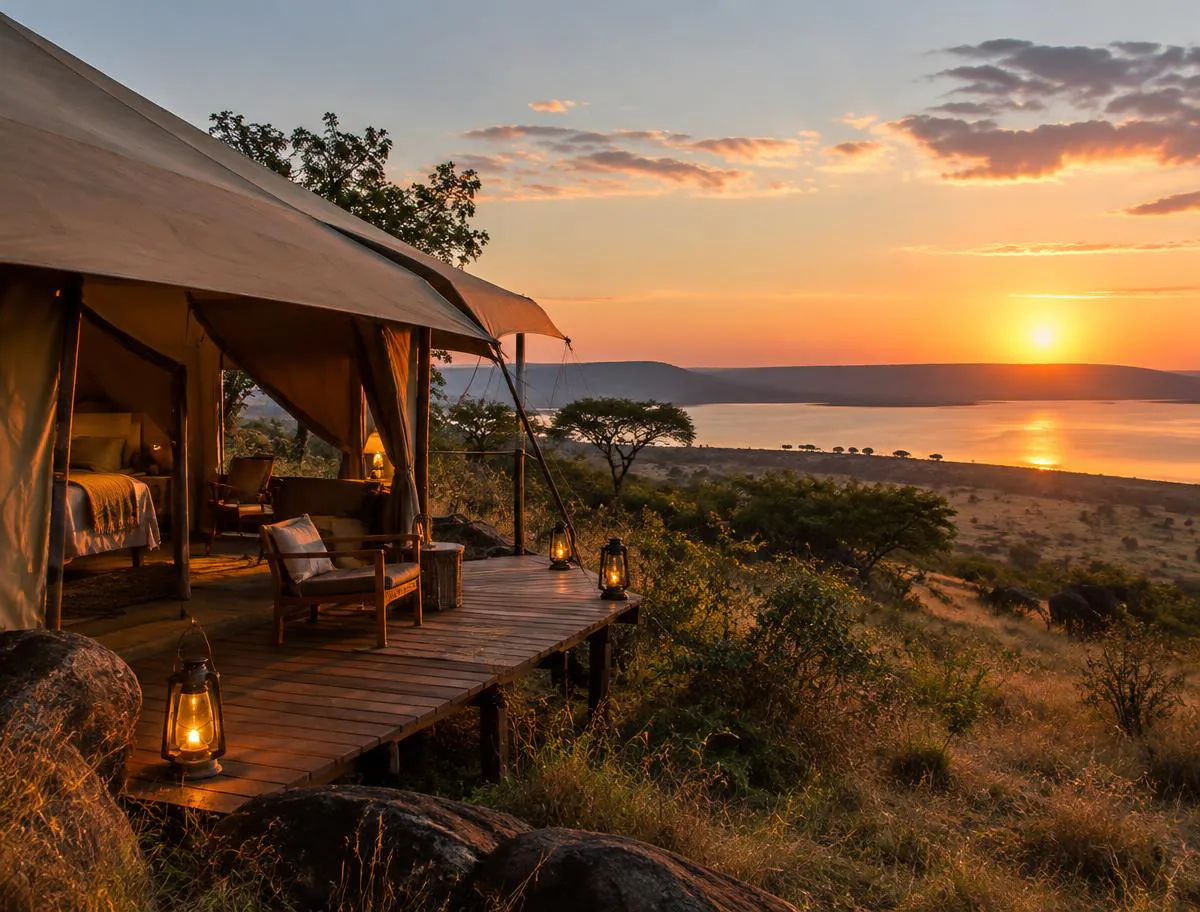
Options range from park-affiliated campsites and a bush camp in the north during select periods to lodges overlooking the lake system. This guide does not name specific properties or quote current rates; see the Rwanda safari lodges guide for verified, current options and check whether a property sits inside the park boundary or requires a daily re-entry.
Staying inside or close to the park removes the need for a long daily commute and makes an early-morning or night drive far more practical than a same-day trip from Kigali.
Planning FAQ
Direct answers about visiting Akagera
Is Akagera a Big Five park?
Yes. Lion (reintroduced 2015) and black rhino (reintroduced from 2017) joined established elephant, buffalo and leopard populations.
How far is Akagera from Kigali?
Roughly two to three hours by road, making it a feasible day trip or short overnight add-on.
Can I self-drive in Akagera?
Yes, Akagera is a self-drive park with maintained tracks; a community guide can be added at reception.
Is a boat trip worth it?
Yes, the Lake Ihema boat trip is a relaxed, high-yield way to see hippo, crocodile and waterbirds up close.
Are night drives available?
Yes, guided night drives run in the park for nocturnal species such as servals, civets, bush babies and sometimes leopard.
How long should I stay?
A day trip is possible but limited; one to two nights provides more game-drive windows, although no species sighting is guaranteed.
What is the entry and exit routing?
The south/main and Mutumba gates can be used for entry. The north gate is exit-only, while the south/main gate can also be used to exit.
What is the best time to visit?
Akagera operates across seasons; June to mid-September is Rwanda’s principal dry season, while wildlife location remains variable.
Does Akagera pair well with gorilla trekking?
Yes, it is commonly combined with Volcanoes National Park via Kigali as a two-park Rwanda safari.
Where can I check current park fees?
Confirm current entry and activity fees on African Parks' or the park's own live channels before booking, since this guide does not publish figures it cannot verify live.
Continue planning
Read the guide that owns your next question
Best Time to Visit Rwanda
See how Rwanda's seasons affect every park, not just Akagera.
Sources & verification
Official information behind this guide
Visit Rwanda and African Parks' own Akagera channels are the live authorities for activities, schedules and conservation status; this guide omits numeric fees it could not verify on a current primary source.
- Visit Rwanda — Akagera National Park Official destination overview, wildlife and activity context
- African Parks — Akagera visitor site Live activity list, boat schedules and self-drive guidance
- African Parks — Akagera Management partnership and conservation background
- Akagera National Park — official site Park size, history timeline and Big Five reintroduction dates
Add Rwanda's savannah chapter
Plan Akagera's game drives, boat trips and routing before you book.
Decide how many nights the park deserves, confirm current activity schedules, and place it correctly inside a wider Rwanda circuit.