


Rwanda trip preparation
Rwanda Safari Packing List: An Ecosystem-by-Ecosystem System
A whole-trip packing system for Rwanda's city, mountain forest, rainforest, savannah and lakeside environments — built to complement, not repeat, the gorilla-trek-specific packing detail.
Environments covered5
Footwear pairs needed2
Season logicAdjust emphasis, not the whole list
Gorilla-day detailSee the gorilla trekking guide
What this guide owns
A whole-trip packing system, not just a gorilla-trek list
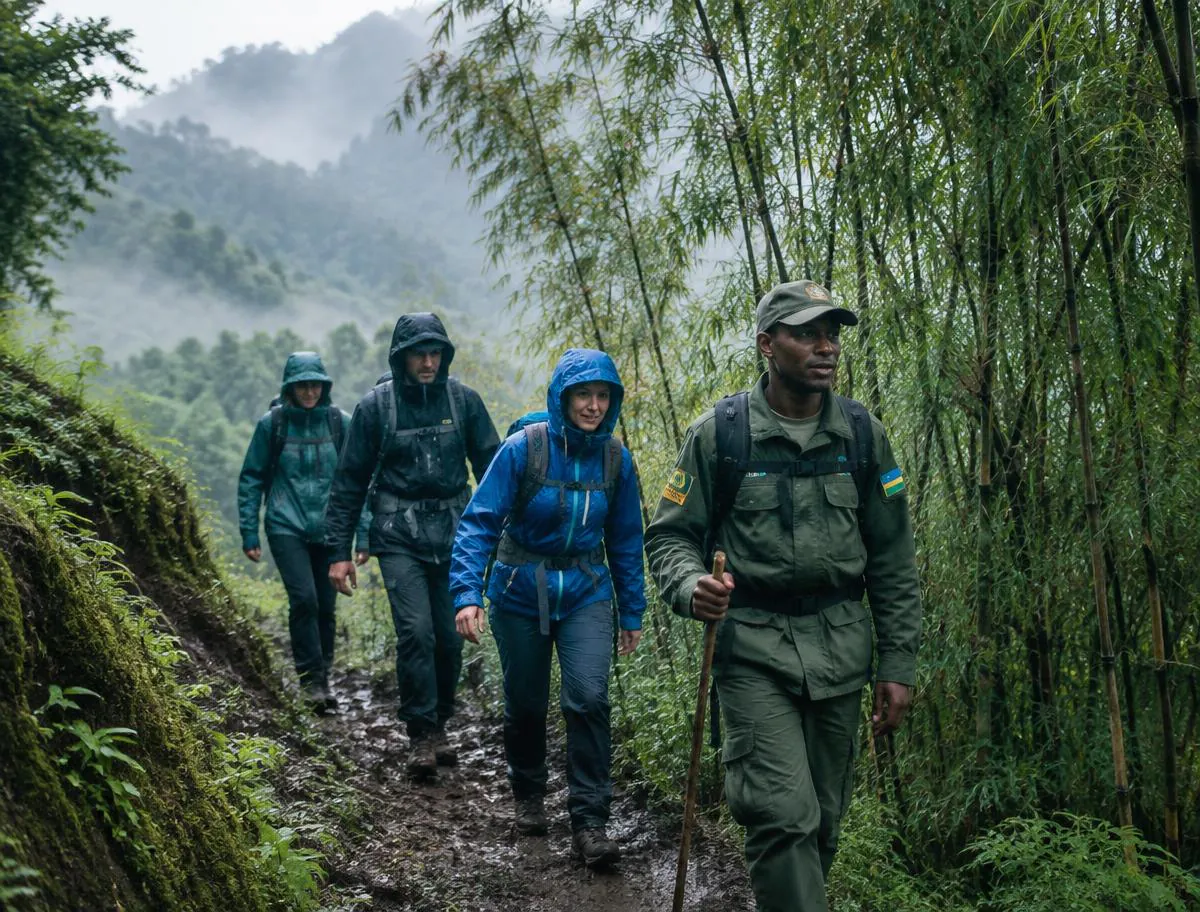
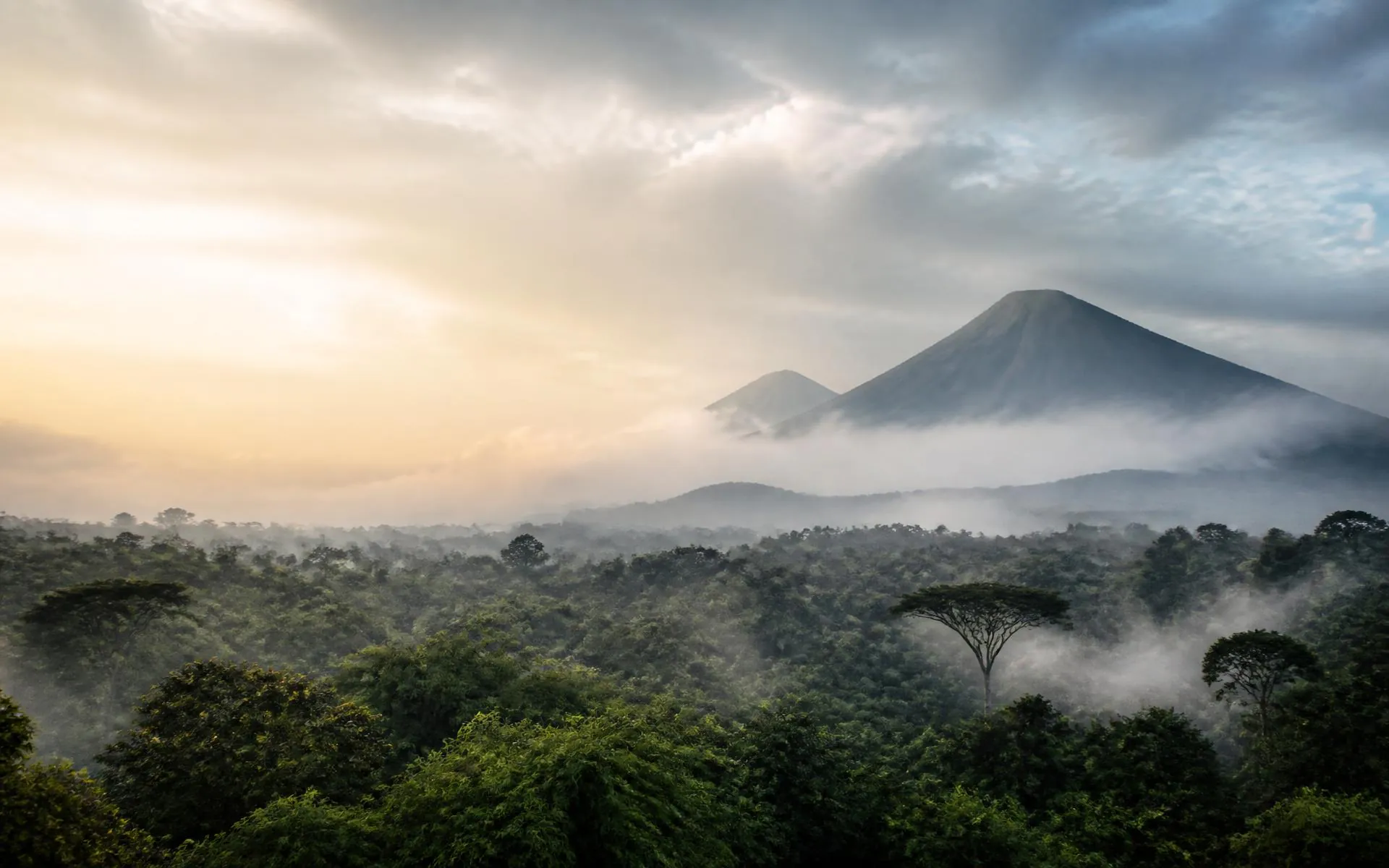
A multi-region Rwanda itinerary can cross several distinct environments: Kigali's city streets, the cool, muddy mountain forest of Volcanoes National Park (opens in a new tab), Nyungwe's wet rainforest, Akagera's dry savannah, and Lake Kivu's mild lakeside climate. Each needs a different packing emphasis, and this guide is the whole-trip packing system that ties them together.
It complements rather than repeats the gorilla-trekking-specific packing detail already covered in the gorilla trekking guide; this guide is about the rest of the trip and how it all fits in one bag, plus how the gorilla-day layer slots into that same system.
Signature planning tool
Ecosystem packing matrix
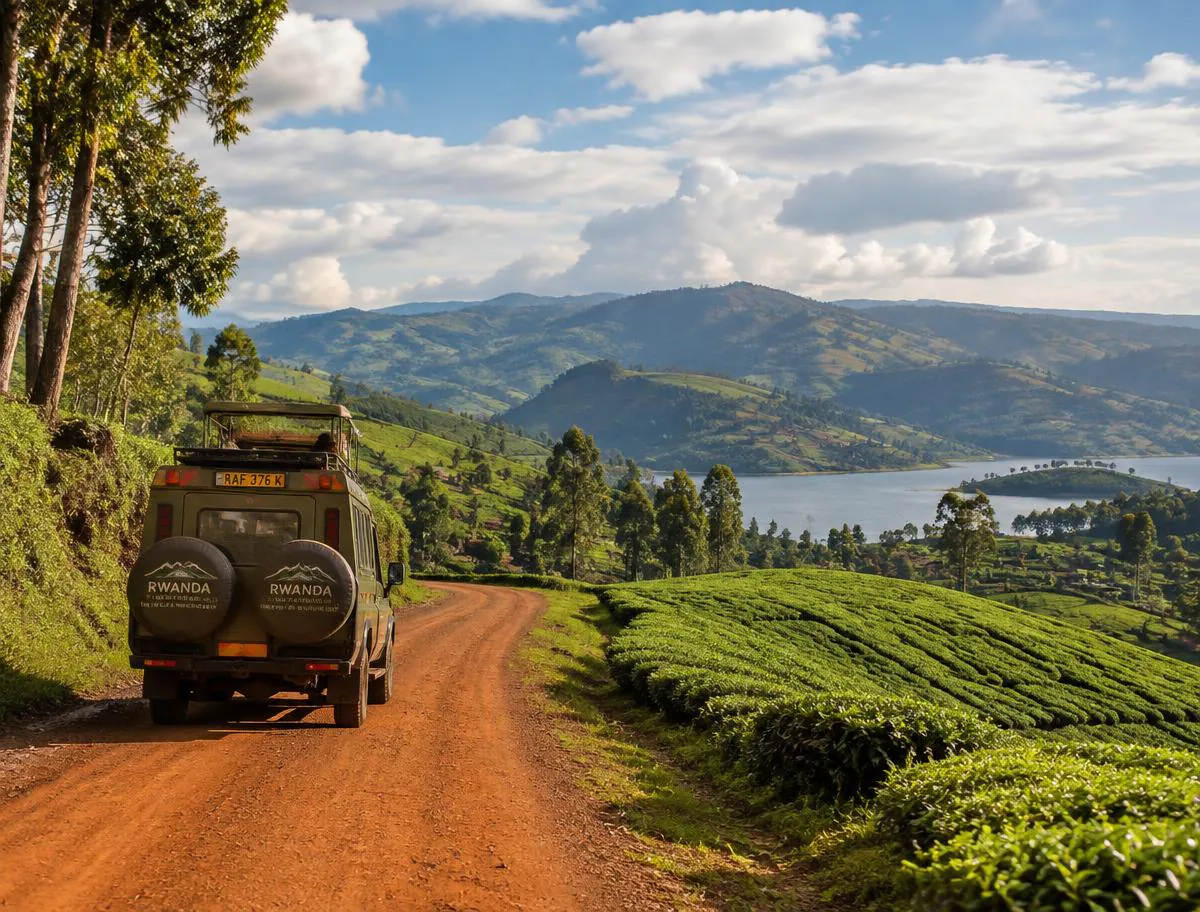
This matrix maps what each Rwandan environment typically demands, so a single packing list can flex across a multi-region trip instead of being written for one place.
| Ecosystem | Clothing emphasis | Footwear | Extras to prioritise |
|---|---|---|---|
| Kigali (city) | Smart-casual layers, modest streetwear | Comfortable walking shoes | Light daypack, phone/camera for the memorial and city sites |
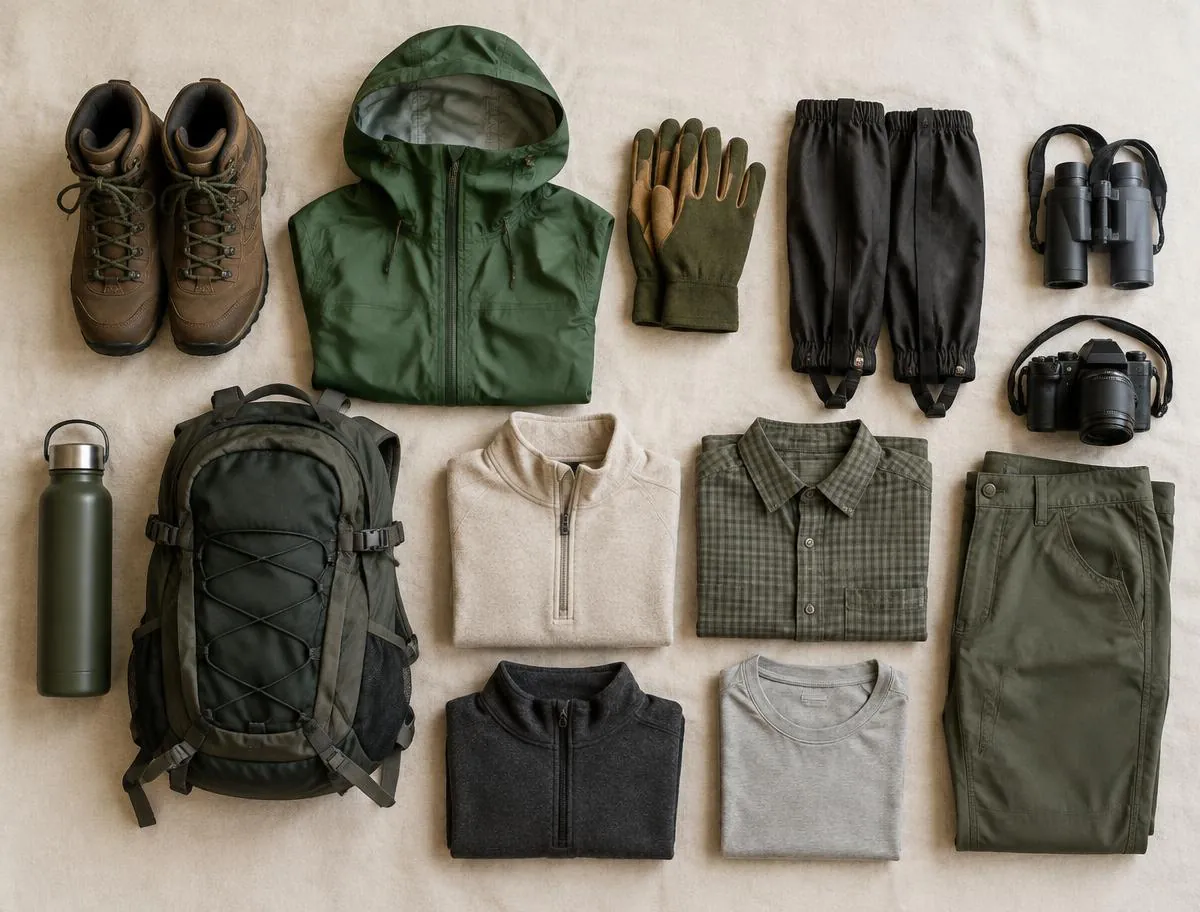
| Mountain forest (Volcanoes) | Warm layers, waterproof shell, long sleeves/trousers | Sturdy waterproof hiking boots | Gardening-style gloves, gaiters, rain cover for camera bag |
| Rainforest (Nyungwe) | Quick-dry layers, waterproof shell | Broken-in hiking shoes/boots with grip | Dry bags for electronics, insect protection |
| Savannah (Akagera) | Breathable, neutral-toned layers | Closed, comfortable shoes for game-drive stops | Sun hat, high-SPF sunscreen, binoculars |
| Lakeside (Kivu) | Light, breathable clothing, one smarter outfit | Sandals plus one closed shoe | Swimwear, light cover for sun and evening breeze |
Non-negotiables
Cross-environment essentials
A handful of items pull double duty across every region regardless of season — pack these first before adding ecosystem-specific extras.
Waterproof shell
Useful in mountain forest, rainforest and unpredictable savannah showers alike.
Layering system
Altitude zones can feel different enough to make a flexible layering system useful.
Broken-in closed footwear
Breaking boots in before a trekking day reduces avoidable discomfort.
Dry bags / waterproof pouches
Protect electronics and documents across forest and lake activities alike.
Reusable water bottle
Useful for every region and reduces single-use plastic on activity days.
Season adjustment
Adjusting the same list for wetter or drier travel dates
Rwanda's broad seasonal pattern (see the best time to visit Rwanda guide) means the same packing list needs different emphasis depending on travel dates rather than a wholly different kit. In broadly wetter months, prioritise a proper waterproof shell, gaiters and spare dry layers, and expect muddier forest trails regardless of the parks you visit.
In broadly drier months, prioritise sun protection, dust-resistant camera care and layers for cooler early mornings and evenings at altitude — daytime warmth does not remove the need for a jacket at a 07:00 briefing point.
Bag strategy
Luggage planning for a multi-region trip
Rwanda's domestic transfers are mostly by road, and vehicle and airline baggage constraints vary, so a soft-sided bag can be a practical option when a specific operator recommends it for the trekking regions.
A separate small daypack for each activity day (rain layer, water, snacks, camera) keeps the main bag packed at the lodge while you are out on a trek or game drive, and is worth carrying as hand luggage on the inbound flight in case checked luggage is delayed.
Feet first
Footwear across mountain, rainforest and savannah
Footwear is the single most consequential packing decision on a multi-region Rwanda trip. Mountain forest and rainforest trekking call for sturdy, broken-in, waterproof hiking boots with good ankle support and grip for mud and roots; savannah game drives are far less demanding and mainly need comfortable closed shoes for brief stops outside the vehicle.
Carrying one dedicated trekking boot and one lighter everyday shoe generally covers the whole trip without needing a third pair.
Layering logic
Building a layering system that works everywhere
A three-layer approach travels well across every Rwandan ecosystem: a moisture-wicking base layer, a warm mid layer for cool mountain mornings, and a waterproof outer shell for rain in any region. Neutral or muted colours are generally preferred for forest and savannah wildlife activities.
Long sleeves and trousers are a practical default in forest environments for comfort and scratch/insect protection, while breathable, lighter fabrics suit Kigali and Lake Kivu's warmer, lower-altitude conditions.
Gear beyond clothing
Equipment worth carrying across the trip
Binoculars earn their weight in Akagera and Nyungwe alike; a modest zoom lens or a good phone camera covers most trip photography without needing professional gear (see the photography safari guide for a dedicated photography-trip packing angle). A basic first-aid kit, insect repellent, and a universal power adapter round out the practical equipment list.
Ask the operator or accommodation whether cash is useful for planned tips or small purchases, rather than assuming card access everywhere, alongside standard travel documents — see the entry requirements guide for the document side of trip preparation.
Two different wardrobes in one bag
Packing for the city portion versus the park portion
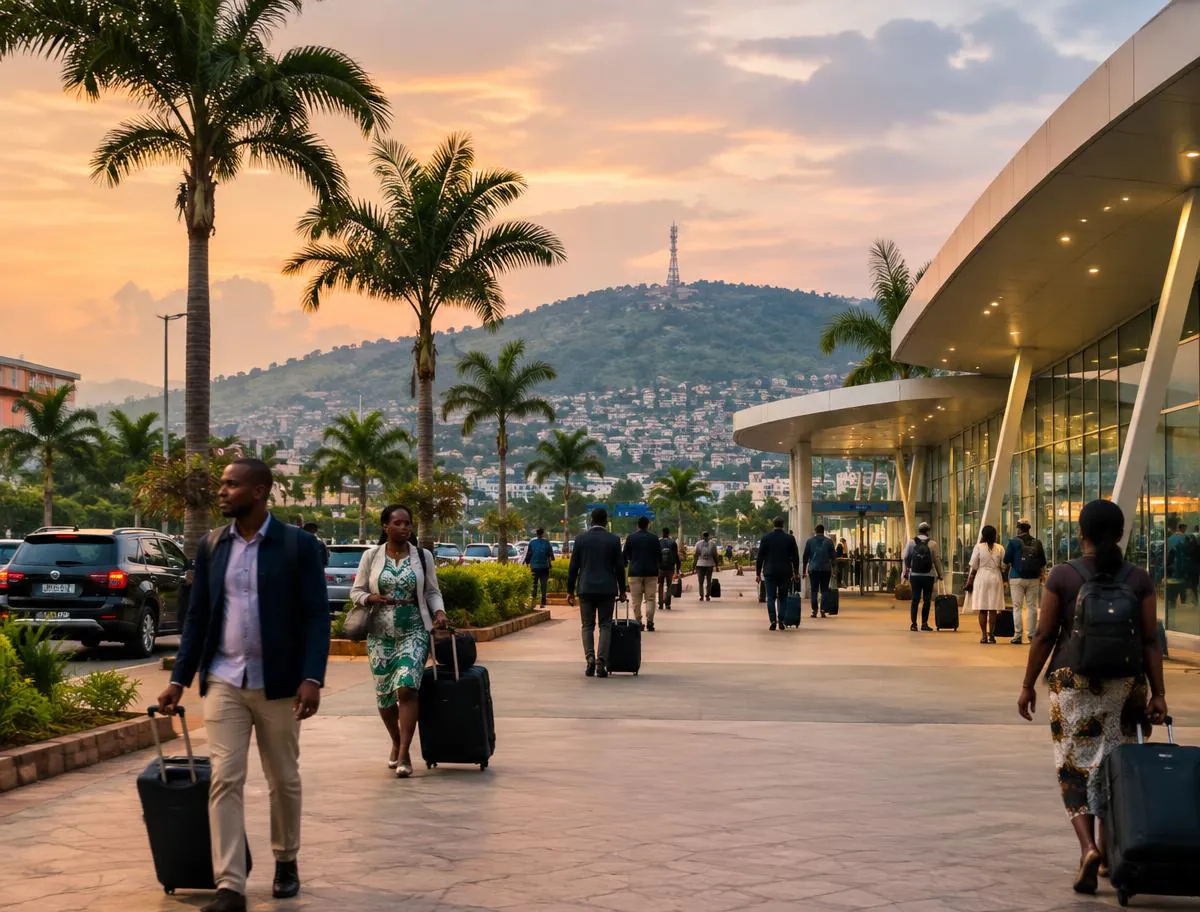
Kigali is a modern, walkable capital where smart-casual clothing works well for restaurants, museums and the Kigali Genocide Memorial, distinct from the technical trekking gear needed once you reach Volcanoes or Nyungwe. Many travellers keep one smarter outfit aside specifically for Kigali evenings and Lake Kivu, separate from the muddy, functional layers used in the forest.
Where the gorilla-specific list lives
How this connects to gorilla-trek-day packing
Gorilla trekking has its own detailed, activity-specific packing guidance — including permit paperwork, gardening gloves for nettles, and the specific minimum-age and reporting-time context — already covered inside the Rwanda gorilla trekking guide. This guide's mountain-forest row in the matrix above is the general layer beneath that; use both together rather than duplicating one inside the other.
Before you zip the bag
A practical packing sequence
The following Safari Soles planning sequence keeps documents, trekking kit and everyday items organised.
- 01Step 1
Sort travel documents first
Passport, visa confirmation, permit paperwork — see the entry requirements guide.
- 02Step 2
Pack the mountain-forest layer
Waterproof shell, warm mid layer, broken-in boots, gloves.
- 03Step 3
Add savannah and lake essentials
Sun protection, lighter clothing, swimwear if relevant.
- 04Step 4
Fit in Kigali smart-casual pieces
One or two outfits for city evenings and arrival/departure days.
- 05Step 5
Finish with electronics and a daypack
Camera, binoculars, dry bags, and a separate daypack for activity days.
Planning FAQ
Direct answers about packing for Rwanda
Is this the same as the gorilla trekking packing list?
No — this is the whole-trip packing system across every Rwandan environment; gorilla-trek-day specifics are covered in the gorilla trekking guide and are not repeated here.
Do I need different gear for Akagera than for Volcanoes?
Yes — Akagera's savannah calls for sun protection and light, breathable layers, while Volcanoes' mountain forest calls for warm, waterproof, muddy-trail gear.
How many pairs of shoes do I need?
Generally two: one sturdy, broken-in hiking boot for forest trekking, and one lighter, comfortable shoe for the city, lake and savannah stops.
Does the packing list change by season?
The core list stays similar; broadly wetter months increase the priority on waterproofing and spare layers, while broadly drier months increase the priority on sun protection.
What single item matters most across the whole trip?
A genuine waterproof shell — useful in mountain forest, rainforest and even unpredictable savannah or lakeside showers.
Should I pack a hard-shell suitcase?
A soft-sided bag can be practical, but confirm the operating airline, vehicle and accommodation baggage guidance for your itinerary.
What should I keep in my daypack on activity days?
Rain layer, water, snacks, camera or binoculars, and any permit paperwork for that day's activity.
Continue planning
Read the guide that owns your next question
Rwanda Gorilla Trekking
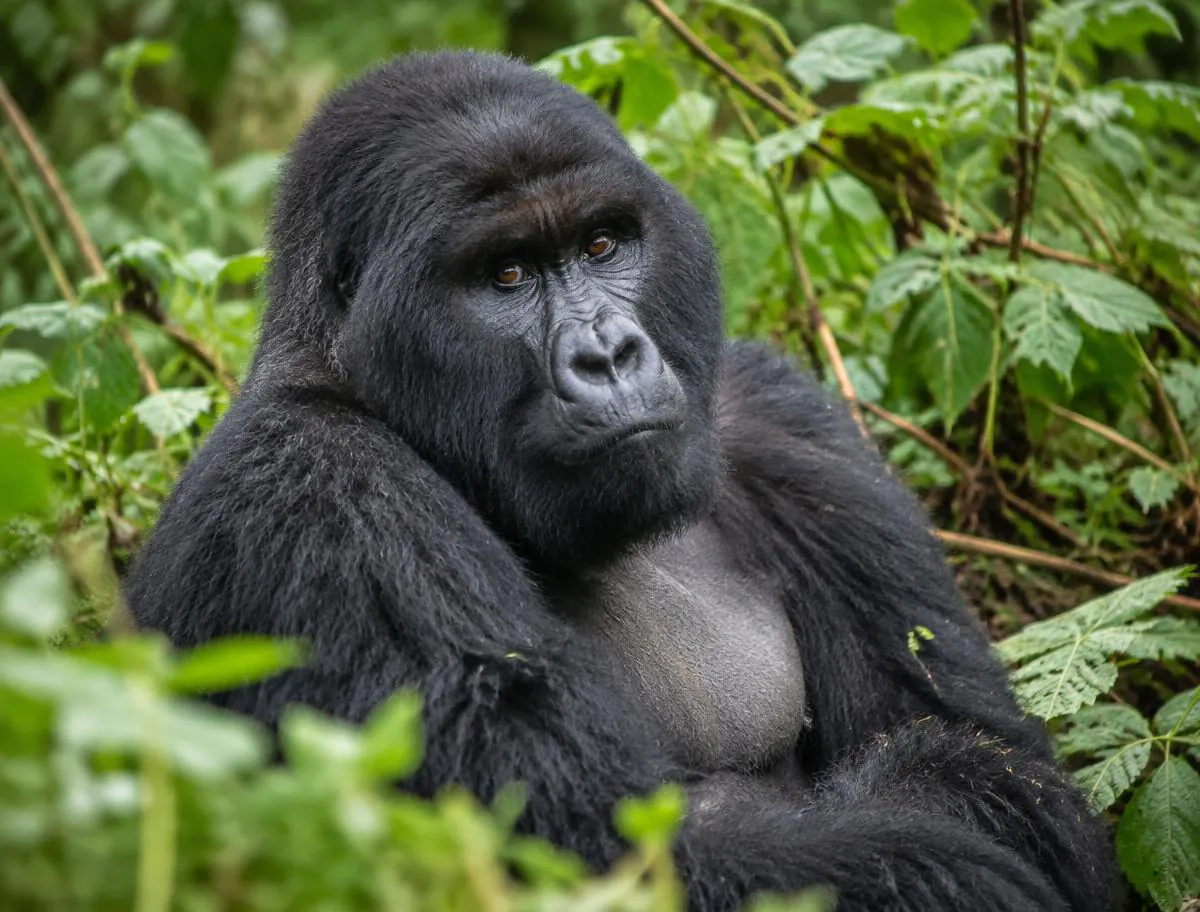
Read the gorilla-trek-day-specific packing and logistics detail.
Rwanda Itinerary Planning
See which regions your route actually covers before you pack for all of them.
Sources & verification
Official information behind this guide
Ecosystem and seasonal framing are checked against Visit Rwanda and official park sources; this guide avoids duplicating the gorilla-trek-day packing specifics already published elsewhere on the site.
- Visit Rwanda — Weather Official seasonal context used to calibrate packing emphasis
- Visit Rwanda — Volcanoes National Park Official mountain-forest destination and terrain context
- African Parks — Akagera National Park Official savannah park habitat context
- UNESCO World Heritage Centre — Nyungwe-Kivu Landscape Official rainforest habitat context
- Rwanda Development Board — Entering Rwanda Official trip-preparation reference
Pack with confidence
Turn this system into your own checklist.
Match the ecosystem matrix to your actual route and season, then confirm any activity-specific gear with your planner.