


Fixed-date sequencing guide
Rwanda Gorillas and Serengeti: Sequencing a Fixed Date
How to sequence flights, Serengeti regions and buffer days around one fixed, dated gorilla trekking permit — without rushing either experience.
AnchorFixed gorilla permit date
ConnectionAir via Kilimanjaro/Arusha
Min. Serengeti days3
Key riskSame-day connections
A sequencing problem
Why this is a scheduling puzzle, not a route choice
This guide owns a narrower problem than the broad Rwanda-and-Tanzania combination question: once a specific gorilla permit date is booked, how do you sequence flights and Serengeti days around that fixed point without rushing either experience? A gorilla permit is dated, non-transferable in practice, and tied to a 07:00 report; everything else in the trip must flex around it, not the reverse.
The broad question of whether and how to combine the two countries — route logic, what each contributes, general flight patterns — is covered in the dedicated Rwanda and Tanzania Safari guide. This page assumes that decision is already made and focuses on the calendar: which date the trek falls on, how many buffer days surround it, and how Serengeti region and season choices interact with that fixed date.
The anchor
Treat the gorilla trekking date as immovable
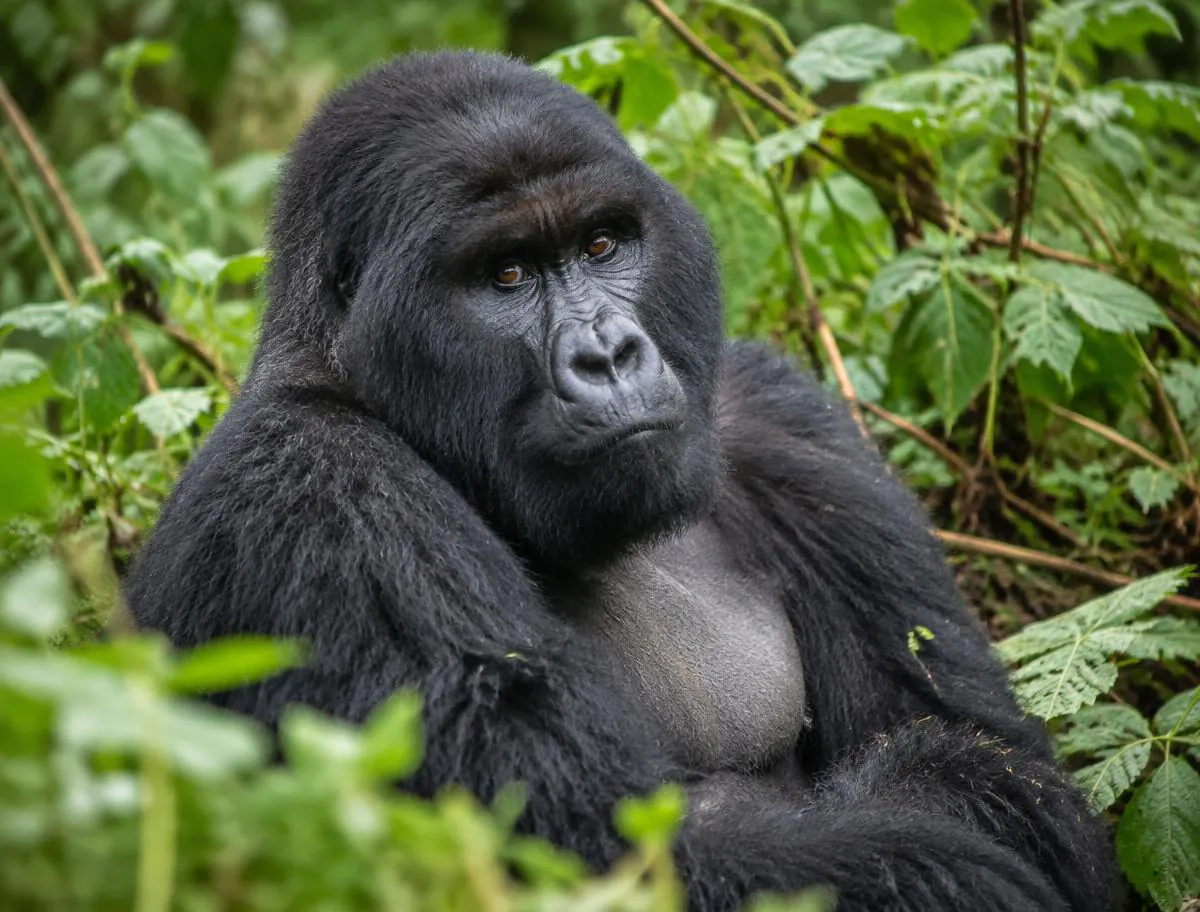
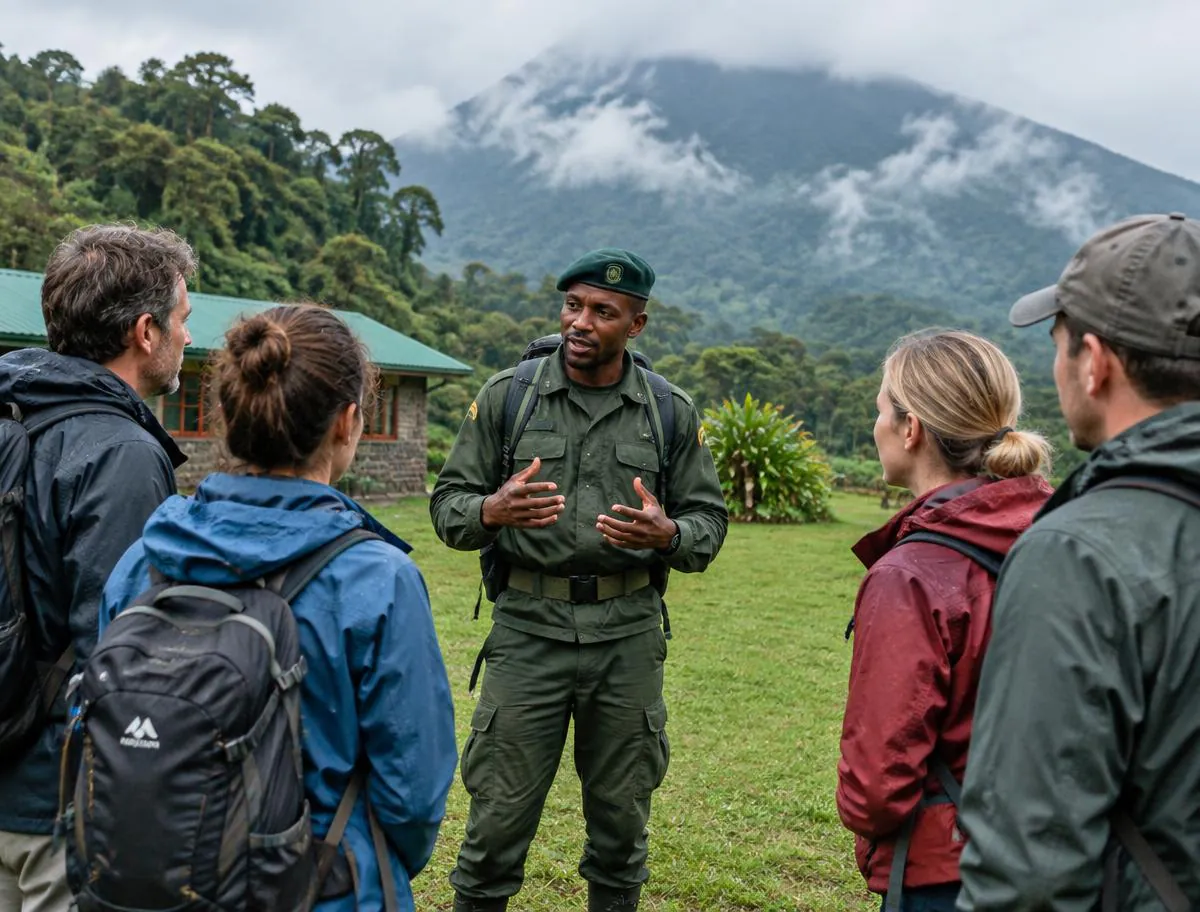
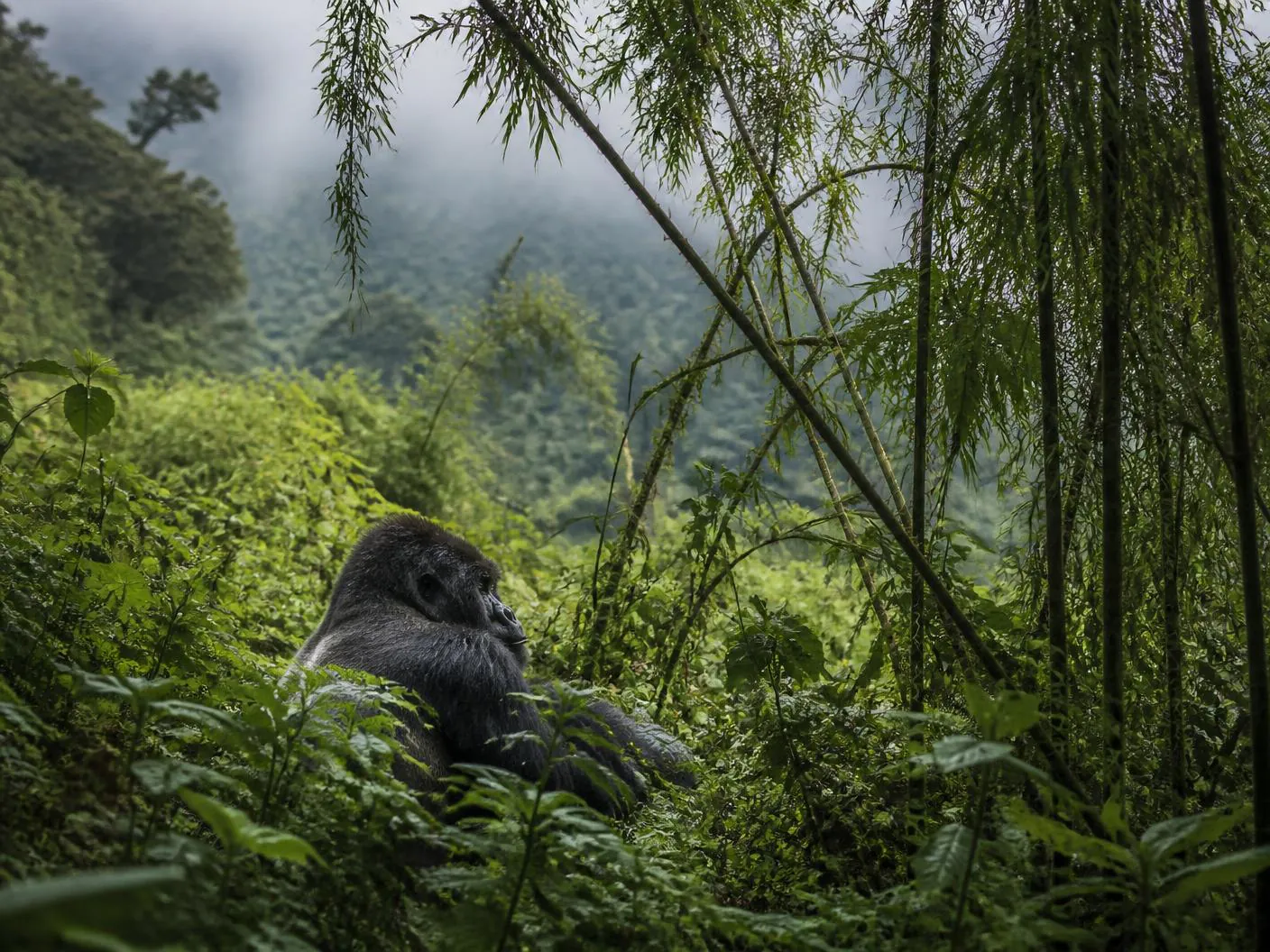
Book the gorilla permit for a specific calendar date through the current RDB process (opens in a new tab), then work outward from it in both directions. Arrive in Rwanda at least one night before the trek to protect the 07:00 report (opens in a new tab) from flight delay, and avoid scheduling any onward international flight on the same day as the trek itself, since forest finish times vary with where the gorilla family is located that morning.
Once the trek date is fixed, calculate the earliest realistic day you could fly out of Rwanda toward Tanzania, and treat that as the true start of the Tanzania segment — not the day you hope to arrive at camp with time for an afternoon drive.
Signature planning tool
A fixed-date sequencing calendar
The timeline below is an illustrative planning shape, not a fixed itinerary, showing how days stack around one booked gorilla trekking date.
- Day 1
Arrive Kigali
Land, rest, and confirm the trekking briefing location for the following morning.
- Day 2
Gorilla trekking (fixed permit date)
07:00 report; treat the rest of the day as unscheduled to absorb variable finish time.
- Day 3
Buffer / transfer day
Travel to Kigali airport and fly toward northern Tanzania; do not schedule a same-day Serengeti activity.
- Day 4
Arrive northern Tanzania
Transfer or fly onward to the chosen Serengeti region; first game drive if timing allows.
- Days 5–7
Serengeti days
Full days in the region chosen for the current season; move regions only if the itinerary allows extra transfer time.
- Final day
Depart
Build a buffer before any international connection rather than a same-day dash.
Kigali to the Serengeti
Flights and routing between the two
Overland travel is possible but long; air can be more time-efficient for this specific two-stop itinerary. RwandAir currently lists Kigali to Kilimanjaro (JRO) (opens in a new tab); confirm the operating pattern directly with the airline close to the trip date rather than assuming a fixed daily service.
Because the gorilla trek date is fixed and non-negotiable, do not book the cheapest available onward flight if it lands too late in the day to reach the first Serengeti camp before dark. A slightly more expensive earlier connection, or an extra overnight in Kigali or Arusha, protects the whole sequence.
| Leg | Typical mode | Sequencing risk |
|---|---|---|
| Kigali airport, post-trek | Domestic/regional transfer | Trek finish time is not a fixed appointment |
| Kigali to Kilimanjaro/Arusha | Air, via hub or seasonal direct service | Schedule changes; confirm close to travel date |
| Arusha/Kilimanjaro to Serengeti | Light aircraft between airstrips | Which airstrip serves the intended Serengeti region |
Region and season
Serengeti regions and season considerations
The Serengeti ecosystem is not one uniform landscape. Central Serengeti (Seronera) has permanent water and strong year-round wildlife viewing. Northern Serengeti sees river-crossing activity roughly July to October. The western corridor and southern/eastern plains (including the Ndutu area) see different seasonal concentrations tied to rainfall and grass growth, broadly across the approximately December–June, varying with rainfall and herd movement period.
TANAPA's own guidance (opens in a new tab) frames the broad dry season (roughly June–October) as the strongest general period for wildlife visibility, with January–February highlighted for calving-season activity. Because the migration follows rainfall rather than a fixed calendar, treat any specific month-by-region claim as a general seasonal tendency, not a guarantee, and choose the Serengeti region that matches the fixed gorilla-trek month rather than an idealised month elsewhere on the calendar.
| Region | Broad seasonal association | Plan around |
|---|---|---|
| Seronera / Central | Permanent water, year-round wildlife | A safe default if the trek date falls outside a peak migration window |
| Northern Serengeti (Kogatende) | River-crossing activity, broadly approximately July–October, varying with rainfall and herd movement | Whether the fixed trek date leaves enough Tanzania days in this window |
| Southern/Eastern plains (Ndutu) | Calving-season activity, broadly December–March | Overlap with the trek date and total trip length |
| Western corridor | Transitional movement, broadly April–June | Often quieter and less costly, but less predictable wildlife concentration |
Splitting the days
How to allocate time once the date is fixed
With the trek date fixed, decide how many full Serengeti days remain given total trip length and flight buffers. Three full days is a reasonable minimum to see meaningful variety across one region; fewer than that risks a Serengeti visit that feels like a single long game drive rather than a real safari segment.
If Ngorongoro Crater is added, treat it as a near-full extra day given drive times from the Serengeti, and sequence it either immediately before or after the Serengeti block rather than in the middle of it, to avoid backtracking.
Minimum: 3 Serengeti days
A reasonable floor once flight and buffer days around the fixed trek date are subtracted.
Add Ngorongoro as a near-full day
Sequence it at one end of the Serengeti block, not the middle.
Do not compress below 3 days
Fewer days risks reducing the Serengeti to a single long drive.
Protecting the sequence
Where buffer days matter most
Two points in this itinerary carry the highest risk of a cascading delay: the day immediately after gorilla trekking (when the flight to Tanzania is booked), and the final international departure. Both deserve a buffer rather than a same-day tight connection.
A buffer day does not have to be unstructured. In Rwanda it can be a relaxed Lake Kivu stop or a second, lower-key activity; in Tanzania it can simply be an extra game drive. The point is that the day exists as slack, not that it goes unused.
The core risk
Avoiding a rushed sequence
The major planning risk mode in this exact trip is compressing both experiences to fit a fixed total holiday length, rather than adjusting total length to fit both experiences properly. A rushed sequence typically shows up as a same-day trek-to-flight dash, a single-night Serengeti stop, or a Ngorongoro visit squeezed into a half-day that is mostly driving.
If total available time is short, it is better to reduce Serengeti days to the three-day floor described above and keep buffers intact, than to keep more Serengeti days and remove the buffers that protect the fixed gorilla trek date.
Who needs this guide
Who this specific planning problem applies to
This guide is for travellers who have already decided to combine Rwanda and Tanzania and now need to fit a dated, inflexible gorilla permit into a working calendar with flights and Serengeti days. It assumes the broader 'should I combine these two countries' decision is settled.
If that broader decision is still open, start with the Rwanda Safari Guides library or the Rwanda and Tanzania Safari guide, which covers why to combine the countries, what each contributes, and general route and flight logic, before returning here to build the actual date-by-date sequence.
Worked illustration
A worked planning example
Illustrative example: a traveller secures a gorilla trekking slot for a Tuesday. They arrive in Kigali on Sunday, use Monday to rest and reconfirm the briefing location, trek Tuesday morning, and treat Tuesday afternoon and evening as unscheduled. They fly to Kilimanjaro on Wednesday morning, transfer to a Central Serengeti camp by early afternoon, and spend Thursday through Saturday on game drives before a Sunday buffer and Monday international departure.
This shape uses one buffer day after the trek and one before departure — the two highest-risk points identified above — while still allowing three full Serengeti days. It is a planning shape, not a fixed template; adjust it to the traveller's own permit date and total trip length.
Planning FAQ
Direct answers about sequencing gorillas and the Serengeti
Is this the same as the Rwanda and Tanzania combination guide?
No. This guide covers sequencing around one fixed gorilla permit date; the broad decision to combine the countries is covered separately.
Why treat the gorilla date as fixed?
Permits are dated and tied to a 07:00 report; the rest of the trip can flex, but the trek date effectively cannot.
How do I get from Rwanda to the Serengeti?
By air, typically via Kilimanjaro or Arusha; confirm current routing and schedules close to travel.
How many Serengeti days do I need?
A reasonable floor is three full days once flight and buffer days are subtracted.
Where should buffer days go?
Immediately after the gorilla trek and immediately before the final international departure.
Does the Serengeti region matter for timing?
Yes; different regions see different seasonal wildlife concentrations, so match the region to the month the fixed trek date falls in.
What is the most common mistake?
Booking a same-day flight after trekking or a same-day departure after the last game drive, leaving no margin for delay.
Continue planning
Read the guide that owns your next question
Rwanda and Tanzania Safari
Start here if the broad two-country decision is not yet made.
Sources & verification
Official information behind this guide
TANAPA is the authority for Serengeti region and seasonal facts; RDB and Visit Rwanda are the authority for the fixed gorilla trekking date and process. No fixed flight schedule is invented; confirm current routing directly.
- TANAPA — Serengeti National Park Official Serengeti seasonal and wildlife context
- TANAPA — official site Official Tanzania national parks authority
- Visit Rwanda — Gorilla tracking itinerary Official Rwanda trekking-day context
- RDB portal Current permit booking process
- RwandAir — Kigali to Kilimanjaro Current KGL–JRO route existence; schedules remain subject to change
Sequence the trip correctly
Build the Serengeti days around your fixed gorilla trekking date.
Protect buffer days after trekking and before final departure so one delay does not cascade through the whole trip.