


Rwanda trip planning
Best Time to Visit Rwanda: A Month-by-Month Planning Guide
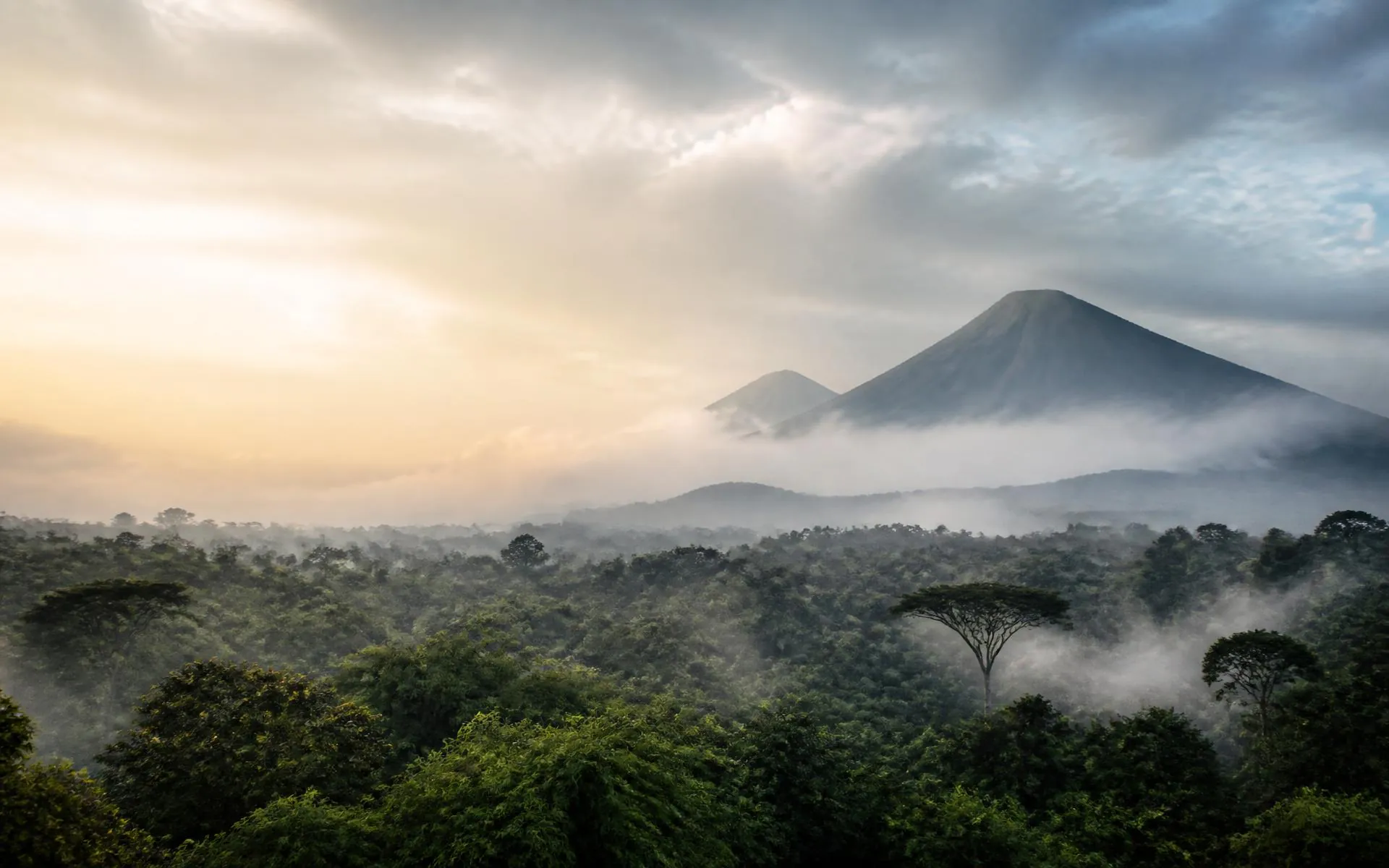
Rwanda's climate, as described in Visit Rwanda's official weather summary, includes two broad rainy periods and one principal dry season. This guide explains the country-wide pattern and what it means for mountain forest, savannah, rainforest, lake and photography planning — without naming one universal best month.
Drier tendencyJun–mid-Sep
Wetter tendencyMid-Feb–May
RainforestWet most months
Universal 'best month'None
Country-wide timing
What 'best time' actually means in Rwanda
Rwanda has a tropical highland climate shaped by altitude rather than a single wet/dry switch. Visit Rwanda's current weather summary (opens in a new tab) identifies two rainy periods and one principal dry season from June to mid-September, and it does not vary sharply by region because the country is compact — but forest, savannah and lake environments still respond differently to the same rainfall.
This guide is the country-level seasonality reference for the whole trip: how rain tendencies shift month to month, how that plays out differently in mountain forest, rainforest, savannah and lake settings, and how demand and pricing pressure move alongside the weather. It does not repeat the gorilla-trekking, golden-monkey or chimpanzee product detail — those guides own their own activity-specific planning.
There is no single universal 'best month' claim in this guide. The honest answer is that the right month depends on which activities anchor the trip, tolerance for rain and mud, and appetite for quieter or busier periods.
The rhythm
Rwanda's broad rainfall pattern
Visit Rwanda identifies the dry season as June to mid-September and the two rainy periods as roughly mid-September to mid-December and mid-February to May. Treat these as tendencies, not fixed calendar switches — transitional weeks in any direction can behave like the season either side of them.
Rainfall varies within every season, so a monthly label cannot predict a particular morning. Plan for showers and changing trail conditions in any month rather than assuming a wet-period day will be continuously rainy.
Because this pattern applies broadly across the country, it is the shared backbone for planning gorilla trekking, golden monkey tracking, chimpanzee trekking, Akagera game drives and Lake Kivu time. Each of those activities responds to the same rain differently, which is why the month-by-month band below separates the effects out.
Signature planning tool
Month-by-month planning band
The table below is a Safari Soles planning interpretation, not an official classification or forecast. Use it to see how the same broad rainfall pattern plays out differently across mountain-forest primate activities, savannah game viewing, photography conditions and traveller demand.
Read it as relative tendency across a year, not as a guarantee for a specific date. Even in the wettest-tending months, dry mornings and good trekking days occur; even in the driest-tending months, unexpected rain can appear.
| Planning view | Jan | Feb | Mar | Apr | May | Jun | Jul | Aug | Sep | Oct | Nov | Dec |
|---|---|---|---|---|---|---|---|---|---|---|---|---|
| Rainfall tendency | Drier | Mixed | Rainier | Rainier | Rainier | Drier | Drier | Drier | Mixed | Rainier | Rainier | Mixed |
| Mountain forest trails (gorillas/golden monkeys) | Firmer | Variable | Muddier | Muddier | Muddier | Firmer | Firmer | Firmer | Variable | Muddier | Muddier | Variable |
| Savannah game viewing (Akagera) | Good, greener | Good | Thicker cover | Thicker cover | Thicker cover | Good, open | Good, open | Good, open | Good | Thicker cover | Thicker cover | Good |
| Photography light | Variable skies | Variable | Soft, moody | Soft, moody | Soft, moody | Clear, dusty haze possible | Clear | Clear | Variable | Soft, moody | Soft, moody | Variable |
| Demand & planning pressure | High (holidays) | Moderate | Lower | Lower | Lower | High | High | High | Moderate | Lower | Lower | High (holidays) |
Drier tendencyMixedRainier tendency
Trade-offs by priority
How the same month suits different priorities
A month that suits one traveller can frustrate another. The matrix below reframes the same seasonal pattern around common trip priorities rather than a single verdict.
| Priority | Broadly drier months | Broadly wetter months |
|---|---|---|
| Firmer forest trails | Favoured, but never guaranteed dry | Expect mud and slower pace |
| Fewer other travellers | Quiet shoulder days still exist inside drier months | Generally quieter overall, especially Mar-May |
| Lush green photography | Drier haze and dust possible | Deeper greens and dramatic skies |
| Savannah visibility | Open, sparser vegetation | Thicker grass can hide game |
| Booking flexibility | Book gorilla permits well ahead | More permit and lodge flexibility |
Mountain forest
Implication for gorilla and golden monkey planning
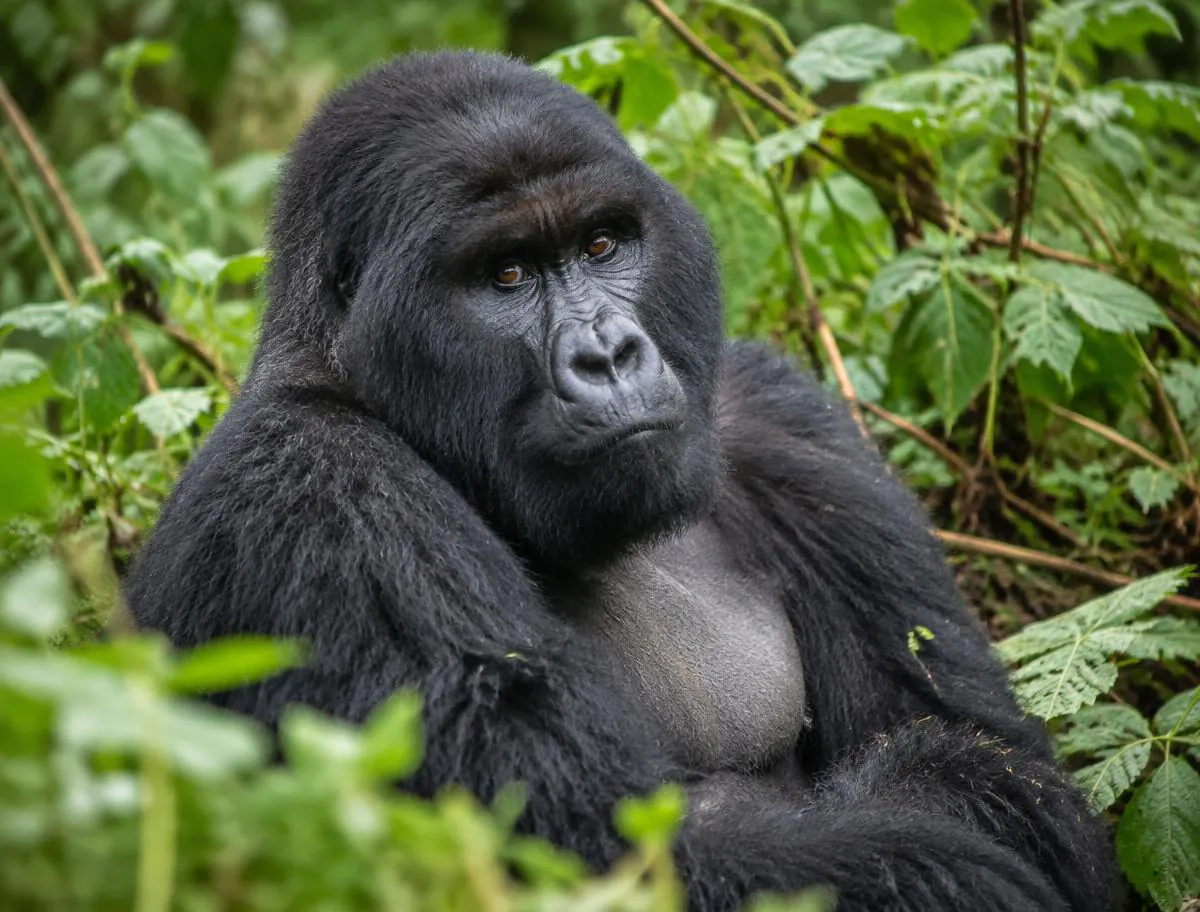
Volcanoes National Park sits at altitude and stays wet year-round; broadly drier months can mean firmer approach trails, while broadly wetter months bring mud and heavier rain gear needs regardless of which month is chosen. This guide only summarizes the seasonal implication — permit pricing, minimum ages and reporting rules belong to the dedicated gorilla permit and golden monkey trekking guides.
If gorillas or golden monkeys anchor the trip, dates are usually set by permit availability first and season second. Rwanda's mountain forest habitat means there is no month with a guaranteed dry, easy trail.
Savannah
Implication for Akagera and open-landscape game viewing
Akagera's savannah and woodland habitat responds to seasonality differently from the mountain forests. For Akagera, the month band below is Safari Soles planning guidance rather than an official sighting forecast. Wetter conditions can change vegetation and road conditions; current wildlife movement remains variable.
Roads within a savannah park can also be more comfortable to drive in a drier period, though this guide does not publish specific road-condition claims — check current park guidance close to travel.
Rainforest
Implication for Nyungwe and chimpanzee tracking
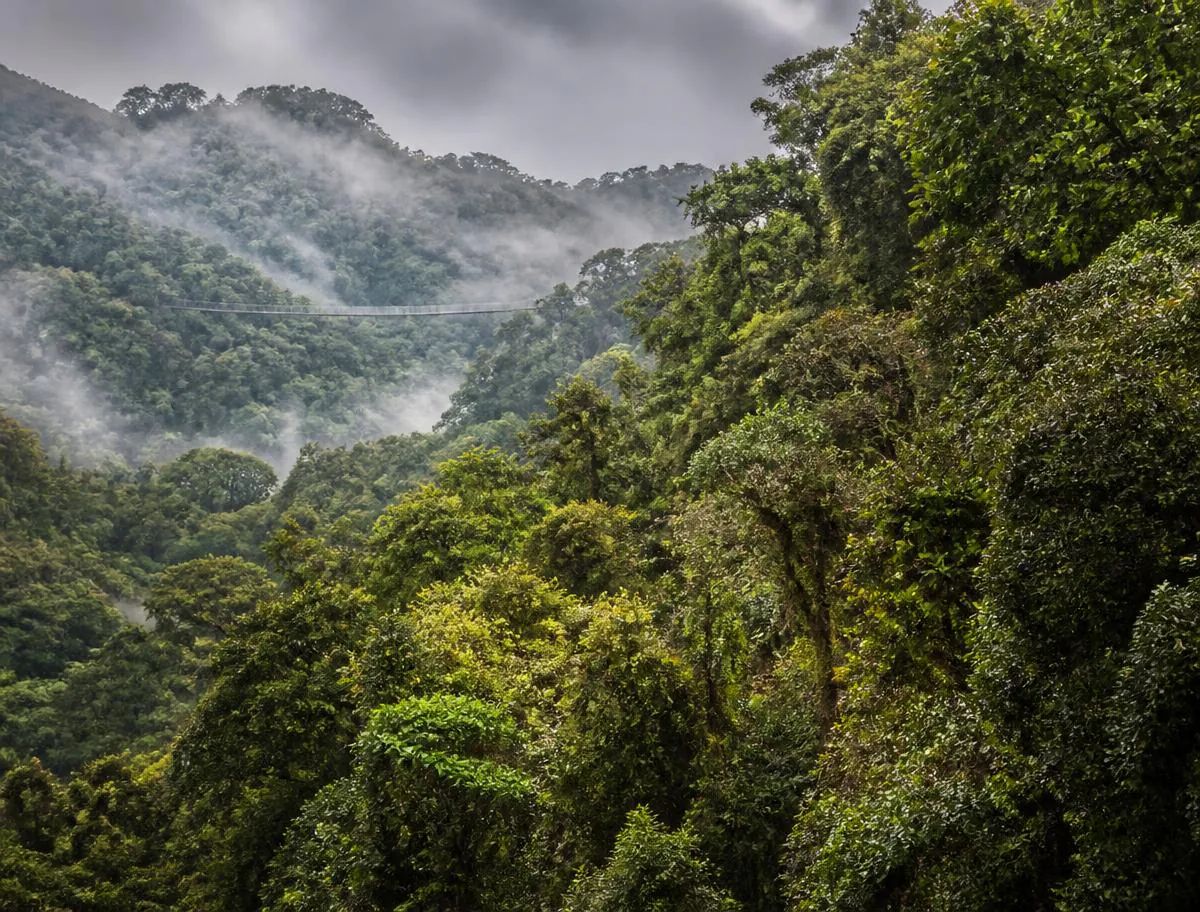
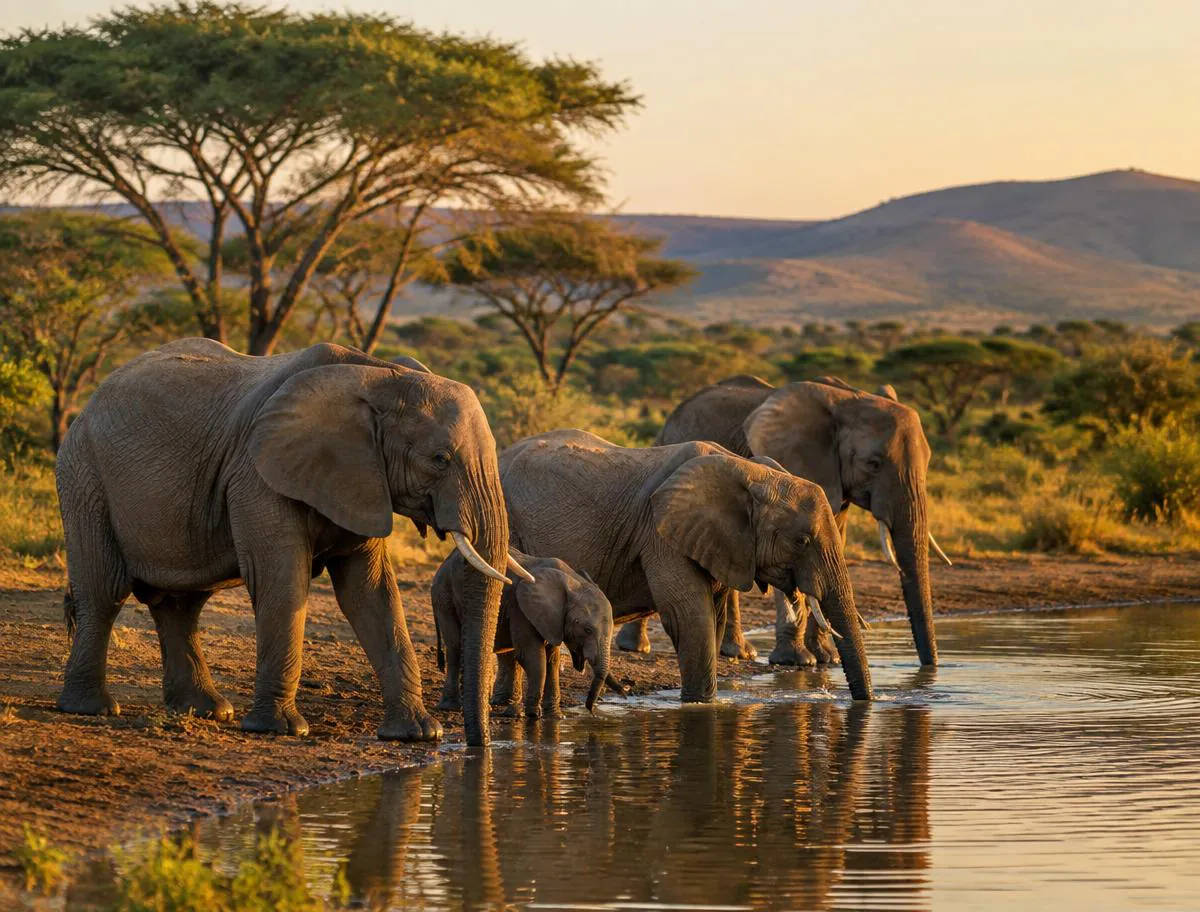
Nyungwe is a montane rainforest and receives rain in most months by nature; it is one of the wetter environments in the country even during the country's broader drier season. Chimpanzee tracking and canopy-walk planning should treat rain gear as a year-round requirement rather than a seasonal option.
Because rainforest canopy softens direct sun, photography conditions there are less dependent on 'clear sky' months than savannah or lake settings — diffused forest light is common regardless of season.
Lake Kivu
Implication for lake and lower-altitude time
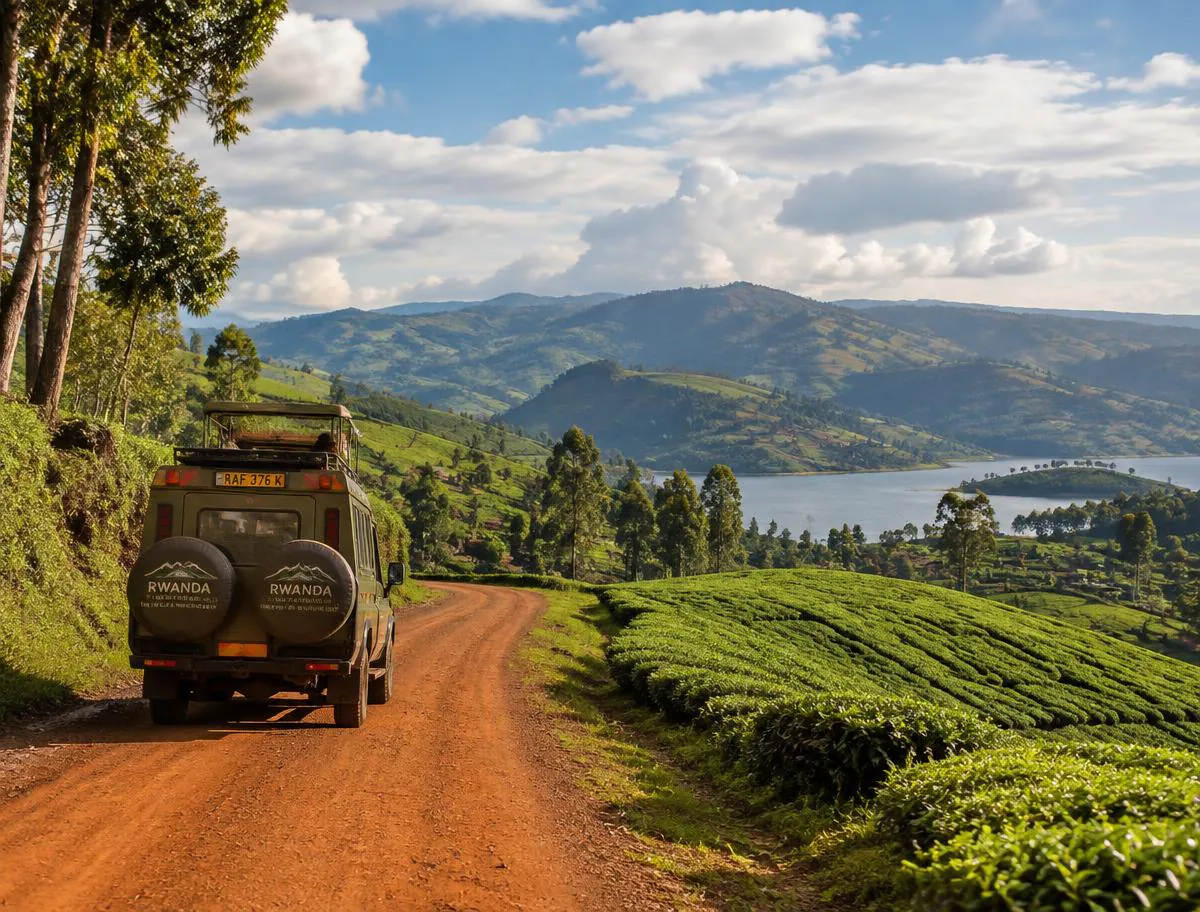
Lake Kivu sits at a lower altitude than the mountain parks and tends to feel warmer and more temperate through the year. It is often used as a relaxed pause between more active days, and its milder microclimate makes it a comfortable stop across most of the calendar, though tropical rain showers can still occur.
Light and colour
Photography implications across the year
Broadly drier months can bring clearer skies and, at times, dust haze that softens distant contrast, especially over savannah. Broadly wetter months bring deeper greens, dramatic cloud and rain-washed clarity between showers, along with the practical challenge of protecting equipment.
For a photography-focused trip prioritising forest colour and atmospheric light, wetter shoulder weeks can be rewarding. For photographers prioritising open skies and long sightlines over savannah, drier months are generally easier to plan around.
Crowds and cost pressure
Demand and planning pressure move with the weather
Permit and lodge availability varies by date and is not published as a reliable month-by-month demand series. Check live availability for your dates and book fixed activities before building the rest of the route.
This is a planning-pressure pattern, not a guarantee of price movement on any single verified figure — for numbers, use the dedicated cost guides rather than this seasonality guide.
Not one climate
Regional differences worth remembering
Altitude drives most of the regional variation across the wider Rwanda safari picture: the Virunga volcanic highlands and Nyungwe's rainforest ridge are cooler and wetter than Akagera's lower eastern savannah and Lake Kivu's lakeside basin. A single itinerary can cross all of these zones in a week, so packing and expectations should flex by region rather than by a single national forecast.
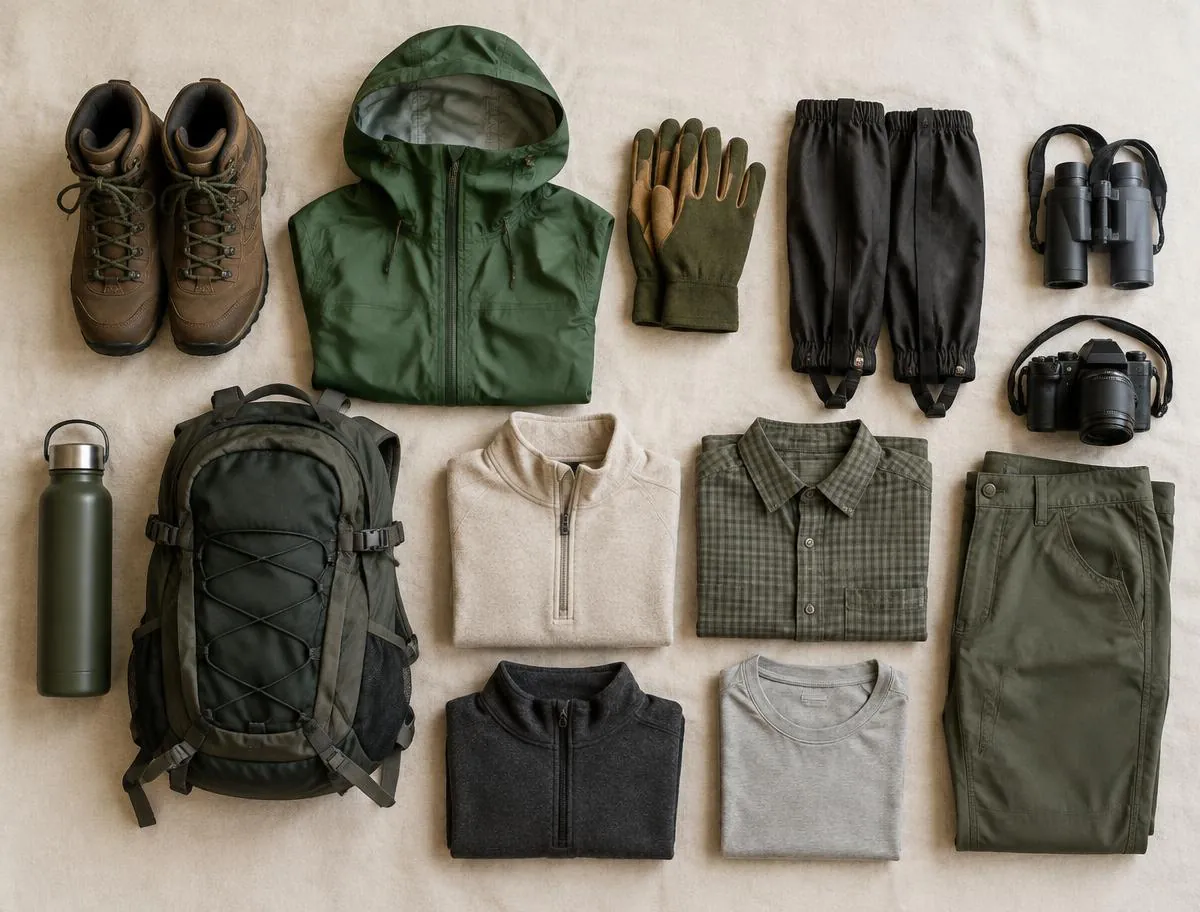
Treat this guide as the shared seasonality layer beneath a itinerary; use the Rwanda itinerary guide for how many days and in what order, and the packing list for what to actually carry through each zone.
Decision approach
How to choose dates without a single 'best month'
Start with the anchor activity: if gorilla or golden-monkey permits are the priority, secure the date first and plan around whatever season it falls in. If the trip is savannah- or lake-led, weigh visibility and comfort against the appeal of quieter, greener wetter-season travel.
Then check family trip or personal constraints — school holidays, budget flexibility and rain tolerance — against the demand pattern above. Finally, build in buffer time rather than assuming a fixed departure right after a forest or game-drive morning, since weather can affect timing in any month.
Permit-led trip
Book the fixed date first; treat season as a packing and expectation input, not a veto.
Savannah-led trip
Favour broadly drier months for visibility if flexible; wetter months bring lush scenery and quieter parks.
Photography-led trip
Choose season by subject: open skies favour drier months, forest colour favours wetter ones.
Budget/quiet-seeking trip
Shoulder weeks inside wetter-tending months often bring more availability.
Planning FAQ
Direct answers about Rwanda's seasons
What is the best month to visit Rwanda?
There is no single universal best month. Choose based on your anchor activity, rain tolerance and demand preference — see the month-by-month band above.
Is there a true dry season in Rwanda?
Visit Rwanda identifies June to mid-September as the principal dry season and two rainy periods; rain can still occur outside those windows, especially in rainforest zones.
When is gorilla trekking easiest?
The principal June–mid-September dry season can offer firmer trails, but permit availability usually decides the date first — see the gorilla trekking guide.
When is Akagera best for game viewing?
Season can affect vegetation and road conditions in Akagera, but wildlife location and sightings remain variable; check current park guidance.
Does Nyungwe have a dry season?
Nyungwe is a rainforest and stays comparatively wet through most months, even during the country's broader drier season.
When is Rwanda busiest?
There is no official monthly demand series; check live permit and lodge availability for your exact dates.
Is the wet season worth visiting?
Yes for many travellers — quieter parks, lush scenery and often more permit flexibility, offset by mud and rain-gear needs.
Does weather vary much across Rwanda?
Yes by altitude: the Virunga highlands and Nyungwe are cooler and wetter than Akagera's savannah and Lake Kivu's lakeside basin.
Continue planning
Read the guide that owns your next question
Sources & verification
Official information behind this guide
Visit Rwanda's weather guidance and destination pages anchor the seasonal pattern here; African Parks and UNESCO context inform savannah and rainforest implications. No universal best month or specific price is asserted.
- Visit Rwanda — Weather Official country climate and seasonal pattern
- Visit Rwanda — Volcanoes National Park Mountain forest destination and habitat context
- African Parks — Akagera National Park Savannah park seasonal and habitat context
- UNESCO World Heritage Centre — Nyungwe-Kivu Landscape Official rainforest World Heritage context
- Rwanda Development Board — Entering Rwanda Official travel planning reference
Turn season into a route
Use the seasonal picture to build your itinerary, not the other way round.
Pick the anchor activity, weigh trail, visibility and demand trade-offs above, then sequence the trip with the itinerary guide.