


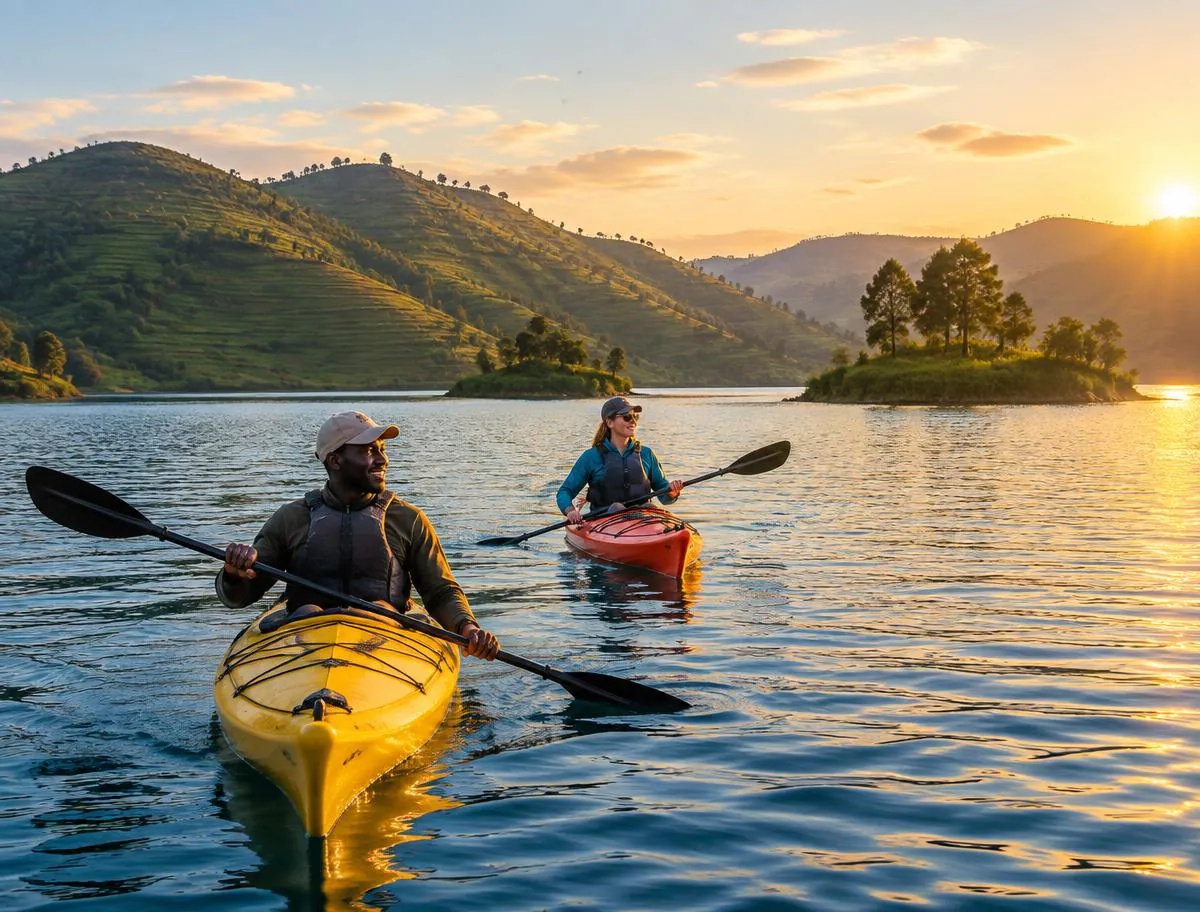
Two-country planning guide
Rwanda and Zanzibar: Forest to Beach
A planning framework for sequencing Rwanda's gorilla trekking with Zanzibar's Indian Ocean decompression: order, flight planning, trip length, packing and honeymoon fit.
Rwanda anchorGorilla trekking
Zanzibar roleBeach decompression
Minimum length8–9 nights
ConnectionAir via a Tanzanian hub
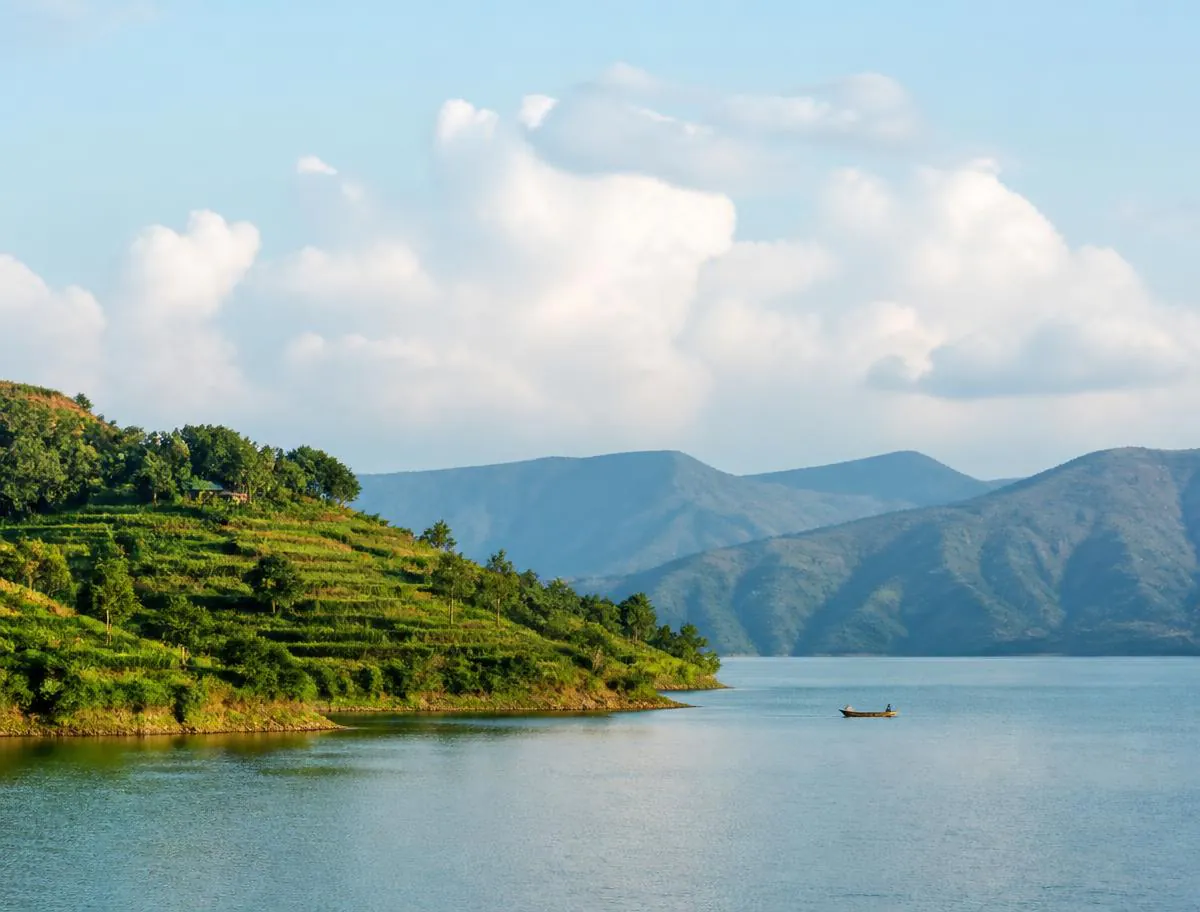
Forest, then ocean
Why travellers pair Rwanda's forests with Zanzibar's coast

Rwanda and Zanzibar sit at opposite ends of an East African trip in almost every sense: dense montane forest and volcanic highland against a warm, low-lying Indian Ocean island. Rwanda's product is active and time-boxed — gorilla trekking, golden monkeys, Nyungwe chimpanzee trekking — built around forest walks and a single regulated wildlife encounter. Zanzibar's product is restorative — beach time on the Zanzibar coast, warm ocean swimming, Stone Town's history and culture, and a general slowing of pace after an intensive wildlife segment.
This guide owns that specific forest-to-beach sequencing: Rwanda first, then Indian Ocean decompression, how the order and flight planning realistically work, how many total days the pairing needs, and who it suits, including honeymoon travellers. It does not repeat the broad Rwanda and Tanzania safari combination logic or the fixed-date gorillas and Serengeti sequencing calendar and involve a different, savannah-based second half of the trip.
Zanzibar itself is a Tanzanian archipelago, not part of Rwanda, and its beach and cultural offering is entirely distinct from Rwanda's Lake Kivu, which is an inland freshwater lake used mainly for calm-water relaxation, kayaking and lakeside stays rather than ocean beach holidays. Treat the two as separate destinations with separate character; do not describe Zanzibar in Lake Kivu terms or vice versa.
Two very different halves
What each destination adds to the trip
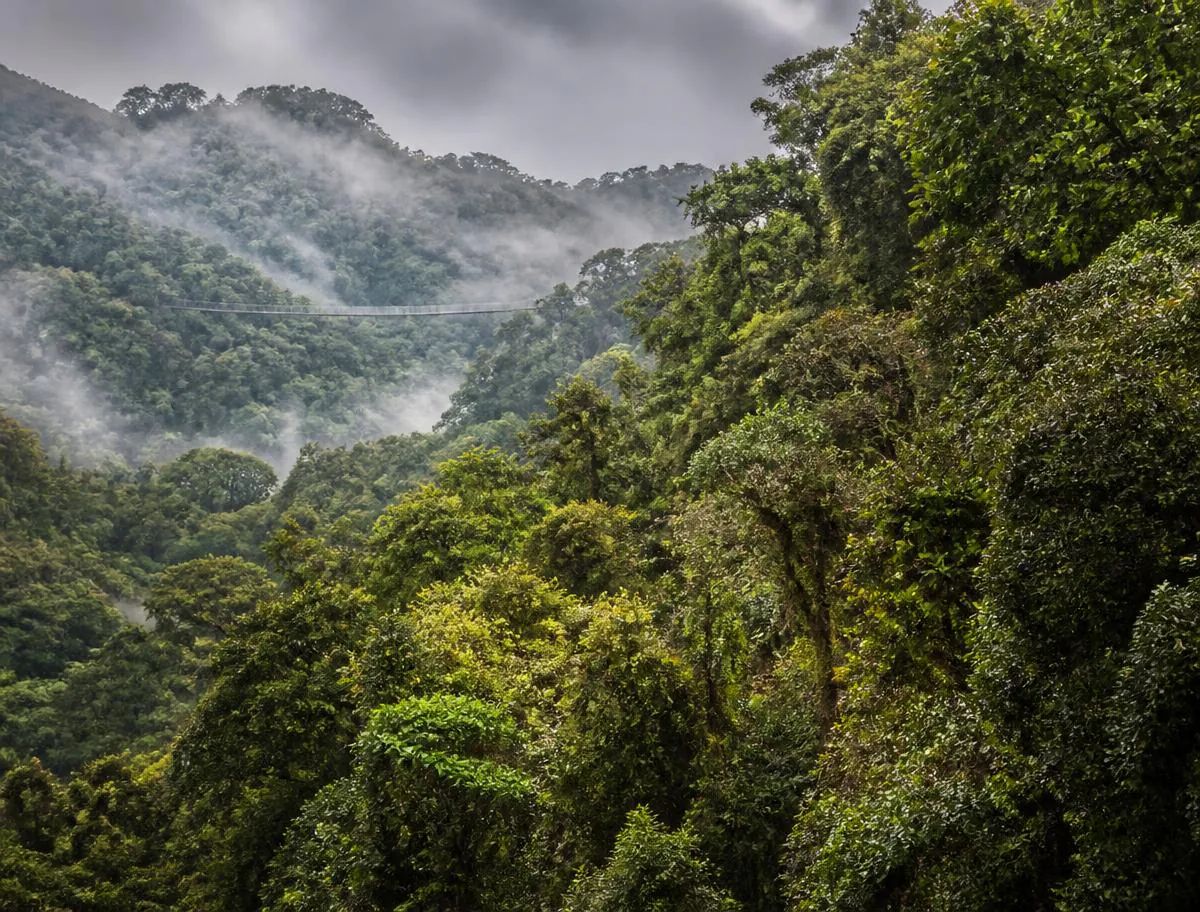
Rwanda contributes the trip's structured wildlife content: a permit-dated gorilla trek, optional golden monkey tracking, and Nyungwe's rainforest trails and chimpanzee trekking. It is physically active, weather-dependent on forest terrain, and runs on fixed reporting times and briefings.
Zanzibar contributes unstructured time: beach days, snorkelling or diving, a Stone Town visit, and a generally slower daily rhythm with far fewer fixed appointments than the Rwanda segment. It functions best as a deliberate decompression phase after Rwanda's forest walks and early starts, not as a second wildlife-viewing destination layered onto the same pace.
Because the two halves are so different in tempo, the value of this specific pairing lies partly in the contrast itself: an intensive, structured, cool-highland wildlife phase followed by an unstructured, warm, low-effort coastal phase, rather than two similar experiences stacked together.
Structured forest wildlife
- Gorilla trekking as the anchor, permit-dated and time-boxed
- Optional golden monkeys and Nyungwe chimpanzee trekking
- Cool highland climate and early-morning reporting times
- A physically active, briefing-led daily structure
Unstructured coastal decompression
- Beach time, swimming and water-based activity at your own pace
- Stone Town history and culture as an optional day
- Warm, humid, low-lying tropical island climate
- Minimal fixed appointments compared with the Rwanda segment
Signature planning tool
Forest-to-beach itinerary shapes
The shapes below are illustrative planning outlines, not fixed itineraries, showing how a Rwanda-then-Zanzibar trip typically scales as available time grows. In every shape, the gorilla permit date is booked first and treated as fixed; the Zanzibar segment is the flexible half that expands or contracts around it.
Compact forest-to-beach trip
- Arrive Kigali; rest and orientation
- Gorilla trekking in Volcanoes National Park
- Fly toward Zanzibar via a Tanzanian connection
- 3–4 nights on Zanzibar for beach and decompression
- Depart from Zanzibar
Illustrative route. Tight but workable if flight connections align with the trekking date.
Balanced two-phase trip
- Kigali arrival and gorilla trekking
- Optional Nyungwe chimpanzee trekking as a second Rwanda activity
- Fly toward Zanzibar via a Tanzanian connection
- 5–6 nights Zanzibar: beach days plus a Stone Town visit
- Depart from Zanzibar
Illustrative route. Adds a second Rwanda activity and a fuller, unhurried Zanzibar stay.
Extended trip with a Rwanda rest day
- Full Rwanda segment: gorillas, golden monkeys or Nyungwe, plus a Lake Kivu rest day before flying onward
- Fly toward Zanzibar via a Tanzanian connection
- 7+ nights Zanzibar across a beach stay and a Stone Town or spice-tour day
- Depart from Zanzibar
Illustrative route. A Lake Kivu day before departure is an inland, lake-based rest stop; it is not a substitute for the ocean segment and should not be confused with it.
Sequencing logic
Order and flow: why Rwanda usually comes first
Most itineraries place the gorilla trek at the start of the trip because the permit date is fixed and the forest walk is physically demanding; it is easier to protect an early fixed activity from travel fatigue than to protect one scheduled near the end of a long trip. Following the trek with beach time also works well physically: the decompression phase comes after the most demanding activity, not before it.
A traveller could reverse the order — Zanzibar first, then Rwanda — but this means starting the trip's most demanding, earliest-reporting activity after several days of a slower coastal pace, and it puts the harder logistics (the international departure) at the end rather than absorbing them early. Whichever order is chosen, keep the gorilla permit date as the fixed point that flights are built around, and avoid scheduling an international departure on the same day as either the trek or a final Zanzibar activity.
Getting between the two
Flight planning between Rwanda and Zanzibar
There is no land route in common tourist use between Rwanda and Zanzibar; the connection is by air. Regional carriers, including Rwanda's national carrier (opens in a new tab), operate flights connecting Kigali with Zanzibar, in some cases as part of a routing that continues to or from the Tanzanian mainland (for example via Dar es Salaam or a coastal hub). Airlines periodically launch, adjust or suspend specific regional routes, so confirm the current routing, weekly frequency and schedule directly with an airline or booking agent close to your travel dates rather than assuming a fixed daily service exists year-round.
Because the gorilla trek date is fixed and effectively non-negotiable, do not book the first available onward flight without checking what time it actually reaches Zanzibar; a late-arriving flight can cost a full beach day at the start of that segment. Build at least one buffer day around the Rwanda-to-Zanzibar connection, since a delay on the Rwanda side (for example a late forest finish time) should not be allowed to jeopardise a same-day onward flight.
Within Rwanda, road transfers link Kigali, Musanze (for Volcanoes) and Nyungwe; keep these separate from the day of the Zanzibar flight so a road delay cannot cascade into a missed connection.
| Leg | Typical mode | What to confirm |
|---|---|---|
| Kigali to Musanze/Volcanoes | Road transfer | Timing relative to the trekking report time |
| Kigali to Zanzibar | Air, direct or via a Tanzanian hub | Current weekly frequency and schedule with the operating airline |
| Zanzibar airport to beach area | Road transfer on the island | Transfer time to the specific beach area booked |
Trip length
How many days the combination needs
A workable minimum for the pairing to feel worthwhile rather than rushed is around eight to nine nights: enough for Rwanda arrival, one gorilla trek, a flight day, and three to four full beach days on Zanzibar. Fewer nights risks reducing Zanzibar to a brief stopover that undersells the decompression purpose of including it at all.
Eleven to twelve nights allows a second Rwanda activity and a fuller five-to-six-night Zanzibar stay with room for both beach time and a Stone Town day. Fourteen or more nights suits travellers who want an unhurried Rwanda segment (including a Lake Kivu rest stop before flying onward) plus a full week or more on Zanzibar.
Count usable full days at each destination rather than total nights, since the flight day between Rwanda and Zanzibar consumes a day without delivering either a wildlife activity or a beach day.
8–9 nights
Minimum workable combination: one Rwanda activity, a flight day, and 3–4 Zanzibar beach days.
11–12 nights
Balanced trip adding a second Rwanda activity and a fuller Zanzibar stay with a Stone Town day.
14+ nights
Room for an unhurried Rwanda segment plus a full week or more on Zanzibar.
Fit and traveller type
Who this combination suits
This pairing suits travellers who specifically want contrast rather than more of the same wildlife content: an intensive forest primate encounter followed by genuine rest, rather than a second savannah safari layered onto the same active pace as Rwanda. It suits travellers with limited tolerance for back-to-back early starts, since Zanzibar removes the daily briefing-and-reporting structure that defines the Rwanda segment.
It is a strong fit for honeymoon travellers: Rwanda supplies a distinctive, once-in-a-trip wildlife encounter to anchor the itinerary, while Zanzibar supplies the relaxed, private, beach-oriented time many honeymooners also want, without needing a third destination. See the dedicated Rwanda honeymoon guide for planning depth on the Rwanda side of that trip.
It suits it less well for travellers whose main goal is maximising wildlife-viewing days, since Zanzibar adds no further safari content; those travellers may prefer the Rwanda and Tanzania or Rwanda and Kenya combinations instead, which extend the wildlife phase rather than replacing it with rest.
Two climates, one trip
Climate contrast and what it means for planning
Rwanda has a tropical highland climate (opens in a new tab): cool mornings, mild days, and rainfall broadly across two periods, mid-February to May and mid-September to mid-December, with June to mid-September as the main drier period. Rain and cool temperatures at altitude are a real planning factor for forest trekking regardless of which broad period you travel in.
Zanzibar has a warm, humid, low-lying tropical island climate, generally warmer and more consistently hot than highland Rwanda, with its own distinct wet and dry seasons driven by the Indian Ocean monsoon pattern rather than Rwanda's highland rainfall pattern. The two destinations' 'good' and 'poor' weather windows do not automatically align, so check Zanzibar's own seasonal guidance separately rather than assuming Rwanda's dry season also means good Zanzibar weather, or the reverse.
| Dimension | Rwanda | Zanzibar |
|---|---|---|
| Climate type | Tropical highland | Warm, humid tropical island |
| General temperature feel | Cool mornings, mild days | Consistently warm to hot |
| Rain pattern driver | Highland rainy seasons (broadly Feb–May and Sep–Dec) | Indian Ocean monsoon pattern, distinct from Rwanda's |
| Planning implication | Trekking is weather-dependent at altitude in any season | Check Zanzibar's own seasonal guidance separately |
Two kits in one trip
Packing across the forest-to-beach shift
This trip effectively needs two different packing kits used at different points, not one universal set of clothing. The Rwanda segment needs the standard forest-trekking layers — a waterproof jacket, long trousers, sturdy closed shoes, gloves and layers for cool, changeable highland weather — described in detail in the dedicated Rwanda packing list guide.
The Zanzibar segment needs lightweight, breathable clothing, sun protection, swimwear and reef-safe sunscreen, none of which is useful for a forest walk and much of which is unnecessary bulk to carry through the Rwanda segment. A practical approach is to pack the Rwanda kit as the outer layer of luggage and the Zanzibar kit further in, so heavier trekking items are not being unpacked and repacked around lighter beach items at every stop.
Leave bulky trekking gear (waterproof jacket, gaiters, hiking boots) out of daily use once the Rwanda segment ends; airlines on regional East African routes often apply baggage-weight limits on smaller aircraft, so check the operating airline's current allowance for the Rwanda-to-Zanzibar leg specifically.
Cost structure
How costs stack across two very different halves
A Rwanda-and-Zanzibar trip layers Rwanda's gorilla permit, Rwanda accommodation and transfers, a flight to Zanzibar, and Zanzibar accommodation, which spans a very wide range from simple guesthouses to high-end beach resorts. Treat these as separate cost blocks: Rwanda's pricing is driven heavily by the fixed permit cost, while Zanzibar's pricing is driven mainly by the accommodation category chosen, since there is no equivalent single permit fee for the beach segment.
Do not rely on a stale total figure for either half. Confirm the current permit reference directly on the RDB booking portal (opens in a new tab) and see the Rwanda safari cost guide for how the Rwanda half stacks up, and treat Zanzibar accommodation costs as a separate, highly variable line item to research directly against the specific property and season being considered.
Avoid these
Common sequencing mistakes
The planning mistake to avoid is booking the gorilla permit date before confirming a realistic flight to Zanzibar, then discovering the only available connection lands too late to reach the beach property before dark, losing the first Zanzibar evening.
A second mistake is under-allocating Zanzibar time relative to Rwanda, treating the beach segment as an afterthought of two nights when the trip's own logic — decompression after an intensive wildlife phase — calls for a longer, unhurried stay.
A third is confusing Lake Kivu with Zanzibar when describing or picturing the trip. Lake Kivu is a genuinely pleasant inland rest stop within Rwanda, but it is a freshwater lake, not an ocean beach destination, and should not be marketed, packed for, or planned as a substitute for the Zanzibar segment.
Planning FAQ
Direct answers about combining Rwanda and Zanzibar
Can I fly directly between Rwanda and Zanzibar?
Regional carriers connect Kigali and Zanzibar, sometimes via a Tanzanian hub; confirm the current routing and schedule directly with an airline before booking.
Which should come first, Rwanda or Zanzibar?
One useful sequence puts Rwanda first so the demanding forest trek happens while fresh, and Zanzibar serves as decompression afterwards.
How many days do I need for both?
A workable minimum is eight to nine nights; eleven or more nights gives a fuller, better-paced trip.
Is Zanzibar the same as Lake Kivu?
No. Lake Kivu is an inland freshwater lake in Rwanda used for calm relaxation; Zanzibar is an Indian Ocean island in Tanzania with a distinct beach and cultural offering.
Is there a dedicated Safari Soles Zanzibar package?
There is no separate verified Zanzibar-specific route on this site; use the Tanzania safari or custom safari pathway to plan the coastal segment.
Is this combination good for a honeymoon?
Yes, it is a strong fit: Rwanda supplies a distinctive wildlife encounter and Zanzibar supplies relaxed, private beach time in the same trip.
Do I need different packing for each half?
Yes. Rwanda needs forest-trekking layers and waterproofs; Zanzibar needs lightweight, breathable clothing and sun protection.
What is the biggest planning mistake?
Booking the gorilla permit date before confirming a realistic onward flight to Zanzibar, risking a late arrival that costs a beach evening.
Continue planning
Read the guide that owns your next question
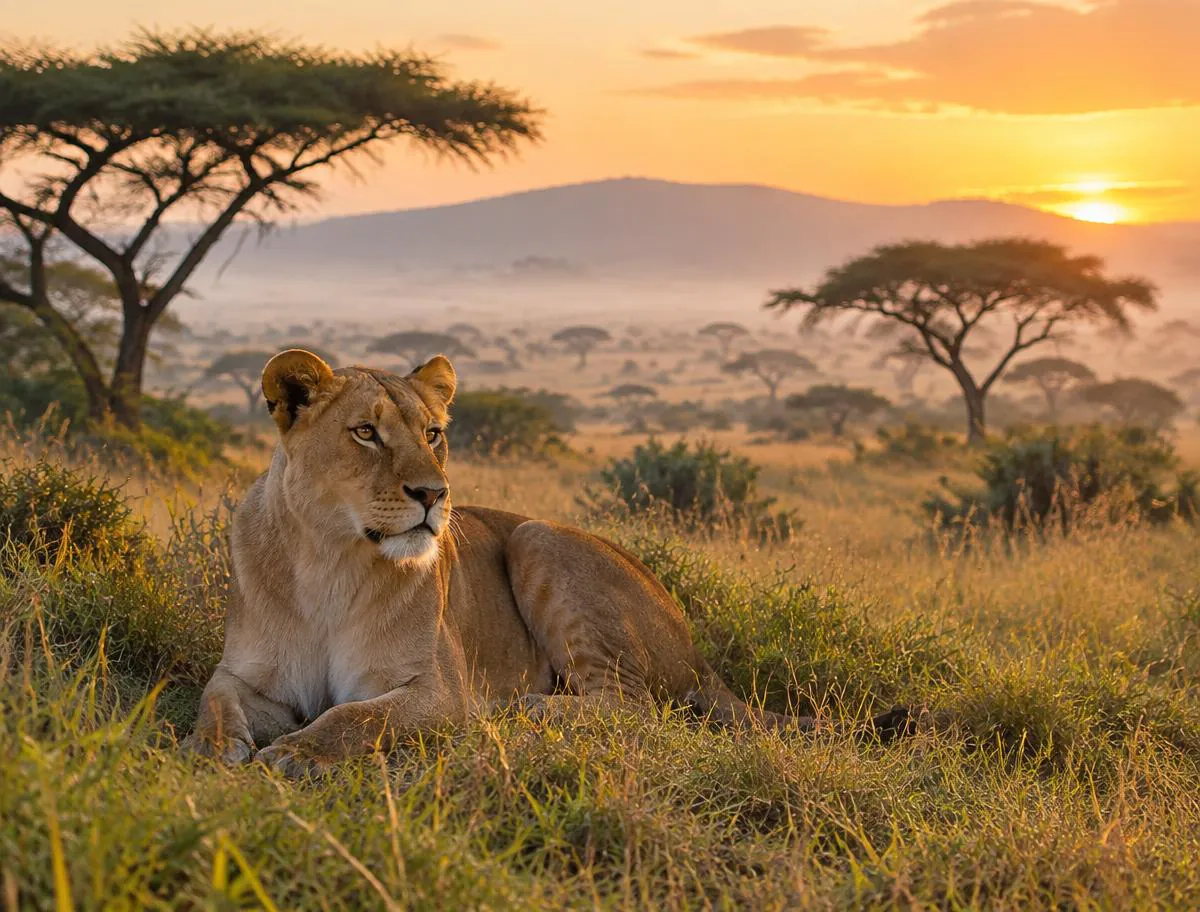
Safari in Tanzania
Use this pathway to plan the Tanzania/Zanzibar connection since there is no dedicated Zanzibar route.

Sources & verification
Official information behind this guide
RDB and Visit Rwanda are the authority for Rwanda permits and climate context; airline sources are used only to describe that a route pattern currently exists, not to publish a fixed schedule. No Zanzibar-specific Safari Soles route or named property is invented.
- Visit Rwanda — Gorilla tracking itinerary Official Rwanda trekking-day context
- RDB portal Current Rwanda permit booking process
- Visit Rwanda — Weather Official Rwanda season context
- RwandAir — flights to Zanzibar Illustrative current regional flight routing patterns
- RwandAir — newsroom, Zanzibar and Mombasa route Confirms current regional carrier route existence, subject to change
- Zanzibar Commission for Tourism Official Zanzibar tourism and destination context
Plan the forest-to-beach trip
Pair Rwanda's gorilla trekking with Zanzibar's coastal decompression.
Lock the gorilla permit date first, then plan the flight and beach segment around it using a Tanzania-based or custom-safari pathway.