


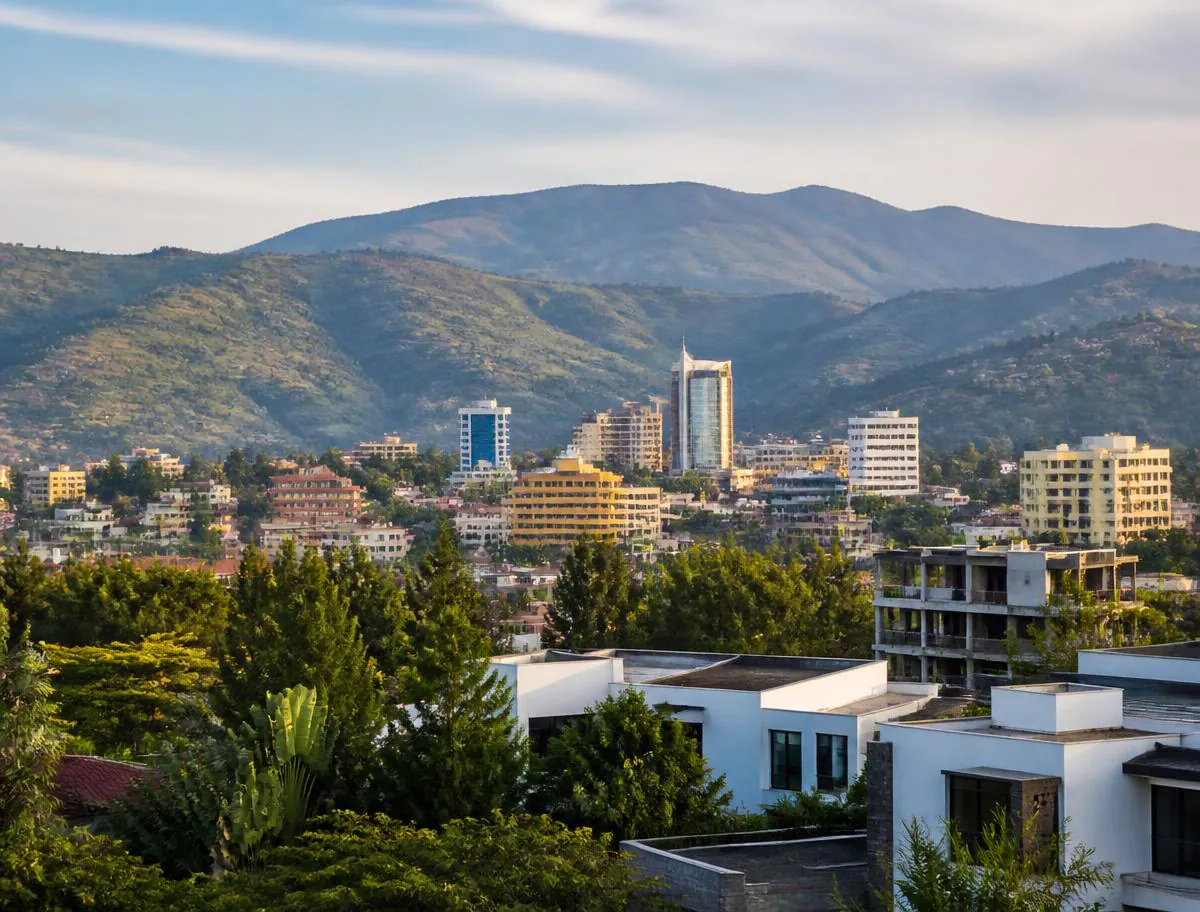
Rwanda's gateway city
Kigali Travel Guide: Arrival, Culture and Circuit Planning
Kigali as Rwanda's gateway and a genuine urban destination: arrival logic, 24h and 48h plans, the Kigali Genocide Memorial, verified culture, and how the city connects the country's safari circuits.
RoleRwanda's capital and sole international gateway
Genocide Memorial hours9:00am–5:00pm daily (last entrance 4:00pm), 7 days a week
Distance to VolcanoesA few hours via Musanze
Distance to AkageraRoughly 2–3 hours

The gateway
What Kigali is to a Rwanda trip
Kigali is Rwanda's capital and principal air gateway; international entry is also possible at land borders, and many air-arrival itineraries pass through the city on arrival and departure. This guide owns Kigali as both that logistical gateway and as an urban destination in its own right, with genuine culture, history and city life worth planning time around.
Kigali sits across a series of hills, with a compact, orderly downtown and residential districts spread across the surrounding ridges. It is widely noted for being clean and well organised by regional standards, a reputation that shapes how straightforward it is to move around on a short stay.
This guide does not repeat park-specific planning; for gorilla permits, Volcanoes logistics, Akagera routing or Nyungwe activities, see those dedicated guides in the Rwanda safari guides library. Here the focus is arrival and departure logic, how to use a free day in the city, and Kigali's own cultural and historical sites.
Landing logic
Arrival: what to plan for on day one
Use arrival day as a transition when the flight schedule leaves little buffer. Gorilla trekking, golden-monkey and chimpanzee activities report early; Akagera activities follow their own operating windows.
Arrange an airport transfer or confirm hotel pickup before travelling, since navigating an unfamiliar city on limited sleep after a long flight is not the place to improvise logistics. Rwanda's entry requirements should be checked separately and in advance on the Directorate General of Immigration and Emigration's official channel (opens in a new tab), since rules and eligible nationalities change and this guide does not restate nationality-by-nationality visa detail.
Where you are in the trip
Match Kigali time to your trip stage
How you use time in Kigali depends heavily on whether it is the start, a mid-trip pause, or the end of the journey. Use the selector below to match the right approach to your stage of travel.
Kigali trip-stage planner
Arrival day
- Priority
- Rest, transfer logistics, and settling in after a long flight
- Realistic activity
- A short orientation walk or an early dinner, not a full city itinerary
- Avoid
- Booking an early-morning trek for the day right after arrival
Confirm current transfer times and any activity booking directly with your operator or hotel.
History, treated carefully
The Kigali Genocide Memorial
The Kigali Genocide Memorial in Gisozi is the final resting place for around 250,000 victims of the 1994 Genocide against the Tutsi, and it is also an active centre for education, reconciliation and remembrance in Rwanda's national life 1. Its main exhibition (opens in a new tab) sets out Rwandan history before the genocide, the events of 1994 themselves, and the country's subsequent path of justice and reconciliation.
The Memorial is open 9:00am to 5:00pm daily, with last entrance at 4:00pm, and different hours on the last Saturday of each month due to national community-work observance; it is closed on Christmas Day, New Year's Day and typically on the morning of 7 April, the start of the annual Kwibuka commemoration period 2. Allow at least an hour and a half for a full visit.
This is a place of remembrance for real victims and survivors, not a standard tourist attraction, and it should be approached with corresponding quiet and respect. Confirm current entry arrangements and any optional guided package directly on the Memorial's own website before visiting, since access details can be adjusted at short notice.
One day in the city
A 24-hour Kigali plan
A single day in Kigali, whether on arrival, mid-trip or before departure, works best built around one substantial cultural stop rather than an attempt to see the whole city. The illustrative timeline below shows one reasonable shape for a 24-hour stay; adjust the order around your actual flight and hotel-checkout times.
- Morning
Settle in and eat well
Use the morning for rest, a proper breakfast and confirming the day's plan rather than rushing straight into sightseeing.
- Late morning
Kigali Genocide Memorial
Allow at least 90 minutes for a respectful, unhurried visit; confirm current hours before travelling.
- Afternoon
A museum or market visit
Choose one further verified site, such as a museum covering Rwandan history or culture, or a market for local crafts and produce.
- Evening
A relaxed dinner
Close the day with an unhurried meal, saving energy for an early departure or an early park transfer the next morning.
Two days in the city
A 48-hour Kigali plan
A 48-hour stay gives enough room to pair the Kigali Genocide Memorial with a second cultural day and some unstructured neighbourhood time, which suits travellers using Kigali as more than a transit point, or those with a genuinely free day built into the itinerary.
- Day 1 morning
Kigali Genocide Memorial
Visit early in the day when the Memorial is quieter and you are less fatigued.
- Day 1 afternoon
Neighbourhood walking and a market stop
Explore a central district on foot and browse a market for local crafts, coffee or produce.
- Day 1 evening
Dinner reflecting the day
Choose a relaxed setting; this is a good evening to process rather than pack in more activity.
- Day 2 morning
A museum or cultural site
Visit a second verified cultural site, such as a history or ethnographic museum, at an unhurried pace.
- Day 2 afternoon
Free time or a coffee experience
Use remaining time flexibly: further exploring, a coffee-culture stop, or simply resting before the next leg.
Beyond the Memorial
Museums, markets and culture worth knowing about
Kigali holds a small number of established museums and cultural sites beyond the Genocide Memorial, generally covering Rwandan history, ethnography and the arts. Rather than list every possible stop, this guide encourages checking Visit Rwanda's own culture and heritage listings (opens in a new tab) for current opening details before building a plan, since hours and access can change.
Markets and craft cooperatives offer a more everyday view of the city and are commonly included as a lower-key half-day activity alongside a museum visit. This guide deliberately avoids naming specific opening hours or prices it cannot verify live; check current listings directly before visiting.
History and heritage museums
Several established sites cover Rwandan history and culture; verify current hours before visiting.
Craft markets and cooperatives
A lower-key, everyday complement to museum visits.
Coffee and culinary culture
Kigali has a genuine specialty-coffee scene worth a stop for interested travellers.
No 'top 20' filler
This guide deliberately does not pad out a long list of unverified attractions.
Linking the circuit
How Kigali connects to Rwanda's safari circuits
Kigali sits roughly two to three hours from Akagera National Park in the east, a similar distance from Musanze and Volcanoes National Park in the north, and a longer half-day drive from Nyungwe National Park in the southwest. Nearly every Rwanda itinerary uses Kigali as the hub these legs radiate from and return to.
Illustrative route only, expanded in the Rwanda itinerary guide: arrive in Kigali and rest overnight, transfer north to Volcanoes National Park for primate tracking, continue west to Lake Kivu for a restful stop, head south to Nyungwe for rainforest activities, then return to Kigali for a final night and departure, optionally adding Akagera as an eastern day trip if time allows. Adjust the sequence around permit dates and flight timing.
| Destination | Approximate direction and time | Typical use of Kigali |
|---|---|---|
| Volcanoes National Park | North, a few hours via Musanze | Overnight before or after tracking |
| Akagera National Park | East, roughly 2–3 hours | Day trip or short add-on |
| Nyungwe National Park | Southwest, a half-day drive | Transit stop, often via Lake Kivu |
| Lake Kivu | West, a few hours to either shore town | Transit hub between north and south legs |
Getting around
Practical logistics in the city
Kigali is generally navigated by hotel transfer, private driver or ride-hailing rather than self-directed public transport for visitors on a short stay. Most operators build airport and city transfers directly into a Rwanda safari package, which removes much of the logistical planning for travellers moving straight between the airport, hotel and park transfers.
Dress and conduct expectations in the city are generally relaxed for daily life, though visiting the Genocide Memorial calls for modest, respectful clothing. Confirm current guidance on money, connectivity and any local customs directly with your accommodation or operator on arrival rather than relying on older trip reports; the Rwanda safari packing list covers what to bring regardless.
- 01Before arrival
Confirm your transfer before landing
Arrange airport pickup or hotel transfer in advance rather than improvising after a long flight.
- 02Day one
Treat arrival day as rest, not activity
Save demanding sightseeing or an early park transfer for the following day where possible.
- 03Culture
Visit the Memorial with time and quiet in mind
Allow at least 90 unhurried minutes and dress and behave respectfully throughout.
- 04Departure
Build in a buffer before departure
Leave slack before your outbound flight rather than scheduling activity right up to check-in.
Where to stay
Accommodation logic in Kigali
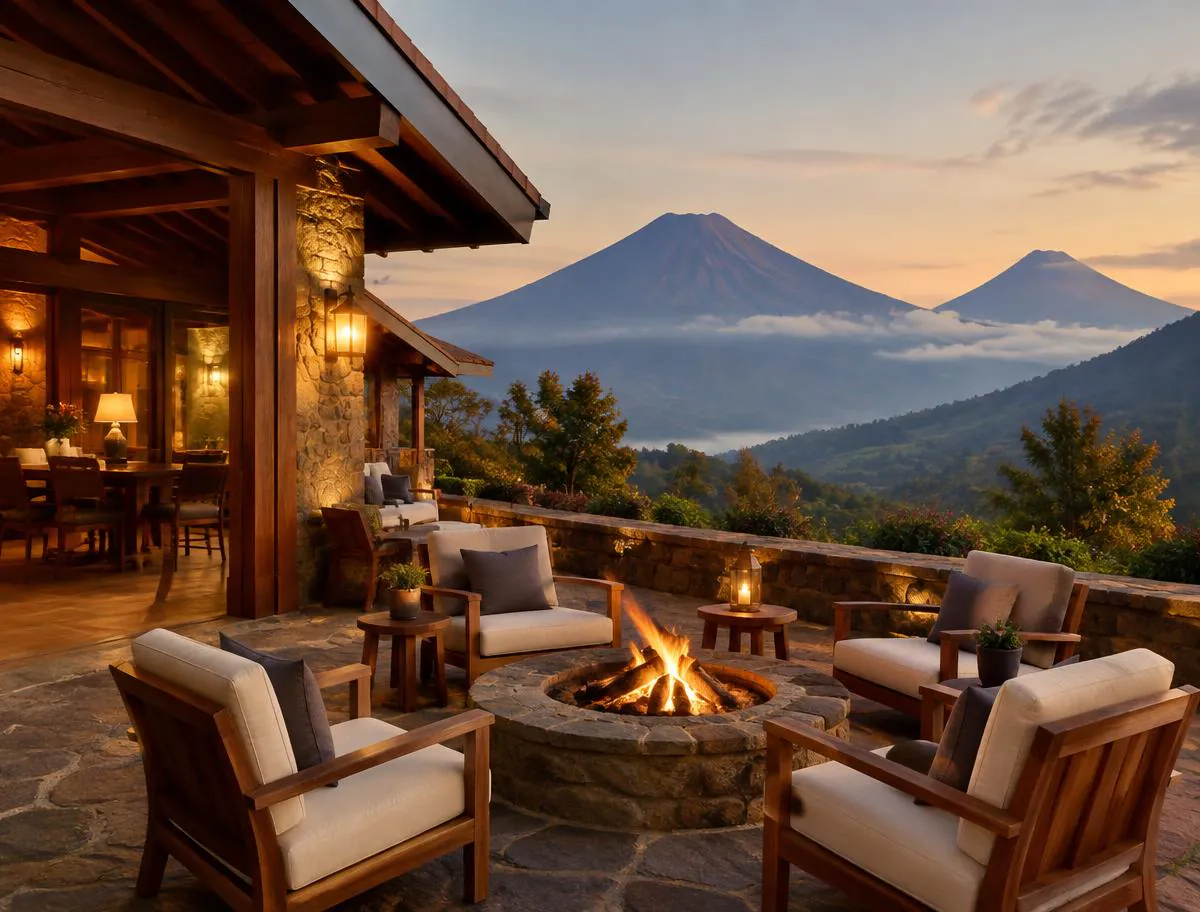
Kigali offers a full range of accommodation from simple guesthouses to internationally branded hotels, spread across several central and hillside districts — see the Rwanda safari lodges guide for how it fits the wider circuit. This guide does not name specific properties or quote rates; use a current booking channel or licensed operator for verified, available options.
For a single transit night, proximity to the airport or your onward departure route matters more than neighbourhood character; for a dedicated free day, a more central base makes walking to museums and markets easier, or a custom safari can arrange it for you.
Planning FAQ
Direct answers about planning Kigali time
Do I need to spend time in Kigali?
Many air-arrival itineraries pass through on arrival and departure, on arrival and departure; a dedicated free day is optional but rewarding.
What are the Kigali Genocide Memorial's hours?
9:00am–5:00pm daily, last entrance 4:00pm, with different hours on the last Saturday of each month; closed on Christmas Day and New Year's Day.
How long should I spend at the Memorial?
At least an hour and a half for an unhurried, respectful visit.
Can I do activities the day I land?
Plan arrival day as rest and logistics; most park activities need an early-morning start the following day.
Is Kigali safe and easy to get around?
It is widely regarded as clean and well organised; Visitors can use hotel transfers, private drivers or ride-hailing rather than self-directed public transport.
What else is there to do besides the Memorial?
A small number of verified museums and craft markets; check Visit Rwanda's current culture and heritage listings before planning.
How far is Kigali from Volcanoes National Park?
A few hours by road via Musanze, the main gateway town for gorilla and golden monkey tracking.
How far is Kigali from Akagera?
Roughly two to three hours by road, making it a feasible day trip or short add-on.
Should I book accommodation near the airport?
For a single transit night, yes; for a dedicated free day, a more central base suits walking to sites.
What should I wear to the Genocide Memorial?
Modest, respectful clothing, in keeping with the site's role as a place of remembrance.
Continue planning
Read the guide that owns your next question


Sources & verification
Official information behind this guide
The Kigali Genocide Memorial's own site is the authority for hours, closures and visit guidance; Visit Rwanda supports wider culture context. No opening hours or prices are stated here beyond what these official sources publish.
- Kigali Genocide Memorial — Visit Official site information and exhibition context
- Kigali Genocide Memorial — Know Before You Go Official opening hours, closures and visit-length guidance
- Visit Rwanda — Kigali Genocide Memorial National tourism board framing and culture and heritage listings
- Rwanda Directorate General of Immigration and Emigration Live visa and entry-requirement authority
Plan the city that anchors the trip
Give Kigali a deliberate role in your Rwanda itinerary.
Decide how much time the city deserves, plan a respectful Genocide Memorial visit, and connect it correctly to the rest of your circuit.