


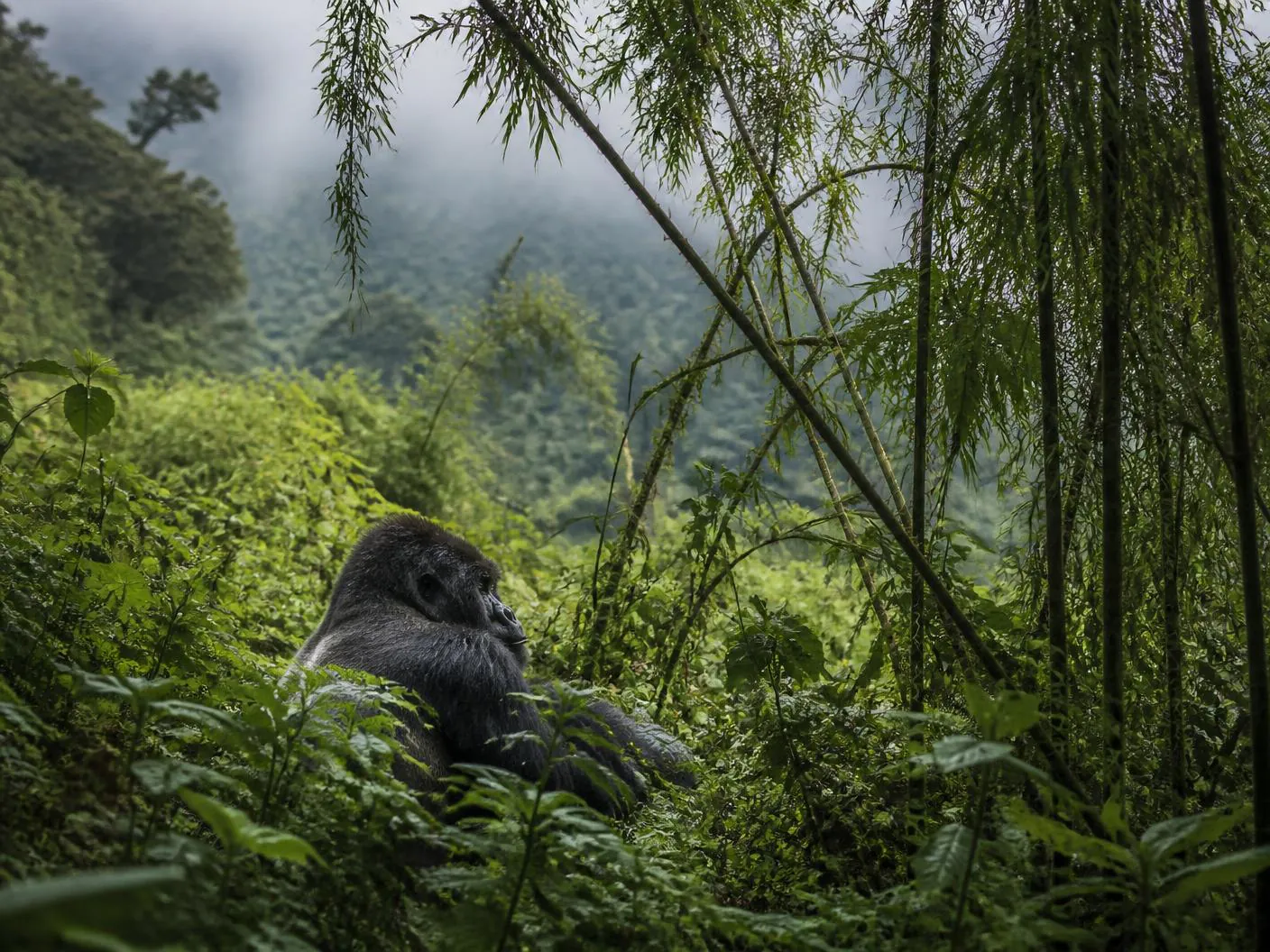
Neutral gorilla planning
Rwanda vs Uganda Gorilla Trekking: A Practical Comparison
The useful question is not which country wins. It is how Volcanoes, Bwindi and Mgahinga create different permit, access, accommodation and safari routes — and which structure fits your time and priorities.
Rwanda parkVolcanoes
Uganda parksBwindi + Mgahinga
Minimum age15
OutcomeNo universal winner
Three protected landscapes
Where gorilla trekking happens
The comparison begins with one Rwandan park and two Ugandan parks, not with two interchangeable products.
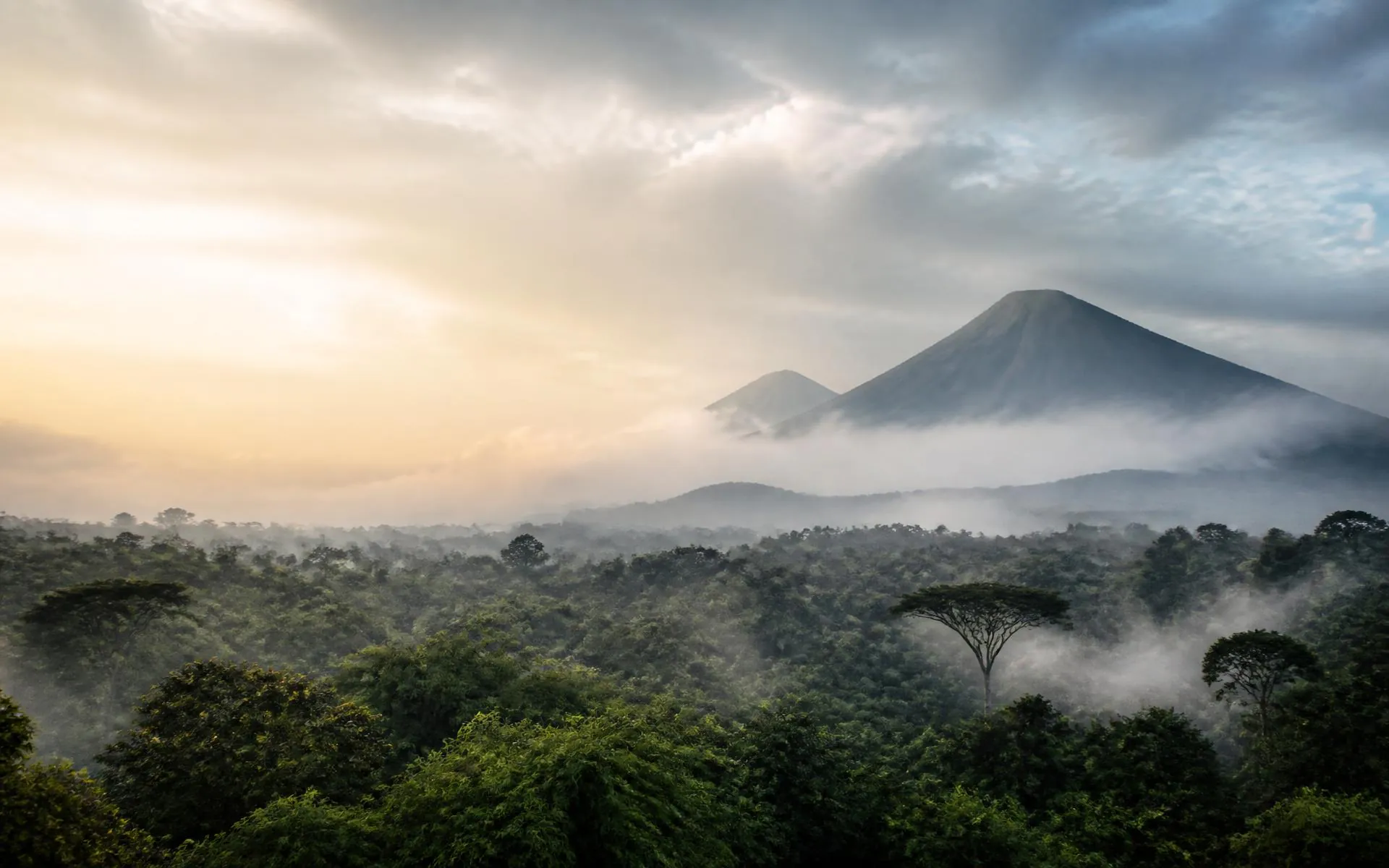
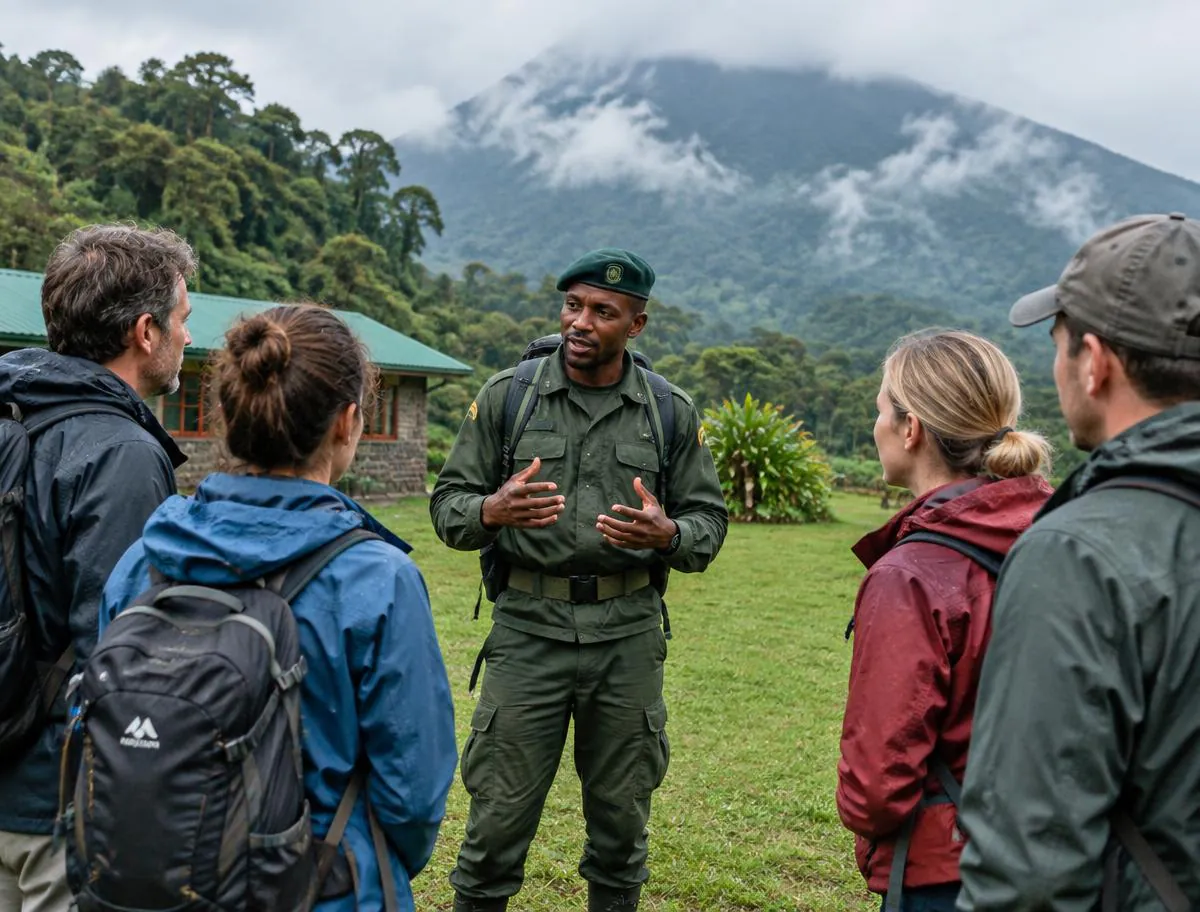
Rwanda's trekking takes place in Volcanoes National Park on the cultivated southern slopes of the Virunga Massif. Kigali is the main arrival gateway, Musanze is the regional town and Kinigi is the familiar reporting area. The route can therefore be compact: arrive in Kigali, move north, trek, then return or continue west. Compact does not mean effortless, but it reduces the number of moving parts around the permit date.
Uganda offers gorilla tracking in Bwindi Impenetrable National Park and Mgahinga Gorilla National Park. Bwindi is a large forest landscape with several trekking sectors, so the word 'Bwindi' is not enough to plan a lodge or transfer. Buhoma, Ruhija, Rushaga and Nkuringo sit in different areas with road journeys between them. Mgahinga lies in the Virunga range and creates a different route relationship with Kisoro and the southwestern border region.
That geographic distinction shapes nearly every later decision. In Rwanda, accommodation is commonly evaluated against Kinigi reporting. In Uganda, accommodation must be matched to the exact sector or park on the permit. A beautiful lodge in the wrong Bwindi sector can create a major logistical problem even though it is technically 'at Bwindi.'
The comparison therefore needs two map scales. At country scale, Rwanda appears compact and Uganda offers a larger western circuit. At local scale, both require precise final-mile planning: an exact lodge, reporting point, departure time and vehicle arrangement. Country size alone does not tell a traveller whether the permit morning is robust. Ask for the door-to-reporting sequence in writing after the permit location is known.
Park names can also hide different landscape relationships. Volcanoes and Mgahinga are both part of the wider Virunga system, while Bwindi is a separate extensive forest with sector-based operations. That does not make one encounter more authentic. It means the surrounding roads, lodge choices and route narrative differ before the guided forest activity even begins.
| Dimension | Rwanda | Uganda |
|---|---|---|
| Protected area | Volcanoes National Park | Bwindi Impenetrable or Mgahinga Gorilla National Park |
| Regional base logic | Musanze / Kinigi | Sector-specific Bwindi base or Kisoro/Mgahinga base |
| Landscape | Virunga volcano slopes and bamboo/montane forest | Large montane forest sectors plus Uganda's Virunga slopes |
| Planning question | How does Volcanoes fit with the Rwanda route? | Which park and sector does the permit assign? |
Current-data discipline
Compare permit systems before comparing prices
A permit is tied to a country, authority, date, visitor category and operating rules.
Rwanda's live RDB mountain-gorilla product (opens in a new tab) is the authoritative place to confirm the rate for the exact visitor and date. The planning figure used across this Rwanda guide ecosystem is US$1,500 for a standard foreign visitor, but the live product includes category conditions and a 2026 promotional-rate exclusion note that must be read before payment. The Rwanda gorilla permit guide owns the detailed Rwanda rules.
Uganda Wildlife Authority is the authority for Uganda permits. The widely repeated US$800 foreign-non-resident figure appears in UWA's July 2024–June 2026 tariff, whose stated validity has expired. A February 2026 UWA notice (opens in a new tab) introduces US$600 low-season foreign-non-resident tracking in April, May and November and lists US$800 in a revised structure effective 1 January 2027. That notice does not justify presenting the expired 2024–26 document as the current tariff for every date between those windows.
For that reason, this guide does not print one supposedly universal current Uganda price. Verify the active tariff (opens in a new tab) for the travel date directly with UWA. That is more useful than a neat comparison built from a stale number. In both countries, reduced categories depend on evidence and should never be treated as negotiable discounts.
Arrival and road shape
Access changes the character of the trip
Rwanda can support a compact gorilla-focused route because Volcanoes is reached by road from Kigali and the regional base is concentrated around Musanze and Kinigi. That makes it easier to place a trek inside a short country visit, connect with Kigali or continue toward Lake Kivu. The practical rule remains to sleep near the park before the early report, a habit set out in the Rwanda itinerary guide.
Uganda's gorilla regions sit in the southwest. They can be reached by a long road journey from Entebbe or Kampala, by a domestic flight combined with a road transfer, or as part of a longer overland safari through western Uganda. Each can be a good plan, but they are structurally different. A flight does not remove the final road transfer, and a road itinerary should be valued for the parks and landscapes it includes rather than treated as dead time.
Cross-border routes add immigration, vehicle and timing layers. A map can make Kigali-to-southwestern-Uganda look simple, but border procedures and the exact Uganda sector matter. Protect the fixed permit morning with a buffer and avoid a border crossing on the same morning as reporting.
Forest geography
Neither country guarantees an easy or hard trek
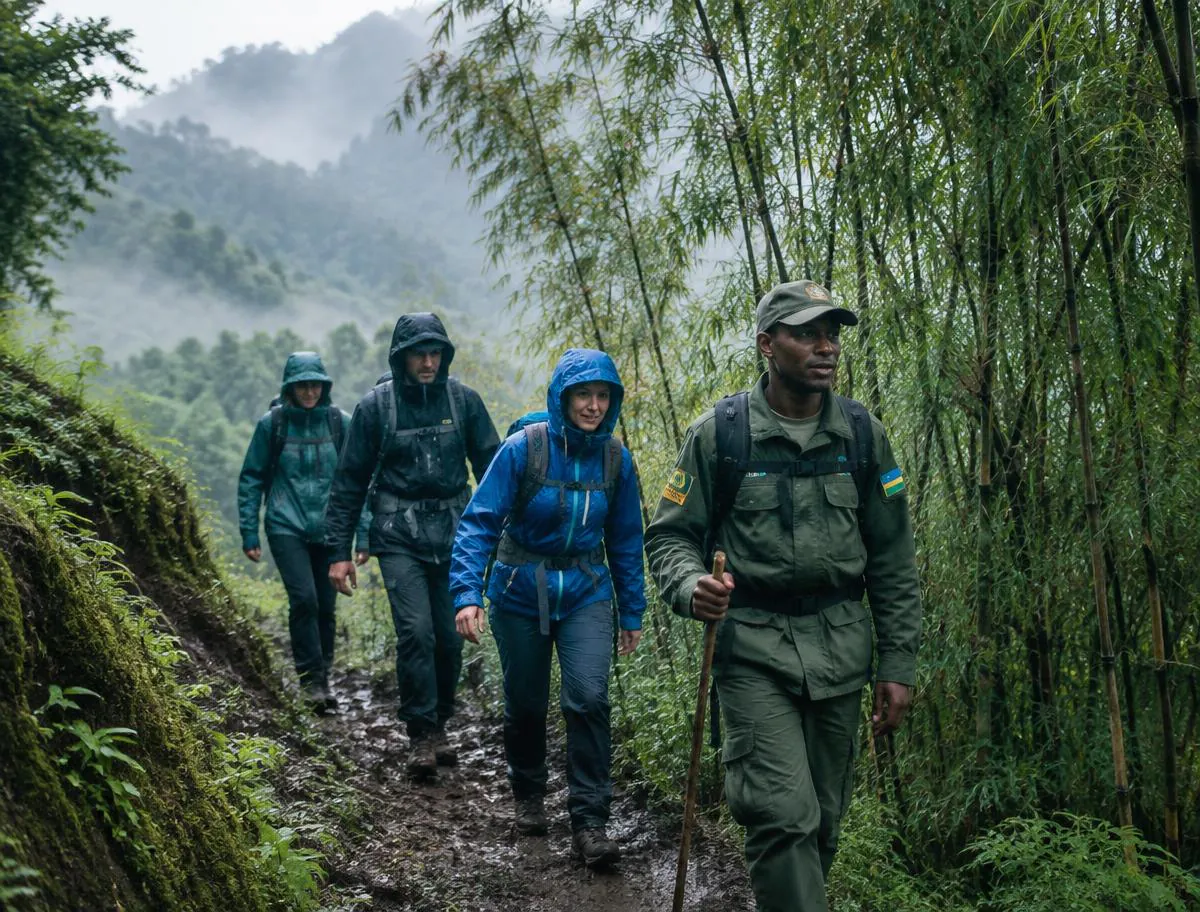
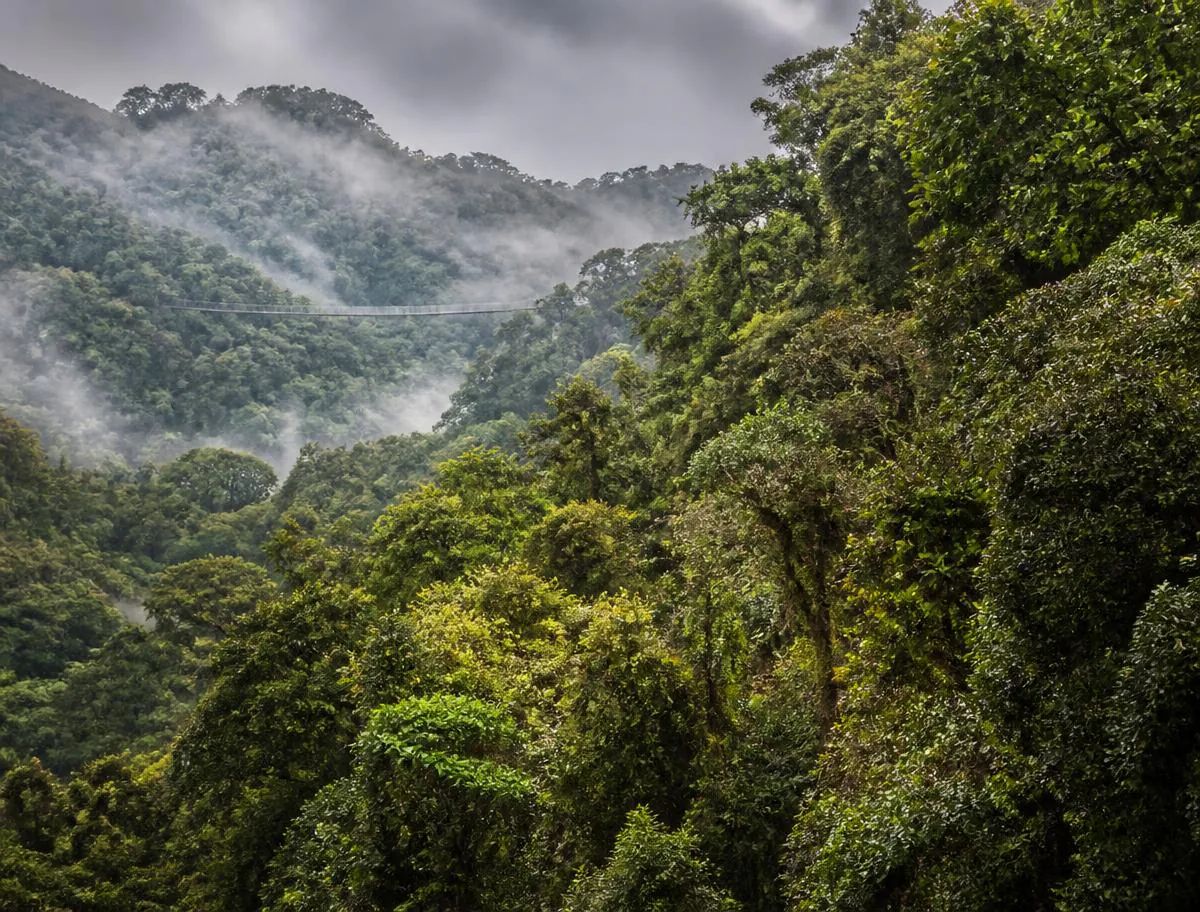
Volcanoes trekking takes place on volcanic slopes where bamboo, montane vegetation, mud and elevation can all matter. Bwindi's name describes an extensive forest whose sectors contain different ridges, valleys and approaches. Mgahinga occupies another part of the Virunga volcanic system. Those are meaningful landscape differences, but none allows a planner to promise a specific hiking duration.
On the day, gorilla location, weather, trail condition and group allocation influence effort. A traveller can request a gentler allocation where the operating system permits requests, but should not treat it as a guarantee. Fitness, boots, waterproof layers, pace and use of a porter remain more useful preparation than choosing a country from a simplistic 'easier trek' claim.
Both systems protect the encounter through guided access and group rules. The appropriate question is not which forest is objectively easiest. It is whether the wider route, altitude, surface, transfer pattern and contingency level suit the traveller.
Time on the ground
The permit date creates different route-length implications
A Rwanda gorilla-focused visit can be framed around two or three nights in the Volcanoes region, with Kigali on either side if flights require it. That is an illustrative route shape, not a claim about what most travellers do. Adding Lake Kivu, Akagera or Nyungwe increases contrast and total travel time.
An Uganda visit often benefits from a longer shape because of the distance to the southwest or because the road journey naturally connects Queen Elizabeth, Kibale, Lake Mburo or other destinations. A fly-in approach can shorten the transit component, but introduces flight schedules, baggage limits and final road transfers. A cross-border arrival through Kigali creates another distinct structure.
Compare usable mornings rather than brochure day counts. Arrival and departure days may contribute little, and the night before trekking is operationally important in both countries. If the itinerary has no buffer between an international flight, border or domestic connection and the permit morning, it is fragile regardless of country.
Compact Rwanda shape
Kigali, Volcanoes and a return or Lake Kivu continuation with relatively few bases.
Overland Uganda shape
Gorillas become one anchor within a longer western circuit and substantial road journey.
Fly-in Uganda shape
Reduces long overland segments but retains schedules, airstrip transfers and sector matching.
Cross-border shape
Can connect Kigali with southwestern Uganda, but adds border and vehicle coordination.
Where the nights sit
Accommodation structure follows the reporting geography
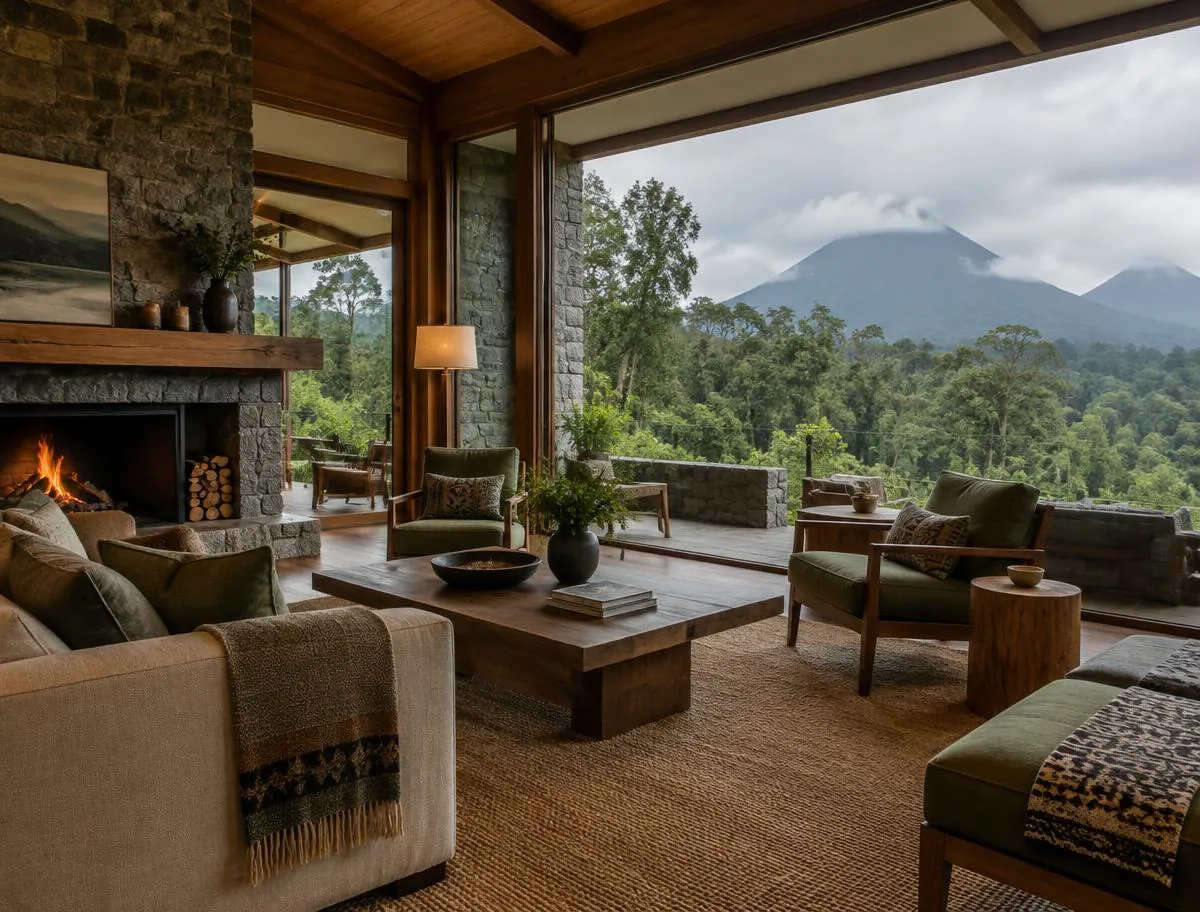
In Rwanda, travellers commonly compare practical Musanze hotels, Kinigi-area lodges and premium properties in the foothills. The useful measures are road time to reporting, early breakfast, wet-gear handling, heating, meal flexibility and recovery comfort. Price does not change the park-managed encounter.
In Uganda, the first accommodation filter is the permit sector. Within Bwindi, a lodge near one sector is not automatically practical for another. Mgahinga has its own access logic around Kisoro and the park. Confirm the permit location before committing to a non-refundable lodge.
Both countries offer a broad range of comfort — see the Rwanda safari lodges guide for how to weigh Rwanda's options — but direct price comparisons can mislead when board basis, road access, sector, views and included transfers differ. Compare what the night does for the route, not just the room category.
Ask each property or planner the same operational questions: exact drive to reporting, breakfast timing, wet-gear support, heating, packed food, luggage handling and what happens after a late finish. Consistent questions expose meaningful differences more reliably than labels such as midrange or luxury. They also prevent a scenic property from being selected before its location has been tested against the permit.
A distinct Uganda product
Gorilla habituation is not a longer ordinary trek
Uganda has offered a gorilla habituation experience (opens in a new tab) in designated Bwindi operations, with a different permit and longer time associated with the field process than standard tracking. Availability, location, current price and operating terms are dynamic and must be checked directly with UWA for the intended date.
Do not compare a habituation permit directly with Rwanda's standard tracking permit as though they buy the same service. One is a specialist product connected to the habituation process; the other is the standard regulated encounter. A traveller interested in it should first verify that the current product is operating, then build accommodation around the assigned sector.
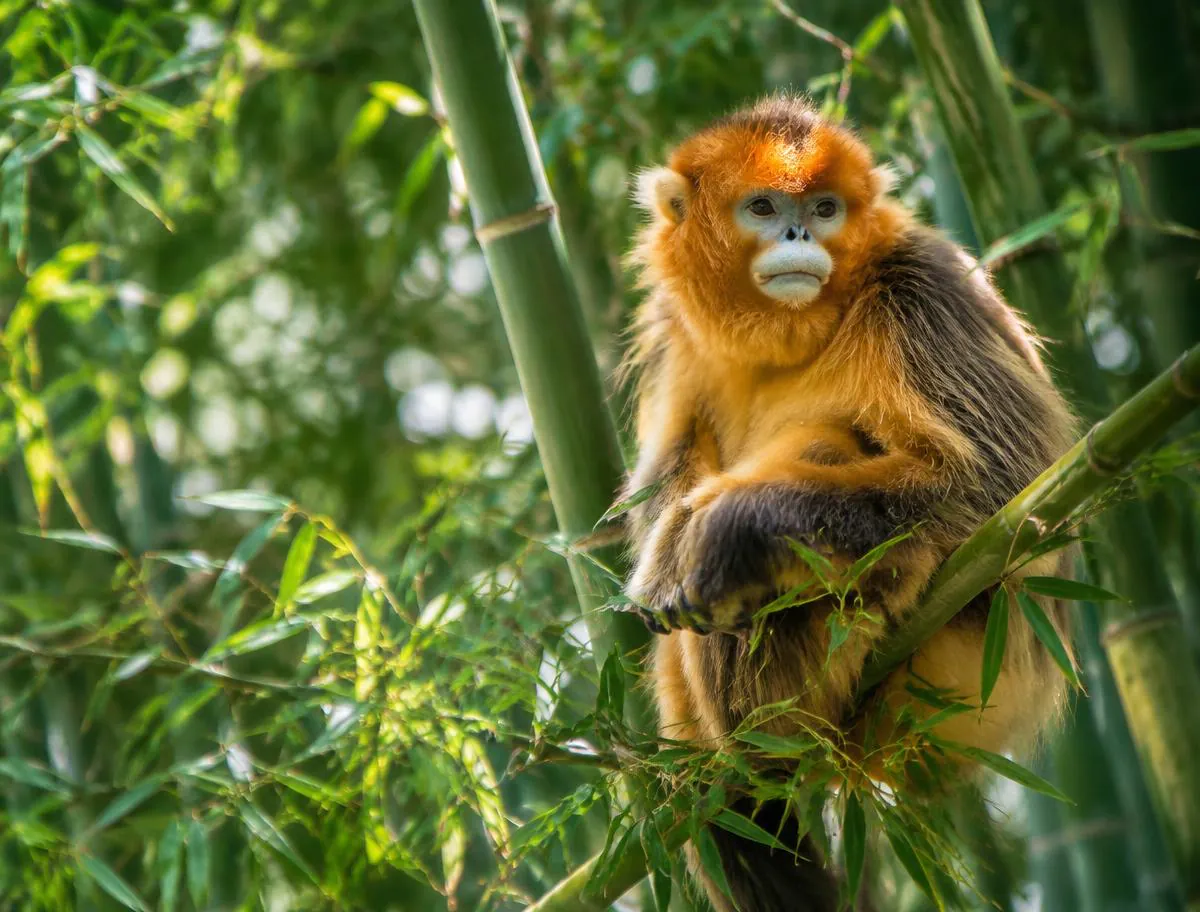
Rwanda's ordinary gorilla tracking remains its own complete experience, and pairs naturally with a separate golden monkey tracking morning. Choosing Uganda solely for habituation makes sense only if that specific field format is the priority and the current official product can be secured.
The journey around gorillas
Classic safari combinations differ more than the trek itself
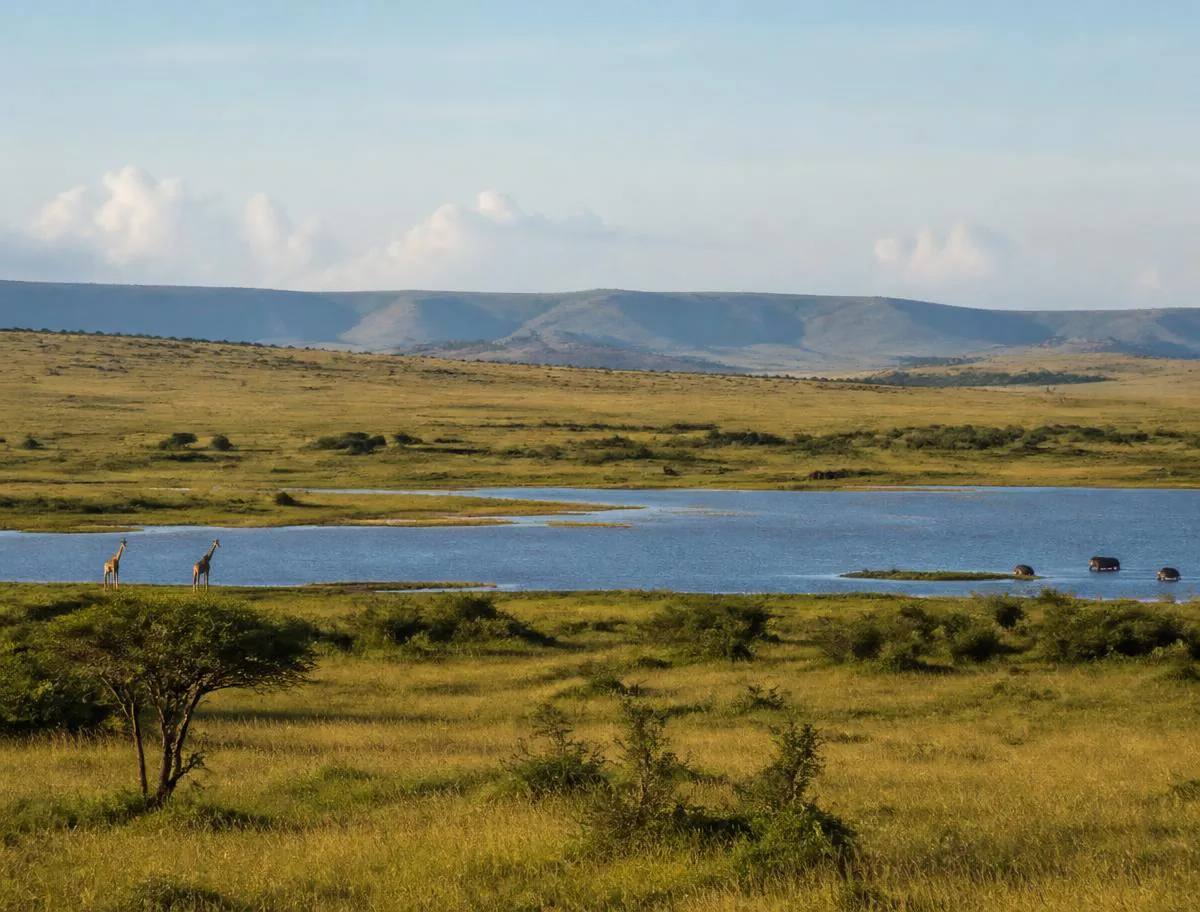
Rwanda can pair Volcanoes with Akagera for savannah wildlife, Nyungwe for another rainforest system, Lake Kivu for recovery and Kigali for culture and logistics. The country is compact on a regional map, but road times still need to be respected. A complete circuit is not automatically a short one.
Uganda's western route can connect Bwindi or Mgahinga with Queen Elizabeth, Kibale, Lake Mburo and other protected areas. That creates a natural longer overland narrative. The value is in the whole route, not merely in attaching a game drive to a gorilla permit.
A multi-country East Africa itinerary can also place Rwanda or Uganda beside Kenya or Tanzania. Flight schedules, border entry and fixed permits then become the decision drivers. Pick the gorilla country that makes the whole route coherent rather than optimizing one line in isolation.
| Priority | Rwanda route implication | Uganda route implication |
|---|---|---|
| Short gorilla focus | Compact Kigali–Volcanoes structure | Usually longer road access or a domestic flight |
| Savannah wildlife | Add Akagera | Build through western parks such as Queen Elizabeth |
| Second rainforest | Add Nyungwe | Kibale can fit a western circuit |
| Water and recovery | Lake Kivu | Lake Bunyonyi or other southwestern stops need current local planning |
| Regional extension | Kigali air links or border route | Entebbe air links, overland circuit or border route |
Decision framework
Which trip shape may fit which traveller
Rwanda may fit a traveller who wants a compact route centered on Kigali and Volcanoes, who values a concentrated highland stay, or who wants to connect the trek with Lake Kivu or a broader Rwanda circuit. Uganda may fit someone who wants gorillas within a longer western safari, who is comfortable with more road structure, or whose priority is a currently available sector-specific or habituation product.
Budget matters, but it should be compared at whole-trip level. A lower permit line can coexist with additional transport nights or flights; a higher permit line can sit inside a shorter route. Add permit, accommodation, transport, flights, park activities and the value of time before deciding that one itinerary is cheaper; a private safari planner can build both drafts for direct comparison.
Build two like-for-like drafts before comparing totals. Give each version a safe arrival, the required pre-trek night, equivalent accommodation comfort, realistic transfers, the same number of meaningful safari days and a protected departure. Then list what remains different. If one draft includes a scenic overland circuit and the other is only a quick transfer, the totals describe different holidays rather than the price of the same experience.
Personal constraints may outweigh headline price. A traveller with limited leave may value fewer transitions; someone who enjoys road journeys may prefer a longer western circuit. A family must account for age eligibility and an alternative day for anyone not trekking. Photographers may prioritize lodge position, baggage allowances and time to organize equipment. These are itinerary decisions, not evidence that one country wins.
Neither route guarantees better sightings, a shorter hike, a particular family or stronger photographs. Those outcomes depend on wildlife and conditions. The sound decision is the one whose logistics and surrounding experiences fit the traveller's priorities — the Rwanda safari overview is a useful place to weigh Rwanda's side of that choice.
Choose compact logistics
Consider the Kigali–Volcanoes structure and whether the rest of Rwanda supports your interests.
Choose a longer safari narrative
Consider a Uganda western circuit where gorillas are one anchor among several parks.
Choose a specialist product
Verify Uganda habituation or a specific park/sector before building the route around it.
Choose by whole-trip budget
Compare every night, transfer and flight rather than permit price alone.
No score, no winner
A neutral Rwanda–Uganda decision matrix
This matrix describes consequences rather than awarding points. Read across the row that matters most to your trip, then verify current official availability before paying.
| Planning dimension | Rwanda | Uganda |
|---|---|---|
| Park | Volcanoes National Park | Bwindi Impenetrable and Mgahinga Gorilla National Parks |
| Permit authority | Rwanda Development Board | Uganda Wildlife Authority |
| Current price handling | Live RDB product; verify category and date | Verify active UWA tariff; expired 2024–26 PDF is not current proof |
| Access pattern | Road from Kigali to Musanze/Kinigi | Long road, domestic flight plus transfer, or cross-border route |
| Trekking geography | Virunga volcanic slopes | Bwindi sectors or Mgahinga Virunga slopes |
| Accommodation logic | Actual time to Kinigi/reporting | Exact park and Bwindi sector first |
| Trip shape | Can support a compact Rwanda-focused visit | Often integrated into a longer western circuit |
| Habituation | Not the standard published Rwanda product | Specialist Uganda product when officially available |
| Planning complexity | Fewer bases can simplify the anchor date | Sector, access mode and longer routing add decisions |
Comparison traps
Common misleading comparisons
The first trap is presenting an expired tariff as current. The second is comparing permits while ignoring extra nights, road transfers or domestic flights. The third is claiming one country is easier, more authentic or more reliable based on a single trek report. Wildlife experiences are variable and neither authority sells a guaranteed photograph or hiking duration.
Another trap is treating Bwindi as one reporting point. Sector mismatch can be a bigger planning problem than country choice. A similar Rwanda mistake is treating Kigali as the park base because the route appears compact. In both cases, the permit location and reporting instruction must control the accommodation.
Finally, beware of winner tables that convert preferences into scores. A short transfer may matter enormously to one traveller and very little to someone building a two-week road safari. Good comparison preserves those differences instead of hiding them behind a total.
Check what each quotation includes before using it as evidence. Vehicle exclusivity, fuel, airport transfers, meals, porter arrangements, domestic-flight baggage and park activities can sit inside one proposal and outside another. Currency dates and payment charges can also distort a comparison assembled at different times; the Rwanda gorilla trekking cost guide breaks down what a Rwanda-side quote should include. Record the quotation date and verify dynamic authority fees again before committing.
The final check is operational rather than emotional: can every fixed booking be reached with reasonable margin? Does the lodge match the permit location? Are border and flight assumptions current? Is there a credible plan if a connection changes? A route that answers those questions clearly is stronger than one selected from a generic country ranking.
Stale Uganda price
The July 2024–June 2026 tariff has expired. Verify the active date-specific UWA rate.
Permit-only budget
Compare all nights, transfers, flights and additional park costs.
Guaranteed easy trek
Family location, weather and trail conditions vary in every park.
Bwindi as one place
Match the lodge and transport to the exact permit sector.
Country as a winner
Use traveller priorities and route consequences, not a score.
Planning FAQ
Direct answers without declaring a winner
Is Rwanda or Uganda better for gorilla trekking?
Neither is universally better. Rwanda often supports a compact Kigali–Volcanoes route; Uganda often fits a longer western safari or a specific Bwindi/Mgahinga plan.
What is the current Uganda permit price?
Verify the active date-specific tariff directly with UWA. The US$800 document for July 2024–June 2026 has expired and is not used here as current proof.
What is the current Rwanda permit price?
The Rwanda planning guide uses US$1,500 for a standard foreign visitor, but the live RDB product contains category and date conditions. Verify before payment.
Which country has easier trekking?
Neither can guarantee an easy trek. Gorilla location, weather, trail surface, elevation and allocation shape the day.
How long do I need in Rwanda?
A compact gorilla-focused route can use two or three Volcanoes nights, but this is illustrative. Add time for Kigali, Lake Kivu or other parks.
How long do I need in Uganda?
Allow for the access mode and exact permit sector. A western overland safari generally needs more time than a domestic-flight connection.
Can I enter Uganda's gorilla region from Kigali?
Cross-border routes are possible, but border procedure, vehicle arrangements and the exact park/sector must be confirmed. Never cross on trek morning.
Does Uganda offer habituation?
UWA has offered a specialist habituation product in Bwindi. Verify its current availability, sector, price and rules directly.
Are sightings guaranteed?
No. Both are wildlife experiences. A permit gives managed access, not a promised family, hike length or photograph.
How should I compare total cost?
Add permits, every night, road transport, domestic or regional flights, other park fees, meals and the value of travel time.
Is Bwindi one trekking base?
No. It has multiple sectors. Match the permit, lodge and transfer plan before booking accommodation.
Can I combine either country with a classic safari?
Yes. Rwanda can add Akagera; Uganda can build through western parks. The right combination depends on total route time.
Continue planning
Read the guide that owns your next question
Sources & verification
Official information behind this guide
Rwanda facts come from RDB and Visit Rwanda. Uganda facts use UWA sources only. The expired July 2024–June 2026 tariff is identified as expired and is not republished as the current rate.
- RDB — Mountain gorilla tracking Current Rwanda permit categories, age, reporting and group rules
- Visit Rwanda — Volcanoes National Park Official Rwanda park and route context
- Uganda Wildlife Authority — rates and tariffs Official location for the active Uganda tariff and updates
- UWA — February 2026 tariff changes Low-season rates and revised structure effective dates
- Uganda Wildlife Authority — gorilla permit guidelines Official permit management framework; dynamic terms must still be rechecked
Choose the route, not a winner
Put the fixed permit date inside the journey that fits you.
Compare park geography, access, nights and the safari around the trek. Then verify the live permit terms with the responsible authority.