


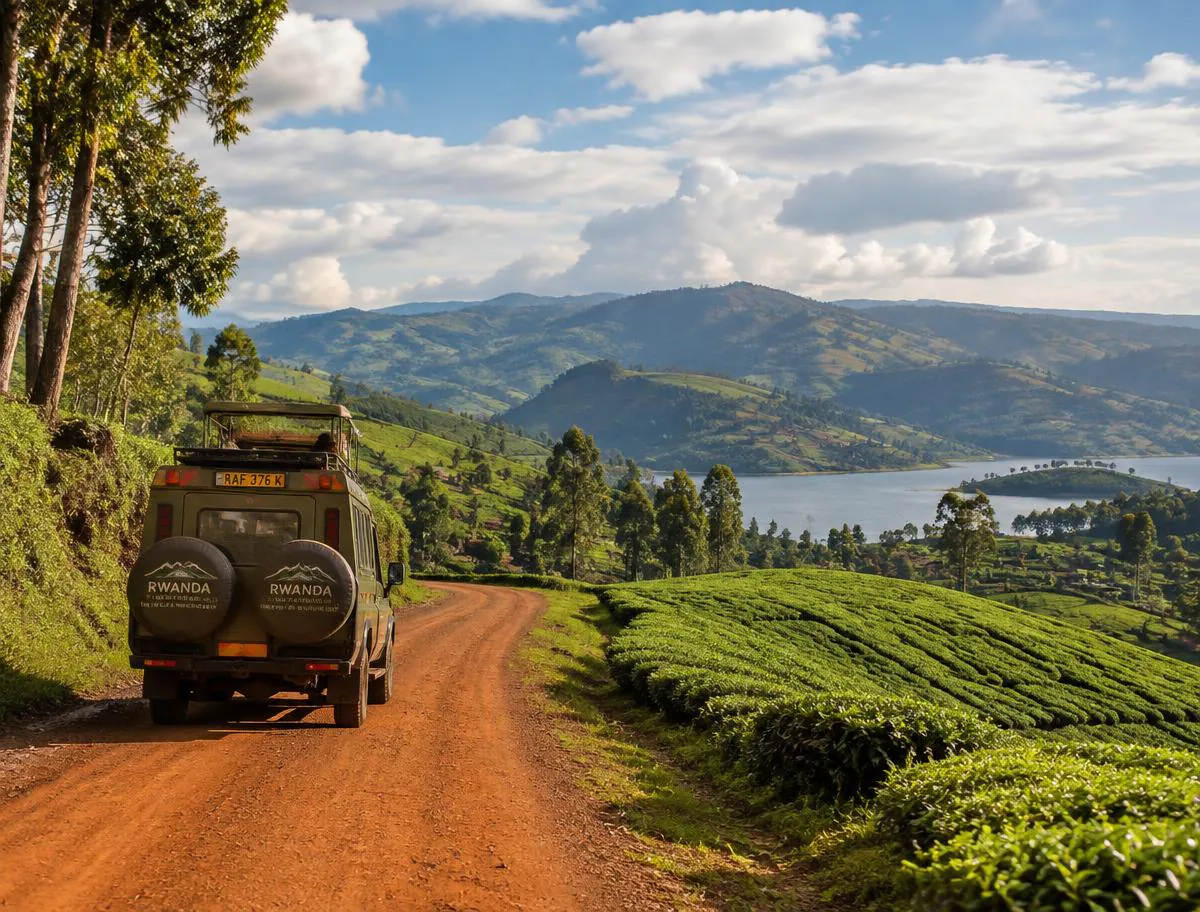
Rwanda route planning
Rwanda Itinerary Planning: Days, Order and Pace
How many days, which regions, and in what order — this guide explains Rwanda's route-sequencing logic through illustrative 3/5/7/9-night shapes and the decisions that make a trip feel rushed or comfortable.
Shortest shape3 nights
Balanced shape5-7 nights
Full circuit9+ nights
Key ruleOne region per 2-3 nights

Route logic
What this guide owns: days, order and pace
Rwanda's parks sit in different corners of a compact country: Volcanoes/Musanze in the northwest, Nyungwe in the southwest, Akagera in the east, Lake Kivu along the western shore, and Kigali roughly central. Building an itinerary is mostly a sequencing problem — how many days, in what order, with how much buffer between activities.
This guide owns that sequencing logic: illustrative 3/5/7/9-night shapes, which combinations get rushed, and how to decide pace. It does not repeat seasonal advice, budget mechanics or lodge selection — those guides own their own questions.
Every route below is labelled an illustrative route or planning shape. Treat specific drive times as something to confirm with a planner or operator rather than as fixed facts.
Signature tool
Illustrative route shapes: 3, 5, 7 and 9 nights
These are planning shapes, not fixed packages, and they sit alongside Visit Rwanda's own gorilla-tracking itineraries (opens in a new tab). Each assumes arrival and departure through Kigali and prioritises protecting the morning before any primate trek.
Gorilla-only focus
- Night 1: Kigali or transfer to Volcanoes region
- Night 2: Volcanoes — gorilla trekking day
- Night 3: Volcanoes or return to Kigali
Illustrative route; a tight shape built around one fixed permit date.
Two primate mornings
- Night 1: Kigali
- Night 2-3: Volcanoes — gorilla trekking + golden monkeys on separate mornings
- Night 4: Transfer towards Kigali or Lake Kivu
- Night 5: Lake Kivu or Kigali before departure
Illustrative route; balances two forest mornings with a slower finish.
Primates plus one more region
- Night 1: Kigali
- Night 2-3: Volcanoes region
- Night 4: Transfer to Lake Kivu or Nyungwe
- Night 5-6: Nyungwe — chimpanzee trekking and forest activities
- Night 7: Kigali before departure
Illustrative route; adds Nyungwe's rainforest chapter without rushing transfers.
Full circuit
- Night 1: Kigali
- Night 2-3: Volcanoes region
- Night 4: Lake Kivu
- Night 5-6: Nyungwe
- Night 7-8: Akagera
- Night 9: Kigali before departure
Illustrative route; covers all four regions with buffer for long transfers.
Sequencing decisions
Decisions that determine whether a route feels rushed
Every itinerary hinges on a handful of sequencing choices. Get these right and even a shorter trip feels comfortable; get them wrong and even a longer one feels compressed.
Shortest workable shape
3 nights: what it can and cannot include
A 3-night trip can realistically deliver one anchor activity — usually gorilla trekking — with minimal buffer. It suits travellers on a tight schedule who accept a single-purpose visit rather than a broader circuit.
Adding a second park or activity inside 3 nights typically means compressing sleep, transfer and trek days into an uncomfortable sequence. If more than one anchor activity matters, treat 5 nights as the practical minimum instead.
An illustrative middle ground
5 nights: an illustrative balanced shape
As an illustrative planning shape, five nights can balance ambition and pace for a first Rwanda trip: enough time for two primate mornings or one primate activity plus a slower regional add-on, without needing to cut sleep or rush transfers.
The trade-off is that a five-night trip usually cannot comfortably include all four main regions; most travellers choose gorillas/golden monkeys plus one of Lake Kivu, Nyungwe or Akagera rather than attempting all three.
Room to breathe
7 nights: primates plus a genuine second chapter
Seven nights typically allows a primate-focused north with a full second region — most often Nyungwe's rainforest and chimpanzee trekking, or a Lake Kivu pause plus Nyungwe. This length reduces the pressure to combine long transfer days with activity mornings.
It remains tight for all four regions; Akagera's distance from the northwest usually pushes that combination into the 9-night shape instead.
The full circuit
9+ nights: when Akagera's savannah chapter fits comfortably
Akagera, managed in partnership with African Parks (opens in a new tab), sits furthest from Volcanoes and Nyungwe, so including savannah game viewing alongside primates and rainforest generally needs nine nights or more to avoid stacking long transfer days back to back.
Longer trips also allow deliberate buffer nights around each major transfer, which protects against unpredictable finish times after forest or game-drive activities.
What gets rushed
Combinations that commonly become rushed
Some combinations are popular but routinely compress the schedule more than travellers expect. Naming them here is meant to prevent a rushed booking, not to discourage ambition.
Gorillas + Akagera in under 7 nights
The distance between the northwest and east usually needs more buffer than a short trip allows.
Arrival day trek
A same-day arrival followed by an early-morning trek is a common but risky compression.
Four regions in 5 nights
Technically drivable but leaves almost no slack for weather or delay.
Two primate mornings back to back
Comfortable when both are in the Volcanoes area — a good use of a tight schedule.
Setting a realistic pace
How to think about pace, not just day count
Pace is about how many 'high-output' mornings sit next to each other, not simply the number of nights. A pre-dawn primate trek followed by a long transfer the same afternoon uses a full day's energy even if it looks efficient on paper.
As a planning habit, treat any 07:00 report as needing the previous night's sleep in that same region, and treat any major regional transfer as needing its own slot rather than sharing a day with a forest activity.
Which region first
Does region order matter?
Order is usually driven by flight timing and gorilla permit dates more than a fixed 'correct' sequence. A common pattern places the primate-focused northwest early (often right after arrival) since permits are date-fixed, then flexes the remaining regions around it.
Ending the trip somewhere closer to Kigali (Lake Kivu or Kigali itself) rather than the farthest region (Akagera) can reduce the risk of a rushed final transfer to the airport.
Adjusting for travel type
Adjusting pace for families, honeymoons and photography trips
Family trips often benefit from fewer regions and more buffer nights around activities with age minimums, since not every family member may be eligible for every trek; the family safari guide covers those age limits.
Honeymoon and luxury itineraries often trade a wider circuit for slower changeovers and longer stays per lodge, as the Rwanda honeymoon and luxury Rwanda safari guides explain. Photography-focused trips may extend nights per region for repeat access to the same light and wildlife rather than covering more ground, which the photography safari guide sets out in detail.
Before booking
A sequencing checklist
Run through this checklist once route shape is roughly chosen.
- 01Step 1
Lock the fixed permit date(s) first
Gorilla and golden monkey dates anchor everything else.
- 02Step 2
Sleep near the park before any 07:00 report
Never schedule a same-day long drive into an early trek.
- 03Step 3
Give major transfers their own day slot
Don't pair a long drive with a forest or game-drive morning.
- 04Step 4
Match region count to night count
Roughly one region per 2-3 nights keeps pace comfortable.
- 05Step 5
Protect the final 24 hours
End near Kigali rather than the farthest region if flight timing is tight.
Planning FAQ
Direct answers about sequencing a Rwanda trip
How many days do I need in Rwanda?
It depends on your anchor activities: 3 nights suits one primate activity, 5-7 nights suits primates plus one more region, and 9+ nights suits the full circuit including Akagera.
Can I do a gorilla trek as a day trip from Kigali?
It is physically possible for some lodges but risky — this guide recommends sleeping near the park the night before any 07:00 report.
What's the biggest itinerary mistake?
Arriving the same day as an early trek, or stacking a long regional transfer with an activity morning.
Does the order of regions matter?
Order is mostly driven by fixed permit dates and flight timing rather than one correct sequence; ending near Kigali reduces departure-day risk.
Can I fit Akagera into a 5-night trip?
It is possible but tight given the distance from the northwest; 9+ nights makes this combination far more comfortable.
How many nights per region is comfortable?
Roughly 2-3 nights per region is a reasonable planning guideline, adjusted for travel style.
Are these itineraries fixed packages?
No — every route shown here is an illustrative planning shape, not a booked package.
Continue planning
Read the guide that owns your next question
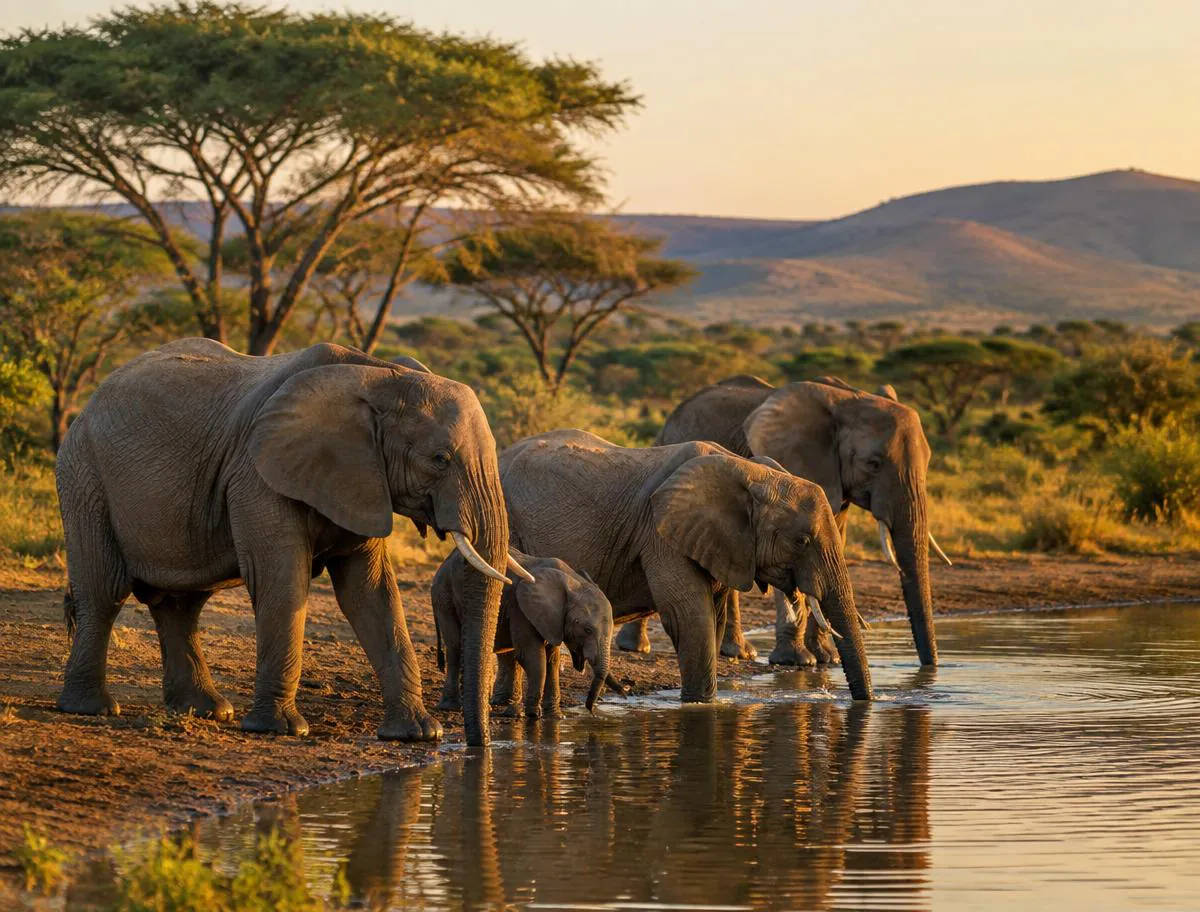
Akagera National Park
Read the savannah chapter's own planning detail before adding it.
Sources & verification
Official information behind this guide
Visit Rwanda's itinerary framing and official park sources inform the regional geography here; specific drive times are deliberately omitted and left to operator confirmation.
- Visit Rwanda — Itineraries Official itinerary framing and regional sequencing context
- Rwanda Development Board — Entering Rwanda Arrival planning context
- African Parks — Akagera National Park Official savannah park location and access context
- UNESCO World Heritage Centre — Nyungwe-Kivu Landscape Official rainforest region context
Build your route
Turn a route shape into a dated itinerary.
Lock your anchor permit dates, choose a shape above, and refine pace with a planner.