


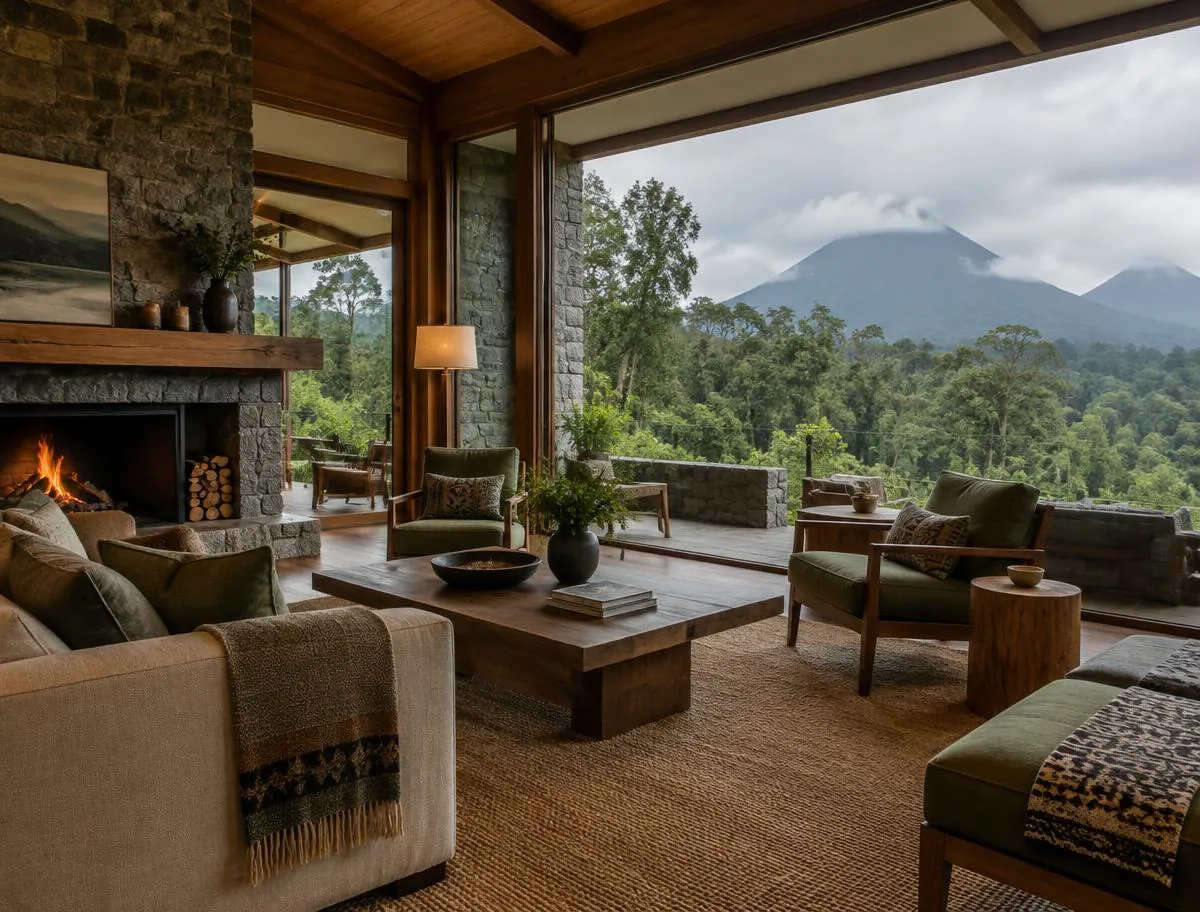
Gorilla trip budgeting
Rwanda Gorilla Trekking Cost: What You Actually Pay For
RDB publishes US$1,500 as the standard foreign-adult gorilla permit rate, with different eligible rates for certain resident, citizen and African categories. A gorilla trip has no single price at all. This guide separates the fixed official cost from the decisions that genuinely move your total — nights, comfort level, transport, add-ons and the quiet extras that rarely appear in a first quote.
Standard foreign-adult permitUS$1,500
Illustrative trip length2–4 nights
Reporting07:00
Trekkers per group8 maximum
A gorilla trip budget behaves like a building, not a shopping list: one foundation, then layers you choose.
Most confusion about gorilla trekking costs comes from mixing two different questions. The first question — what does the permit cost — has a published official answer. The second question — what does the trip cost — depends entirely on how you travel. When those two questions get blended, travellers either feel misled by a quote that seems far above the permit price, or they underestimate the trip badly and arrive with an unrealistic plan.
It helps to think in three tiers. The official tier contains the permit and any other park or activity fees set by the authorities. The logistics tier contains nights, transport, meals and the people who make the days work. The personal tier contains porters, tips, gear, insurance and the extras you may or may not want. The official tier is not negotiable. The logistics tier is where the majority of your decisions live. The personal tier is small per line, but it is where budgets quietly leak.
Understanding this structure matters more than memorising numbers, because numbers change. Rates are dynamic, seasons shift demand, and lodge pricing is commercial rather than official. A traveller who understands the structure can evaluate any quote in front of them. A traveller who has only memorised one figure cannot.
Two different numbers
The permit price is not the trip price
The permit is an official authorization for one named visitor on one date. It buys access to a managed wildlife experience — not the nights, vehicles, meals or people that make the day possible.
| Cost element | Set by | Varies with | Typical budget behaviour |
|---|---|---|---|
| Gorilla permit | Rwanda Development Board | Visitor category and eligibility evidence | Fixed per trekking person |
| Accommodation | Individual lodges and hotels | Comfort level, season, room type, number of nights | The largest adjustable line |
| Road transport | Operators and vehicle suppliers | Private or shared, distance, number of days | Fixed for the group, shared per person |
| Meals and drinks | Lodge or restaurant | Board basis and where you stay | Predictable daily figure |
| Porter | Park community system | Whether you hire one, and for how long | Small, optional, worth planning |
| Add-on activities | Park authorities and operators | Which extra experiences you choose | Each is a separate decision |
| Visa and entry | Rwanda Immigration | Nationality and travel category | Outside the trip price entirely |
Compare quotes by structure, not by headline figure.
When two quotes differ, the gap is almost never the permit. It is the number of nights, whether the vehicle is dedicated to your party, the room category, the board basis and whether a second region is included. Ask any operator to show the permit as its own line, then the nights, then transport, then activities. If a quote cannot be broken apart that way, it is difficult to evaluate honestly.
This also protects you from the opposite error: assuming the cheapest quote is the same trip for less money. A quote that omits the pre-trek night near the park, or that relies on a long dawn transfer from Kigali, is not a better deal. It is a different and riskier plan, because the published rules give no refund for late arrival.
Cost structure
Which costs are fixed, which are yours to move
Ranking the drivers by how much they actually change your total is more useful than any sample price list.
Gorilla permit
Major driverA fixed, per-person official cost of US$1,500 for a standard foreign visitor, as published on the live RDB permit page (opens in a new tab). It does not vary with lodge choice, season or group size.
Accommodation nights
Major driverThe number of nights near Volcanoes, and the comfort level you choose, move the total more than any other adjustable decision.
Private road transport
Major driverA private vehicle and driver for the Kigali–Musanze corridor and the early reporting drive is a large fixed cost shared across the group.
Additional regions
Moderate driverAdding Akagera, Nyungwe or Lake Kivu introduces more nights, more driving hours and more park or activity fees.
Meals and drinks
Moderate driverFull-board lodges bundle this; town-based stays make it variable. Either way it is a predictable daily figure, not a surprise.
Porters and tips
OptionalSmall individually, but real. Plan a porter per trekker and a tipping allowance for guides, trackers and lodge staff.
Second activity permits
OptionalGolden monkey tracking, Dian Fossey hiking or canopy activities in other parks are separate official costs.
Travel insurance
OptionalNot an official requirement of the permit, but the published no-refund rules for lateness and cancellation, alongside Rwanda's entry requirements, make it a sensible line.
Notice how few lines are genuinely major. The permit, the nights and the transport carry most of the weight. If your budget is tight, those three are where meaningful change happens — and only two of them are adjustable. Trimming small extras such as a porter or a tip allowance saves very little and costs a great deal in experience quality and local benefit.
Consider the reverse too. If you have more budget than a lean plan requires, the highest-value places to spend are usually an extra night near the park, a better-positioned lodge that shortens the pre-dawn drive, and a private vehicle that removes shared-timing risk on the reporting morning. Those purchases buy comfort where the day is hardest, rather than luxury that you sleep through.
Where you sleep
Accommodation is the budget's main lever
Lodges near Volcanoes National Park span simple guesthouses in and around Musanze through to premium forest-facing properties. All of them access the same park system.
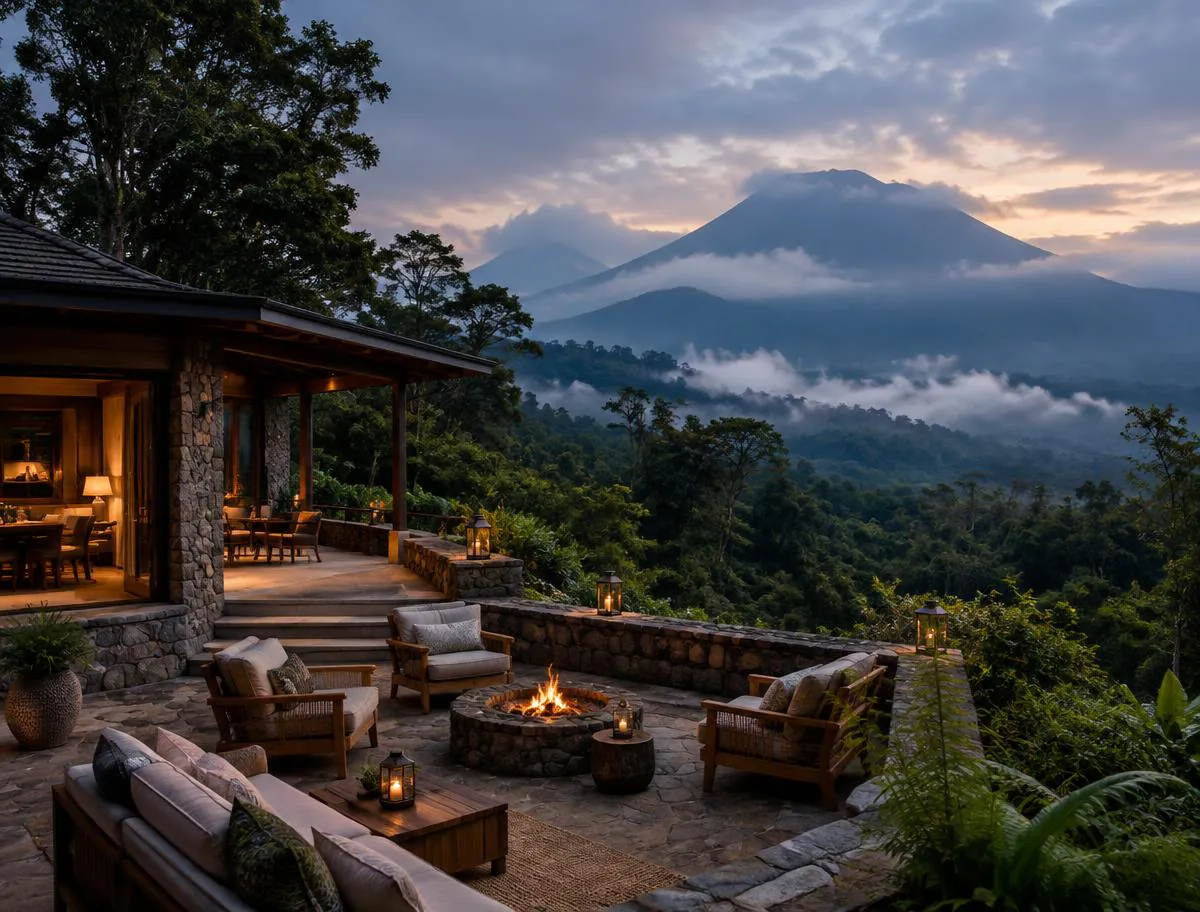
Simple and practical
Town-based guesthouses and small hotels around Musanze. Clean, functional, usually the lowest nightly cost, and often a slightly longer drive to reporting.
Comfortable mid-range
Established lodges with reliable heating, hot water, full meals and organised early breakfasts. A practical choice for many itineraries.
Premium and forest-facing
Higher service levels, larger rooms, in-house guiding support and short transfers. The cost step up is significant and entirely optional.
Kigali-based
Cheapest on paper, but it forces a very early departure on trek morning and adds risk against a strict reporting time.
The practical questions are simple. How long is the drive to the reporting point in the dark? Will breakfast genuinely be served early enough? Is there hot water and somewhere to dry soaked clothing afterwards? Can the property store or clean muddy boots? Those four answers matter more on a gorilla trip than thread count.
Because lodge pricing is commercial and seasonal, this guide does not publish nightly rates. What it can tell you is the shape of the decision: the jump from simple to comfortable usually buys reliability, and the jump from comfortable to premium usually buys space, service and setting. Neither jump changes your gorilla encounter, which is managed entirely by the park.
Getting there and back
Road transfers and the cost of arriving on time
Volcanoes National Park is reached by road from Kigali. The vehicle is a group cost, which is why traveller numbers change per-person totals so sharply.
| Option | How it is usually priced | Main advantage | Main trade-off |
|---|---|---|---|
| Private vehicle with driver-guide | Per vehicle per day, shared by your party | Control of timing on reporting morning and flexibility afterwards | Highest fixed cost for one or two travellers |
| Shared or scheduled transfer | Per seat | Lower cost for solo travellers | Timing follows the group, not your trek |
| Lodge-arranged transfer | Per trip, often bundled | Simple and usually well matched to reporting times | Less flexible for side trips |
| Self-drive | Vehicle hire plus fuel | Independence between regions | You absorb navigation, road conditions and early-morning risk |
Distance is not the difficulty here — timing is. Trekkers report early, and the published rules do not refund a late arrival. Whatever transport you choose, it must produce a calm, punctual arrival at the reporting point rather than a hopeful dash. That single requirement is why so many experienced planners insist on sleeping near the park the night before.
For couples and small groups, the per-person cost of a private vehicle falls quickly as numbers rise, which is often the clearest saving available without sacrificing anything. For solo travellers, the opposite is true, and a shared arrangement or lodge transfer may make the whole trip viable.
Trip length
Every extra night is a real, predictable cost
Nights are the most honest unit of gorilla trip budgeting, because each one carries accommodation, meals and usually vehicle time.
The cheapest defensible gorilla trip is not the shortest possible one.
A single night near the park before trekking is close to non-negotiable if you want the reporting time to be comfortable rather than tense. After that, each additional night is a genuine choice. A second night lets you rest properly after the trek instead of driving for hours on tired legs. A third opens the possibility of golden monkey tracking, a Dian Fossey hike or a cultural morning without cramming.
When people say a Rwanda gorilla trip is expensive, they are often describing a short trip with a high fixed cost concentrated into very few days. Adding a night or two typically lowers the cost per day while raising the total — and usually improves the experience noticeably. Decide which of those two numbers you are actually trying to control.
Small lines that matter
Porters, tips and the human side of the budget
These are modest costs with disproportionate value — both for your day in the forest and for the communities around the park.
Hire a porter
Porters carry your daypack and provide steady assistance on steep, slippery ground. Plan one per trekker and treat it as part of the trek, not an upsell.
Plan a tipping allowance
Guides, trackers, porters and lodge teams are customarily tipped. Setting an amount before you travel prevents awkward guesswork in the field.
Budget for gear you lack
Waterproof jacket and trousers, sturdy boots, gaiters and gloves are the difference between a demanding day and a miserable one.
Do not cut here first
Removing a porter or tips saves very little and reduces both your comfort and local benefit. Adjust nights or comfort level instead.
Extending the trip
Golden monkeys, Lake Kivu and other add-ons
Add-ons are the clearest example of costs you fully control: each one is a separate official fee or a separate set of nights.
Golden monkey tracking takes place in the same park and is a separate activity with its own official permit. Because rates are dynamic, verify the current figure with RDB rather than trusting a repeated third-party number. The Dian Fossey hike and Musanze-area cultural experiences work the same way: each is its own line.
Lake Kivu is different, because it is not a permit purchase. It costs nights, driving time and accommodation. That is precisely why it is such a common addition after trekking — it adds recovery and contrast rather than another physically demanding morning. Nyungwe and Akagera also pair well with Volcanoes, but they are longer drives and effectively create a second trip segment with its own park costs.
The planning test for any add-on is simple: does it need a permit, extra nights, or both? Answer that before you fall in love with the idea, and the budget impact stops being a surprise.
Shapes, not packages
How 2-, 3- and 4-night trips differ in cost
These are structures rather than prices. Each shape changes the number of nights, the amount of driving and the number of paid activities.
Permit-focused visit
- Night 1 — Volcanoes region, early night before the trek
- Trek day — trek, recover, optional afternoon rest
- Night 2 — Volcanoes region or return toward Kigali
The leanest defensible shape. It protects the reporting time without paying for extra regions, but leaves no spare day if weather or logistics disrupt the plan.
Trek plus a second experience
- Night 1 — Volcanoes region
- Trek day
- Night 2 — Volcanoes region, golden monkeys or a cultural morning
- Night 3 — Volcanoes region or Kigali before departure
A balanced option that pairs the trek with a second experience such as golden monkey tracking. Cost per day can be similar, total cost rises, and the trip stops feeling like a single rushed errand.
Gorillas with a change of landscape
- Night 1 — Volcanoes region
- Trek day
- Night 2 — Volcanoes region
- Nights 3–4 — Lake Kivu or Kigali
Adds recovery and contrast — often at Lake Kivu — rather than another hard activity. The extra cost is nights and driving, not usually another permit.
Notice that the permit line is identical in all three shapes. What changes is everything around it. That is the clearest possible demonstration of why a single advertised total for “gorilla trekking in Rwanda” is meaningless without the structure attached to it.
Two ways to spend
Luxury and practical trips diverge after the permit
Both traveller types buy the same official access. They differ in how much comfort, privacy and service surrounds it.
| Decision | Practical approach | Premium approach |
|---|---|---|
| Accommodation | Comfortable, functional, well located | Forest-facing design, larger space, high service ratio |
| Transport | Shared or efficient private vehicle | Dedicated vehicle and guide throughout, shorter transfers |
| Pace | Trek and continue | Extra nights for recovery and unhurried mornings |
| Meals | Straightforward full board or town dining | Curated dining, flexible timing around the trek |
| Add-ons | Chosen selectively | Layered freely: golden monkeys, hikes, cultural experiences |
| Gorilla encounter | Identical park-managed experience | Identical park-managed experience |
The final row is the important one. No amount of spending changes the regulated encounter: the same group limits, the same guided approach, the same viewing period once contact is made. Premium spending buys the hours around that encounter. Understanding this keeps expectations honest and makes the decision an interest-based one rather than a fear of missing out.
Practical savings
How to control cost without damaging the trip
There are good savings and bad savings. The good ones remove excess; the bad ones remove reliability.
Travel as a small group
Sharing a private vehicle and guide across three or four people reduces per-person cost significantly with no loss of quality.
Choose comfort over premium
The step from comfortable to premium is the single largest optional jump in most gorilla budgets.
Trim regions, not nights
Dropping a second park saves more than shaving a night near Volcanoes, and it protects the reporting morning.
Book the permit date first
Fixing the date first prevents expensive last-minute flight and lodge changes built around an unavailable date.
Avoid cutting the pre-trek night
It is the classic false economy: a small saving against a published no-refund lateness rule.
Avoid assuming a cheaper permit category
Reduced categories require residency or citizenship evidence and are not a discount to request.
Avoid unverified bargain permits
If an offer sits far below the official rate for your category, verify it directly with RDB before paying anything.
The quiet extras
Costs travellers routinely forget
None of these are dramatic on their own. Together they are often the gap between the budget and the final total.
The pre-trek night
Budgeting only for the trek date pushes travellers into a long dawn drive from Kigali, which risks the published no-refund lateness rule.
Airport transfers
Kigali arrival and departure transfers are frequently left out of informal comparisons, then added later at a premium; Visit Rwanda's official travel guidance (opens in a new tab) is a useful place to confirm what a package should include.
Tips for trackers and staff
Not mandatory in the official rules, but customary and worth planning as a defined allowance instead of an awkward improvisation.
Rain-proof clothing and gaiters
Buying or renting appropriate layers, boots and gaiters is a real pre-trip cost for travellers who do not already own them.
Single-traveller supplements
Solo travellers absorb the full private-vehicle cost and often a single-room supplement, which changes the per-person total sharply.
Visa and entry costs
Entry permission is handled by Rwanda Immigration (opens in a new tab) and is entirely separate from the gorilla permit.
Insurance and medical preparation
Travel insurance, vaccinations and medication are outside the trip quote but inside your real budget — the Rwanda safari guides library covers preparation topics like this one.
Current data
Verify the permit price before you commit
Permit rates are dynamic and the live official product is always the authority.
This guide deliberately avoids publishing lodge rates, vehicle day rates or a fabricated “from” package price. Those figures are commercial, they change frequently, and repeating them with a confident tone would make this page less useful, not more. What stays stable is the structure: one official permit, a set of nights, a vehicle, meals, and a short list of optional extras.
When you are ready for exact figures, take the structure on this page to a quote and ask for each line separately. If a supplier cannot separate the permit from the rest, that is useful information in itself.
Cost FAQ
Direct answers about gorilla trip budgets
How much does gorilla trekking in Rwanda cost in total?
There is no single honest total. The permit alone is US$1,500 for a standard foreign visitor, and the rest of the trip depends on how many nights you stay near Volcanoes National Park, the comfort level of your lodge, whether transport is private or shared, and which add-on activities you choose. Build the budget from the permit upward rather than from an advertised daily rate downward.
Is the permit the biggest single cost?
For most short gorilla-focused trips the permit is the largest single line, but it is rarely the majority of the total once accommodation, private road transport, meals, tips and international flights are included. Treat US$1,500 per trekking person as the fixed foundation and everything else as adjustable.
Can I reduce the permit price?
Not by negotiating. Lower published rates are eligibility categories tied to residency or citizenship evidence, not discounts — see the Rwanda gorilla permit guide for the full category rules — and the live product excludes promotional rates during certain 2026 months. If you do not qualify with documents, budget the standard foreign visitor rate.
Does a cheaper lodge ruin the trek?
No. The trek itself is run by the park, so lodge choice changes comfort, food, distance to the reporting point and recovery quality — not your access to gorillas. The main practical risk of the cheapest option is a longer pre-dawn drive to reporting.
How many nights do I need to budget for?
An illustrative gorilla-focused shape uses 2–4 nights, with at least one night in the Volcanoes region before the trek so that the 07:00 reporting time does not depend on a long same-morning drive.
Should I budget for a porter?
Yes. A porter is an optional, modest cost with a real community benefit and a real comfort benefit on steep, muddy ground. Treat it as a planned line on your packing and preparation list rather than an unexpected request on the morning.
Are two permits cheaper than one?
No. Permits are priced per named visitor, under RDB's advance-booking terms (opens in a new tab). What does improve with two travellers is the per-person cost of a private vehicle, a guide and in some cases a room, since those are shared.
Do children pay the same?
Gorilla trekking has a minimum age of 15, so a younger child is not a cheaper trekker — they are a non-trekker who still needs accommodation, supervision and an alternative plan while the adults are in the forest — the Rwanda family safari guide covers how families structure that day.
Is a combined Rwanda trip cheaper per day than a gorilla-only trip?
Often yes per day, and higher in total. Adding Akagera, Nyungwe or Lake Kivu spreads fixed costs such as transfers across more days while increasing overall spend. Decide on total budget first, then choose the number of regions.
Why do quotes differ so much for the same dates?
Because they include different things. Compare the permit line, the number of nights, the room category, whether transport is private, which meals are covered and whether park and activity fees for other regions are included before concluding that one quote is better value. If you would rather not reconcile the line items yourself, a custom safari planner can build like-for-like quotes for comparison.
Continue planning
The guides that own your next cost question
Permit rules, the trek day itself and the wider Rwanda budget are each handled in their own guide.
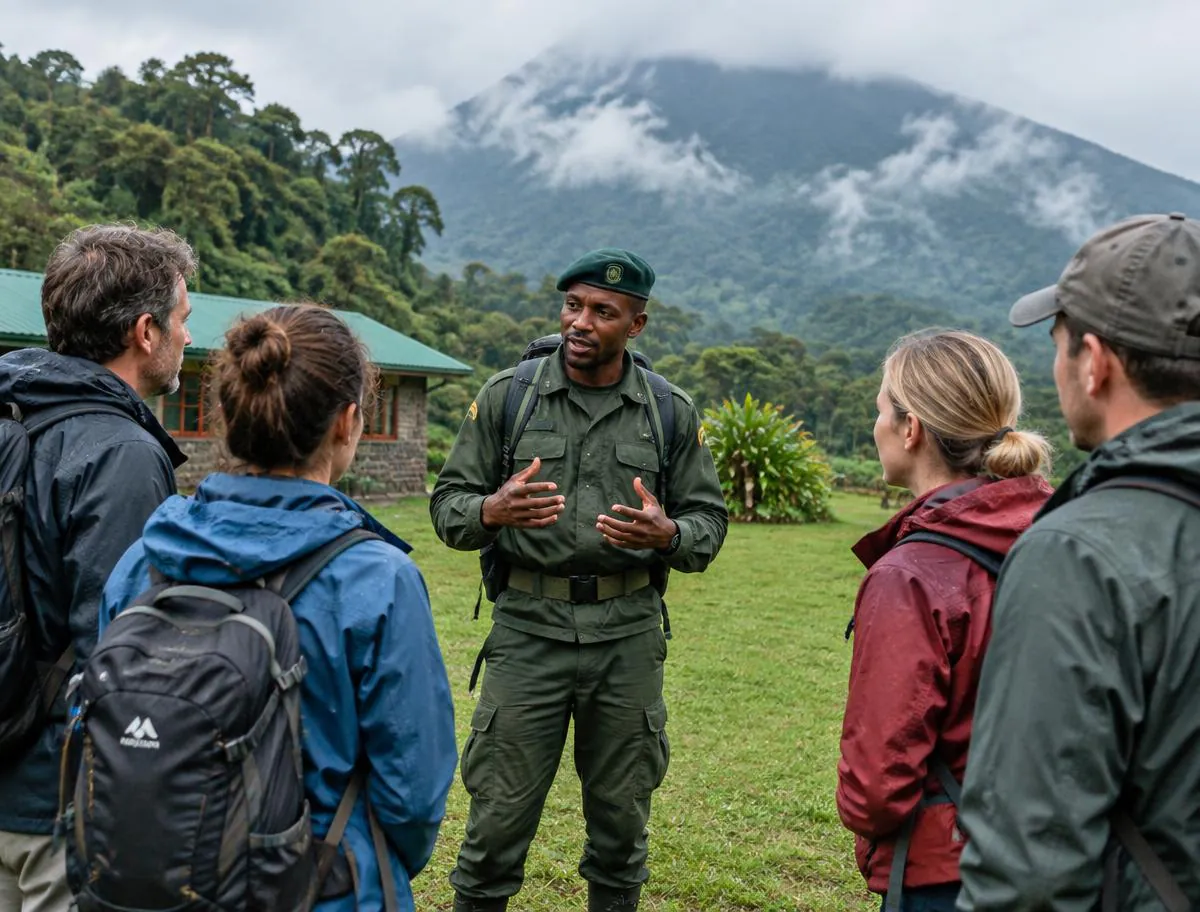
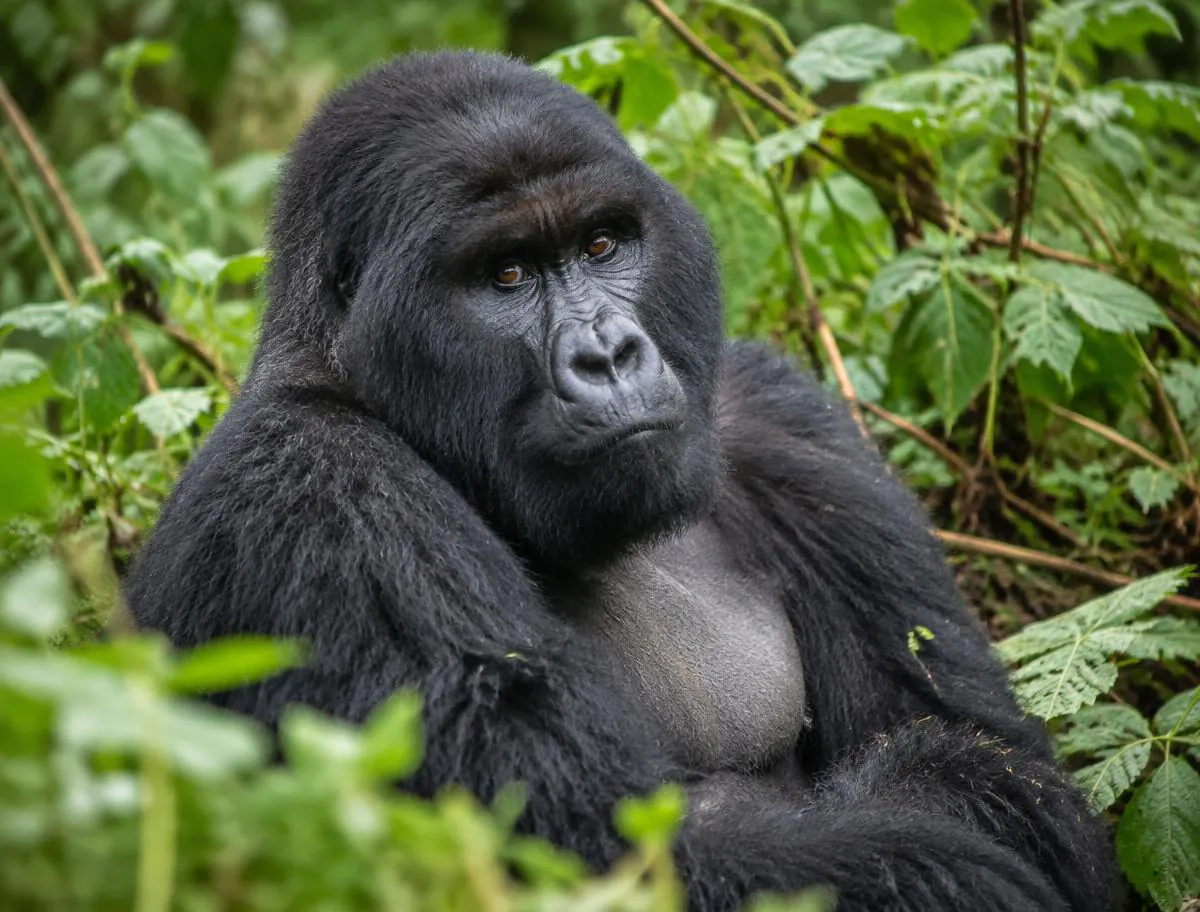
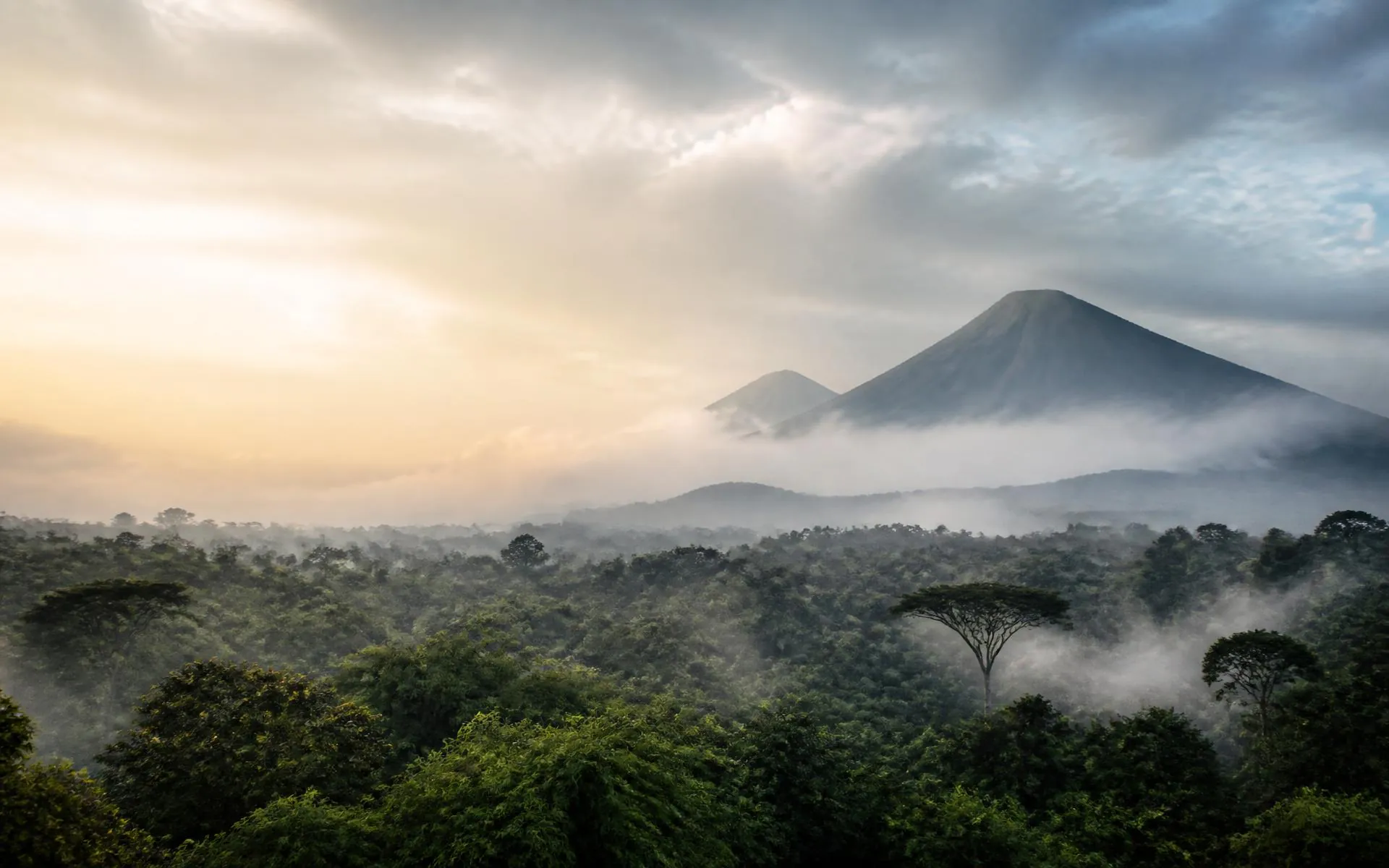
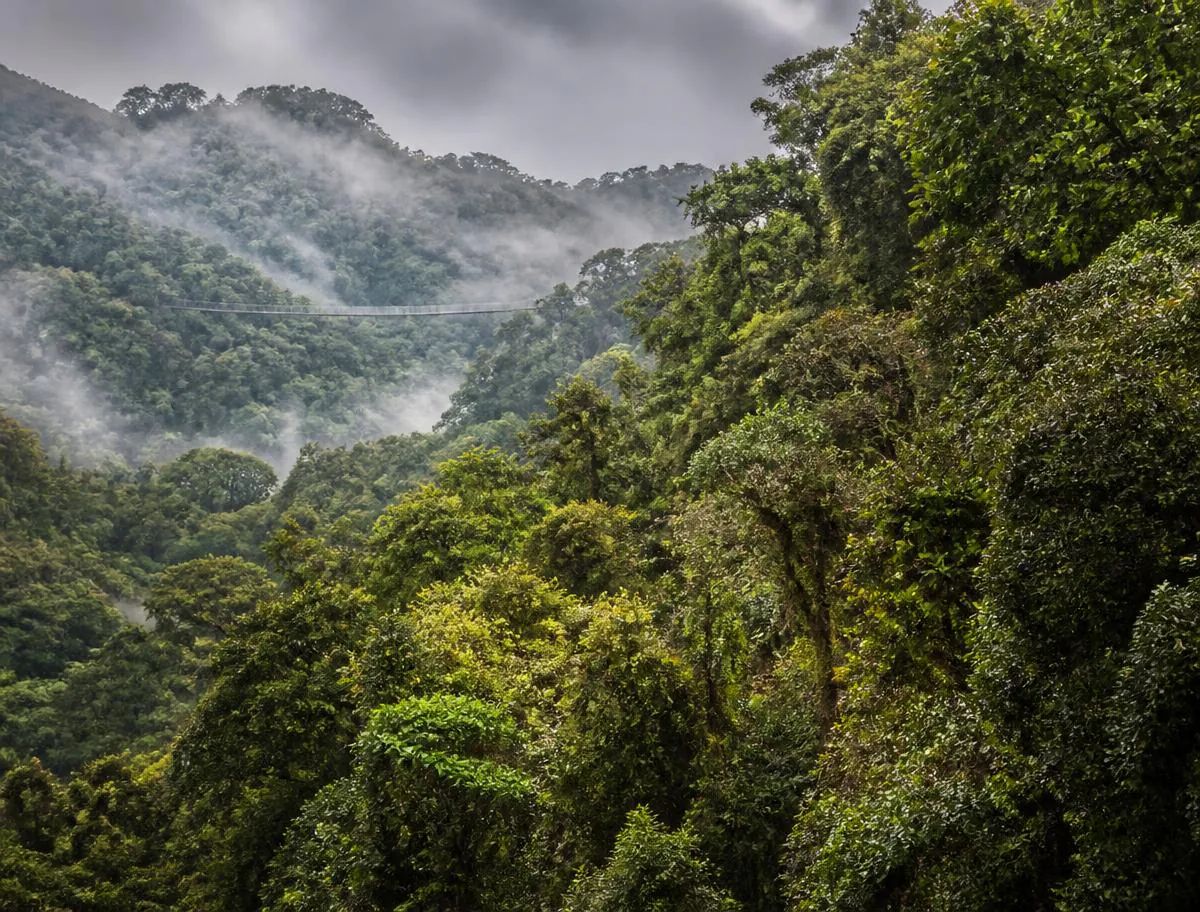
Volcanoes National Park
Choose between gorillas, golden monkeys, hikes and wider park experiences.
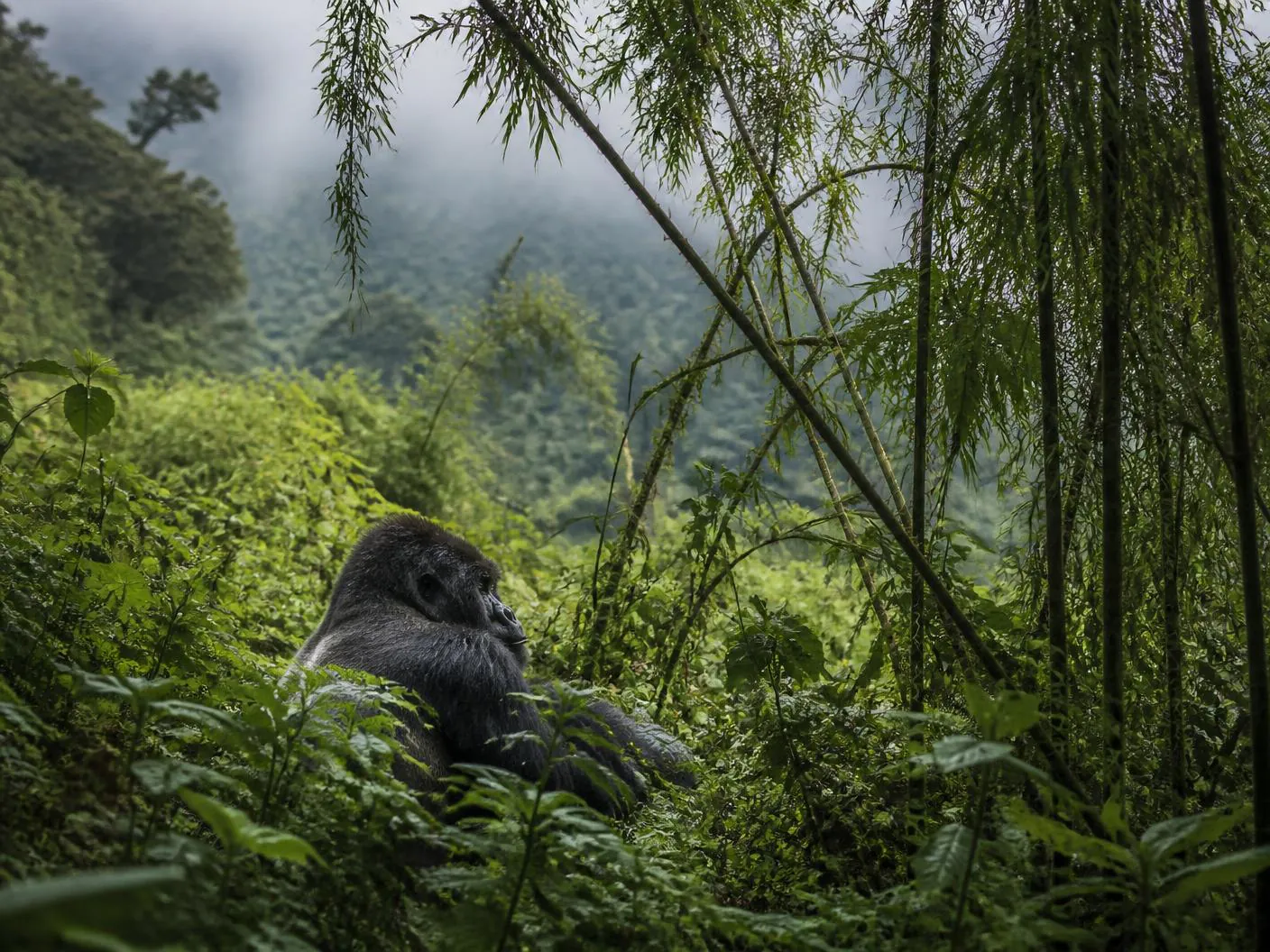
Rwanda vs Uganda Gorilla Trekking
Compare whole-route costs and logistics without a forced winner.
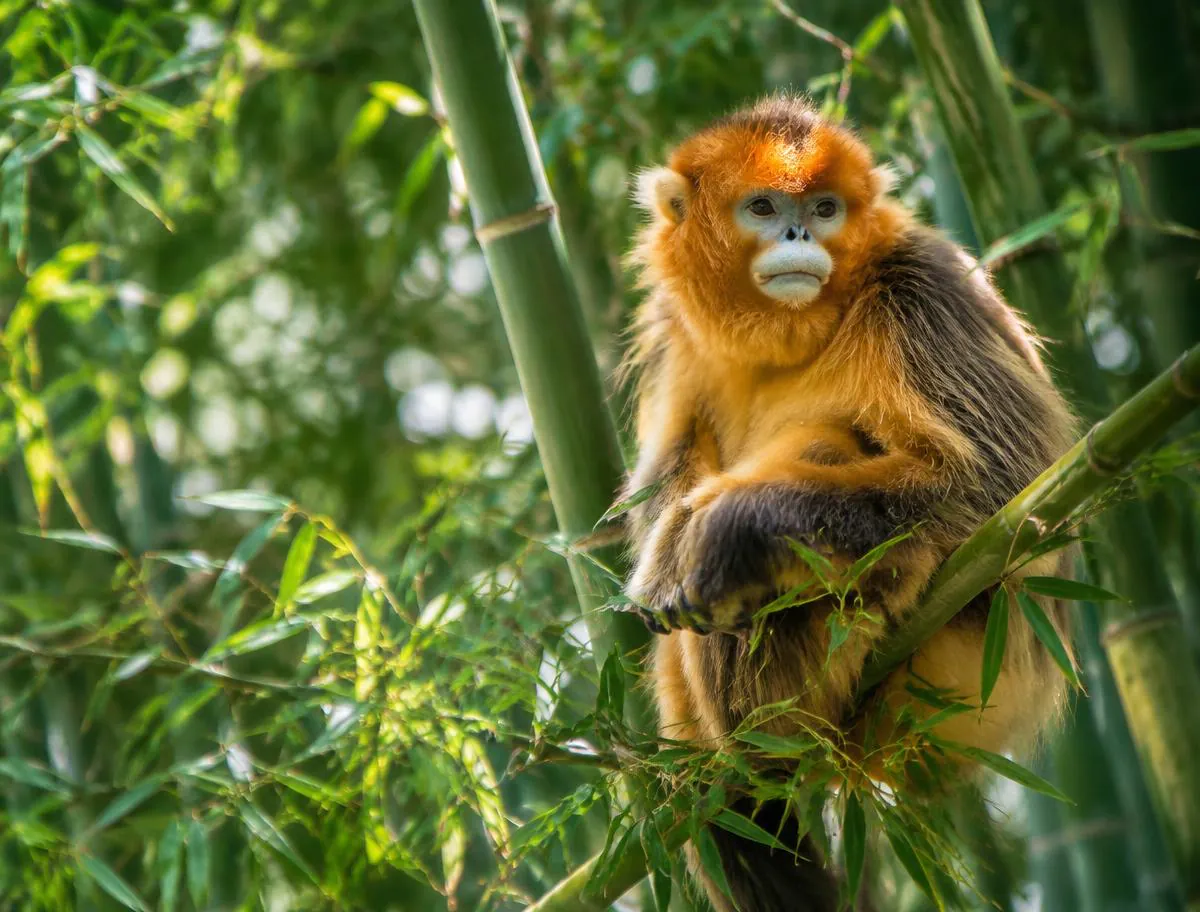
Golden Monkey Trekking
Understand the separate permit and trip shape for a second primate morning.
Sources & verification
Official information behind this guide
Official RDB pages are used for the permit rate, visitor categories, age rule, reporting time and group limit. Visit Rwanda is used for destination and activity context, and Rwanda Immigration for entry costs that sit outside the trip. Commercial lodge and vehicle rates are intentionally not published here.
- RDB — Mountain gorilla tracking permit Current permit rate, visitor categories, age rule, reporting time and group limit
- RDB — Advance booking of tourist permit Operator advance-booking and confirmation terms that affect how permits are paid for
- Visit Rwanda Official destination, activity and regional travel guidance used for trip structure
- Rwanda Directorate General of Immigration and Emigration Visa and entry costs that sit outside the permit and the trip price
From budget to booking
Fix the permit and the nights first. The rest of the budget follows.
The permit guide covers official rules and payment. The trekking guide covers the day itself. Together they turn a rough number into a plan you can actually book.