


Best Time to Visit Zanzibar
Zanzibar is warm all year, so the real question is not temperature. It is rain, humidity, wind and how your island days line up with the safari before them. This guide answers all four, month by month.
- Guide
- Planning
- Reading time
- 11minutes
- In this guide
- 7sections
- Month-by-month sea and rain
- Safari season overlap
- Kite wind windows
Written and maintained by the Safari Soles planning team in Arusha, Tanzania.
The best time to visit Zanzibar is June to October, the long dry season:
- June–October: driest, least humid, best all-round island weather and best safari overlap.
- December–February: hot, calm sea, best underwater visibility, highest festive prices.
- Mid-March–May: long rains, cheapest rates, some hotel and boat closures.
- November: short rains, usually brief afternoon showers, still a good-value month.
- Kite season runs roughly June–September and December–February on the east coast.
01 / 07
Zanzibar's four seasons, in plain language
Zanzibar sits just south of the equator, so daytime temperatures barely move: 28–33°C most of the year. What changes is rainfall, humidity and the monsoon wind direction: the seasonal detail behind our Zanzibar travel guide.
Which month should you go?
Match your priorities to Zanzibar's seasons, including the months most people are wrongly told to avoid.
0 of 2 answered
Answer all 2 questions and your result appears here.
| Season | Months | What it feels like | Best for |
|---|---|---|---|
| Long dry season | June – October | Low humidity, cooler nights, blue skies, steady south-east breeze | First-time visitors, families, safari + beach combinations |
| Short rains | November – mid December | Warm and humid with short, heavy afternoon showers | Value seekers who do not mind an hour of rain |
| Hot dry season | Mid December – February | Hot, humid, glassy sea, very bright light | Diving, snorkelling, honeymoons, festive travel |
| Long rains | Mid March – May | Heavy rain, high humidity, rough sea days, most seaweed | Budget travel and quiet beaches only |
Long dry season
- Months
- June – October
- What it feels like
- Low humidity, cooler nights, blue skies, steady south-east breeze
- Best for
- First-time visitors, families, safari + beach combinations
Short rains
- Months
- November – mid December
- What it feels like
- Warm and humid with short, heavy afternoon showers
- Best for
- Value seekers who do not mind an hour of rain
Hot dry season
- Months
- Mid December – February
- What it feels like
- Hot, humid, glassy sea, very bright light
- Best for
- Diving, snorkelling, honeymoons, festive travel
Long rains
- Months
- Mid March – May
- What it feels like
- Heavy rain, high humidity, rough sea days, most seaweed
- Best for
- Budget travel and quiet beaches only
The practical difference between June and February is humidity rather than heat. In the dry season a sea breeze runs across the island most of the day, so 30°C feels comfortable in the shade. In January the same 30°C sits still and heavy, which is why air conditioning and a sea-facing room matter far more in the hot season.
Rain in Zanzibar is rarely all-day drizzle. Even in the long rains you often get bright mornings and a violent hour of rain in the afternoon. The reason we still steer travellers away from April is not the rain itself. It is that boats cancel, roads flood, and the east coast collects seaweed at exactly the time you want to swim.
02 / 07
Zanzibar month by month
Use this as a shortlist tool: find your travel window, then check whether the beach you like behaves well in that month.
- Weather
- Sea and wind
- Crowds and price
January
- Weather
- Hot, humid, occasional short shower
- Sea and wind
- Calm, excellent visibility
- Crowds and price
- Busy early, quieter after mid-month
February
- Weather
- Hottest month, humid
- Sea and wind
- Very calm, best diving
- Crowds and price
- Moderate, good value before March
March
- Weather
- Humid, rain building from mid-month
- Sea and wind
- Choppier, seaweed increasing east
- Crowds and price
- Quiet, low rates
April
- Weather
- Wettest month
- Sea and wind
- Rough days, many boat cancellations
- Crowds and price
- Very quiet, some closures
May
- Weather
- Rain easing late in the month
- Sea and wind
- Improving, still unsettled
- Crowds and price
- Very quiet, lowest rates
June
- Weather
- Dry, fresh, low humidity
- Sea and wind
- Breezy, good swimming, kite season starts
- Crowds and price
- Building, good value
July
- Weather
- Dry and pleasant, cool nights
- Sea and wind
- Steady wind, clear water north
- Crowds and price
- Busy, peak safari season
August
- Weather
- Dry, breezy, comfortable
- Sea and wind
- Windy east coast, calm north
- Crowds and price
- Busiest dry-season month
September
- Weather
- Dry, warm, very stable
- Sea and wind
- Calm mornings, good all round
- Crowds and price
- Busy but easier than August
October This month
- Weather
- Warm, humidity rising late
- Sea and wind
- Calm, excellent snorkelling
- Crowds and price
- Great balance of weather and price
November
- Weather
- Short rains, warm
- Sea and wind
- Mostly calm between showers
- Crowds and price
- Quiet, strong value
December
- Weather
- Hot, humid, showers early month
- Sea and wind
- Calm from mid-month
- Crowds and price
- Very busy and expensive from 20 Dec
If you want one month to book without thinking about it, choose September or early October. You get dry-season stability, warm sea, good snorkelling conditions, and the Serengeti is still excellent, so a safari and beach trip works without compromise on either half.
03 / 07
How Zanzibar timing lines up with a Tanzania safari
Most travellers reach Zanzibar after a safari, so the island dates are usually decided by the parks.
- June to October is the strongest combined window: dry-season game viewing in the Serengeti plus Zanzibar's best beach weather.
- Late June to July suits travellers who want the Grumeti river crossings before flying to the coast.
- January to February works well for the southern Serengeti calving season followed by calm, glassy island days.
- April and May are the weakest months for both halves: green and beautiful inland, but wet on the coast.
Practically, the island half should come second. Ending on the beach lets you absorb early game-drive starts, long transfers and dusty roads before you fly home, and it means a delayed bush flight costs you a beach afternoon rather than a park day.
If you are also climbing, the same logic applies. See Kilimanjaro and Zanzibar for how many recovery nights to leave between the summit and the sea. If you are mapping the wider trip, our Tanzania resource hub covers the safari side in full.
04 / 07
Tides, seaweed and wind by coast
North coast (Nungwi, Kendwa)
- Deep water swimming at almost all tides
- Very little seaweed year round
- Sheltered from the strongest south-east wind
- Best choice if swimming matters most
East coast (Paje, Jambiani, Matemwe)
- Wide tidal flats: the sea retreats far at low tide
- Seaweed peaks roughly December to March and in the long rains
- Reliable wind for kitesurfing June–September, December–February
- Best choice for space, wind sports and lower prices
Neither coast is better; they are different holidays. Choosing the wrong one for how you like to spend a day is the single most common Zanzibar mistake we correct. The best beaches in Zanzibar guide compares each stretch side by side.
05 / 07
Travelling during Ramadan
Zanzibar is a predominantly Muslim island, and Ramadan shifts about eleven days earlier each year. Beach resorts operate normally, but Stone Town is quieter during the day, many local restaurants close until sunset, and alcohol service outside hotels is limited.
It is a genuinely interesting time to visit if you are curious about island life (the evening food scene after iftar is excellent) but if your plan is bar-hopping and lively beach nights, pick different dates.
- Dress more conservatively than usual in Stone Town and villages.
- Avoid eating, drinking or smoking in public during daylight hours.
- Expect reduced daytime service on spice tours and in local cafés.
- Eid brings crowded ferries and busy domestic flights, book early.
06 / 07
Zanzibar's year, explained properly
Zanzibar sits just south of the equator, so it does not have a hot season and a cold one. It has wet periods and dry periods, driven by the monsoon winds that also built its history. Temperatures vary less across the year than humidity, wind and rainfall do, which is why a month-by-month reading is more useful than the usual 'best time' verdict.
The kaskazi, the north-east monsoon, runs from around December to February or March: hotter, more humid, lighter winds, and typically the calmest and clearest sea of the year. This is peak snorkelling and diving visibility, and it includes the December and January holiday price peak.
The long rains (*masika*) fall from around late March through May. This is the wettest, most humid stretch, with rain that tends to arrive in heavy bursts rather than all-day drizzle. Many small hotels close for part of it, and prices are at their lowest for those who accept the risk.
The kusi, the south-east monsoon, runs from around June to September or October: the driest, breeziest and most comfortable season, with lower humidity and reliable wind for kitesurfing. It is also the high season that overlaps with the Serengeti's dry-season game viewing, which is why most safari-plus-beach trips land here.
The short rains (*vuli*) fall around November, usually as brief afternoon showers rather than washouts, in a month that offers some of the best value on the island.
One caveat worth repeating: these are patterns, not schedules. The rains have shifted noticeably in recent years, and a dry April or a wet July both happen. Plan around the odds, not around a promise.
What each season actually gives you
| Season | Months | Strengths | Weaknesses |
|---|---|---|---|
| Kaskazi | Dec–Feb | Calmest sea, best visibility, hot and sunny | Humid, peak prices over the holidays |
| Long rains | Late Mar–May | Lowest prices, empty beaches, green island | Heaviest rain, some closures, humid |
| Kusi | Jun–Oct | Driest, least humid, best safari pairing, best wind | Busiest and priciest in Jul–Aug, choppier sea |
| Short rains | Nov | Good value, quiet, short showers only | Less reliable weather, some rain days |
Kaskazi
- Months
- Dec–Feb
- Strengths
- Calmest sea, best visibility, hot and sunny
- Weaknesses
- Humid, peak prices over the holidays
Long rains
- Months
- Late Mar–May
- Strengths
- Lowest prices, empty beaches, green island
- Weaknesses
- Heaviest rain, some closures, humid
Kusi
- Months
- Jun–Oct
- Strengths
- Driest, least humid, best safari pairing, best wind
- Weaknesses
- Busiest and priciest in Jul–Aug, choppier sea
Short rains
- Months
- Nov
- Strengths
- Good value, quiet, short showers only
- Weaknesses
- Less reliable weather, some rain days
07 / 07
When to go, depending on why you are going
Snorkelling and diving
Go Jan–Mar
- Avoid
- Jun–Aug, Apr–May
- Why
- Calmest water and best visibility; the kusi brings chop
Safari plus beach
Go Jun–Oct
- Avoid
- Apr–May
- Why
- Dry-season game viewing pairs with the driest island months
Kitesurfing
Go Jun–Sep, then Dec–Feb
- Avoid
- Apr–May, Nov
- Why
- The two monsoons deliver the wind; the shoulders do not
Honeymoon comfort
Go Jun–Oct or Jan–Feb
- Avoid
- Apr–May
- Why
- Dry and low-humidity, or calm and clear
Value
Go Nov, early Dec, Mar
- Avoid
- Late Dec, Jul–Aug
- Why
- Shoulder rates without the worst of the rain
Empty beaches
Go Apr–May, Nov
- Avoid
- Dec–Jan, Jul–Aug
- Why
- Low season means space, at a weather cost
Families with school holidays
Go Jul–Aug
- Avoid
- None
- Why
- Coincides with the driest season; book early and expect peak pricing
Ramadan shifts about eleven days earlier each year against the Gregorian calendar, so check your specific travel year. It changes daytime rhythms in Stone Town and the villages far more than it changes resort life. See the Stone Town guide for what to expect.
School holidays and public holidays in Europe, East Africa and the Gulf drive occupancy and price spikes that have nothing to do with rainfall. Late December is the sharpest of them by a wide margin.
Common mistakes to avoid
The planning slips we see most often. Each one is easy to avoid once you know it.
- Booking April or early May for a beach-first holiday because the rates look excellent.
- Choosing an east-coast hotel for a swimming holiday without checking the tide chart.
- Assuming Zanzibar is cool because it is not the hot season. It is humid year round.
- Arriving on 22 December without booking, then paying peak festive rates for a compromise room.
- Planning only two island nights after a long safari, so half the stay is travel.
Send us your rough travel window before you book flights and we will build the dates around it. If your dates fall in a poor tide or rain pattern for the beach you have in mind, we will tell you and suggest either a different coast or a small shift in dates, usually three or four days is enough to change the trip completely.
Questions worth asking any operator
Copy these questions into your enquiry: to us or to any operator you are comparing. The answers tell you more about a Zanzibar trip than any brochure.
- What is the tide pattern at this hotel during our dates?
- Is seaweed usually an issue on this beach in this month?
- Will the wind suit or spoil what we want to do: swimming, kiting or diving?
- How does this timing affect the safari half of the trip?
- What is the cancellation policy if we shift dates by a week?
What Safari Soles puts in writing
Nothing important about your trip should be discovered at check-in. Each of these is put in writing for your itinerary before you pay a deposit.
-
Which beach area, and why that one for our dates?
Tide, wind and atmosphere vary hugely by coast; the reason should match how you want to spend your days.
-
What exactly is included in the board basis?
Half board, full board and all-inclusive mean different things island to island: drinks and excursions are often outside.
-
How are transfers and internal flights handled?
Baggage limits, drive times and connection buffers decide whether a safari-to-beach day is calm or stressful.
-
Which excursions are booked, and at what price?
Pre-booked trips at fixed prices avoid beach-side selling and surprise costs mid-holiday.
-
What is the payment, change and cancellation policy?
Island hotels have their own terms; you should see them in writing before you pay a deposit.
How we run a Zanzibar trip
Safari Soles is a Tanzania-based team. This is what we do for every traveller who books an island stay with us, in plain language.
-
One planner, start to finish
The person who plans your route is the person who answers on the day you travel. No handover to an unnamed inbox.
-
Itemised quotes
Accommodation, transfers, flights, excursions and fees are listed separately so you can see exactly what you are paying for.
-
Safari and beach as one trip
We plan the parks, the internal flight and the island days together, which is where most Zanzibar itineraries go wrong.
-
Honest seasonal advice
If your dates fall in the long rains or a tide window that will not suit you, we say so and suggest an alternative.
Planned by people who live the route
This hub exists because the same Zanzibar questions come up on every safari enquiry we answer.
- Locally based in Tanzania
- Safari and island specialists
- Licensed and insured operator
- Fast, direct answers
- Read Safari Soles reviews on TripAdvisor
- Read Safari Soles reviews on SafariBookings
- Read Safari Soles reviews on Google
Where these facts come from (4)
- Tanzania Meteorological Authority Official seasonal forecasts and rainfall outlooks for Tanzania and Zanzibar.
- Zanzibar Commission for Tourism Official island tourism body: licensed operators, entry rules and visitor information.
- Tanzania National Parks (TANAPA) Official park authority: entry fees, seasons and current park regulations.
- Tanzania Tourist Board National tourism information covering parks, coast and travel practicalities.
Related Safari Soles guides
Continue with the guides travellers usually read next.
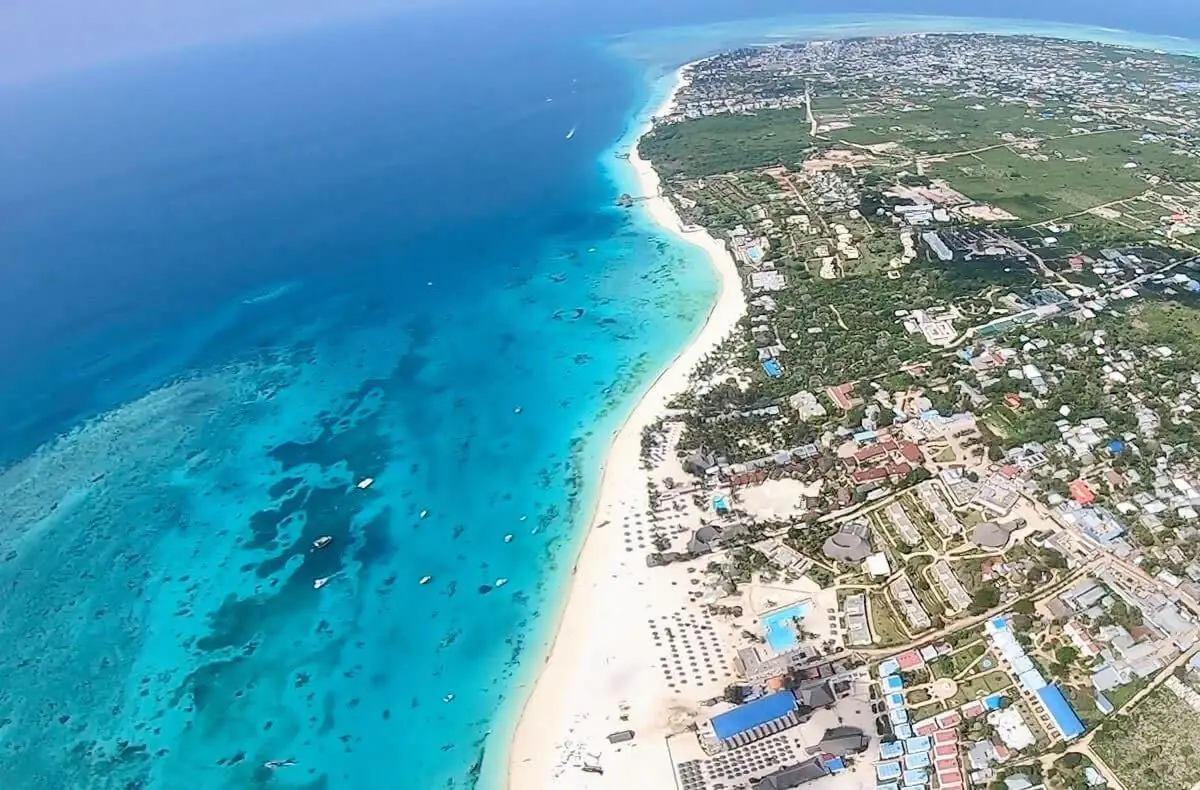 How Many Days in Zanzibar Whether three, five or seven nights fits your trip, and how long to add after a safari or Kilimanjaro climb. Planning
Read the guide
- Best Beaches in Zanzibar A side-by-side look at the main coasts: tide behaviour, swimming, atmosphere and who each beach actually suits. Beaches
Read the guide
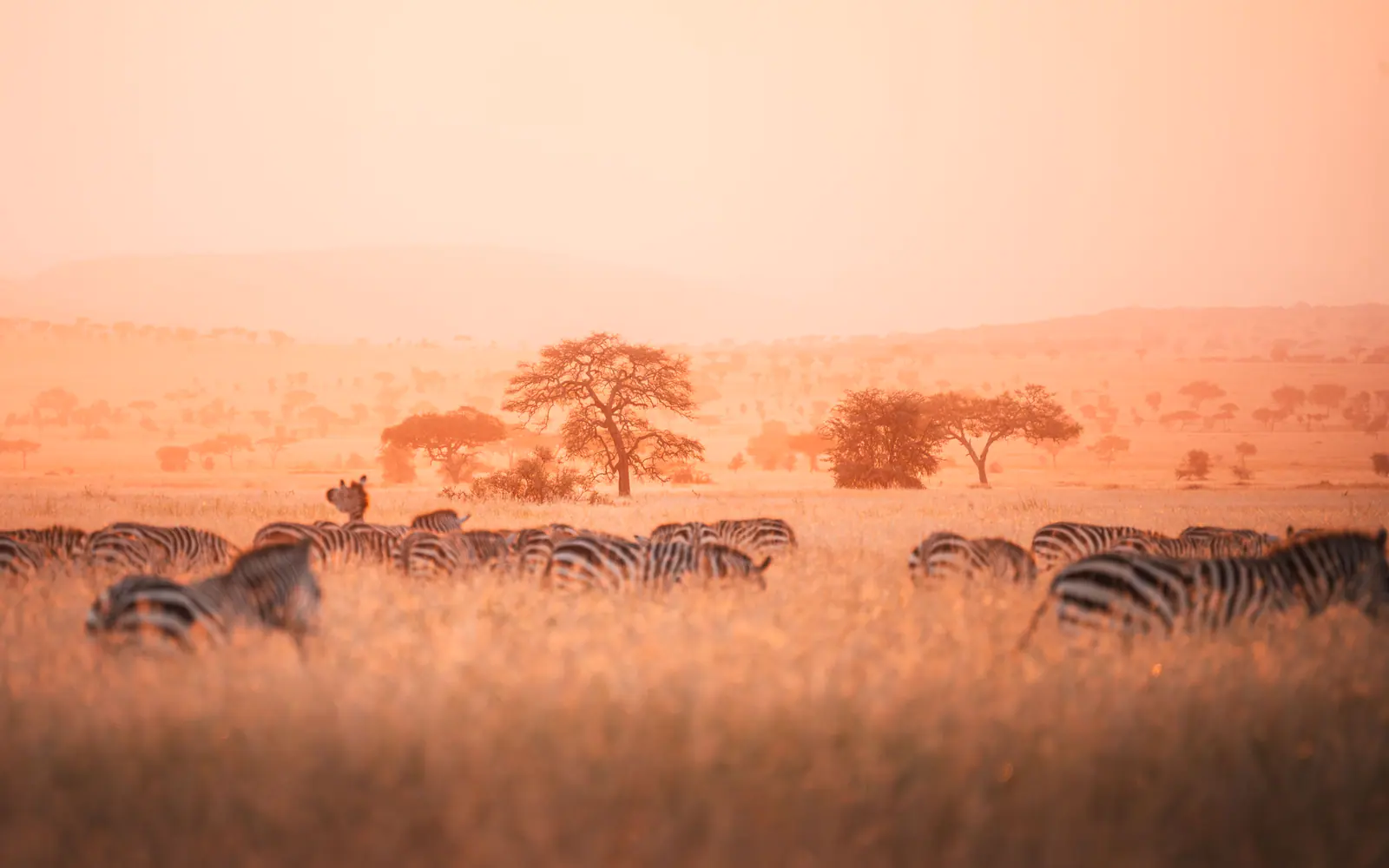 Zanzibar Safari and Beach How a safari and beach trip fits together: order, flight legs, transfer days and how many nights to give each half. Safari + Beach
Read the guide
Frequently Asked Questions
-
April is comfortably the wettest month, with May close behind. Rain usually comes in heavy bursts rather than all-day drizzle, but boat trips are cancelled more often and some smaller hotels close for maintenance.
Not sure your dates work?
Tell us the window you are considering and we will tell you honestly how Zanzibar behaves in those weeks (tides, wind, rain and price) and what to change if it does not fit.