


Mnemba Atoll, Zanzibar
Mnemba is the reef everyone comes to Zanzibar for: a small private island ringed by a marine conservation area with the clearest water and the best fish life on the coast.
- Guide
- Beaches
- Reading time
- 7minutes
- In this guide
- 5sections
- Best reef on the island
- Marine park fee applies
- Go early, not midday
Written and maintained by the Safari Soles planning team in Arusha, Tanzania.
Mnemba Atoll lies about three kilometres off Zanzibar's north-east coast.
- You can snorkel and dive the reef but not set foot on the island.
- Best visibility from late June to March; worst in the long rains.
- Launch from Matemwe (15–20 min) rather than Nungwi (60+ min).
- Morning trips have calmer water and far fewer boats.
- Choose an operator that does not chase or swim with dolphins.
01 / 05
What you actually see at Mnemba
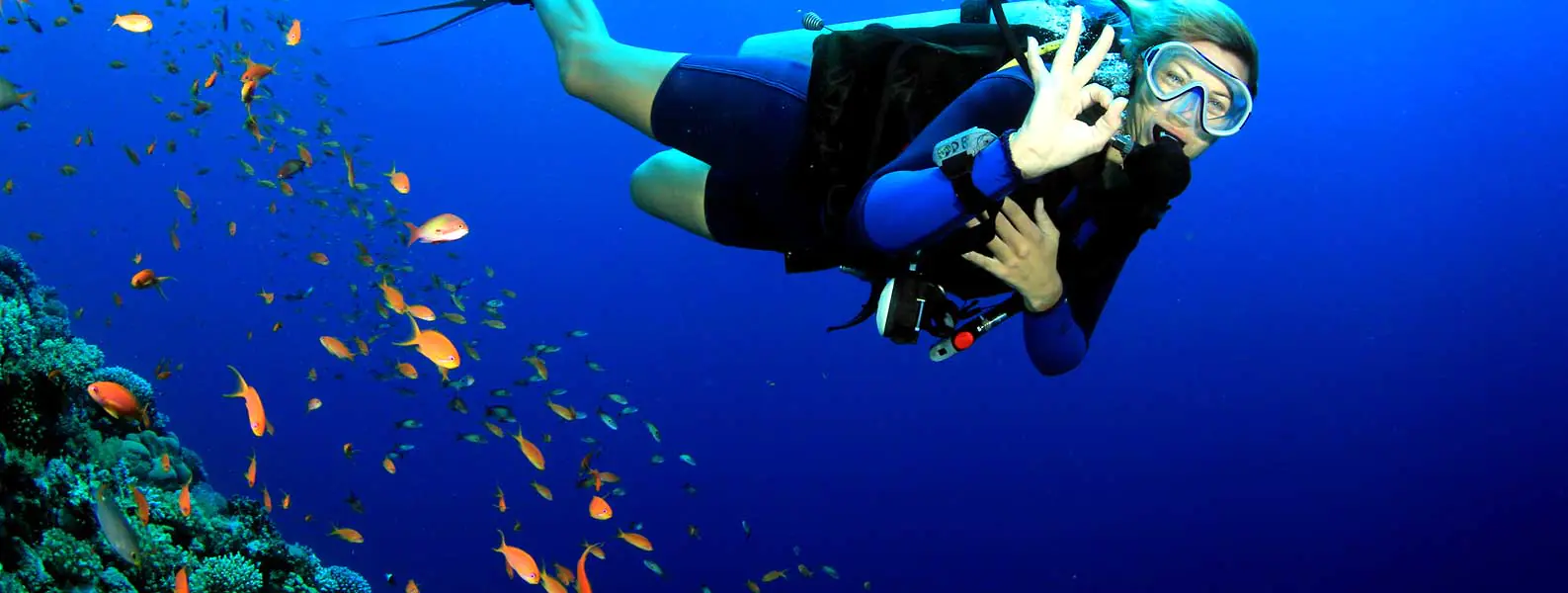
The atoll's reef sits in shallow, sheltered water on its western side: a gently sloping garden of hard and soft coral in three to twelve metres, ideal for snorkelling. Green turtle sightings are common though never guaranteed, and the fish density is genuinely striking: unicornfish, snapper, parrotfish, angelfish, wrasse and clouds of anthias moving over the coral. Moray eels sit in the crevices; on a good day you will see a reef shark or a large ray on the drop-off.
Divers get more. The eastern and northern walls fall to thirty metres and beyond, with pelagic action (kingfish, barracuda, occasional eagle rays) and better coral cover away from the snorkelling zone. Kichwani, Wattabomi and the Big Wall are the sites operators name most often.
Like every Indian Ocean reef, Mnemba has been affected by bleaching events. It is not a pristine reef untouched by climate change, and anyone who tells you otherwise is selling something. It is, however, comfortably the best reef accessible from Zanzibar, and the conservation area has kept fish life strong. It sits alongside kayaking, sailing and the island's other water activities.
Snorkelling vs diving
| Snorkelling | Diving | |
|---|---|---|
| Depth | 3–8m over the reef flat | 12–30m+ on the walls |
| Half-day cost | US$40–90 per person plus fees | US$120–180 for two tanks |
| Best conditions | High tide, early morning | Morning, low wind |
| Highlights | Turtles, reef fish, coral garden | Walls, pelagics, better coral |
| Suits | Anyone who can swim | Certified divers; courses available |
Depth
- Snorkelling
- 3–8m over the reef flat
- Diving
- 12–30m+ on the walls
Half-day cost
- Snorkelling
- US$40–90 per person plus fees
- Diving
- US$120–180 for two tanks
Best conditions
- Snorkelling
- High tide, early morning
- Diving
- Morning, low wind
Highlights
- Snorkelling
- Turtles, reef fish, coral garden
- Diving
- Walls, pelagics, better coral
Suits
- Snorkelling
- Anyone who can swim
- Diving
- Certified divers; courses available
02 / 05
When to go for the best visibility
| Period | Visibility | Sea state | Verdict |
|---|---|---|---|
| Jun – Oct | Very good, 20–30m | Calm mornings, breezy later | Excellent |
| Nov – Feb | Best of the year, 25–30m+ | Calmest, warmest water | Peak conditions |
| Mar | Good, dropping | Variable | Still worth it |
| Apr – May | Reduced by runoff | Rougher | Many operators pause |
Jun – Oct
- Visibility
- Very good, 20–30m
- Sea state
- Calm mornings, breezy later
- Verdict
- Excellent
Nov – Feb
- Visibility
- Best of the year, 25–30m+
- Sea state
- Calmest, warmest water
- Verdict
- Peak conditions
Mar
- Visibility
- Good, dropping
- Sea state
- Variable
- Verdict
- Still worth it
Apr – May
- Visibility
- Reduced by runoff
- Sea state
- Rougher
- Verdict
- Many operators pause
Within any month, the time of day matters more than most people realise. The sea is glassiest before 10am, the light is best for photography, and the boats from the north coast have not arrived. By midday the same site can have a dozen boats on it. Every good Matemwe hotel runs a 7 or 8am departure for this reason. The best time to visit guide covers the wider seasonal picture.
03 / 05
Marine park fees and how to behave on the reef
- A marine conservation area fee is charged per person, per visit, and is normally excluded from the advertised tour price. Carry cash.
- You cannot land on Mnemba Island. It is a private resort. Boats stop offshore.
- Do not touch or stand on coral. It kills it, and it cuts you.
- Do not chase or swim with dolphins. Reputable operators observe from the boat; the swim-with trade harasses the pods and is increasingly restricted.
- Wear reef-safe sunscreen without oxybenzone, or better, a rash vest instead of cream.
- Take nothing: shells, coral and starfish stay in the water.
The 'swim with dolphins' trips sold on Zanzibar's south coast are a different product from Mnemba, and we do not book them. Boats race the pods and drop swimmers on top of them, which disrupts feeding and resting. If you want to see dolphins, a quiet observation from a boat is both kinder and, honestly, more impressive.
04 / 05
Work out the right Mnemba trip for you
Which Mnemba trip suits you?
Three questions on experience, base and timing to get to the right boat.
0 of 3 answered
Answer all 3 questions and your result appears here.
Guidance only: conditions and operator schedules vary by season.
05 / 05
The reef, the rules and responsible operators
Mnemba is a conservation area, and the reef around it is the most heavily visited marine site in Zanzibar. That combination is the whole story: exceptional water and real pressure. Coral here has been affected by warming events and by the everyday physical damage of anchors, fins and hands, and the difference between a good and a bad operator is measurable on the reef itself.
The island is private and the surrounding reef is managed as a protected area with an access fee payable per person. You snorkel and dive the reef; you do not land on the island. Fees and rules are set by the relevant Tanzanian marine authority and change from time to time, so treat any figure you read online, including on operator sites, as indicative and confirm on the day.
How to be a good visitor here
- Never stand on, touch or hold coral. It is alive, and a footprint is years of growth.
- Reef-safe sunscreen, or better, a rash vest instead of sunscreen on your back and shoulders.
- No feeding fish and no chasing turtles: following at a distance is fine, pursuing is not.
- Dolphins: choose a boat that does not chase. If a skipper races other boats to drop swimmers in front of a pod, you are funding harassment, not wildlife tourism.
- Ask about mooring: responsible boats use fixed moorings or drift rather than dropping anchor on the reef.
- Go early and go small. The first boats of the day get quiet water; the mid-morning convoy does not.
The practical consequence for planning is that where you stay changes the experience. From Matemwe the crossing is short and an early boat is easy. From the north-west it is a longer run and usually a mid-morning arrival with everyone else. If the reef is a genuine motive for the trip rather than a nice extra, that difference should shape the booking.
Common mistakes to avoid
The planning slips we see most often. Each one is easy to avoid once you know it.
- Booking a midday trip and sharing the reef with a dozen boats.
- Not carrying cash for the marine park fee.
- Expecting to land on Mnemba Island, it is private.
- Booking a swim-with-dolphins tour instead of responsible observation.
- Standing on coral to adjust a mask.
Mnemba is worth the effort, but the difference between a great trip and a mediocre one is entirely about departure time and launch point. Early, and from the north-east, every time. We build it into the itinerary rather than leaving it to be sold on the beach. Start planning from our Zanzibar planning hub, or browse our Zanzibar trips that include an early Mnemba morning done properly. Divers weighing the alternative should read Zanzibar compared with Mafia Island before committing.
Questions worth asking any operator
Copy these questions into your enquiry: to us or to any operator you are comparing. The answers tell you more about a Zanzibar trip than any brochure.
- Is the marine park fee included, and how much is it?
- What time does the boat leave, and is it private or shared?
- Does the operator have life jackets, shade, oxygen and radio?
- What is the operator's dolphin policy?
- Is snorkel equipment provided, and can I bring my own mask?
What Safari Soles puts in writing
Nothing important about your trip should be discovered at check-in. Each of these is put in writing for your itinerary before you pay a deposit.
-
Which beach area, and why that one for our dates?
Tide, wind and atmosphere vary hugely by coast; the reason should match how you want to spend your days.
-
What exactly is included in the board basis?
Half board, full board and all-inclusive mean different things island to island: drinks and excursions are often outside.
-
How are transfers and internal flights handled?
Baggage limits, drive times and connection buffers decide whether a safari-to-beach day is calm or stressful.
-
Which excursions are booked, and at what price?
Pre-booked trips at fixed prices avoid beach-side selling and surprise costs mid-holiday.
-
What is the payment, change and cancellation policy?
Island hotels have their own terms; you should see them in writing before you pay a deposit.
How we run a Zanzibar trip
Safari Soles is a Tanzania-based team. This is what we do for every traveller who books an island stay with us, in plain language.
-
One planner, start to finish
The person who plans your route is the person who answers on the day you travel. No handover to an unnamed inbox.
-
Itemised quotes
Accommodation, transfers, flights, excursions and fees are listed separately so you can see exactly what you are paying for.
-
Safari and beach as one trip
We plan the parks, the internal flight and the island days together, which is where most Zanzibar itineraries go wrong.
-
Honest seasonal advice
If your dates fall in the long rains or a tide window that will not suit you, we say so and suggest an alternative.
Planned by people who live the route
This hub exists because the same Zanzibar questions come up on every safari enquiry we answer.
- Locally based in Tanzania
- Safari and island specialists
- Licensed and insured operator
- Fast, direct answers
- Read Safari Soles reviews on TripAdvisor
- Read Safari Soles reviews on SafariBookings
- Read Safari Soles reviews on Google
Where these facts come from (2)
- Marine Parks and Reserves Tanzania: Mafia Island Marine Park Managing authority for Mafia Island Marine Park: zoning, fees and conservation rules.
- Divers Alert Network: dive safety Independent guidance on diving health, flying after diving and safe dive planning.
Related Safari Soles guides
Continue with the guides travellers usually read next.
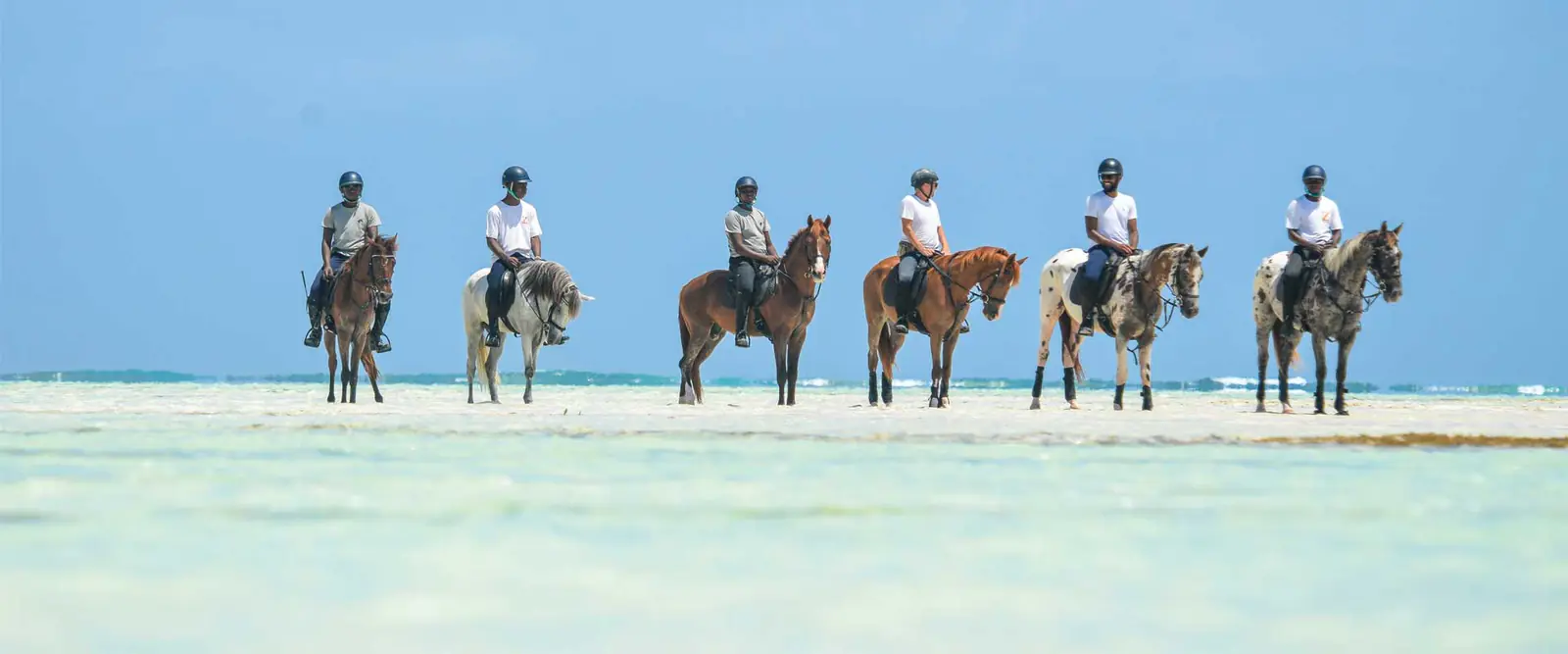 Matemwe Beach Zanzibar Quiet village coast with the closest access to Mnemba reef: the calm choice for snorkellers and honeymooners. Beaches
Read the guide
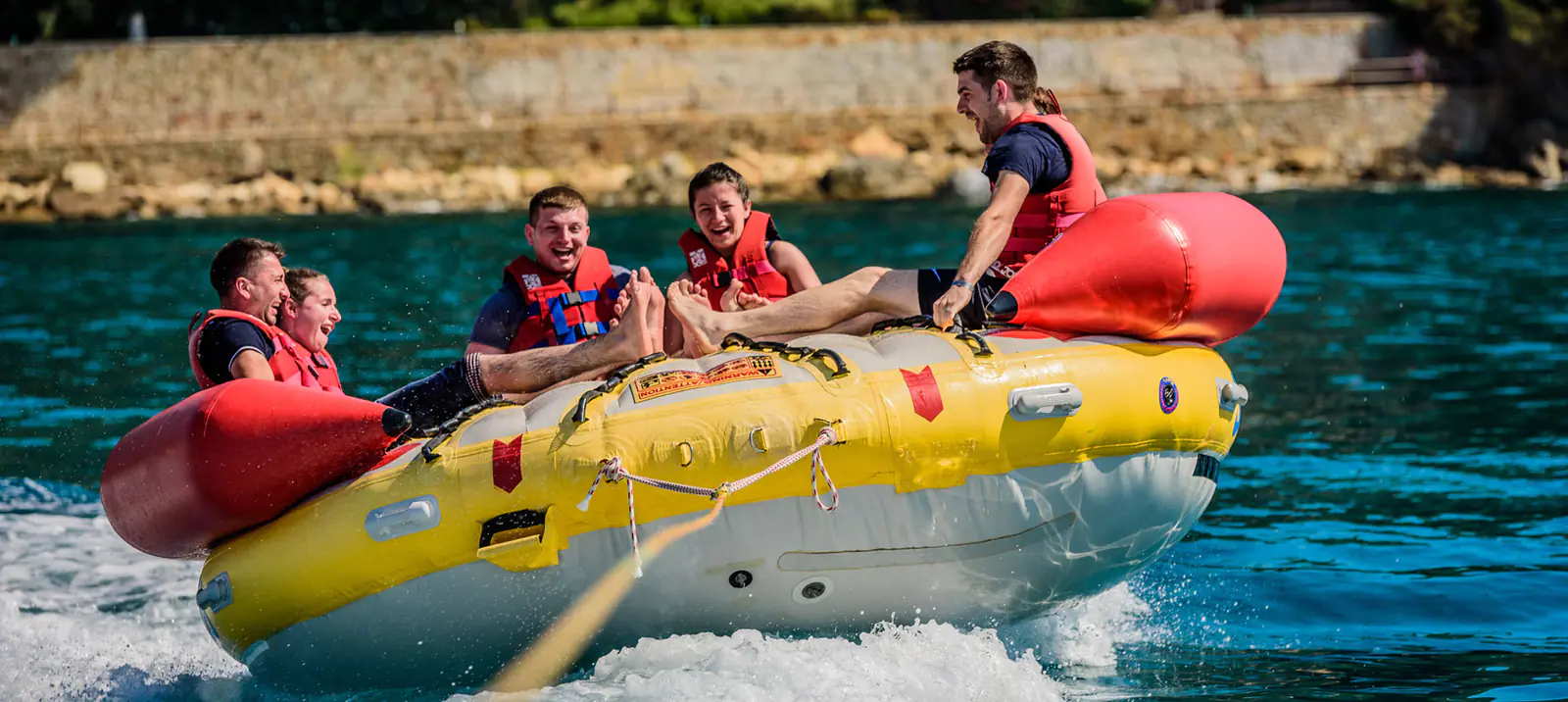 Zanzibar Water Activities Snorkelling, diving, kitesurfing, sandbank picnics, dhow sunset cruises and safe blue lagoon boat days. Beaches
Read the guide
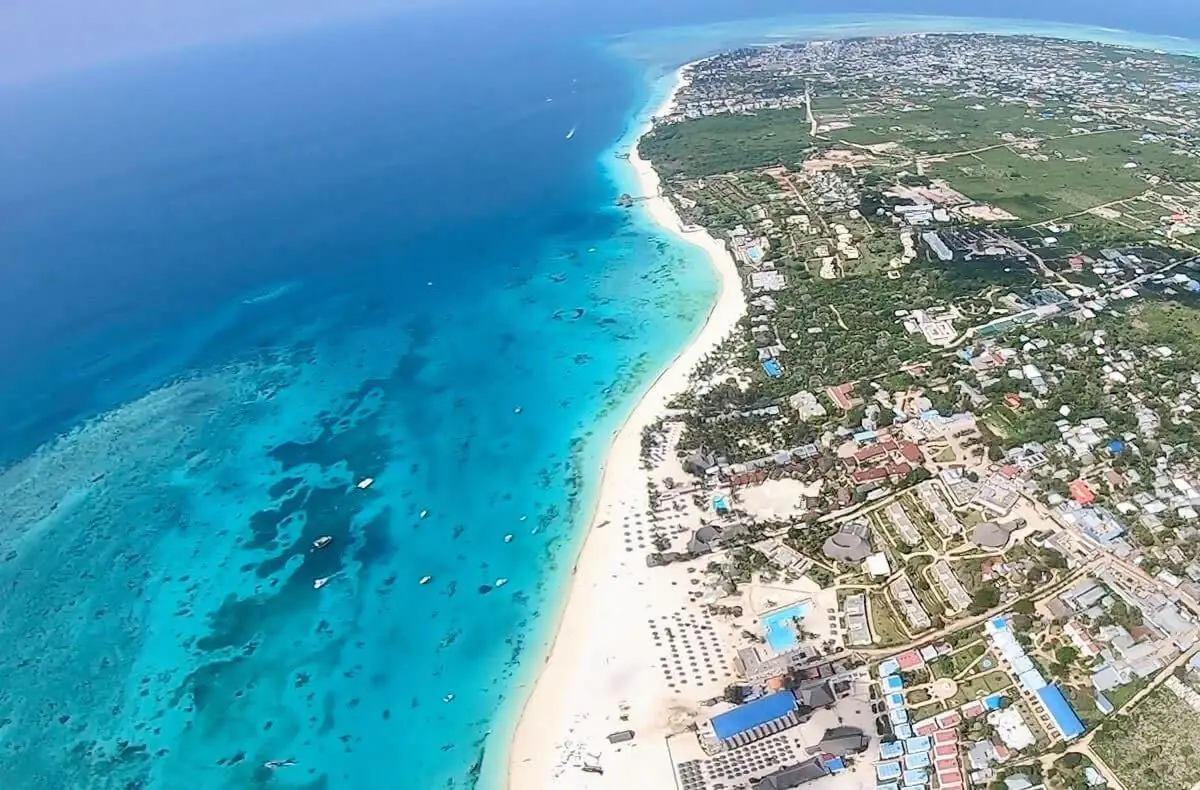 Best Beaches in Zanzibar A side-by-side look at the main coasts: tide behaviour, swimming, atmosphere and who each beach actually suits. Beaches
Read the guide
Frequently Asked Questions
-
No. The island itself is a private resort and is closed to day visitors. The surrounding marine conservation area is open for snorkelling and diving.
Get on the reef before everyone else
We book private early departures from the north-east coast with licensed crews, marine park fees included and confirmed in writing.