Which beach area, and why that one for our dates?
Tide, wind and atmosphere vary hugely by coast; the reason should match how you want to spend your days.
 English
 Deutsch
 Français
 Español
 Italiano
 Português
Safari + Beach
Climbing Kilimanjaro and then flying to the Indian Ocean is the best-designed recovery in East Africa. The only question is how many nights you give it.
Advice from the team that runs both the climbs and the island stays
Your body after the summit
Interactive planner
How long you need on the coast after Kilimanjaro, and what your first days should look like.
Your plan
Make your 3 choices and we will show a recommended shape for the trip, the trade-off it carries and the best guide to read next.
0 of 3 chosen
This is planning guidance, not a live availability check. Your final itinerary depends on flights, hotel availability and your dates.
Descending from Uhuru Peak is harder on the legs than the climb up. Most people come off the mountain with sore quads, a lingering cough, disturbed sleep and an appetite that swings between enormous and absent. That is normal, and it lasts two to four days.
Planning the island half around that reality is the difference between a great trip and an expensive nap. The first two beach days should have nothing in them — no excursions, no early starts and no long transfers. Book the excursions for day three onwards, when your legs work again and you can enjoy them.
| Day after descent | Realistic plan | Avoid |
|---|---|---|
| Day 1 | Rest night on the mainland, long shower, laundry, real food | Overnight travel, celebration until 2am |
| Day 2 | Fly to Zanzibar, transfer, short swim, early night | Booking anything else on this day |
| Day 3 | Beach, shade, massage, gentle sea | Diving, long walks, day trips |
| Day 4 | First excursion — dhow, snorkel or Stone Town | Full-day boat trips in heavy sun |
| Day 5+ | Anything you like: diving, kite lesson, spice farm | Nothing — you are recovered |
Getting there
Shapes
The descent is harder on the body than most people expect. This sequence protects the beach half of your trip.
Off the mountain, hotel in Moshi or Arusha. Shower, eat, sleep.
Do not fly the same day you descend if you can avoid it.
Also protects you if the summit day slips
Kilimanjaro Airport to Zanzibar, usually one connection.
Passive recovery: pool, shade, food, sleep. No boats, no diving.
Wait at least 24 hours after altitude before any dive
Snorkelling, Mnemba, a dhow sunset, Stone Town if you want it.
Five coast nights is the minimum that leaves real holiday after recovery.
If you are adding a safari, put it between the climb and the beach. Game drives are seated and undemanding, which suits tired legs, and it means the island still finishes the trip. The safari and beach guide covers that connection in detail, and how many days in Zanzibar helps size the beach half once the climb and any safari are fixed.
Where to land
Choose the north coast — see best beaches in Zanzibar for the full comparison. Kendwa and Nungwi put deep water close to shore across most of the tidal cycle, which matters when your quads object to a 500-metre walk across a tidal flat. Both have good massage, plenty of restaurants within a short taxi ride and the widest hotel choice for a last-minute upgrade.
If quiet matters more than convenience, Matemwe and Pongwe are lovely — just accept that low tide means a longer walk to swim and that dinner is at your hotel most nights.
Practical fit only — no medical claims. If anything about your recovery is a health question, take medical advice.
| After the climb you want… | Better choice | Why |
|---|---|---|
| Legs destroyed, easy swimming, no long walks | Kendwa or Nungwi | Deep water close to shore across most of the tidal cycle, short walks to food |
| Quiet recovery, minimal stimulation | Matemwe or Pongwe | Very low-key coast; accept a longer walk to swim at low tide and a pool for those hours |
| Cafés, activity and some social life | Paje | Walkable café strip and watersports if energy returns mid-week |
| A safari between the climb and the beach | Protect the buffer before the safari | Early game-drive starts are hard on tired legs; put the rest night first, not last |
The medical and practical case
A Kilimanjaro trek is a sustained physical effort at altitude, and people come off the mountain more depleted than they expect: sleep debt, appetite disruption, dehydration, sore knees from the descent and often a lingering cough. Zanzibar after that is close to ideal — sea level, warm salt water, no early alarms and no decisions.
There is also a hard scheduling reason to put the beach second. Diving after altitude exposure is the risk people miss. Standard diving guidance addresses flying after diving rather than diving after altitude, but conservative practice — and most reputable Zanzibar dive centres — is to leave a clear margin after coming down from nearly 5,900 metres before going underwater. If diving matters to you, place it in the later part of the beach week rather than the day after you descend, and tell the dive centre you have just come off Kilimanjaro.
Trekking first also protects the trek itself. Summit night rewards people who arrive rested and acclimatised, not people who have spent a week in the heat at sea level. Read our full climbing Kilimanjaro guide for how a trek itself is structured before you plan the coast around it.
Some travellers add a short safari between the two, which works well: two or three nights in Tarangire and Ngorongoro sit naturally between Moshi and the coast without long backtracking. Our combining safari with Zanzibar guide covers how to size that middle section, and the month-by-month season guide helps line up the climb, the safari and the coast.
Avoid these
The planning slips we see most often — each one is easy to avoid once you know it.
Before you book
Copy these questions into your enquiry — to us or to any operator you are comparing. The answers tell you more about a Zanzibar trip than any brochure.
How many nights sit between summit day and the flight to the island?
Where is our climbing gear stored while we are on the beach?
Is the beach hotel room accessible without stairs?
Are excursions scheduled from day three onwards?
What is the buffer between the island and our international flight home?
Confirmed in writing
Nothing important about your trip should be discovered at check-in. Each of these is put in writing for your itinerary before you pay a deposit.
Tide, wind and atmosphere vary hugely by coast; the reason should match how you want to spend your days.
Half board, full board and all-inclusive mean different things island to island — drinks and excursions are often outside.
Baggage limits, drive times and connection buffers decide whether a safari-to-beach day is calm or stressful.
Pre-booked trips at fixed prices avoid beach-side selling and surprise costs mid-holiday.
Island hotels have their own terms; you should see them in writing before you pay a deposit.
Safari Soles is a Tanzania-based team. Zanzibar hotels, transfers, flights and excursions are confirmed in writing for your dates before you pay anything.
FAQ
Short, honest answers — with links to the guide that goes deeper.
Five to seven nights. The first two are genuine recovery days, so a three-night stay leaves you almost no holiday.
Fly from Kilimanjaro International (JRO) or Arusha (ARK) — around 1h20 to 2h. Leave at least one rest night on the mainland first.
Wait at least 24 hours after descending from altitude before diving, and tell the dive centre about your climb during the medical questionnaire.
After the climb and before the beach. Game drives are undemanding and the island still finishes the trip.
Related guides
Each guide answers the next question travellers usually ask after this one.
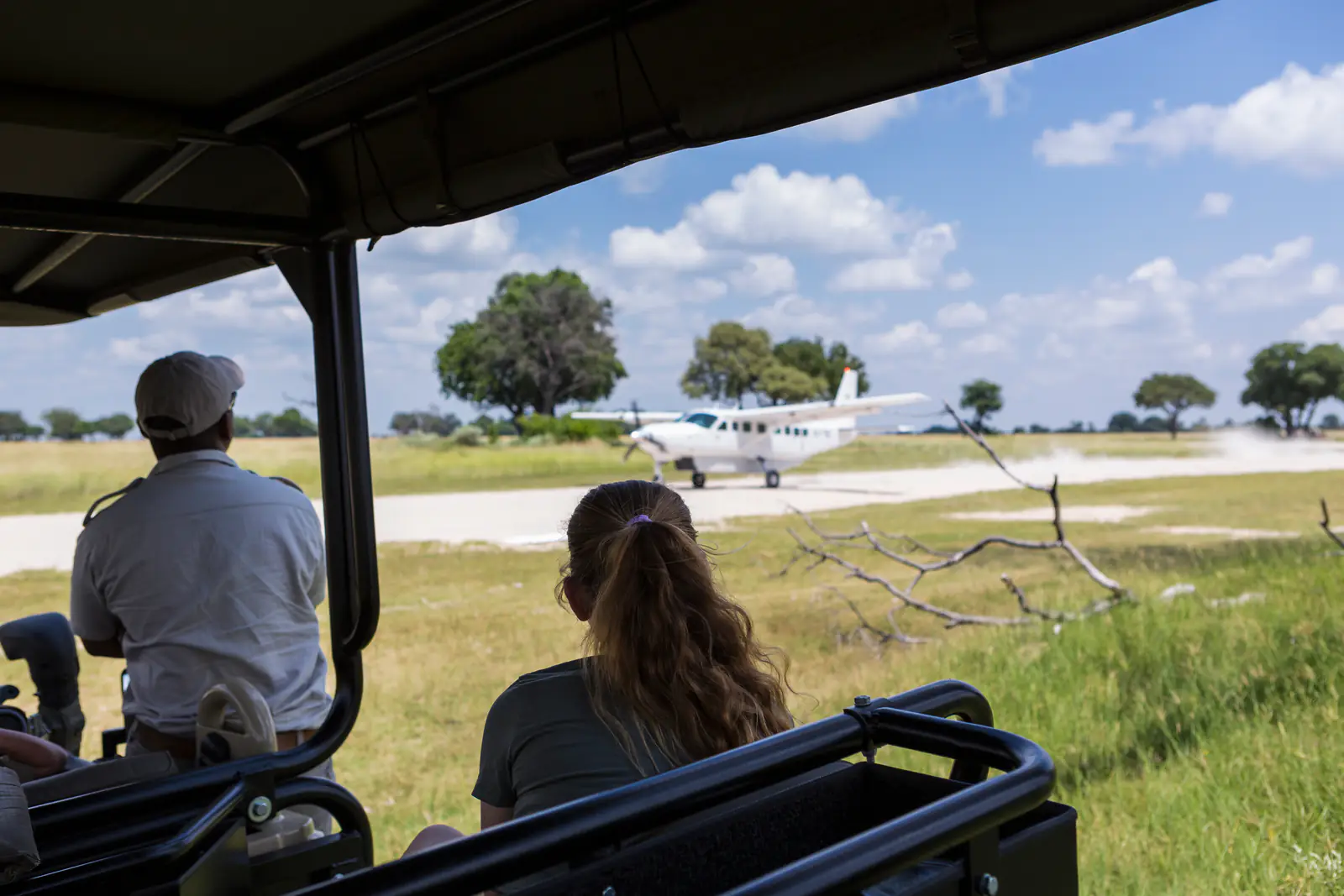
How a safari and beach trip fits together: order, flight legs, transfer days and how many nights to give each half.
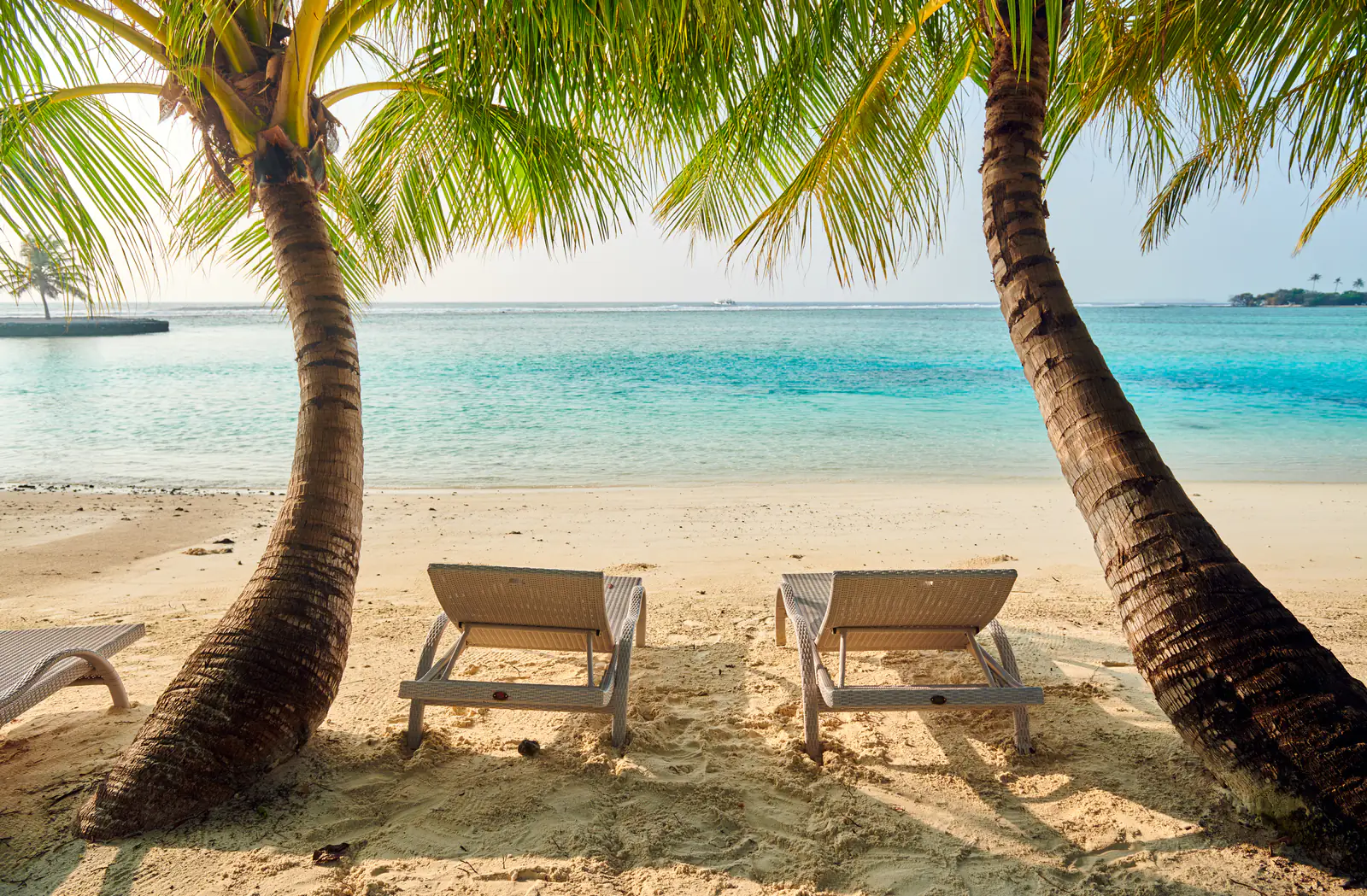
Whether three, five or seven nights fits your trip, and how long to add after a safari or Kilimanjaro climb.
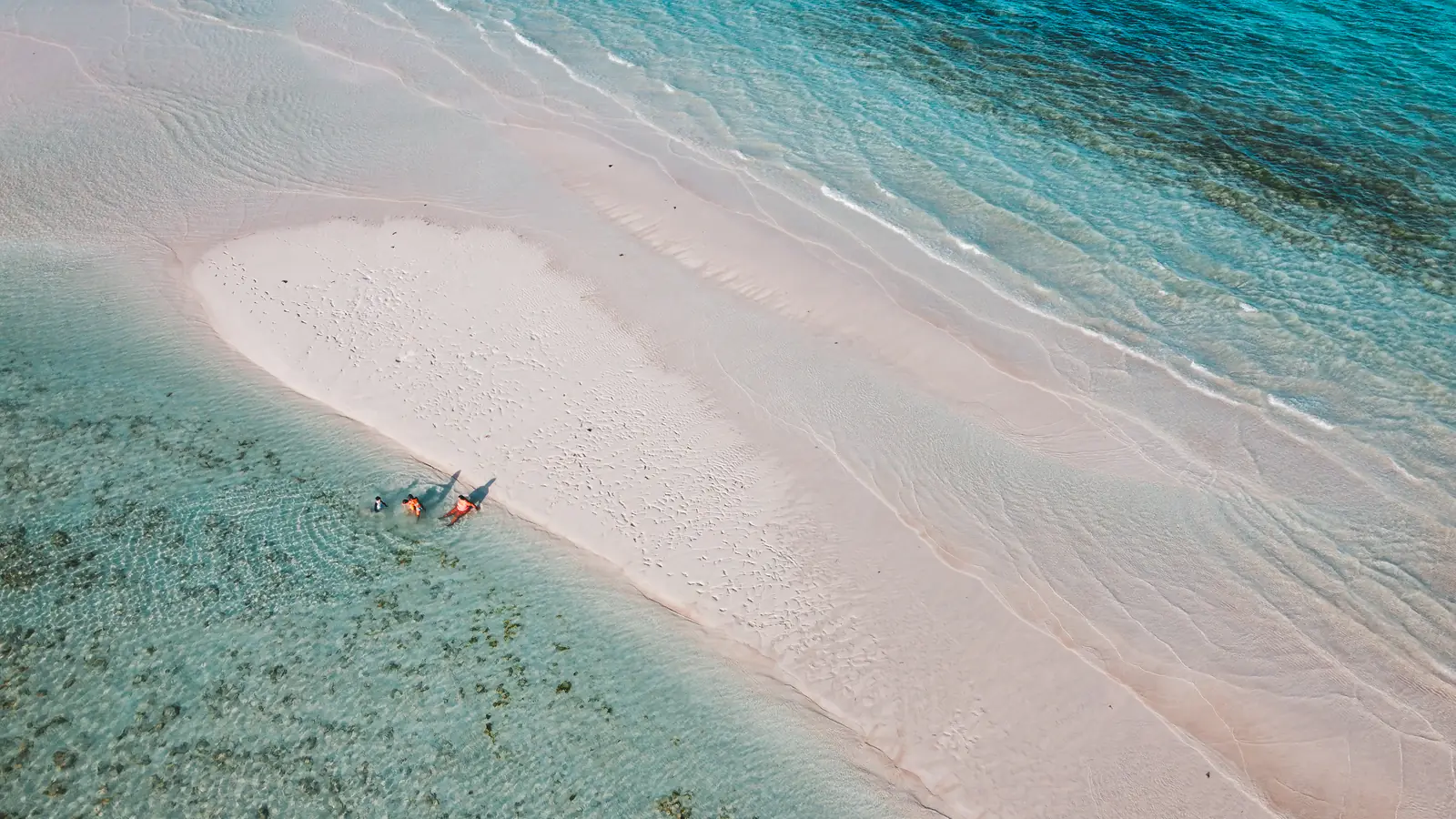
A side-by-side look at the main coasts — tide behaviour, swimming, atmosphere and who each beach actually suits.
Sources
Official Tanzanian, tourism-board, health and conservation sources worth reading alongside this guide.
Safari Soles island operations
Safari Soles is a Tanzania-based team. This is what we do for every traveller who books an island stay with us, in plain language.
The person who plans your route is the person who answers on the day you travel. No handover to an unnamed inbox.
Accommodation, transfers, flights, excursions and fees are listed separately so you can see exactly what you are paying for.
We plan the parks, the internal flight and the island days together, which is where most Zanzibar itineraries go wrong.
If your dates fall in the long rains or a tide window that will not suit you, we say so and suggest an alternative.
Details that change with dates and group size — hotel rates, flight times and current excursion prices — are confirmed for your specific itinerary in writing rather than published as a headline figure.
We plan the climb, the rest night, the flight and the beach as one trip — including gear storage, so you arrive on the island with a small bag and nothing to organise.
Prefer the overview first? Read the Zanzibar travel guide hub.