


Paje Beach, Zanzibar
Paje is Zanzibar's kitesurfing capital: a huge, shallow, wind-blown lagoon on the south-east coast with a young, barefoot village scene behind it.
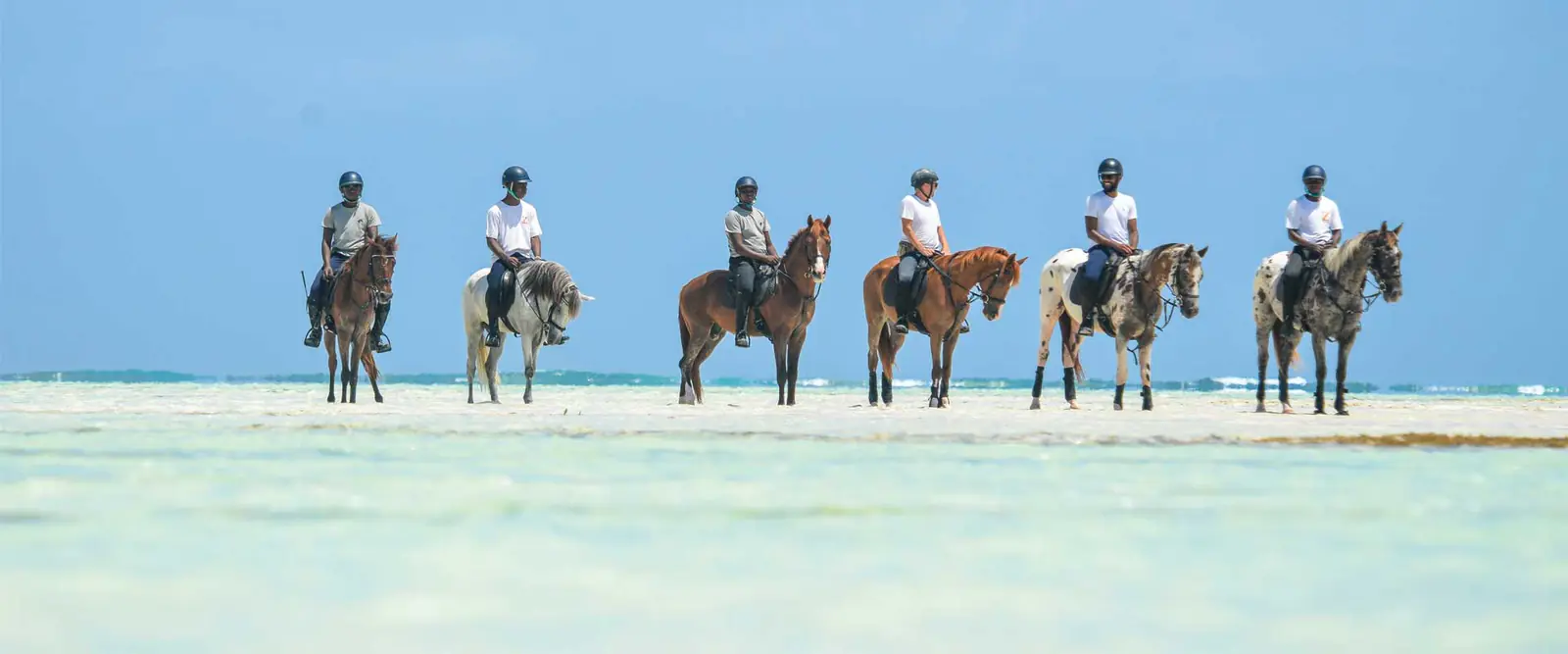
- Guide
- Beaches
- Reading time
- 14minutes
- In this guide
- 5sections
- Kitesurfing hub
- Big tidal range
- Young, relaxed scene
Written and maintained by the Safari Soles planning team in Arusha, Tanzania.
Paje sits on the south-east coast where a wide reef lagoon creates flat, waist-deep water and steady cross-shore wind:
- Best kitesurfing conditions in the western Indian Ocean.
- Low tide exposes hundreds of metres of flats, bring reef shoes.
- Two distinct wind seasons; book lessons in advance in peak.
- Cheaper and more informal than the north coast.
- About 60 minutes from the airport, 75 from Stone Town.
01 / 05
Why Paje works so well for kitesurfing
Three things make a great kite beach: consistent wind, flat water and a safe depth to stand in when things go wrong. Paje has all three. The reef a kilometre offshore breaks the swell, the lagoon inside it is shallow and flat, and the trade winds blow reliably across the shore for roughly six months of the year.
For beginners that combination is unusually forgiving. You can stand up almost anywhere in the lagoon, which removes most of the fear from the first three days. For intermediates it is a freestyle playground. There are more kite schools per hundred metres of sand here than almost anywhere in the world, which keeps quality high and prices reasonable.
Wind seasons
| Season | Months | Wind | Notes |
|---|---|---|---|
| Kusi (south-east) | Jun–Sep | Strongest and most consistent | Peak season; book lessons and rooms early |
| Kaskazi (north-east) | Dec–Feb | Steady, slightly lighter | Warmer water, busy over the festive weeks |
| Transitional | Mar–May, Oct–Nov | Light and unreliable | Fine for a quiet beach stay, poor for kiting |
Kusi (south-east)
- Months
- Jun–Sep
- Wind
- Strongest and most consistent
- Notes
- Peak season; book lessons and rooms early
Kaskazi (north-east)
- Months
- Dec–Feb
- Wind
- Steady, slightly lighter
- Notes
- Warmer water, busy over the festive weeks
Transitional
- Months
- Mar–May, Oct–Nov
- Wind
- Light and unreliable
- Notes
- Fine for a quiet beach stay, poor for kiting
Learning to kite in Paje
- Allow at least five days for a beginner course, three is a rush.
- Book with an IKO-certified school and confirm the instructor ratio.
- Ask whether radio helmets and boat rescue are included.
- Insurance: check your travel policy covers kitesurfing explicitly.
- Reef shoes and a rash vest are essential, not optional.
Choose Paje if…
- Kitesurfing, lessons or an active, social beach are the point of the trip
- You like cafés, a young crowd and stronger value for money
- You are happy to plan swimming around the tide
Think twice if…
- You expect deep-water swimming directly outside the hotel throughout the day
- You want still air rather than a steady trade wind
- You are looking for a quiet, low-key honeymoon base
02 / 05
What the tidal flats mean for a non-kiter
At low tide, the sea at Paje withdraws several hundred metres, exposing a vast flat of sand, seagrass and seaweed farms. It is genuinely beautiful (women harvesting seaweed, starfish in the pools, the sky reflected in a film of water) and it is also completely unswimmable.
The tide is on roughly a twelve-hour cycle, so you get two swimmable windows a day, and they move forward each day. Plenty of people love this rhythm and plan around it. But if the phrase 'walk out of the room and into the sea' is central to your holiday, the north coast is a better fit and we will say so.
Paje works if you
- Want to kitesurf or learn
- Like a young, informal, barefoot scene
- Are happy planning swims around a tide chart
- Want good value and lots of independent restaurants
- Enjoy long low-tide walks and the seaweed farms
Choose elsewhere if you
- Want to swim at any hour, go to Nungwi or Kendwa
- Want a quiet honeymoon beach: Matemwe or Michamvi
- Are travelling with small children who want to paddle
- Have only three nights and no time for tide planning
- Want a formal resort atmosphere
03 / 05
Paje beyond the kites
Paje village has grown into the east coast's most interesting little scene: beach cafés, smoothie bars, a few genuinely good restaurants, yoga studios and a steady flow of long-stay travellers and remote workers. It is a long way from luxury, and that is its appeal.
It is also one of the best-value places to stay on the island. Simple beachfront rooms cost a fraction of a comparable location on the north coast, and food outside the hotels is cheap and good. See the travel cost guide for the numbers.
- The Rock restaurant sits just south at Michamvi Pingwe: book ahead and go at high tide.
- Jozani Forest is a 30-minute drive inland; easy to combine with the airport run.
- Kuza Cave blue lagoon near Jambiani, good on a windless day.
- Blue safari and sandbank trips leave from the lagoon; see water activities.
- Michamvi Kae for a west-facing sunset. The east coast does not get one.
04 / 05
Getting there and what to budget
| Item | Detail |
|---|---|
| Transfer from ZNZ airport | About 60 minutes, US$40–50 per car |
| Beginner kite course | Roughly US$400–550 for a multi-day course |
| Simple beachfront room | US$50–110 per night |
| Mid-range hotel | US$120–220 per night |
| Essential kit | Reef shoes, rash vest, reef-safe SPF 50 |
Transfer from ZNZ airport
- Detail
- About 60 minutes, US$40–50 per car
Beginner kite course
- Detail
- Roughly US$400–550 for a multi-day course
Simple beachfront room
- Detail
- US$50–110 per night
Mid-range hotel
- Detail
- US$120–220 per night
Essential kit
- Detail
- Reef shoes, rash vest, reef-safe SPF 50
Paje faces east, so you get spectacular sunrises and no sunset over the water. For sunset, drive twenty minutes north to Michamvi Kae on the west side of the peninsula: locals do exactly this.
Is Paje right for you?
Three questions that decide whether Paje suits your trip or works better as a day visit.
0 of 3 answered
Answer all 3 questions and your result appears here.
Kitesurfing at Paje: seasons, schools and what beginners should expect
Paje is one of the better-known flat-water kite spots in the Indian Ocean, and the reason is geography rather than marketing: a wide shallow lagoon protected by a reef, side-onshore trade winds for much of the year, and a sandy bottom that forgives beginners. At low tide the lagoon becomes a vast, waist-deep training ground; at high tide the same water becomes a proper riding area with more depth and more chop near the reef.
Two wind seasons drive the calendar. The kusi, the south-east trade wind, blows from roughly June to September and is the stronger, more consistent season. The kaskazi, the north-east monsoon, runs roughly December to February and is generally lighter and warmer. April, May and November are the least reliable months for wind. Those are the rainy shoulders, and a kite trip planned then is a gamble.
Kite season at a glance
Relative, not guaranteed: wind varies year to year.
| Period | Wind | Who it suits |
|---|---|---|
| June–September (kusi) | Strongest and most consistent | Intermediate and advanced riders; busiest season |
| December–February (kaskazi) | Lighter, warmer, still reliable | Beginners and lessons; also the best snorkelling months |
| March, October–November | Transitional and unpredictable | Riders who are relaxed about scoring; better value |
| April–May | Weakest, wettest | Not a kite trip: plan something else |
June–September (kusi)
- Wind
- Strongest and most consistent
- Who it suits
- Intermediate and advanced riders; busiest season
December–February (kaskazi)
- Wind
- Lighter, warmer, still reliable
- Who it suits
- Beginners and lessons; also the best snorkelling months
March, October–November
- Wind
- Transitional and unpredictable
- Who it suits
- Riders who are relaxed about scoring; better value
April–May
- Wind
- Weakest, wettest
- Who it suits
- Not a kite trip: plan something else
If you are learning here
- Allow at least a week. Three to four days of lessons plus wind that does not cooperate every day is the realistic maths.
- Check the school is IKO or VDWS certified, that radio helmets are used, and how many students share an instructor and a kite.
- Book a hotel on the lagoon, not a ten-minute walk inland. You will carry gear several times a day.
- Ask whether lessons are tide-dependent at your dates; some schools shift teaching times with the water, which changes your daily rhythm.
- Non-kiting partners should know what Paje is: a young, active, hostel-and-beach-bar village, not a resort strip. Some love it, some are bored by day three.
05 / 05
Tides, seaweed farming and what Paje looks like at low water
Paje sits on the east coast, which means the tide does not just rise and fall: it redraws the beach twice a day. At high water you have turquoise swimming right off the sand. At low water the sea retreats hundreds of metres and leaves a shining flat of sand, seagrass and shallow pools that you can walk out across almost to the reef.
Whether that is a problem depends entirely on what you came for. Kitesurfers love it. Photographers love it. People who imagined stepping out of the room into deep water at any hour of the day find it a genuine disappointment, and it is the single most common complaint about the east coast. A hotel pool solves it completely, which is why we treat a pool as close to essential on this coast rather than a luxury.
The low-tide flats are also a workplace. Seaweed farming is a significant local livelihood, largely run by women, with lines and stakes laid out across the shallows and harvests carried in at low water. Walk around the plots rather than through them, ask before photographing the farmers, and buy the seaweed soaps and scrubs sold in the village if you want the income to stay local. Our best beaches guide explains how the tide behaves differently on each coast.
Practicalities that actually matter here
- Reef shoes are worth packing: seagrass, urchins and rough coral rubble at low tide.
- A hotel pool is the difference between loving and tolerating the east coast.
- Sunrise, not sunset, is the show on this coast. The sun rises out of the sea here and sets behind the island.
- Transfer from the airport is roughly an hour, the shortest of the main beach areas, which makes Paje easy to combine with a Stone Town night.
- Village walking is easy and safe; dress a little more modestly away from the sand, as everywhere in Zanzibar.
Common mistakes to avoid
The planning slips we see most often. Each one is easy to avoid once you know it.
- Booking Paje for a swimming holiday without checking the tides.
- Coming to kite in April, May or October when the wind dies.
- Allowing only three days for a beginner kite course.
- Walking the flats barefoot and cutting your feet on urchins or coral.
- Expecting a sunset over the sea on an east-facing beach.
Paje is one of the few Zanzibar beaches with a clear purpose. If you are here for the wind, nothing on the island comes close. If you are not, be honest about the tide before you book. We would rather move you than have you spend a week looking at wet sand. Start with our Zanzibar planning hub if you are still weighing up coasts, and check our Zanzibar trips for kite-season packages.
Questions worth asking any operator
Copy these questions into your enquiry: to us or to any operator you are comparing. The answers tell you more about a Zanzibar trip than any brochure.
- What are the tide times during our dates?
- Is the kite school IKO certified and what is the instructor ratio?
- Does our travel insurance cover kitesurfing?
- How far is the hotel from the waterline at low tide?
- Is there a pool for the hours when the sea is out?
What Safari Soles puts in writing
Nothing important about your trip should be discovered at check-in. Each of these is put in writing for your itinerary before you pay a deposit.
-
Which beach area, and why that one for our dates?
Tide, wind and atmosphere vary hugely by coast; the reason should match how you want to spend your days.
-
What exactly is included in the board basis?
Half board, full board and all-inclusive mean different things island to island: drinks and excursions are often outside.
-
How are transfers and internal flights handled?
Baggage limits, drive times and connection buffers decide whether a safari-to-beach day is calm or stressful.
-
Which excursions are booked, and at what price?
Pre-booked trips at fixed prices avoid beach-side selling and surprise costs mid-holiday.
-
What is the payment, change and cancellation policy?
Island hotels have their own terms; you should see them in writing before you pay a deposit.
How we run a Zanzibar trip
Safari Soles is a Tanzania-based team. This is what we do for every traveller who books an island stay with us, in plain language.
-
One planner, start to finish
The person who plans your route is the person who answers on the day you travel. No handover to an unnamed inbox.
-
Itemised quotes
Accommodation, transfers, flights, excursions and fees are listed separately so you can see exactly what you are paying for.
-
Safari and beach as one trip
We plan the parks, the internal flight and the island days together, which is where most Zanzibar itineraries go wrong.
-
Honest seasonal advice
If your dates fall in the long rains or a tide window that will not suit you, we say so and suggest an alternative.
Planned by people who live the route
This hub exists because the same Zanzibar questions come up on every safari enquiry we answer.
- Locally based in Tanzania
- Safari and island specialists
- Licensed and insured operator
- Fast, direct answers
- Read Safari Soles reviews on TripAdvisor
- Read Safari Soles reviews on SafariBookings
- Read Safari Soles reviews on Google
Where these facts come from (2)
- Tanzania Ports Authority National authority publishing tidal information for Tanzanian and Zanzibar ports.
- Zanzibar Commission for Tourism Official island tourism body: licensed operators, entry rules and visitor information.
Related Safari Soles guides
Continue with the guides travellers usually read next.
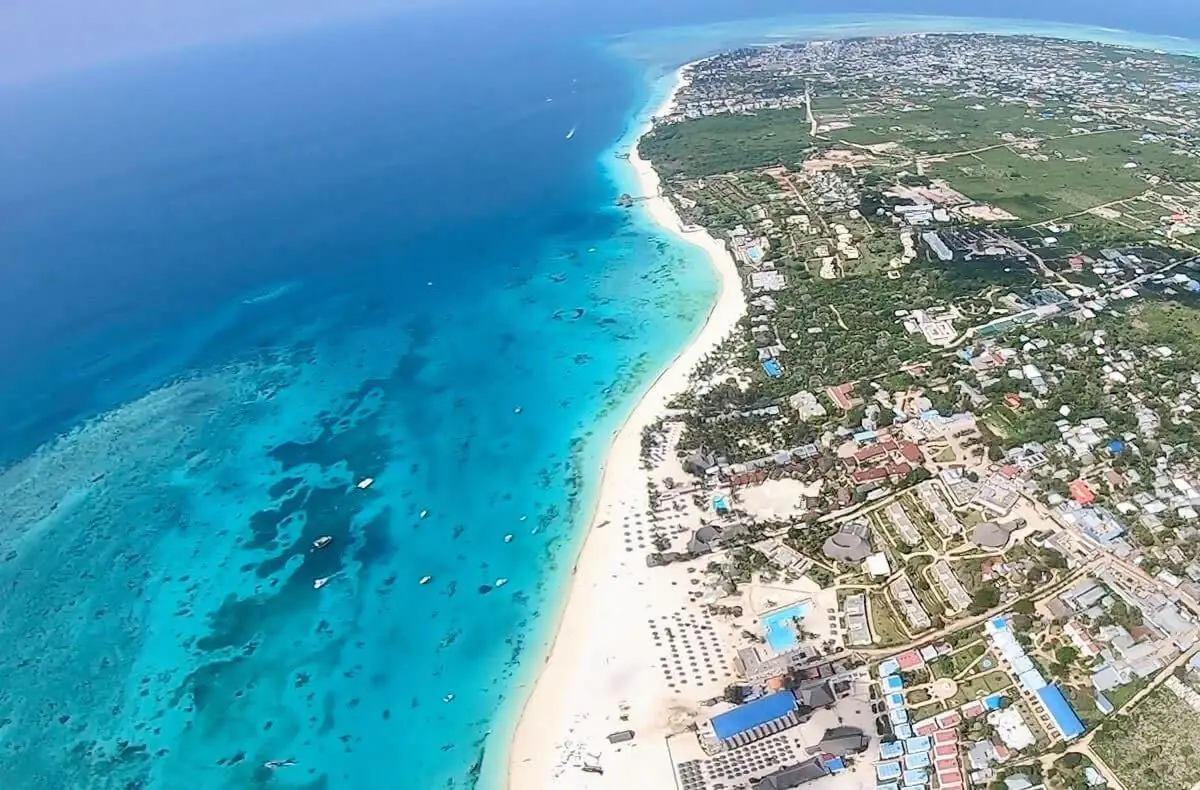 Best Beaches in Zanzibar A side-by-side look at the main coasts: tide behaviour, swimming, atmosphere and who each beach actually suits. Beaches
Read the guide
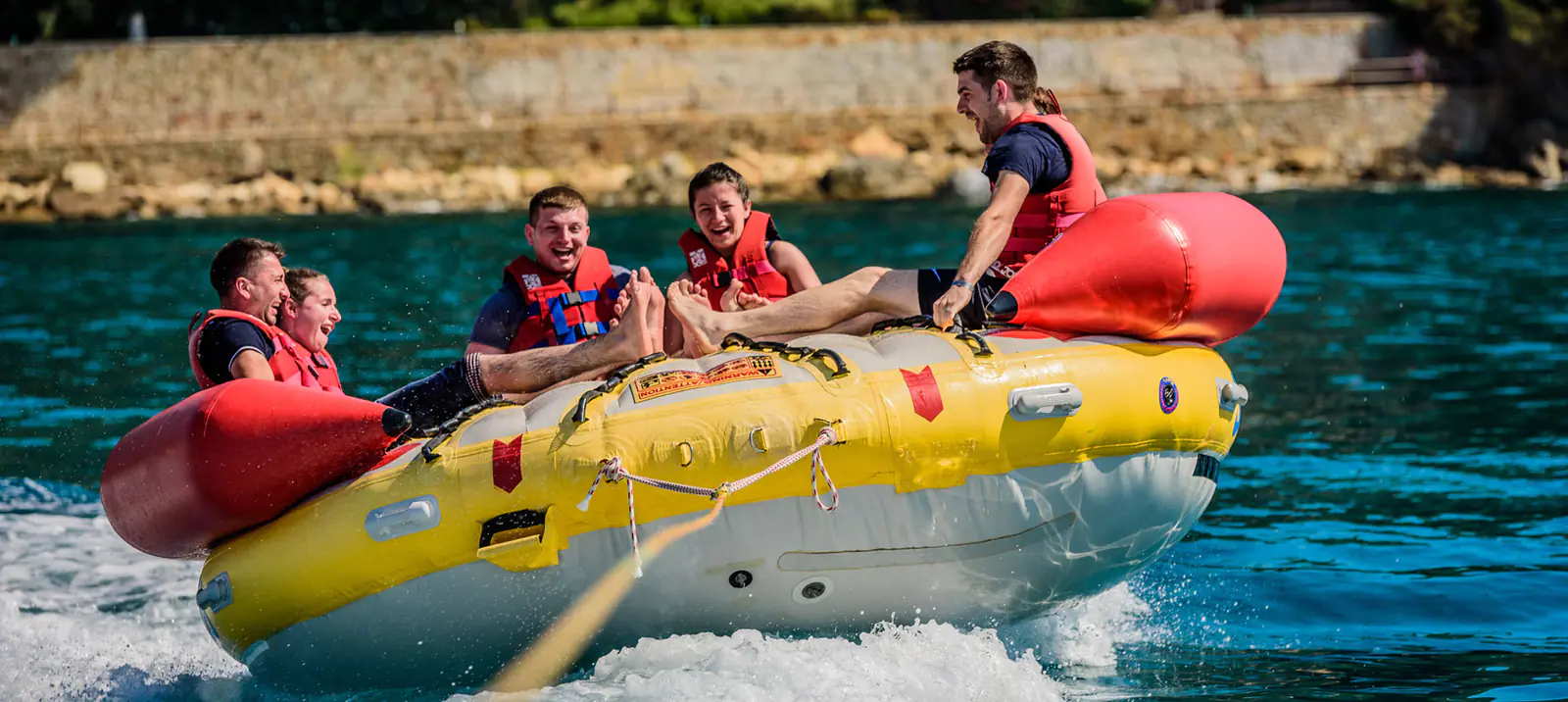 Zanzibar Water Activities Snorkelling, diving, kitesurfing, sandbank picnics, dhow sunset cruises and safe blue lagoon boat days. Beaches
Read the guide
- Nungwi Beach Zanzibar Deep swimming water at all tides, sunset dhows and the liveliest stretch of the north coast. Beaches
Read the guide
Frequently Asked Questions
-
Yes: the shallow, flat lagoon and steady cross-shore wind make it one of the best learning spots in the world. Allow at least five days for a beginner course.
Match your dates to the wind
Tell us when you can travel and whether you want to kite. We will confirm the wind season, book the school and place you at the right end of the beach.