


Jozani Forest, Zanzibar
Jozani is Zanzibar's only national park and the only place on earth to see the Zanzibar red colobus. It takes two hours and it is worth every one of them.
- Guide
- Culture
- Reading time
- 6minutes
- In this guide
- 4sections
- 2 hours
- Endemic monkeys
- Easy walking
Written and maintained by the Safari Soles planning team in Arusha, Tanzania.
Jozani Chwaka Bay National Park protects the last significant stand of Zanzibar's groundwater forest and around 2,000 endemic Zanzibar red colobus monkeys, found nowhere else in the world.
- The red colobus is endemic: this is the only place to see it.
- Sightings are close and reliable; troops are habituated but wild.
- Keep the distance rangers ask for: generally around three metres. The rule protects the monkeys from human respiratory disease.
- The mangrove boardwalk is short, shaded and genuinely lovely.
- It sits on the road between Stone Town and the east coast beaches.
01 / 04
Zanzibar red colobus, and why they matter
Procolobus kirkii is endemic to Unguja, the main island, and was for decades considered one of Africa's most endangered primates: locally nicknamed 'poison monkey' by farmers who believed the leaves it ate spoiled crops, and hunted accordingly. Protection of Jozani, and the growth of a tourism economy that gives villages a direct stake in their survival, has taken the population from a few hundred to somewhere around two thousand.
They are strikingly good-looking animals: rust-red backs, black shoulders, white bellies and a rather startled expression. Because the troops around the main trail are habituated to visitors, sightings are usually close. You will often find several dozen monkeys feeding within a few metres of the path, entirely unbothered by you.
The one firm rule is distance. Colobus are susceptible to human respiratory infections and the park asks visitors to keep a set distance back, generally described as around three metres. Rangers enforce it. Do not touch, do not feed, and do not let a driver tell you the rule is flexible.
- Keep the distance rangers ask for and do not feed the monkeys.
- Do not visit if you have a heavy cold or flu.
- Flash photography is discouraged in the canopy.
- Watch the road: the highway cuts the park and colobus are killed by speeding vehicles: ask your driver to slow through the speed bumps.
02 / 04
The forest walk and mangrove boardwalk
The visit is in two parts. First a ranger walks you through the groundwater forest (mahogany, palms, strangler figs, and a plant-lore commentary that is better than you expect) before crossing the road to the colobus troops, which is where most of your time goes.
The second part is a raised boardwalk through a mangrove creek on the edge of Chwaka Bay. It is only a few hundred metres, it is shaded, and it is the quiet highlight for a lot of visitors: crabs on the mudflats, aerial roots, kingfishers, and a good explanation of why mangroves matter to the reef and the fishery. Together the two loops take around ninety minutes at an easy pace. See our Zanzibar travel guide for how this sits against the rest of a trip.
Practicalities
- Opening hours
- Roughly 07:30 to 17:00 daily
- Entry fee
- Modest per-adult park fee, guide included: confirm the current rate before travel
- Duration
- 90 minutes to 2 hours
- Best time
- Before 09:30 or after 15:30
- Difficulty
- Flat, easy, suitable for children and most mobility levels
- From Stone Town
- About 45 minutes by road
- From Paje or Jambiani
- About 25 minutes
03 / 04
How Jozani fits into a Zanzibar week
Jozani sits directly on the main road from Stone Town to the south-east coast, which makes it the easiest excursion on the island to slot in. The most efficient version is to visit on your transfer day: leave Stone Town in the morning, stop at Jozani for two hours, and arrive at Paje or Jambiani in time for lunch. You pay nothing extra in driving.
If you are already on the east coast it is a short morning out, and pairs well with the Kuza cave cichlid pools or a village lunch. From the north coast it is a longer haul: better combined with a spice farm and Stone Town as a full day.
-
Spice tour
The other essential inland half-day, on a working plantation north of Stone Town.
Read the guide -
Paje Beach
The kite-surfing coast twenty-five minutes from the park gate, the natural pairing.
See Paje -
Stone Town
Forty-five minutes away, and the obvious other half of a culture day.
Plan the town
Entry includes a trained park ranger and their commentary is the reason the visit is good. Some drivers offer to 'guide' you themselves to save the fee. Don't: the fee funds the park and the community programmes that keep the colobus population growing.
04 / 04
What Jozani actually protects
Jozani is the last significant stand of indigenous forest on Zanzibar, and it is protected because of what lives in it: the Zanzibar red colobus, a monkey found nowhere else on earth. The species was hunted and its habitat cleared for decades before protection, and its recovery is one of the clearer conservation successes on the island. The wider Jozani–Chwaka Bay area is recognised internationally as a biosphere reserve, covering groundwater forest, coral rag scrub, salt marsh and mangrove in a small area.
The visit itself is short and easy, typically a guided forest walk of an hour or so, followed by a mangrove boardwalk. It is not a safari, and travellers arriving with Serengeti expectations are usually underwhelmed. Approached as a ninety-minute natural-history walk with an endemic primate at the end of it, it is genuinely worthwhile and one of the better things to do on a low-tide afternoon or on the way between Stone Town and the east coast.
The groundwater forest is the ecologically unusual part: the water table sits close to the surface, which is why the trees here are tall and the ground is often damp. The mangrove boardwalk explains the other half of the system: the nursery habitat that supports the fishery the whole east coast depends on.
Visiting responsibly
- Keep the recommended distance from the colobus. They are habituated, not tame, and disease transmission from humans is a documented risk.
- Do not feed them anything, and keep food out of sight and out of open bags.
- Go early or late. Midday is hot, the light is poor and the monkeys are less active.
- Mosquito repellent. This is damp forest, and the boardwalk section in particular.
- Entrance fees are paid at the gate and go towards the reserve and community funds; carry cash.
- Watch the road on the approach: the colobus troops that live along it are the ones most often hit by vehicles.
The most efficient way to include Jozani is on a transfer day. It sits roughly between Stone Town and the east-coast beaches, so a stop on the way to the kite coast at Paje or Jambiani costs you almost nothing in travel time. Pairing it with a spice tour makes a full and varied inland day.
Common mistakes to avoid
The planning slips we see most often. Each one is easy to avoid once you know it.
- Visiting at midday when the monkeys are asleep in the high canopy.
- Getting too close for a photograph and being asked to leave.
- Skipping the mangrove boardwalk because it sounds minor.
- Wearing sandals: the forest floor is often wet.
- Making a separate long trip from the north coast rather than combining it.
We build Jozani into transfer days wherever the routing allows, so it costs a couple of hours rather than a whole day. Guests consistently rate it higher than excursions costing five times as much. It also works well for family trips, and we can build a custom safari around it if wildlife matters more to your group than the beach.
Questions worth asking any operator
Copy these questions into your enquiry: to us or to any operator you are comparing. The answers tell you more about a Zanzibar trip than any brochure.
- Is the park entry fee included or paid at the gate?
- What time will we arrive: is it before 09:30?
- Does the visit include the mangrove boardwalk?
- Can it be added to our transfer rather than a separate day?
- Is a park ranger guiding us?
What Safari Soles puts in writing
Nothing important about your trip should be discovered at check-in. Each of these is put in writing for your itinerary before you pay a deposit.
-
Which beach area, and why that one for our dates?
Tide, wind and atmosphere vary hugely by coast; the reason should match how you want to spend your days.
-
What exactly is included in the board basis?
Half board, full board and all-inclusive mean different things island to island: drinks and excursions are often outside.
-
How are transfers and internal flights handled?
Baggage limits, drive times and connection buffers decide whether a safari-to-beach day is calm or stressful.
-
Which excursions are booked, and at what price?
Pre-booked trips at fixed prices avoid beach-side selling and surprise costs mid-holiday.
-
What is the payment, change and cancellation policy?
Island hotels have their own terms; you should see them in writing before you pay a deposit.
How we run a Zanzibar trip
Safari Soles is a Tanzania-based team. This is what we do for every traveller who books an island stay with us, in plain language.
-
One planner, start to finish
The person who plans your route is the person who answers on the day you travel. No handover to an unnamed inbox.
-
Itemised quotes
Accommodation, transfers, flights, excursions and fees are listed separately so you can see exactly what you are paying for.
-
Safari and beach as one trip
We plan the parks, the internal flight and the island days together, which is where most Zanzibar itineraries go wrong.
-
Honest seasonal advice
If your dates fall in the long rains or a tide window that will not suit you, we say so and suggest an alternative.
Planned by people who live the route
This hub exists because the same Zanzibar questions come up on every safari enquiry we answer.
- Locally based in Tanzania
- Safari and island specialists
- Licensed and insured operator
- Fast, direct answers
- Read Safari Soles reviews on TripAdvisor
- Read Safari Soles reviews on SafariBookings
- Read Safari Soles reviews on Google
Where these facts come from (3)
- UNESCO: Jozani-Chwaka Bay Biosphere Reserve Official description of the reserve's forest, mangrove and coral rag habitats and its protected status.
- Zanzibar Commission for Tourism Official island tourism body: licensed operators, entry rules and visitor information.
- Marine Parks and Reserves Tanzania: Mafia Island Marine Park Managing authority for Mafia Island Marine Park: zoning, fees and conservation rules.
Related Safari Soles guides
Continue with the guides travellers usually read next.
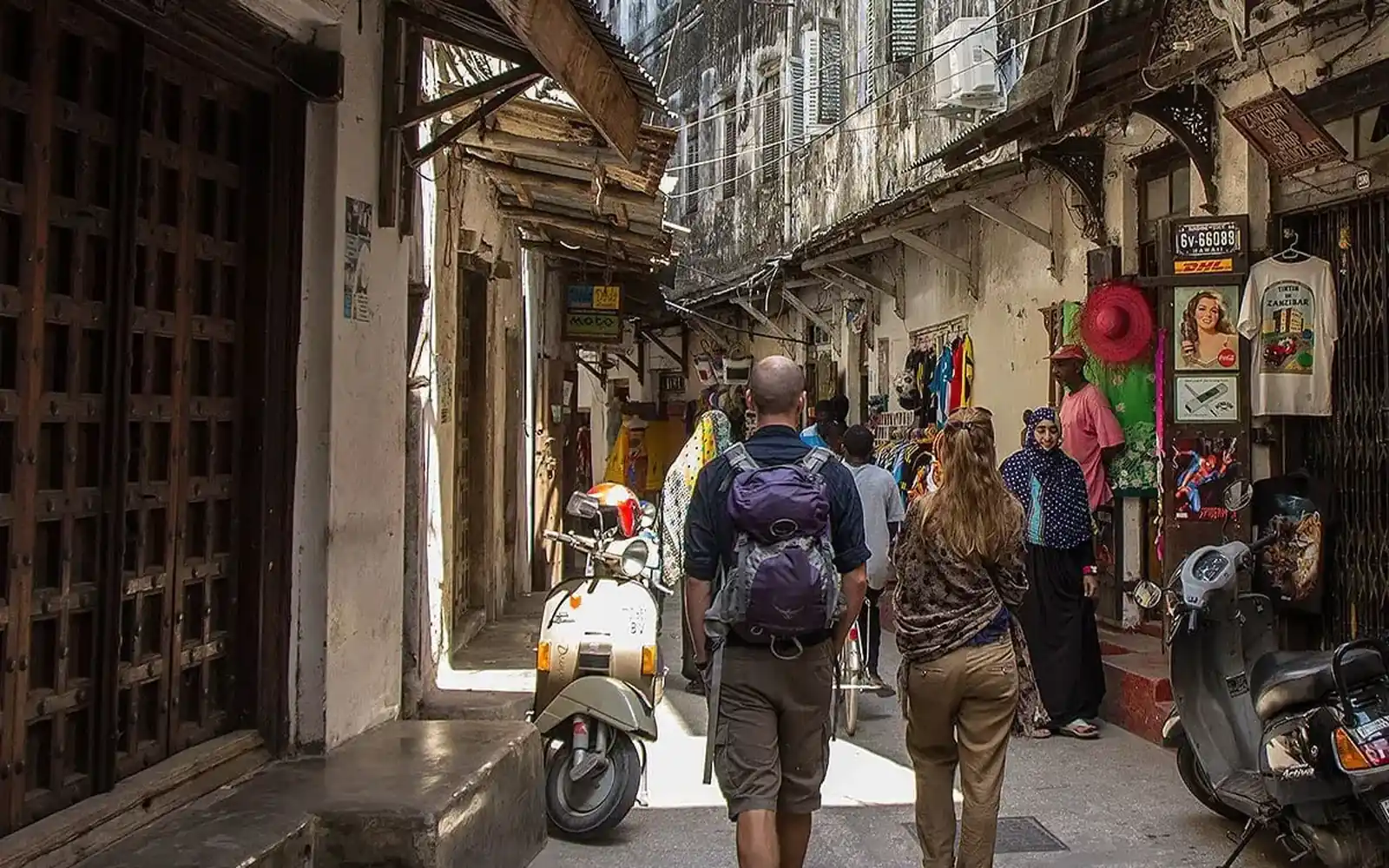 Zanzibar Spice Tour What a spice farm visit actually involves, when to book it and how it pairs with a Stone Town day. Culture
Read the guide
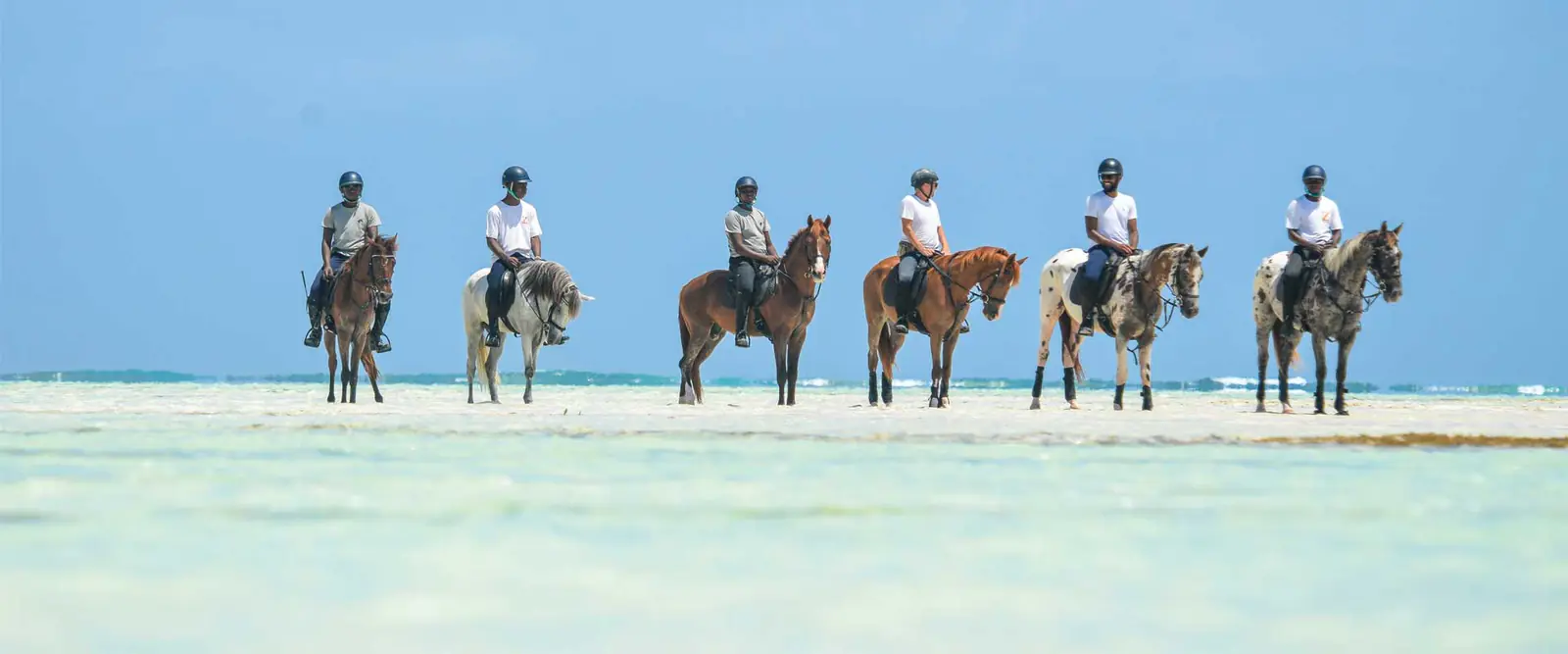 Paje Beach Zanzibar Wide tidal flats, steady trade winds and the island's kite surfing hub, with a young and laid-back village scene. Beaches
Read the guide
- Stone Town Zanzibar Walking the old town's lanes, carved doors, markets and heritage sites, and how long to stay before the beach. Culture
Read the guide
Frequently Asked Questions
-
Yes. It is the only place in the world to see the endemic Zanzibar red colobus, sightings are close and reliable, and the whole visit takes under two hours.
Two hours, one endemic species
We will slot Jozani into your transfer day with a ranger guide and an early start, so you see the colobus awake.