


Kenya Luxury Safari
In safari travel, the expensive thing and the luxurious thing are not always the same thing. A large lodge with marble bathrooms can deliver a worse day than a plain tent with the right guide in the right place.
- Priority
- Privacy and guiding over décor
- Real premium
- Conservancy access
- Camps
- Small camps, private vehicles
- Fly-in logistics
- Protect your days
Written and maintained by the Safari Soles planning team in Arusha, Tanzania.
Luxury on a Kenyan safari is bought in six currencies: privacy, guiding, location, space, service and logistics.
- Luxury on safari is privacy, guiding, location, space, service and logistics, not nightly rate alone.
- Conservancy or private-concession access is what genuinely buys exclusivity in Kenya.
- A private vehicle and guide is the highest-return upgrade on any itinerary.
- Small camps and exclusive-use houses often outperform larger, more expensive lodges.
- Fly-in routing converts transfer days into wildlife days and makes the best combinations possible.
- Room category is the weakest place to spend extra; a fourth region is the second weakest.
01 / 07
What luxury actually means here
Ask what people remember from an expensive safari and it is rarely the bathroom. It is the leopard they watched for forty minutes with no other vehicle in sight, the guide who explained what was about to happen before it happened, and the fact that nothing in the day felt rushed or shared.
Those things are bought, but not through furnishings. They are bought through low guest density, exclusive access to land, and staff-to-guest ratios that allow the day to be built around you. A property can spend enormously on interiors and still put you in a shared vehicle at a crowded sighting.
So the useful definition of luxury on safari is control over your own day, in a place few other people can reach. Judge quotes against that, and the picture changes considerably.
The six things you are actually paying for
-
Privacy
Bed density across the land you can drive on. Conservancies cap it; public reserves do not.
-
Guiding
Experienced, specialist guides who track, anticipate and explain. Often the single largest determinant of what you see.
-
Location
Access to good habitat from camp, rather than an hour's drive to reach it each morning.
-
Space
Tent size matters less than how many other vehicles share your sightings and how far apart the camps are.
-
Service
Meals when you want them, drives that start when you want them, and a camp that adapts to your pace.
-
Logistics
Light aircraft instead of long drives, seamless transfers, and days spent in the bush rather than on the road.
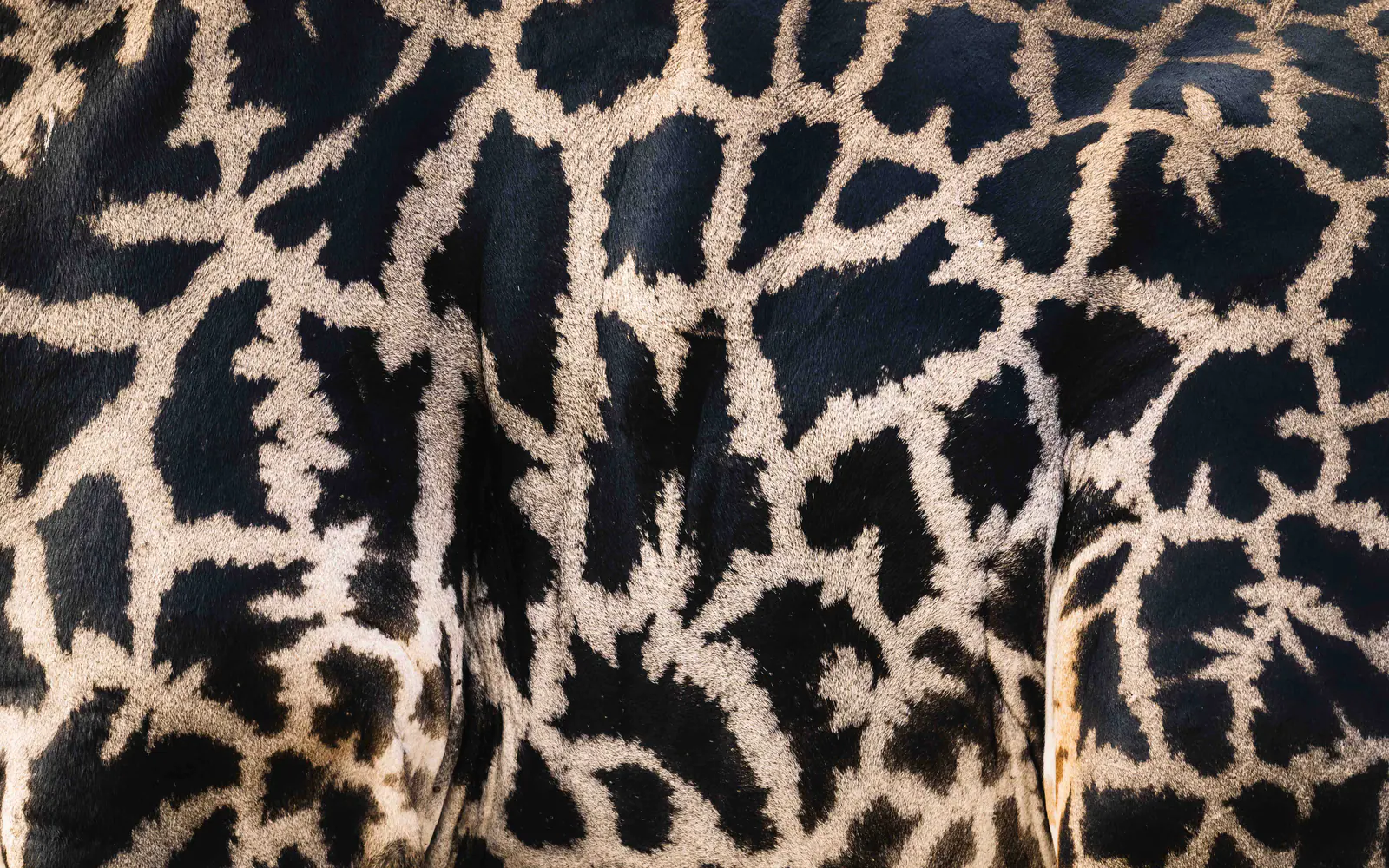
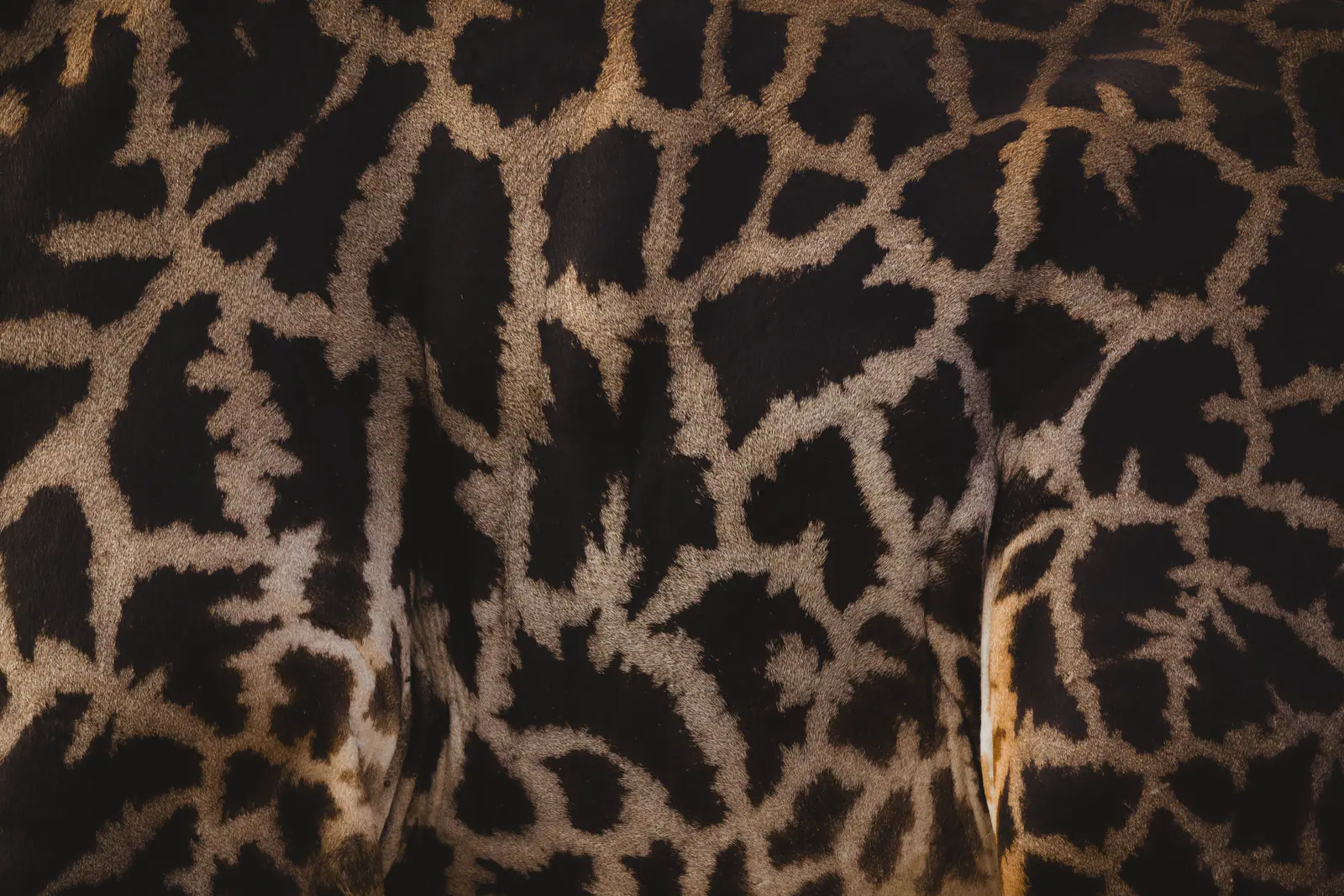
Close-up of a giraffe's coat, a fine pale network of lines around dark patches. The pattern is as individual as a fingerprint.
02 / 07
The four kinds of luxury property
Most high-end Kenyan accommodation falls into one of four categories, and they suit different travellers. The mistake is assuming the most expensive category is the right one for you.
Private camp versus boutique lodge
Large luxury lodge versus exclusive-use property
Exclusive-use properties are the least understood option and often the best value for six or more travellers.
03 / 07
Where luxury works best in Kenya
Three regions dominate the high end, for structural rather than fashionable reasons. Each offers something the others cannot.
The Maasai Mara conservancies combine the best wildlife density in the country with capped vehicle numbers, flexible timing and, at many properties, walking and night drives. This is where most luxury Kenya trips spend the majority of their nights. See reserve versus conservancy for why the conservancy distinction matters so much.
Laikipia is the privacy specialist: very low bed density across a large highland area, significant rhino conservation, exclusive-use houses, and activities beyond game drives where individual properties permit them. Amboseli contributes a distinctive two-night opening (elephants and Kilimanjaro) with high-end options in the surrounding community conservation areas rather than in the busiest part of the park.
Region by what you want most
- Best wildlife with privacy
- Maasai Mara conservancies, 4 nights
- Maximum seclusion and activities
- Laikipia, 3–4 nights
- Iconic landscape photography
- Amboseli, 2 nights
- Somewhere genuinely different
- Samburu, 2–3 nights
- A group or multi-generational trip
- An exclusive-use house in Laikipia or the Mara
This is a starting point rather than an objective ranking. The right answer changes with your dates, your nights and who is travelling.
04 / 07
Why luxury itineraries fly
Almost every high-end Kenya itinerary uses light aircraft, and the reason is arithmetic rather than snobbery. A road transfer between distant regions consumes most of a day. On a seven-night trip that is more than fourteen per cent of your time spent watching the roadside.
Flying converts those hours into game drives. It also makes combinations possible that road travel cannot support (Laikipia with the Mara, or Samburu with the coast), which is why the most interesting luxury routes are fly-in ones.
The trade is luggage. Light aircraft require soft bags and enforce carrier-specific weight limits, which matters most to photographers. Most Nairobi hotels store a second bag while you are in the bush, and the packing guide covers how to work within the limits.
A representative luxury fly-in route
-
Nairobi → Laikipia airstrip
Approximate flight time: 45 min – 1 hr
Trade-off: Straight from the international arrival into the bush, with an overnight in Nairobi if the timing is tight.
-
Laikipia
Overnight: 3 nights
Trade-off: Walking, riding and rhino conservation where the property offers them.
-
Laikipia → Maasai Mara conservancy
Approximate flight time: 1 hr 30 – 2 hrs
Trade-off: Usually via Nairobi; still saves the better part of two days over driving.
-
Maasai Mara
Overnight: 4 nights
Trade-off: The wildlife core, with a private vehicle throughout.
-
Maasai Mara → Diani or Zanzibar
Approximate flight time: 2–3 hrs
Trade-off: Usually via Nairobi. The beach finish that most luxury itineraries end on.
All journey times are approximate. Traffic, weather, road conditions, stops, gate choice and airstrip schedules all change them.
05 / 07
Where the money is well spent, and where it is not
If a budget has to flex, some line items return far more than others. A private vehicle and guide is consistently the best-value upgrade on any safari, luxury or not: it determines when you go out, how long you stay and whether you can wait for the light. Conservancy access is the second, because it determines how many other vehicles share what you find.
Room category is usually the weakest return. The difference between a good tent and the best tent at the same camp is real but small, and you spend most of your waking hours outside it. Similarly, adding a fourth region rarely improves a trip. The transfer costs a day and the extra camp fee buys less than an extra night somewhere excellent.
Fees are the other thing to check. Park, reserve and conservancy fees are charged per person and vary by area, and some quotes include them while others do not. Levels change periodically, so verify current rates rather than relying on published figures. The cost guide explains the structure.
Where luxury spending actually goes
-
Vehicle arrangement
- Spends less
- Shared game drives with other camp guests.
- Spends more
- Private vehicle and dedicated guide throughout.
- Effect on the total
- Significant, and the single best-value upgrade available.
-
Land access
- Spends less
- Camps inside or just outside public reserves.
- Spends more
- Conservancy or private concession with capped vehicle numbers.
- Effect on the total
- Large: this is what genuine exclusivity costs.
-
Camp size
- Spends less
- Larger lodges with 30+ rooms and shared facilities.
- Spends more
- Six to twelve tents, or an exclusive-use property.
- Effect on the total
- Substantial per night, but fewer hidden extras.
-
Transport
- Spends less
- Road transfers between regions.
- Spends more
- Light aircraft on every leg.
- Effect on the total
- Moderate in money, large in days recovered.
-
Season
- Spends less
- Green-season dates outside the migration window.
- Spends more
- August and September in the Mara.
- Effect on the total
- Peak-season rates at the top end can be dramatically higher.
Park, reserve and conservancy fees change periodically and are sometimes quoted separately. Always confirm whether they are included before comparing two quotes.
Close-up of a giraffe's coat in deep shadow, a pale web of lines around dark patches.
06 / 07
Questions that separate genuine luxury from marketing
The answers to a short list of questions tell you more than any photograph of a bathtub. Ask them of any property you are considering.
- How many vehicles are permitted at a single sighting on the land you drive?
- Is the vehicle private, or shared with other guests, and what is the supplement?
- How many beds are there across the conservancy or concession, not just at the camp?
- Who guides, how experienced are they, and will it be the same guide each day?
- Are conservancy and park fees included in the rate?
- Which activities does this specific property run (walking, night drives, riding) and with what minimum ages?
- How long is the drive from the airstrip to camp, and from camp to the best game-viewing areas?
07 / 07
Where to take this next
Two guides explain most luxury itineraries: the Laikipia safari guide for exclusive-use conservancy land, and drive versus fly safari in Kenya for the routing that makes short luxury trips work.
For the numbers behind the tier, read what a Kenya safari costs; for couples, the Kenya honeymoon safari guide; and for the flagship region, planning a Maasai Mara safari. Wider planning: the Kenya safari guide and the Kenya safari guides library.
Planned by people who live the route
This library exists because the same Kenya questions arrive with every safari enquiry we answer.
- Locally based in Tanzania
- Kenya and Tanzania route specialists
- Licensed and insured operator
- Fast, direct answers
- Read Safari Soles reviews on TripAdvisor
- Read Safari Soles reviews on SafariBookings
- Read Safari Soles reviews on Google
Where these facts come from (1)
- Conservancies in Kenya: the community and private conservancy model Kenya Wildlife Conservancies Association · Conservation body · checked 2026-09-14
Related Safari Soles guides
Continue with the guides travellers usually read next.
 Reserve vs Conservancy How national reserves and private or community conservancies differ on vehicle numbers, permitted activities, camp style and cost, and why rules vary by conservancy. Comparisons
Read the guide
 Kenya Safari Cost What drives the price: park and conservancy fees, accommodation tier, season, private versus group travel, and road versus fly-in routing. Planning
Read the guide
 Kenya Honeymoon Safari Conservancy camps, fly-in routing that protects your days, private guiding and how a Mara or coast finish shapes the trip. Traveler Types
Read the guide
Frequently Asked Questions
-
Low guest density on the land you drive, an experienced guide, a private vehicle, a strong camp location and logistics that keep you out of transfer vehicles. Interiors matter far less than any of those.
Build this into a real Kenya route
Send us the dates, the travellers and the wildlife you care about most, and we will turn this guide into an itinerary that actually works on the ground.