


Best Time to Visit Kenya for Safari
There is no closed season for a Kenyan safari, but the month you choose changes the wildlife viewing, the price, the crowds and the roads. Here is what each part of the year actually looks like on the ground.
- Driest months
- June–October and Jan–Feb
- Mara migration
- Usually July–October
- Long rains
- Typically late March–May
- Lowest prices
- April, May and early November
Written and maintained by the Safari Soles planning team in Arusha, Tanzania.
For a first Kenya safari, June to October is the most reliable window:
- June to October is the most reliable all-round window and the usual migration period in the Maasai Mara. It is also the busiest and most expensive.
- January and February give dry conditions, strong predator viewing and far fewer vehicles, without the migration herds.
- April and May bring the heaviest rain and the lowest prices; build in extra nights and choose camps with all-weather access.
- Rainfall is regional and shifts year to year, so a well-built route can work in almost any month.
- Where you sleep affects crowding as much as when you travel: conservancies cap vehicle numbers even in peak season.
01 / 07
Kenya's two rainy seasons, and why they matter more than temperature
Kenya sits on the equator, so the year is not divided into hot and cold months in the way most European or North American travellers expect. Daytime temperatures on safari are broadly similar all year: warm to hot by mid-morning, cool at dawn, and genuinely cold in the highlands and in an open vehicle before sunrise. What changes through the year is rainfall, and rainfall is what moves animals, thickens grass and turns some park tracks difficult.
The pattern most of the country follows is two rainy periods. The long rains usually fall from late March through May, with April typically the wettest month. The short rains usually arrive in November and run into early December, though they are lighter, more scattered and much less disruptive. Between and around them sit the two drier windows that most safari travel is built around: June to October, and January into February.
Rainfall in Kenya is regional, not national. The coast around Diani and Watamu has its own rhythm, the northern country around Samburu is dry for most of the year, and the highlands of Laikipia catch more cloud than the lowlands. Two areas 200 kilometres apart can have completely different conditions in the same week, which is one of the reasons a well-built route can work in almost any month.
Seasonal timings shift from year to year. Rains have started early and finished late in recent seasons, and no month can be guaranteed dry. Check current outlooks with the Kenya Meteorological Department before committing to a narrow window.
Month by month, at a glance
- Wildlife
- Weather
- Crowds
- Value
- Migration
Jan
- Wildlife
- Strong resident big-cat viewing with short grass and good visibility.
- Weather
- Dry and warm in most safari areas after the short rains.
- Crowds
- Busy until early January, then quieter.
- Value
- Shoulder rates from mid-month.
- Migration
- Herds usually in the southern Serengeti, not Kenya.
Feb
- Wildlife
- Among the best months for predators; clear Amboseli dawns are common.
- Weather
- Dry and hot, with haze building late in the month.
- Crowds
- Low to moderate.
- Value
- Shoulder rates.
- Migration
- Calving season in Tanzania, not Kenya.
Mar
- Wildlife
- Good early in the month; grass lengthens as rain arrives.
- Weather
- Long rains usually begin late in the month.
- Crowds
- Low.
- Value
- Shoulder falling to low.
- Migration
- Not in Kenya.
Apr
- Wildlife
- Harder spotting in long grass; birdlife excellent.
- Weather
- Typically the wettest month; some tracks difficult.
- Crowds
- Lowest of the year.
- Value
- Lowest rates; some camps close.
- Migration
- Not in Kenya.
May
- Wildlife
- Green, dramatic and quiet; viewing takes more patience.
- Weather
- Long rains continuing, easing towards month end.
- Crowds
- Very low.
- Value
- Low-season rates.
- Migration
- Not in Kenya.
Jun
- Wildlife
- Drying out, grass thinning, viewing improving weekly.
- Weather
- Dry and cool at dawn, especially in the highlands.
- Crowds
- Moderate.
- Value
- Strong value just before peak.
- Migration
- Herds usually still in Tanzania.
Jul
- Wildlife
- Concentrations building; predator activity high.
- Weather
- Dry, cool mornings, clear skies.
- Crowds
- High and rising.
- Value
- Peak rates.
- Migration
- Arrival in the Mara varies with rainfall and movement.
Aug
- Wildlife
- Often the largest herd numbers in the Mara.
- Weather
- Dry and dusty.
- Crowds
- Highest of the year.
- Value
- Peak rates; book far ahead.
- Migration
- Often important Mara herd activity; crossings cannot be scheduled.
Sep
- Wildlife
- Excellent, usually a little calmer than August.
- Weather
- Dry and warming.
- Crowds
- High but easing.
- Value
- Peak rates.
- Migration
- Can remain strong depending on rainfall and movement.
Oct This month
- Wildlife
- Still very good, with wildlife around permanent water.
- Weather
- Hot and dry; short rains may begin late.
- Crowds
- Moderate.
- Value
- Shoulder rates return.
- Migration
- Distribution may begin changing as conditions shift.
Nov
- Wildlife
- Green flush, migratory birds arriving, good value viewing.
- Weather
- Short rains: usually brief afternoon showers.
- Crowds
- Low.
- Value
- Among the best value in the calendar.
- Migration
- Herds generally back in Tanzania.
Dec
- Wildlife
- Good viewing; landscapes green and photogenic.
- Weather
- Short rains easing; hot on the coast.
- Crowds
- Very high over Christmas and New Year.
- Value
- Peak festive rates in the last two weeks.
- Migration
- Not in Kenya.
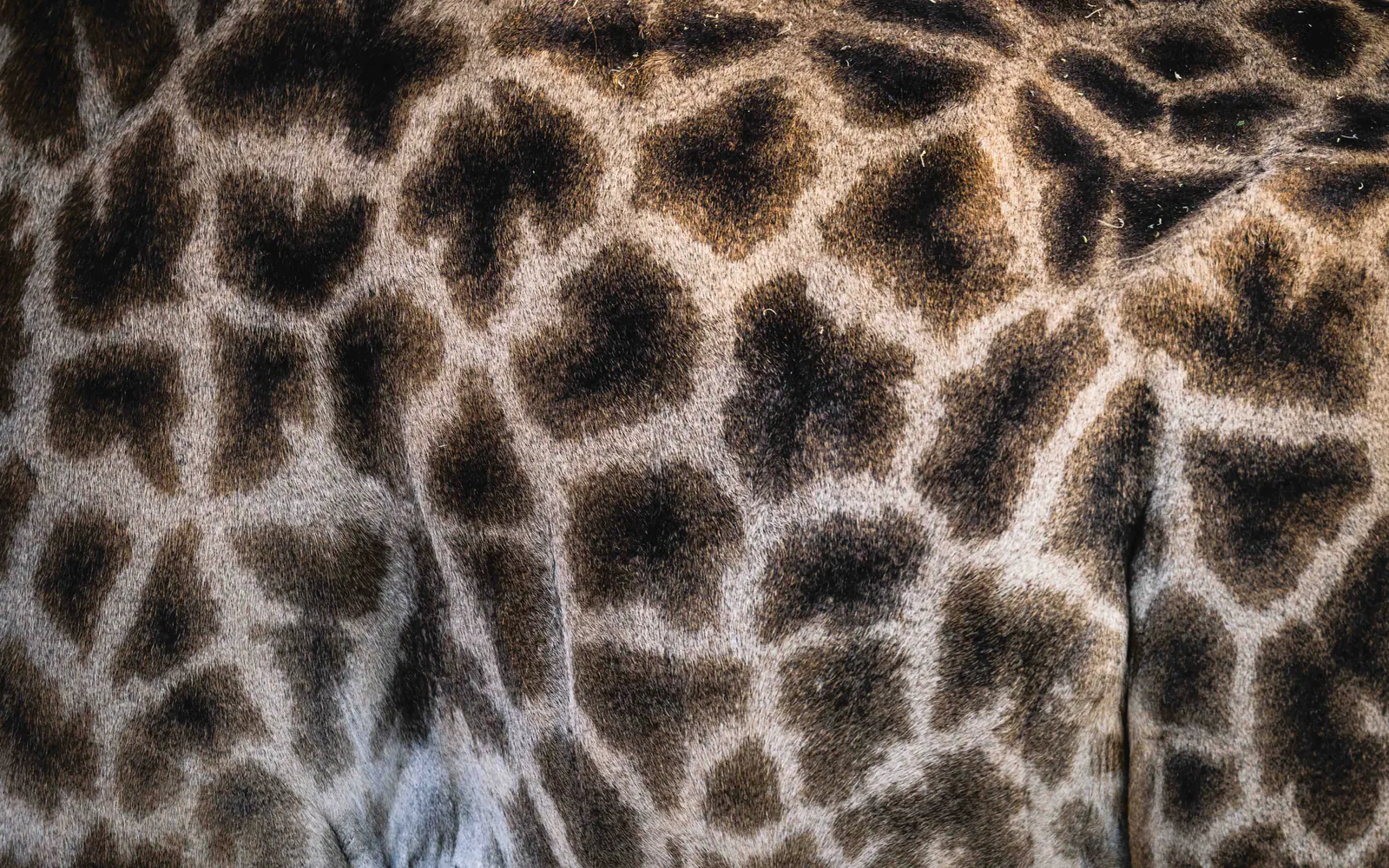
Close-up of a giraffe's coat, with dark patches divided by pale lines. No two giraffes carry quite the same pattern.
02 / 07
June to October: the classic safari window
This is the period most people picture when they imagine a Kenyan safari. Grass that grew through the long rains dries down and shortens, which makes animals far easier to spot. Seasonal water dries up, so wildlife concentrates around rivers, swamps and permanent waterholes: Amboseli's swamps and the Mara's river systems become genuinely dependable places to sit and wait. Skies are mostly clear, roads are firm, and light aircraft schedules run without weather disruption.
It is also when the Great Migration is usually on the Kenyan side of the ecosystem. Herds typically move north from the Serengeti into the Maasai Mara from around July, stay through August and September, and begin drifting south again during October. River crossings, when they happen, fall inside this window, but they are unpredictable events that depend on rainfall, grazing and herd behaviour, and no operator can promise you will witness one.
The trade-offs are crowds and price. July to October is peak season: the reserve section of the Mara can carry a lot of vehicles at a good sighting, camps sell out six to twelve months ahead, and rates sit at their highest. If you are travelling in this window and want space, the conservancies bordering the Mara, with capped vehicle numbers, are usually worth the extra nightly cost.
- June
- Drying out after the long rains. Green landscapes, thinning grass, fewer vehicles than July. Excellent value just before peak.
- July
- Migration herds usually begin arriving in the Mara. Busy, expensive, and the most reliable month for large herd numbers.
- August
- Peak of peak. Herds typically well established in the Mara; crossings possible but never guaranteed. Book far ahead.
- September
- Still excellent game viewing, slightly calmer than August. A favourite month for repeat travellers.
- October
- Herds often begin moving south. Warmer, drier, quieter. Good balance of wildlife and space.
What you can realistically expect
- July
- Herd arrival timing varies according to rainfall and movement rather than a fixed date.
- August
- Often important Mara herd activity, but river crossings cannot be scheduled.
- September
- Can remain strong for herd activity depending on rainfall and movement.
- October
- Distribution may begin changing as seasonal conditions shift southwards.
Migration timing is natural and variable. River crossings cannot be guaranteed on a particular date or game drive.
03 / 07
The rains: April, May and November
The long rains between late March and May are the one period we ask travellers to think carefully about. Rain in Kenya usually comes as heavy afternoon downpours rather than all-day drizzle, so game drives still happen, but tracks in the Mara and Tsavo can become slow or impassable, some smaller camps close for maintenance, and long grass makes spotting harder. In exchange you get dramatic skies, deeply green landscapes, very few other vehicles and the lowest rates of the year, often 30 to 50 per cent below peak.
November's short rains are a much softer proposition. Showers are usually brief, the country greens up beautifully, migratory birds arrive in numbers, and prices sit well below the July peak until the Christmas period begins. Early November in particular is one of the most underrated windows in the Kenyan calendar for travellers who care more about value and space than about maximum herd density.
Green season also suits particular travellers well. Photographers get skies with texture rather than flat blue. Birders get resident species in breeding plumage alongside Palearctic migrants. Families on a budget get camps they could not otherwise afford. What green season does not suit is a very short trip with one shot at the Mara: with only three nights, wet conditions leave you no room to recover a slow day.
If you travel in April or May, build in a night or two more than you think you need and choose camps with all-weather access. The extra flexibility is worth more than a marginally better location.
04 / 07
January and February: the quieter dry window
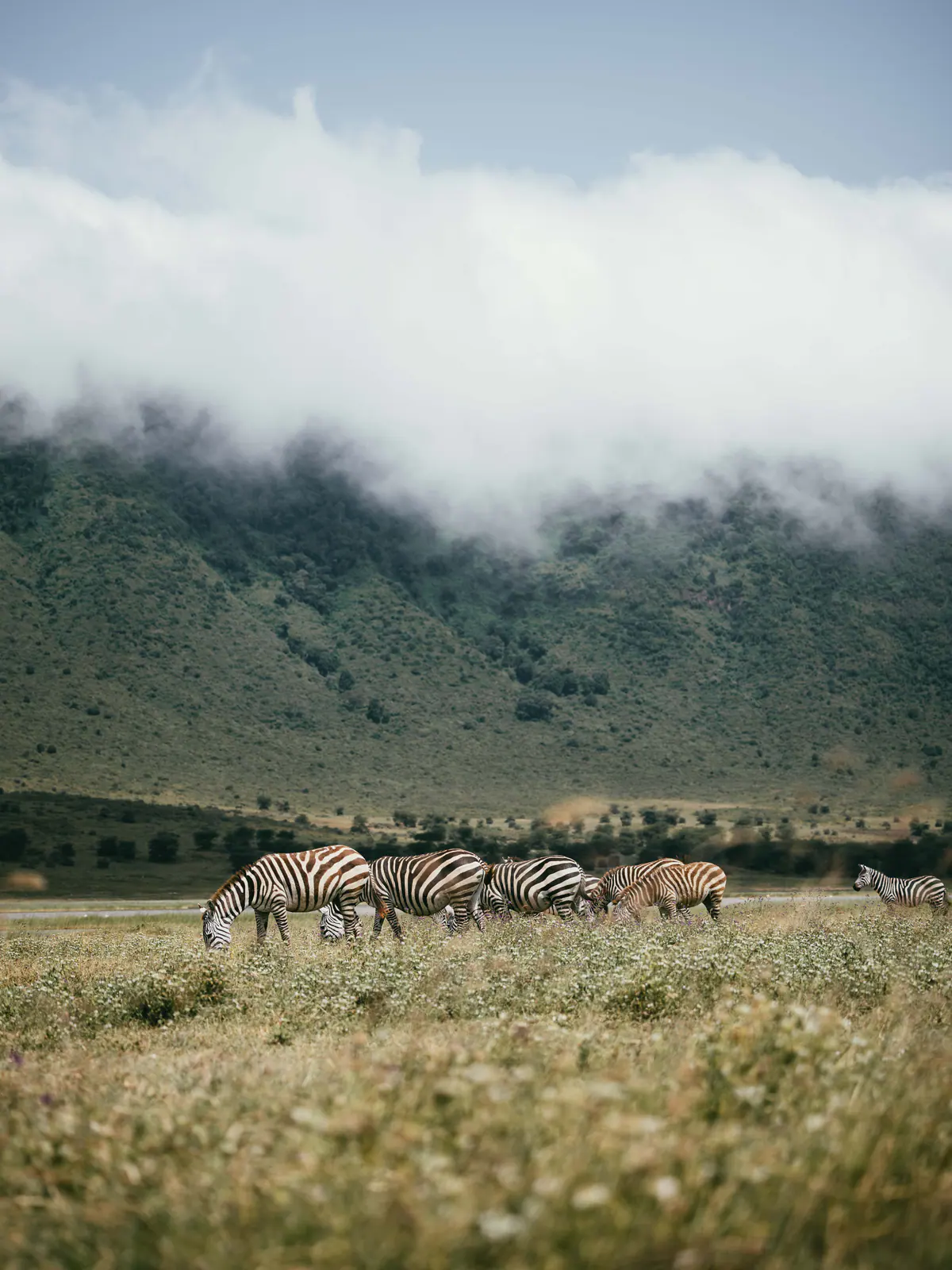
The short dry period after the Christmas rush and before the long rains is, for many guides, the best-kept secret in the Kenyan year. Conditions are dry and warm, the landscape still carries some green from the short rains, grass is short enough for good visibility, and the crowds of July to October simply are not there.
Big-cat viewing in the Mara during these months is often outstanding: lion prides are settled and easier to follow without the migration's noise and vehicle pressure. Amboseli in February frequently gives the clearest Kilimanjaro views of the year, with the mountain visible at dawn before cloud builds. Calving is under way in parts of the ecosystem, which brings predators into the open.
The obvious absence is the migration itself, which is normally in the southern Serengeti at this time. If your entire trip is built around wildebeest herds, January and February are not your months. If it is built around predators, landscapes, space and value, they are arguably the strongest weeks Kenya offers.
05 / 07
How timing changes by region
Kenya is not a single climate, and the right month depends partly on where you are going. A route that includes the north behaves differently from one that stays in the south.
- Maasai Mara
- Strongest July to October for herd numbers; January to February excellent for predators with fewer vehicles. See the Maasai Mara guide.
- Amboseli
- Dry months concentrate elephants on the swamps. Clearest Kilimanjaro views are usually early morning in January, February and again around June to October.
- Samburu and the north
- Dry for most of the year and hot. June to October and January to March are comfortable; it stays viable when the south is wet.
- Laikipia
- Highland conditions, cooler and often greener. Works well year round, with the same wet-season caveats in April and May.
- Tsavo
- Very hot in the dry months and difficult in heavy rain. June to October and January to February are the reliable windows.
- The coast
- Its own pattern: hottest and most humid around December to March, wettest around April and May, breeziest and most comfortable June to October.
Pick your month by what matters most
- Migration herds in the Mara
- Late July to September, staying at least three nights. See the Maasai Mara guide.
- Big cats without the crowds
- Late January and February, or early June.
- Clear Kilimanjaro views
- January and February dawns in Amboseli, and again in the mid-dry season.
- Lowest cost
- April, May and early November, with extra nights built in for wet days.
- Birding
- November to March, when Palearctic migrants join resident species.
- Safari plus beach
- June to October, when the coast is driest and breeziest. See Kenya safari and beach.
This is a starting point rather than an objective ranking. The right answer changes with your dates, your nights and who is travelling.
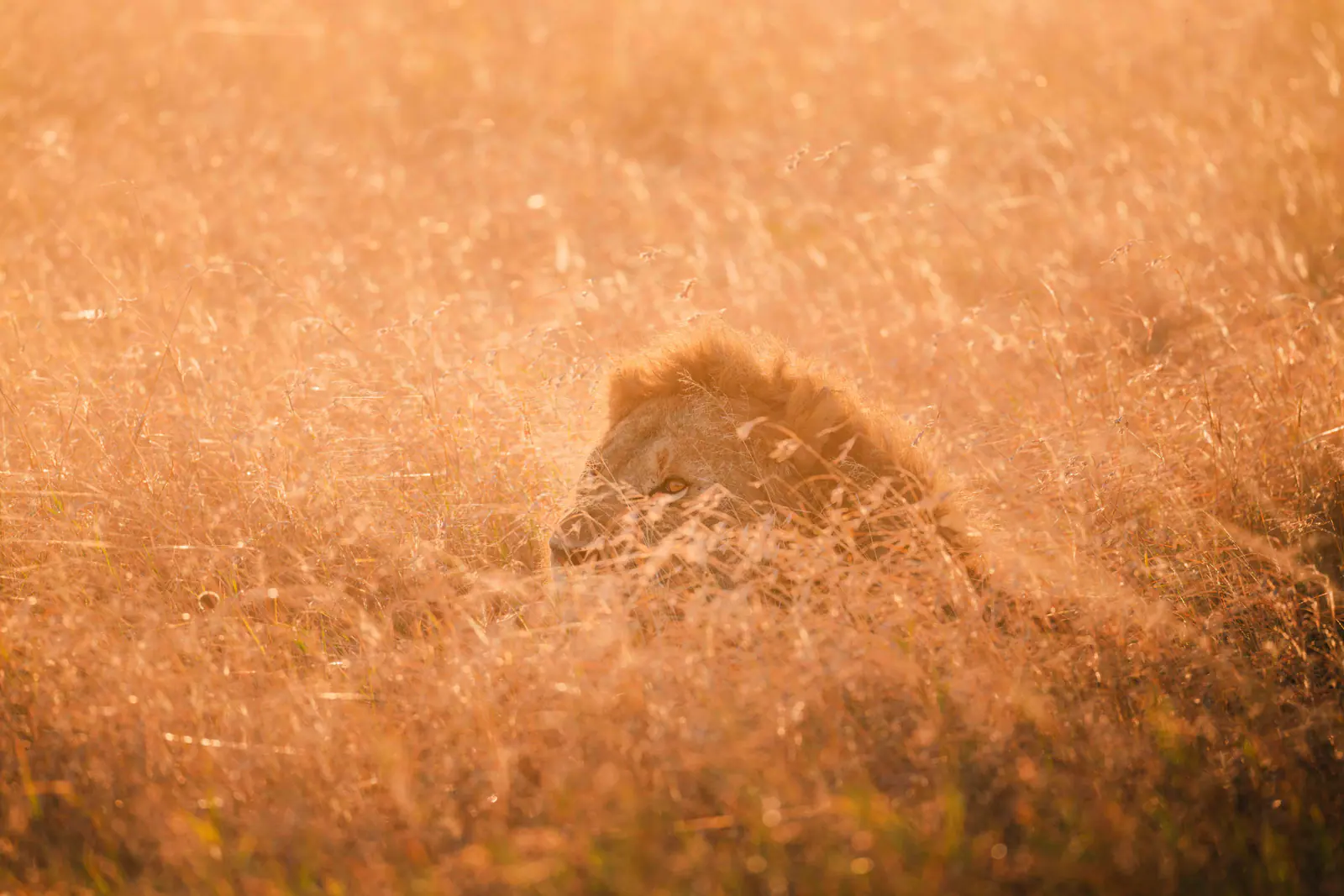
A male lion lies low in tall golden grass, his mane just visible above the stalks. Grass this high hides a lion until you are close.
06 / 07
Crowds, price and the trade you are actually making
Kenyan safari pricing follows demand closely. High season runs roughly July to October and again over Christmas and New Year. Shoulder rates apply around June, November and much of January to March. Low season is April and May, when many camps drop rates sharply or close altogether. The same camp can cost twice as much in August as in May with no change to the room.
Crowding is not evenly distributed either. It concentrates in the reserve section of the Maasai Mara during migration months and, to a lesser extent, in Amboseli around the swamp circuit. Samburu, Laikipia, Tsavo and the Mara conservancies stay comparatively quiet even in August. If your dates are locked into peak season by school holidays, choosing where you sleep matters more than choosing when you go. See reserve vs conservancy for how that decision plays out.
The practical way to decide: if this is a once-in-a-lifetime trip built around the migration and you can absorb peak pricing, travel July to October and book early. If you want strong wildlife with more space and a lower bill, take late January, February, June or early November. If budget is the binding constraint and you have enough nights to absorb a wet day, April and May will give you a trip that costs far less than most people assume. What each of those choices does to the total is broken down in the Kenya safari cost guide.
07 / 07
Where to take this next
Once your month is settled, the next two decisions are sequence and length. Work through how to plan a Kenya safari for the order to make decisions in, then confirm the herd picture for your dates in the Great Migration in Kenya guide rather than assuming a month guarantees crossings.
If you are still choosing regions, the Kenya safari guide sets out the circuits, and the Kenya safari guides library holds the park, comparison and combination guides that go deeper.
Planned by people who live the route
This library exists because the same Kenya questions arrive with every safari enquiry we answer.
- Locally based in Tanzania
- Kenya and Tanzania route specialists
- Licensed and insured operator
- Fast, direct answers
- Read Safari Soles reviews on TripAdvisor
- Read Safari Soles reviews on SafariBookings
- Read Safari Soles reviews on Google
Where these facts come from (3)
- Seasonal rainfall forecasts and outlooks Kenya Meteorological Department · Meteorological · checked 2026-09-14
- Tourism, Wildlife and Culture: Maasai Mara National Reserve oversight Narok County Government · Reserve authority · checked 2026-09-14
- Amboseli National Park: park information Kenya Wildlife Service · Park authority · checked 2026-09-14
Related Safari Soles guides
Continue with the guides travellers usually read next.
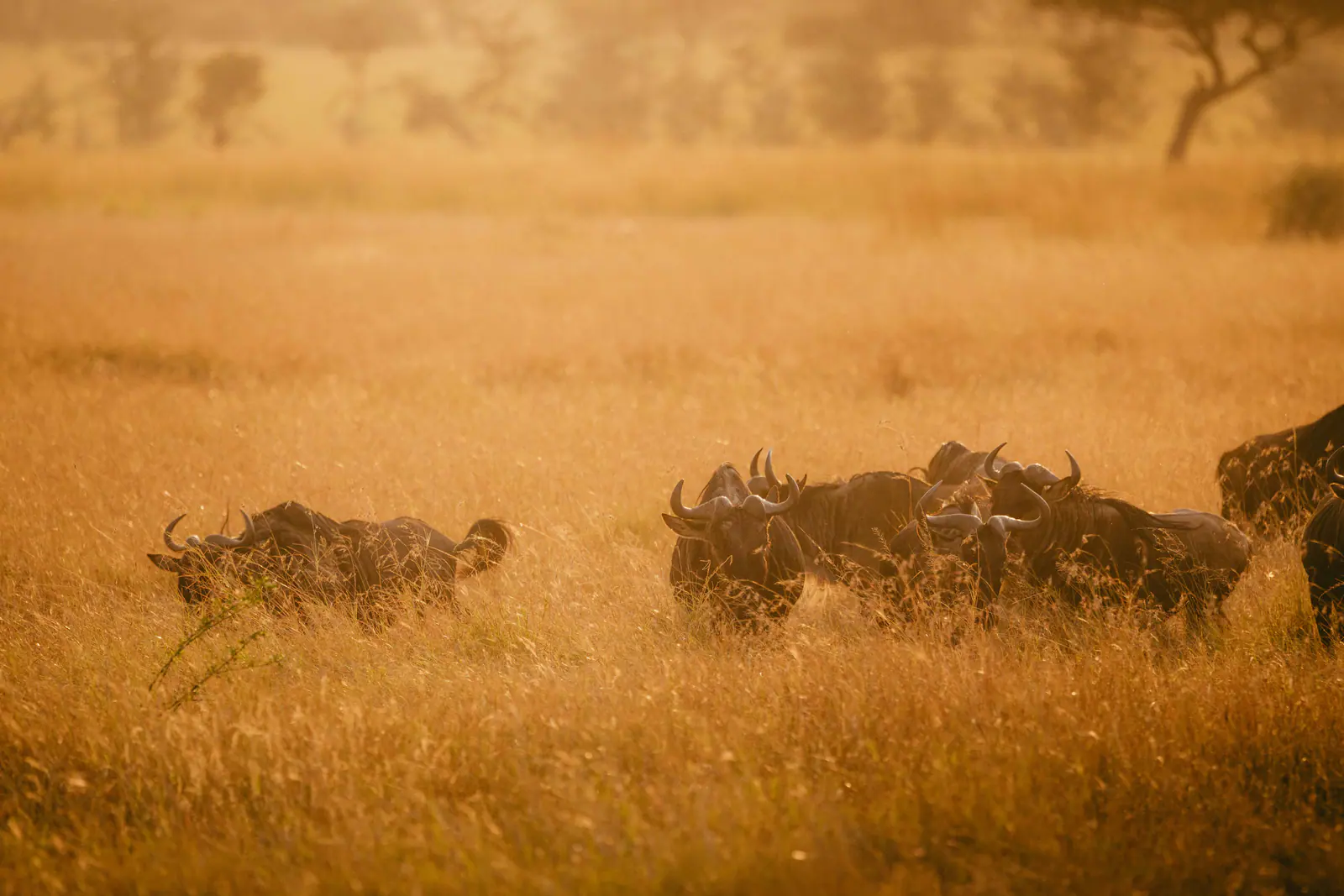 Great Migration in Kenya How the migration behaves on the Kenyan side of the ecosystem, when herds are typically in the Mara, and why crossings can never be guaranteed. Parks & Reserves
Read the guide
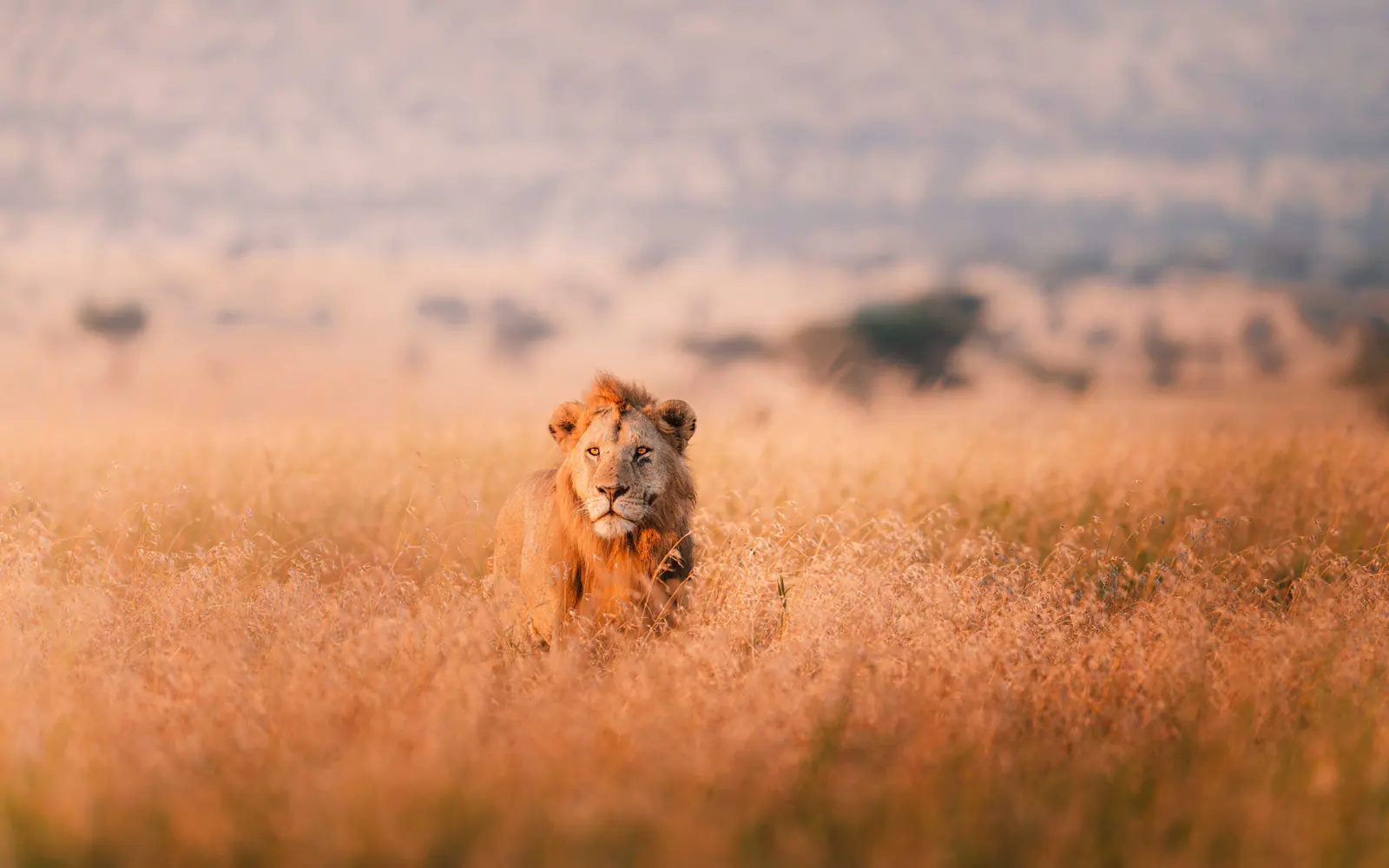 Kenya Safari Cost What drives the price: park and conservancy fees, accommodation tier, season, private versus group travel, and road versus fly-in routing. Planning
Read the guide
 How Many Days for a Kenya Safari What three to four, five to seven, eight to ten and ten-plus nights each realistically buy you on the ground, and where the extra days pay off. Planning
Read the guide
Frequently Asked Questions
-
If forced to name one, August: herds are usually in the Mara, conditions are dry and every camp is operating. But it is also the most crowded and expensive month, and September or early October often gives a better overall experience.
Build this into a real Kenya route
Send us the dates, the travellers and the wildlife you care about most, and we will turn this guide into an itinerary that actually works on the ground.