


Kenya Safari Packing List
Almost nobody under-packs for a Kenya safari. Most people bring too much of the wrong thing and too little of the two items that actually change the trip: a warm layer and binoculars.
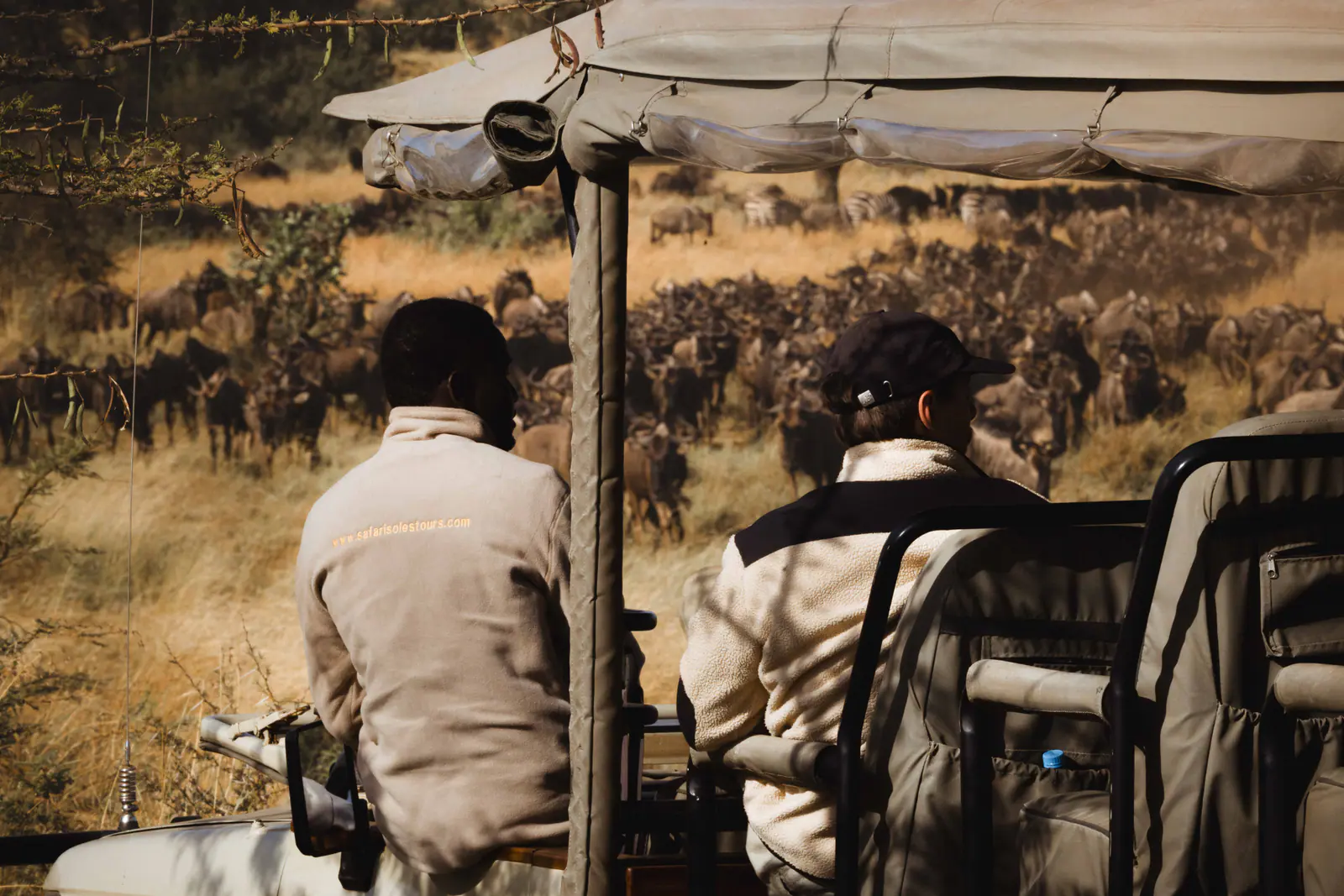
- Packing priority
- Layers matter more than quantity
- Temperature range
- Cold dawns, hot middays, cool nights
- Luggage
- Soft bags for bush flights
- Binoculars
- The most-regretted omission
Written and maintained by the Safari Soles planning team in Arusha, Tanzania.
Pack neutral, breathable layers rather than a safari costume:
- Dawn game drives are cold at altitude. A real warm layer is the item people most often wish they had brought.
- Bring one pair of binoculars per person; sharing means missing sightings.
- Any light-aircraft leg means a soft-sided bag and a strict, carrier-specific weight limit.
- Neutral tones, three or four days of clothing and same-day camp laundry beats packing for the whole trip.
- Leave camouflage clothing and single-use plastic bags at home: both cause problems on arrival.
- Speak to a qualified travel-health professional about vaccinations and malaria prevention well before departure.
01 / 07
The checklist, by category
Work through this before you start packing rather than after. Tick items off as you go. The list is grouped the way a bag actually gets filled, and the notes underneath each section explain the reasoning where it is not obvious.
Kenya safari packing checklist
0 / 39 packed
Documents
Clothing
Safari gear
Photography
Health & personal
Flight & luggage
Health items on this list are practical packing suggestions, not medical advice. Talk to a qualified travel-health professional or your own doctor about vaccinations, malaria prevention and anything relating to a medical condition, well before you travel.
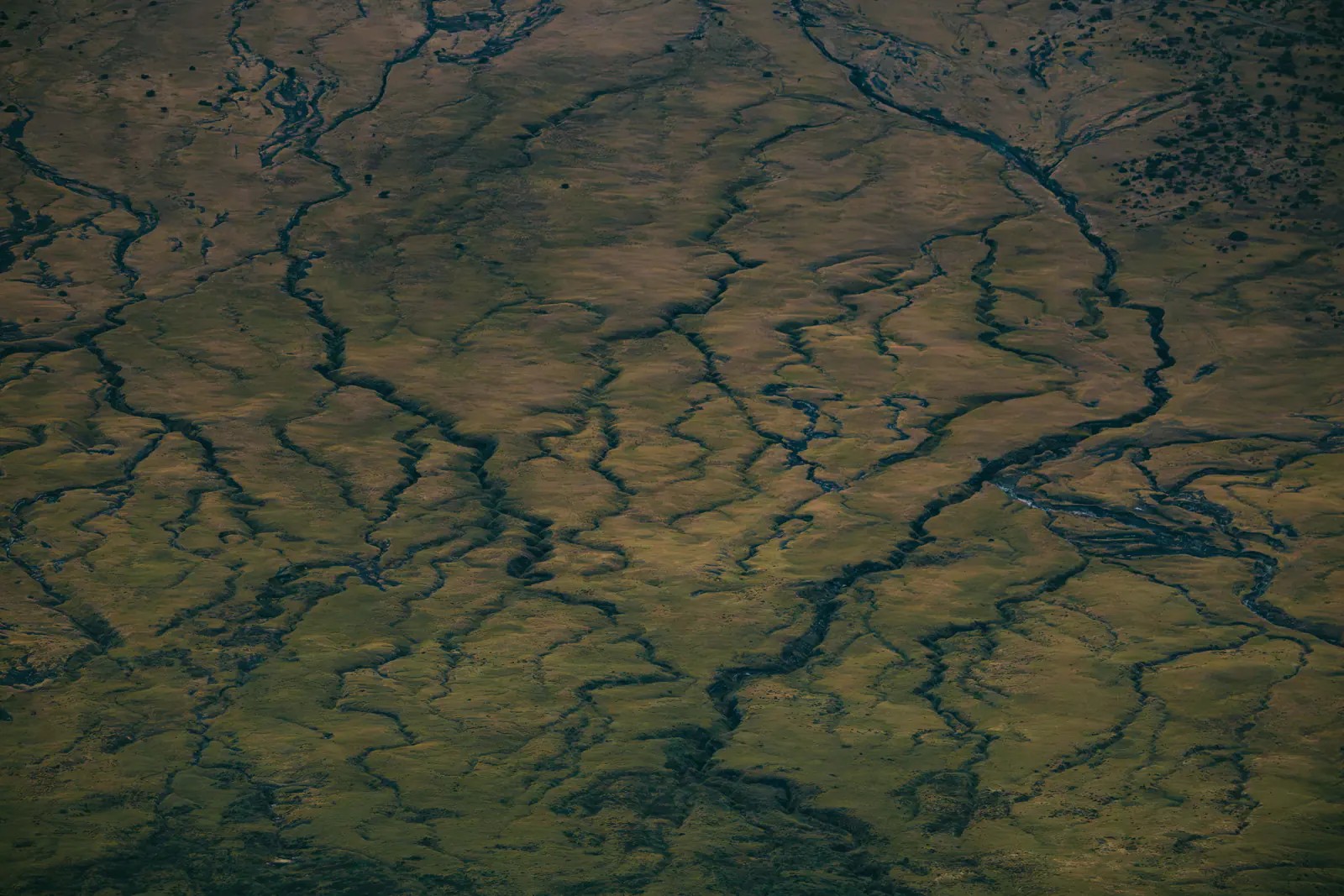
A close aerial view of fine drainage lines combing down a steep slope in low light.
02 / 07
Why layers, not outfits
The single most common packing mistake in Kenya is dressing for the equator. Most safari areas sit at altitude (the Maasai Mara is roughly 1,500 to 1,800 metres, Laikipia and the central highlands higher again) and a game drive leaves camp before sunrise in an open or roofless vehicle. That combination is genuinely cold. By ten in the morning the same person is in a shirt sleeves and looking for shade.
So the useful unit is the layer, not the outfit: a breathable base, a fleece or light insulated jacket over it, and a windproof shell if you feel the cold. You will take two of those off during the drive and put them back on the following dawn. Amboseli and Tsavo are lower and hotter, and the coast is hot and humid year-round, so the warm layer matters less there, but if your route includes the Mara, Laikipia, Nakuru or the highlands, bring it.
Colour is worth a thought without becoming a costume. Neutral, muted tones (olive, khaki, stone, brown) sit better in photographs and show dust less. Avoid dark blue and black on walking safaris in particular, since those colours attract tsetse flies in areas where they are present. Bright white shows every speck of dust within an hour.
Kenyan camps and lodges almost all offer same-day laundry. Packing for three or four days and washing as you go is far more comfortable than packing for two weeks.
03 / 07
Luggage, and the bush flight rule that catches people out
If any part of your itinerary uses a light aircraft, and most fly-in Kenya routes do, luggage rules tighten considerably. Small aircraft have limited hold space, and hard-shell suitcases often cannot be loaded at all. The standard instruction is a soft-sided duffel that can be squeezed into an irregular locker.
Weight limits are set by the individual carrier and are genuinely enforced, sometimes including the weight of your hand luggage and occasionally the passenger. Because the figure varies between operators, aircraft types and routes, check the exact allowance for your specific flights when your itinerary is confirmed rather than relying on a number from a guide.
The practical workaround is that most Nairobi hotels will store a bag for you free of charge while you are in the bush. If your trip includes a city or coastal segment that needs different clothes, leave that bag in Nairobi and travel light into the parks. On an all-road itinerary the rules are far more relaxed and a normal suitcase is fine.
Which bag for which trip
-
All-road circuit
Any bag works. A normal suitcase is fine in a safari vehicle, though a duffel is easier to wedge behind the back seat.
-
Any light-aircraft leg
Soft-sided duffel only, no wheels or frame if you can avoid it, and confirm the exact weight limit for your carrier before you pack.
-
Safari plus beach
Two bags: a small soft one for the bush and a second stored in Nairobi with beach and city clothes. See Kenya safari and beach.
-
Photography-led trip
Camera gear travels in the cabin with you. Factor its weight into the allowance and read the photography safari guide before you decide what to bring.
04 / 07
Binoculars, and the small things that matter more than they should
If you take one recommendation from this page, take this one: bring binoculars, one pair per person. Sharing a single pair between two people means one of you is always missing the sighting. Kenya Wildlife Service lists binoculars among the items visitors should bring to the parks, and there is a reason. A large share of what you see on a game drive is at a distance where the naked eye registers a shape and binoculars register a leopard.
8x42 or 10x42 is the usual compromise between magnification and stability in a moving vehicle. Higher magnification sounds better and is harder to hold steady. Compact models are lighter but gather less light, which matters at dawn and dusk when most of the interesting behaviour happens.
The other small items that repeatedly earn their place: a buff or scarf for dust, a head torch for walking between tent and dining area after dark, a power bank because some camps run generators only at set hours, and a beanbag or rolled fleece to steady a long lens on the vehicle frame. Solar and generator power means charging windows can be limited, so arrive with everything full.
05 / 07
Sun, dust and insects
Equatorial sun at altitude is stronger than the temperature suggests, and an open vehicle offers little shade. High-factor sunscreen, lip balm with SPF, sunglasses and a hat with a chin cord (the cord matters, hats leave vehicles at speed) are worth more than any specialist clothing.
Insect repellent belongs in the day bag rather than the suitcase. Kenya Wildlife Service visitor guidance lists sunscreen, insect repellent and first-aid supplies among sensible things to carry into the parks. Long sleeves and trousers at dusk do as much work as repellent does.
Dust is the underrated one. Red soil in Tsavo and Amboseli gets into camera bodies, lenses, phone ports and clothing. A sealed bag for equipment, a blower and a cloth cost almost nothing and save a camera.
Leave the medical decisions to a professional
Malaria risk, vaccination requirements and altitude considerations depend on your route, your dates and your own health. This page deliberately does not make those calls. Book a travel-health consultation early (some recommendations need to start weeks before departure) and carry any prescription medication in its original labelled packaging.
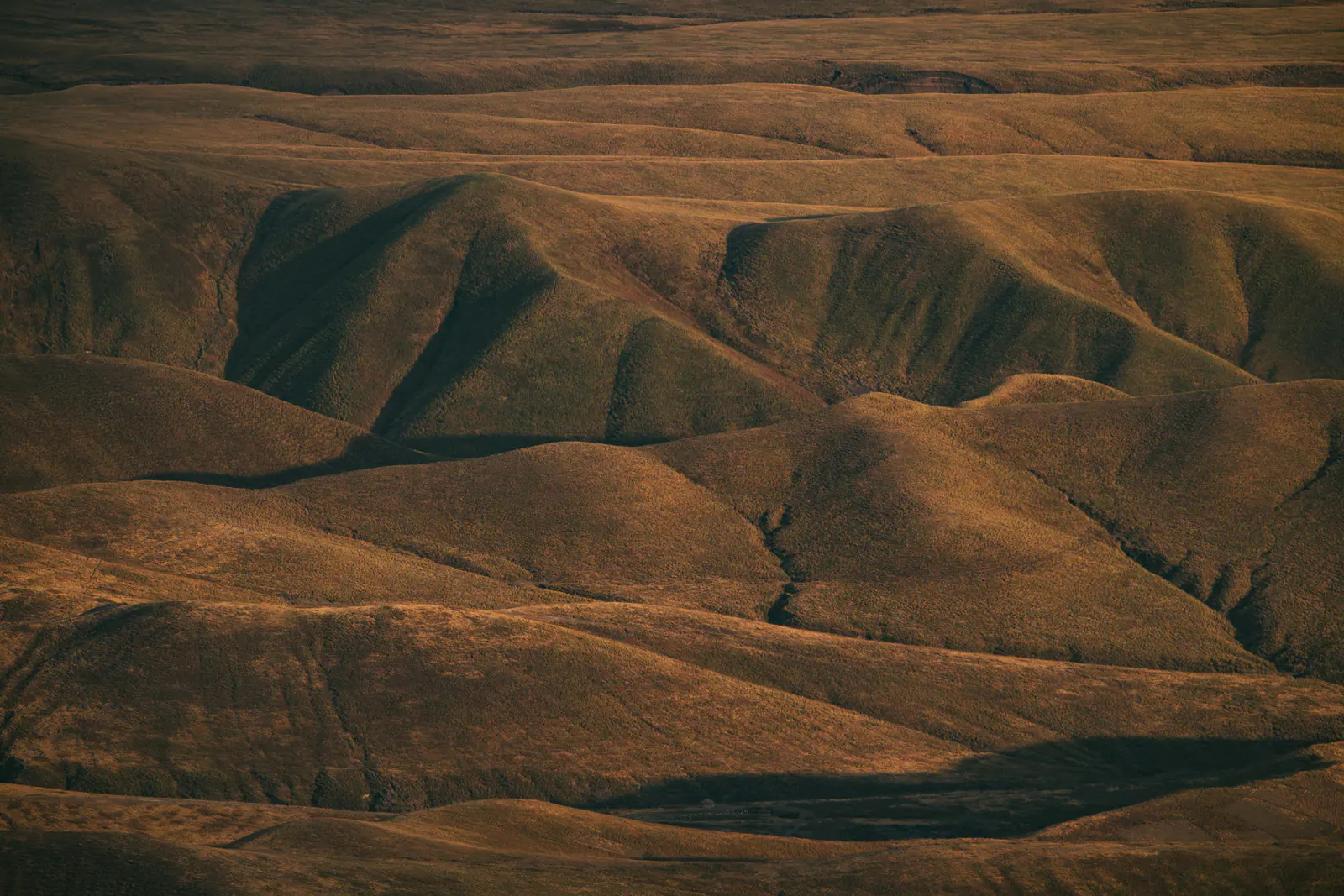
Aerial view of rolling hills and shadowed folds in dry gold and brown.
06 / 07
What to leave at home
Full camouflage clothing is restricted in Kenya and in several neighbouring countries, since it is associated with military use. Leave it out entirely rather than risking a question at the airport.
Plastic bags are the other one. Kenya has banned single-use plastic carrier bags, and the ban is enforced at entry points. Use fabric or mesh packing cubes and a hard case or dry bag for liquids instead.
Beyond that, most people simply bring too much: too many outfits, too many shoes, a hairdryer that every camp already has, and a hard suitcase that will not fit on a light aircraft. A four-day rotation, a warm layer, good binoculars and a camera is genuinely the whole trip.
- Camouflage-pattern clothing: restricted, and easily avoided
- Single-use plastic carrier bags: banned in Kenya
- Drone equipment unless you hold the specific permits required, which are not straightforward
- Hard-shell suitcases on any fly-in itinerary
- More than two pairs of shoes for a bush-only trip
07 / 07
Where to take this next
Packing sits alongside two other pre-departure jobs. Confirm documents against Kenya entry requirements, and if any leg is on a light aircraft read the baggage reality in drive versus fly in Kenya before you choose a bag.
Camera-heavy travellers should also read the Kenya photography safari notes. For trip-shape decisions, use the Kenya safari guide or browse the Kenya safari guides library.
Planned by people who live the route
This library exists because the same Kenya questions arrive with every safari enquiry we answer.
- Locally based in Tanzania
- Kenya and Tanzania route specialists
- Licensed and insured operator
- Fast, direct answers
- Read Safari Soles reviews on TripAdvisor
- Read Safari Soles reviews on SafariBookings
- Read Safari Soles reviews on Google
Where these facts come from (3)
- Baggage allowance for light-aircraft safari flights Safarilink Aviation · Airline policy · checked 2026-09-14
- Baggage policy for scheduled safari flights AirKenya Express · Airline policy · checked 2026-09-14
- Conservation fees and visitor regulations Kenya Wildlife Service · Park authority · checked 2026-09-14
Related Safari Soles guides
Continue with the guides travellers usually read next.
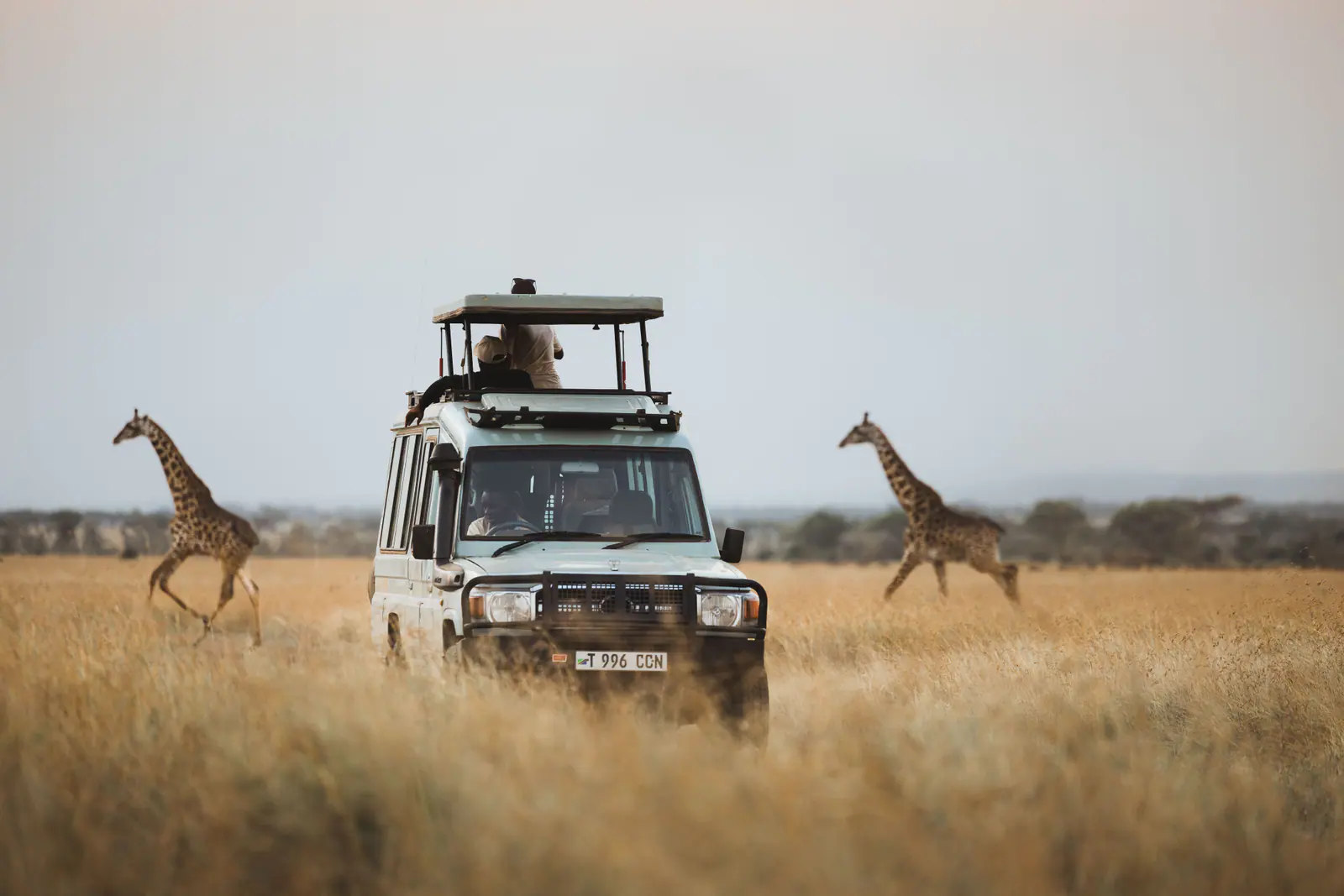 Kenya Entry Requirements How the official electronic travel authorisation works, passport validity, health documentation and what to prepare before you fly. Planning
Read the guide
Kenya Entry Requirements How the official electronic travel authorisation works, passport validity, health documentation and what to prepare before you fly. Planning
Read the guide
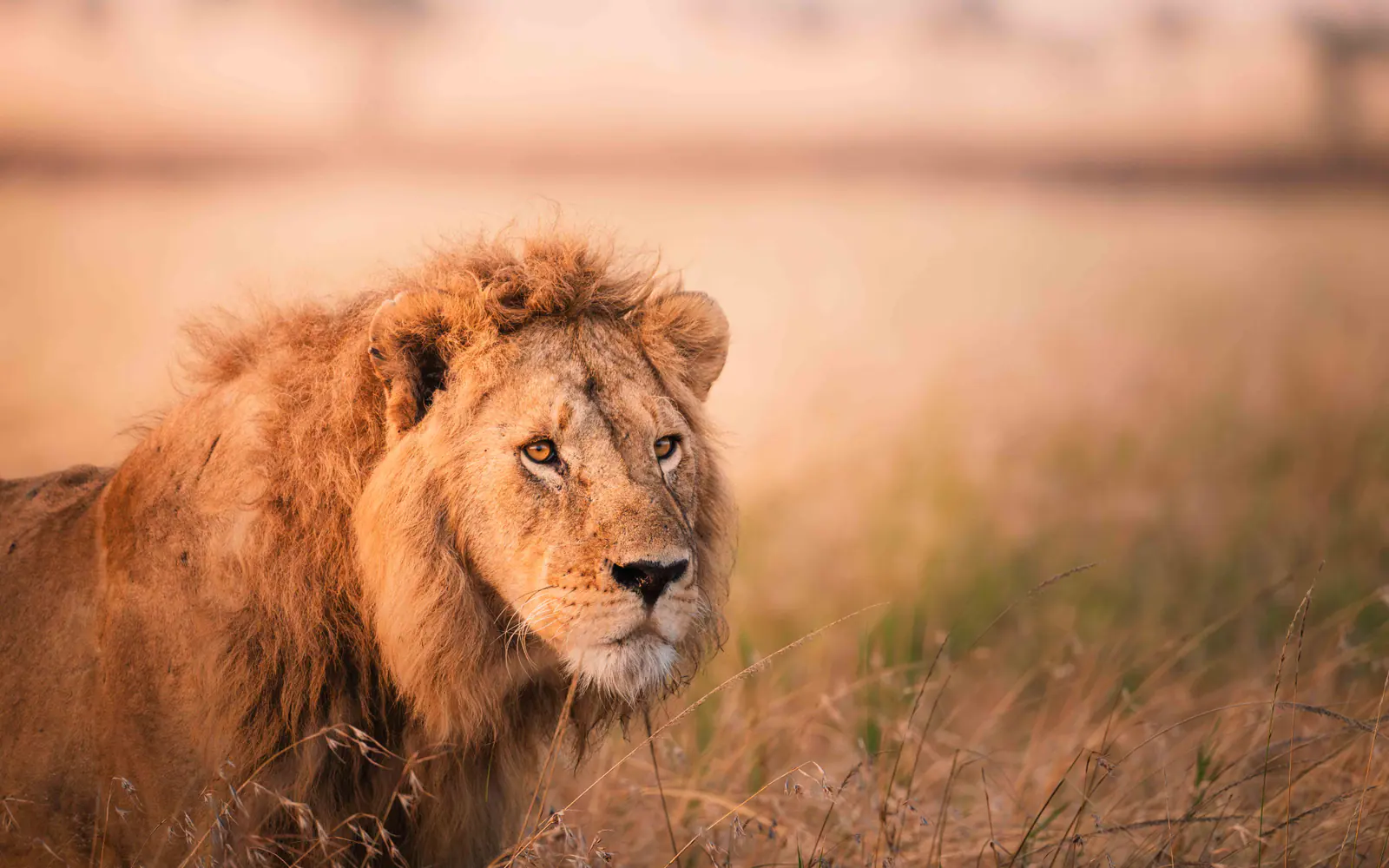 Kenya Photography Safari Vehicle setup, early starts, staying longer at a single sighting, Amboseli light and predator-focused Mara time. Traveler Types
Read the guide
Kenya Photography Safari Vehicle setup, early starts, staying longer at a single sighting, Amboseli light and predator-focused Mara time. Traveler Types
Read the guide
 Drive vs Fly Safari in Kenya Road transfers against light-aircraft hops: cost, time on the move, route flexibility, luggage limits and how each affects a short trip. Comparisons
Read the guide
Drive vs Fly Safari in Kenya Road transfers against light-aircraft hops: cost, time on the move, route flexibility, luggage limits and how each affects a short trip. Comparisons
Read the guide
Frequently Asked Questions
-
Muted neutrals (olive, khaki, stone, brown) photograph well and hide dust. Avoid dark blue and black on walking safaris in tsetse areas, and skip camouflage entirely, which is restricted in Kenya.
Build this into a real Kenya route
Send us the dates, the travellers and the wildlife you care about most, and we will turn this guide into an itinerary that actually works on the ground.