


Kenya Safari Cost: What Actually Drives the Price
Two Kenya safaris of the same length can differ in price by a factor of five, and almost none of that gap is negotiation. Here is where the money actually goes, and which decisions move the total most.
- Pricing
- Per person per day, all-inclusive
- Seasonality
- Can swing the same camp by 100%
- Park fees
- Fixed and non-negotiable
- Flights
- Buy time, not comfort
Written and maintained by the Safari Soles planning team in Arusha, Tanzania.
A Kenya safari is usually priced per person per day, all-inclusive of accommodation, meals, game drives, guiding and park fees.
- Kenya safaris are priced per person per day and normally include park fees, meals, game drives and guiding: compare quotes like-for-like, not on headline price.
- Season, camp tier, transport and vehicle exclusivity are the four decisions that move the total most.
- Park and conservancy fees are fixed and rising; confirm current rates with Kenya Wildlife Service rather than trusting second-hand figures.
- Cutting regions rather than nights preserves the quality of the trip while lowering the cost.
- Solo travellers pay disproportionately; four travellers sharing a private vehicle get the best per-person value.
01 / 09
How Kenya safari pricing is actually structured
Almost every Kenya safari is quoted as a per-person, per-day rate for a specific itinerary rather than as a menu of separate line items. That rate normally covers accommodation, all meals, game drives with a guide, park and conservation fees, drinking water and transfers between the parks on your route. It normally excludes international flights, visas or travel authorisation, travel insurance, tips, premium drinks and optional extras such as balloon flights or cultural visits.
This matters because comparing two quotes on headline price alone is close to meaningless. A cheaper quote may exclude park fees, use a shared vehicle, place you outside the park with a long drive to the gate each morning, or budget three people into a vehicle designed for six. The honest comparison is like-for-like: same season, same number of nights in the same areas, same vehicle arrangement, same tier of camp.
The other structural point is that the biggest costs are not discretionary. Park and conservation fees are set by authorities and charged per person per day. Camps have fixed capacity and sell out. Light aircraft seats have fixed prices. What a good planner changes is the shape of the route (fewer regions, better-placed camps, smarter transport) not the underlying rates.
The five decisions that move the total most
-
Season
- Spends less
- April, May and early November, when many camps discount heavily.
- Spends more
- July to October, Christmas and New Year at peak published rates.
- Effect on the total
- The same room can differ by roughly half between low and peak season.
-
Accommodation tier
- Spends less
- Simple lodges or serviced camping, often outside the park gates.
- Spends more
- Small conservancy camps and exclusive-use properties inside prime areas.
- Effect on the total
- The widest single range: several times over between the extremes.
-
Transport
- Spends less
- Road transfers throughout in a shared or private vehicle.
- Spends more
- Light aircraft between every region.
- Effect on the total
- Flying adds a per-seat cost per leg but returns most of a day each time.
-
Vehicle exclusivity
- Spends less
- Seat-in-vehicle with other guests on a scheduled departure.
- Spends more
- A private vehicle and guide for your party alone.
- Effect on the total
- Significant per-person impact for one or two travellers; modest for four sharing.
-
Route shape
- Spends less
- Two regions with three or more nights in each.
- Spends more
- Four regions in the same number of nights.
- Effect on the total
- Each extra region adds fees, transfers and a lost half-day, without adding viewing time.
These are relative cost drivers rather than quoted prices. Park, reserve and conservancy fees are set by the authorities, change without much notice, and should be confirmed at the time you book. Any figure quoted in a guide, including ours, is indicative only.
Where a lower budget is best spent
When a budget is tight, cutting a region usually protects the trip better than cutting the tier of every camp. Removing one park removes its fees, its transfer and a lost travel half-day at once, and leaves you with more nights where the wildlife actually is.
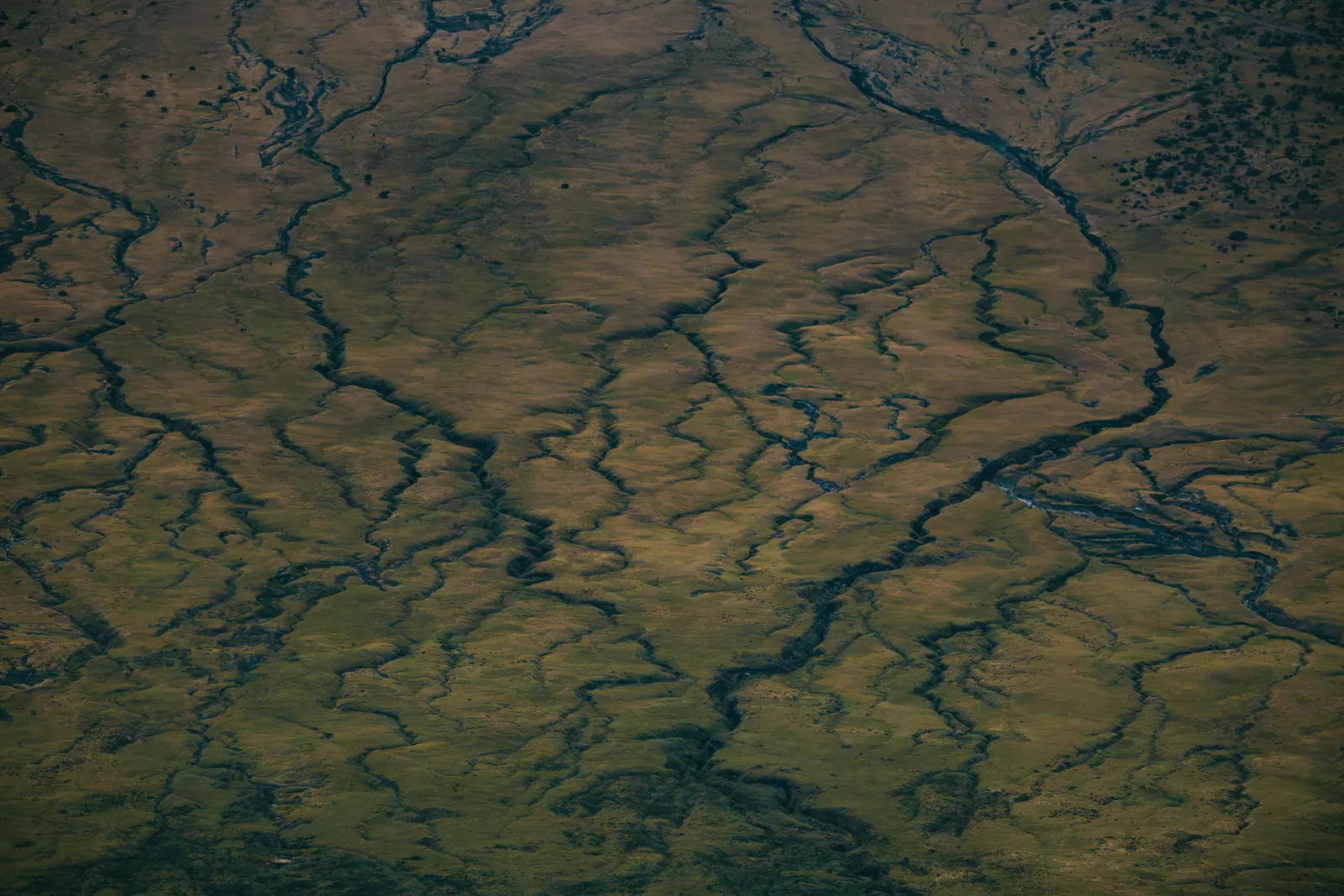
Aerial view of thin water channels branching across a green floodplain.
02 / 09
Park and conservancy fees
Kenya charges entry fees for national parks and reserves per person per 24 hours, with different rates for citizens, residents and non-residents, and different rates by park. The Maasai Mara National Reserve is administered by the county rather than by Kenya Wildlife Service, and its fees are set separately and have risen significantly in recent years. Fees for the parks under Kenya Wildlife Service are published on the KWS site and are the figure to check rather than any number quoted second-hand.
Conservancies work differently again. A private or community conservancy charges a conservancy fee, usually built into the nightly camp rate rather than paid at a gate. That fee is what funds the land lease payments to the communities who own the land, the ranger teams and the vehicle caps that keep the area quiet. It is the reason conservancy nights cost more than reserve nights. You are paying for lower density as much as for the bed.
Fees are per 24 hours in most cases, which has a practical consequence: a very short stay inside a park can carry a disproportionate fee burden relative to the game viewing you get. It is one reason a one-night stop only makes sense where the park is genuinely on the way, as at Lake Nakuru.
Park and conservation fees change. Always confirm current rates with Kenya Wildlife Service and, for the Mara, with the reserve authority before treating any figure as final. We deliberately avoid publishing fixed fee figures here because they date quickly.
03 / 09
Where you sleep: the single biggest variable
Accommodation is where the range opens up. The same itinerary can be delivered at four broadly different levels, and the difference between them is not just thread count. It is location, vehicle quality, guide experience, group size and how much of the day you spend driving to wildlife.
- Budget camping
- Basic serviced camping or simple lodges, usually outside park gates, shared minibus or land cruiser, larger groups. The cheapest way to see Kenya, at the cost of time and comfort.
- Mid-range lodges
- Comfortable lodges and permanent tented camps inside or bordering the parks, en-suite rooms, pool, good food, shared or private vehicle. Where most first-time safaris sit.
- Premium tented camps
- Smaller camps, often in conservancies, better guiding, fewer guests, private vehicle common, activities such as walks and night drives where permitted.
- High-end and exclusive-use
- Very small camps, private guide and vehicle as standard, fly-in routing, sometimes whole-camp bookings. See the luxury safari guide.
04 / 09
Season: the same bed at half the price
Seasonality moves Kenyan rates more than almost anything else in your control. Peak season runs roughly July to October, plus Christmas and New Year, and carries the highest published rates. Shoulder periods around June, November and January to March sit meaningfully lower. April and May, the long rains, are low season, when camps discount heavily or close.
The gap is not marginal. A camp charging a peak rate in August may charge close to half that in May for the same tent, the same guide and the same food. If your dates are flexible and you are willing to accept green-season conditions, moving your trip by a few weeks is the single most effective cost lever available to you.
The counter-argument is straightforward: peak season exists because the wildlife viewing is at its most reliable and the migration is usually in the Mara. Paying more for August is not irrational. It is a choice between certainty and value, and the best time to visit guide sets out what each month actually delivers.
05 / 09
Driving versus flying
Kenya's road network makes a driving safari genuinely practical, and a road trip in a private four-wheel-drive with the same guide throughout is often both cheaper and more coherent than a fly-in circuit. You see the country between the parks, your luggage is not weight-limited, and your guide learns what you like over several days rather than handing you to a new one at each airstrip.
Flying buys time. Nairobi to the Maasai Mara is roughly an hour in the air against five to six hours by road; Nairobi to Samburu or the coast saves most of a day each way. On a short trip those saved hours convert directly into game drives, which can make flying the better value even though it costs more. On a longer trip the argument weakens, because you have days to spare.
Flying also brings constraints: strict soft-luggage weight limits on light aircraft, fixed schedules, and the need for a camp vehicle to meet you at each airstrip, which is normally built into the camp rate or charged as a transfer. The trade-offs are laid out fully in drive vs fly.
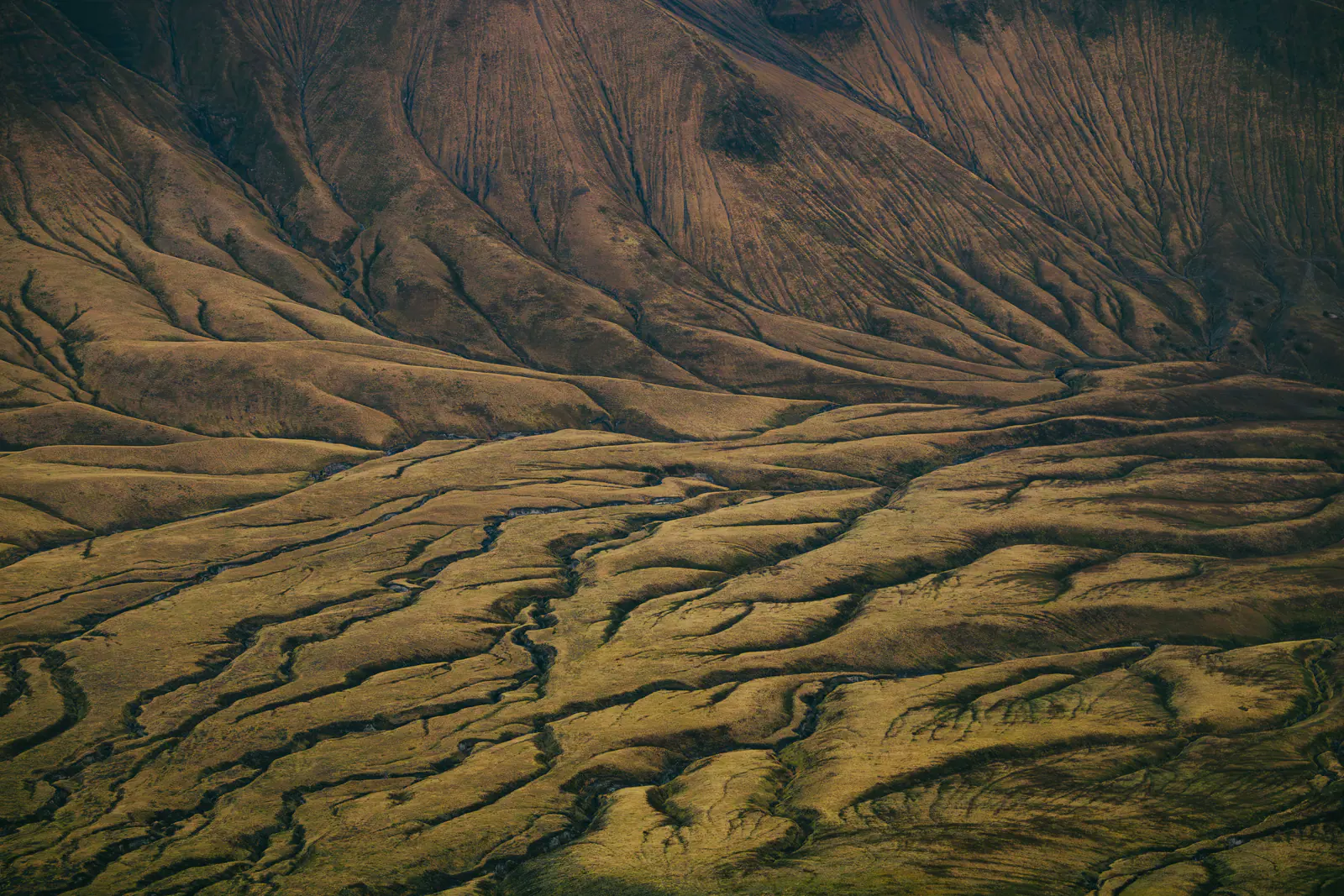
Aerial view of steep, eroded slopes folded into ridges and channels, in warm evening light.
06 / 09
Private vehicles, group size and solo travellers
A private vehicle is one of the most valuable upgrades on a Kenya safari and one of the most commonly skipped. On a shared game drive you move when the group moves, leave a sighting when someone is bored, and share window seats. In a private vehicle you decide to stay with the leopard for another forty minutes. Photographers, families with young children and anyone with specific wildlife priorities should treat it as close to essential. See family safaris and photography safaris.
Group size cuts both ways on price. The fixed costs of a safari (vehicle, guide, fuel) divide across the travellers in the vehicle, so four people sharing a private vehicle pay far less each than two. Solo travellers face the opposite: single supplements on rooms and the full vehicle cost on one person. Joining a small-group departure is usually the practical answer for a solo traveller who wants a mid-range experience.
Children usually attract reduced rates, and many camps have a minimum age for game drives or offer family rooms that cost less than two separate rooms. Those details vary by camp and are worth asking about explicitly rather than assuming.
07 / 09
Sensible ways to spend less without spoiling the trip
There are good and bad ways to bring a Kenya budget down. The bad ways cut nights, cram regions, or move you outside the park so that you spend the first and last hour of every day driving to and from the gate. The hours when animals are most active.
- Travel in shoulder season. June, early November and February give most of the dry-season experience at meaningfully lower rates.
- Cut regions, not nights. Two areas over seven nights costs less and delivers more than four areas over the same week. See how many days.
- Drive the short legs, fly the long ones. Nairobi to Amboseli or Nakuru by road is easy; Nairobi to Samburu or the coast is where flying earns its cost.
- Fill the vehicle. Travelling as four rather than two roughly halves the per-person vehicle cost on a private safari.
- Mix tiers. A simpler lodge for the transit night and a better camp for the Mara nights spends the money where it changes the experience.
- Book early for peak. Late booking into August does not get you a discount; it gets you the camps nobody else wanted.
08 / 09
Costs travellers forget to budget
Beyond the safari rate itself, a handful of items regularly surprise people at the end of planning. None are large individually; together they can add several hundred dollars per person to a trip.
- Travel authorisation
- Kenya's electronic travel authorisation carries a fee per traveller: apply only through the official portal. See entry requirements.
- Tips
- Guides, camp staff and pilots are customarily tipped. Budget a per-day figure per traveller and carry small notes.
- Balloon safari
- A dawn balloon flight over the Mara is a significant per-person extra, usually booked and paid separately.
- Drinks and laundry
- Included at many camps, charged at others, and premium wines almost always extra.
- Insurance
- Comprehensive travel and medical insurance, including emergency evacuation cover, should be treated as non-optional.
- Domestic flight excess
- Light aircraft luggage limits are strict; excess is charged by weight or requires an extra seat.
09 / 09
Where to take this next
Budget is only half a plan. Read how to plan a Kenya safari for the decision order, then check what a nudge in trip length does to the same figure in how many days for a Kenya safari.
Two guides explain most of the variance above: drive versus fly in Kenya and the luxury Kenya safari tier. For circuit context, start from the Kenya safari guide; for everything else, the Kenya safari guides library.
Planned by people who live the route
This library exists because the same Kenya questions arrive with every safari enquiry we answer.
- Locally based in Tanzania
- Kenya and Tanzania route specialists
- Licensed and insured operator
- Fast, direct answers
- Read Safari Soles reviews on TripAdvisor
- Read Safari Soles reviews on SafariBookings
- Read Safari Soles reviews on Google
Where these facts come from (3)
- Conservation fees and visitor regulations Kenya Wildlife Service · Park authority · checked 2026-09-14
- Tourism, Wildlife and Culture: Maasai Mara National Reserve oversight Narok County Government · Reserve authority · checked 2026-09-14
- Baggage allowance for light-aircraft safari flights Safarilink Aviation · Airline policy · checked 2026-09-14
Related Safari Soles guides
Continue with the guides travellers usually read next.
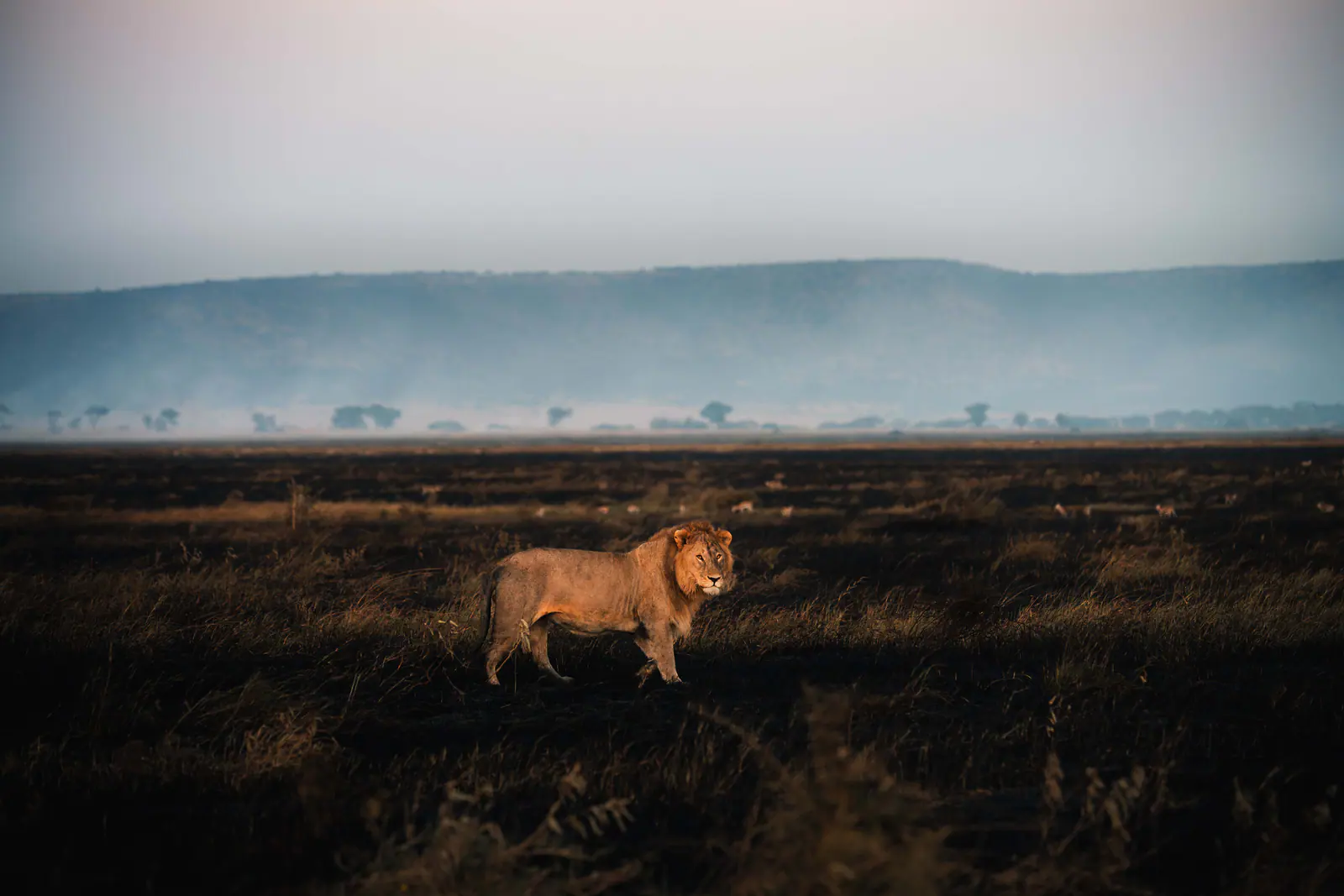 How Many Days for a Kenya Safari What three to four, five to seven, eight to ten and ten-plus nights each realistically buy you on the ground, and where the extra days pay off. Planning
Read the guide
- Drive vs Fly Safari in Kenya Road transfers against light-aircraft hops: cost, time on the move, route flexibility, luggage limits and how each affects a short trip. Comparisons
Read the guide
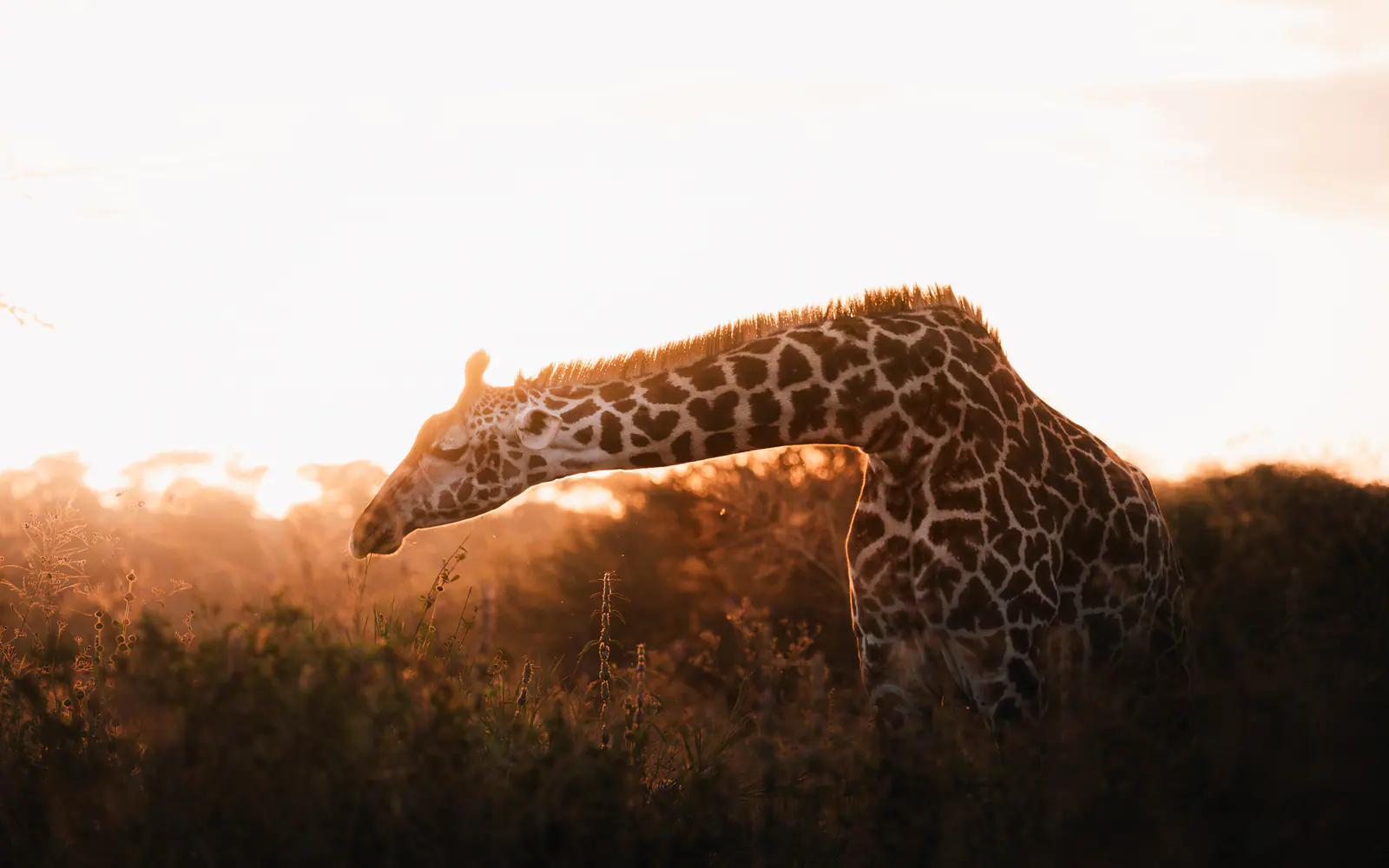 Kenya Luxury Safari Fly-in routing, private conservancies, small high-end camps and the privacy that separates a premium trip from an expensive one. Traveler Types
Read the guide
Frequently Asked Questions
-
Broadly, entry-level and mid-range Kenya trips tend to come in lower, largely because road routing is easier and there is more competition at that tier. At the top end the two countries are comparable. It is not a large enough gap to choose a country on. See Kenya vs Tanzania.
Build this into a real Kenya route
Send us the dates, the travellers and the wildlife you care about most, and we will turn this guide into an itinerary that actually works on the ground.