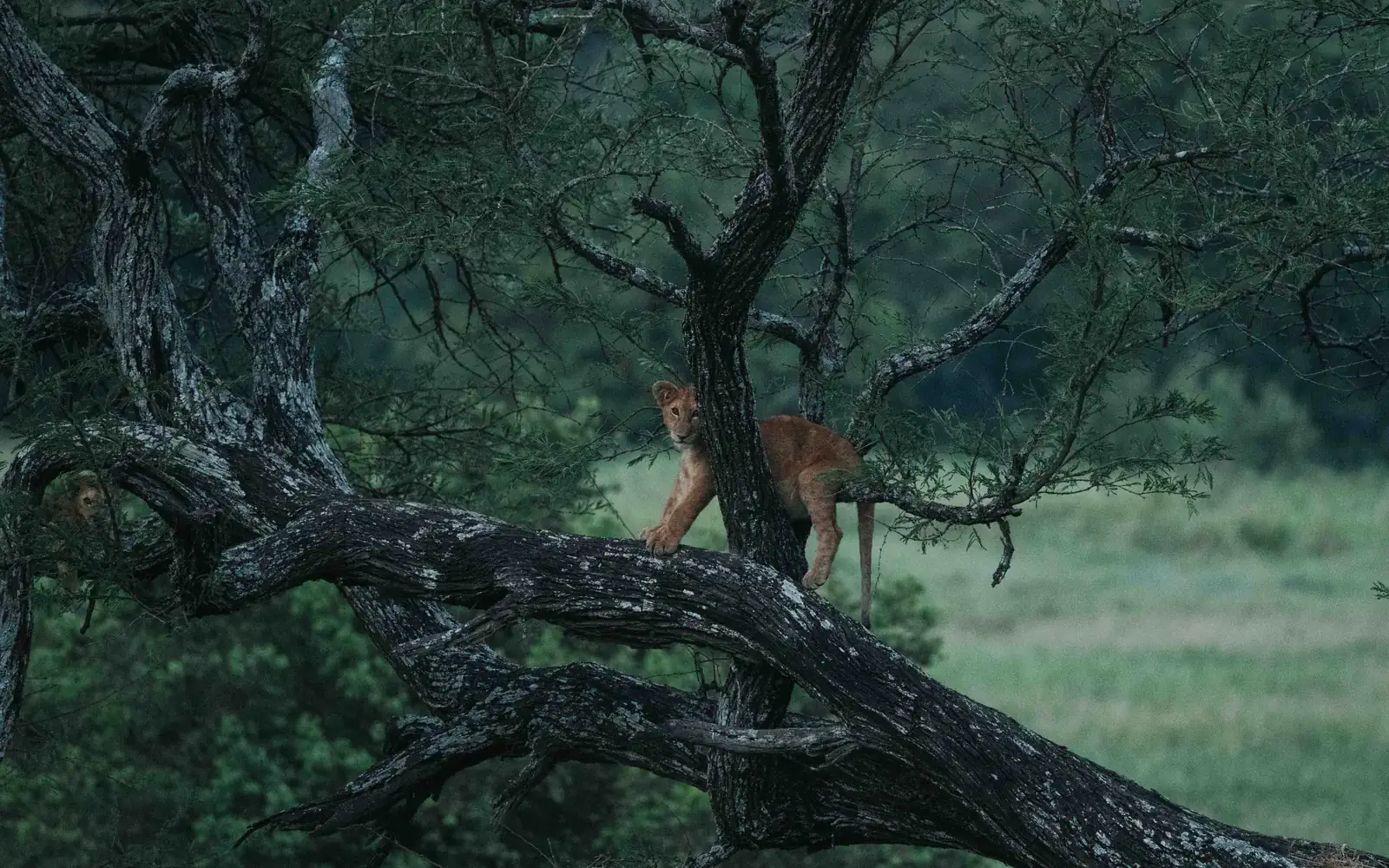
Big cats
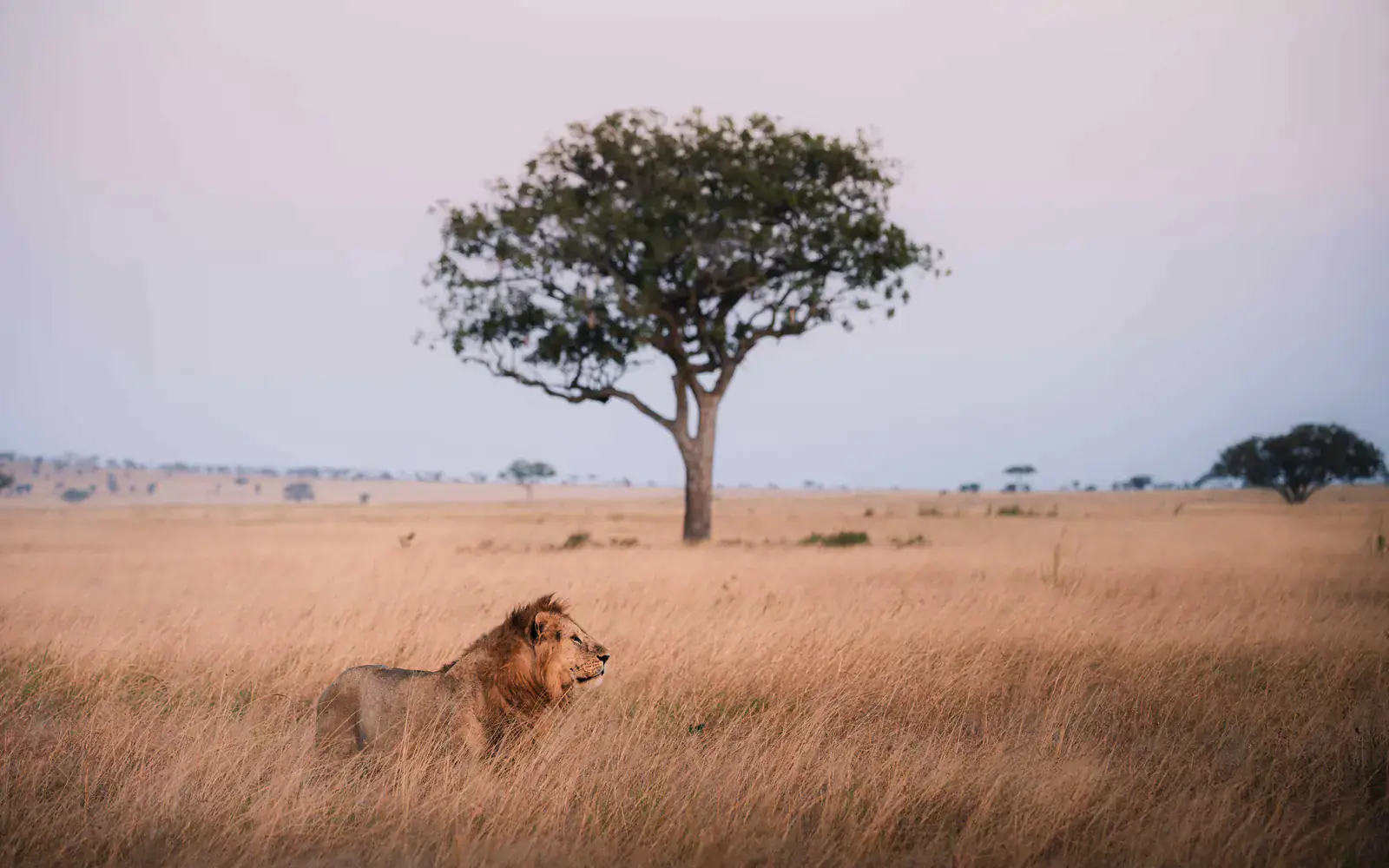
Dry season and calving season. Short grass and concentrated prey both work in your favour.
 English
 Deutsch
 Français
 Español
 Italiano
 Português
Wildlife movement, predator behaviour and birdlife change dramatically across Tanzania's seasons. Here is what each season actually delivers and where to be.
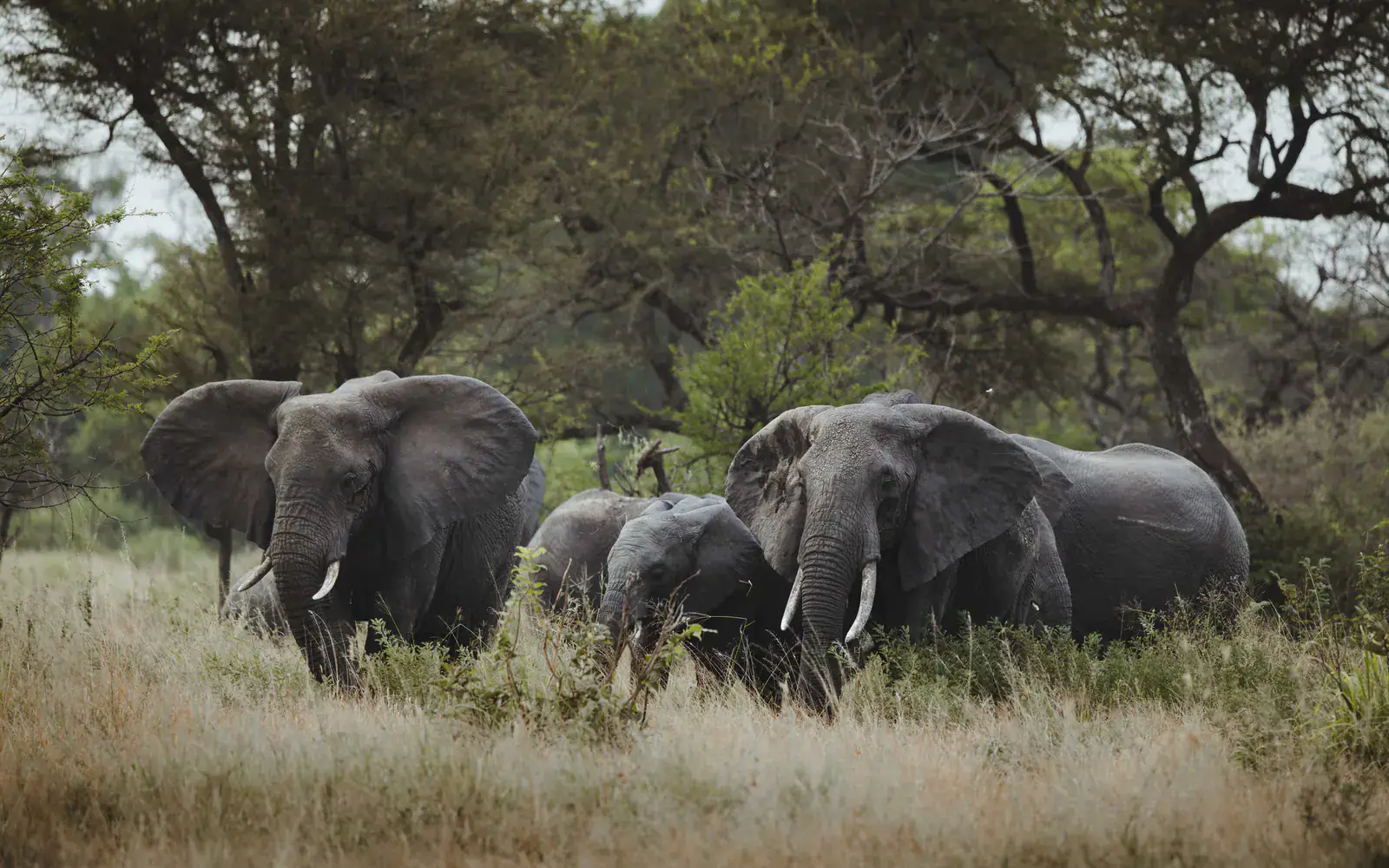
Wildlife Guide
Tanzania has excellent wildlife viewing all year, but the character changes. Peak dry season from August to October gives the highest visibility, calving season from January to March gives the most predator action, and the green season gives the best birding and the lowest rates.
Choose a season to see the wildlife story, where to be, and how it scores for visibility, birding and predator activity.
The classic safari window — thin bush, concentrated game and the Mara River crossing period.
Northern Serengeti, Ngorongoro, Tarangire, Ruaha
These are planning scores, not guaranteed wildlife outcomes.
| Factor | Dry season | Calving season | Green season |
|---|---|---|---|
| Months | Jun–Oct | Jan–Mar | Apr–May, Nov |
| Visibility | Excellent — short grass | Very good on open plains | Harder — tall grass |
| Predators | Concentrated at water | Peak activity around calves | Active but dispersed |
| Birding | Good | Excellent | Excellent |
| Vehicles | High | Moderate | Low |
| Rates | Highest | Medium-high | Lowest |
| Where to be | North Serengeti, Tarangire, Ruaha | Ndutu, southern Serengeti | Central Serengeti, Ngorongoro |
Planning guidance based on typical patterns; conditions vary each year.
If your dates are fixed, do not try to force the classic itinerary onto them. Move the route to where the wildlife actually is that month — the same number of days will deliver a far better trip.
Dry season and calving season. Short grass and concentrated prey both work in your favour.
July to October in Tarangire, when herds gather along the river.
Year-round somewhere in the Serengeti — the question is which region.
June to October in Nyerere and Ruaha, during their denning and dry-season range.
Ngorongoro Crater lake and Lake Natron, strongest in the green season.
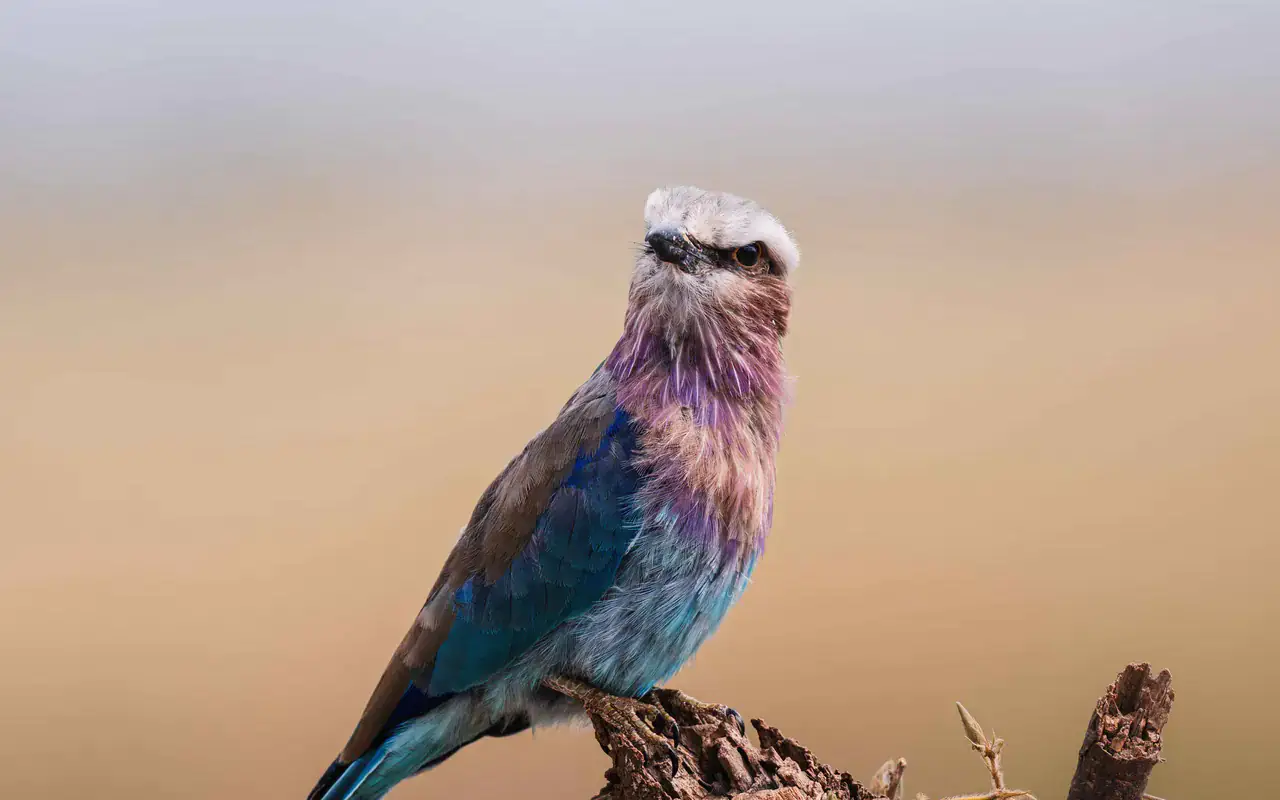
November to April, when Eurasian and intra-African migrants are present.
Tell us which animals matter most and we'll pick the season and parks to match.
Most disappointing safaris come from a handful of avoidable planning decisions.
Each season has a different strength. Match it to what you actually want to see.
Much of the game disperses outside the park once water is widespread.
April and May grass can hide even large predators a short distance from the track.
Green-season birding is world-class and often overlooked by first-time visitors.
The herds move. Mobile camps that follow them consistently outperform fixed bases.
Seasonal heat pushes animal activity to the edges of the day.
Route shapes our planners build most often for this brief. Every one is adjusted to your dates, group size and pace.
Independent sources you can use to verify park, entry and destination details before you travel.
Official park rules, fees and opening information
World Heritage listing and Serengeti ecosystem context
World Heritage listing for the Ngorongoro Crater and highlands
Background country context
Background ecosystem context
Written and reviewed by the Safari Soles Tanzania planning team, based in Arusha and experienced in building private safari routes across the northern and southern circuits.
Continue with the guides travellers usually read next.
Send your dates, group size and travel style. A local Safari Soles planner replies with a route and a confirmed quote.