


Kilimanjaro Packing List
Everything you need to pack for Kilimanjaro, organised the way your body actually experiences the mountain, from sweaty forest afternoons to the coldest hours of summit night, plus an interactive checklist to track your progress.
- Guide
- Preparation
- Reading time
- 13minutes
- In this guide
- 9sections
- Layering system
- Summit-night warmth
- Duffel + daypack setup
- Checklist included
Local Tanzania team · Licensed mountain crew · Real Safari Soles itineraries
Kilimanjaro packing comes down to one idea: you will pass through four or five climate zones in under a week, so your kit has to work at both 25°C rainforest humidity and minus 15°C or colder on summit night.
- Layering, not one heavy coat, is what actually keeps you warm and dry across five climate zones.
- Boots and a summit-night jacket are the two items where quality and fit matter most.
- Sleeping bag warmth should be judged generously: camps get colder than most first-timers expect.
- A duffel weight limit applies for porter loads, so pack deliberately rather than bringing everything you own.
- Renting bulky, expensive or one-trip items in Moshi is a sensible choice for most climbers.
- Laundry does not really happen on the mountain, so pack for wearing the same layers repeatedly.
01 / 09
Why layering, not one big coat, wins on Kilimanjaro
Understanding layering properly makes every other packing decision easier, because it tells you why you need three different types of warm clothing rather than one very warm one.
Where this fits: this guide is part of the Kilimanjaro climbing guides hub, which supports our main Kilimanjaro climbing page and our published Kilimanjaro climb prices.
It pairs with the equipment and camp comfort guide, the camp life guide and the training guide; for the clothing theory behind it, see how a layering system works and independent hiking clothing guidance.
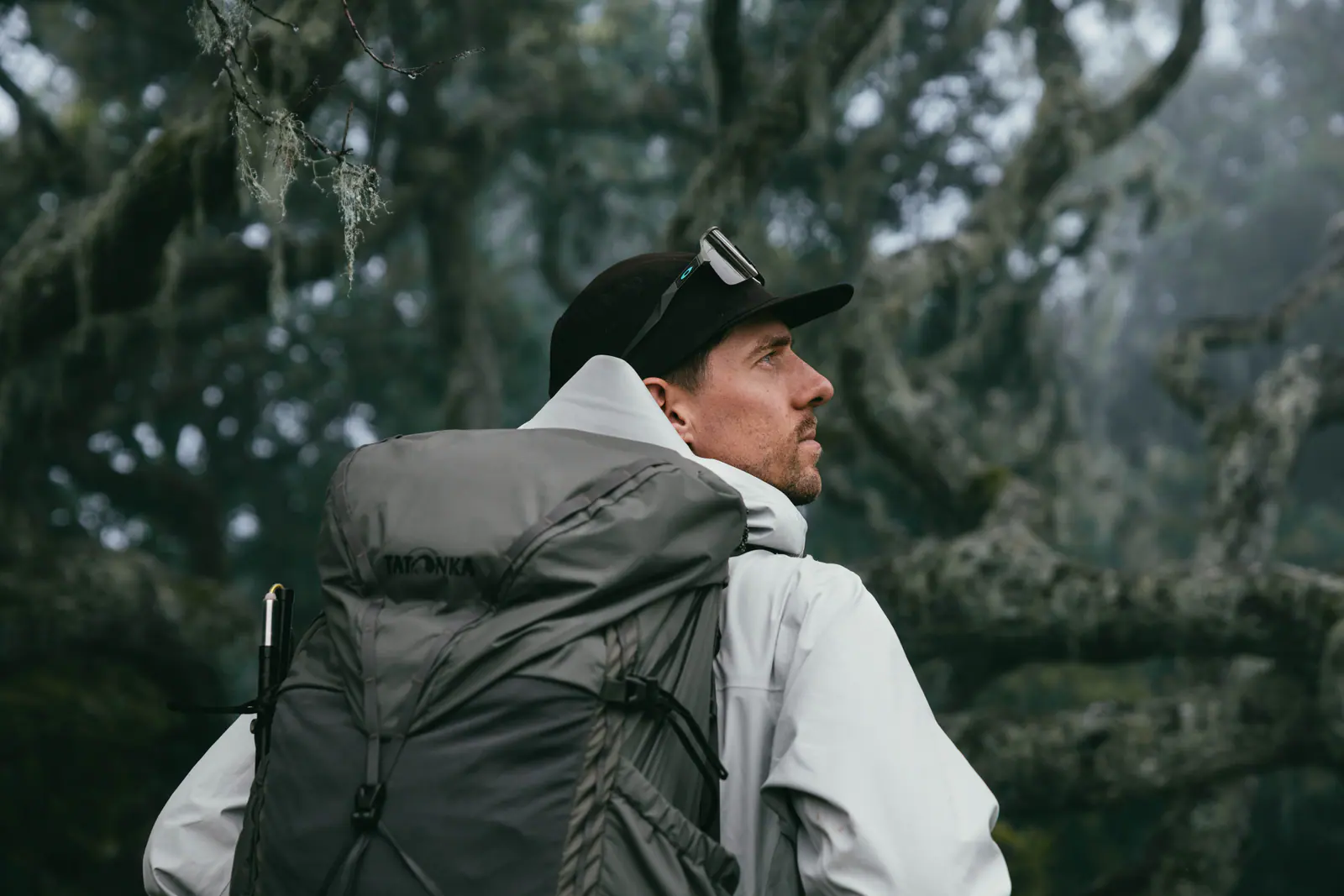
A layering system has three jobs: moving sweat away from your skin, trapping warm air close to your body, and blocking wind and rain from the outside. Each layer does one job well, and you add or remove layers through the day as your effort level and the weather change, rather than sweating through a single heavy jacket on the uphill and then freezing the moment you stop.
Your base layer is about moisture management, not warmth. A synthetic or merino top and bottom worn against the skin pulls sweat away so it can evaporate, which matters enormously at altitude where wet clothing chills you far faster than dry clothing in the same temperature. Cotton is the one fabric to avoid entirely, because it holds moisture and stays cold and clammy for hours.
Your mid layer (fleece, softshell, or a light insulated jacket) is where you generate and hold warmth. On a cold, still morning you might wear it all day; on a warm afternoon climb it might live in your daypack until camp. Your outer shell handles wind and rain and should be roomy enough to fit over everything else without restricting your arms or your stride.
Summit night uses the same logic taken to its extreme: base layer, mid layer, heavy insulated jacket and a waterproof-windproof shell all worn together at once, because that is the only time on the climb when you are moving slowly enough, and it is cold enough, that you need every layer simultaneously rather than in rotation.
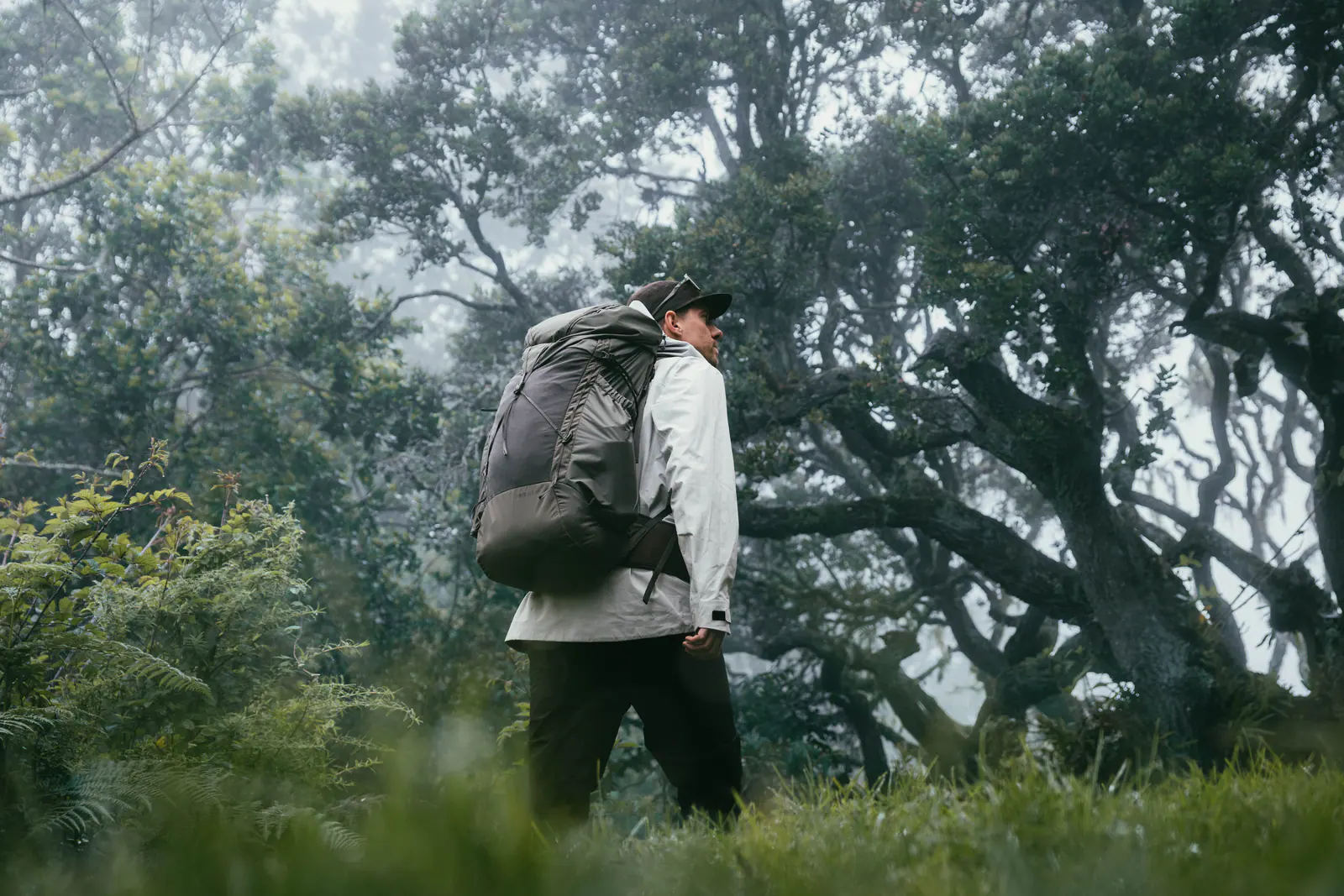
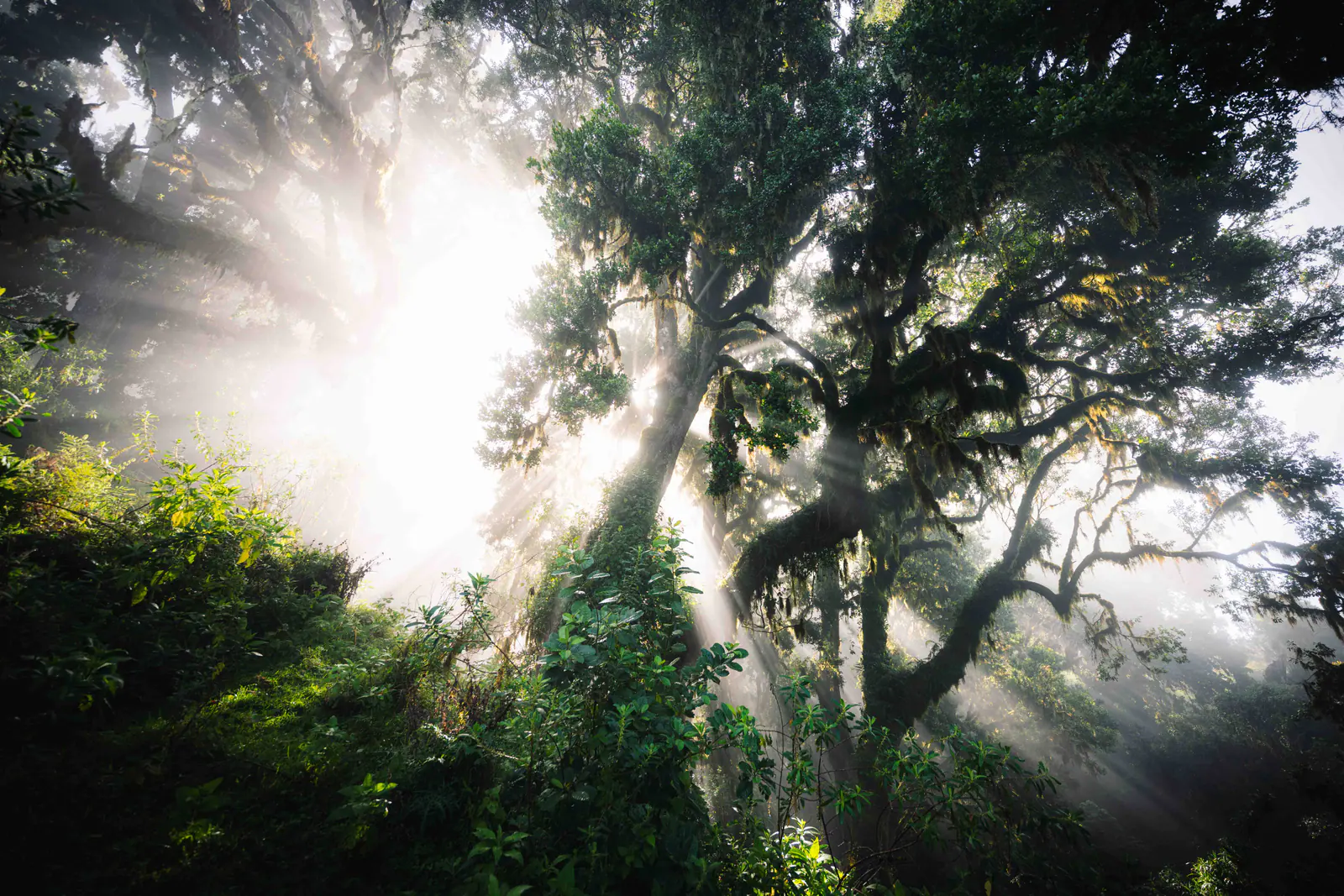
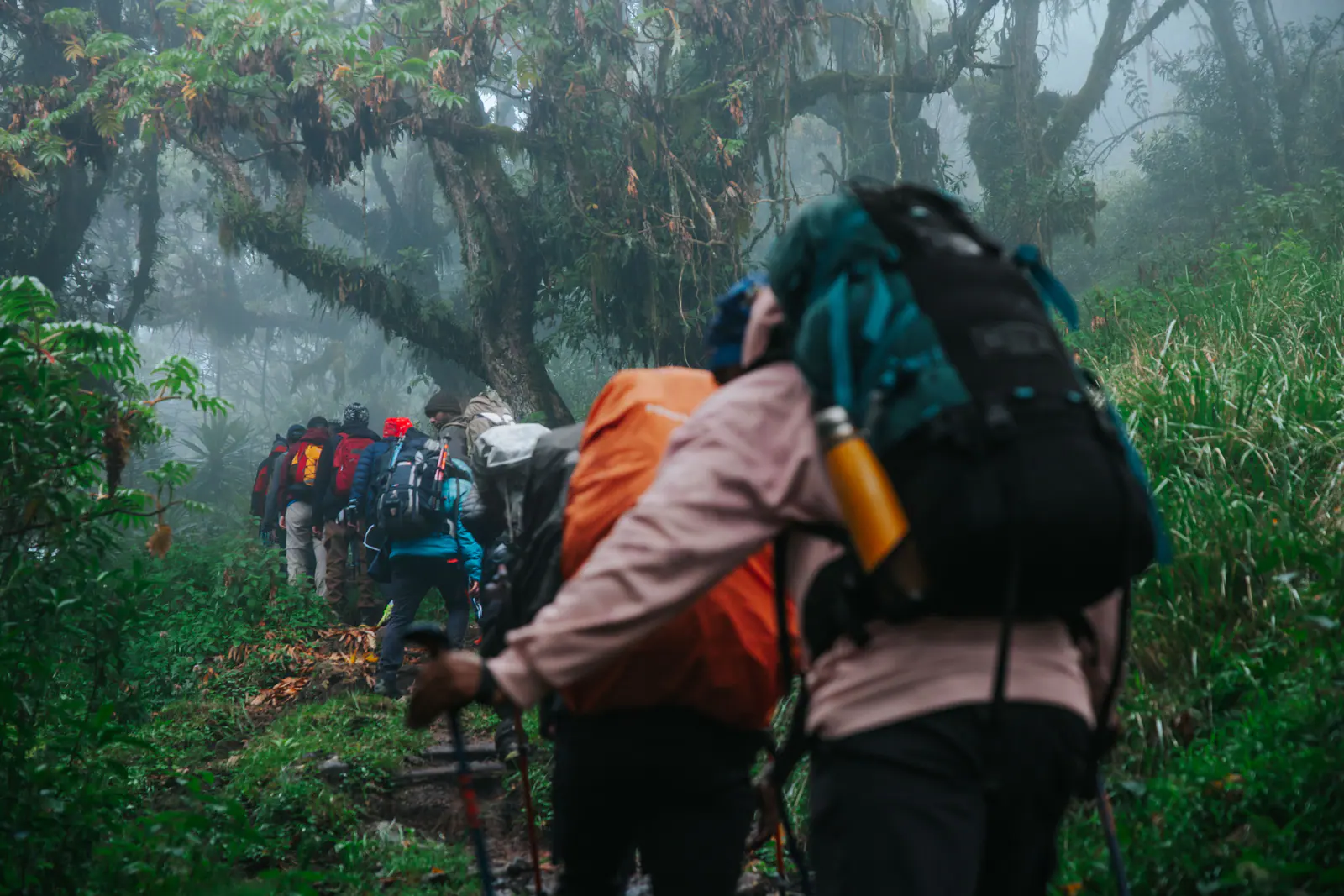
A trekker with a large pack walks past gnarled, moss-covered trees in cloud forest.
If you are perfectly comfortable standing still at the start of a walking day, you are probably about to overheat once you start moving. Set off slightly cool and adjust after fifteen minutes, that small discipline saves you from a damp base layer for the rest of the day.
02 / 09
Choosing boots: and actually breaking them in
Boots are the single piece of gear most likely to end an otherwise well-prepared climb, and almost always for a preventable reason: blisters and hotspots from boots that were never properly broken in. Choose a waterproof, mid-to-high-ankle boot with a stiff enough sole to protect your feet on scree and rock, sized to allow a thicker sock and a small amount of toe room for the long, jarring descents.
Buy boots at least six to eight weeks before you fly, not the week before. Wear them on every training walk you do, in the actual socks you plan to climb in, on hills and downhill sections specifically, because descending is where boots that fit fine on the flat start to bite. If your toes hit the front of the boot on a steep downhill, you need a half size up or a different last shape, and you want to discover that at home, not on the Mweka descent.
Camp shoes or sandals matter more than people expect. After six or seven hours in boots, giving your feet room to breathe in camp genuinely improves your sleep and your mood, and they double as an easy option for the short walk to the toilet tent at night.
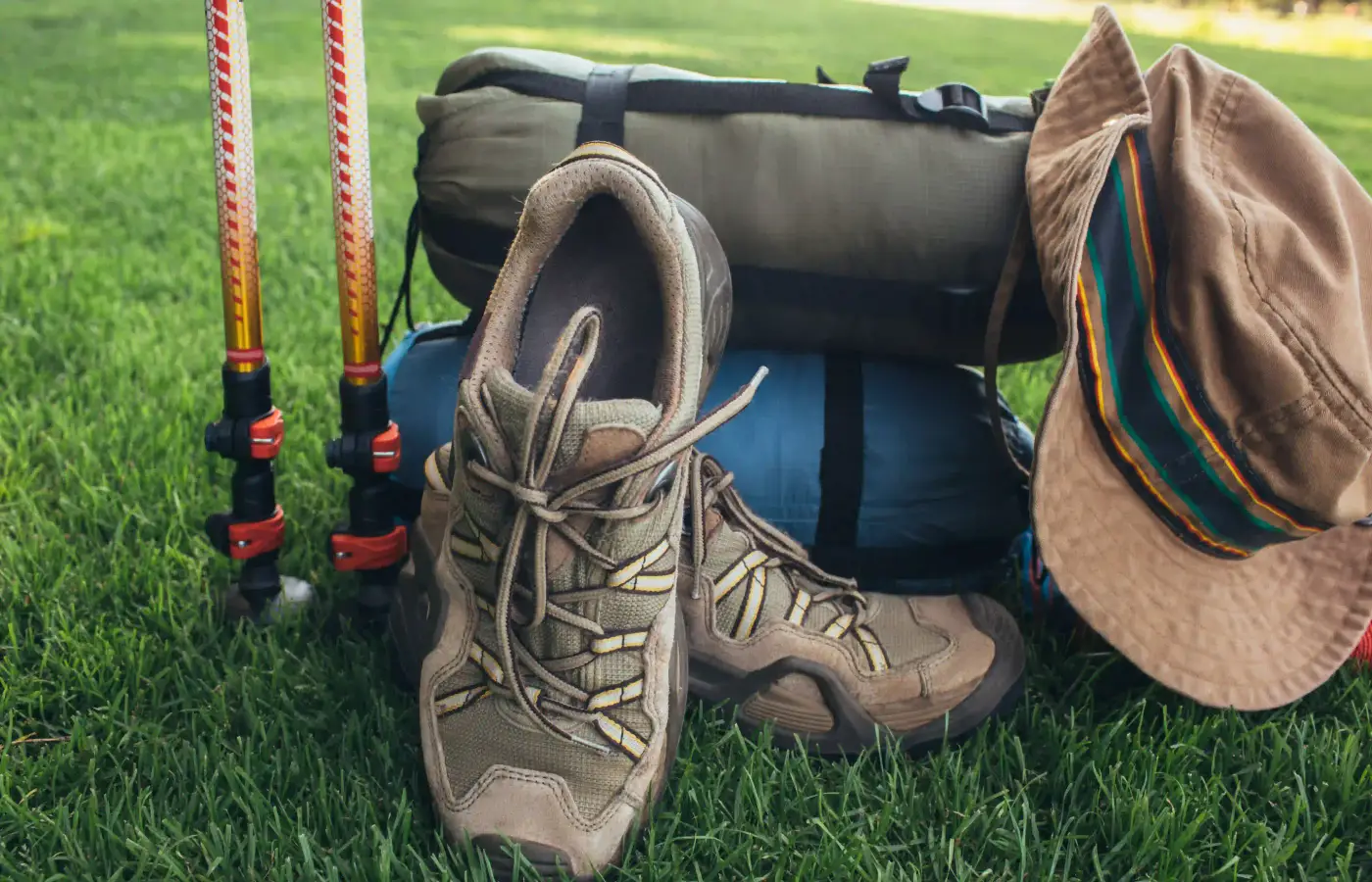
Boots broken in before you fly
Worn walking boots, poles and rolled mats laid out beside a wide-brimmed hat. The boots matter most: new ones bought for the trip are the commonest cause of a ruined walking day.
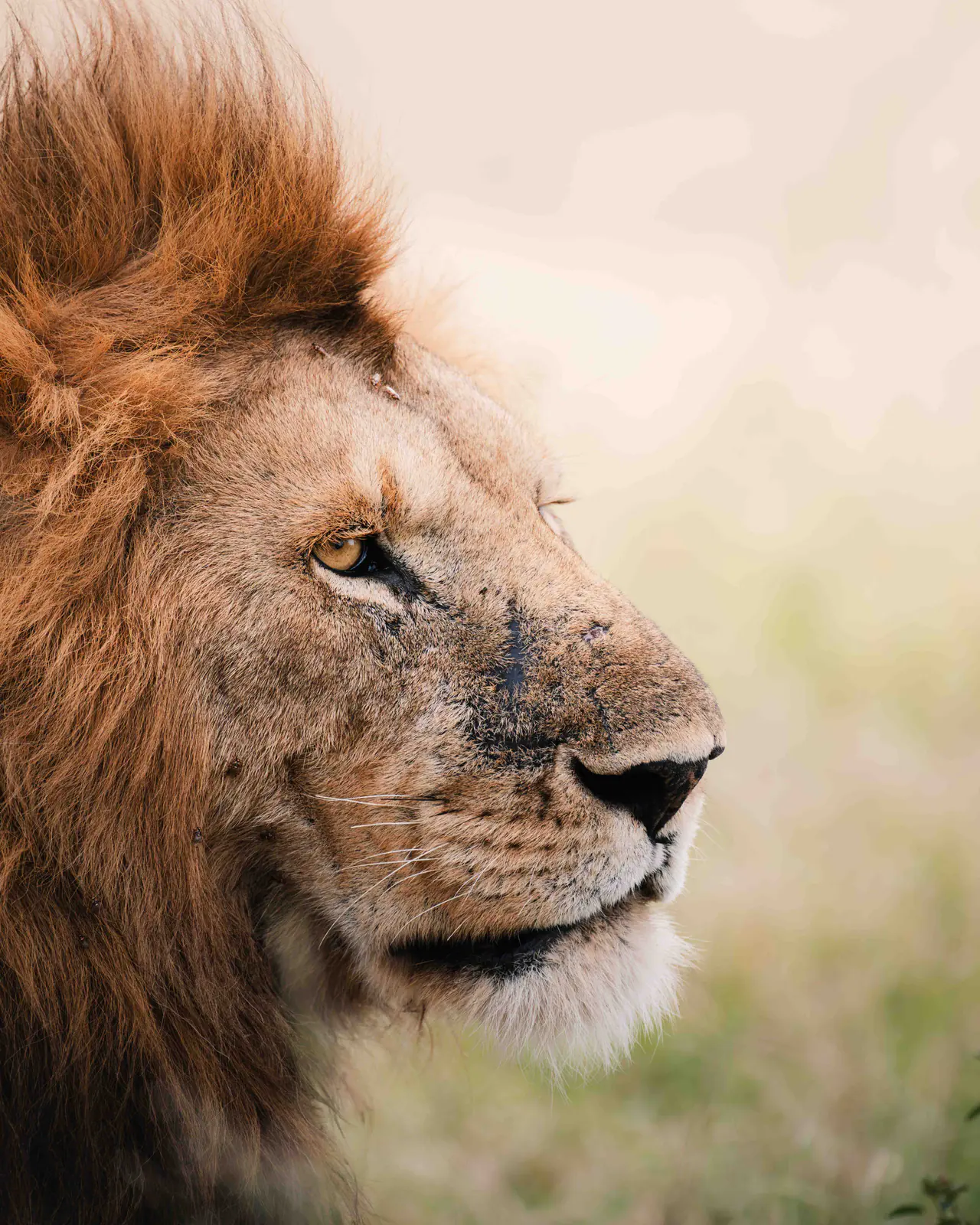
A lioness crawling through tall orange grass in low sun, head low.
03 / 09
Sleeping bag and sleep system guidance
Camp temperatures fall further than most first-time climbers expect, particularly at Barafu or the equivalent high camp before summit night, where clear skies and thin air let heat radiate away quickly after dark. A sleeping bag rated generously for well below freezing is the safer choice, and it is worth treating any manufacturer's comfort rating as a rough guide rather than a guarantee: cold sleepers, thinner sleeping mats and windy camps all push the felt temperature colder than the label suggests.
A sleeping bag liner adds a meaningful amount of warmth for very little weight, and it also keeps the inside of a rented bag more hygienic if you go that route. Pair your bag with a sleeping mat that has a genuine insulating value, because cold rises from the ground through a thin mat far more than most people anticipate: an underrated cause of poor sleep on the mountain.
If you run cold generally, mention it when you speak to Safari Soles about your kit, because we would rather point you towards a warmer rental bag in Moshi than have you shivering through the nights before the one that matters most.
04 / 09
What is worth renting versus buying
Moshi has a well-established rental market for climbing gear. As a general guide, rent items you will use once and buy items where fit, hygiene or reliability really matter.
Hiking boots
Rent or buy Buy
- Why
- Fit and break-in period matter too much to rent
Down summit jacket
Rent or buy Either
- Why
- Rent if this is a one-off climb; buy if you expect to use it again
Four-season sleeping bag
Rent (or buy if a frequent camper)
- Why
- Bulky, expensive and rarely used elsewhere
Trekking poles
Rent or buy Rent
- Why
- Easy to size and adjust locally, rarely worth transporting
Gaiters
Rent or buy Rent
- Why
- Low cost to rent, not essential to own long term
Waterproof shell jacket
Rent or buy Buy
- Why
- Fit, breathability and a jacket you will use again matter
Duffel bag
Rent or buy Rent
- Why
- Purpose-built porter duffels are widely available locally
Base layers and socks
Rent or buy Buy
- Why
- Hygiene and personal fit make these worth owning
Headlamp
Rent or buy Buy
- Why
- Cheap, essential, and useful well beyond this trip
Confirm exactly what Safari Soles includes as standard equipment versus optional rental before you build your own kit list. Some items may already be provided as part of your package.
05 / 09
Duffel bag weight limits and porter loads
Park regulations cap the weight each porter is permitted to carry, which in turn sets a practical weight limit on your porter-carried duffel bag, always confirm the current figure with Safari Soles before you pack, since it can be adjusted by park authorities. Packing to that limit is not just a rule to tolerate; it directly protects the crew carrying your bag up the mountain every single day.
A soft, non-rigid duffel bag packs more efficiently into a porter's load than a rigid suitcase and is the standard choice for this reason. Keep your genuinely valuable, fragile or irreplaceable items (medication, documents, camera gear) in your own daypack rather than the duffel, both for weight discipline and because you want them with you regardless of where the duffel ends up in the day's order.
If your kit is close to or over the limit, the honest move is to leave something at your hotel in Moshi rather than ask a porter to carry more than the regulated weight. Ask us in advance if you are unsure whether something counts towards the limit.
06 / 09
Kilimanjaro packing checklist
Work through each group and see your overall packing readiness. This does not replace your operator's final kit list, but it is a useful way to spot gaps early.
Kilimanjaro packing readiness checklist
Tick off what you already own or have sorted. This is a planning tool, not a guarantee of what your operator provides: confirm your kit list against Safari Soles' final joining instructions before you fly.
Just getting started: build your list from the essentials up
0 / 52 sorted
Footwear
Base & mid layers
Outer shell & insulation
Summit-night warmth
Sleep system
Daypack & duffel
Head/hands/eyes
Health & hygiene
Documents & money
Exact gear requirements vary slightly by route and season. Treat this as a planning checklist and confirm the final kit list in your joining instructions.
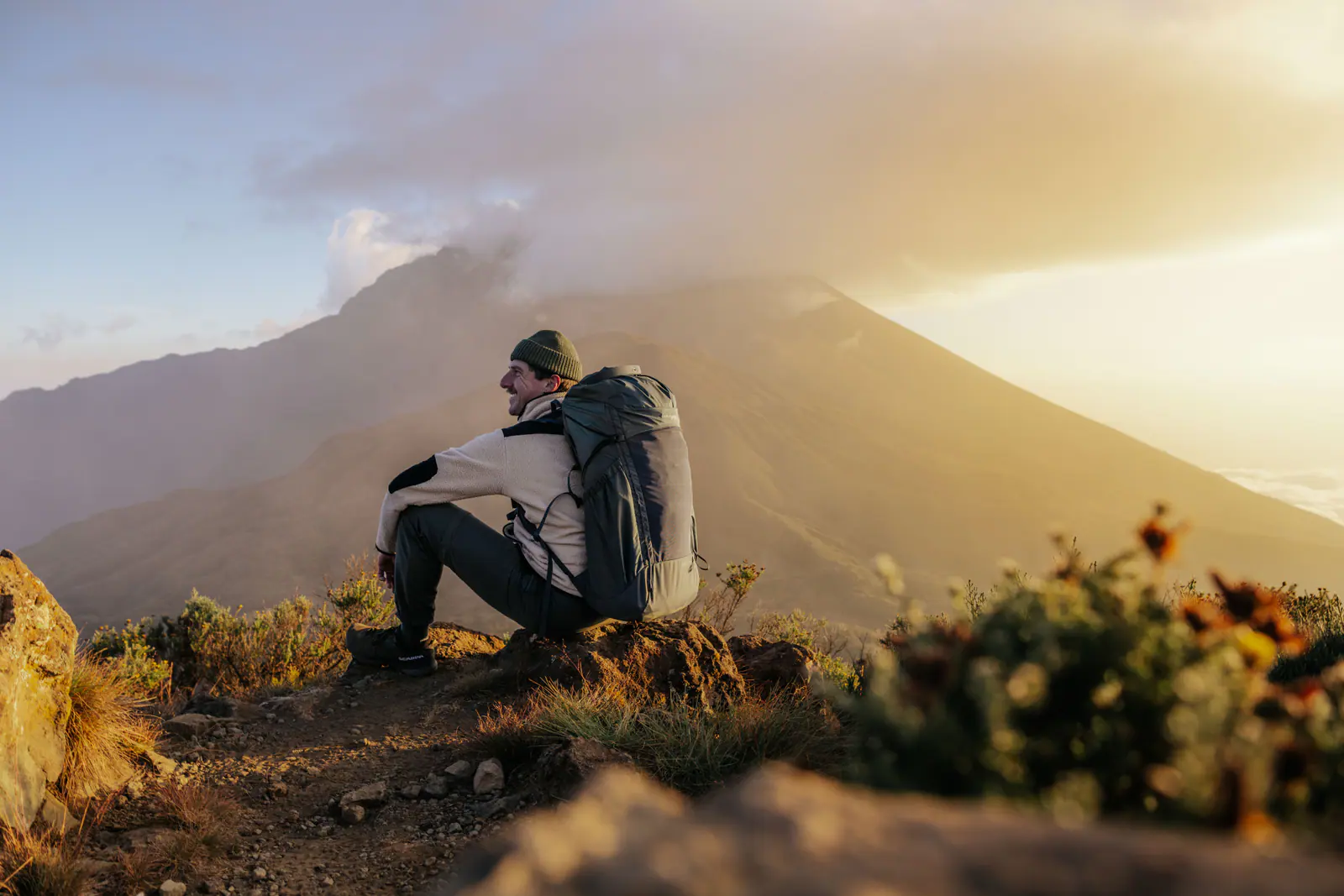
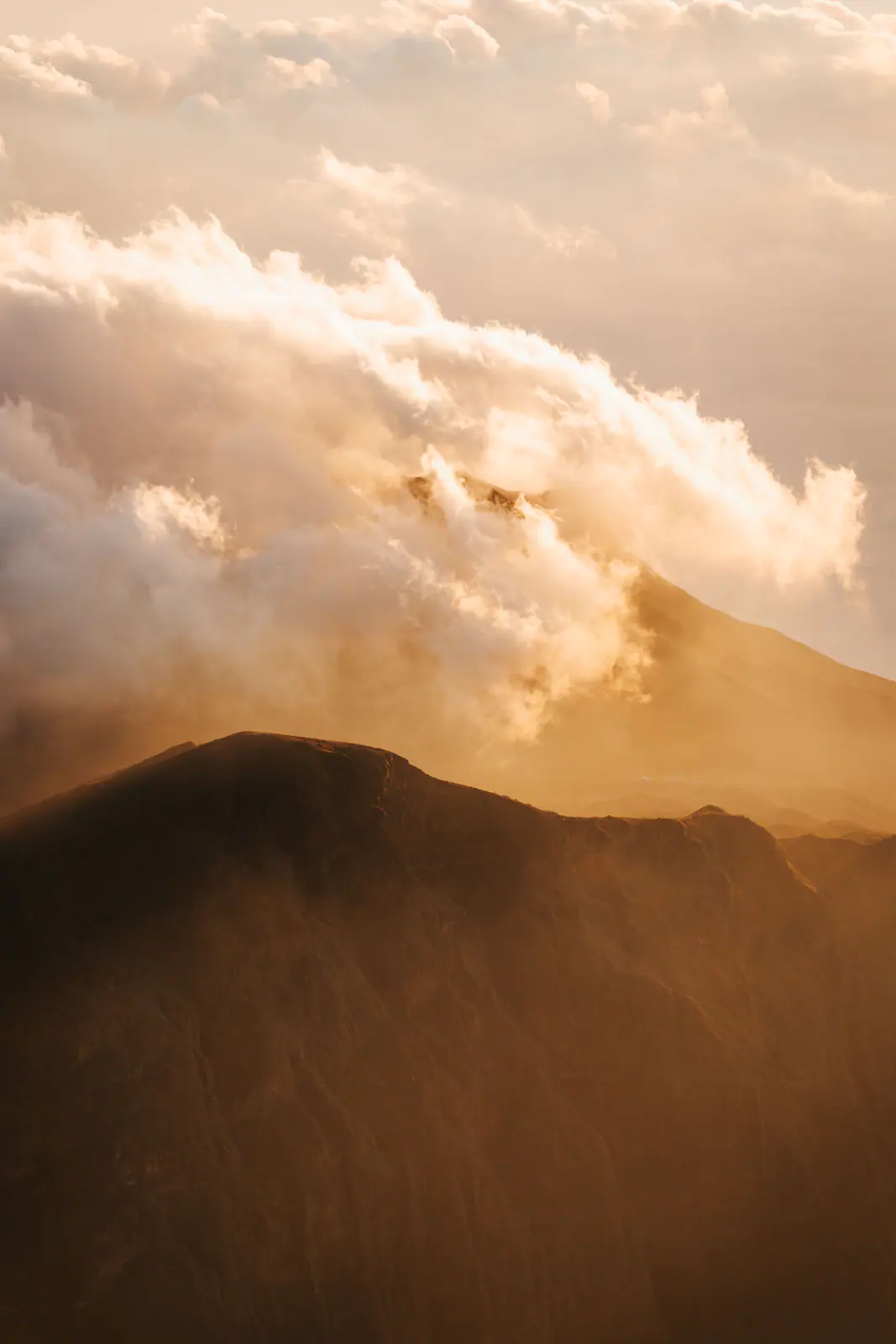
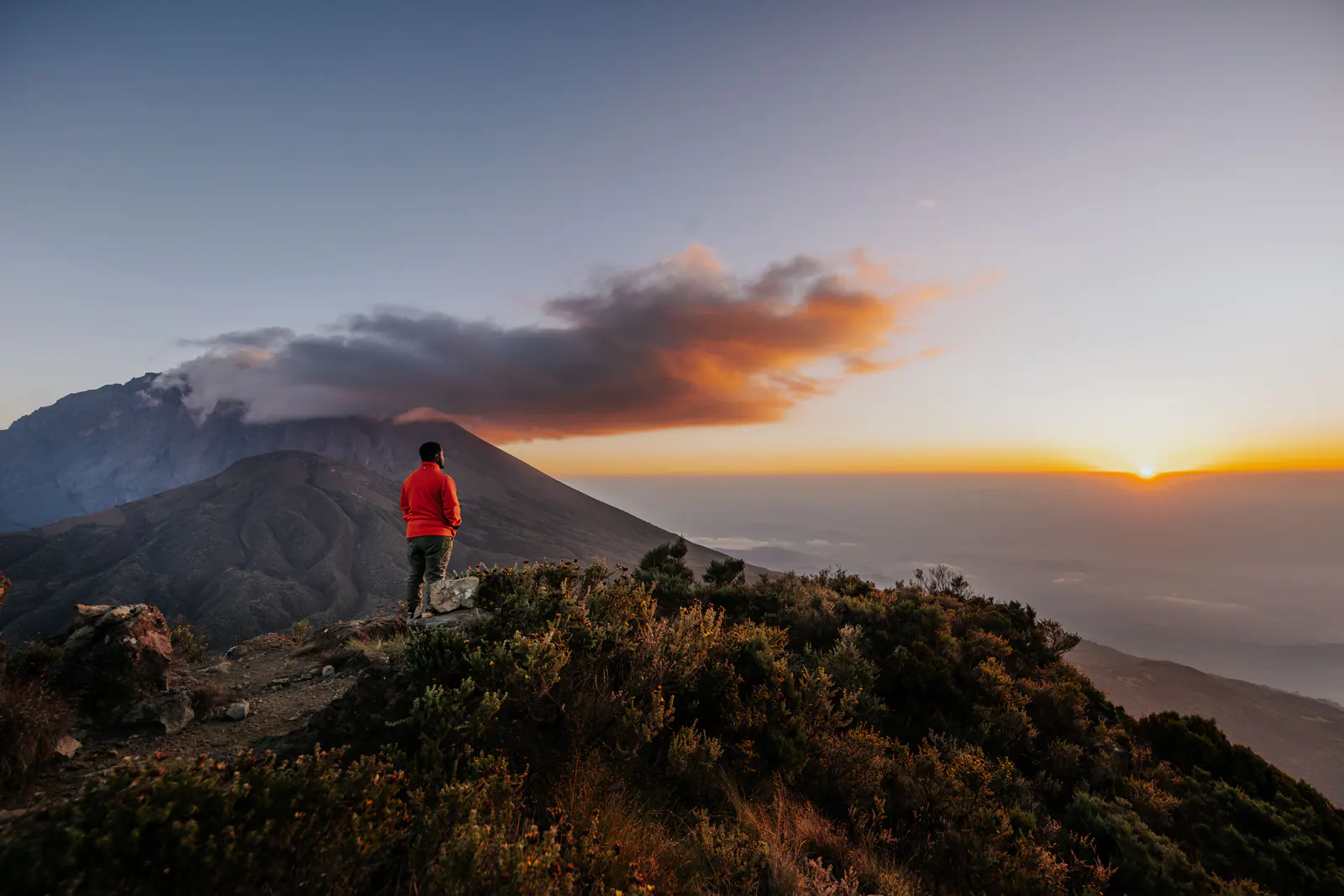
A trekker rests on a rock with a cloud-wrapped mountain behind in golden light.
07 / 09
What not to bring on Kilimanjaro
- Brand-new, unworn boots: break them in properly first or leave them at home.
- Cotton t-shirts and jeans. They hold moisture and dry slowly in cold, damp conditions.
- Heavy books, excess electronics or 'just in case' spare outfits that add unnecessary weight.
- A single very heavy coat instead of a proper layering system.
- Full-size toiletries: decant into small travel bottles instead.
- Anything you have never worn or used before departure day, gear included.
- Excess cash or valuables you would be upset to lose in camp.
The instinct to over-pack is understandable given how much is riding on the climb, but a lean, well-chosen kit is more comfortable to manage in a small tent and easier for you and your crew to keep organised. If in doubt about a specific item, ask us directly rather than packing it as a guess.
08 / 09
Laundry, washing and the hygiene reality of the mountain
There is no laundry on Kilimanjaro. You will wear the same trekking trousers and mid layers repeatedly across the climb, rotating base layers and socks as your supply allows, and that is entirely normal: everyone on the mountain is in the same position. Pack enough underwear and socks for genuinely fresh options each day, since these are the items closest to the skin, and accept that outer layers will be worn multiple times.
Washing is limited to a bowl of warm water brought to your tent each morning and evening, wet wipes, and hand sanitiser before meals. A small quick-dry towel and travel-size soap or wipes cover most of what you need. Bring a dedicated bag for used or damp clothing so it stays separate from clean kit inside your duffel.
Most climbers find the lowered hygiene standard easier to accept than expected once the trip is underway, largely because everyone else on the mountain (climbers and crew alike) is managing the same limitations.
09 / 09
How Safari Soles approaches this
We are happy to talk through your exact kit list before you fly, including which items make sense to rent in Moshi and which are worth buying and bringing from home. Send us a photo of what you already own and we will tell you honestly what is missing.
If your budget is tight, prioritise boots, your summit-night jacket and a warm-enough sleeping bag: everything else can reasonably be rented or borrowed.
Common mistakes to avoid
Most unsuccessful climbs come from a handful of avoidable planning decisions, not from the mountain.
- Buying boots in the final week and wearing them for the first time on summit night.
- Under-rating the sleeping bag needed for high camp and summit night.
- Packing one heavy coat instead of a proper layering system.
- Overpacking and exceeding the duffel weight limit set to protect porters.
- Bringing cotton clothing that stays wet and cold once you start sweating.
- Never testing gear on an actual training walk before departure.
- Leaving essential medication or documents in the porter-carried duffel instead of the daypack.
- Assuming laundry or full washing facilities will be available on the mountain.
Get these right and the climb follows
Every one of these comes down to the same thing: matching the route and the day count to the climber before booking anything. Send us your dates and we will tell you honestly what is realistic.
Plan this climb with a local expertQuestions worth asking any operator
Half of packing stress comes from not knowing what is already provided or rentable. Ask these before you spend money on gear you will use once.
- What exactly is provided on the mountain so I do not buy or rent it twice?
- What can I rent in Moshi or Arusha, in what sizes, and at what price?
- What is the porter weight limit for my duffel, and what is checked at the gate?
- What sleeping bag temperature rating do you recommend for my dates and route?
- Is a gear check with a guide done the day before the climb, and can items be swapped then?
- What can I leave safely at the hotel during the climb?
What Safari Soles puts in writing
Everything below is confirmed before you pay, so nothing about your climb is left to be discovered on the mountain.
-
Your route, day count and acclimatisation profile
Confirmed in writing before you pay, with our honest view on whether the number of days suits you.
-
How your health is monitored on the mountain
The daily check routine and who is responsible for it are explained at your pre-climb briefing.
-
First-aid and emergency response for your itinerary
You are told what travels with the climb and what happens at each camp if someone needs to descend.
-
Who is on your crew and what each person does
Lead guide, assistant guides, cook and porters are set out for your group size, not left vague.
-
Porter load handling for your climb
Duffel limits and how loads are weighed are confirmed before departure, so there are no gate surprises.
-
Tent, sleeping mat and dining arrangements
Camp comfort is described in the quote rather than discovered on the first night.
-
Meals, drinking water and hot drinks
How your food is cooked and your water treated is explained, including dietary requirements.
-
Gear rental list, sizes and prices
Shared before you shop, so you buy what matters at home and hire the rest on arrival.
-
An itemised quote with fees shown separately
Park and camping fees, crew, equipment, transfers and hotels appear as their own lines.
-
Tipping guidance for your group size
The customary range and how tips are collected are agreed before you fly, in writing.
What your climb includes at camp
The parts of a climb you sleep in, eat from and depend on, described before you book rather than discovered on the first night.
-
Tents and sleeping setup
You are told before booking what tent you sleep in, how many climbers share it and what sleeping mat is provided, including where a thicker mat is worth adding.
-
Dining and camp meals
Climbs are planned around hot cooked meals prepared by your own mountain kitchen crew, eaten in a dining setup rather than hunched inside a sleeping tent.
-
Water and hot drinks
Drinking water is collected and treated by your crew each day, and hot drinks come with meals and on arrival at camp. You never need to buy water on the mountain.
-
Gear rental guidance
We tell you what can be rented in Moshi or Arusha, in which sizes, and share the current list and prices so you only buy at home what is genuinely worth owning.
-
Private toilet option
A private portable toilet can be added to a climb where you want it. We confirm availability and the cost for your dates in writing before you book.
-
What you bring yourself
Personal items (boots, layers, gloves, headlamp, sunglasses and a broken-in daypack) stay with you, and we check them with you at the pre-climb briefing.
Local Kilimanjaro operators, licensed crew, honest guidance
Written and reviewed by the Safari Soles team in Arusha, who plan and run Kilimanjaro climbs from beside the mountain rather than brokering them from an overseas office.
- Reviewed by the Safari Soles Kilimanjaro planning team
- Updated for 2026 climbing seasons
- Route and day count matched to your fitness and altitude history
- Daily health monitoring and descent decisions agreed before you book
- Read Safari Soles reviews on TripAdvisor
- Read Safari Soles reviews on SafariBookings
- Read Safari Soles reviews on Google
Where these facts come from (6)
- UNESCO: Kilimanjaro National Park The World Heritage listing for Kilimanjaro National Park, which records Africa's highest point at 5,895m.
- TANAPA: Tanzania National Parks Official park authority information on regulations, park fees and permitted activities.
- Tanzania Tourist Board Government tourism information on travelling in Tanzania, seasons and destinations.
- Wikipedia: Mount Kilimanjaro Secondary background context on the mountain's geology, glaciers and climbing history.
- REI: Layering basics Educational explanation of base layer, mid layer and shell layering for cold and wet conditions.
- American Hiking Society: What to wear hiking Non-commercial guidance on hiking clothing, fabrics and waterproof outer layers.
Related Safari Soles guides
Continue with the guides travellers usually read next.
 Kilimanjaro Training Guide A practical build-up of hill walking, loaded hikes, stamina and back-to-back days before you fly. Preparation
Read the guide
 Kilimanjaro Summit Night What really happens between midnight and sunrise: cold, pace, layers, food and reaching Uhuru Peak. Safety
Read the guide
 Kilimanjaro Climb Cost Where your money goes: park fees, crew wages, food, gear, transfers and route length. Cost
Read the guide
Frequently Asked Questions
-
Boots. A poor fit or unbroken-in boots cause more discomfort and lost sleep than almost any other gear mistake, and unlike most other items, boots cannot be quickly swapped out mid-climb.
Want us to check your Kilimanjaro kit list?
Send us a rundown of what you already own and we will tell you honestly what to buy, what to rent in Moshi, and what you can safely leave at home.