Bodies and lenses
Two bodies if possible, a 100–400mm or 200–600mm, a 24–70mm and something wide for landscapes.
 English
 Deutsch
 Français
 Español
 Italiano
 Português
Safari Type
Good safari photography is mostly logistics: the right vehicle, the right camp position, and enough time at a sighting. Here is how to build a trip around the images.
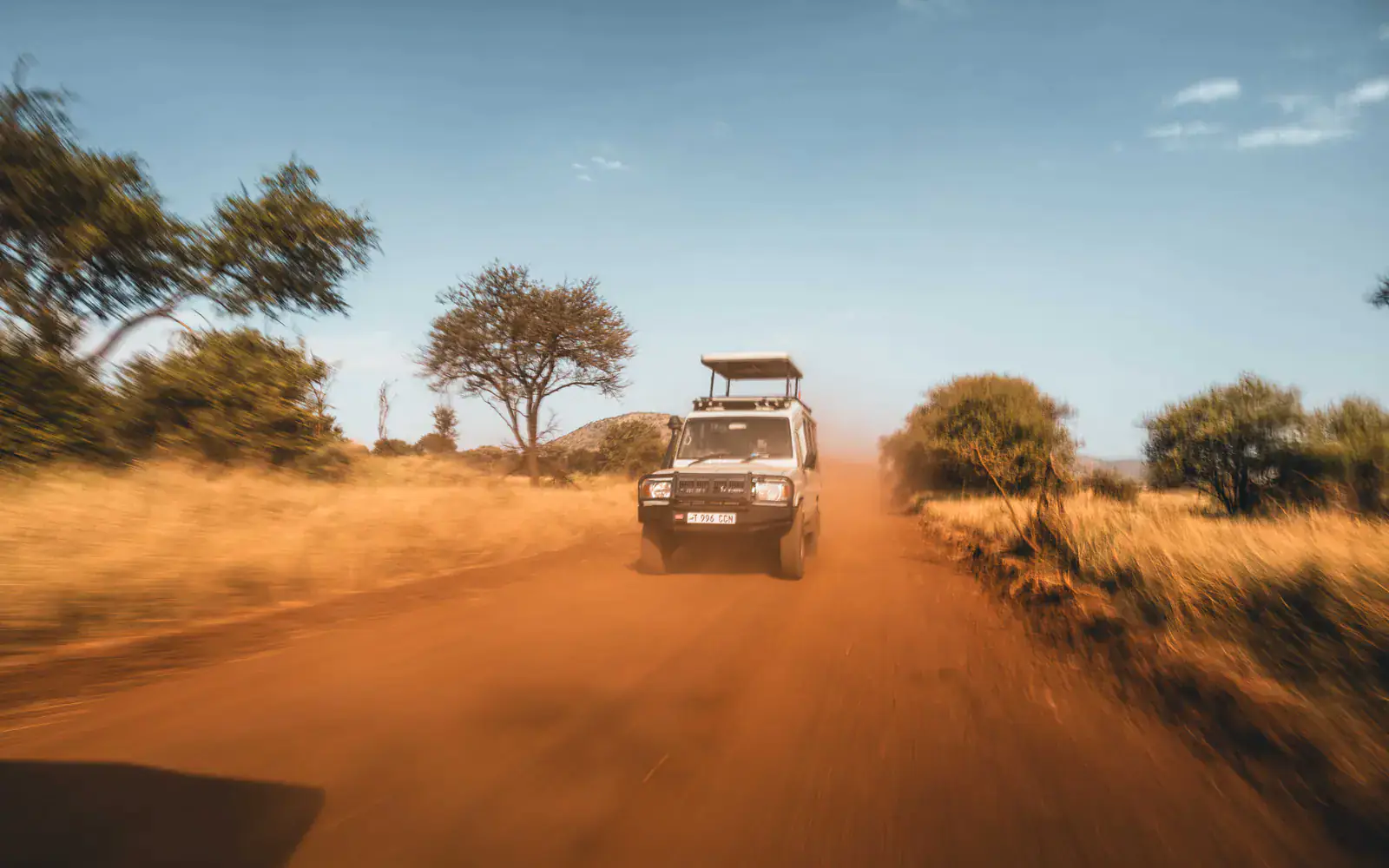
A Tanzania photography safari needs a private vehicle with open sides, camps positioned for pre-dawn departures, and three or more nights per location. February and August to October give the strongest light and action.
Interactive tool
Different subjects need different months, parks and setups. Pick your focus to see how the trip should be built.
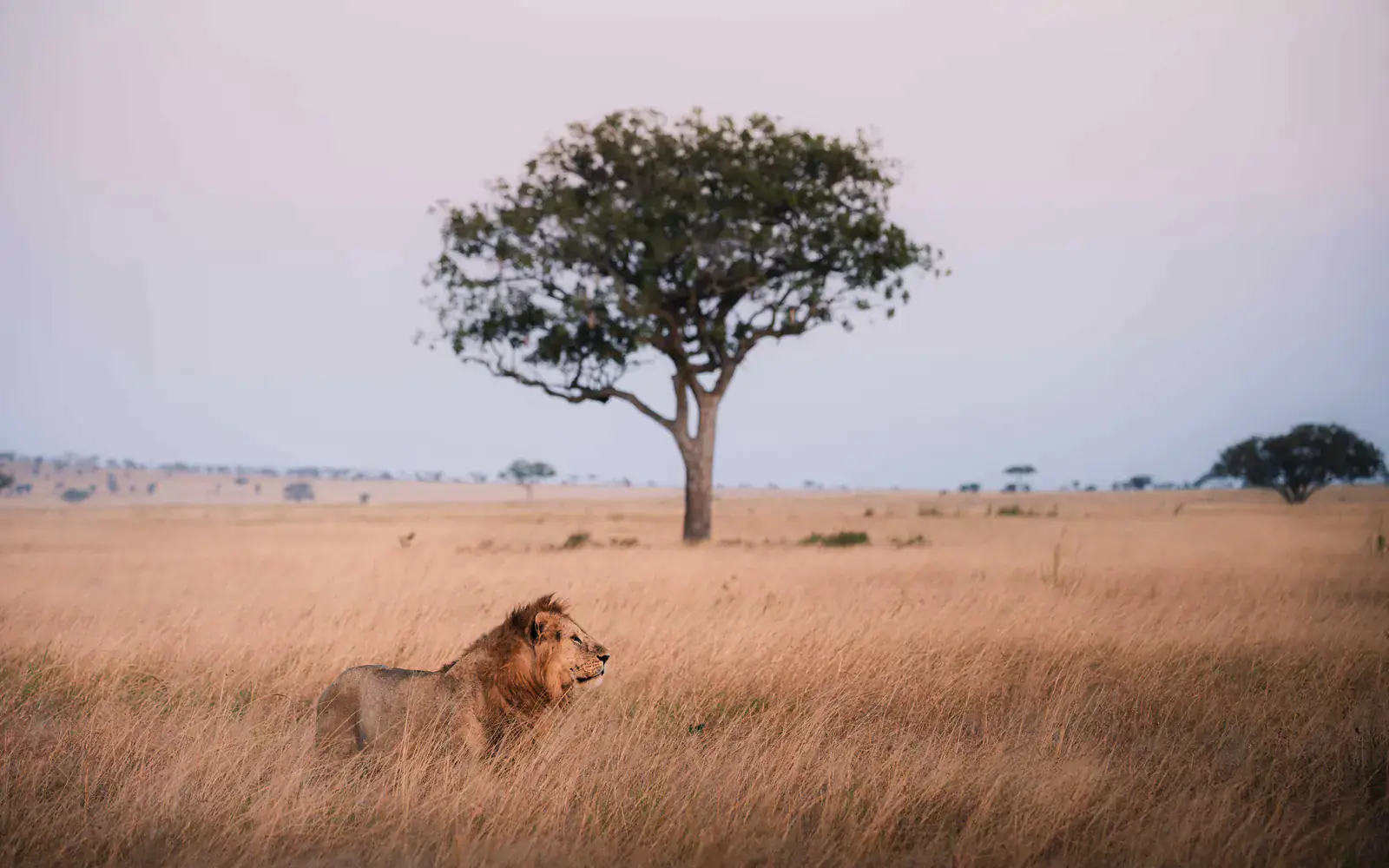
Big cat photography lives and dies on early starts and time at the sighting. Central Serengeti and the Ngorongoro Crater deliver the highest hit rate.
Setup
| Requirement | Standard safari | Photography safari | Why |
|---|---|---|---|
| Vehicle | Shared, 6–7 seats | Private, 2–3 photographers | Room to move and shoot both sides |
| Roof | Pop-top hatch | Open hatch with beanbags | Stable support and clear sightlines |
| Departure | After breakfast | Pre-dawn with packed breakfast | First light is the best light |
| Camp position | Near the gate | Inside the game area | Cuts dead driving time in both directions |
| Nights per camp | 1–2 | 3–4 | Lets you return to known subjects |
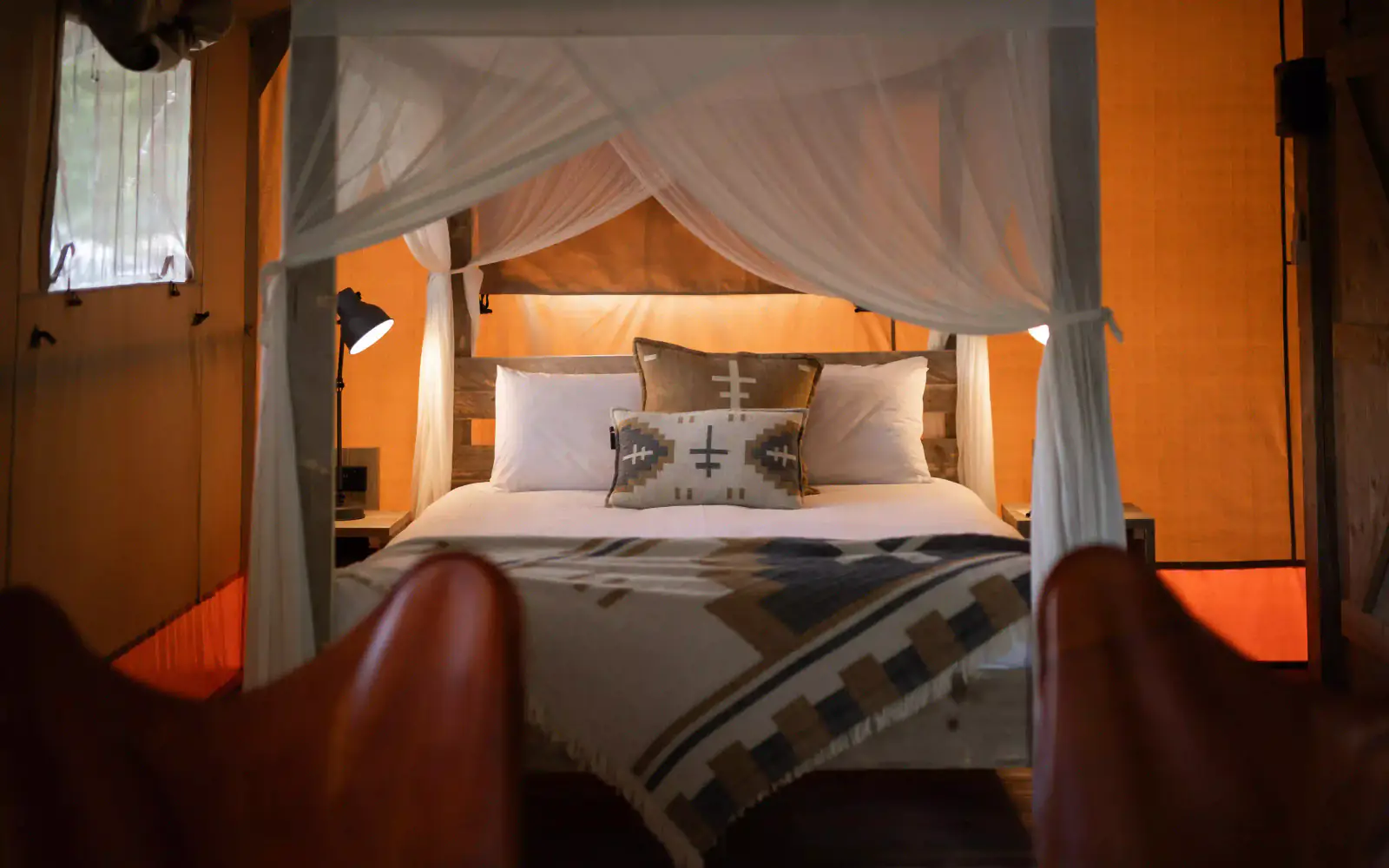
| Power | Standard | Confirm charging and inverter | Solar camps limit charging windows |
Planning guidance — we confirm vehicle and camp specifics when quoting.
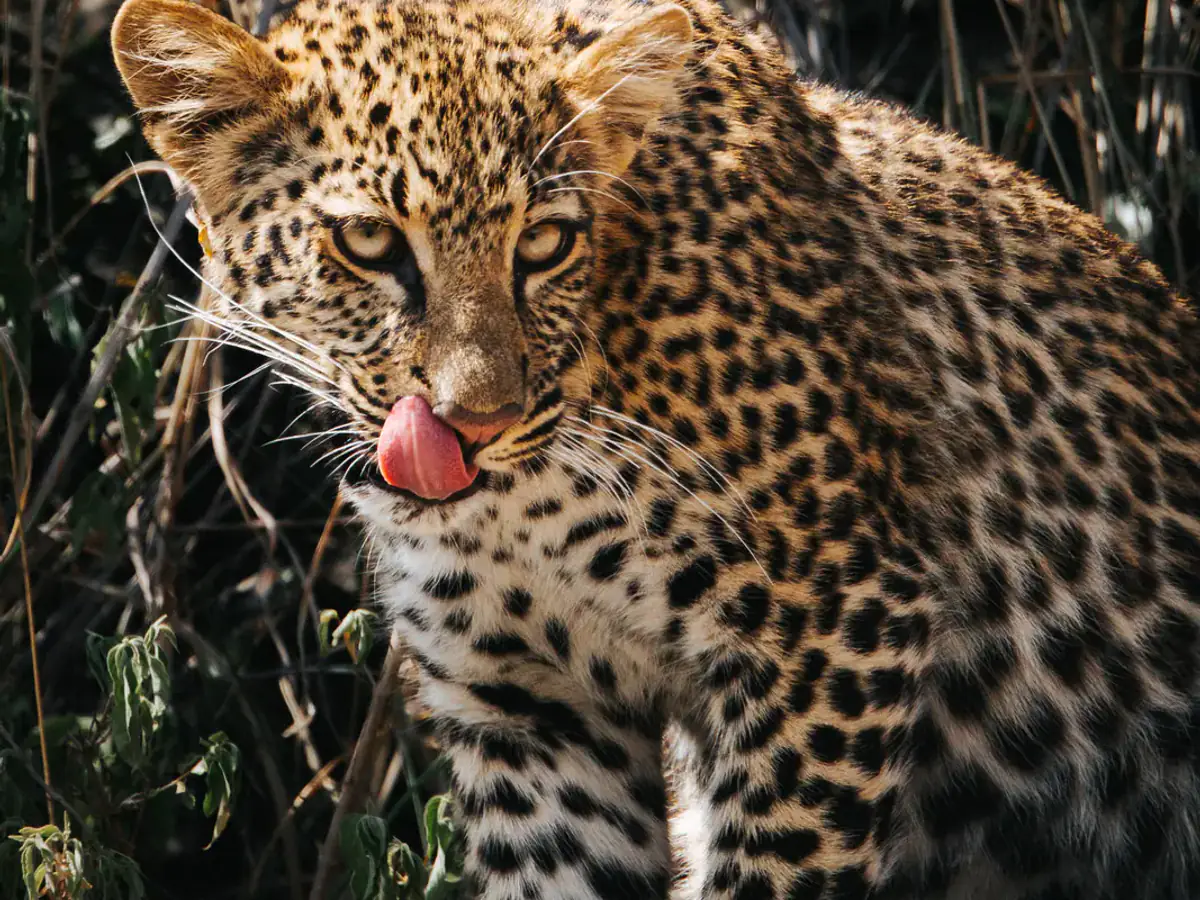
Request a guide with photographic experience by name when you book. Positioning the vehicle for light rather than for the closest view is a learned skill, and it is worth more than any lens upgrade.
Kit
Two bodies if possible, a 100–400mm or 200–600mm, a 24–70mm and something wide for landscapes.
Two beanbags, filled with rice or beans on arrival. Skip the tripod unless you plan night sky work.
Four or more batteries, double the cards you think you need, and a portable backup drive.
Dust blower, microfibre cloths and a dry bag. Serengeti dust gets into everything.
Headtorch for pre-dawn packing, and a small clamp for the vehicle frame.
Copy every card each evening. Camp Wi-Fi is too slow for cloud backup.
Tell us what you want to shoot and we'll build the route and vehicle around it.
Avoid these
Most disappointing safaris come from a handful of avoidable planning decisions.
Someone else decides when you leave a sighting. It is the single biggest limiting factor.
An hour's drive to the good light means arriving after it has gone.
You lose both the evening and the following morning to packing and moving.
Tripods are unusable in a vehicle; beanbags are perfect.
Charging opportunities in tented camps are limited and often solar.
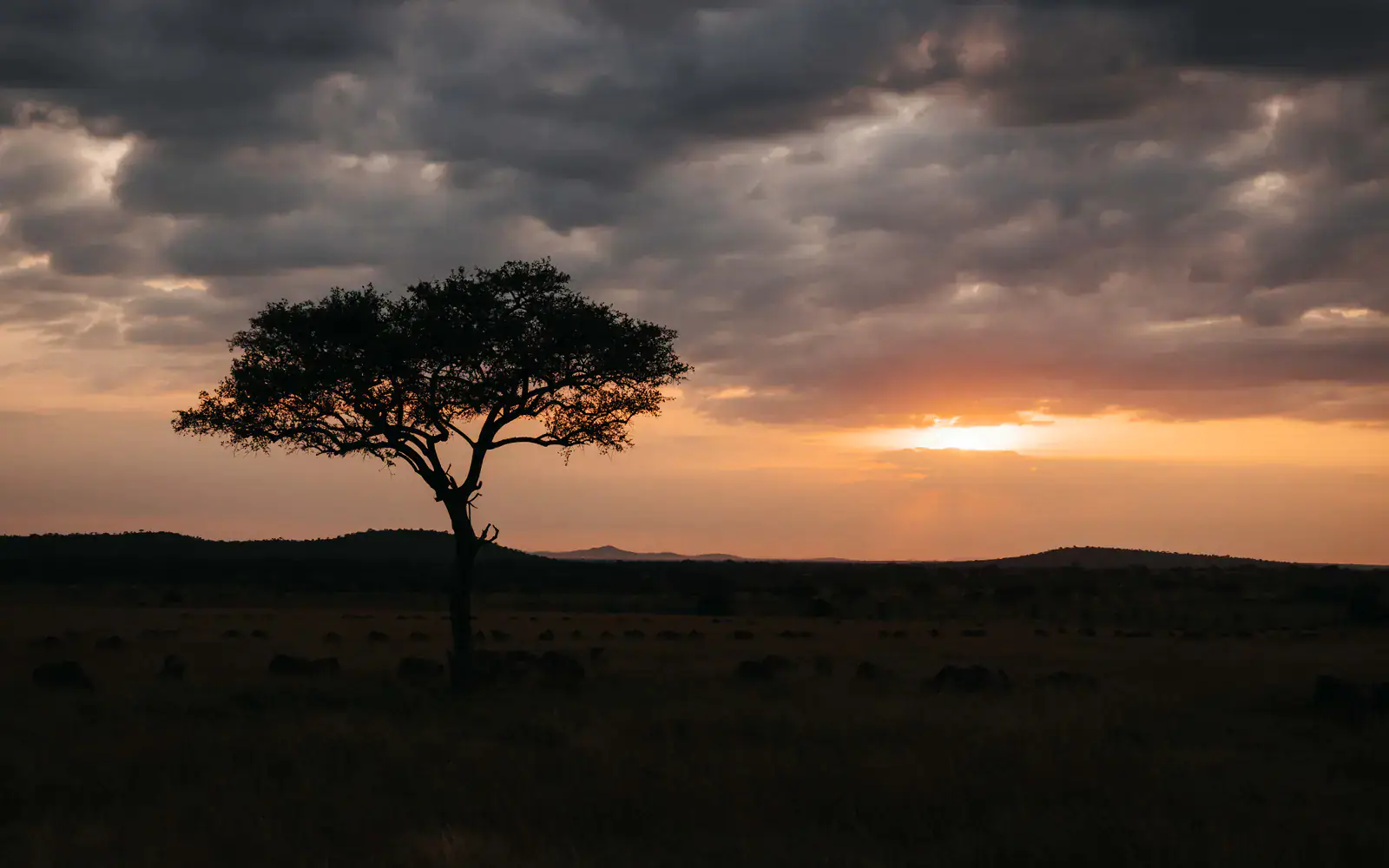
Wide environmental shots are frequently the strongest images from a trip.
Routes & packages
Route shapes our planners build most often for this brief. Every one is adjusted to your dates, group size and pace.
References
Independent sources you can use to verify park, entry and destination details before you travel.
Official park rules, fees and opening information
World Heritage listing and Serengeti ecosystem context
World Heritage listing for the Ngorongoro Crater and highlands
Background ecosystem context
General traveller context for Tanzania
Why trust this guide?
Written and reviewed by the Safari Soles Tanzania planning team, based in Arusha and experienced in building private safari routes across the northern and southern circuits.
Keep planning
Continue with the guides travellers usually read next.
Frequently asked
Send your dates, group size and travel style. A local Safari Soles planner replies with a route and a confirmed quote.
Browse Tanzania Packages · Ask a Local Expert · Chat on WhatsApp