


Tsavo Safari
Tsavo is Kenya's biggest protected wilderness by a distance: two parks, red dust, enormous horizons, and the natural bridge between the bush and the coast.
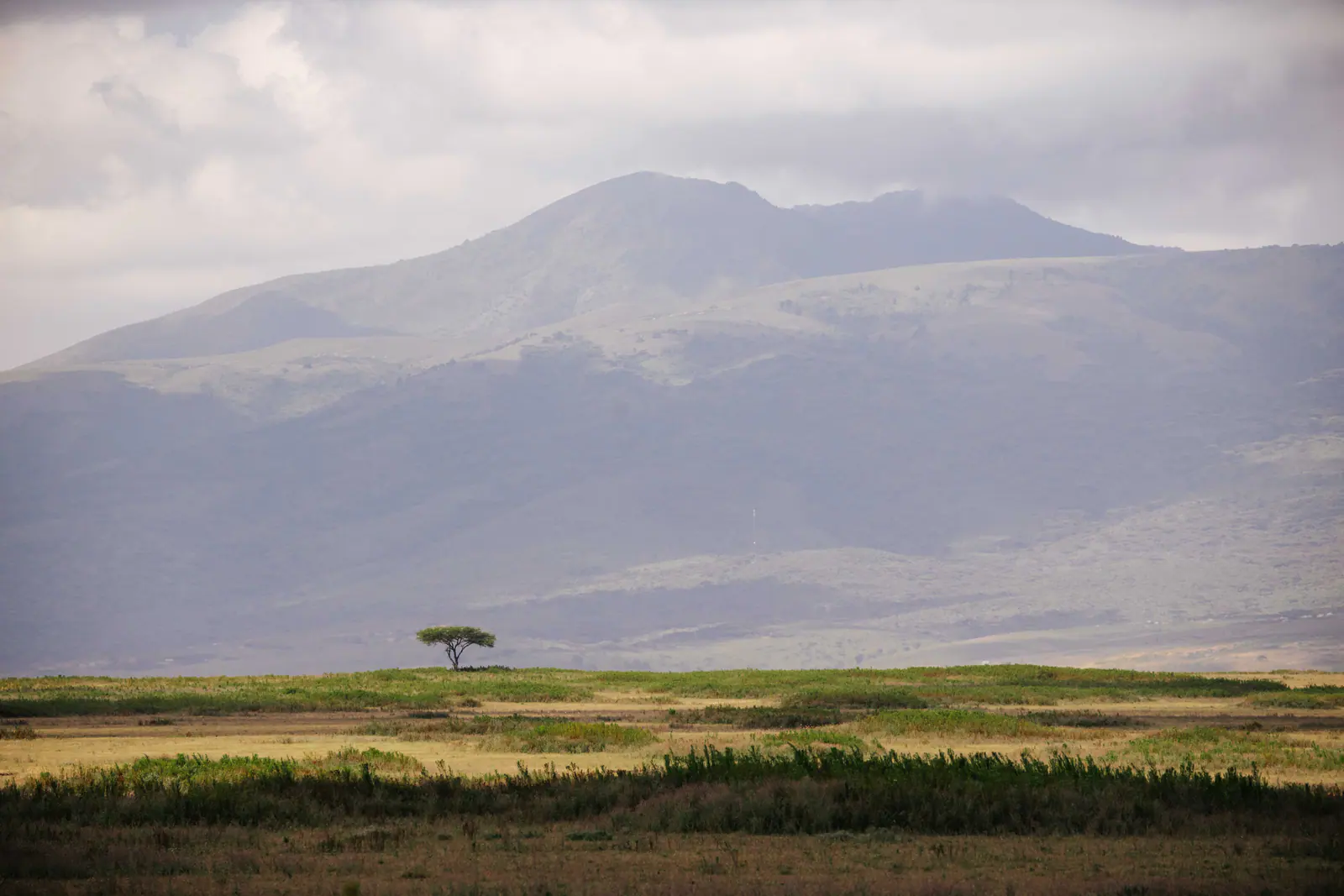
- Size
- Kenya's largest protected wilderness
- Two parks
- Tsavo East and Tsavo West
- Recommended stay
- 2–3 nights
- Role
- The natural bridge to the coast
Written and maintained by the Safari Soles planning team in Arusha, Tanzania.
Tsavo is split into Tsavo East and Tsavo West, together forming one of the largest protected areas in the world.
- Tsavo East is open and dry with red-dust elephants; Tsavo West is greener and more scenic, with Mzima Springs and a rhino sanctuary.
- Wildlife is spread thinly across an enormous area: expect wilderness rather than density.
- Two to three nights, ideally split if you want both halves.
- Its position makes an all-road safari-and-beach route from Nairobi to Diani genuinely practical.
- The dry months are markedly better for game viewing here than the rains.
- It works as a real safari add-on from a coastal holiday, and far better than a day trip.
01 / 07
Tsavo East and Tsavo West are not the same place
The two halves are divided by the Nairobi–Mombasa highway and railway, and they feel genuinely different. Choosing between them, or splitting nights across both, is the first decision to make, and it depends less on wildlife lists than on whether you want open country or scenery.
Tsavo East compared with Tsavo West
Three nights split across both gives the fullest picture and works well on a road route between Amboseli and the coast.
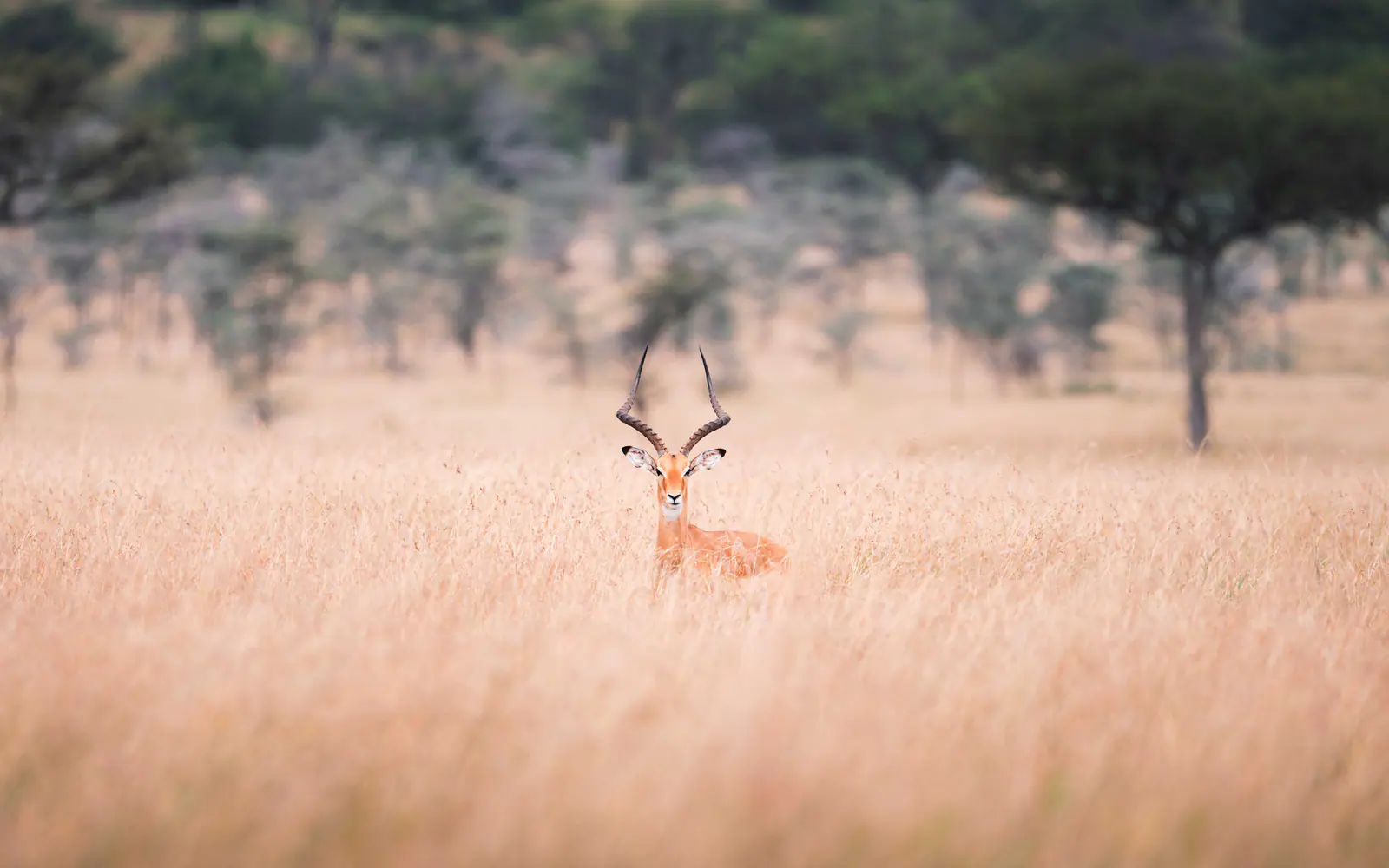
A male impala stands alert in pale, tall grass with his horns clear above the stalks. Impala are easy to miss until they move.
02 / 07
What you will see, and how to set expectations
Tsavo holds all of the Big Five, with large elephant populations, buffalo herds, lion and leopard, and Kenya Wildlife Service identifies a protected rhino sanctuary within Tsavo West. It also has good numbers of dry-country species (lesser kudu, gerenuk and fringe-eared oryx) and extensive birdlife.
The honest caveat is density. Tsavo is enormous and the bush is thick in places, so animals are spread over a vast area rather than concentrated on open grassland. You will not have the near-continuous sightings of a peak-season Mara morning. What you get instead is scale, solitude and the sense of being in real wilderness rather than on a wildlife circuit.
That trade-off suits some travellers exactly and disappoints others. If this is your only safari region and you want volume, Tsavo is the wrong choice. If it is your second or third region, or your route to the beach, it adds something the others cannot. The Big Five guide explains why no park anywhere can promise a full set.
03 / 07
Mzima Springs, the Yatta Plateau and the railway
Mzima Springs in Tsavo West is the park's most distinctive stop. Clear water rises through porous volcanic rock at a substantial rate, creating pools fringed with fig trees, and an underwater viewing chamber lets you look out at fish and, with luck, hippo. It is one of the few places on a Kenyan safari where you spend meaningful time out of the vehicle.
In Tsavo East, the Yatta Plateau, one of the world's longest lava flows, runs for hundreds of kilometres along the Athi river, and the Galana river cuts a green line through otherwise arid country. Lugard Falls, a series of rapids over sculpted rock, is the usual stopping point.
Tsavo also carries more historical weight than most Kenyan parks, largely from events surrounding the construction of the Uganda Railway at the end of the nineteenth century, when lions in the area became notorious. The region's maneless lions remain a subject of genuine scientific interest. That same railway still bisects the parks, and the modern highway runs alongside, which is precisely why Tsavo works as a road destination.
04 / 07
Where Tsavo fits in a route
Tsavo's greatest practical strength is position. It sits between Amboseli and the coast, which makes a southern Kenya circuit possible entirely by road: Nairobi to Amboseli for elephants and Kilimanjaro, across to Tsavo West and East for wilderness, then down to Diani or Watamu for the beach. No backtracking and no expensive internal flights.
That routing is set out in more detail in Kenya safari and Diani, and it is one of the better-value ways to combine bush and beach without leaving the country. It also suits families, since the drives break into manageable stages rather than one endurance day.
Tsavo is equally reachable from the coast as a two- or three-night add-on for travellers whose main holiday is a beach one. An option that gives a genuine safari experience without restructuring the whole trip, and a far better one than a single rushed day trip.
The southern road circuit
-
Nairobi → Amboseli
Approximate road time: 4–5 hrs
Trade-off: Elephants and, on clear days, Kilimanjaro.
-
Amboseli → Tsavo West
Approximate road time: 3–4 hrs
Trade-off: Short hop; arrive in time for an afternoon drive and Mzima the next morning.
-
Tsavo West → Tsavo East
Approximate road time: 2–3 hrs
Trade-off: Crosses the highway; the landscape changes noticeably.
-
Tsavo East → Diani
Approximate road time: 4–6 hrs
Trade-off: Long but forward-moving; the safari ends at the beach rather than back in Nairobi.
All journey times are approximate. Traffic, weather, road conditions, stops, gate choice and airstrip schedules all change them.
05 / 07
How many nights, and which half
Two nights in one half is the practical minimum for Tsavo to be worth the detour. Three nights split across both gives you the contrast that makes the region interesting, at the cost of one transfer morning.
If you only have two nights and are heading for the coast, Tsavo East is the usual choice. It is closer to the coastal road, the game viewing is easier in open country, and the red-dust elephants are the image most people came for. If you have three or more and care about scenery, put two of them in Tsavo West.
Choosing your Tsavo
- Two nights on the way to Diani
- Tsavo East: easier viewing, closer to the coast road
- Scenery, springs and photography
- Tsavo West: volcanic landscapes and Mzima
- Three nights, wanting the full picture
- One or two in West, then two in East, moving coastwards
- A short add-on from a beach holiday
- Two nights in Tsavo East rather than a day trip
- First and only safari region
- Consider the Maasai Mara instead: density is more reliable
This is a starting point rather than an objective ranking. The right answer changes with your dates, your nights and who is travelling.
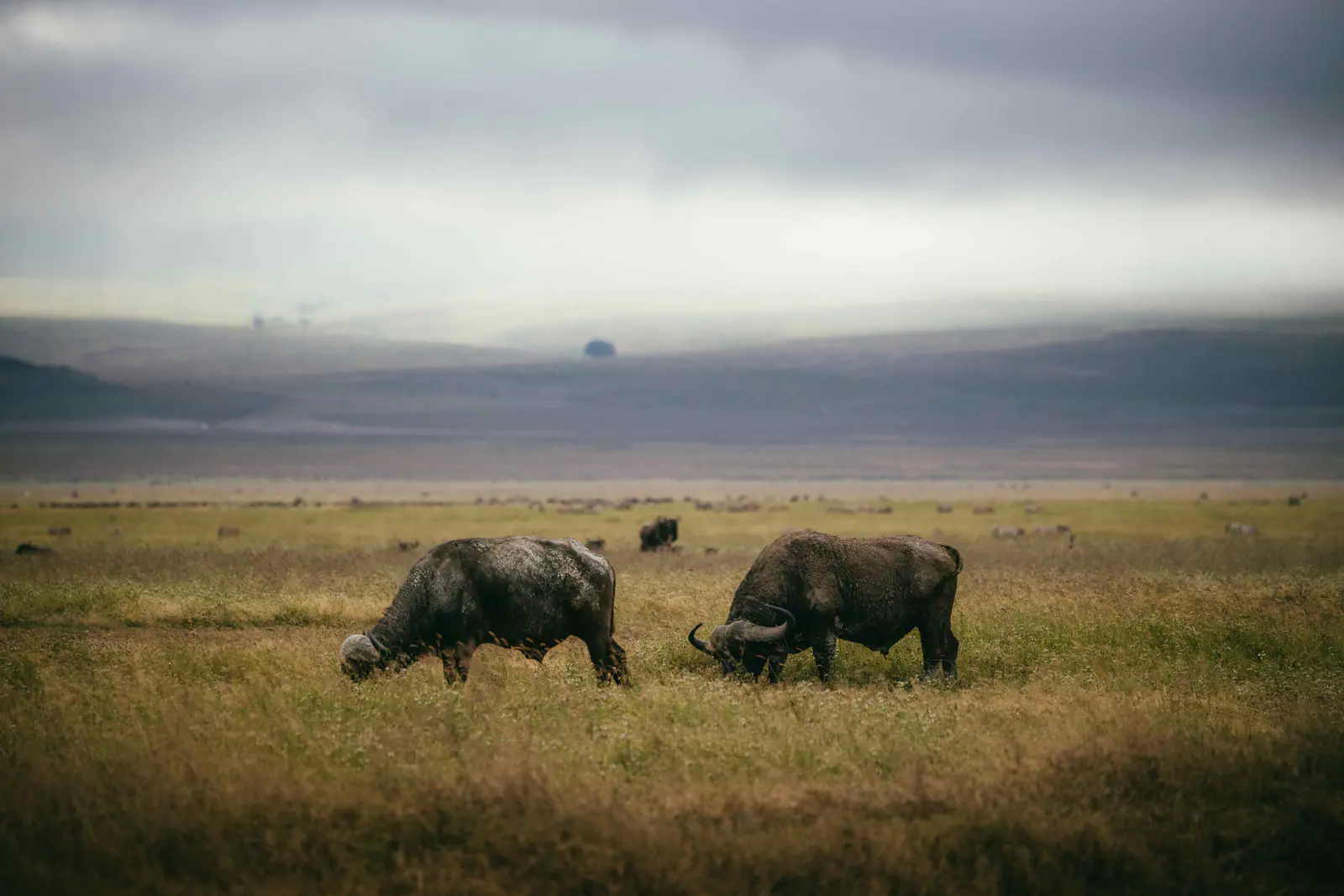
Two Cape buffalo grazing in short grass under a heavy grey sky.
06 / 07
When to visit
The dry months, June to October and January to February, are the strongest. Vegetation thins, animals concentrate at rivers and waterholes, and the red dust and low light are at their most photogenic. Tsavo is hot and low-lying, so even the cool season is warm by day.
The rains bring dramatic greening and excellent birding, but thick vegetation makes wildlife much harder to see in an already low-density park, and some tracks become difficult. If you are visiting Tsavo specifically for wildlife rather than landscape, the dry season is the clear recommendation. See best time to visit Kenya.
07 / 07
Where to take this next
Tsavo sits between Nairobi and the coast, so it usually appears in beach itineraries. Read Kenya safari and Diani for the specific coast pairing, or Kenya safari and beach to compare beach finishes first.
The other common pairing is Amboseli on the same southern loop, and families should read the Kenya family safari guide. Wider circuits are on the Kenya safari guide; the Kenya safari guides library has everything else.
Planned by people who live the route
This library exists because the same Kenya questions arrive with every safari enquiry we answer.
- Locally based in Tanzania
- Kenya and Tanzania route specialists
- Licensed and insured operator
- Fast, direct answers
- Read Safari Soles reviews on TripAdvisor
- Read Safari Soles reviews on SafariBookings
- Read Safari Soles reviews on Google
Where these facts come from (3)
- Tsavo East National Park: park information Kenya Wildlife Service · Park authority · checked 2026-09-14
- Tsavo West National Park: park information Kenya Wildlife Service · Park authority · checked 2026-09-14
- Conservation fees and visitor regulations Kenya Wildlife Service · Park authority · checked 2026-09-14
Related Safari Soles guides
Continue with the guides travellers usually read next.
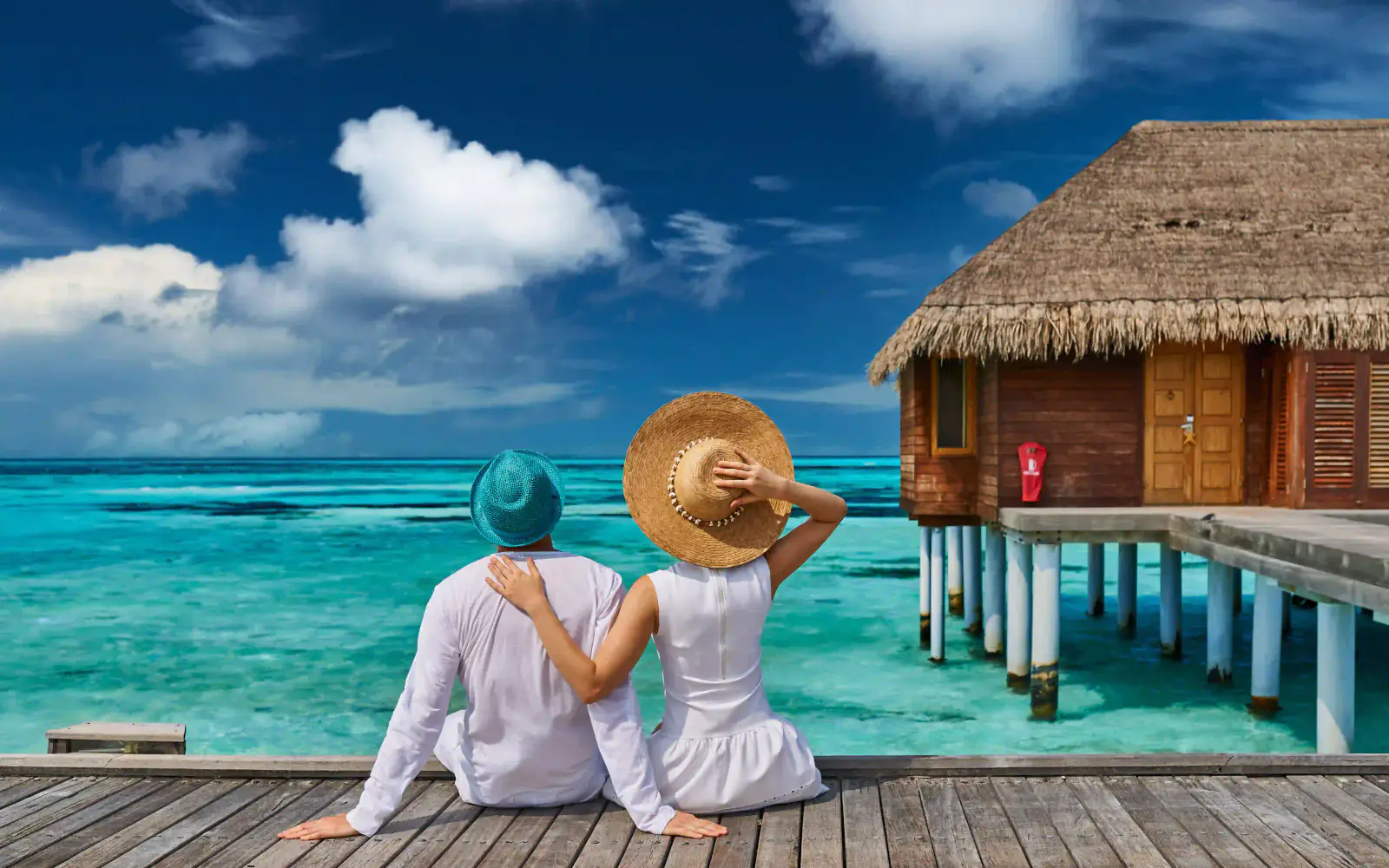 Kenya Safari + Diani The all-Kenya safari and beach pairing, leg by leg: Amboseli or Tsavo into the south coast without leaving the country. Safari Combinations
Read the guide
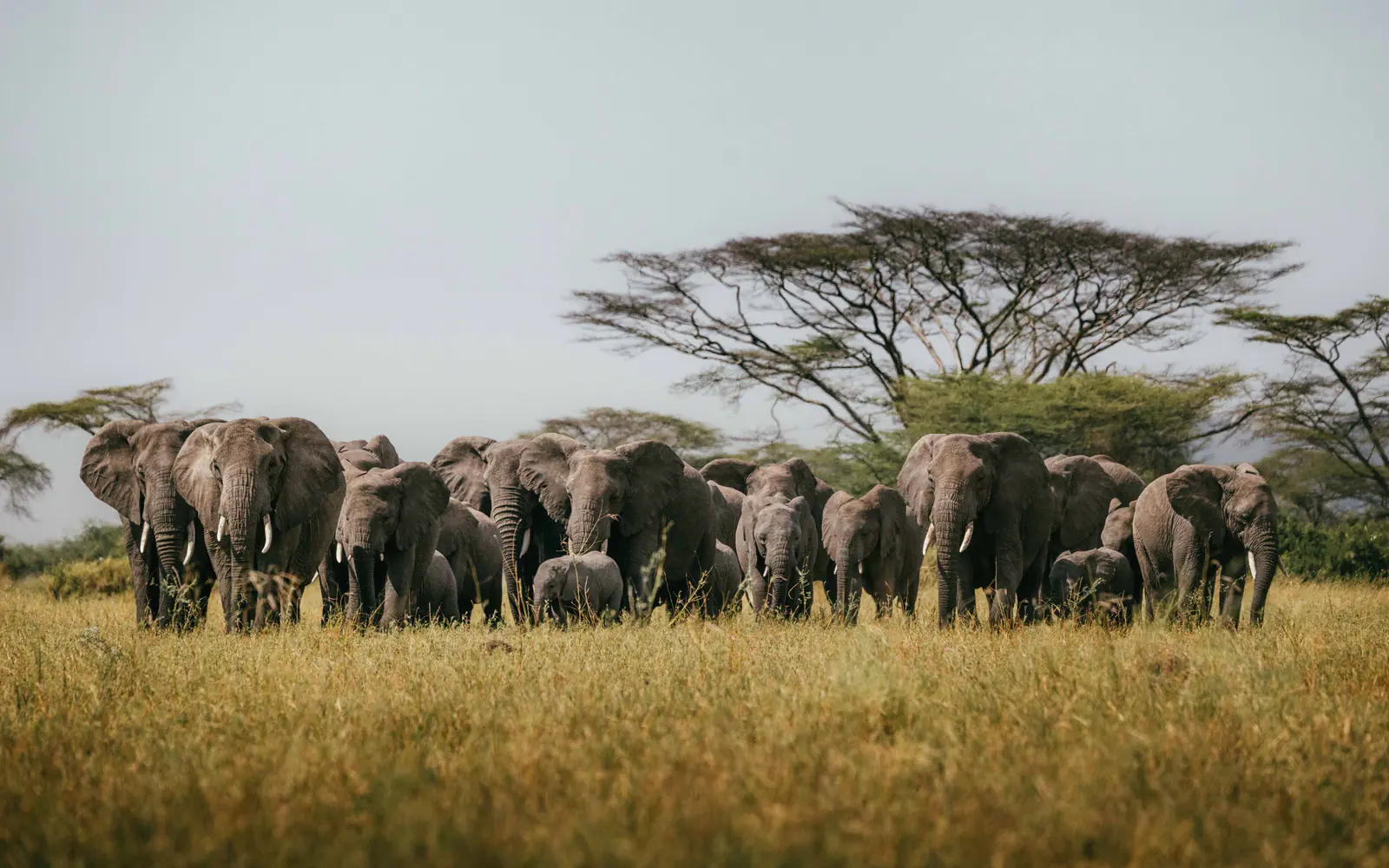 Amboseli Safari Large elephant herds, Kilimanjaro backdrops, Observation Hill and the swamp birdlife, plus how Amboseli slots into a wider circuit. Parks & Reserves
Read the guide
 Kenya Safari + Beach Choosing between Diani, Watamu, Lamu and Zanzibar for the second half of the trip, and how many nights the coast leg really needs. Safari Combinations
Read the guide
Frequently Asked Questions
-
East for easier open-country game viewing and red-dust elephants; West for scenery, Mzima Springs and variety. With three nights, do both.
Build this into a real Kenya route
Send us the dates, the travellers and the wildlife you care about most, and we will turn this guide into an itinerary that actually works on the ground.