Who Should NOT Climb Kilimanjaro? 10 Reasons to Reconsider

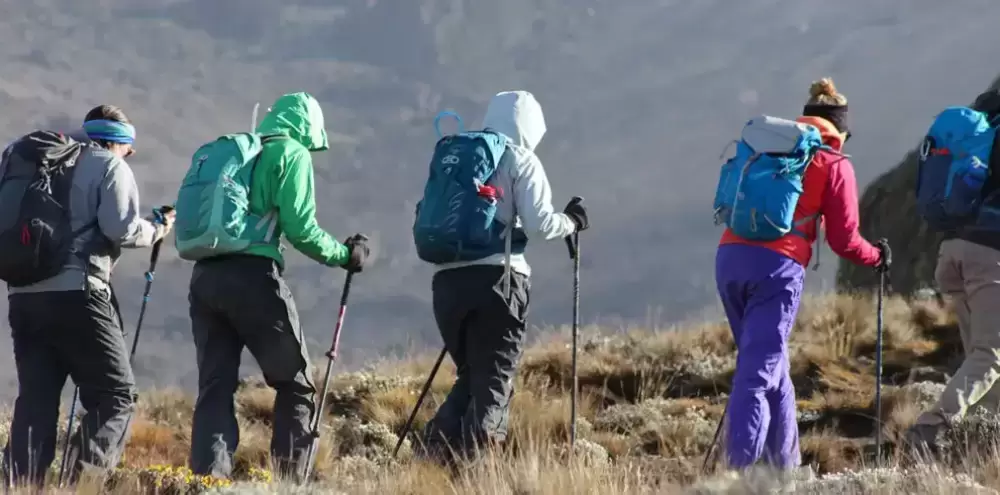
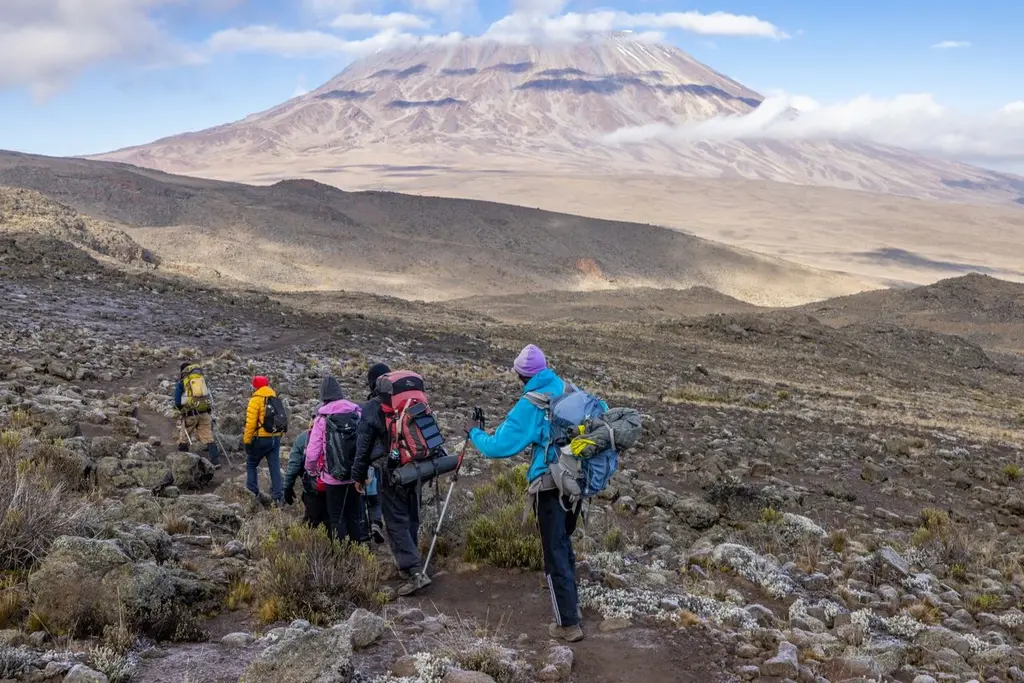
A group of six hikers approaching the foot of Kilimanjaro.

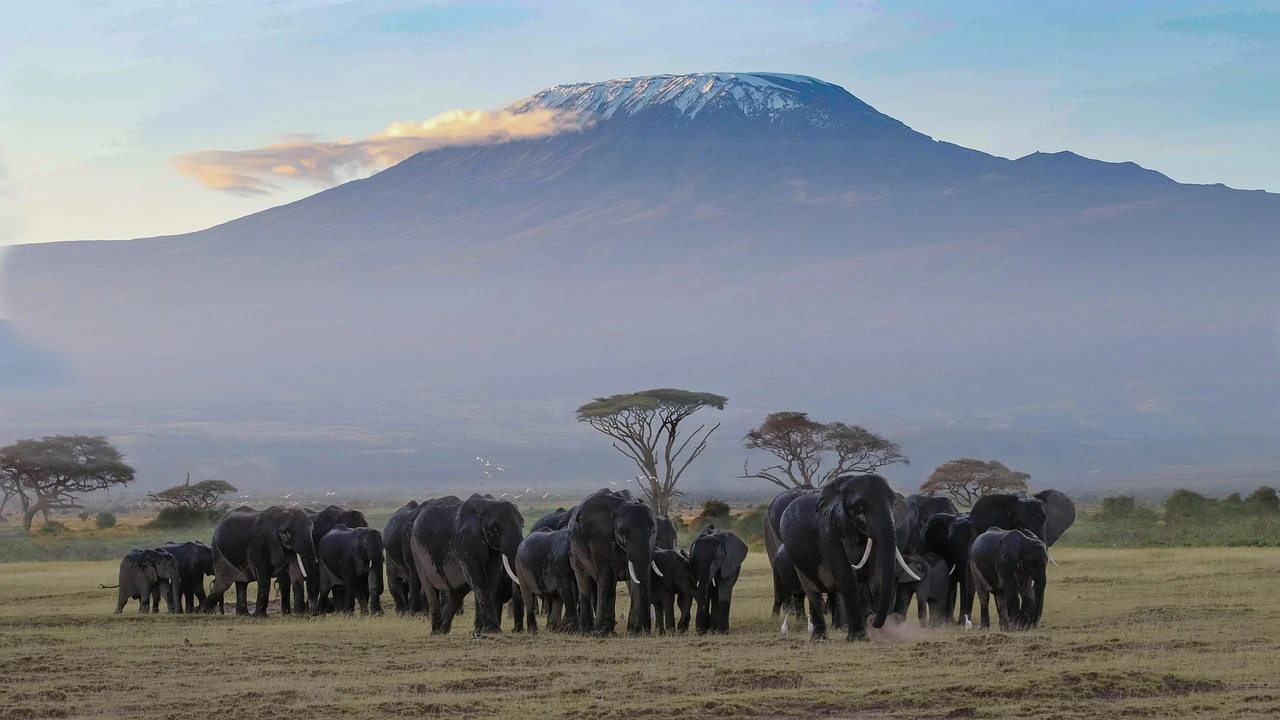
Kilimanjaro is one of the world's most recognizable mountains. On a clear morning in Amboseli, its snow-capped summit rises above the plains, and it's hard not to picture yourself standing on top of it, looking out over the Tanzanian and Kenyan landscape below.

With its reputation as the easiest of the world’s Seven Summits, you might think the summit is achievable for everyone. It needs no ropes or technical climbing skills, which leads many travelers to assume anyone can do it. But altitude sickness, fatigue, and dehydration cause thousands of people to turn back before reaching the summit each year.

Here are 10 reasons to reconsider climbing Kilimanjaro, what you can do to improve your odds if you’re on the fence, and the non-negotiables everyone needs to get right before setting off.
1. Anyone with certain medical conditions

 Kilimanjaro isn’t the world’s hardest mountain, but it is physically demanding, and the altitude affects everyone differently. Altitude sickness is the main reason people turn back before the summit, and altitude-related illness is the leading cause of serious incidents on the mountain. Deaths are rare, but they do happen.

Some conditions need medical clearance before you commit, or may rule out a climb entirely. These include:

  • Heart conditions, including congenital heart defects and uncontrolled high blood pressure
  • Lung conditions such as COPD and poorly controlled asthma
  • Anemia
  • Diabetes, which needs careful management at altitude and in the cold
  • Pregnancy

This isn’t a complete list, and a diagnosis doesn’t automatically mean you can’t climb. Plenty of people with well-managed conditions reach the summit with their doctor’s approval and the right support. See a doctor  well before you book, and tell your operator about any conditions you have so they can plan accordingly. Climbers must also meet the park’s minimum age, which is currently 10 years old. However, special permits are available for younger children.

You’ll be fine climbing Kilimanjaro if you have a fear of heights. No route puts you on the edge of a cliff, and most of the climb is a steady uphill walk. Even the Barranco Wall on the Machame and Lemosho routes, which involves some light scrambling, is manageable unless you have severe acrophobia.

2. Anyone with poor fitness levels

Kilimanjaro isn’t a technical climb, but you shouldn’t attempt Africa’s highest mountain without preparation. Depending on the route, you’ll cover roughly 50 to 70 km / 30 to 44 miles over 5 to 9 days, trekking uphill for up to 8 hours a day. Summit night is the hardest part: you’ll typically wake around 11 pm or midnight and climb through the dark and freezing cold for 6 to 8 hours.

You don’t need to be an athlete, but you do need a solid fitness base and several weeks of training before you go. Walking uphill with a weighted backpack, similar to the one you’ll carry on the mountain, is one of the best ways to train.

3. Anyone who can't afford to do it comfortably

You might want to think twice about climbing Kilimanjaro if you’re traveling on a budget. TANAPA park fees for Kilimanjaro, including daily conservation and nightly camping fees, total over $800 alone, and that’s before you book guides, rent gear, etc.

Cutting costs usually means cutting days, and fewer days means less time to acclimatize and a lower chance of reaching the top. Only climb if you can afford a properly paced itinerary with a reputable operator.

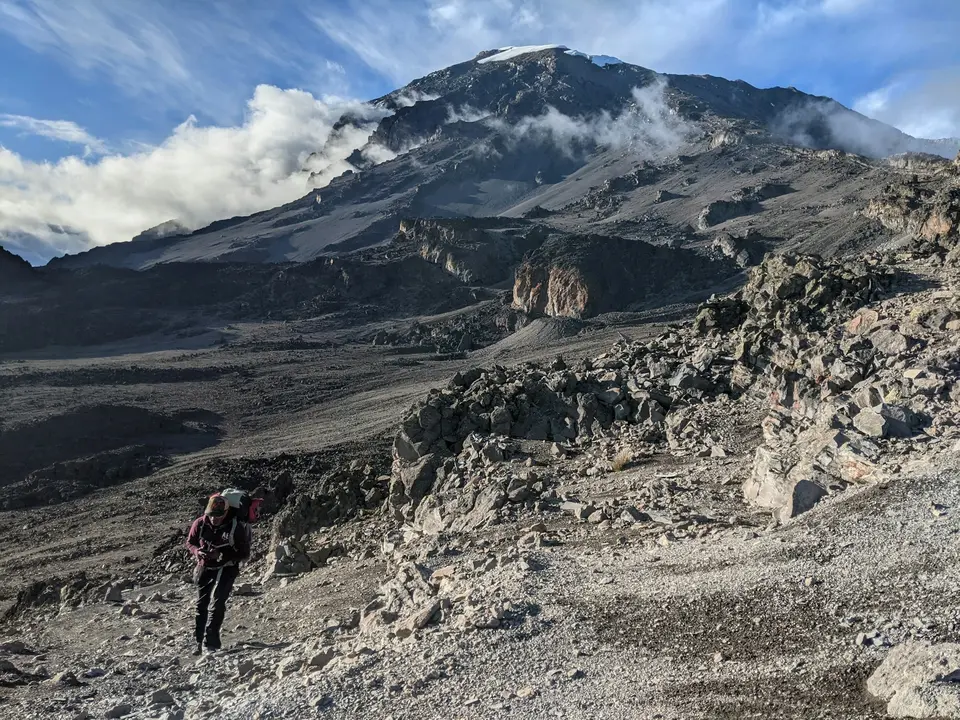
A lone hiker on the slopes of Kilimanjaro.

4. Anyone without the correct hiking gear

Kilimanjaro differs from many mountains because of its multiple climate zones and environments. It has five different climates, from sweltering rainforests to unpredictable heathlands and frigid Alpine deserts, so you’ll need to pack a variety of gear. Temperatures across these climate zones range from 25°C (77°F) to -15°C (5°F).

Our complete Kili packing checklist covers everything you need for a successful hike.

5. Anyone who doesn’t have the correct travel insurance

You need specialized travel insurance that explicitly covers high-altitude hiking up to and over 6,000 m / 19,685 ft for climbing Kilimanjaro. Make sure your insurance covers trekking, not just high-altitude mountaineering, and includes helicopter evacuation, emergency treatment, hospital stays, and flight disruptions.

Without the right insurance, a helicopter evacuation and hospital stay can cost tens of thousands of dollars, so don’t hike Kili without the right coverage.

6. Anyone traveling who can’t spare enough days

If you’re on a Tanzania safari and think, “I have a few spare days, maybe I’ll climb Kilimanjaro,” think again. Five days isn’t enough for most casual hikers to reach the summit safely, and rushing is one of the biggest causes of altitude sickness.

Climbers with little hiking or high-altitude experience should allow at least 7 days. Longer routes with a “climb high, sleep low” profile give your body more time to adjust and generally have better summit success rates, including:

  • Lemosho Route: typically 7 to 8 days
  • Machame Route: typically 6 to 7 days
  • Northern Circuit: typically 9 days, the longest route and one with high success rates

If your schedule allows only a short window, consider a safari-only trip or a shorter trek, such as Mount Meru (see below).

A herd of elephants on the savanna with Kilimanjaro in the background.

7. Anyone who plans to skip acclimatization

We recommend gaining some high-altitude climbing experience before setting foot on Kili’s slopes. It’s not essential, but it can affect summit rates. Getting a feel for how your body reacts to high altitude can help you decide whether you’re likely to reach the summit. Consider routes like Lemosho, Machame, and the Northern Circuit, which use the “climb high, sleep low” strategy to help with acclimatization.

Tanzania’s second-highest mountain, Mount Meru, is just 70 km / 45 miles from Kilimanjaro, over 1,300 m / 4,265 ft lower, and a perfect warm-up. By some estimates, climbing Mount Meru first can raise your Kilimanjaro summit chances by over 15% thanks to acclimatization. It’s worth noting that Mount Meru is a more technically challenging climb, and you’ll need a head for heights.

8. Anyone without a licensed guide

You can’t just turn up at Kilimanjaro and climb to the summit alone. In fact, it’s illegal to climb Kilimanjaro without a licensed guide. You also can’t turn up at Kilimanjaro National Park and hire a guide on the spot. You’ll need to go to a nearby town or city like Arusha or Moshi to hire a guide before you set out. You can hire a guide at the last minute, but make sure they’re officially licensed.

9. Anyone looking to avoid crowds

Kilimanjaro is one of the world’s top trekking destinations, with 30,000 to 50,000 hikers attempting it every year. If you want a peaceful, quiet hike, you may be disappointed on the more popular routes.

You can reduce the crowds by:

  • Choosing a quieter route like the Northern Circuit and the Rongai Route
  • Climbing in the shoulder months of March or October, which balance fewer climbers with lower rainfall
  • Climbing in April or May during the long rains, when there are fewer hikers on the trails, though be prepared for mud, unpredictable weather, and a potentially lower summit success rate

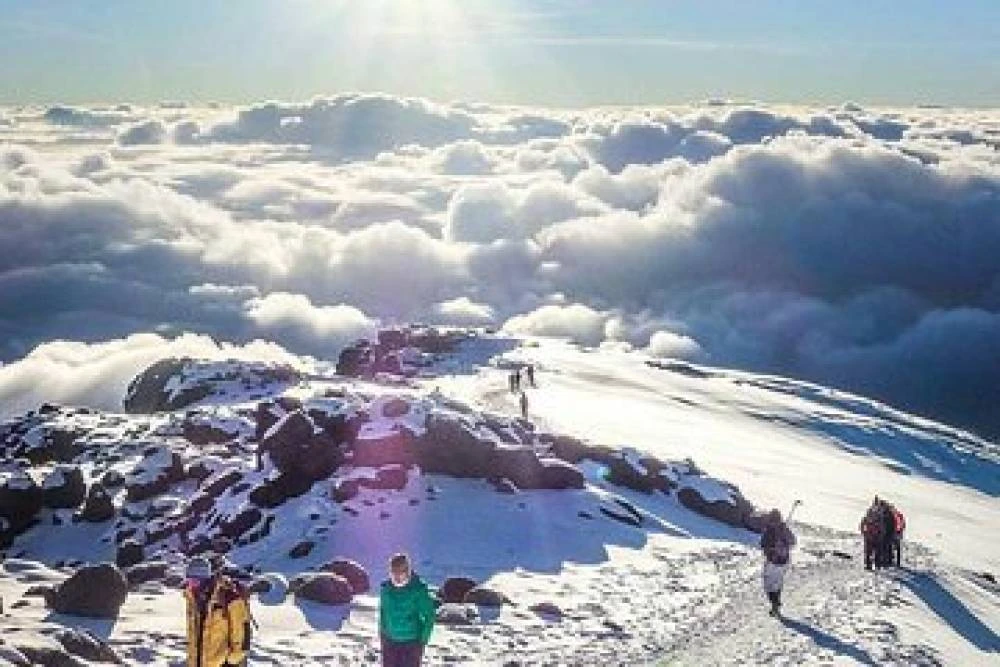
A hiker at the summit marker of Kilimanjaro.

10. Anyone who isn’t enthusiastic about reaching the summit

Kili may not be the most dangerous or difficult mountain globally, but it can be mentally and physically exhausting, so you’ll need to be excited about reaching the summit to overcome its difficulties. Beyond the physical demand of walking uphill for days on end, homesickness, isolation, and uncertainty over altitude sickness can compound the hardships of this tricky trek.

Approaching Kili with enthusiasm and a positive mindset can go a long way to helping you reach the summit. With its beautiful views above the clouds, fascinating ecosystems, and the sense of achievement you’ll feel at the summit, there's plenty to be excited about.

Ready to Climb Kilimanjaro?

If you’ve read this and still feel ready, that’s a great sign. Chat with the Safari Soles team to choose the right route, plan enough days, and book your climb to Uhuru Peak.

Not Ready for Kilimanjaro? Try These Instead

Reconsidering the climb doesn’t mean giving up on the mountain.

  • Climb Mount Meru: a rewarding multi-day trek that doubles as altitude training.
  • See Kilimanjaro from the plains: Amboseli National Park offers some of the best views of the mountain, with elephants in the foreground.
  • Choose a safari-only trip: combine Tanzania’s northern parks without the climb.

Frequently Asked Questions

Can anyone climb Kilimanjaro?

Is Kilimanjaro dangerous?

What is the age limit for climbing Kilimanjaro?

Can I climb Kilimanjaro without a guide?

How do I know if a Kilimanjaro guide is officially licensed?