Altitude Sickness Medication for Kilimanjaro: Supplements, OTC Options & How to Prepare

Near Mount Kilimanjaro’s Uhuru Peak, at 19,341 ft (5,895 m), most climbers are breathing thinner air than they ever have before. Many will experience minor altitude-related symptoms from breathing thin air, while some develop altitude sickness.

Altitude sickness is a serious concern on Kilimanjaro and the main reason people have to turn back before the summit, more so than fatigue or sub-freezing temperatures. Understanding and preparing to help prevent altitude sickness on Kili, using medication, supplements, and pacing strategies, are key to preventing an early end to your journey.

A hiker standing by the Uhuru Peak summit sign atop Kilimanjaro.

What is Altitude Sickness?

Altitude sickness, known medically as acute mountain sickness (AMS), happens because thinner air at elevation delivers less oxygen to your blood, and your body hasn’t adjusted yet. So at what elevation does altitude sickness start? For most people, symptoms can appear at elevations of around 8,200 to 9,800 ft (2,500 to 3,000 m). Kilimanjaro climbers typically cross this threshold on their first or second day.

Common AMS symptoms:

SymptomNotes
HeadacheUsually the first sign
Nausea or loss of appetiteCommon by day 2 or 3
Fatigue and breathlessnessBeyond what exertion alone explains
Poor sleepAltered breathing patterns can wake you through the night
DizzinessExtra steps should be taken immediately if paired with confusion

Left unmanaged, AMS can escalate into High Altitude Pulmonary Edema (HAPE) or High-Altitude Cerebral Edema (HACE), which are fluid build-ups in the lungs or brain. Both are medical emergencies. The only reliable treatment is immediate descent, as no medication can reverse HAPE or HACE on the mountain.

Why is Kilimanjaro Unique When it Comes to Altitude?

Most high-altitude trekking destinations similar to Kilimanjaro allow 5 to 7 days to acclimatize. Kilimanjaro doesn’t offer that luxury by default, as it’s a lot of ground to cover. It’s routinely climbed in under a week, which compresses a lot of elevation gain into very little time.

That’s the main reason why route selection matters more than taking medication. The more time you have to acclimatize, the smoother your ascent will be, and the less chance you have of developing altitude sickness.

That gap between elevation gain and acclimatization time is something operators and guides control. Routes that add two or three extra days, like the 10-Day Kilimanjaro via the Northern Circuit, tend to report meaningfully higher summit rates than routes compressed into five days like Marangu.

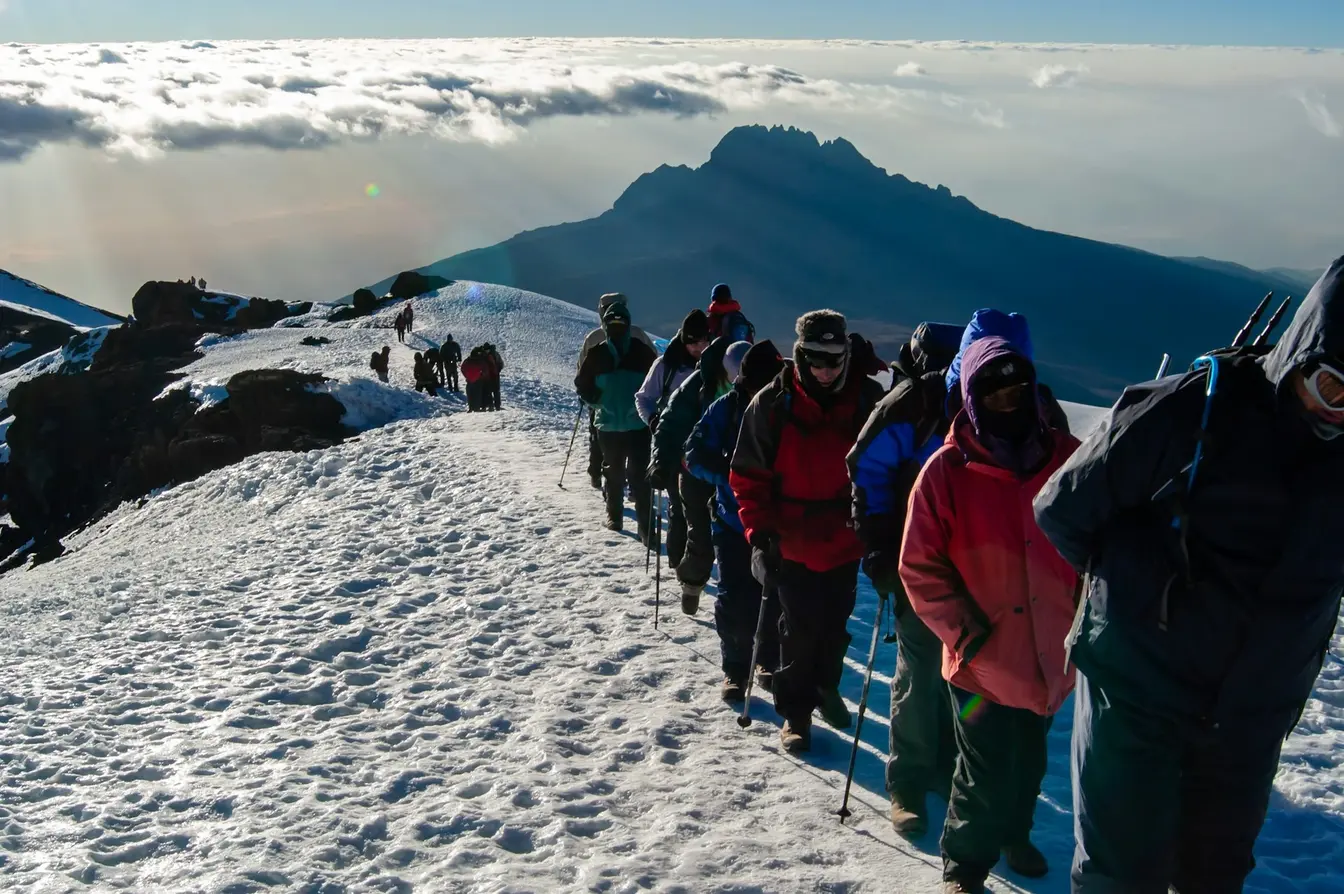
Hikers walking single file near Uhuru Peak with Mount Mawenzie in the background.

What Altitude Sickness Medication is Best for Kilimanjaro?

The most widely prescribed preventive medication is acetazolamide (Diamox). It works by blocking an enzyme called carbonic anhydrase, which shifts your blood chemistry and pushes your body to breathe faster, basically tricking it into acclimatizing ahead of schedule.

Dexamethasone, a powerful steroid, is a backup option for people with sulfa drug allergies. But dexamethasone only masks altitude sickness symptoms; it doesn’t help with acclimatization and is best used only in emergencies.

If you’re wondering about the best over-the-counter medicine for altitude sickness, the real answer is that OTC options are supportive at best. Ibuprofen is commonly used for altitude-related headaches, and anti-nausea tablets can ease milder symptoms, but neither addresses the underlying cause the way acetazolamide does.

Some climbers also try altitude sickness supplements, such as ginkgo biloba, though the research behind them is far weaker, and they're best treated as a minor supplement rather than a full-blown strategy.

Remember: this is general information; you should consult with your doctor 4 to 6 weeks before traveling to find out if medication is right for you when climbing Kilimanjaro. Side effects of acetazolamide (tingling fingers/toes, increased urination, fatigue) are common and worth testing before the trip rather than on it.

And most importantly, medication supports acclimatization and doesn't replace the need to choose a longer route or pace yourself. No medication is a substitute for descent if severe AMS symptoms appear.
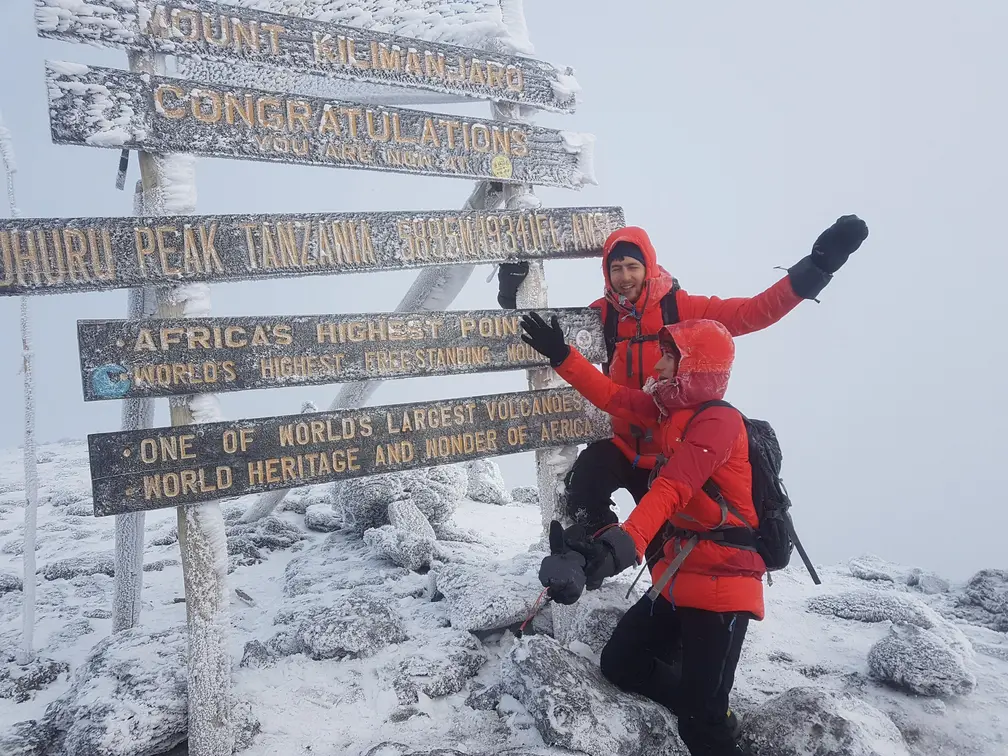
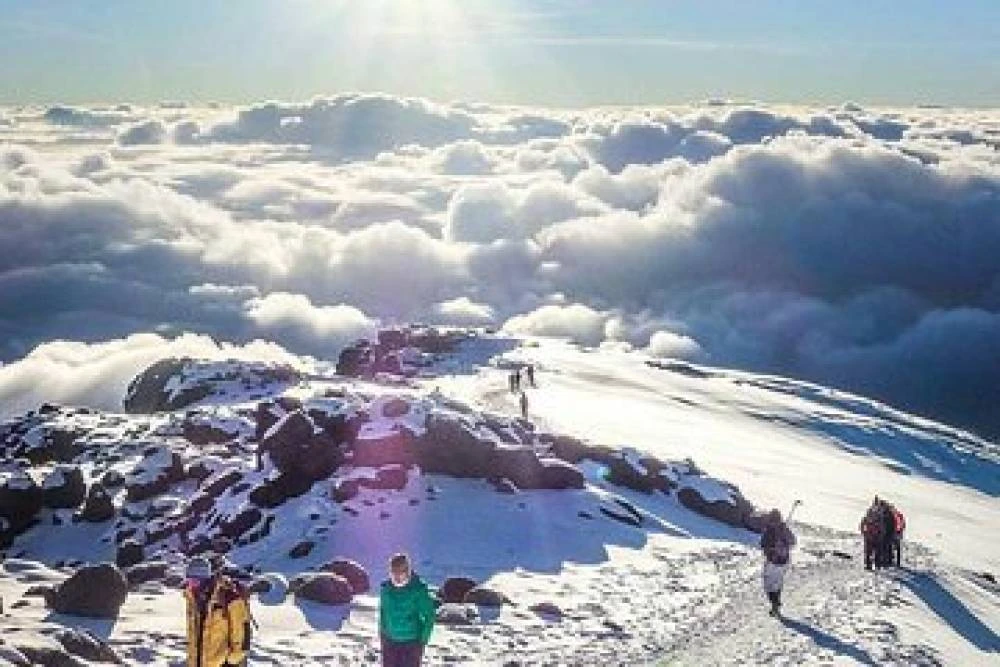
Two hikers at the Uhuru Peak summit sign in heavy snow.

Do Most Kilimanjaro Deaths Occur Due to Altitude Sickness?

Kilimanjaro deaths are rare considering 30,000 to 50,000 people climb it every year. But when they do happen, altitude-related illness is the leading cause, specifically HAPE and HACE that go unrecognized or unreported until it’s too late. Compared to the world’s most dangerous mountains and other peaks of a similar height, Kilimanjaro is very safe to climb. The number of annual deaths on Kilimanjaro is usually in the single digits.

The pattern behind most incidents is the same. A climber develops worsening AMS symptoms, doesn’t disclose them to guides (often out of a reluctance to abandon the summit attempt), and continues ascending rather than descending.

Underlying heart conditions are the next most common factor, particularly among older or unfit climbers who haven’t had a pre-trip medical check. Hypothermia- and exhaustion-related incidents, usually on summit night, account for most of the remainder. Technical falls are uncommon as Kilimanjaro is a trek, not a climb, so route difficulty is rarely the cause.

The bottom line for hikers: reporting honest symptoms saves lives on Kili. Guides are trained to act on early warning signs, but only if they’re told.

Do You Need Travel Insurance for Altitude Sickness on Kilimanjaro?

Yes, and standard travel insurance often doesn’t cut it. Kilimanjaro's summit sits at 19,341 ft (5,895 m), so your policy needs to explicitly cover high-altitude trekking up to at least 19,685 ft (6,000 m), as well as emergency medical treatment and helicopter evacuation for altitude-related illness. A generic worldwide policy that doesn't mention an altitude ceiling may not pay out if you need rescuing from HAPE or HACE.

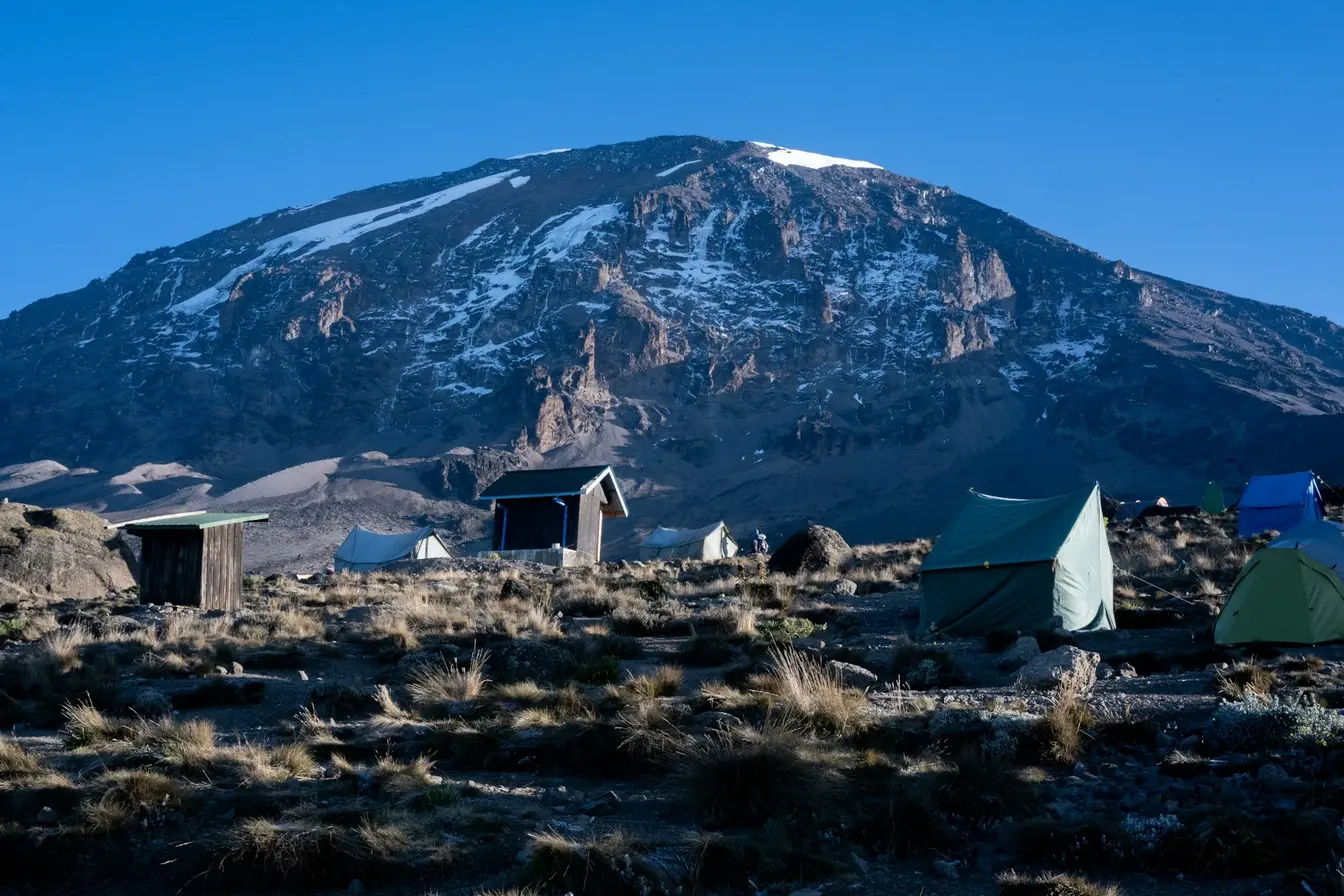
A camp below Uhuru Peak on Kilimanjaro.

Evacuations from the upper camps can run into thousands of dollars, so check the altitude limit and evacuation cover carefully before you buy, not after you've booked flights. This is worth arranging as soon as you confirm your hike, giving you cover from the time you book through to your return home.

Lowering Your Chance of Altitude Sickness

  1. Pick a longer route. More days on the mountain means better acclimatization, and built-in "climb high, sleep low" hikes mean you'll get used to the thinner air without sleep disruption.
  2. Build up fitness and stamina. While being in shape doesn't prevent or change your chances of getting altitude sickness, overexertion from being out of shape can make symptoms worse.
  3. Stay hydrated and skip the alcohol for the duration of your trip. Alcohol lowers your blood oxygen levels and is a respiratory depressant.
  4. Avoid stomach issues before you climb. Food poisoning, bacteria, and viruses can cause gastrointestinal issues that lead to dehydration, which can worsen altitude sickness symptoms. Drink only bottled water and eat only hot foods or peeled produce in the lead-up to your trek.
  5. Walk slowly. Pole pole (Swahili for "slowly, slowly") isn't a cliché. Fast ascents are the more common trigger for AMS than fitness levels. It's rushing the elevation gain, not lack of conditioning, that catches most climbers out.
  6. Take regular breaks. As well as taking it slow, breaks are important for acclimatization. Taking a ten-minute break every hour or so can help you regain your breath and acclimatize more easily.
  7. Climb with guides who monitor you. Reputable operators track your blood oxygen levels throughout the climb and are trained to turn a group around the moment the numbers say to.
  8. Get medical advice in advance on whether preventive medication makes sense for your health.

Altitude sickness isn’t a fitness failure, as it can affect experienced athletes as well as first-time trekkers. A well-paced climb with an experienced guide is what actually improves your chances of reaching Kili’s summit, medication or not. If you’re planning your own Kilimanjaro trip, contact the Safari Soles team to plan the right route and acclimatization schedule for you.

For a round-up of how medication fits into a wider prevention plan, see Tycoonstory’s guide to altitude sickness medication for Kilimanjaro.

Frequently Asked Questions

Do I need Diamox to climb Kilimanjaro?

Can I buy altitude sickness medication in Tanzania?

What’s the difference between AMS, HAPE, and HACE?

Are Kilimanjaro deaths common?

Does fitness level affect altitude sickness risk?

Which Kilimanjaro route gives the best acclimatization?

Does travel insurance cover altitude sickness on Kilimanjaro?