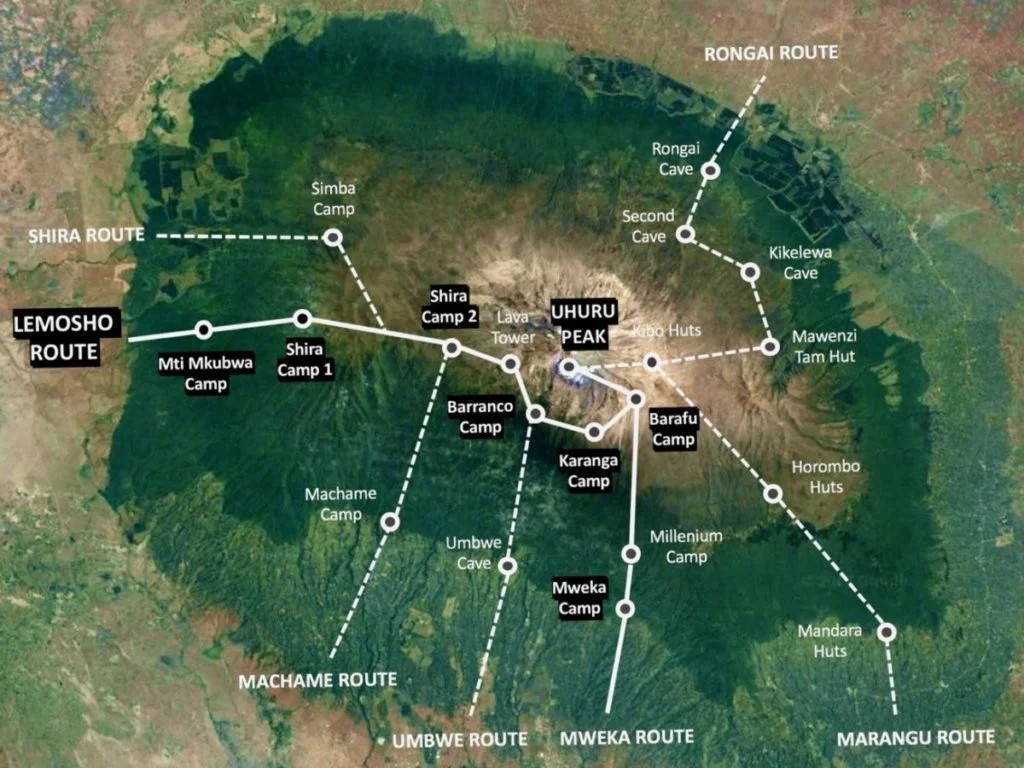
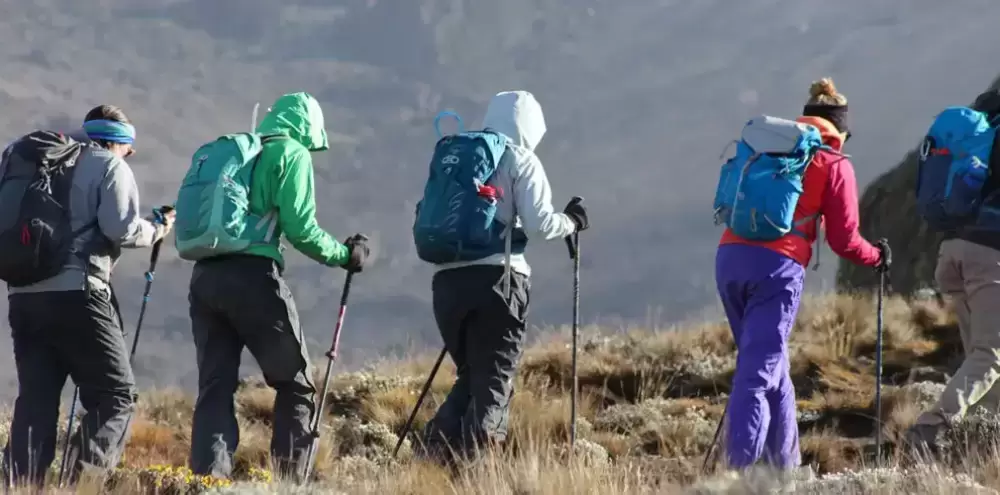
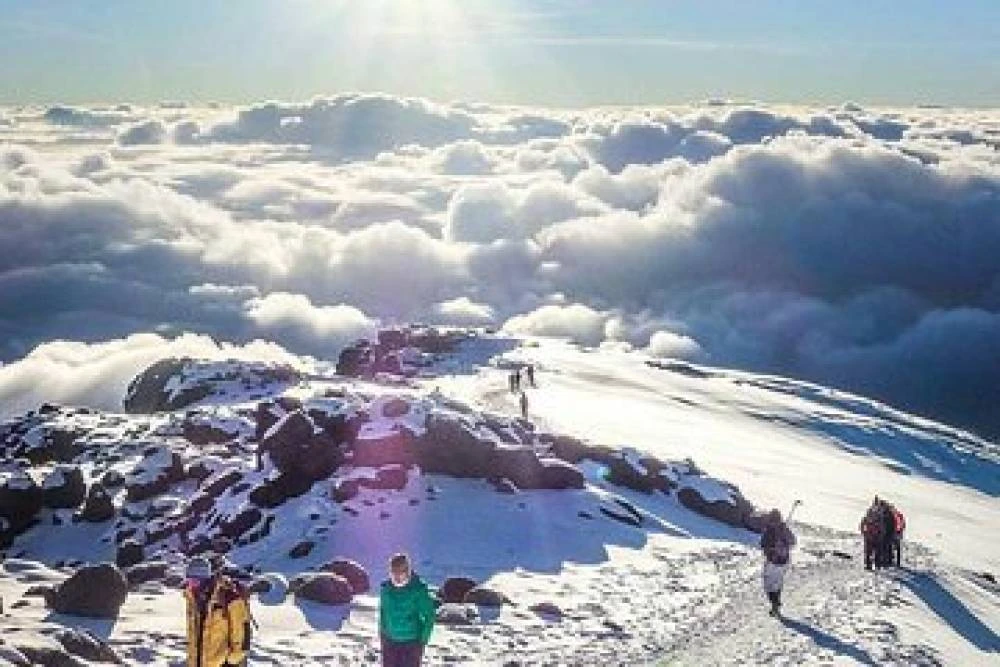
Many “how difficult is Kilimanjaro climb” breakdowns skip route difficulty, but it’s arguably the most important thing to consider when planning. The mountain doesn’t have a standard difficulty rating. Each route has a different difficulty, and they vary more than you might expect.
Marangu (5 to 6 days): Moderate to Hard — ~40 to 75% Summit Rate
Total distance: 64 to 72 km / 40 to 45 miles
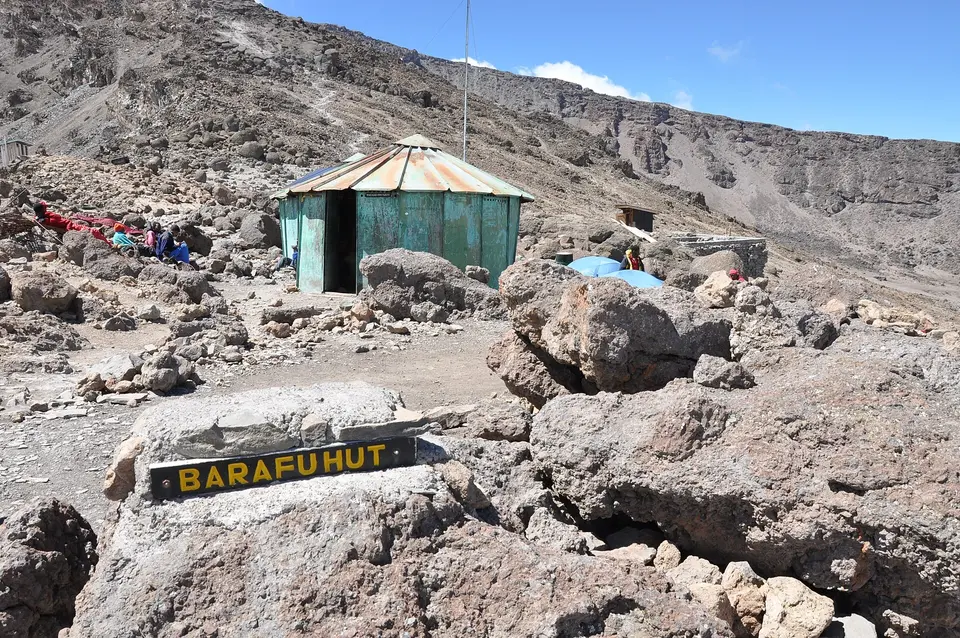
The Marangu Route, AKA the Coca-Cola Route, has the shortest standard itinerary and the only hut accommodation on the mountain, which leads many to believe it's the "easy" route. In practice, that short schedule is the problem, as it leaves you with the least time to acclimatize of any route. Comfortable beds don't make up for thinner air, and as a result, it has some of the lowest summit success rates on the mountain.
Despite its relatively low summit rate on its shorter itinerary, Marangu still ranks among the top three most popular routes up Kili.
Machame (6 to 7 days): Moderate to Hard — ~80 to 92% Summit Rate
Total distance: 62 km / 38 miles
The Machame Route, AKA the Whiskey Route, is the most popular Kilimanjaro route partly because of its short length, stunning scenery, and high success rate. That said, it’s steep and physically demanding, including a scramble up the Barranco Wall.
One reason the Machame Route is successful despite its short length is its “climb high, sleep low” acclimatization pattern, which helps explain its popularity despite the tougher terrain and why its success rate holds up well against routes with a gentler profile. A 2012 study suggests the “climb high, sleep low” approach pattern may delay the development of Acute Mountain Sickness (AMS), but not prevent it.
Lemosho (7 to 8 days): Moderate — ~85 to 95% Summit Rate
Total distance: 65 to 70 km / 40 to 43 miles
The Lemosho Route’s longer approach through rainforest buys you extra time to acclimatize before altitude becomes a real factor. That combination of scenery and a gradual climb is why it’s often recommended as the best all-around choice for first-time high-altitude climbers, and why it sits near the top of the success-rate range. Like Machame, its itinerary naturally incorporates the “climb high, sleep low" acclimatization pattern, which is another reason for its success rate.
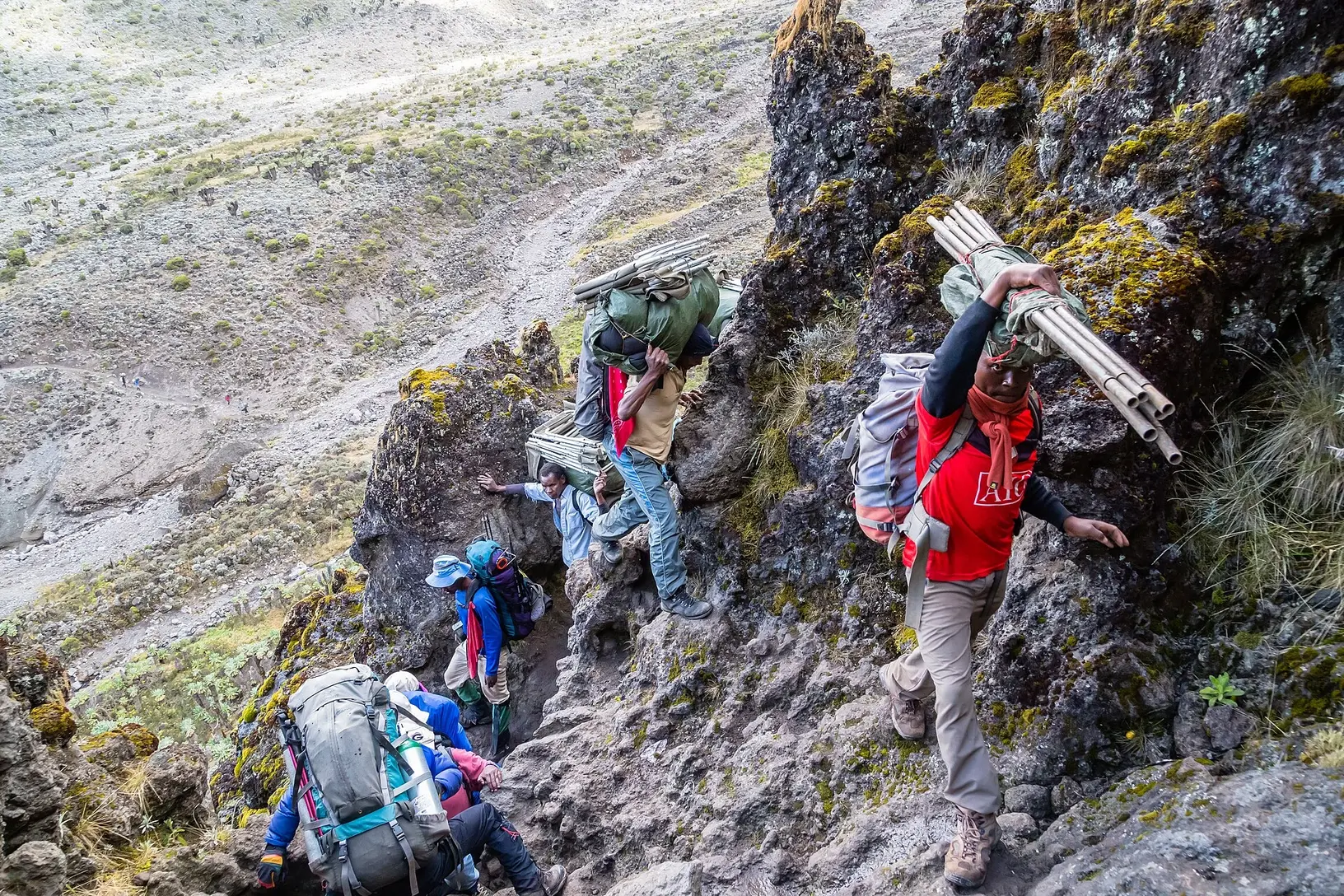
Sergei Andreichuk / CC BY-SA 4.0
Shira (7 to 8 days): Moderate — ~75 to 90% Summit Rate
Total distance: 56 km / 35 miles
The Shira Route follows a similar profile to Lemosho, but starts at a higher trailhead, so your first day carries noticeably more altitude exposure than Lemosho’s does. That slightly steeper start is reflected in a success rate a bit below Lemosho’s. By some estimates, the success rate reaches around 90% when completed over 8 days rather than 7.
Rongai (6 to 7 days): Moderate — ~65 to 90% Summit Rate
Total distance: 73 km / 45 miles
Approaching from the drier northern side near the Kenyan border, the Rongai Route has a gentler, steadier gradient than the southern routes. It’s also the quietest route in terms of foot traffic, with a success rate that lands in the middle of the bunch.
A 2016 study of a 6-day ascent profile found an 88% summit success rate, notably higher than the 51 to 61% range reported in earlier studies of faster 4- and 5-day ascents, a gap the researchers attributed mainly to the slower pace rather than any one route.
Umbwe (6 to 7 days): Hard — ~60 to 70% Summit Rate
Total distance: 53 kilometers / 33 miles
The Umbwe Route takes the steepest, most direct line up the mountain, with minimal built-in acclimatization buffer. It’s not recommended for first-time high-altitude trekkers, even fit ones, and its summit rate reflects that. Some experienced hikers have completed the Umbwe Route in 5 days; however, this is actively discouraged because it offers even less acclimatization time, with summit rates dropping to around 50%. At just 53 km (33 miles), Umbwe is the shortest walking distance of Kilimanjaro’s seven established routes.
Northern Circuit (8 to 9 days): Easier Overall, Despite Being the Longest — ~90 to 98% Summit Rate
Total distance: 88 km / 53 miles
The Northern Circuit covers the most distance and takes the most days, yet it’s widely considered the easiest route to summit, because those extra days are spent acclimatizing rather than rushing. It posts the highest summit success rates of any route on the mountain. The Northern Circuit, completed in 9 days, has an estimated success rate of 95 to 98%, meaning only 1 in 20 to 1 in 50 hikers fail to reach Uhuru Peak.
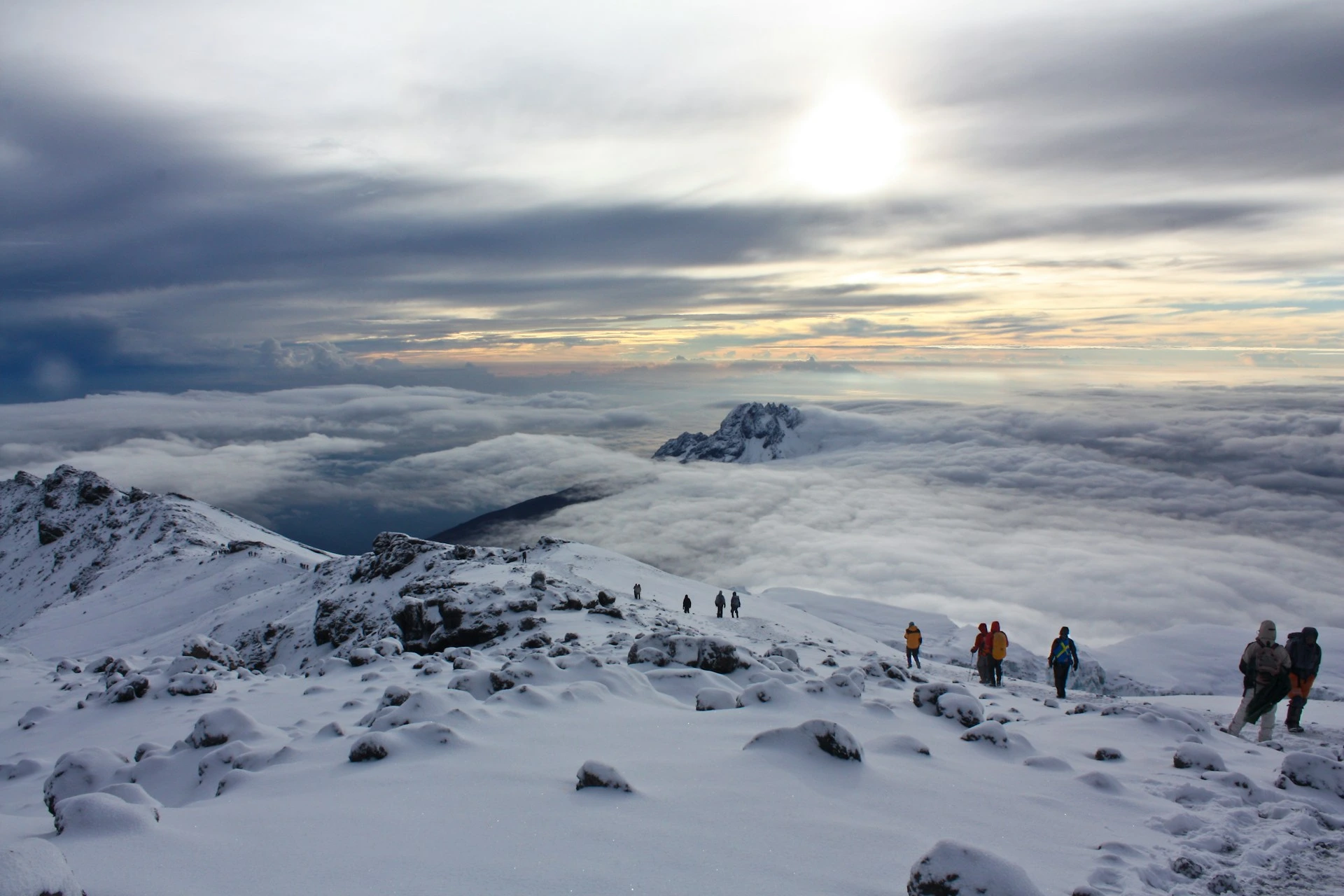
Which Kilimanjaro Route Should You Choose?
It’s worth noting these summit rates are a rough guide averaged across operators. No single authoritative source exists, since no governing body publishes official route-level statistics. Treat them as an estimate of how route length and acclimatization time affect your odds, not an exact prediction for any specific trip.
Two things stand out across all seven routes. First, the “easiest” route on paper, Marangu, isn’t necessarily the easiest in practice, because its short schedule leaves little room to acclimatize. Second, the route with the most walking, the Northern Circuit, tends to feel the least brutal because that extra time is spent adjusting to altitude, which helps prevent altitude sickness.
If you’re trying to figure out the best Kilimanjaro route for your own trip, the honest answer is: choose based on days available and acclimatization profile first, and scenery second. For a full side-by-side comparison of all seven trails, see our Kilimanjaro route comparison guide.
Safari Soles Recommends: Bryson Mbise, a Kilimanjaro Expedition Coordinator at Safari Soles Tours with over 10 years of mountain guiding experience and more than 400 successful summit expeditions, says no route is perfect — it depends on your fitness, timing, and what experience you want. Use our Kilimanjaro summit success calculator to help you choose the right route.