Amboseli Safari Guide: Elephants, Views & Best Camps
28th March, 2026
370
Planning an Amboseli safari tour is a wise decision for any wildlife lover. Located in southern Kenya, Amboseli National Park is world-famous for its vast elephant herds and breathtaking views of Mount Kilimanjaro.
Understanding Amboseli National Park weather patterns, knowing the best camps, from the luxury Amboseli Serena Safari Lodge to the family-friendly Amboseli Sopa Lodge, and choosing the right activities can make all the difference between a great trip and an unforgettable one.
Key Takeaways
Amboseli National Park is famous for its large elephant populations and incredible views of Mount Kilimanjaro.
Amboseli National Park weather follows a dry-season pattern (June to October and January to February) that delivers the clearest Kilimanjaro views and best wildlife concentrations.
Popular activities include morning, afternoon, and night game drives, walking safaris, and cultural visits to Maasai villages.
Accommodation ranges from luxury lodges like Amboseli Serena Safari Lodge to excellent mid-range options, including Sentrim Amboseli Lodge and Amboseli Sopa Lodge.
An Amboseli safari tour is ideal for wildlife photography thanks to its open plains, stunning scenery, and abundant wildlife.
Why Amboseli is a Must-Visit Safari Destination
The Iconic Amboseli Elephants
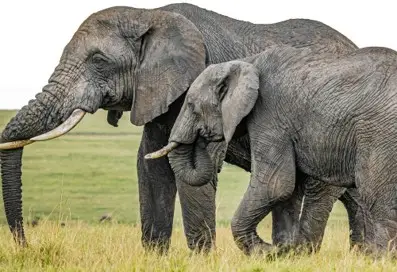
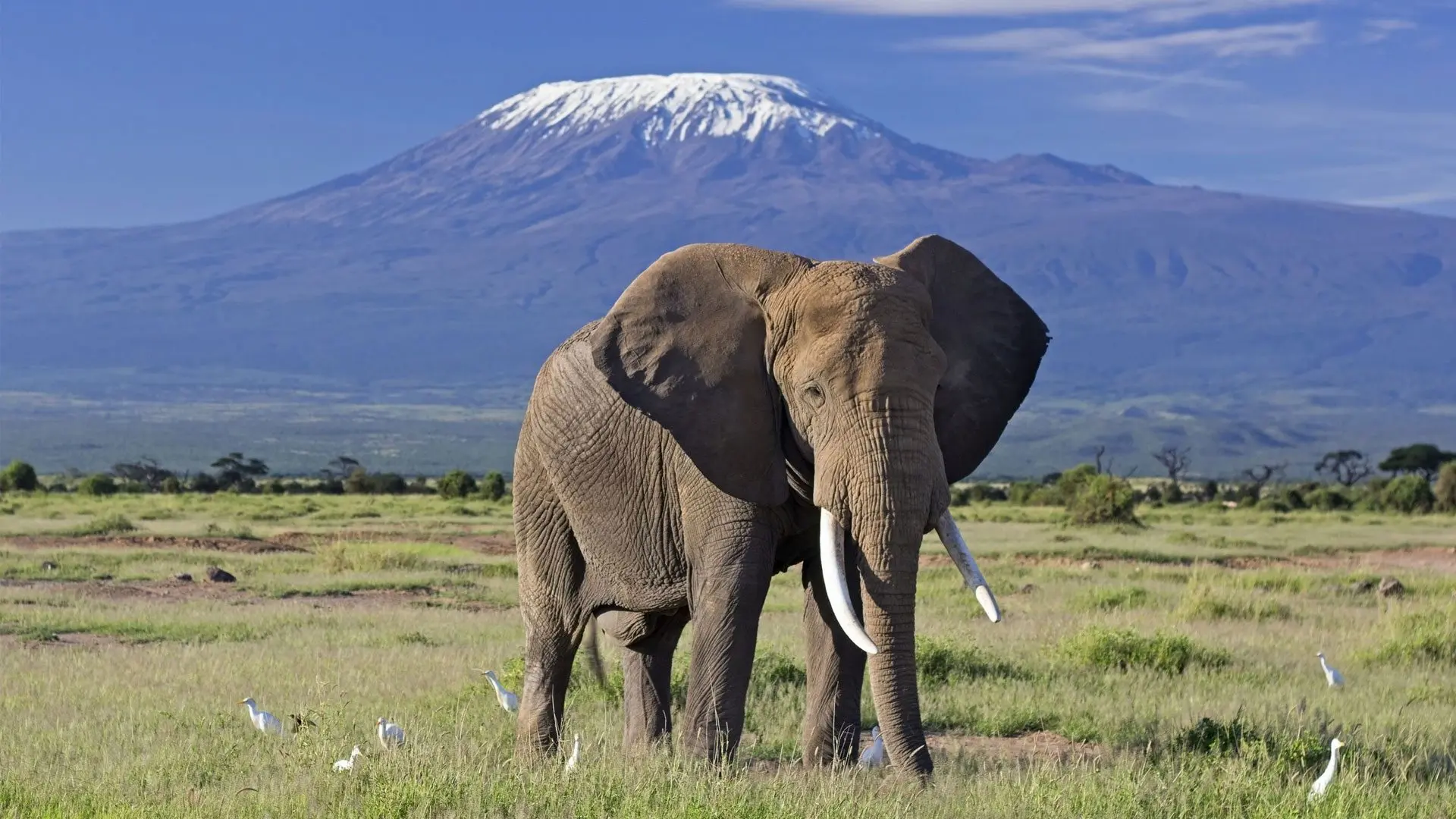
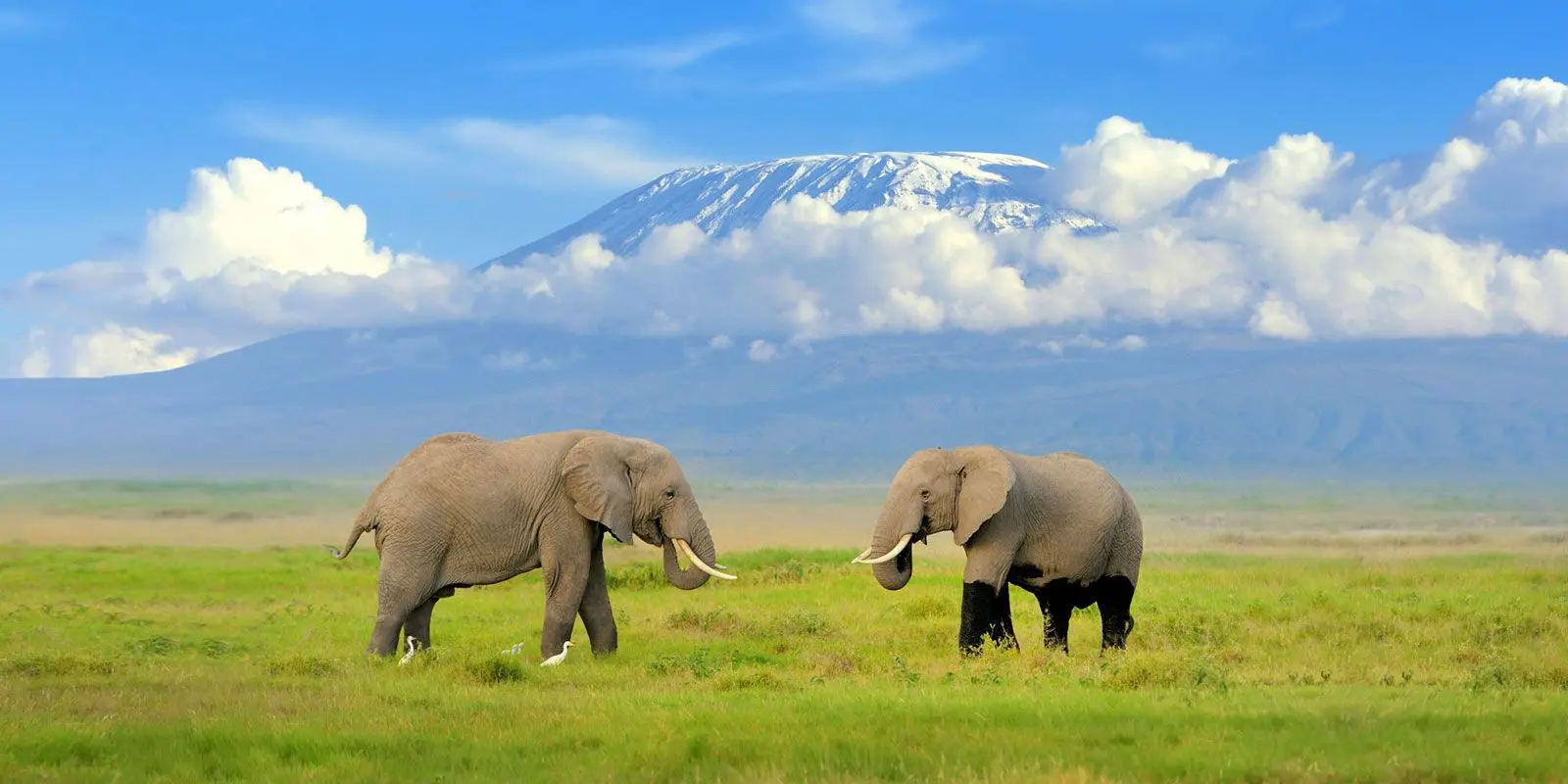
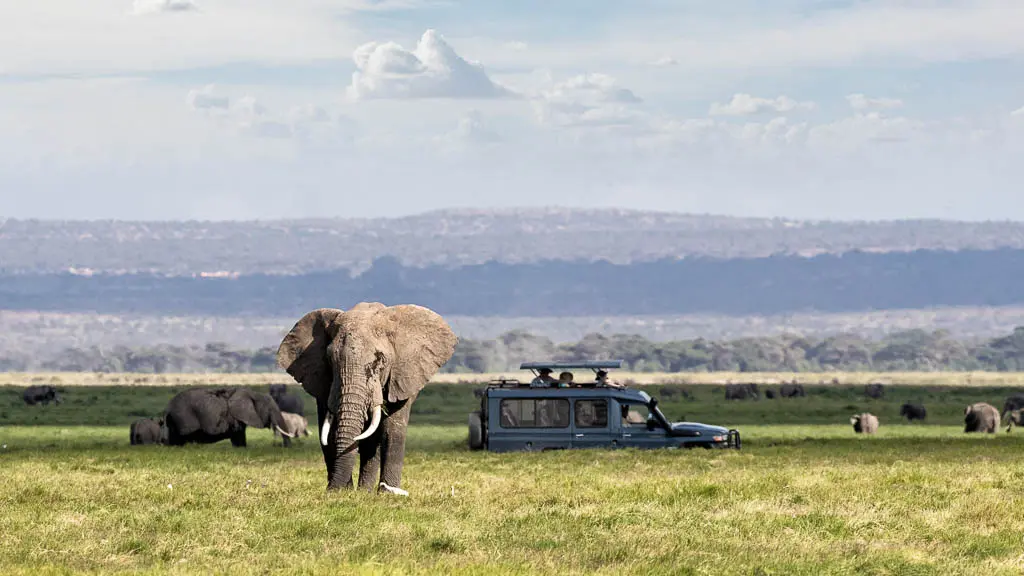
Amboseli National Park is perhaps most famous for its large herds of elephants. These gentle giants are commonly seen roaming the dusty plains or gathering around the park’s water sources.
Entire elephant families, including playful calves staying close to their mothers, stride across the landscape. Many long-term elephant behavior studies have been conducted here, making Amboseli one of the world’s most important elephant research locations, with the Amboseli Trust for Elephants (ATE) taking a leading research role.
There are thought to be around 2,000 elephants in Amboseli according to the Big Life Foundation, making the park one of the most reliable places in Africa to see these incredible creatures. Plus, the backdrop of Mount Kilimanjaro makes elephant viewings in Amboseli extra special.
Breathtaking Views of Mount Kilimanjaro
Amboseli offers some of the most spectacular views of Mount Kilimanjaro, the world’s tallest free-standing mountain.
Although Kilimanjaro is located across the Kenyan border in neighboring Tanzania, its snow-capped summit dominates the horizon in Amboseli, particularly during the dry season. The contrast between open plains, roaming wildlife, and Kilimanjaro looming in the distance creates one of Africa’s most iconic safari scenes.
A Birdwatcher’s Paradise
As well as being home to a wealth of Africa’s iconic terrestrial animals, Amboseli National Park is wonderful for birdwatching, with over 400 species. Amboseli’s diverse landscape supports a wide variety of species.
Spot colorful superb starlings and Von der Decken's hornbills in the acacia woodlands, flamingos and jacanas wading through marshlands, or martial eagles and lesser kestrels soaring high above the savannah. Amboseli is truly epic for birdwatching — don’t forget to bring your binoculars!
Planning Your Amboseli Safari
Amboseli National Park Weather & Best Time to Visit
Amboseli National Park weather follows a fairly predictable pattern:
Long rains: March to May
Short rains: November
Dry seasons: June to October and January to February
The dry season from June to October is considered the best time for wildlife viewing, as animals gather around water sources and vegetation is thinner.
January and February also offer excellent conditions, with clear skies and stunning views of Kilimanjaro.
Daytime temperatures in Amboseli are fairly consistent year-round, thanks to its equatorial location, ranging from 75°F (24°C) to 88°F (31°C). At night, temperatures drop to around a comfortable 58°F (14°C). The main difference between the seasons isn’t the temperatures — it’s the rain.
Visitors should pack layers, as early-morning game drives can be surprisingly cool. The rainy seasons can also be rewarding for photographers seeking dramatic skies and lush landscapes.
Getting to Amboseli National Park
Amboseli National Park is located in Kajiado County, approximately 125 mi (200 km) south of Nairobi near the Tanzanian border.
The drive from Nairobi typically takes 4 to 5 hours. Many travelers choose organized safari tours, like Safari Soles, that include transportation and an experienced guide.
A 4x4 vehicle is recommended, particularly during the rainy season. Visitors can also fly into nearby airstrips via light aircraft for a quicker journey.
Amboseli National Park Safari Length
How long should an Amboseli safari last? The ideal length is 2 to 3 days, depending on what you want to see and do. This is enough time for you to take game drives at different times of day and fully explore the beautiful park at a relaxed pace without rushing. Amboseli is just over a fourth of the size of larger parks like Maasai Mara National Park, so you won’t need as long to explore.
On our 7-Day Kenya & Tanzania Great Migration Safari, we spend just under two full days in Amboseli National Park, which is about the right amount of time to see everything the park has to offer.
Top Amboseli Safari Activities
Whether traveling independently or booking a guided Amboseli safari tour, the park offers activities for every traveler.
Game Drives: Morning, Afternoon & Night
Morning Drives
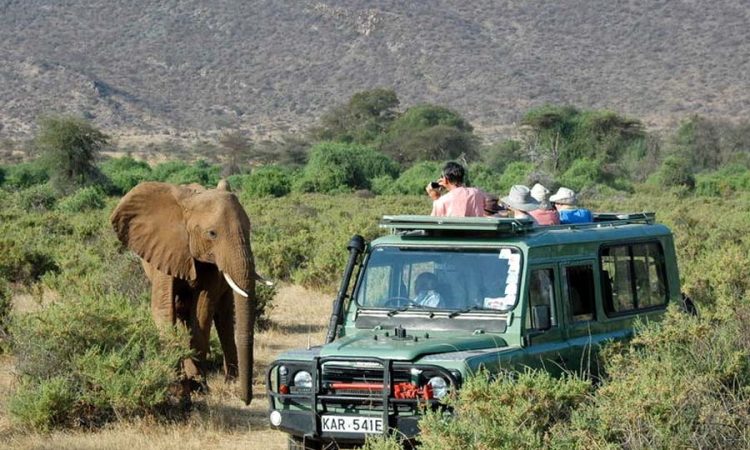
Game drives are the centerpiece of any Amboseli safari experience. Early morning means cooler temperatures, soft lighting for photography, and increased predator activity, in case you’re looking for an adrenaline rush during your safari. Morning drives usually last 2 to 3 hours and start around 6am.
Afternoon Drives
Opt for an afternoon drive if you're not much of a morning person. These drives continue wildlife-viewing opportunities in the morning, as animals emerge later in the day.
Afternoon drives usually avoid the hottest part of the day and start at 3:30pm, lasting for 2 to 3 hours. Or you opt for a full-day drive, which lasts about 6 hours, starting mid-morning at 10am.
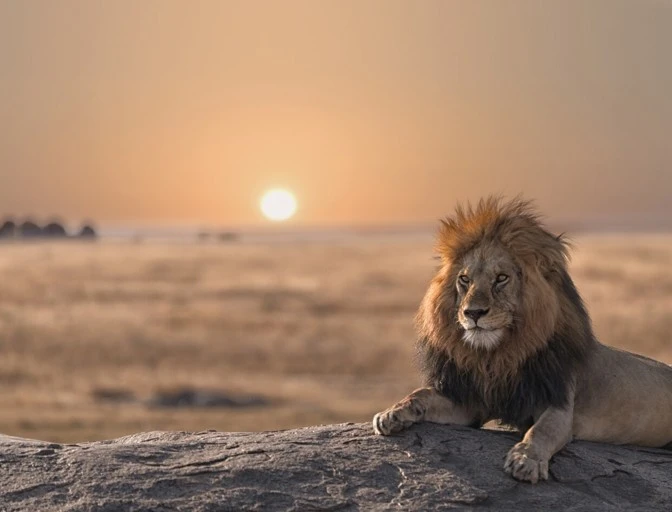
You can only see 3 of Africa’s “Big 5” in Amboseli (elephants, lions, and buffalo) — rhinos aren’t really present, and leopards are very rare and confined to dense brush and wooded areas.
Other animals you may encounter on morning and afternoon drives in Amboseli include:
Cheetahs
Wildebeests
Yellow baboons
Impalas
Maasai giraffes
Night Drives
Night drives are something completely unique from daytime safaris. They offer you the chance to see the bush in a different light (literally), giving you a whole new perspective on the landscape. Night drives usually last for 2 or 3 hours and take place between 7pm and 9pm. You’ll have the opportunity to see several nocturnal animals you won’t see on a daytime safari, including:
Civets
Genets
Aardvarks
Spotted hyenas
Bushbabies
Serval cats
Note: Night drives are prohibited within the boundaries of Amboseli National Park. However, you can arrange night drives in neighboring sanctuaries, including Selenkay, Tawi, and Kimana.
Walking Safaris & Cultural Visits
For a more intimate experience with nature, guided walking safaris are available in certain areas or conservancies bordering the park. These walks allow you to experience the bush at a slower pace and appreciate the smaller details, such as identifying animal tracks and examining local plant life. It’s a different pace from a vehicle-based safari, offering a deeper connection to the environment.
Walking safaris in and around Amboseli vary in price and length, from short 1-hour camp walks at around $60 per person to longer 2- to 3-hour walking safaris at around $125 per person.
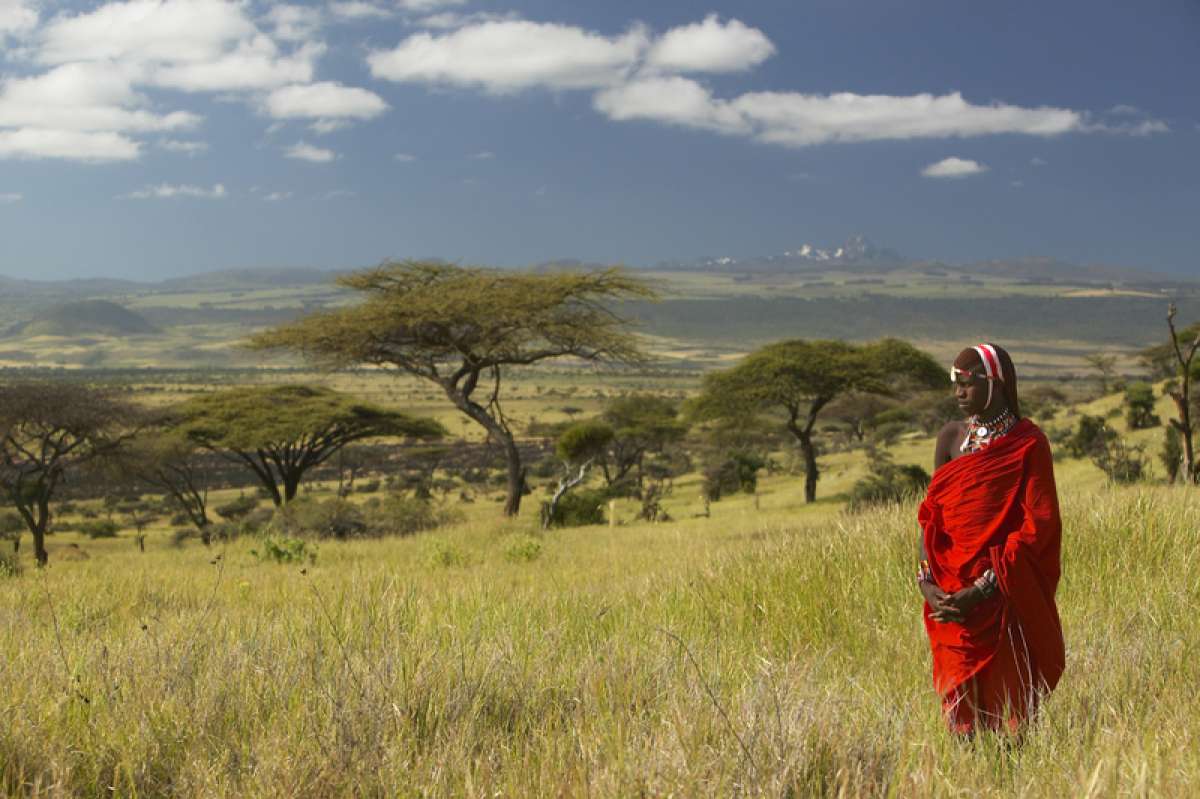
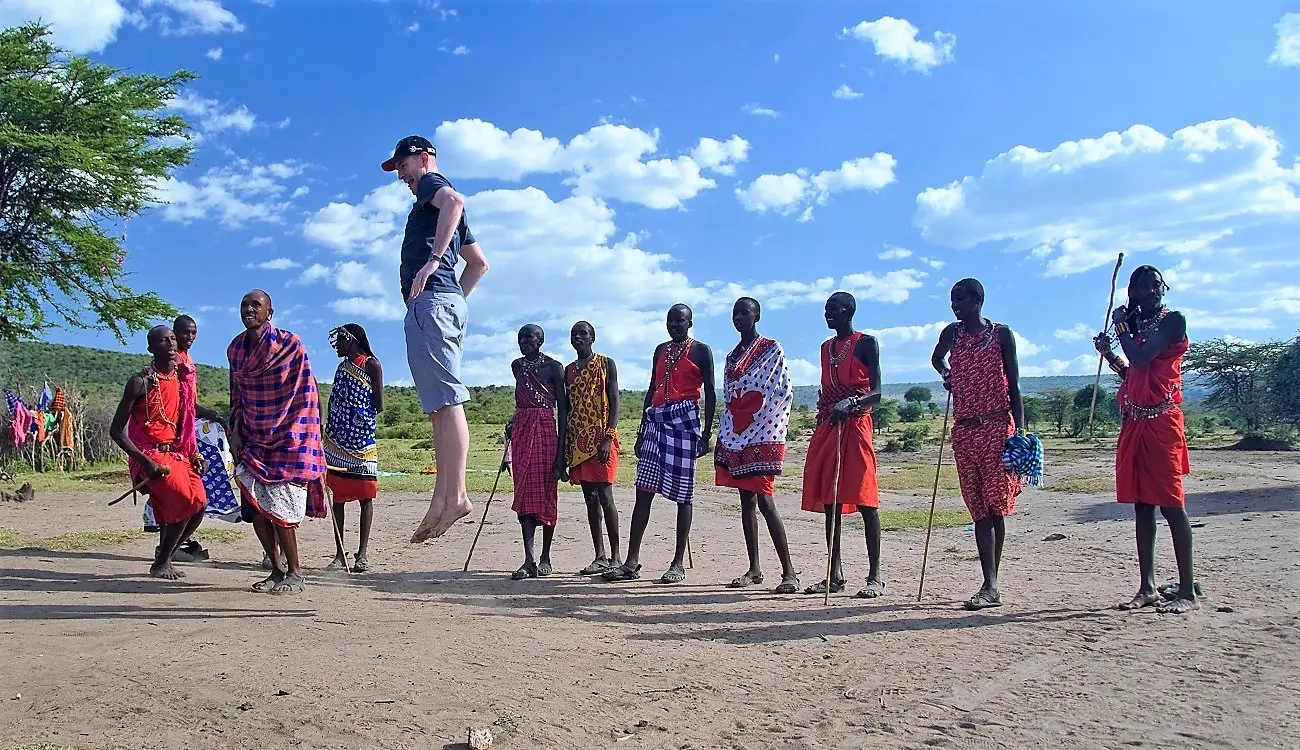
Beyond the wildlife, local Maasai villages offer rich cultural experiences. Here, you can learn about their traditional way of life and customs, and perhaps witness the Maasai jumping dance, known as Adumu. These interactions provide a unique perspective on the human element of this iconic landscape. Maasai warriors often also act as guides for short walking safaris.
Amboseli Wildlife Viewing Tips
Timing is Key: Early mornings and late afternoons offer the best sightings.
Listen to Your Guide: Local guides know animal behavior and movement patterns.
Be Patient: Wildlife sightings require patience and observation.
Bring Binoculars: Essential for spotting distant animals.
Where to Stay: Best Camps and Lodges in Amboseli
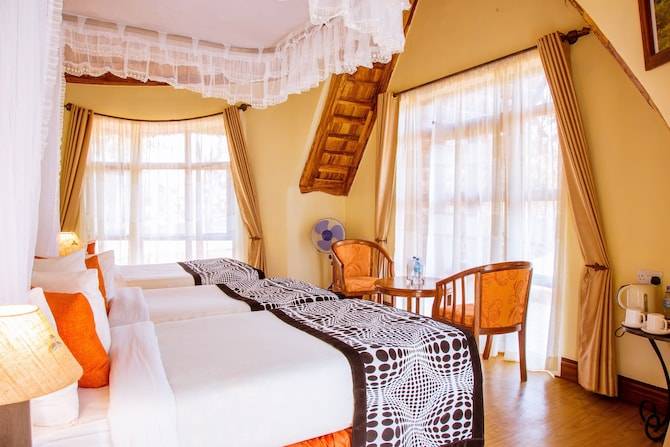
Choosing the right accommodation can shape your safari experience. Amboseli offers everything from luxury lodges to affordable camps.
The Best Amboseli Accommodation
Luxury properties in Amboseli typically feature:
Spacious suites or tents
Excellent dining
Prime Kilimanjaro views
Guided safari experiences
Swimming pools and relaxation areas
Among the highly rated accommodations in Amboseli National Park are the Ol Tukai Lodge, Kibo Safari Camp, and Amboseli Serena Safari Lodge. All three are four-star resorts within Amboseli National Park, with swimming pools, countless amenities, and spectacular views of Kilimanjaro. The five-star Tawi Lodge is another upscale lodge well worth considering if you don’t mind staying a short drive outside the park.
These lodges are excellent but on the pricey side, with rooms costing from $250 to $400+ per night, depending on the season.
Safari Soles Recommended Accommodation
We recommend staying at the Sentrim Amboseli Lodge or the Amboseli Sopa Lodge. Both are 3- to 4-star resorts a stone’s throw from Amboseli, complete with swimming pools, restaurants, and countless amenities.
These lodges are also much more budget-friendly than the luxury options, with rooms costing around $200 to $250 per night, depending on the season. We include them as accommodation on our Kenya safari itineraries, including our 14-Day Kenya & Tanzania Safari.
Budget-Friendly Accommodation Options
Amboseli also offers many affordable safari camps and lodges that provide excellent experiences without luxury pricing. Options range from tented campsites to lodges to cottages to eco-camps.
Some of the best options near Amboseli worth checking out include Olemayian Amboseli Cottages and Amboseli Eco Camp.
While these options lack the amenities and luxuries of the best Amboseli hotels, they’re very reasonably priced, with rooms going for as little as $20 to $30 per night.
Ready to book your Amboseli safari tour? Contact Safari Soles today to start planning your perfect itinerary.
Frequently Asked Questions
Where is Amboseli National Park located?
What is the best time to visit Amboseli National Park?
How much does it cost to enter Amboseli National Park?
What animals can you see in Amboseli National Park?


 Amboseli Wildlife Viewing Tips