The Hardest and Most Dangerous Mountains to Climb, and Where Kilimanjaro Fits In

Ask anyone to name the most dangerous mountains to climb, and Everest is usually the first name that comes to mind. But knowledgeable climbers would disagree. Several other peaks are considered the real deadliest mountains around, far more technically brutal and statistically more likely to be fatal than Everest ever was.

So what actually is the deadliest mountain to climb? By most fatality-rate stats, Annapurna I holds that title, with the highest fatality-to-summit ratio of any 8,000-m (26,246 ft) peak and the Guinness World Record for the deadliest Himalayan mountain, with a fatality rate of over 13.4%. Some newer data puts Kangchenjunga right there with Annapurna. Since 1990, Kangchenjunga’s fatality rate is estimated to be over 20%.

Here's how the world's toughest climbs stack up, and why Kilimanjaro, for all its height, sits in a very different category.
The Most Dangerous Peaks to Climb

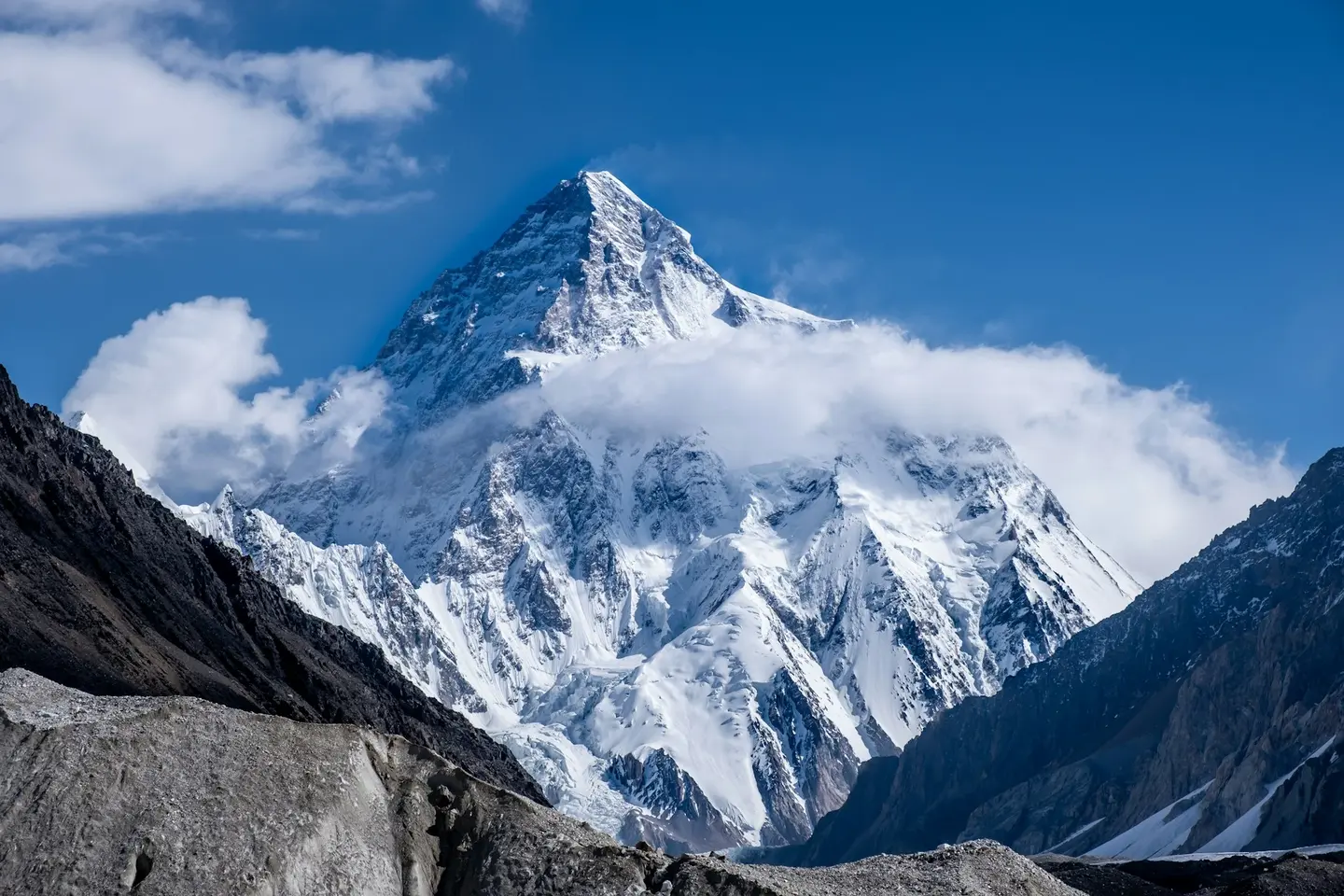
The summit of K2 covered in snow.

K2 (8,611 m / 28,251 ft, Pakistan / China), the "Savage Mountain,” has one of the highest fatality-to-summit ratios of any 8,000 m peak. Between the steep pitches, extreme weather that can change in minutes, and highly technical climbing sections, it's a tougher climb than Everest by a wide margin.

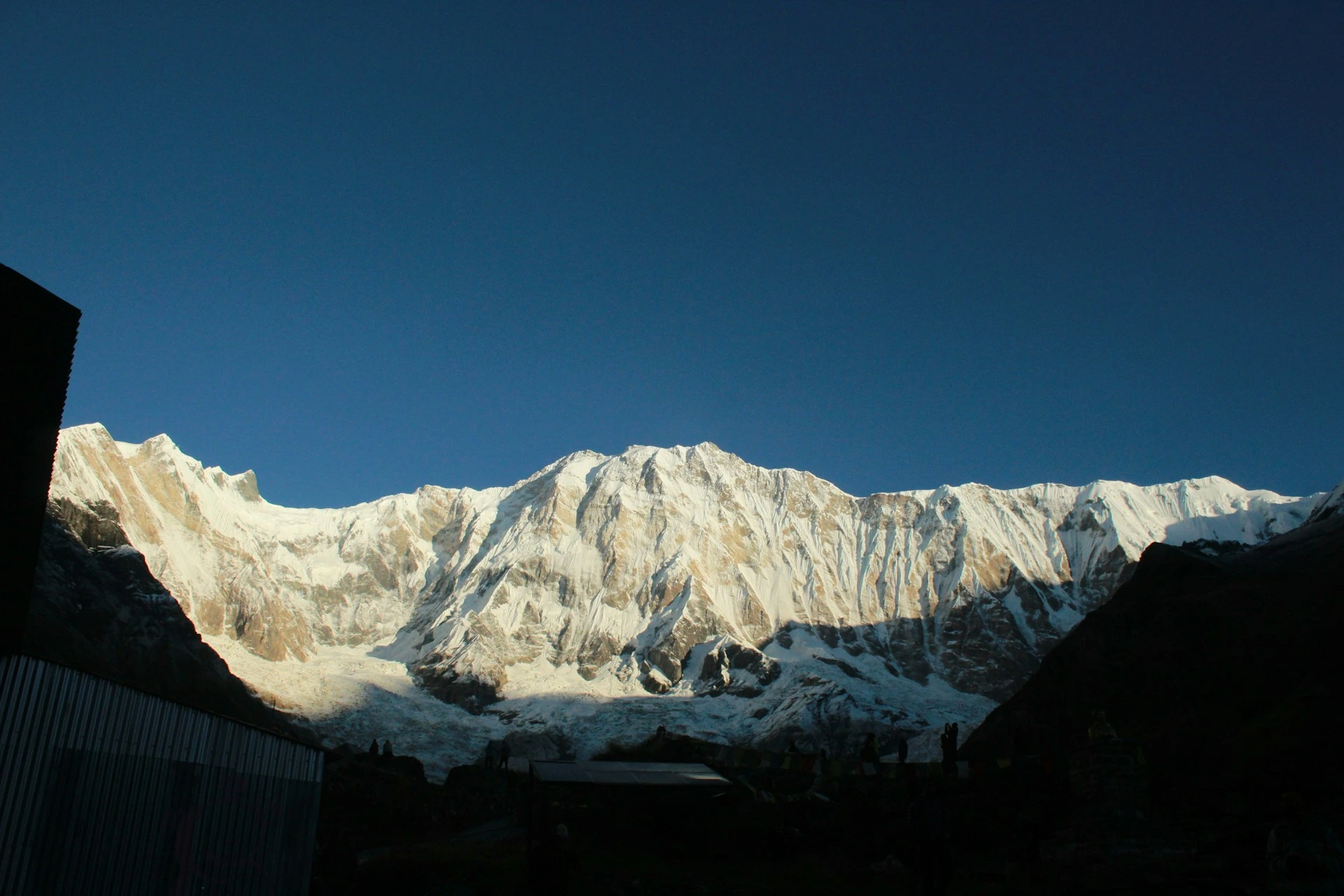
The Annapurna range with Annapurna I in the center.

Annapurna I (8,091 m / 26,545 ft, Nepal) has long been called the deadliest of the 8,000 m peaks, given how few people have actually summited it. Its routes are infamous for massive, unpredictable avalanches, meaning there's really no safe line up.

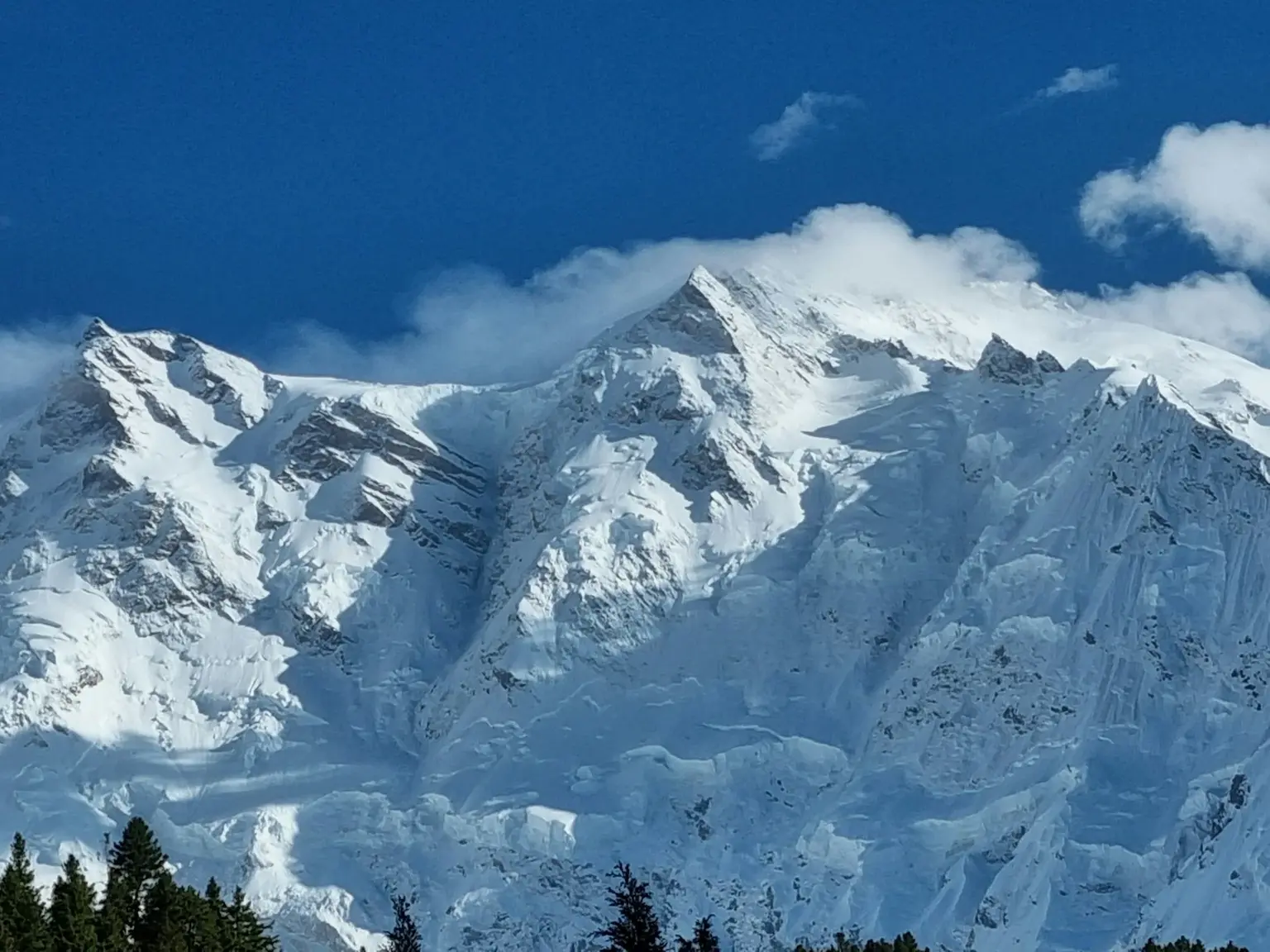
The summit of Nanga Parbat in the center covered in snow.

Nanga Parbat (8,126 m / 26,660 ft, Pakistan) earned the nickname "Killer Mountain" the hard way, after a string of 20th-century expeditions ended in tragedy on its Rupal Face, one of the tallest mountain faces on Earth.

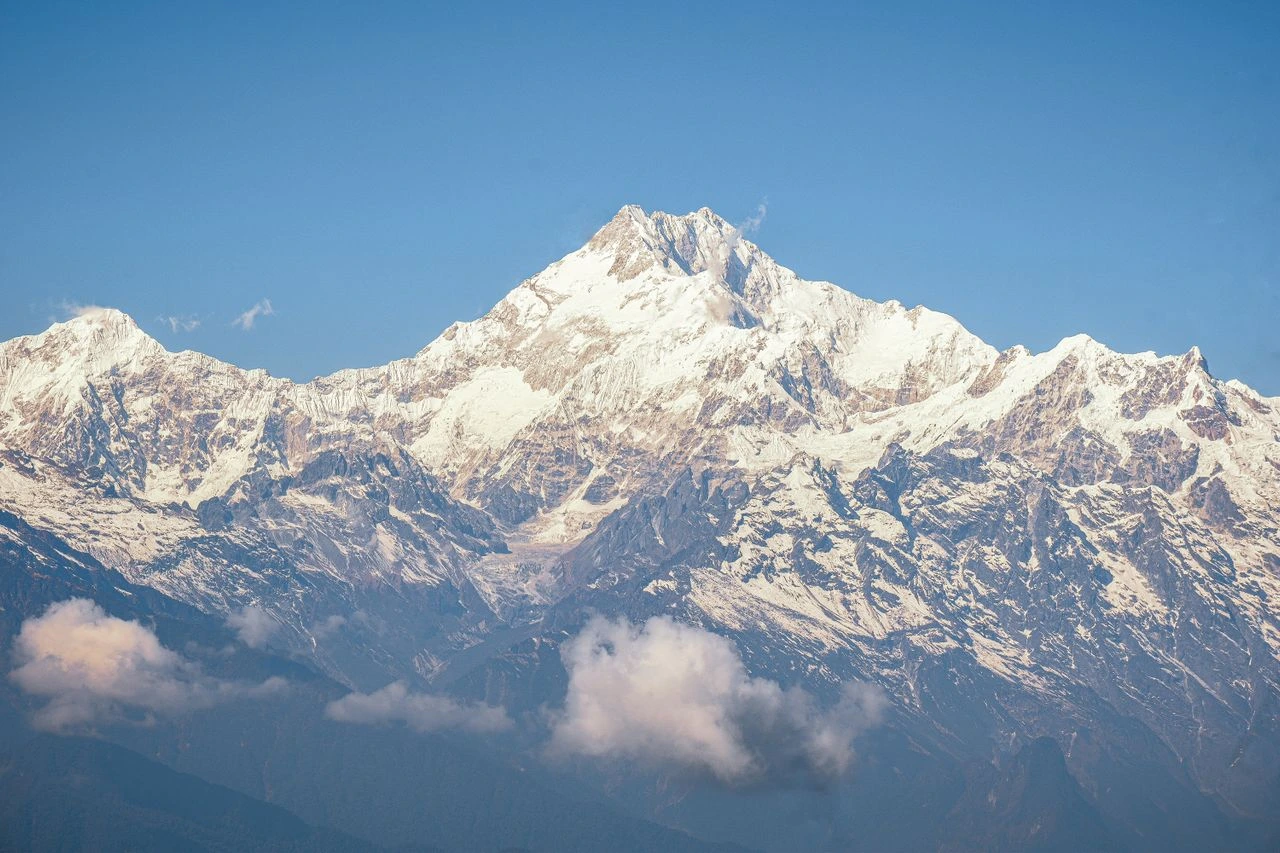
The peak of Kangchenjunga in winter with clear skies.

Kangchenjunga (8,586 m / 28,169 ft, Nepal / India) is the world's third-highest peak, and one of its most remote. Its fatality rate rivals (some data say beats) K2's, and with five separate summits, frequent avalanches, and rescue teams days away, it's an extremely unforgiving mountain.

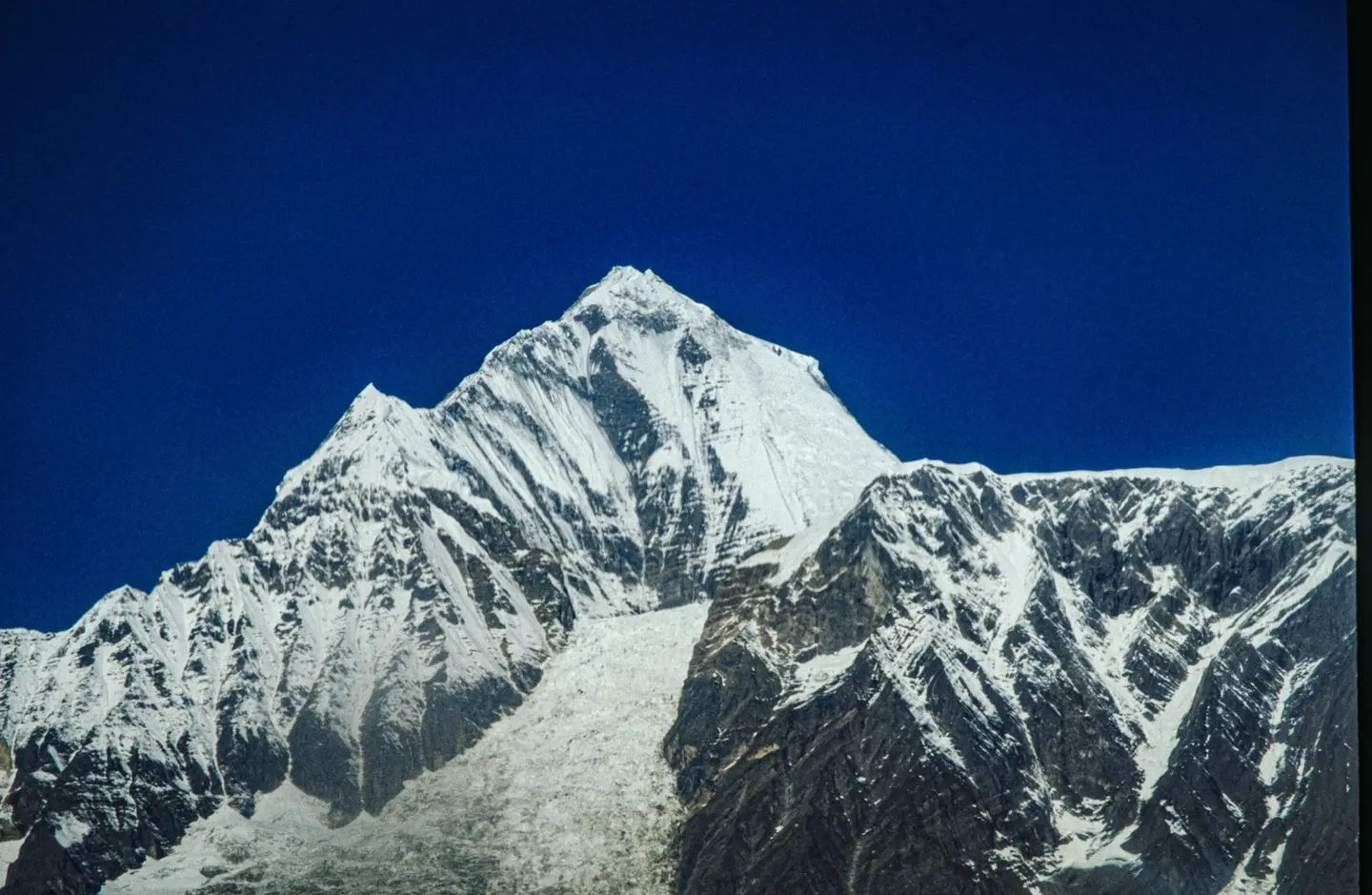
Dhaulagiri I summit on a clear day.

Dhaulagiri I (8,167 m / 26,795 ft, Nepal) wasn't summited until 1960, and it's easy to see why. Violent winds, brutally steep faces, and a fatality rate less than half a percent under Annapurna I have kept its southern face unconquered to this day.

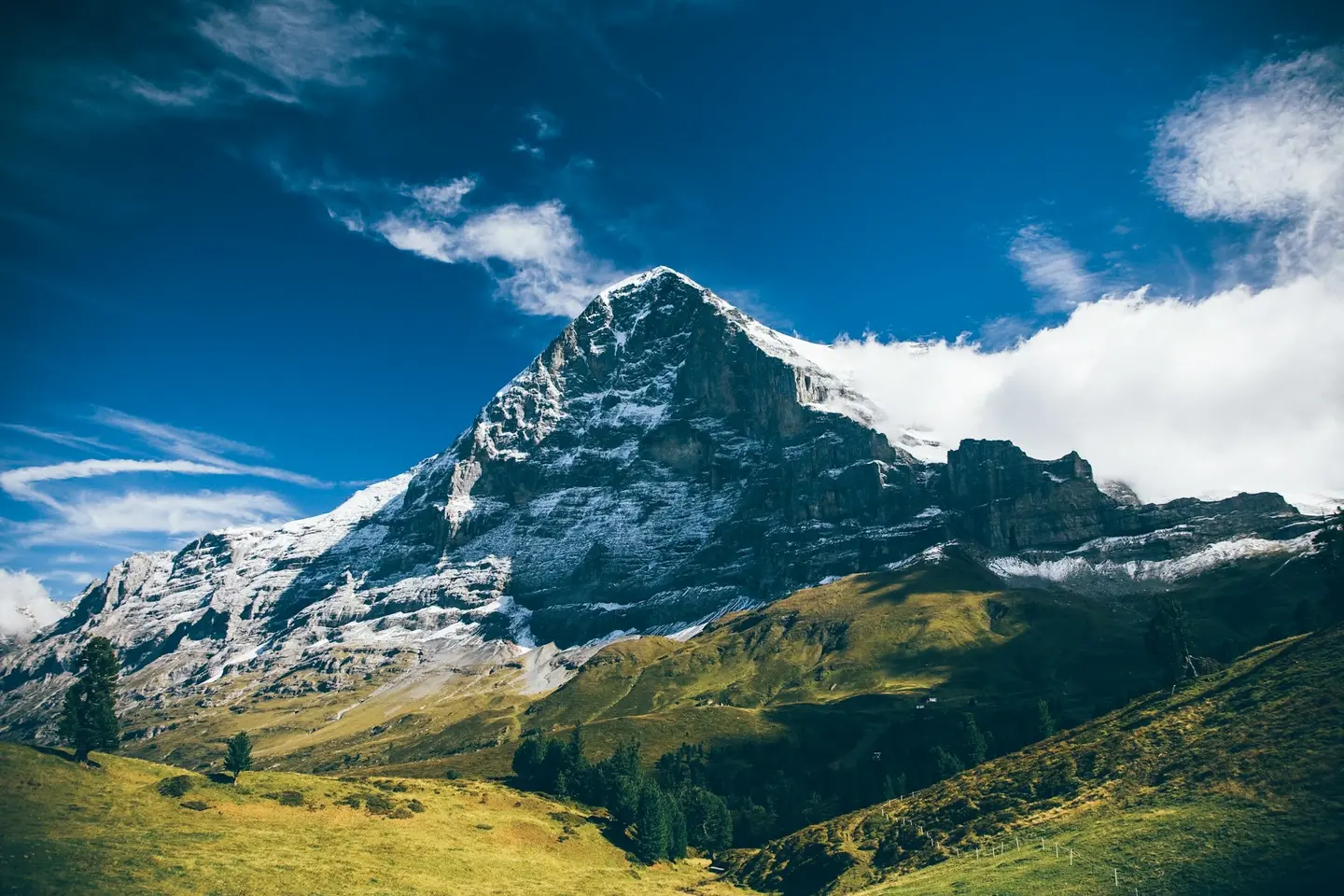
Eiger with its north face visible.

Eiger North Face (3,967 m / 13,015 ft, Switzerland) proves danger isn't just about altitude. This wall of loose rock, ice, and sudden storms has humbled elite climbers for generations, despite sitting well under 4,000 m (13,123 ft).

Where Kilimanjaro Fits

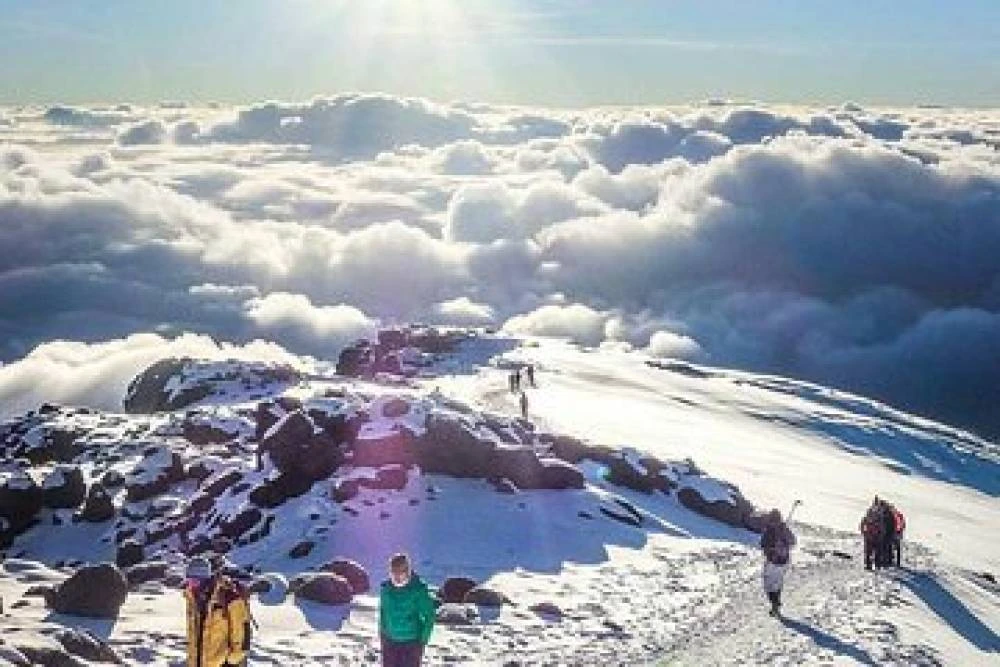
Mount Kilimanjaro (5,895 m / 19,341 feet) is Africa's highest peak and one of the famous Seven Summits, but it belongs in a completely different category from everything above. No ropes, no technical climbing skills,  and no mountaineering experience required to make this climb. It's a long, high-altitude trek rather than a climb in the technical sense, which is one of the big reasons so many people choose to hike Kilimanjaro instead of tackling a technical 8,000 m peak.

So, is Kilimanjaro hard to climb? Physically, yes. Technically, no, not in the sense that defines the peaks above.

Is Kilimanjaro dangerous, then? Not the way K2 or Annapurna are. Its danger is altitude, not terrain. Because you can reach the summit in as few as five days, depending on the route, many climbers move faster than their bodies can acclimatize, and altitude-related illness is the number one reason people turn back or need a medical evacuation. With the right route, pacing, and guiding team, however, Kilimanjaro is achievable for most reasonably fit trekkers.

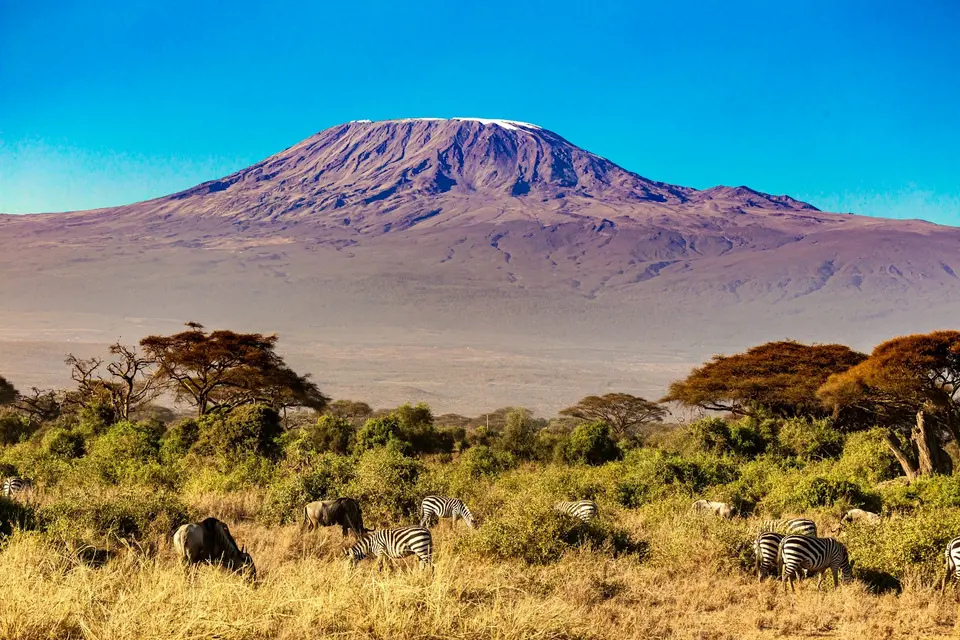
Kilimanjaro from Amboseli National Park with zebras in the foreground.

The Real Takeaway

"Hardest" and "most dangerous" aren't the same question, and the answer depends on which mountain you're asking about. K2, Annapurna, Nanga Parbat, Kangchenjunga, and Dhaulagiri test elite technical climbers against avalanches, icefalls, and terrain that leaves little room for error. Kilimanjaro tests everyday adventurers against altitude and endurance instead.

This difference is a big reason Kili is one of the most sought-after summits on the planet. It’s a high-altitude achievement that doesn't ask for a “mountaineering résumé.”  That's also why it's usually paired with a safari rather than another expedition. Kilimanjaro sits right on East Africa's doorstep, not in a remote range like some of the more dangerous peaks listed above.

Ready to trade the technical dangers of the world's hardest peaks for a high-altitude challenge you can actually train for? Explore our guided Kilimanjaro climbs, built around proper acclimatization so you can focus on the summit, not the risks.

Frequently Asked Questions

Is it dangerous to climb Kilimanjaro?

How many people die climbing Kilimanjaro?

Is Mount Kilimanjaro active?

Is Nanga Parbat harder than K2?

Where is Kangchenjunga?