Once you’ve decided the Serengeti belongs on your itinerary, two practical questions come next: which part of the ecosystem should you actually base yourself in, and what do you need to sort out before you fly? This guide covers both — starting with how the Serengeti compares to its neighboring conservation areas, then walking through the logistics worth handling in advance.
Planning Your Serengeti Safari: Where to Go & What to Know
Serengeti National Park vs. Ngorongoro vs. Grumeti: Which One Should You Visit?
“The Serengeti” often gets used loosely to describe a much larger ecosystem that spans several separately managed areas, each with a different character. Most itineraries, including our own, combine more than one.
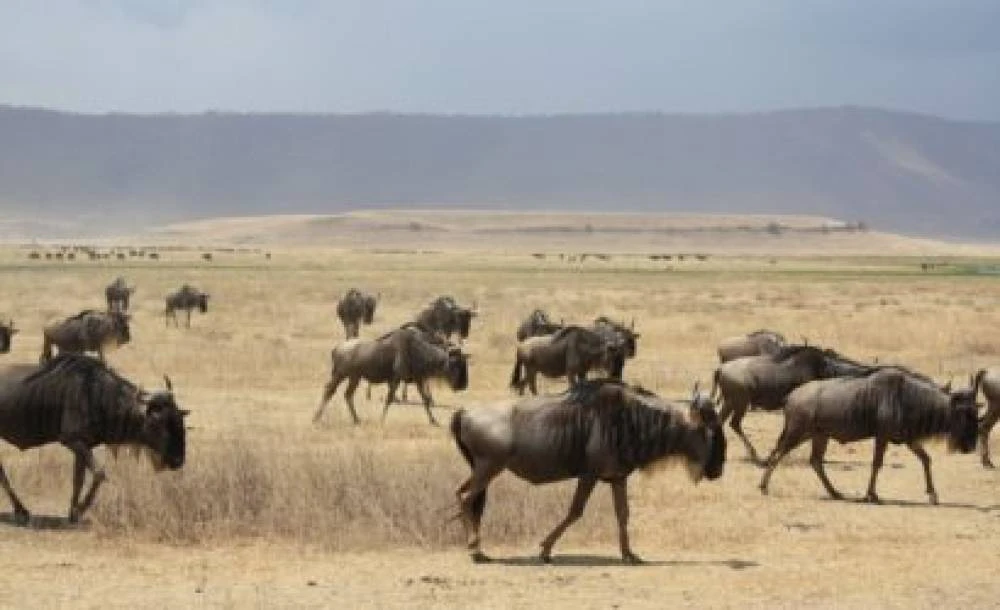
Serengeti National Park is the core of the ecosystem and the default choice if the Great Migration is the priority. It’s where the largest concentration of wildebeest and zebra move through at any given time, and it offers the widest range of landscapes, from open plains to riverine forest and granite kopjes.
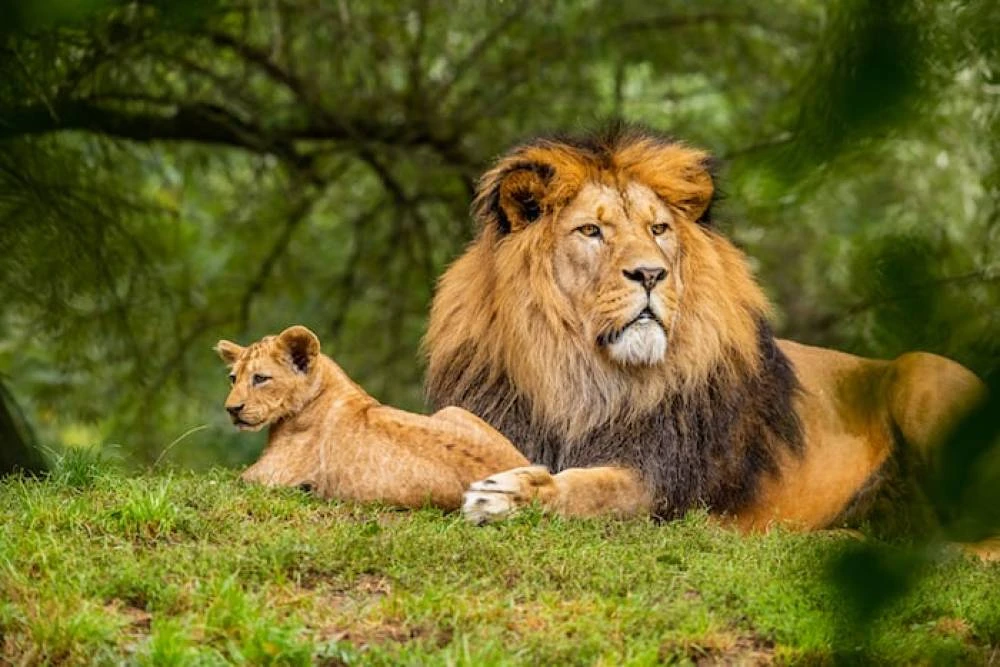
Ngorongoro Conservation Area, just southeast of the Serengeti, centers on the Ngorongoro Crater — the world’s largest intact volcanic caldera, roughly 100 mi² (260 km²) across and home to an estimated 25,000 large mammals, including some of Africa’s densest lion and black rhino populations. Because the crater’s steep walls keep most resident wildlife inside year-round, it offers super reliable Big Five viewing in a single day, plus the added draw of Olduvai Gorge and Maasai cultural context.
Grumeti Game Reserve sits in the Serengeti’s Western Corridor and is privately managed, which means fewer vehicles, off-road access, and a more exclusive feel. It’s a strong choice if you’re traveling during the migration’s western corridor crossing (typically May to July) or simply want a quieter, more intimate safari.
Safari Soles Recommends: Most of our guests don’t choose just one — pairing the Serengeti with Ngorongoro (and often Tarangire) is what our 5-day Serengeti safari itinerary is built around, giving you the migration, the crater, and a different landscape entirely in one trip.
Entry Requirements and Permits
You’ll need a valid Tanzania visa (requirements vary by nationality) as well as a park entry permit for the Serengeti, which your tour operator typically arranges as part of your booking. The current entry fee for a non-resident adult to Serengeti National Park is $83 for 24 hours. For the current visa process and requirements, see our Tanzania travel requirements guide.

Health and Safety Precautions
The Serengeti sits in a malaria-endemic area, so antimalarial medication, insect repellent, and long sleeves at dawn and dusk are standard advice — check with your doctor or a travel health clinic before you go, and make sure your travel insurance covers medical evacuation.
Beyond that, safety in the park is mostly about following your guide’s lead: staying inside the vehicle during game drives, keeping a respectful distance from wildlife, and sticking to designated tracks and camping areas.
What to Pack
Lightweight, neutral-coloured clothing, a warm layer for early-morning game drives, sturdy closed shoes, sunscreen, a hat, and binoculars cover the basics. For a full packing breakdown by season and trip length, see our free safari packing list.
Choosing Your Accommodation Style
Options across the Serengeti ecosystem range from public campsites to ultra-luxury lodges, and the right style depends on budget and how close to the action you want to be. If you’re narrowing down specific lodges, our Serengeti safari guide covers our top picks in the area. Traveling with kids? Our child-friendly safaris page covers which properties and itineraries work best for families.
Getting Around
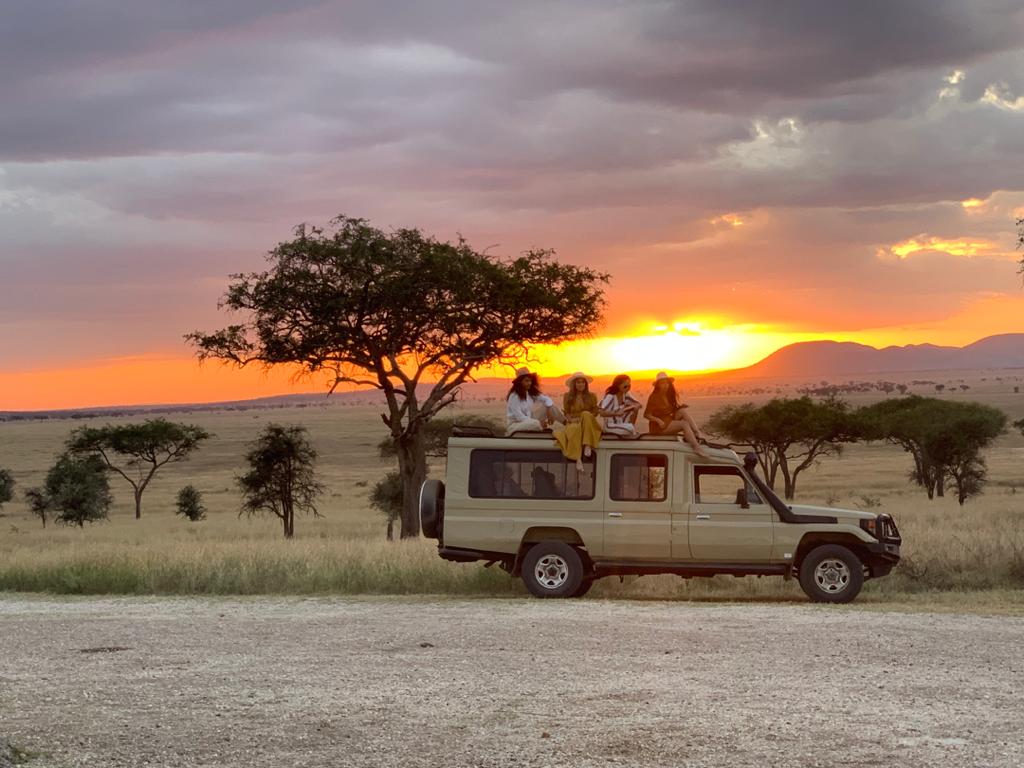
Most Serengeti safaris run on 4x4 safari vehicles built for game viewing, with domestic flights connecting airstrips like Seronera, Kogatende, and Grumeti for longer or multi-region itineraries. See our safari vehicles page for what to expect on the road.
Ready to Plan Your Route?
Once you’ve worked out where you want to base yourself and what to prepare, the next step is timing your trip to the migration and building an itinerary around it. Our 5-day Serengeti safari itinerary is a solid starting point if you want to see the Serengeti, Ngorongoro, and Tarangire in one trip. Or, get in touch and we’ll help you build a custom route.