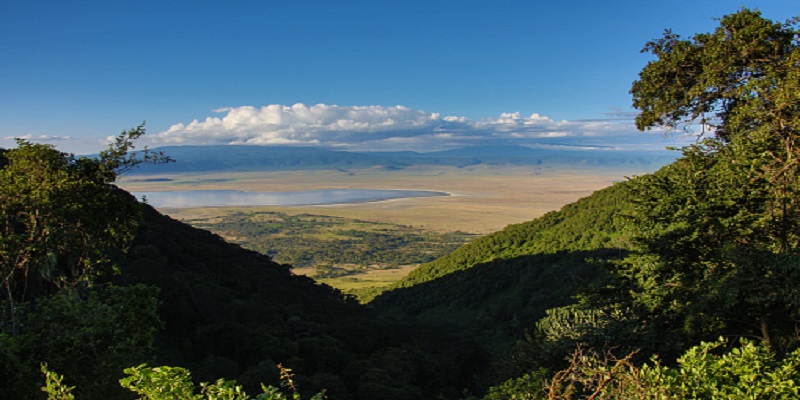
The crater itself formed 2 to 3 million years ago, when a large volcano erupted, and its cone collapsed inward, leaving behind a caldera roughly 2,000 ft (610 m) deep, with a floor spanning approximately 100 sq mi (260 sq km). Unlike most calderas of its size, it’s remained largely intact and uneroded, which is what makes it so unusual and striking.
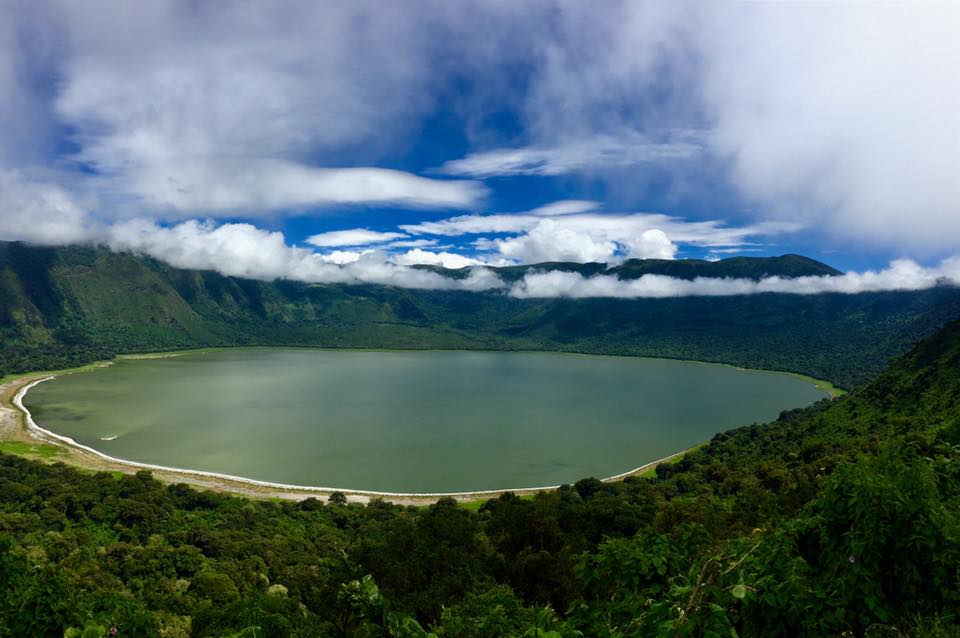
The crater’s steep walls act as a natural enclosure. Inside, the terrain shifts from open grassland to acacia woodland, swampy ground, and soda lakes, all within a self-contained ecosystem.
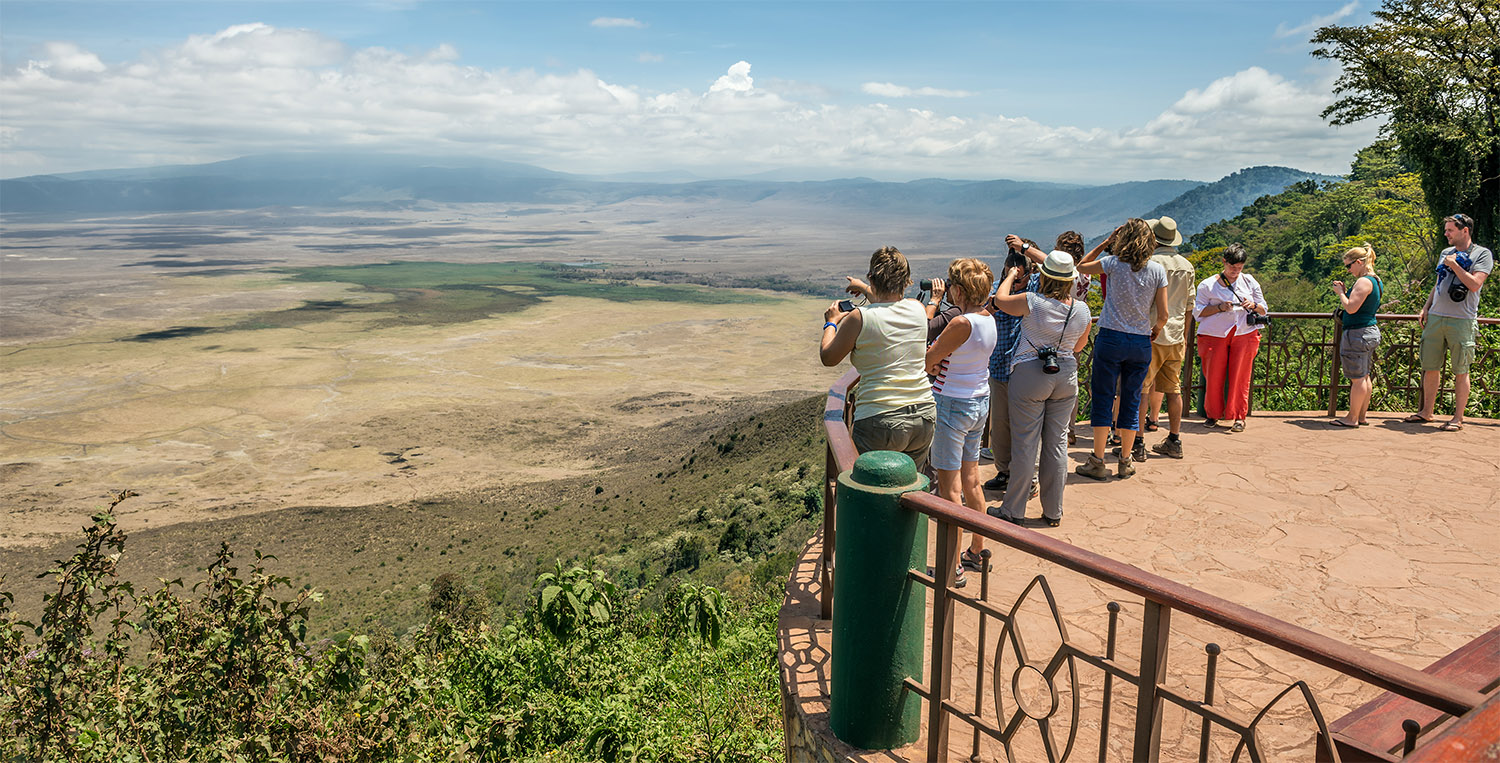
This varied landscape is partly why wildlife viewing here is so reliable. Animals don’t need to move far to find water, food, and cover from predators. The view down across the crater floor from the rim is one of the most photographed panoramas in East Africa, especially early in the morning when there’s mist over the landscape.
Safari Soles Recommends: Our guides love taking clients to the Ngorongoro Viewpoint. It’s easily accessible along the southern rim of the caldera, with breathtaking panoramas of the entire 12.5 mi (20 km) wide crater. Plus, it’s great for birdwatching.